Musty smells lingering in a house can be very unpleasant and concerning as they constitute indications of excess moisture and possible mold growth. These odors render living in it quite unpleasant, and so they are direct hazards to health and the safety of personal belongings. Dehumidifiers, however, are popular methods believed to tackle the dampness and air pollution. This comprehensive guide investigates the ability of dehumidifiers in fighting such odors and improving overall home air quality.
How Do Dehumidifiers Work?

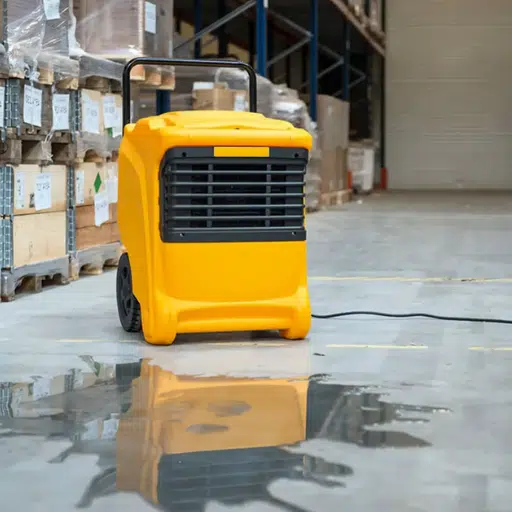
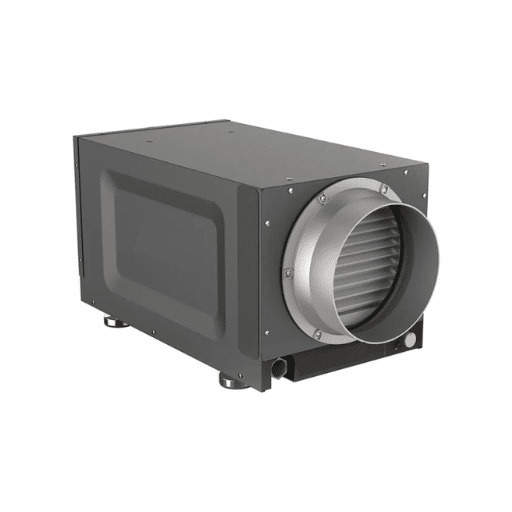
The main function of dehumidifiers is to remove excessive moisture from the air and thus to keep ideal humidity levels. They draw in moist air and, using a cold surface, condense the moisture content into water, while releasing dry air back into the room. The water collected is either put in a tank that requires emptying from time to time or drained continuously. With lesser humidity present, dehumidifiers work against the formation of mold, mildew, and musty smells for a healthy and comfortable indoor environment.
Basic Principles of Dehumidification
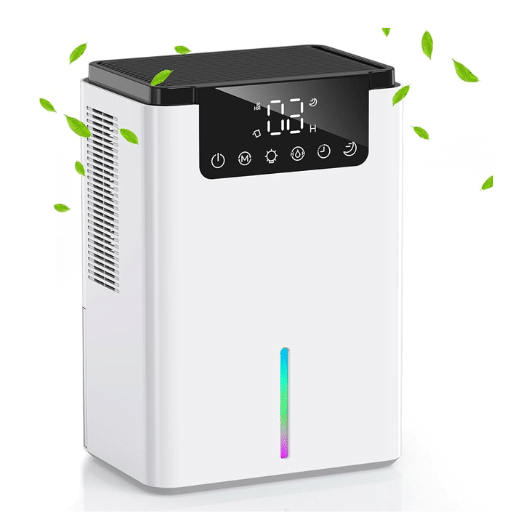
Modern dehumidification measures promise efficiency paired with convenience, often installed with numerous refinements meant to cater to the end-user. Smart dehumidifiers now include built-in hygrometers and humidity sensors that modify their settings automatically to maintain ideal moisture levels. Recent trends reveal energy efficiency and noise as popular considerations for users in dehumidifier selection.
Key Features of Modern Dehumidifiers:
- Energy-efficient compressors
- Practically silent operations
- Built-in hygrometers and humidity sensors
- Automatic settings adjustment
- Wi-Fi control capabilities
- Energy-saving modes
Types of Dehumidifiers
| Type | Best For | How It Works | Ideal Conditions |
|---|---|---|---|
| Refrigerant Dehumidifiers | Homes and offices with high humidity | Uses compressor action to cool air and condense moisture | Warmer weather, larger spaces |
| Desiccant Dehumidifiers | Basements and garages | Uses moisture-absorbing material to draw water from air | Cooler environments |
| Hybrid/Smart Dehumidifiers | Tech-savvy homeowners | Combines advanced technology with traditional methods | Any environment with Wi-Fi control needs |
Setting Up a Dehumidifier
💡 Setup Tips for Maximum Results
- Central Location: Place the dehumidifier in the central location of the room with no obstructions
- Proper Spacing: Keep it a few feet away from walls and furniture for airflow from all sides
- Near Moisture Source: For damp basements or larger areas, position close to the moisture source
- Optimal Settings: Set humidity level to 30-50% for comfort using built-in hygrometer
- Regular Maintenance: Clean filters and empty water reservoir regularly
The Connection Between Humidity and Musty Smells
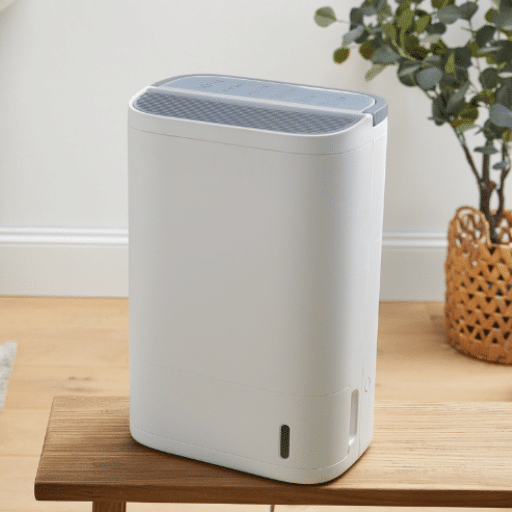
An essential factor causing musty odors inside houses is high humidity. Any relative humidity above the interval of 30-50% creates favorable conditions for mold, mildew, and bacteria to grow. As these microorganisms thrive, they release volatile organic compounds (VOCs), which are very much responsible for those musty odors.
Understanding Musty Odors
Musty odors usually arise when moisture is around and damp conditions provide a perfect environment for molds and mildew. These fungi release microbial volatile organic compounds (MVOCs) and are chiefly responsible for the characteristic smell associated with mustiness.
⚠️ Common Causes of Musty Odors:
- Leaking pipes
- Poor ventilation
- Water-damaged materials
- Higher indoor humidity levels (above 60%)
How Humidity Causes Musty Smells
When relative humidity of the air sits above 60%, moisture tends to cling to surfaces and encourages mold spores and bacterial colonies in their growth. These microorganisms emit VOCs, which are responsible for the musty odor. High humidity levels combined with poor ventilation increase odor intensity over time, turning minor episodes of trapped moisture into serious problems.
Common Areas Where Musty Smells Occur
| Location | Why It’s Prone to Musty Smells | Solutions |
|---|---|---|
| Basements | Below ground level, moisture from surrounding earth | Dehumidifier + waterproofing |
| Closets | Lack of ventilation, wet clothes | Improve airflow, moisture absorbers |
| Bathrooms | Constant steam and water exposure | Exhaust fans, dehumidifier |
| Attics | Poor ventilation, temperature fluctuations | Ventilation improvement, insulation check |
| Under-sink cabinets | Plumbing leaks, trapped moisture | Fix leaks, improve ventilation |
Can a Dehumidifier Get Rid of Musty Smells?
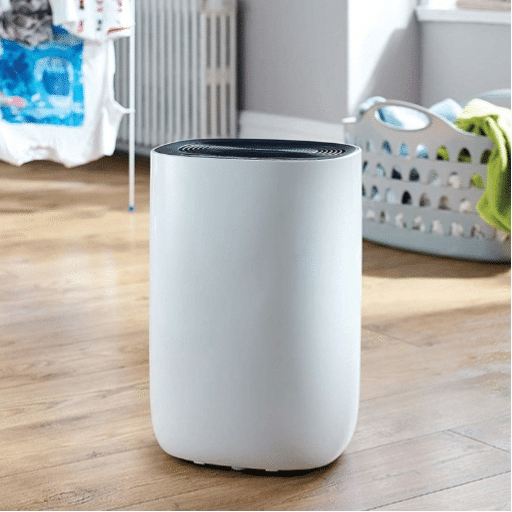
Effectiveness of Dehumidifiers in Odor Removal
Dehumidifiers are ideally used to control odors that come with excess humidity and moisture. Scientific data shows that continuous dehumidifier use can significantly reduce moisture, creating an environment where odor-causing organisms cannot thrive. The key is maintaining indoor humidity levels below 60% while combining dehumidification with thorough cleaning.
Limitations of Dehumidifiers for Musty Smells
Important Limitations:
- Dehumidifiers only address the moisture source—existing mold and mildew must be cleaned
- Set-in odors from carpet, walls, or furniture may require professional treatment
- Incorrect room size or poor positioning reduces effectiveness
- Severe infestations may need comprehensive remediation
Combining Dehumidifiers with Air Purifiers
Using dehumidifiers combined with air purifiers creates a powerful solution for purifying indoor air and eliminating musty odors. While a dehumidifier removes excess moisture to prevent mold growth, an air purifier removes contaminants such as dust, allergens, and particulate matter.
Benefits of the Combination:
- Comprehensive moisture control
- Removal of airborne particles and allergens
- Improved overall air quality
- Enhanced odor elimination
- Better respiratory health
Tips for Using a Dehumidifier to Improve Home Smell

🏠 Placement Tips
Place the Dehumidifier in the Right Location
Ensure the dehumidifier is positioned in a central area of the room or in spaces prone to excess humidity, such as basements, bathrooms, or kitchens. A location where dampness is most concentrated ensures optimal functioning.
⚙️ Settings
Set the Humidity Level Correctly
Maintain indoor humidity levels between 30% and 50% for best air quality. Use a hygrometer to measure indoor humidity and set the dehumidifier accordingly.
🧽 Maintenance
Clean the Dehumidifier Regularly
- Clean the water tank weekly
- Replace or clean filters as directed
- Empty the water tank promptly to prevent bacterial growth
- Rinse the tank to maintain an odor-free state
Optimal Settings for Dehumidification
| Area Type | Recommended Humidity Level | Notes |
|---|---|---|
| General Living Areas | 40-50% | Comfortable balance for daily living |
| Basements | 40% | Prevents mold and mildew growth |
| Bathrooms | 30-40% | After ventilation improvements |
| Storage Areas | 35-45% | Protects belongings from moisture damage |
Maintenance Tips for Your Dehumidifier

Regular Cleaning Schedule
- Weekly Tasks:
- Clean or replace air filter
- Empty and clean water tank
- Check for obstructions in vents
- Monthly Tasks:
- Clean evaporator and condenser coils
- Check hygrometer accuracy
- Inspect for wear and damage
- Annual Tasks:
- Professional service and inspection
- Refrigerant level check
- Mechanical parts lubrication
When to Buy a Dehumidifier
Signs You Need a Dehumidifier:
- Consistently high humidity (above 50%)
- Condensation buildup on windows
- Persistent musty odors in enclosed areas
- Visible mold or mildew growth
- Structural damage from moisture
- Allergy symptoms worsening indoors
Homeowners facing moisture problems must act promptly to minimize damage and maintain a healthy indoor living environment. Consider a dehumidifier especially for basements, crawl spaces, or other poorly ventilated places with high moisture buildup.
References
-
Eliminate Mildew Odor with a Game-Changing Dehumidifier – MIT – Explains how dehumidifiers remove excess moisture to prevent mildew and odor.
-
Air Filters, Dehumidifiers, and Humidifiers – University of Rochester Medical Center – Discusses the role of dehumidifiers in curbing mold and dust mites, which contribute to odors.
-
Indoor Air Quality – University of Massachusetts Amherst – Highlights the use of dehumidifiers to manage high humidity and improve air quality.
Frequently Asked Questions (FAQ)
Do musty smells get erased by dehumidifiers?
Yes, dehumidifiers can eliminate musty odors. They remove moisture from the air, and it is the moisture that aids in the growth of mold, eventually providing the musty odors. If the humidity is kept low, a dehumidifier will help reduce, if not eliminate, those persistent musty smells in your home.
How do dehumidifiers take bad smells away?
All dehumidifiers remove bad smells by extracting moisture from the air, which is often the source of these odors. Mold growth, musty odors, and increases in allergens such as dust mites can flourish under high humidity conditions. By keeping humidity levels in check, dehumidifiers help eliminate those unpleasant odors.
Can a dehumidifier reduce the musty smell inside small rooms?
A big, big yes! There is going to be a lot of moisture in small rooms. The dehumidifier runs freely, then reduces musty odors, thus creating a comfortable setting. The set humidity level should be scanned; this will give more fantastic results.
Which dehumidifier works best for removing moisture from the air?
The best dehumidifier for removing moisture from the air depends on several factors, including the size of the room and humidity levels therein. Generally, these units are used in damp areas like basements, whereas small portable units would be ideal for a studio apt or smaller room. Opt for features that enable you to set the humidity according to your liking.
Do air fresheners work to get rid of musty smells?
Air fresheners merely mask musty smells faintly, but they don’t deal with the actual source of the smell. To get rid of musty odors, it’s best to use a dehumidifier to dry out the air and deal with the root causes, such as mold proliferation or dampness.
How do dehumidifiers work to clean the air?
Dehumidifiers clean the air by drawing in moist air that can harbor allergens like dust mites, mold spores, etc. By lowering the amount of humidity present, the environment becomes less desirable for these particles to exist and improve the ease with which you can breathe in your home.
Do I have to run a dehumidifier in winter then?
Absolutely. It can be necessary in those areas of high humidity to continue to use a dehumidifier in winter. In colder months, moisture does still tend to gather indoors and so does result in musty odors and possible mold growth. A dehumidifier removes excessive moisture keeping the indoor air fresh.
What happens if the dehumidifier cannot get rid of the smell at its source?
If your dehumidifier cannot get rid of the smell at its source, then further inquiry may be necessary. You should check for hidden mold growth, water damage, or any other causes for the smell. Those problems will have to be dealt with as the supposed solution to getting rid of that bad smell in your house.