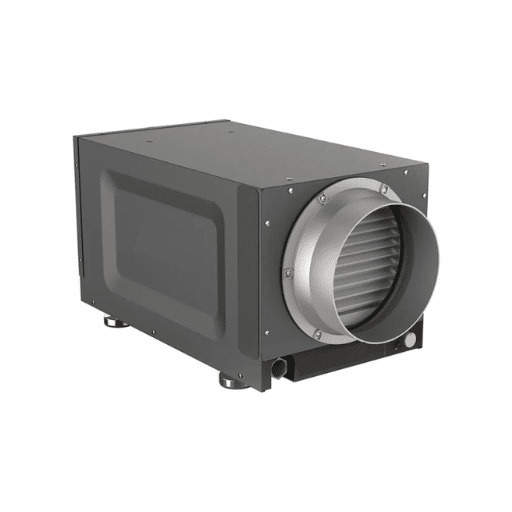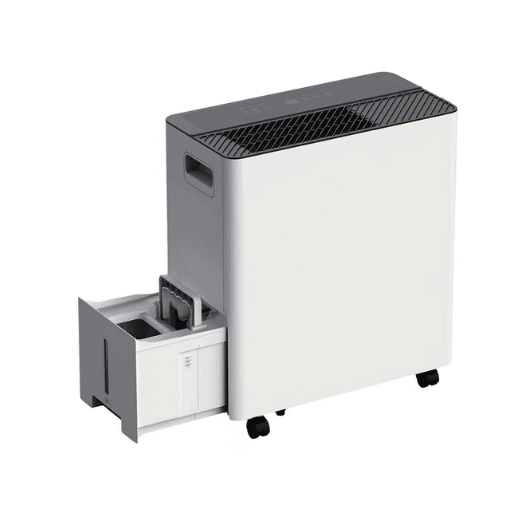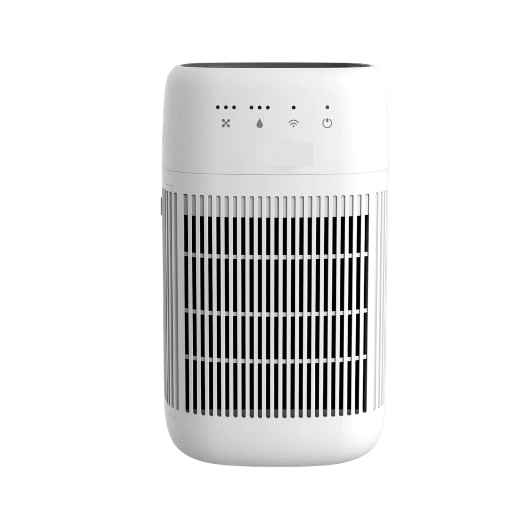
High humidity working in the bathroom can mount for a number of issues from continuous growth of molds and musty smells to peeling of paint and damage to walls. Controlling moisture is vital in keeping the space clean and fresh and a bit more in safeguarding a home from long-term damage. Here lies the real advantage of the washer and the drying type dehumidifier for your bathroom. We’ve rounded up and analyzed the best dehumidifier options specifically to deal with bathroom humidity to help you understand how they work and provide insightful tips to assist you in making your choice. So, whether you are sick of fogged mirrors or want to keep a healthier environment in the bathroom, we will take care of it!
Understanding Bathroom Humidity
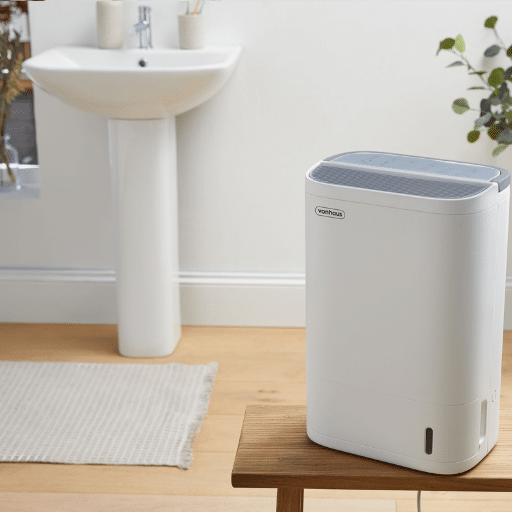
Bathroom humidity is primarily caused by steam from hot showers or baths. This moisture accumulates in the air, leading to condensation on walls, ceilings, and surfaces. Over time, high humidity levels can encourage mold growth, damage paint or wallpaper, and even affect the structural integrity of your bathroom. To manage bathroom humidity effectively, proper ventilation, regular cleaning, and the use of a dehumidifier are essential.
What Causes Excess Moisture in Bathrooms?
Unwanted moisture appears in bathrooms due to many instances of daily life that go unaddressed by ventilation. Among the biggest criminals of raising humidity is steam rising from a hot shower or bath in a confined place. A leaky pipe or medium could add moisture into walls or floors, hence promoting dampness. What makes all of this worse is poor ventilation, which does not allow the moisture to go away but sits in the air and condenses on surfaces. Drying wet towels indoors or running a humidifier with no air circulation can increase the levels, setting the stage for these problems. Going forward, a combination of good ventilation-make sure an exhaust fan or open window is available-along with quickly repaired leaks and behaviors that discourage moisture should keep these problems at bay.
Impact of High Humidity on Bathroom Environment
Unhygienically high levels of moisture in a bathroom do cultivate mold and mildew, which germinate potentially causing harm to health and jeopardize the surfaces to a certain extent over time. Mold and mildew favor environments where there is an excess of moisture, and can cause odor, stain, and may irritate the respiratory system of the individuals inhabiting the spaces. Considering it for long, moisture can peel off paint on walls, and wooden furnishings can swell or warp, plus it can rust metal parts. Google’s recent search trends reveal that people search remedies to stop mold growth and maintain correct humidity in the bathroom. It signifies that it is a common concern for homeowners, more so because of the disadvantages of damp conditions. Planning to solve it by way of adequate ventilation to begin with, then placing a good dehumidifier set-up, and along with mold-resistant materials, puts these situations under full control, hence creating a healthy and durable bathroom environment.
Signs You Need a Dehumidifier
⚠️ Warning Signs to Watch For
There could always be a musty smell in the bathroom or any other part of your home. This is so common it has become a bit cliché. Usually, the presence of mold or mildew signifies this smell, and they get along very well with moisture.
🦠 Visible Growth of Mold or Mildew
Black, green, or even whitish spots appearing on walls, on ceilings, on tiles, or even in the grout are a clear indication that humidity levels are high. Early intervention with a dehumidifier will save further damages.
💧 Excess Condensation on Window and Mirror
If indoor air has too much moisture, there would be regular accumulation of condensation on windows, mirrors, or glass surfaces. Wiping it off is only a temporary solution, while dehumidifiers eliminate the root cause.
🎨 Peeling Paint or Wallpaper
Over time, high humidity causes paint or wallpaper to bubble, crack, or peel. Most often this is seen in bathrooms lacking adequate ventilation and should be an indicator to control the moisture.
🤧 Allergy or Respiratory Types of Discomfort
Excess moisture can harbor dust mites and molds, which typically aggravate any problems from allergies or respiratory issues. If you have persistent sneezing, coughing, or congestion of sinuses, a dehumidifier may prove to be a beneficial investment toward better air quality.
Choosing the Right Bathroom Dehumidifier
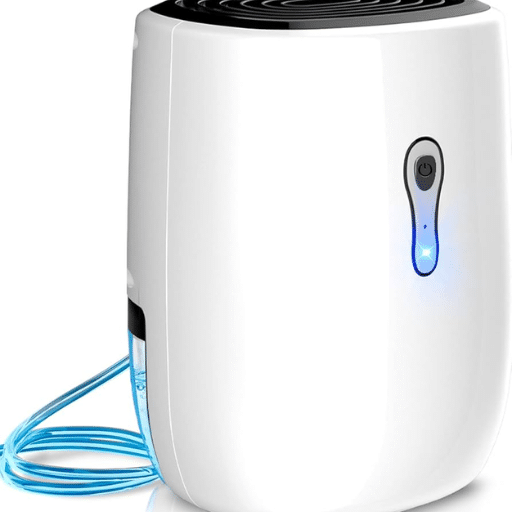
When picking the right type of bathroom dehumidifier, you will want to consider size, capacity, features, and energy efficiency. Recent search trends show users tend to give importance to compact type dehumidifiers that fit well in the limited spaces of bathrooms. Based upon the size of your bathroom, you would want to consider a dehumidifier of right capacity; anything between 30 to 50 pints per day usually fits most bathrooms. The convenience and effectiveness increase with features such as an auto shut-off, built-in humidistat, and option for continuous drainage. Energy Star-certified energy-efficient units have also been sought more in recent days for they are helping cut electricity charges without compromising on quality. By looking at your bathroom’s specific needs and considering some of the above-mentioned factors, you are sure to love the chosen dehumidifier, which will keep the air pleasant and moisture issues at bay.
Types of Dehumidifiers for Bathroom Use
There are different types of dehumidifiers available for the bathroom to suit various needs and preferences. Some of the often seen types of dehumidifiers, along with their features, are shown below:
1. Compressor-Based Dehumidifier
These are some older-style models of dehumidifiers, using refrigeration methods to condense moisture in air. These work best in warm humid situations and come in different capacities for varying room sizes. Also, their noise level might be higher than the others.
2. Desiccant Dehumidifier
Instead of refrigerating air much like with compressor dehumidifiers, these maintain moisture by absorbing it from the air. Silent and suitable for cool climates, consider going for one with some portability features, so it could be taken to the bathroom when necessary.
3. Thermoelectric (Peltier) Dehumidifiers
Thermoelectric dehumidifiers are compact and energy-efficient, suitable for smaller spaces such as bathrooms. Without moving parts, you find that these units generally operate quieter. However, they may not be as efficient under really high levels of moisture as the compressor-based ones.
4. Whole-House Dehumidifiers
These units are intended to keep the entire house, including the bathrooms, free of moisture. While they do pose the more permanent solution, installation comprises mounting within your HVAC system, and they tend to give a rather steep initial cost.
5. Mini Dehumidifiers
Perfect for bathrooms small in size, these definitions are designed for a small area. Easy to move and store, the mini dehumidifiers become perfect for occasional or supplementary use in any high-moisture situation.
By understanding the different types of dehumidifiers and what they specifically do, you can select the right one that works very well in actual consonance with your bathroom size, humidity level, and usage requirements.
Key Features to Look For in a Bathroom Dehumidifier
📏 Capacity
The choice of a dehumidifier that can work within your bathroom area is quite essential. Depending on the size of your bathroom-small and medium-it could be a 20 to 30 pint unit, while the larger the bathroom, it is far from being enough and therefore requires a higher capacity to handle the humidity level effectively.
⚡ Energy Efficiency
Look for Energy Star-rated models. These appliances consume less electricity, thus lowering energy costs and allowing you to retain optimal performance.
🔇 Noise Level
Silent operation equals a comfortable bathroom presence. Check decibel(dB) rating of the device;anything under 50 dB is generally considered quiet.
🛑 Auto-Shutoff
Dehumidifiers with auto-shutoff offer protection against water overflow, automatically shutting down the unit if the water tank becomes full-safety plus convenience.
🔧 Maintenance
Choose a model with a removable and washable filter; cleaning and general maintenance thus become quite simple, consequently keeping the unit functional and performing adequately for a long time.
Energy Star Ratings: Importance in Dehumidifiers
Dehumidifiers with an Energy Star rating grant several benefits. These advantages boost efficiency while helping one to save energy and hence, save money over time. These models conform to strict energy efficiency criteria laid down by the U. S. Environmental Protection Agency and Department of Energy, making them environmentally friendly. Here are five key benefits of having an Energy Star rated dehumidifier:
- Less Energy Consumption: Energy Star-certified dehumidifiers consume about 15 percent less energy than regular models, thus cutting down on utility bills.
- Carbon Footprint Reduction: In consuming less energy, these units help reduce greenhouse gas emissions and aid in sustaining the environment.
- Improved Performance: Energy Star-rated dehumidifiers are designed to work just as well as regular models in removing moisture, but they do so by using less energy.
- Life-Long Cost Savings: The price may be slightly higher upfront; however, substantial energy savings over the product’s lifespan will more than outweigh the initial investment.
- Lower Noise: Most Energy Star models use advanced technology to maintain a near-silent operation, which is another factor that favors them for residential or office use.
That dehumidifier with the Energy Star rating being chosen will make sure the environment is kept safe, quality is provided, and a lot is saved in the long run.
Top Recommendations for Bathroom Dehumidifiers

The list below comprises five of the best bathroom dehumidifiers, each rated highly for a balance of efficiency and features at an affordable price:
| Model | Capacity | Energy Star | Noise Level | Price |
|---|---|---|---|---|
| Frigidaire 22-Pint | 22 pints/day | ✅ Yes | ≤50 dB | ~$220 |
| hOmeLabs 1,500 Sq. Ft | 22 pints/day | ✅ Yes | ~48 dB | ~$200 |
| TOSOT 20-Pint | 20 pints/day | ✅ Yes | ~42 dB | ~$240 |
| Waykar 2000 Sq. Ft | 34 pints/day | ❌ No | ~40 dB | ~$190 |
| Vremi 22 Pint | 22 pints/day | ✅ Yes | ~48 dB | ~$210 |
🌟 Key Features Comparison
- Frigidaire 22-Pint: Custom humidity setting, continuous drain option, small footprint
- hOmeLabs 1,500 Sq. Ft: Auto shutoff and auto defrost, washable filter, modern style
- TOSOT 20-Pint: Whisper-silent operation, auto pump, touch control panel
- Waykar 2000 Sq. Ft: Intelligent humidity control, 360° rotating wheels, 2.5L water tank
- Vremi 22 Pint: Auto-restart and auto-defrost, minimal design, continuous draining option
These models are especially efficient, fairly quiet, and are loaded with features fit for bathrooms to keep you comfortable and free from moisture.
Best Dehumidifiers for Small Bathrooms
When compact and efficient dehumidifiers are needed for small bathrooms, the following five options present the best choices:
Pro Breeze Electric Mini
Energy Star: No
Noise Level: ~33 dB
Price: ~$50
Ultra-quiet thermo-electric cooling technology, portable and lightweight, auto shut-off when tank is full
Eva-Dry Edv-1200
Energy Star: No
Noise Level: Silent
Price: ~$60
Renewable silica gel technology, compact design, environmentally friendly reusable drying system
Vremi 1 Pint Compact
Energy Star: Yes
Noise Level: ~45 dB
Price: ~$90
Easy one-button use, automatic shut-off with LED indicator, stylish and modern design
SEAVON Electric Mini
Energy Star: No
Noise Level: ~35 dB
Price: ~$40
Dual power modes for efficiency, max capacity 16 ounces daily, works for up to 200 square feet
hOmeLabs Small Space
Energy Star: No
Noise Level: ~42 dB
Price: ~$45
Pulls 9 ounces moisture per day, built-in automatic shut-off, compact portable design
Each of these are best at doing something for your moist bathroom ambiance, but they don’t take up too much room. Whether you’re after quiet operation, portability, or special features, they fulfill a diverse range of needs.
Comparison of Electric Dehumidifiers and Mini Dehumidifiers
Electric dehumidifiers and mini dehumidifiers are a very good pair for comparison. Here are their key features, specifications, and suitability criteria:
| Model | Moisture Removal | Tank Capacity | Noise Level | Price |
|---|---|---|---|---|
| Pro Breeze Electric Mini | 9 oz/day | 16 oz | 42 dB | $45 |
| hOmeLabs Small Electric | 8.8 oz/day | 26 oz | Quiet (Peltier) | $50 |
| SEAVON Mini | 10 oz/day | 27 oz | Near-silent | $39 |
| Eva-Dry EDV-1100 | 8 oz/day | 16 oz | Silent | $60 |
| VAVSEA Electric Small | Up to 9 oz/day | 17 oz | Below 35 dB | $43 |
💡 Best Use Cases
- Pro Breeze: Great for tight spaces like bathrooms or closets – very quiet with automatic shut-off
- hOmeLabs: Dehumidifies well with larger water tank, suitable for small to medium rooms
- SEAVON: Budget-friendly with near-silent operation, perfect for bedrooms and offices
- Eva-Dry: Energy-saving with assured performance for small spaces, bathrooms and RVs
- VAVSEA: Perfect for smaller rooms or workspaces requiring quiet operations
There are different dehumidifiers tuned to specific needs, so noise levels, tank capacity, and portability can be considered. With these five units compared, you will be able to pinpoint the right fit for your space and budget.
Review of Midea Products as Bathroom Dehumidifiers
Midea dehumidifiers are built with bathroom conditions in mind. These machines are efficient, low-profile, and resistant to mold and humidity, making them an excellent choice for any damp environment. Here are five excellent Midea dehumidifiers with key features and specifications detailed for you.
Midea Cube 20 Pint
Tank: 21 pints
Noise: 40 dB
Coverage: Up to 1,500 sq ft
Price: ~$199
✨ Extendable water tank for high capacity
Midea 30 Pint
Tank: 30 pints
Coverage: Up to 3,000 sq ft
Price: ~$224
✨ Auto-restart and continuous drain option
Midea 20 Pint Smart Control
Tank: 20 pints
Coverage: Up to 2,000 sq ft
Price: ~$189
✨ Wi-Fi-enabled smart app control
Midea 22 Pint Energy Star
Tank: 22 pints
Coverage: Up to 1,500 sq ft
Price: ~$179
✨ Energy-efficient design with digital display
Midea 50 Pint with Pump
Tank: 50 pints
Coverage: Up to 4,500 sq ft
Price: ~$299
✨ Built-in pump for automatic water discharge
Midea dehumidifiers have been created with equal consideration given to performance, efficiency, and user convenience. Depending on the size of your bathroom and the features you prefer, either of these models should help your room by reducing excessive moisture and creating a drier and more comfortable atmosphere.
Installation and Maintenance Tips
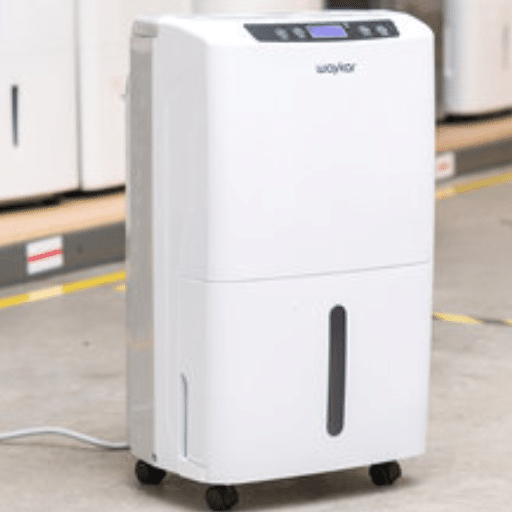
The proper installation and regular maintenance of the Midea dehumidifier will ensure its optimal performance and longevity. The five essential tips if you want to optimize your unit’s functioning are:
1️⃣ Choose the Proper Location
Place the dehumidifier in the central part of the bathroom so that air can circulate freely around the unit. It should have at least 12 inches around all sides not blocked by anything.
2️⃣ Setting the Humidity Level
Adjust the humidity settings to suit your preferences as the ideal indoor humidity level varies from 30 to 50 percent. Use the control panel to establish and maintain this setting.
3️⃣ Cleaning Filter
Dust and debris should be cleaned every second week from the air filter. A clean filter maintains airflow and hence better efficiency. Please check the user manual on how to remove and clean the filter.
4️⃣ The Frequent Emptying of the Water Tank
If your model doesn’t have the built-in pump to carry water away automatically, don’t forget to empty the water tank manually on a regular schedule so as to prevent overflow. Look for an indicator light or alert system on the tank for a reminder.
5️⃣ Perform Routine Inspections
Inspect the unit from time to time for signs of wear and tear damages, such as when you feel strange noises coming out of it or its performance has gone down. Address minor problems early before they snowball into very expensive repairs.
How to Properly Install a Portable Dehumidifier
- Choosing a Good Location: Make sure the dehumidifier is placed in a place with airflow and ventilation. Never place it near a wall or piece of furniture that might block air circulation. Place it at least 6-12 inches away from the walls or from furniture for better efficiency.
- Set On Level Surface: The dehumidifier should stand on a flat and stable surface so that it would not vibrate or tip over. A level position allows smooth operation of the machine and good efficiency and prevents mechanical wear or water splashes.
- Check the Power Supply: Check the outlet against the dehumidifier voltage rating and use it only if they match. A dedicated outlet is recommended to prevent circuit overload. Ensure that the power cord from the dehumidifier is not damaged and can reach the power outlet without being under any tension.
- Connect the Drainage System: If it is fitted with a continuous drainage hose, it must be firmly connected to the outlet and handed off to a nearby sink, drain, or outside location. When placing the water tank for water collecting, make sure it is situated correctly so there are no spills.
- Select Desired Humidity Level: Usually, the settings should be adjusted between 30 and 50 percent humidity, as given by most manufacturers for homes. This range acts as a comfort zone from which mold and mildew can never gain a foothold. It would also be good practice to let the built-in sensor assess the humidity levels if it has one; it will keep up with the humidity level automatically.
Using a Drain Hose for Continuous Operation
Drain hoses make it very efficient for the dehumidifier to work without continuous emptying of the water tank. Here are the major step-by-step considerations that go into setting up, maintaining, and getting the most out of your dehumidifier with a drain hose:
Check Compatibility
Make sure that your model of dehumidifier actually has the option for continuous drainage. Typically your manufacturer’s specifications will have an outlet for the drain hose.
Choose the Right Hose
Either use a standard garden hose or one that is recommended by the manufacturer of your dehumidifier. Make sure that the fit is secure so there will be no leak.
Positioning the Drain Hose
From time to time, the dehumidifier is placed near a floor drain or a suitable drainage point. Ensure the hose faces downward at all times to aid drainage via gravity.
Secure Connections
Secure the hose outlet at the base of the dehumidifier with clamps or additional connectors if required. Test for leakages; the secure drain setup should be leakless before beginning full operation.
Monitor Drainage Performance
Regular inspection is necessary to ascertain clogging and blockage in the hose. Periodic wash can keep smooth flow and prevent the problem of water buildup.
By putting into practice these steps, you can have your dehumidifier running day and night with minimum maintenance and top performance.
Maintenance Tips for Long-lasting Performance
🧹 Cleaning the Air Filters
Cleaning the air filters is a paramount dehumidifier maintenance practice. Dust and debris form a restrictive layer on the filter, clogging the machinery. The filters should be washed once every two weeks or as per the manufacturer’s specifications to promote perfect airflow.
💧 Check the Water Collection Tank
If your model is fitted with a water tank, check frequently for mold and algae buildup. Run a good weekly cleaning-cum-emptying routine with mild detergent to wash away the odor and detrimental factors.
❄️ Check for Frost and Dirt on the Coils
Ensure the dehumidifier coils are clean and without frost. Frost buildup occurs under low temperature and hampers performance. If you clean the coils occasionally, they will always work efficiently and last longer.
🌪️ Avoid Dust Accumulation around the Unit
Try to avoid placing the dehumidifier in an environment that can generate much dust. With a lot of dust and dirt, internal parts of the machine get clogged, forcing you to do maintenance more often.
🎯 Calibration of Humidity Sensor Once a Year
As time passes, a humidity sensor may lose its calibration. To ensure efficient maintenance of set humidity levels, check and calibrate the sensor at least once a year. Follow the manufacturer’s instructions for correct calibration.
Alternatives and Complementary Solutions
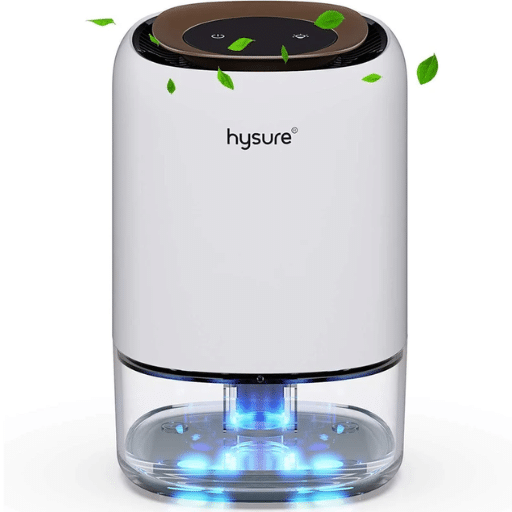
While dehumidifiers are highly effective at controlling bathroom moisture, there are several alternative and complementary solutions that can work alongside or instead of traditional dehumidifiers to maintain optimal humidity levels.
🌬️ Air Purifiers
Air purifiers are considered good complementary gadgets for dehumidifiers. They may strip the air of pollutants, allergens, or foul smells, thereby keeping the air clean and healthy. Using air purifiers can increase air quality, especially in places prone to pollutants.
💨 Ventilation Systems
Good ventilation systems or supply-and-exhaust techniques can stand alone or supplement dehumidification. They basically remove moisture from the air by providing airflow in enclosed spaces like kitchens and bathrooms.
📦 Desiccant Packs
Desiccant moisture absorbents are an inexpensive alternative to dehumidification for small enclosed spaces, such as drawers and cabinets. Examples of these are silica gel packs or calcium chloride solutions.
📊 Humidity Controllers
Humidistats control and adjust humidity levels in a space. They are usually integrated with ventilation or HVAC systems to maintain optimum humidity levels so they do not require other dehumidification techniques.
🔥 Heating Systems
Heating systems, radiant heating in particular, are another method of removing moisture from air to prevent condensation. By heating up surfaces and stopping the water vapor from settling, they provide a fairly effective way in reducing dampness.
Dehumidifier vs. Air Purifier: Which is Better for Bathrooms?
A dehumidifier is better for controlling moisture and preventing mold in bathrooms, while an air purifier is ideal for improving air quality by removing allergens and pollutants.
| Parameter | Dehumidifier | Air Purifier |
|---|---|---|
| Purpose | Reduces humidity | Removes pollutants |
| Best For | Mold prevention | Allergy relief |
| Key Function | Moisture control | Air filtration |
| Energy Use | Moderate | Low to moderate |
| Maintenance | Empty water tank | Replace filters |
| Noise Level | Moderate | Low to moderate |
| Ideal Placement | Bathrooms | Living spaces |
Using Bathroom Fans Effectively
A bathroom exhaust fan is an important means of ventilation and moisture prevention, thus avoiding mold growth and odor creation.
⏰ Run the Fan
Turn the bathroom fan on while showering and keep it running for 20 to 30 minutes afterward to dissipate excess humidity.
🧽 Clean the Fan
Dust and debris tend to accumulate in the fan assembly with passing time, hence reducing the fan’s capability. Cleaning the fan’s grill and motor every 6 to 12 months will ensure proper airflow.
⏱️ Install a Timer Switch
With a timer switch, you can program the fan to switch off after a fixed time. This fixed time is just enough to rid moisture while guaranteeing that the fan would not run longer than necessary.
📏 Choose the Right Size for the Fan
Choose a fan with the optimal airflow rate (CFM) for your bathroom size. A rule of thumb: one CFM for every square foot of bathroom area.
🏠 Check the Venting System
Make sure the bathroom fan vents to the outdoors and is not vented to the attic or some other interior space. Improper venting can create serious moisture problems in other parts of the house.
Other Methods to Absorb Moisture and Odor Control
In moisture absorption and odor control, I can rely on a few efficient methods. I set a dehumidifier to keep humidity in check, especially in moist areas like the bathroom. In small enclaves, I apply moisture absorbers such as silica gel packets or activated charcoal. As for odors, I prefer using natural alternatives like baking soda and essential oil diffusers to clean the air without any chemicals. Through these simple tricks, I’ve managed to keep an agreeable environment that smells nothing but fresh.
📚 References
- Assessment of the performance of the Showerdome™ device – University of Waikato Report: This report evaluates the impact of devices like Showerdome™ on bathroom humidity and energy efficiency.
- Using EnergyPlus to perform dehumidification analysis on Building America homes –Taylor & Francis Online: Discusses dehumidification strategies and their energy implications in residential settings.
- Characteristics of indoor and outdoor bioaerosols at Korean high-rise apartment buildings – ScienceDirect: Explores bioaerosol exposure and its relation to indoor air quality, including humidity control.
Frequently Asked Questions (FAQ)
❓ What is a bathroom dehumidifier and how does it work?
A bathroom dehumidifier is an appliance designed to remove excess moisture from the air, helping to maintain optimal humidity levels. It works by drawing in humid air, cooling it to condense moisture, and then releasing drier air back into the space. This process helps to prevent mold and mildew growth, making it particularly useful in small bathrooms where humidity levels can rise quickly, especially after showers or baths.
❓ How can a dehumidifier improve air quality in my bathroom?
Using a dehumidifier in the bathroom can significantly enhance air quality by reducing humidity levels and eliminating musty odors. By removing moisture from the air, it helps to prevent mold spores from thriving, which can lead to respiratory issues and discomfort. A bathroom dehumidifier can also aid in improving air circulation, making the space feel fresher and more comfortable.
❓ What is the best dehumidifier for bathroom use?
The best dehumidifier for bathroom use typically offers a compact design suitable for small spaces, efficient moisture removal capabilities, and features like a continuous drain option or a portable quiet operation. Energy star dehumidifiers are also a great choice as they consume less energy, making them environmentally friendly while effectively reducing humidity levels in the bathroom.
❓ How many pints of moisture can a pint dehumidifier remove?
A pint dehumidifier can remove a specified amount of moisture from the air per day, often measured in pints. For example, a dehumidifier rated for 22 pints can remove that volume of moisture daily, making it ideal for keeping humidity levels low and preventing dampness in the bathroom.
❓ Can a small dehumidifier be effective in a large bathroom?
While a small dehumidifier can be effective in a large bathroom, its efficiency will depend on the humidity level and the square footage of the space. For larger bathrooms with high humidity levels, it may be beneficial to use a more powerful unit or multiple small dehumidifiers to ensure effective moisture removal and prevent mold growth.
❓ Should I use a bathroom fan or a dehumidifier?
Both a bathroom fan and a dehumidifier serve to reduce humidity, but they work in different ways. A bathroom fan improves ventilation by expelling humid air, while a dehumidifier actively removes moisture from the air. Using them in conjunction can provide optimal results, especially in high humidity environments where musty odors are a concern.
❓ What are the signs that I need a moisture absorber in my bathroom?
Signs that you need a moisture absorber in your bathroom include visible condensation on surfaces, musty odors, and the presence of mold or mildew. If you notice these issues frequently, installing a dehumidifier or moisture absorber can help to remove excess moisture and maintain a healthier environment.
❓ How does a dehumidifier with a pump work?
A dehumidifier with a pump is designed to automatically drain collected water, allowing for continuous operation without the need for manual emptying. This feature is especially useful in bathrooms where humidity can quickly accumulate, as it ensures that the unit can effectively remove moisture from the air without interruption.