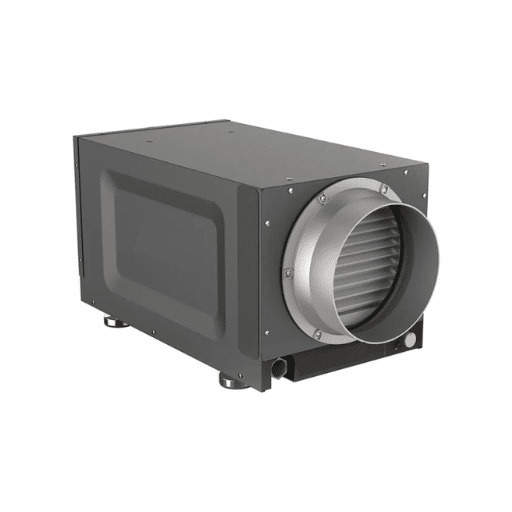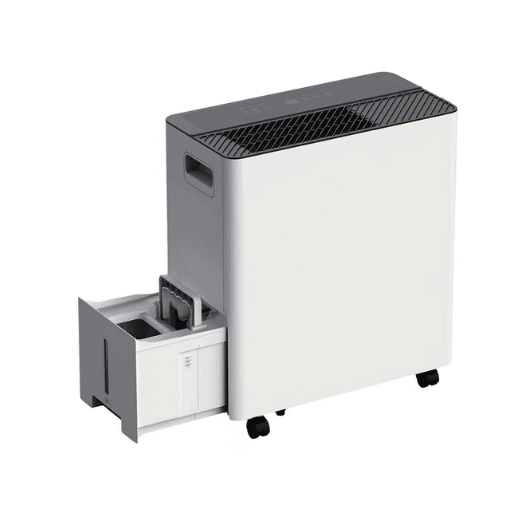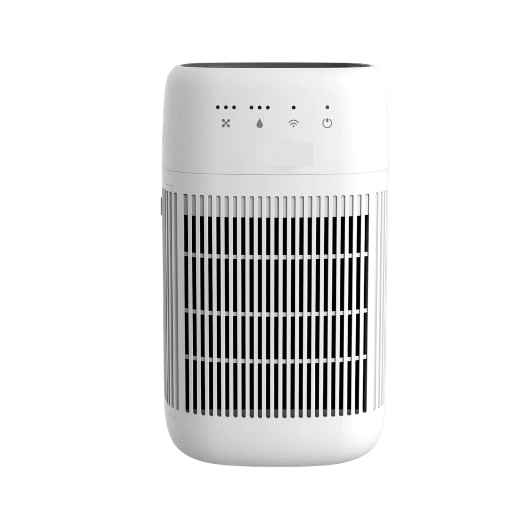
When discussing air purifiers versus dehumidifiers for ensuring indoor air quality and healthier living conditions, this debate comes up. Based on their individual capabilities, each one has a unique advantage. To choose the best for your situation, you need to really understand what each of the devices does, as well as the advantages they offer.
Are your allergies and seasonal respiratory problems getting in the way? Or maybe someone has an excess of humidity that makes frightful mold grow and causes undue discomfort? This article will be a full tutorial in distinguishing air purifiers and dehumidifiers on the bases of key differences, features, and ideal use cases. By the end, you will have a clear understanding of which one will best suit your objectives as a home or lifestyle.
Understanding Air Purifiers
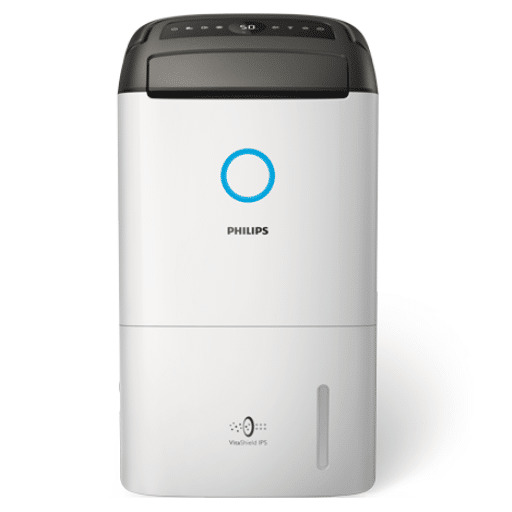
To put it simply, air purifiers improve indoor air quality by getting rid of pollens, allergens, and harmful particles. Typical air purifiers draw air through various filters, which trap contaminants such as dust, pollen, pet dander, and smoke. Some air purifiers also include either HEPA filtration that removes odors and tiny particles or activated carbon that absorbs odors. Such technologies suit persons with allergies, asthma, or airborne irritants who seek a cleaner environment through which to breathe.
How Air Purifiers Work
Air purifiers work combining high-end filtration systems with advanced technology. These systems take away airborne pollutants for cleaner and healthier indoor air quality. Given below are the five main components and mechanisms in use in air purifiers:
- Pre-Filters
The pre-filter serves as the first line of defense in an air purifier. Larger particles such as dust, hair, and pet dander are captured by the pre-filter so they cannot land on the delicate inner filters. It aids in prolonging the lifespan of the main filter. - HEPA Filters (High-Efficiency Particulate Air)
HEPA filters trap 99.97% of particles 0.3 microns or larger, including pollen, mold spores, and fine dust. Hence, they guard the medicinal condition of people. It is quite suitable for people with allergies and respiratory problems. - Activated Carbon Filters
Odor filters absorb odors, chemical vapors, or VOCs. By means of porous carbon material, these filters absorb and neutralize odors from cooking, pets, smoke, and so on, making the air fresher. - UV-C Light Technology
Some air purifiers have the UV-C light that kills microorganisms like bacteria, viruses, and mold by means of ultraviolet light, thereby providing an added level of protection against potentially harmful pathogens. - Ionizers
Ionizers release negatively charged ions into the atmosphere which makes airborne pollutants stick to each other and fall on the surfaces. While substantiating the removal of pollutants, one must be careful since some ionizers can generate ozone as a byproduct.
By merging these components, air purifiers offer all-encompassing air-cleaning solutions suiting different environments and personal needs.
Benefits of Using an Air Purifier
There are numerous advantages accounted for by air purifiers, which involve improving the air quality and maintaining a healthy outlook on life. Based on the latest information, purifiers seem to be particularly helpful for people with allergies or asthma, removing common allergens like pollen, pet dander, and dust mites from inside the house. Purifiers would also keep away airborne pathogens, including bacteria and viruses, leaving the living atmosphere clean and healthy.
Moreover, the air purification process would rid the indoor atmosphere of undesirable odors, such as those imparted by cooking or smoke, leaving the air smelling fresh. The recent trend depicts that more and more people have started looking for air purifiers that carry HEPA filters along with extra features such as real-time air quality monitoring, indicating the importance of these purifiers in wellness and cleaner living environments. In conclusion, the purifiers remain among the best things to consider for clean air around one’s living space or workplace.
Impact on Allergy and Asthma Sufferers
An air purifier holds an excellent reputation at its disposal in the eyes of individuals with allergies and asthma if one were to even consider life improvement. If the air purifier succeeds in holding off airborne allergens and irritants, symptoms are much less severe, and a truly comfortable breathing environment is allowed to evolve. Five benefits that air purifiers extend to allergy and asthma sufferers are:
- ✓
Removing Allergens: HEPA filters capture dust, pollen, pet dander, or any other minuscule particle that causes allergies and attacks asthma. - ✓
Removing Mold Spores: An air purifier with a good filtration system may be able to keep mold spores out of the air, which is an irritant for several respiratory conditions. - ✓
Reduction of Smoke Indoors: Smoke could be coming from cigarettes or fumes from the kitchen, and this could worsen the symptoms. The use of air purifiers having carbon-activated filters guarantees that smoke particles and smells are removed superbly. - ✓
Dust Mites Control: Dust mites are an allergenic entity. The air purifiers minimize their airborne incidence and, thus, provide relief to the affected. - ✓
Some Air Purifiers Help to Diminish Exposure to VOCs: Many household air purifiers attempt to remove the VOCs originating from cleaning products, paints, or various other items, thus lessening their effects on those with respiratory sensitivity.
Several studies reveal the benefits of using an air purifier to reduce airborne pollutant concentration and to provide an environment that is healthier and safer to those allergic to asthma and/or suffer from it; then focus should be on the air purifier especially suitable to one’s requirements.
Understanding Dehumidifiers

A dehumidifier removes excess moisture from the air, preventing mold, mildew, and structural damage.
How Dehumidifiers Work
This is how two categories of dehumidifiers work: by drawing in humid air, removing moisture, then releasing drier air back into the space, so humidity levels lower for a more comfortable and healthier environment:
- Air Intake: Inside, a fan draws air from the room.
- Cooling Process: This air then is guided over a series of cooled coils in a compressor dehumidifier or through the desiccant material in a desiccant dehumidifier, where it gets cooled and leads to moisture condensation into water droplets.
- Water Collection: The water drips into a collection tank or drains out of a hole in those models with a drainage setup.
- Air Reheating: The air passes over the condenser coils to be reheated to room temperature before being blown back out.
- Air Release: The now drier and warmer air is expelled into the room, lowering overall humidity.
The cycle repeats itself until proper humidity is achieved, with most units controlling the humidity level through a humidistat.
Benefits of Using a Dehumidifier
Stopping Mold Growth
When excess moisture becomes a dehumidifier’s bane, it acts as a breeding ground for mold and mildew. Studies have shown that by keeping humidity levels below 50 percent inside a building, one can significantly reduce mold growth.
Enhances Air Quality Levels
By drying out the air, these gadgets keep dust mites, allergens, bacteria, and other unwanted materials at bay to keep the air clean and healthy. Better air quality means better health for the respiratory system, claims the EPA.
Protecting Your Home and Furniture
Excess moisture tends to warp wood, damage walls, and cause paint to peel. Dehumidifiers aid in keeping the structural integrity intact by maintaining suitable humidity levels, thereby averting much expense for repairs.
Energy Saving
Less humid makes an environment where air conditioners function with greater efficiency, with cooler air that feels fine without added moisture. This consumes less energy and thus lessens the bills.
Prevents Musty Odors
Consistent moisture levels can foster unpleasant smells of mildewiness in cellars, wardrobes, or other closets. Dehumidifiers, by removing excess moisture, assure a fresher-smelling home.
Combatting Humidity and Mold Growth
If there is a higher humidity level, mold growth will be favored, this causing structural damage, health problems, and foul living conditions. Successful humidity reduction methods could, therefore, reduce these hazards and increase and improve indoor air quality and working demand-level comfort. Some of the important strategies for reducing humidity and fighting mold are:
- Using Dehumidifiers: Dehumidifiers can remove the excess moisture in the air and thereby maintain indoor humidity at its recommended level, between 30-50%. The United States Environmental Protection Agency (EPA) mentions that mold growth can be significantly controlled by maintaining appropriate humidity levels.
- Increasing Ventilation: Good ventilation provides an escape for moisture from your house. Running exhaust fans in kitchens, bathrooms, and laundry rooms means humid air is taken out straight away.
- Repairing Leaks: Water from leaking roofs, plumbing, and walls contributes to persistent dampness. If not spotted and rectified in time, the water accumulates and becomes a breeding ground for molds.
- Using Moisture-Absorbing Materials: Absorbent compounds such as silica gel or desiccant packs normally work well on drawing moisture out of the air in small enclosed areas like closets or cabinets.
- Regularly Cleaning and Maintenance: Cleaning surfaces in damp areas such as basements, bathrooms, or under sinks help to rid them of dust and spores that mold feeds on, making mold hence less likely to occur.
By practicing these measures, homeowners can constantly keep indoor temperature below certain levels and defend against its mold-related problems, hence providing a healthy presence for living.
Comparing Air Purifiers and Dehumidifiers
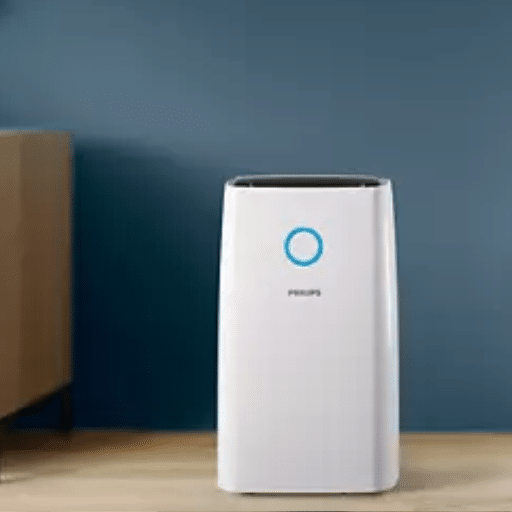
Air purifiers remove airborne particles, while dehumidifiers reduce excess moisture to prevent mold.
Key Differences
Which Device Improves Indoor Air Quality More?
The particular indoor air quality issue determines the choice between an air purifier and a dehumidifier. Per the most recent search trends, air purifiers are thought to have a greater potential for improving air quality because they target airborne pollutants like dust, pollen, and smoke directly. These devices use filters such as HEPA filters to trap microscopic particles-level allergens and dust-particles, thus aiding pollen-sensitive individuals or anybody with respiratory sensitivities.
Dehumidifiers indirectly help air quality by combating humidity. They eliminate excessive moisture that favors mold and mildew growth, which may have health-impairing effects. Thus, a dehumidifier tends to provide an allergen-unfriendly environment but does not clean the air actively.
Expert Recommendation: Several experts feel air purifier and dehumidifier technologies should go hand in hand for the best possible indoor air quality, since each addresses certain aspects of air health. Selecting the right device—or using both—for a home that has particular needs—for example, extremely high humidity or really big amounts of air allergens—can go a long way toward improving the quality of living environment.
Humidity Levels and Indoor Air Quality
Maintaining just the right humidity levels indoors is vital for comfort and good health; extremely high or low humidity may bring about a plethora of problems affecting air quality and well-being. Here are points outlining and some data related to humidity levels and their effects on indoor air quality:
- Ideal Humidity Range: Generally, the indoor humidity level range is taken as 30%-50%. Below 30%, dryness is caused on skin, eyes, and respiratory passages, while above 50%, humidity supports mold and dust mite growth.
- Effects of High Humidity: Mold, mildew, or bacterial growth is encouraged by higher humidity, degrading indoor air quality and hiding allergies or asthma. Studies have indeed pointed out that mold growth can shoot up above 60% relative humidity.
- Effects of Low Humidity: Being on the lower side for humidity may dry mucus membranes, rendering them prone to respiratory infections. It may even crack wooden furniture and flooring by desiccation.
- Effects on Allergens: The Relative Humidity is an allergen destroyer; dust mites die if the humidity is too low. Studies indicate that a relative humidity below 50% would lower dust mite populations, thus improving air quality for allergy sufferers.
- Energy Efficiency: Proper humidity control makes an energy-efficient house. Cut down high humidity, and your HVAC can run less to save its own energy and keep the desired comfort level in the place.
Choosing the Right Device for Your Needs
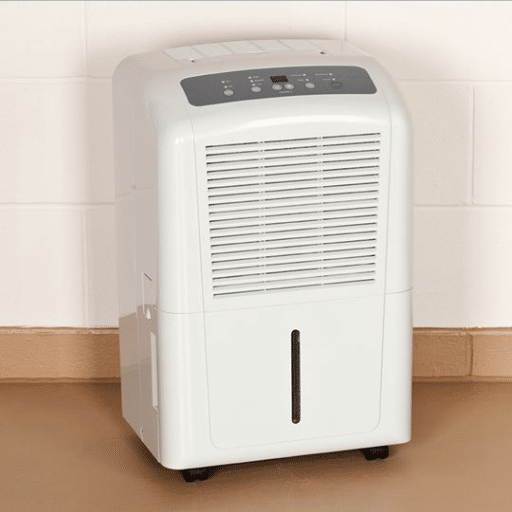
Choosing the right humidity machine depends on the requirements and circumstances involved. The following are five key types of devices that may help one maintain optimal levels of humidity, along with their features and benefits:
🌊 Dehumidifier
- Perfect for high areas of humidity, such as in basements or bathrooms.
- Effectively removes moisture so that it does not cause mold to be grown and maintains air quality.
- Choose an energy-efficient model that has the ability to shut off automatically once the set humidity level is reached.
💧 Humidifier
- Adds moisture to dry air, especially in winters.
- It may constrain some symptoms, such as dry skin, sore throat, or dry eyes.
- Available in many varieties, including ultrasonic, evaporative, or steam.
📊 Hygrometers
- These devices measure humidity levels inside a household environment accurately.
- Must-have instrument to check that the humidity remains within the ideal range (30% to 50%).
- Some on-track models might offer wireless connectivity with alert options.
🌬️ Ventilation Systems
- Promoting good indoor air quality by regulating the airflow and removing excess humidity.
- Can be a whole-house ventilation system or an exhausting fan for the kitchen, bathroom, etc.
- Thus keeping the air fresher and less humid inside.
🔄 Air Purifiers with Humidity Control
- The good part about having such a machine is that it fixes both air cleaning and humidity at once.
- While it de-fungi-izes airborne allergens, it simultaneously controls humidity—great for an allergy sufferer.
- More sophisticated units even include HEPA filters as well as humidifier or dehumidifier functionalities for added convenience.
After evaluation of specific needs and conditions around you, go for the device that equals the best solution to comfortable, healthy indoor humidity levels.
When to Use an Air Purifier
In such cases where indoor air quality gets spoiled with pollutants, allergens, or some other irritants, air purifiers become very useful. Individuals living in areas of high air pollution or who suffer seasonal allergy might require these ever so often to remove particulate matter such as pollen, dust, and pet dander. They can be quite handy, as well, during the wildfire season, with smoke and fine particles making their way into indoor spaces.
Searches for air purifiers typically spike during allergy seasons and wildfire outbreaks, thereby indicating heightened demand during this period. Those with respiratory diseases like asthma or COPD stand to benefit greatly from drying air purification so long as it is available because revenue purifies the air, thereby providing a cleaner atmosphere to breathe. Besides, air purifiers for domestic use can work wonders indoors in urban settings that face heavy vehicle emissions and industrial pollutants.
When to Use a Dehumidifier
The dehumidifier is particularly useful in the environments where humidity levels rise above 50%, depending on the climatic exigency. There could be mold growth, mildew, and pretty bad air quality due to the excess moisture. Latest trends show that there are peaks during the summer and rainy seasons with queries about dehumidifier use—literally reflecting conflicts in trying to control indoor humidity at that time.
In places like basements, bathrooms, and kitchens, as the moisture content is usually high, dehumidifiers an aggressive sell. They can also further mitigate allergy symptoms by dust-mite and mold spore reduction, as they tend to thrive in humid atmospheres. Besides this, to get the best air quality indoors, one should go for a purifier dehumidifier conjointly in places that suffer from high pollution and humidity.
Combining Air Purifiers and Dehumidifiers
When used together, air purifiers and dehumidifiers shall constitute a healthier and more comfortable indoor environment in the house. Two significant issues with indoor air quality that this combination takes care of are airborne contaminants and moisture. The following are explanations of the benefits and features offered by the use of both devices simultaneously:
- Improving Indoor Air Quality: Air purifiers are aimed at removing particles like dust, pollen, pet dander, and smoke from the air; meanwhile, dehumidifiers set humidity levels, so that mold and mildew cannot appear. When put together, these devices offer greater reduction of allergens and pollutants, thus creating a cleaner, healthier living environment.
- Reduction of Allergy Symptoms and Asthma: High humidity comes in support for the dust mites and mold, which are allergens. The dehumidifier minimizes the moisture level, and the air-purifier is meant to filter out the remaining allergens, which then helps individuals who are victims of allergies and asthma.
- Mold and Mildew Prevention: Dehumidifiers stop moisture-things from forming that help mold and mildew, while the air purifiers keep them from liberating mold spores and onward to growth and reproduction within the home.
- Odor Elimination: Muggy air often turns out to be a concoction of bad odors emanating from mold, mildew, and stagnant air. A dehumidifier will burn off the humidity from the air that causes such odors, while air purifiers will clear out particles responsible for an odor, ensuring cleaner air.
- Life Improvement of the Furniture and Belongings: Moisture is an enemy for wooden furniture, electronics, and other such valuable things and destroys them over time. A dehumidifier along with an air purifier will ensure that your belongings remain safe from moisture as well as airborne particles, thereby prolonging their life.
The two working together will give households a little more thorough approach in balancing air quality and comfort indoors.
Conclusion: Air Purifier or Dehumidifier?
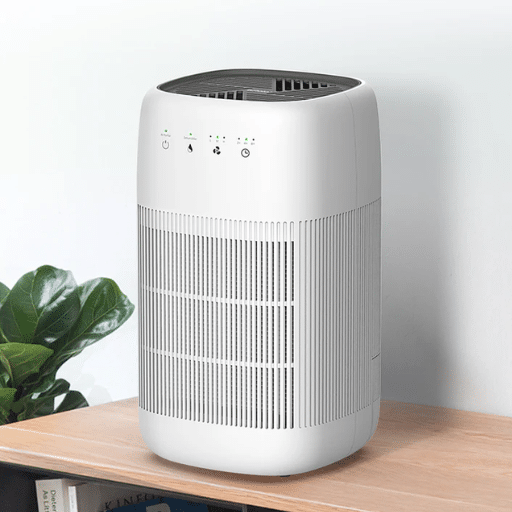
If you are wondering whether it is appropriate for your home to have an air purifier, a dehumidifier, or even both, this depends on certain needs or environmental factors. Below are five identified factors that you have to consider so you can pick and make a well-informed decision:
1. Pollutant Reduction in the Air
Air purifiers, suitable for allergy sufferers in particular, asthmatics, or anyone else with a respiratory sensitivity to some sort of pollutant dust, pollen, pet dander, smoke, or VOCs.
2. Humidity Levels
Dehumidifiers maintain balance in indoor moisture by preventing it from becoming excessive, which would otherwise result in mold, mildew, and dust mites. Useful in a humid climate, or in damp places such as basements and bathrooms.
3. Combination Profits
When paired together, the best combination for comprehensive air purification and humidity-related concerns emerges. This option is favorable when dealing with environmental issues within a household.
4. Energy Efficiency
In modern settings, air purifiers and dehumidifiers often have energy-saving modes or are ENERGY STAR-certified. Any energy-saving model is worthy of consideration to save on energy bills over time while still performing well.
5. Room-Specific Usage
Take into consideration the specific requirements of various rooms. For instance, dehumidification could be critical in a more damp environment, whereas an air purifier might be necessary for a living room or a bedroom where allergens are prevalent.
Taking into account the above factors, plus the concern of the environment, you can then analyse the more fitting device/concept for your home, thereby tying into your lifestyle.
Final Thoughts on Indoor Air Quality
Improving indoor air quality is crucial to ensuring a healthier and comfortable living environment. Bad air quality can contribute to a cascade of health-related issues, including those of a respiratory nature or allergies, not to mention that it may take its toll on overall, long-term well-being. Studies reveal that on average, individuals spend 90 percent of their time indoors; thus, the air quality we breathe at home or work becomes of paramount importance.
Here are five basic facts about and solutions for improving air quality indoors:
- Constant Air Quality Monitoring: Use an air quality monitor to keep track of indoor air pollutants; they include particulate matters (PM2.5), carbon dioxide concentration (CO2), and concentrations of volatile organic compounds (VOCs).
- Have Higher Efficiency Filters: Have HEPA filters in HVAC systems or within air purifiers to capture fine particles and allergens and minimize the circulation of air pollutants.
- Ventilation Needs to Be Poor-maintenance: Keep windows open if possible or use mechanical systems to allow fresh air to work through the interior, particularly while cooking, or when using chemical cleaning products.
- Humidity Control: Maintain indoor humidity between 30 and 50%, which prevents mold from growing and makes the air comfortable and healthy, with the aid of a dehumidifier or humidifier.
- Limit Sources of Pollutants: Try to limit the use of VOC-emitting products, like some paints, cleaning products, or synthetic scents, and explore natural alternatives.
Using the aforementioned measures, one can ensure cleaner air and a more health-conscious environment for themselves and families.
Making an Informed Decision
In deciding how to enhance air quality indoors, one must know the factors that are contributing to and ways in which the solution may or may not work. Five crucial facts with figures to consider are as follows:
- Air Quality Index (AQI) Monitoring: Stay updated on outdoor air quality by monitoring the AQI in your local level. Higher AQI levels may give you a warning to close your windows or doors. Get real-time updates from reliable sources such as government websites or mobile apps.
- Household Sources of Pollutants: Common pollutants inside include moisture, pet dander, dust mites, mold, tobacco smoke, and chemicals that off-gas from household items and furnishings. Once these sources are defined and reduced throughout a home, air quality will improve significantly.
- Ventilation Standards: Another way to ensure some ventilation is by opening windows or using exhaust fans to bring in fresh air while diluting airborne contaminants. Study shows that well-ventilated places reduce concentration levels of harmful particles.
- HEPA Filters and Air Purifiers: Studies reveal that HEPA filters can remove up to 99.97% of particles down to 0.3 microns and therefore represent an effective option for air purification. For your optimum benefit, do consider devices with certified HEPA filters.
- Impact of Houseplants: While habitually considered to clean indoor air, studies suggest that the emissions of houseplants would have very little impact in typical households because there is little air circulation. Concentrate on proven methods such as air purifiers and cleaning.
When analyzed carefully, such factors will allow one to prepare a well-defined plan for a healthier and safer indoor environment.
💡 Tips for Optimal Usage
Air purifiers with true HEPA filters have been my preferred choice for improving air quality at home, kept in places of high congestion, while changing filters regularly. I have been working hard at controlling issues of cleanliness by vacuuming dust and allergens, using a vacuum where a HEPA filter is installed. If I were honest, although house plants do add to the décor, I stick to proven methods, simply because their ability to purify air is rather negligible. These small steps give me a guarantee regarding the cleaning and health of the indoor environment.
References
- Efficiency of air purifiers at removing air pollutants in educational facilities: a preliminary study
Published on Frontiers in Environmental Science, this study explores the effectiveness of air purifiers in educational settings.Read the study - The role of portable air purifiers and effective ventilation in improving indoor air quality in university classrooms
Published in MDPI’s International Journal of Environmental Research and Public Health, this paper discusses the impact of air purifiers on indoor air quality in classrooms.Read the study - Air Purifier Intervention for Respiratory Viral Exposure in Elementary Schools: A Secondary Analysis of a Randomized Clinical Trial
Published in JAMA Network Open, this research examines the role of air purifiers in reducing respiratory viral exposure in schools.Read the study
Frequently Asked Questions (FAQ)
What is the difference between an air purifier and a dehumidifier?
An air purifier is designed to clean the air in your home by removing airborne particles like dust, pollen, and allergens, while a dehumidifier removes excess moisture from the air to prevent mold growth and improve comfort. Both devices can enhance your indoor air quality but serve different purposes.
How does an air purifier improve indoor air quality?
An air purifier improves indoor air quality by filtering out pollutants, allergens, and particulates from the air using various types of filters, including HEPA filters. This can help reduce asthma and allergy symptoms for those sensitive to airborne irritants.
Can a dehumidifier prevent mold growth?
Yes, a dehumidifier helps prevent mold growth by reducing humidity levels in your home. By removing moisture from the air, it creates an environment that is less conducive to mold spores and mildew growth.
Do air purifiers remove dust mites and dander?
Yes, air purifiers equipped with high-efficiency particulate air (HEPA) filters can effectively remove dust mites, pet dander, and other allergens from the air, contributing to cleaner air and better indoor air quality.
What are the benefits of using both an air purifier and a dehumidifier?
Using both an air purifier and a dehumidifier can significantly enhance your home’s air quality. The air purifier cleans the air by removing pollutants and allergens, while the dehumidifier controls moisture levels, preventing mold and mildew growth. Together, they create a healthier living environment.
How do I decide between an air purifier or a dehumidifier for my home?
Choosing between an air purifier or a dehumidifier depends on your specific needs. If you suffer from allergies or respiratory issues, an air purifier with a HEPA filter may be more beneficial. If your home has high humidity levels leading to condensation and mold, a dehumidifier would be the better choice.
What type of air purifier is best for allergies?
An air purifier with a HEPA filter is often considered the best option for allergy sufferers as it can capture particles as small as 0.3 microns, including pollen, dust mites, and pet dander, providing cleaner air and reducing allergic reactions.
Can using a dehumidifier help with asthma symptoms?
Yes, using a dehumidifier can help alleviate asthma symptoms by reducing humidity levels, which can prevent the growth of mold and dust mites, common triggers for asthma attacks. Maintaining a balanced humidity level contributes to better respiratory health.
How often should I replace the filters in my air purifier?
Filter replacement frequency depends on the type of air purifier and usage. Generally, HEPA filters should be replaced every 6-12 months, while activated carbon filters may need replacing every 3-6 months. Regular maintenance ensures optimal performance and clean air delivery.