It is very important to have a healthy indoor environment for our overall well-being, given that the majority of our time is spent indoors. Air purifiers and dehumidifiers are two devices that are very often referred to when it comes to air quality improvement. However, even though both devices are meant for similar purposes, they are different and cover different concerns. In this article, we will point out the main differences between air purifiers and dehumidifiers, discuss their functioning, and give you tips for selecting the right device for your home. Whether your main aim is to fight allergens, get rid of excess moisture, or just breathe in the fresh air, this article will provide you with the necessary guidance to make an educated choice.
Introduction to Air Purifiers and Dehumidifiers

Air purifiers, along with dehumidifiers, are gadgets responsible for bettering the Indoor air quality, yet, they work differently to tackle particular problems. Purifiers are meant to extract invisible airborne particles like stuff, pollen, smoke, and allergens through filters and other purification methods. Contrarily, the humidifiers deal with the humidity issues by sucking out the extra moisture from the air, which in turn helps in controlling the growth of mould and also eliminates musty smells. The decision between the two really is based on your personal preferences—pick an air purifier if you are fighting against allergens and pollutants, or go for a humidifier if you want to keep the humidity under control and have a comfy place to live.
What is an Air Purifier?
An air purifier is a gadget that is made to enhance the quality of air inside the building by eliminating the airborne contaminants and pollutants. By employing methods like HEPA (High-Efficiency Particulate Air) filters, activated carbon filters, UV light, or ionizers, the air purifiers have the capability of trapping and neutralizing particles such as dust, pollen, pet dander, smoke, and even certain bacteria and viruses that are spread through the air. There are some indications from the latest trends that air purifiers are increasingly being chosen as a means to fight pollution of the indoor air, particularly in cities that suffer from smog or during the burning season. Today’s air purifiers not only come with advanced technologies but also possess features that are powered by machine learning and are connected to the internet, such as air quality monitors that give real-time feedback and settings that can be controlled through an app giving the user a great deal of convenience and extraction. no matter what the reason is, health issues, allergy relief, or just comfort, the air purifier is a wise answer to get rid of and keep the air in your house or at the office cleaner and fresher.
What is a Dehumidifier?
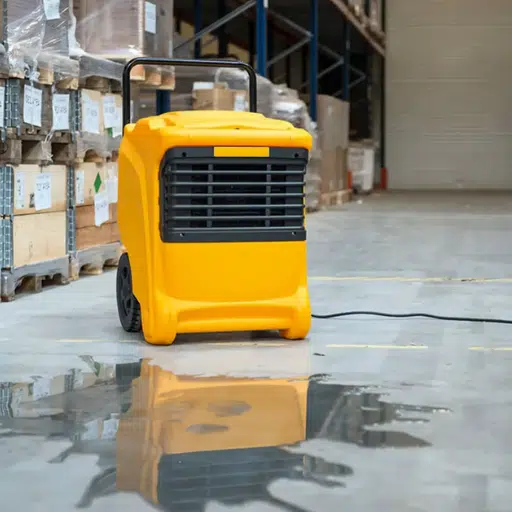
A dehumidifier is an appliance for the home that is capable of reducing and keeping the humidity indoors at the proper levels by sucking up the moisture in the air. This is especially handy in places with high humidity, where the moisture can cause problems such as the growth of mold, bad odors, and furniture or wall damage. The latest dehumidifiers have features like adjusting humidity levels, turning off by itself, and being energy-efficient that ensure easy use and being friendly to your wallet at the same time. Based on what people have been searching for recently, a lot of them want to have dehumidifiers because they can prevent health issues, as the respiratory system and allergies can be negatively impacted by high humidity. A dehumidifier, thus, does not only purify the air, but it also makes the living environment more pleasant by maintaining the right amount of humidity.
The Importance of Indoor Air Quality
The quality of air indoors is very important for the health and well-being of the people living there. The most recent Google search data show that there is a notable rise in the number of searches aimed at improving the air quality in homes, with the main focus being on air purifiers, dehumidifiers, and proper ventilation systems. Doubtless, many people are concerned about indoor pollutants such as dust, mold, pet dander, and volatile organic compounds (VOCs), which can worsen respiratory problems and allergies. When this search data is combined with expert recommendations, it turns out that the use of effective tools and techniques for air quality improvement not only reduces health risks but also leads to good sleeping, increased concentration, and pleasant indoor conditions.
Key Differences Between Air Purifiers and Dehumidifiers

Main Purpose
Air Purifiers are mainly formulated to get rid of the polluted air through the capture of dust, pollen, mold spores, and smoke, along with VOCs. The air through the breathing process is cleaned by the use of filters like HEPA or activated carbon.
Dehumidifiers mainly work to bring down the humidity level in a room by taking the moisture out of the air, and this, in turn, helps to keep mold and the related problems at bay.
Main Concern
Air Purifiers mainly improve the quality of the air by the removal of even minute harmful particles that could otherwise be a cause of allergies or respiratory problems.
Dehumidifiers, on the other hand, tackle the problem of excess moisture in the air, which can result in the growth of mildew and molds, besides turning the indoor environment clammy and uncomfortable.
Health scenario
Air Purifiers are a good thing for those who have or are prone to asthma, allergies, or sensitivities to airborne particles since they provide cleaner air that is less irritating.
Dehumidifiers are also useful for people with mold allergies as well as respiratory diseases that are brought about by high humidity.
How they work
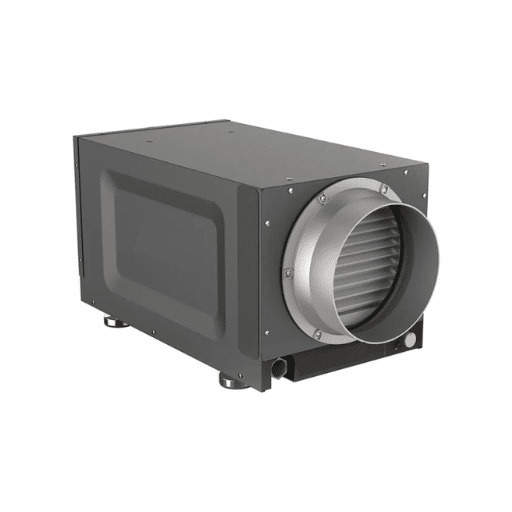
Air Purifiers utilize various filtering techniques, like HEPA filters, ionizers, or UV light, to either capture or neutralize the contaminants.
Dehumidifiers condense and then remove water from the air by using either refrigerant coils or desiccants.
Upkeep
Air Purifiers may need a replacement of filters at regular intervals, the cost of which will depend on the type of filter and amount of usage.
A dehumidifier will require the water collection tank to be cleaned at regular intervals, and some mechanical parts may need maintenance occasionally, all aimed at ensuring the unit continues to work properly.
Functionality Comparison
Air purifiers remove airborne particles like dust and allergens, while dehumidifiers reduce excess moisture to prevent mold and mildew.
Functionality Comparison Table
|
Key Point |
Air Purifier |
Dehumidifier |
|---|---|---|
|
Primary Function |
Removes allergens |
Reduces moisture |
|
Target Issues |
Dust, pollen, smoke |
Mold, mildew, humidity |
|
Best For |
Allergies, asthma |
Damp areas, basements |
|
Air Quality |
Improves air purity |
Controls humidity levels |
|
Energy Use |
Moderate |
Higher in humid areas |
|
Noise Level |
Low to moderate |
Moderate to high |
|
Maintenance |
Replace filters |
Empty water tank |
|
Room Suitability |
Bedrooms, offices |
Bathrooms, basements |
|
Health Benefits |
Reduces allergens |
Prevents mold growth |
|
Cost Range |
$50 – $500 |
$100 – $600 |
Impact on Allergies and Asthma
The air quality devices have a great impact on the allergies and asthma situations, because both these conditions are highly affected by the existence of the air-borne allergens and the levels of humidity. Here are five major impacts:
Reduction of Airborne Allergens
Air purifiers are very effective in trapping and taking away the irritants in the air, which are dust mites, pollen, and pet dander, so they do not affect the allergy and asthma sufferers anymore. Some studies claim that HEPA filters are able to get rid of 99.97% of the particles, which are as small as 0.3 microns.
Control of Humidity Levels
The dehumidifiers maintain the indoor humidity at the most comfortable levels (30-50%), effectively preventing the proliferation of dust mites and mold, both of which can cause asthma symptoms to worsen, as they are attracted to damp conditions.
Improved Sleep Quality
Allergy and asthma patients are less likely to experience breathing interruptions at night, thanks to the cleaner and less humid air. Consequently, they enjoy better overall rest and recovery.
Prevention of Mold Growth
Mold, which is a major allergen, can be produced in the presence of too much moisture. The dehumidifiers are instrumental in keeping the mold from invading by controlling the moisture levels, thus providing the situation conducive to no mold growth.
Enhanced Indoor Air Purity
The smoke, chemicals, and volatile organic compounds (VOCs) that are removed by the purifiers and dehumidifiers create a healthier indoor environment that directly benefits the ones who are prone to respiratory diseases.
Energy Efficiency Considerations
Considering the extensive variety of air purifiers and dehumidifiers in the market, one has to prioritize their energy efficiency. Energy-guzzling appliances can lead to drastic escalations in electricity usage, resulting in high electric bills and a negative impact on the environment. The five most important energy efficiency factors are as follows:
Energy Star Certification
One should always go for the appliances that come with the Energy Star label, which is an assurance that the device is energy-efficient as defined by the EPA. These models generally draw 20-30% less energy than the standard ones.
Adjustable Fan Speeds
Always get the appliances with a variety of fan speeds. Cutting down the fan speed to the lower level lessens the power consumption when the maximum output is not needed.
Auto-Humidity Control
Dehumidifiers that come with built-in hygrometers and auto-humidity control are very efficient energy-wise, since they make it a point only to run when the moisture present is above the set threshold, thus saving on energy.
Filter Type and Maintenance
Usually, reusable and washable filters lessen the operational cost and improve energy use efficiency. Moreover, regular filter maintenance is very important in ensuring that air purifiers perform efficiently.
Timer and Programmable Settings
The appliances that come with timer features or programmable settings allow the user to control and schedule in advance when the appliance will be operating, thus it won’t be consuming energy during non-use hours.
When to Use an Air Purifier or a Dehumidifier

The following are the five very detailed situations that can serve as guidelines on when to pick an air purifier and when to pick a dehumidifier:
For Allergies or Asthma Symptoms
An air purifier should always be the first choice where allergies or asthma develop as a result of dust, pollen, or dander-like airborne particles. Air purifiers come in handy to create a friendly breathing environment by removing the allergens from the atmosphere.
To Reduce Mold and Mildew Growth
In case the humidity gets very high and causes the presence of mold and mildew in your home, then a dehumidifier is your best option. In places where the humidity is more than 60%, a dehumidifier can help reduce the moisture level and thus stop the growth of microbes.
Eliminating Unpleasant Odors
Besides cooking, smoking, and pets, an air purifier with an activated carbon filter is known to completely remove odors from the house. The device works by drawing the particles that cause odors and cleaning the air inside the house.
Managing Humidity in Basements or Bathrooms
A dehumidifier can be installed in places such as basements or bathrooms where the humidity is too much and results in water vapor or dampness. The recommended humidity level for the proper preservation of buildings and furniture is between 30-50%.
Improving Overall Indoor Air Quality
Purifiers should be used to get rid of air pollution in outdoor areas or the cases of forest fires affecting indoor air quality. Studies show that HEPA filters can successfully capture 99.97% of the hard-to-catch airborne particles of up to 0.3 microns in size, thereby providing a cleaner and safer environment for breathing.
Scenarios for Using an Air Purifier
During Allergy Seasons
Allergy sufferers can suffer greatly from allergens like pollen, dust mites, and pet dander. Studies suggest that HEPA filter-equipped air purifiers can take the particles away and thus alleviate the allergy symptoms by as much as 80% among other things.
Living in Urban Areas with High Pollution
Urban areas are characterized by the high pollution levels that are made up of, among others, PM2.5 and toxic gases. Air purifiers can take out the pollutants effectively with some units even lowering the PM2.5 indoor levels by 60%.
Homes with Pets
Pet owners are sometimes confronted with the problem of getting rid of the hair, dander, and smell of pets in their homes. An air purifier will help in reducing the number of pet-related particles and thus the cleaner environment created will be more tolerable for those who are allergy-prone.
Wildfire Seasons
During wildfire seasons, air purifiers become indispensable as they help not only to get rid of smoke but also of fine particulate matter that may be in the air. Estimates show that sophisticated filtration systems can capture up to 90% of smoke particles in indoor areas thereby greatly enhancing air quality.
Newly Renovated Spaces
Newly renovated spaces typically have the volatile organic compounds (VOCs) that are produced by paints, adhesives, and construction materials. Air purifiers with activated carbon filters can absorb and cut down the exposure to VOCs by as much as 70%, thus helping in the creation of a healthier indoor atmosphere.
Scenarios for Using a Dehumidifier
High Humidity Levels in the Home
When the indoor humidity level goes over half, it will be good for the growth of mold and dust mites. A dehumidifier will help maintain the humidity level between 30% and 50%, which will not only reduce the risk of these problems but also enhance air quality.
Basements and Crawl Spaces
Basements and crawl spaces are always damp and moist places due to the ground covering and the lack of proper ventilation that are typical in these areas. If a dehumidifier is placed in such an area, it will work wonders by eliminating the musty odors, condensation, and structural damage, all of which are caused by excess moisture.
Drying Laundry Indoors
Indoor drying of laundry raises the indoor humidity level and this causes the air to be damp and uncomfortable. A dehumidifier can get out the moisture from washing quickly by speedily drawing it from the air hence, there will be no moist and no mold.
After Water Leakage or Flooding
Leaks or floods can cause the walls, floors, and furniture to be very moist, which is a perfect condition for mold growth. Usage of dehumidifiers helps in taking out the trapped moisture very fast thus less damage and no issue for the long term.
Seasonal Changes and Climate Impacts
A climate with high humidity or seasonal change, such as hot and humid summers, can make the indoor environment sticky and uncomfortable. During these periods dehumidifier will be a lifesaver, ensuring that there is always a comfortable living space due to its moisture-regulating capacity.
Combining Both Devices for Optimal Indoor Air Quality
The usage of air purifiers along with dehumidifiers may improve indoor air quality to a great extent, making it a healthier habitat. Each of these gadgets takes care of certain components of the air and their joint application covers the whole range of air quality. Here are 5 major advantages and methods to use both devices effectively:
Allergens Reduction
Air purifiers are very effective in capturing airborne allergens like pollen, dust mites, and pet hair. On the other hand, dehumidifiers reduce the humidity level which is favorable for dust mites, mold, and other allergens. Thus, the combination of both devices works as a great ally for allergy sufferers.
Better Respiratory Health
An air purifier unclogs and purifies the air which can be harmful to the health of a person’s respiratory system. Consequently, a dehumidifier works to stop excess moisture which helps in reducing the chances of conditions like asthma or bronchitis. Together, these two devices give off air that is clean and easy to breathe.
Mold and Mildew Prevention
Mold and mildew thrive in a moist environment, which is dangerous for the health of both humans and pets, not to mention the potential damage to property. A dehumidifier takes moisture away at the source, while an air purifier can trap the airborne spores of mold and thereby prevent their spread.
Odor Elimination
While dehumidifiers help in getting rid of musty smells resulting from dampness, air purifiers work on removing odors from smoke, pets, or cooking. Thus, indoor environments are kept fresh and pleasant by the use of both devices.
Energy Efficiency and Longevity of HVAC Systems
The burden on HVAC systems is decreased when both air purifiers and dehumidifiers work together to reduce particle count and moisture. This, in turn, not only boosts system performance but also prolongs the lifetime of the system which results in savings over time.
The combination of both devices and their deployment in areas where moisture is most likely to arise or where they will be used most often can create the desired effect of a cleaner, healthier, and more comfortable indoor living space.
Choosing the Right Device for Your Needs

Before buying an air purifier or dehumidifier, it is very important to think about your needs, the environment, and the features of the device. The following five things will be of great help when making your choice:
Room Size and Coverage
Make sure the appliance is appropriate for the room size in which it is to be used. Purifiers usually state their CADR (Clean Air Delivery Rate) which is a measure of how fast and effective they are in purifying the air in a certain area. Dehumidifiers usually tell you their capacity in pints per day, thus helping you with your decision according to the space’s square footage.
Filter Type and Maintenance
For air purifiers, find out the type of filter (e.g., HEPA, carbon) and how long it lasts. HEPA filters are good at trapping very small particles, while carbon filters are there to keep the air-smell-free. Check how often the filters must be changed and the related costs.
Moisture Removal Capacity
With dehumidifiers, figure out how much humidity the machine can take away every day. Bigger-capacity machines are great for very humid places, such as basements, while smaller units are fine for moderate humidity areas.
Energy Efficiency Rating
Choose machines that have Energy Star certification or other similar energy efficiency ratings to be certain they will draw less power and, therefore, will help you save on your energy bill over time.
Noise Levels and Design
Take noise into account, especially if the appliance is to be in a bedroom or quiet area. Besides, space saving and modern designs can be more easily integrated into your place.
After you have considered these factors thoroughly, you will be able to choose a device that meets your family’s particular needs and that will create a good indoor climate.
How to Choose an Air Purifier
The selection of an air purifier requires knowledge of all the features that are suitable for your needs. The current data of the searches on Google reveal that the following aspects are the most wanted by air purifier users.
HEPA Filters
High-Efficiency Particulate Air (HEPA) filters have presets and so far, remain an important element when it comes to air cleaning. The perfect HEPA filter is one that catches not less than 99.97% of all the particles even those that are as tiny as 0.3 microns; hence, it is the best when it comes to purifying the air of allergens, dust, pollen and even some pathogens which are air-borne.
Smart Features and Connectivity
Connectivity via Wi-Fi is one of the capabilities that air purifiers are equipped with. This connectivity allows the users to have a remote control of the entire device through smartphones. The feature of quality checking of air and adjusting the settings in real-time is getting more appreciated. Virtual assistants like Google Home or Alexa have also made controlling the air purifier easier.
Filter Replacement Indicators
A filter replacement indicator is a signal to the user when the filter needs to be replaced and also a reminder for the maintenance of the air purifier. Such appliances provide the user’s comfort, and at the same time, they make sure that the airflow is uninterrupted as they let the user know exactly when to replace a filter.
Room Size Compatibility
Using a unit with a suitable clean air delivery rate (CADR) based on the size of the room is critical to achieving the best results. Global search trends indicate strong interest in units that are appropriate for larger living areas, bedrooms, or coworking spots.
Energy Efficiency
Non-high-efficiency forms of the device may be installed in the house but models with ENERGY STAR are popular anyway. They are the ones contributing towards the lessening of power consumption and reducing running costs as well as being in tune with the eco-friendly practices.
Noise Levels
Air purifiers that are quite are preferred for the bedroom and workspace. Models that come with features such as speed control and setting for sleep time provide the users with an option in terms of noise.
Merging these considerations with your exact home requirements will help you in choosing an air purifier that not only improves the quality of air indoors but also blends perfectly with your home, and complies with the latest technology standards as well.
How to Choose a Dehumidifier
When it comes to dehumidifying your area, the first and foremost thing to think about is the right device. This, however, is not a simple choice since there are plenty of other considerations to take into account, particularly the capacity, the unit’s efficiency, and so on. Here comes the help of a guide that relies on the most recent data and insights:
Room Size and Capacity
One of the major factors to be taken into account is the amount of space that you want to dehumidify. The performance of the dehumidifiers is usually measured by the amount of moisture removal and is thus expressed in terms of pints per day. For the smaller rooms such as bedrooms or bathrooms, 20-30 pint model would be enough, while bigger areas like basements or living rooms, would require 50-70 pint units. Always check the area that the manufacturer suggests for their products.
Humidity Levels
The first step you should take is to test the humidity levels in the room. In case it is very wet and the water is always coming in or the unit might need to be very powerful, then it will be a high-capacity dehumidifier. A medium-capacity unit can handle the job quite well, in case of having a slightly humid space.
Energy Efficiency
Energy-efficient models not only save on the electricity bill but also the overall costs that are incurred on the utility bills. Make sure to select those models that are Oak Tree certifie,d as this would mean that their standards are in line with the performance and efficiency.
Drainage Options
Think about how you would like to get rid of the water that the appliance has removed from the air. While some models come with a built-in water tank to collect the water, others provide an option for continuous drainage through a hose. Continuous drainage is the best choice for keeping the water tank empty and that too in an area of high humidity.
Special Features
High-end appliances offer features such as an automatic shut-off function, digital humidity control, and programmable timers that enhance usability and provide more control. Also, Wi-Fi-enabled models give you the power to not just monitor but also adjust the settings from wherever you are putting out of the house.
Noise Level
Noise levels are a factor that should seriously be taken into consideration, especially if the unit is to be placed in areas like the bedroom or office that need silence or quiet. Get the model that has a lower decibel (dB) rating or has the option of operating on different fan speeds that are quieter.
Maintainability
The dehumidifiers that have parts that are easy to clean or the filters that are very simple to replace can be a big plus in maintenance, and hence the lifespan of the equipment will be longer. Units that come equipped with washable filters may cost less in the long run due to the reduction of the cost for replacement filters.
If you carefully weigh these factors and see how they fit with your needs, you’ll be all set to pick the perfect dehumidifier for your home. The choice will benefit your comfort by keeping the humidity levels just right, thus, eliminating mold, mildew, and other unwanted water-related problems.
Common User Queries: Air Purifier vs Dehumidifier
Air purifiers clean the air of particles, while dehumidifiers reduce moisture to prevent mold and mildew.
Common User Queries Table
|
Key Point |
Air Purifier |
Dehumidifier |
|---|---|---|
|
Purpose |
Cleans air |
Reduces moisture |
|
Best For |
Allergies, asthma |
Mold, mildew, humidity |
|
Air Quality |
Removes dust, smoke |
Controls dampness |
|
Health Benefits |
Reduces allergens |
Prevents mold growth |
|
Usage Tip |
Use in dry areas |
Use in humid areas |
|
Maintenance |
Replace filters |
Empty water tank |
|
Energy Use |
Moderate |
Higher in damp spaces |
|
Noise Level |
Low to moderate |
Moderate to high |
|
Cost Range |
$50 – $500 |
$100 – $600 |
Conclusion: Making the Right Choice for Your Home

Selecting an air purifier or a dehumidifier for your house requires that you primarily consider your specific needs, the condition of the environment, and the advantages that each device can deliver. To help you arrive at a well-judged decision, a thorough list of the main factors and their associated data is presented below:
Purpose of Use
Air Purifier: Created to purify the air by purging it of pollutants like dust, pollen, smoke, and harmful particles. Perfect for making the atmosphere more pleasant and less allergenic.
Dehumidifier: Aimed at controlling moisture content by means of removal of excess water, thus creating a less conducive environment for the growth of mold, mildew, and bacteria, and also a less smelly one.
Target Problems
Air Purifier defeats air quality reasons, asthma-stimulating agents, and allergy symptoms associated with them.
Dehumidifier wins over high humidity, dripping and dampness in places like basements.
Room Size and Coverage
Choose devices that are appropriate for the size of your room in square feet. For air cleaners, look at the CADR (Clean Air Delivery Rate). For dehumidifiers, the pint capacity shows how much moisture it can manage.
Energy Efficiency
Go through the power usage of those devices side by side. Energy Star-rated devices may give you a significant power bill reduction while still functioning well.
Maintenance and Cost
Air Purifier uses UV light, and requires standard filter changes, or has a washable filter, all depending on the specific model of the appliance.
Dehumidifier’s upkeep may involve regular chores such as emptying the water reservoir or cleaning the drainage, and units with washable filters reduce such costs since there are no recurring ones.
When you have assessed the above five key points, you will be able to select the product that perfectly fits your home setting. Whether dealing with allergens, too much moisture, or both, an appropriate appliance will guarantee a healthier and more comfortable living area.
Final Thoughts on Air Purifier vs Dehumidifier
The selection of an air purifier or a dehumidifier is heavily reliant on figuring out the particular requirements of the area where you live. These devices, although different, can greatly influence the overall health and comfort of your home environment through their specific functionalities. Here’s a comprehensive list of major points to assist you in making your choice:
Main Functionality
Air Purifier: Removes pollen, smoke, pet dander, and similar particles from the air to enhance the quality of indoor air.
Dehumidifier: Aims at controlling the moisture level, hence, the growth of molds and mildews is stopped, and the indoor air is kept dry.
Health Advantages
Air Purifier: People with allergies, asthma, or sensitivity to pollutants and allergens are the most favored by air purifiers.
Dehumidifier: The device indirectly treats respiratory conditions by humidifying the air since dryness can lead to symptoms like coughing or congestion.
Room Condition
Air Purifier: The device is best for areas like high smog zones, places with pets, or places where allergens prevail frequently.
Dehumidifier: The device is best for places like basements, bathrooms, or kitchens that are often humid, and mold and mildew growth is a possibility.
Energy Use
Air Purifier: Usually operates non-stop and uses less energy. Some have even introduced energy-saving modes.
Dehumidifier: It might consume more energy because it is working to absorb moisture, especially in very humid environments.
Cleaning and Maintenance
Air Purifier: Its filter needs to be changed at certain intervals, and depending on the type of filter used (HEPA or carbon), the costs may vary.
Dehumidifier: It will require routine care for the water tanks or draining systems and may have to be cleaned regularly to avoid mineral deposits forming.
Once you recognize these five pivotal factors, it will be easier for you to pick the device that fits your home’s needs the most. Both machines are great methods to make indoor environments better, and sometimes, you will find that the best results come from their joint efforts.
Long-term Benefits of Improved Indoor Air Quality
The investment in improved indoor air quality is indeed worthwhile in the long run as it brings about myriad benefits in terms of health, comfort, and quality of life. To this end, the following are the five primary advantages with supporting data that explicitly show the positive impact on indoor air cleanliness and health:
Enhanced Respiratory Health
The presence of allergens, dust, and pollutants is considerably reduced when the air is clean and consequently, the risk of the occurrence of respiratory problems such as asthma, bronchitis, and other chronic conditions is much lower. Research reveals that asthma-related incidents are 20-30% less in households with enhanced air quality.
Better Sleep Quality
Air quality has been improved, thus sleep can be better as the house is free of dust and mold which are the main pollutants; there will be no allergens and irritants to disturb the rest. People living in places with low airborne particle levels are reported to have up to 50% less disturbances while sleeping.
Boosted Immune System
A purer environment means less exposure of viruses and bacteria that are unhealthy so the immune system may even get stronger as time goes by. It is said that the people living in homes with air purification or well-taken-care-of HVAC systems have 15% fewer diseases each year on average.
Improved Cognitive Function
The existence of harmful air substances in the atmosphere can make it harder to concentrate and the overall performance of the brain is reduced. There is a connection between cleaner air and the increase in productivity, concentration, and mental clarity in general. Furthermore, researchers have even mentioned a 61% boost in the decision-making performance in the scenario of perfect air conditioning.
Reduction in Medical Costs
Exposure to pollutants can be reduced to a point at which individuals not need to see the doctor frequently and undergo expensive medical treatment for respiratory or allergy-related issues. It is a common observation that households that give priority to air quality tend to reduce their annual medical expenses on account of health issues that can be prevented by as much as 40%.
Concentration on indoor air pollution is not only an investment to be comfortable but also a very smart long-term health promotion and cost-saving approach.
Encouraging Healthy Living Environments
Indoor air quality improvement has been my top priority because I have experienced it myself with the reduction of health problems and medical bills. I have established a space that favors good health and wellness for my family by the use of air purifiers, cleaning on a regular basis, and facilitating proper ventilation. It is a straightforward but powerful method to create a healthier living atmosphere.
References
1. Humidification-dehumidification and heat pump integration for water purifier and air conditioning
Published by ScienceDirect
Explores the integration of dehumidification and air purification in advanced systems.
Link to source
2. Development and performance evaluation of an intelligent air purifier/humidifier usinga fuzzy logic controller
Published by Oxford Academic
Discusses the performance of air purifiers with integrated dehumidification features.
Link to source
3.The role of portable air purifiers and effective ventilation in improving indoor air quality in university classrooms
Published by MDPI
Examines the effectiveness of air purifiers in improving indoor air quality.
Link to source
Frequently Asked Questions (FAQ)
What’s the difference between an air purifier and a dehumidifier?
An air purifier is designed to clean the air by removing pollutants, allergens, and particles. In contrast, a dehumidifier works to reduce humidity levels in the air by extracting excess moisture, which can prevent mold growth and improve indoor air quality. While both devices aim to create a healthier environment, they serve distinct purposes.
How does a dehumidifier work to improve indoor air quality?
A dehumidifier works by drawing in humid air, passing it over cold coils to condense moisture, and then releasing drier air back into the room. This process reduces humidity levels, making it less conducive for mold and dust mites to thrive, thus improving your home’s air quality.
Do I need an air purifier if I suffer from allergies?
Can a dehumidifier prevent mold and mildew growth?
Yes, a dehumidifier can effectively prevent mold and mildew growth by maintaining optimal humidity levels in your home. By removing excess moisture from the air, a dehumidifier creates an environment that is less favorable for mold to develop.
Should I choose an air purifier or a dehumidifier for my home?
Choosing between an air purifier and a dehumidifier depends on your specific needs. If you’re concerned about air pollutants and allergens, an air purifier is the better choice. However, if you experience high humidity and moisture issues, a dehumidifier may be more suitable. In some cases, using both can provide the best indoor air quality.
How do air purifiers work to clean the air?
Air purifiers work by drawing air through filters that capture particles, allergens, and pollutants. Many modern air purifiers utilize HEPA filters, which are effective at trapping even the smallest particles, ensuring that the air you breathe is cleaner and healthier.
What is the best air purifier for allergies?
The best air purifier for allergies typically features a HEPA filter, which can capture 99.97% of particles that are 0.3 microns or larger. Look for models with a high clean air delivery rate (CADR) and additional features such as activated carbon filters for odors and VOCs.
Can I use an air conditioner instead of an air purifier?
While an air conditioner can help to cool your home and may reduce humidity, it is not designed to filter out allergens and pollutants like an air purifier. Air purifiers specifically target air quality issues, making them a necessary addition if you want to clean the air effectively.
What are the benefits of using both an air purifier and a dehumidifier?
Using both an air purifier and a dehumidifier can significantly enhance your home’s air quality. The dehumidifier controls moisture levels, preventing mold and dust mites, while the air purifier removes allergens and pollutants from the air, ensuring cleaner, healthier air for everyone in the household.