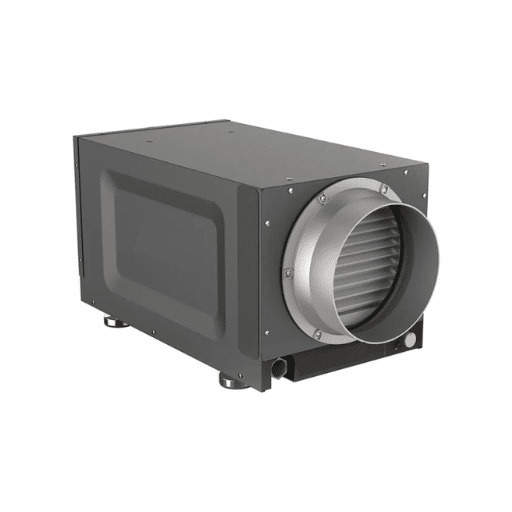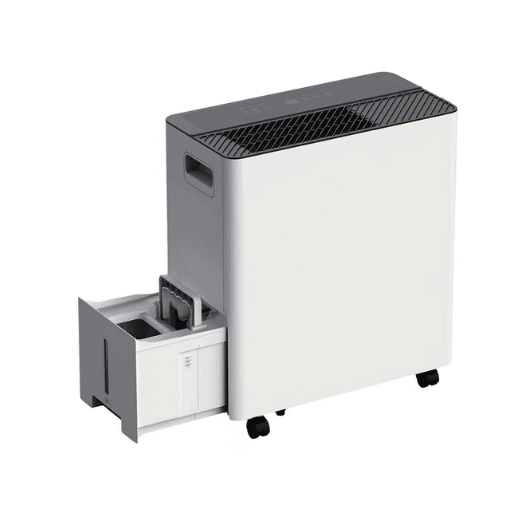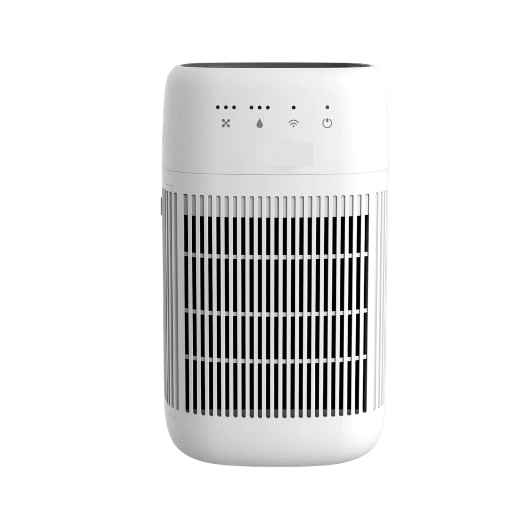
In the process of creating comfortable and healthy rooms, the choice between air purifiers and humidifiers can be puzzling. While they share the goal of improving indoor air quality, they accomplish this in distinctly different ways: one addresses air pollution, while the other tackles air dryness. Do you wish to eliminate allergens, odors, or pollutants from the air, or do you want to combat dry air irritating your throat and skin? Understanding the distinction between these two devices is crucial to choosing one that meets your particular needs. This article will explore the key features, advantages, and considerations for both air purifiers and humidifiers to help you decide which will best suit your home.
Introduction to Air Purifiers and Humidifiers

An air purifier is designed to remove dirt, allergens, and odors from the air, making it suitable for people with allergies or those sensitive to odors. On the contrary, a humidifier adds moisture to dry air, easing dry skin, sore throats, or itchy nasal passages. Depending on your needs, you would choose between air purifiers to clean the air from pollutants or humidifiers that increase moisture levels in the air.
What is an Air Purifier?
A device designed for cleansing air within a room. Air purifiers remove typical pollutants including dust, pollen, pet dander, mold spores, and harmful airborne particles like bacteria and viruses using sophisticated filtration mechanisms such as HEPA filters and activated carbon.
What is a Humidifier?
A device that adds moisture to the air, increasing humidity levels in any given area. Particularly important in dry climates or during winter when heating systems tend to dry indoor air excessively, preventing dry skin, irritated sinuses, and damage to wooden furniture.
Overview of Air Purifier vs Humidifier
Air purifiers and humidifiers serve distinct functions, both fulfilling important air-related and health-related needs. Air purifiers clean the air by removing contaminants such as dust, pollen, smoke, pet dander, and other harmful particles. These machines are beneficial for individuals suffering from allergies, asthma, or other respiratory problems. Modern air purifiers typically use HEPA filters, activated carbon, or UV technology to trap and neutralize pollutants.
On the other hand, humidifiers focus on controlling indoor humidity levels by adding moisture to the air. They prove especially helpful in dry climates or during winter when heating systems cause indoor air to dry out. At proper humidity levels, you can prevent dry skin, chapped lips, and irritated nasal passages—even wooden furniture benefits from protection against cracking.
💡 Key Insight: While air purifiers cleanse the air for a healthier respiratory system, humidifiers add moisture for comfort and prevent diseases caused by dry air. In the best case scenario, many homes maintain setups for both—they complement one another for a healthier and more comfortable indoor environment.
Functions and Benefits

Here are the key functions and benefits of air purifiers and humidifiers:
🌟 Clean Air
Air purifiers help remove airborne particles such as dust, pollen, smoke, and pet dander. Studies reveal that using HEPA filters, purifiers can remove up to 99.97% of particles with a diameter of 0.3 microns or larger, resulting in cleaner and safer air.
🤧 Allergy Relief and Asthma
Air purifiers minimize allergens and irritants, creating healthier environments for those with allergies and asthma. Research indicates that consistent use of air purifiers can substantially reduce allergy symptoms indoors.
💨 Maintain Humidity Levels
Humidifiers maintain adequate humidity levels, preventing discomfort such as dry skin, irritation, and congestion caused by overly dry air. According to the Environmental Protection Agency (EPA), the ideal indoor humidity level is between 30 and 50 percent for optimal comfort and health.
🪑 Protection for Wood and Furniture
Proper humidity levels help prevent wood furniture, flooring, and musical instruments from drying out and cracking. A humidifier keeps these precious items within your home intact.
🏠 Comfortable Indoor Environment
A perfect combination of air purifiers and humidifiers ensures clean air and balanced moisture, reducing air dryness and increasing overall comfort levels. This combination is especially valuable during winter months or in arid regions.
How Air Purifiers Work
Air purifiers are designed to improve indoor air quality by cleaning contaminants and pollutants. Various technologies target particles, allergens, and other harmful substances. Below are the most common methods used in air purifier systems:
1
HEPA Filters
High-Efficiency Particulate Air (HEPA) filters trap 99.97% of particles down to 0.3 microns, efficiently capturing dust, pollen, pet dander, and other fine particles. They are a major component in air purifier systems.
2
Activated Carbon Filters
These filters absorb odors, gases, and chemical toxins such as volatile organic compounds (VOCs). Most suitable for smoke, household odors, and harmful fumes from cleaning products.
3
UV-C Light Technology
UV-C light sterilizes the air by neutralizing airborne pathogens, bacteria, viruses, and other microorganisms. This technology is usually used in conjunction with other filters.
4
Ionic Purification
Ionic air purifiers release negatively charged ions that attach to oppositely charged airborne particles, causing pollutants to fall to the floor or other surfaces. However, maintenance of surfaces is required for complete removal.
5
Pre-Filters
Pre-filters act as the first line of defense against large particles such as hair, lint, and dust. This greatly extends the life of HEPA filters and increases overall system efficiency.
Health Benefits of Using an Air Purifier
Improves Respiratory Health
Removes allergens like pollen, dust mites, and pet dander that trigger asthma and allergy symptoms. Research shows respiratory problems may be reduced significantly, especially for those with prior conditions.
Reduces Indoor Pollution
Filters out pollutants harmful to health such as VOCs, smoke, and toxins, creating a healthy indoor environment and preventing headaches, fatigue, and respiratory illness.
Minimizes Airborne Illnesses
Advanced filtration technology like HEPA filters can trap bacteria and viruses from the air, reducing health outbreaks during flu season in shared spaces.
Enhances Sleep Quality
Better air helps people breathe easier and reduces nighttime allergies, improving sleep. Most air purifiers operate silently while cleaning the air during rest.
Neutralizes Unpleasant Odors
Activated carbon filtering assists in eliminating odors from cooking, pets, and cigarette smoke, leaving a fresher and more welcoming environment.
Benefits of Using a Humidifier
- ✓
Prevents Dry Skin and Irritation: Adds moisture to the air, preventing dry skin, cracked lips, and irritation caused by low humidity levels. Optimal humidity keeps skin moisturized and healthy. - ✓
Relieves Respiratory Symptoms: Increased moisture relieves congestion, coughing, dryness in the throat, and nasal passages, especially during cold and flu season or with chronic respiratory conditions. - ✓
Reduces Risks of Illnesses: Proper humidity levels (40-60%) can decrease the lifespan of airborne bacteria and viruses, reducing infection risks. - ✓
Protects Wooden Furniture and Flooring: Prevents damage to wooden furniture and warping of hardwood floors by maintaining moisture levels, protecting against cracking and structural damage. - ✓
Improves Sleep: Soothes dry nasal passages and throats, decreases snoring, and provides more comfortable breathing. Especially beneficial for those using heating appliances in winter.
Key Differences Between Air Purifiers and Humidifiers
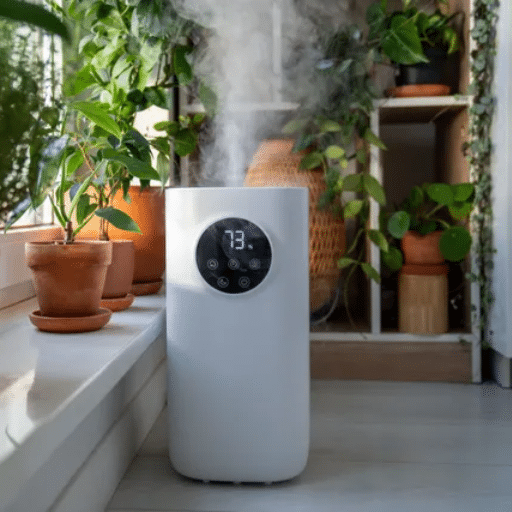
Purpose
Air Purifiers: Meant to purify air by removing pollutants, allergens, dust, smoke, or other suspended particulates, thereby ensuring a better indoor air quality.
Humidifiers: Add moisture into the air, thereby taking care of dryness and improving humidity levels for comfort and health.
The Problems They Address
Air Purifiers: These are good for individuals who are allergic, asthmatic, or sensitive to contaminants in the air.
Humidifiers: These come in handy when dealing with dry skin, irritated nasal passages, dry throat, and other discomforts that low humidity may bring.
Mode Of Action
Air Purifiers: Have filters (HEPA, carbon, or any other), ionizers, or a source of UV light, while some even combine all three methods, to capture and eliminate impurities present in the air.
Humidifiers: Generally consist of a water reservoir and a mechanism for distributing water into the air in some form (e.g., ultrasonic vibration, evaporation).
Seasonality
Air Purifiers: Can be used all year round because indoor air is often filled with pollutants, irrespective of seasons.
Perhaps the ones to be used in the cold weather, because it is the heating inside that reduces the humidity level of the air.
Health Impacts
Air Purifiers: To decrease the intensity of allergy symptoms, asthma attacks, or other respiratory problems to the extent possible by eliminating irritating particles present in the air.
Humidifiers: Either to prevent any symptom caused by dryness-even cracked lips, dry skin, or irritation of sinuses-or to relieve the symptoms.
So both gadgets have very distinct purposes, and which you choose will depend on the specific problems you face in your indoor environment.
Difference Between Air Purifiers and Humidifiers
Air purifiers clean the air by removing pollutants, while humidifiers add moisture to the air to combat dryness.
|
Key Point |
Air Purifiers |
Humidifiers |
|---|---|---|
|
Purpose |
Remove pollutants |
Add moisture |
|
Target Issues |
Allergens, dust, smoke |
Dry air, skin, throat |
|
Technology |
HEPA filters, ionizers |
Ultrasonic, evaporative |
|
Health Benefits |
Reduces allergies, asthma triggers |
Relieves dryness-related discomfort |
|
Ideal Users |
Allergy sufferers, urban dwellers |
Residents in dry climates |
Air Purifier and Humidifier: Which One to Choose?
When choosing between an air purifier and a humidifier, several essential factors must be considered, such as your specific requirements and indoor environment conditions. The points below will help with your decision-making:
🎯 Decision-Making Guide
Primary Function
Air Purifier: Cleans air by removing pollutants including allergens, dust, smoke, and pet dander.
Humidifier: Increases moisture in the air to reduce dryness in your home or office.
Health Benefits
Air Purifier: For allergy and asthma sufferers, reduces exposure to allergens and airborne irritants.
Humidifier: Recommended for dry skin, cracked lips, or sore throat from low humidity.
Best Environment
Air Purifier: Ideal for urban areas with high pollution levels or homes with pets.
Humidifier: Suits dry or cold climates where indoor air becomes too dry, especially during winter.
Technology
Air Purifier: Uses advanced technologies such as HEPA filters, carbon filters, or ionizers to capture and neutralize harmful particles.
Humidifier: Employs ultrasonic, evaporative, or steam vaporizing mechanisms to distribute moisture.
Target Audience
Air Purifier: Suits persons with respiratory ailments, city residents, or anyone wanting to improve air quality.
Humidifier: Perfect for those in dry climates or anyone experiencing moisture-related discomfort.
💡 Pro Tip: For some homes, the best choice might be to have both an air purifier and a humidifier to guarantee maximum air quality and moisture balance.
Cost Comparison: Air Purifier vs Humidifier
Air purifiers generally cost more upfront than humidifiers, with prices varying based on features and capacity:
Maintenance and Care

To ensure longevity and proper performance, both air purifiers and humidifiers need proper maintenance and care. Below are detailed steps and considerations for their upkeep:
🔄 Filter Replacement (Air Purifier)
HEPA filters must be replaced every 6-12 months, while carbon filters need replacement every 3-6 months. Replacement filter costs range from $20-$100 depending on the model.
🧼 Cleaning Water Tanks (Humidifier)
Water tanks must be cleaned regularly to prevent bacteria or mold. Clean tanks every 3 days and disinfect weekly using white vinegar or non-toxic disinfectant.
⚡ Energy Consumption Monitoring
Air purifiers may consume 50-200 watts running constantly, while humidifiers typically use 20-50 watts. Track energy consumption for both devices.
🧪 Descaling (Humidifier)
Mineral build-up occurs with hard water. Use vinegar or descaling solution at least once every two weeks to maintain proper mist flow.
🔍 Check Wear and Tear
Regularly inspect for clogged filters, worn seals, malfunctioning fans, cracked tanks, blocked mist outlets, or damaged cords. Replace faulty parts immediately.
Maintenance of Air Purifiers
- 1
Replace Air FiltersHEPA or activated carbon filters need replacement every 6-12 months depending on usage and air quality. Consult the manufacturer’s manual for recommendations.
- 2
Clean Pre-FiltersSome units have washable pre-filters. Wash every two to three weeks to prevent clogging and ensure good airflow.
- 3
Vacuum Around Air Intake and OutletDust and debris accumulate at vents over time. Use a vacuum gently once a month to maintain obstruction-free air movement.
- 4
Inspect and Clean SensorsDust-covered air quality sensors decrease efficiency. Clean sensors every couple of months with a soft cloth or cotton swab for proper function.
- 5
Check Electrical ComponentsPeriodically examine power cords, plugs, and buttons for wear or damage. Replace or repair damaged parts immediately for safety and proper operation.
Maintaining Your Humidifier
- •
Water Tank Cleaning: Empty and clean the water reservoir every 24 hours to prevent mold, bacteria, and contaminants. Use mild soap or diluted white vinegar solution. - •
Filter Replacement: Follow manufacturer’s instructions for filter replacement frequency. Change filters when clogged or dirty to ensure efficiency and air quality. - •
Use Distilled or De-mineralized Water: Tap water forms mineral deposits that become sites for bacterial growth and white dust emission. Using distilled water dramatically reduces these risks. - •
Check and Remove Mineral Deposits: Clean weekly with white vinegar if you find visible mineral deposits. Scrub with a soft brush or cloth for stubborn deposits. - •
Proper Storage: Clean and dry thoroughly before storing for extended periods. Store in a cool dry place to prevent mold or mildew formation.
Long-term Care for Air Purifiers and Humidifiers
Long-term care keeps air purifiers and humidifiers efficient and extends their lifespan. Five detailed steps ensure your devices run optimally:
1️⃣ Replace Filters Regularly
For air purifiers, replace HEPA or carbon filters every 6-12 months per manufacturer’s instructions. Humidifier filters should be exchanged every 1-3 months depending on usage and water quality.
2️⃣ Clean Internal Components Thoroughly
Dust off air purifier pre-filters and internal parts monthly with a vacuum. For humidifiers, soak internal parts in vinegar or citric acid solution to dissolve mineral deposits.
3️⃣ Keep Humidity Levels in Check
Maintain indoor humidity between 30-50%. Over-humidification causes mold while very low levels are counterproductive. Use a hygrometer to monitor levels.
4️⃣ Inspect and Replace Seals or Gaskets
Check seals, gaskets, and connections regularly for wear and tear. Replace if needed to avoid leakage (humidifiers) or reduced efficiency (air purifiers).
5️⃣ Schedule Regular Maintenance Checks
Conduct thorough inspections every 6-12 months to identify issues like faulty fans (air purifiers) or malfunctioning humidistat systems (humidifiers). Timely repairs prevent expensive fixes later.
Ideal Use Cases for Air Purifiers and Humidifiers

Air purifiers and humidifiers are essential for indoor air quality and comfort. Here are optimal circumstances for their application:
Allergy Relief
Air Purifiers: Remove allergens like pollen, dust mites, and pet dander, alleviating allergy symptoms.
Humidifiers: Reduce nasal congestion and dry throat caused by dry air irritation.
Asthma Management
Air Purifiers: Remove airborne irritants like smoke and chemical pollutants for safer environments.
Humidifiers: Maintain proper humidity levels to prevent respiratory discomfort from excessively dry air.
Cold and Flu Prevention
Air Purifiers: Reduce virus and bacteria concentration, decreasing airborne disease contraction probability.
Humidifiers: Keep nasal passages moist to prevent establishment of cold or flu viruses.
Sleep Enhancement
Air Purifiers: Eliminate odors and particles that interfere with restful sleep.
Humidifiers: Add moisture for comfort, helping those who suffer from snoring or dry air problems.
Protection for Furniture & Instruments
Humidifiers: Control humidity to prevent wood from cracking or warping, keeping furniture and instruments in good condition—especially important during winter when heating systems dry indoor air.
When to Use an Air Purifier
Air purifiers are most effective when it’s necessary to cleanse the air of pollutant particles. Consider using an air purifier in these circumstances:
🤧 For Treating Allergies or Asthma
HEPA-filtered air purifiers trap allergens including pollen, dust mites, and pet dander, reducing allergic and asthmatic symptoms. The Asthma and Allergy Foundation of America (AAFA) emphasizes improvement from keeping indoor air clean.
🏙️ For Better Indoor Air Quality
In areas with high pollution or near busy roads, air purifiers remove airborne pollutants like smoke, particulate matter (PM2.5), or volatile organic compounds (VOCs). Studies confirm HEPA purifiers can decrease health risks in moderately polluted areas.
🔥 During Wildfire Seasons
Wildfires generate harmful smoke and particulate matter that can infiltrate homes and harm respiratory health. Air purifiers with activated carbon filters effectively absorb harmful gases and odors during wildfire episodes.
🧪 For Removing Odors and Harmful Chemicals
Strong smells from cooking, cleaning products, or new furniture may emit harmful chemicals like formaldehyde. Activated carbon purifiers neutralize these odors and chemicals, allowing fresher air into the home.
🐾 If You Have Pets
Pet dander, hair, and odors accumulate in homes, affecting air quality. Purifiers can trap pet-associated particles and create healthier living for anyone with pet allergies.
Best Situations for a Humidifier
Humidifiers prove most beneficial in specific environmental conditions. Here are the ideal situations for using a humidifier:
❄️ During Winter
When cool temperatures require indoor heating, air usually dries up. A humidifier prevents dry skin, chapped lips, and irritated sinuses by adding moisture. Evidence suggests indoor humidity can drop below 30% during winter, while optimal humidity lies between 30 and 50%.
🧴 When There Is Dry Skin or Irritation
Prolonged exposure to low humidity dries skin, causing itching and scaling. Research indicates that maintaining relative humidity within proper limits helps maintain skin hydration and reduces irritation.
🫁 For Alleviating Respiratory Problems
Dry air can aggravate asthma, allergies, and sinusitis. Humidifying air soothes inflamed nasal passages and promotes easier breathing. Research indicates symptoms of dry air-induced respiratory discomfort can be relieved at around 40% humidity.
😴 For Better Sleep Quality
Dry air may cause throat irritation or trigger dry cough during the night, disturbing sleep quality. Humidifiers supply a comfortable atmosphere for sleeping. Proper humidity levels keep throat and nasal passages well-lubricated and may reduce snoring.
🪑 For Preservation of Wooden Furniture and Flooring
With prolonged exposure to low humidity, wood develops cracks, warps, and shrinks. Humidifiers prevent damage to wooden furniture, floors, and musical instruments. Experts suggest maintaining 35-55% indoor humidity for preserving wood-related materials.
Combining an Air Purifier and Humidifier
🔄 The Perfect Combination
When a combination of an air purifier and a humidifier exists, it can provide a much healthier and more comfortable indoor environment. The air purifier functions best in removing allergens, dust, particles, and contaminants from the air, thereby purifying it. Meanwhile, a humidifier adds to this by maintaining ideal moisture levels so that dry skin or irritated airways don’t occur.
In integration, they both improve air quality while maintaining environmental equilibrium, being favorable to both health and the house. This combined approach is particularly effective during winter months when heating systems dry out air while indoor pollution remains a concern.
Frequently Asked Questions (FAQ)
📚 References
- •
University of Rochester Medical Center: Provides insights on air filters, dehumidifiers, and humidifiers for improving air quality. Link to source - •
Northwell Health: Discusses the role of air purifiers in enhancing indoor air quality and reducing allergens. Link to source - •
NYC Government (Advocate Office): Offers guidance on using air purifiers and humidifiers during air quality health advisories. Link to source
Frequently Asked Questions (FAQ)