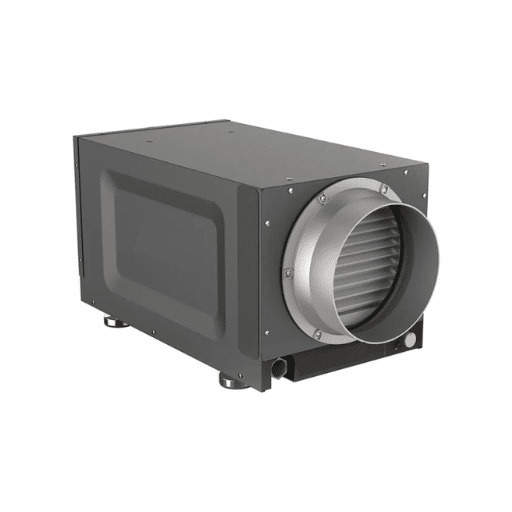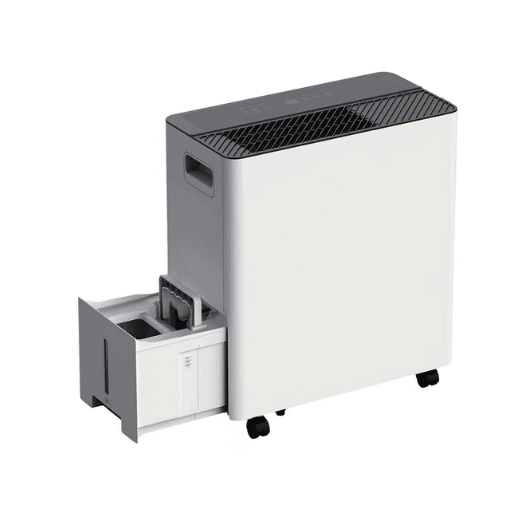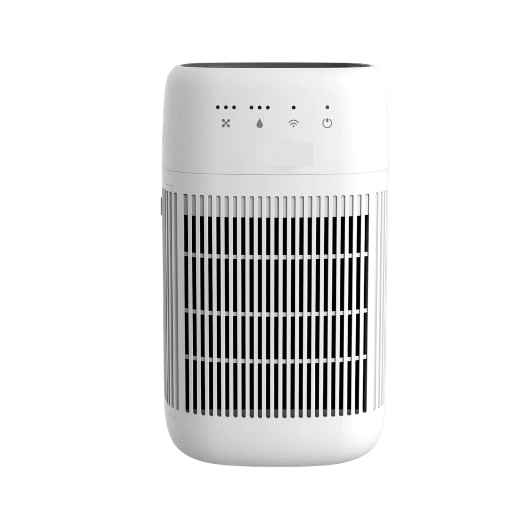
The preservation of paintings, sculptures, and manuscripts—the main protagonists in the story of our civilizations—is just as much an art as the creation of the artworks themselves. Practically all great art exhibitions have, among them, an overlooked hero: proper climate control. Humidity, particularly, is a silent but nonetheless very effective threat to artwork integrity that sometimes results in permanent damage. This comprehensive guide explores the critical role of dehumidifiers in protecting our cultural heritage, from understanding the science behind humidity control to implementing modern preservation technologies.
The Importance of Humidity Control in Art Galleries
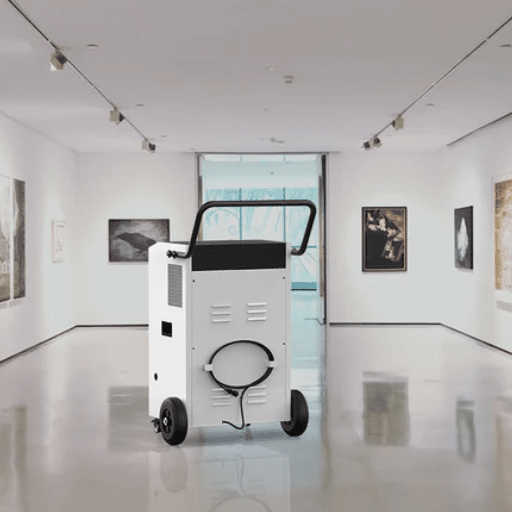
Art galleries must maintain the right humidity levels, as this is the only way to preserve artworks in the best possible condition. Mold can grow, colors can change, or wood can warp if the humidity is too high; on the other hand, if the air is too dry, paper, wood, and canvas can become very brittle and break. The recommended relative humidity percentage for most galleries is usually around 40-60%, which is the least damaging range. The regulation of humidity allows galleries not only to keep their artworks for a longer period but also to maintain their original quality, thus preserving cultural heritage for future generations.
Understanding Humidity Levels in Museums
Understanding the various critical factors and keeping the defined parameters are two major aspects of maintaining stable humidity levels in museums. Below is a comprehensive overview of key considerations and data relevant to controlling humidity effectively:
1Recommended Relative Humidity Range
A relative humidity (RH) level of about 40-60% is usually the target of most museums since it minimizes the danger of biological growth (for instance, mold) and, at the same time, eases the deterioration of materials. However, for very delicate materials like ancient artifacts or paper artworks, even stricter ranges (e.g., 45-55%) could be applied.
2Temperature and Humidity Correlation
Temperature affects the ability of air to contain moisture. Therefore, effective climate control systems must deal with both temperature and humidity simultaneously, keeping the balance so that neither condensation nor dryness occurs.
3Seasonal Variations
Outdoor conditions vary considerably according to the seasons. Museum buildings must use dehumidifiers or humidifiers to help indoor RH levels adjust to outdoor changes appropriately.
4Building Design and Insulation
The materials of construction and the insulation of a museum play a very significant role in minimizing outside climatic effects on the interior. Proper sealing will prevent humidity from entering or leaving unnecessarily.
5Monitoring and Data Logging
Regular monitoring through hygrometers or advanced monitoring systems allows museum staff to track trends and react quickly to any deviations in RH levels through data logging.
Key Insight: When museums carefully consider all these factors, they become able to create stable and controlled environments that protect their collections from hazards posed by changing environmental conditions.
Effects of High Humidity on Artworks
High humidity can be a major source of problems for artworks, affecting both their physical and chemical aspects. The following points highlight five main concerns:
🦠 Mold Growth
High humidity encourages mold and fungi growth, which can stain and ruin artworks. Mold is particularly dangerous for artworks consisting of organic materials such as paper or textiles.
📐 Warping and Deformation
Humidity causes wooden objects, canvases, and other moisture-vulnerable materials to warp, swell, or crack over time.
🎨 Paint Layer Damage
Artworks may experience blistering, softening, or complete detachment of paint layers from their substrates when humidity is at higher levels.
⚙️ Corrosion of Metal Components
Metal parts of sculptures, frames, or mixed-media artworks may be severely affected by corrosion and rust in humid environments.
🧪 Chemical Reactions and Staining
High humidity can bring about chemical reactions in materials such as parchment, leather, or pigments, causing discoloration, staining, or permanent changes to the material’s appearance.
⚠️ Important: Monitoring and controlling proper humidity levels are among the most critical measures for protecting and extending artworks’ integrity and lifespan.
Importance of Maintaining Optimal Humidity
The equilibrium of humidity in artworks’ surroundings is critically important, as non-ideal humidity can lead to damage that would be difficult to reverse. The following points illustrate the necessity of humidity control:
💡 Best Practice: Humidity levels should be kept within recommended parameters (40-60% for most collections) at all times to ensure long-term conservation.
Dehumidification Solutions for Museums and Galleries
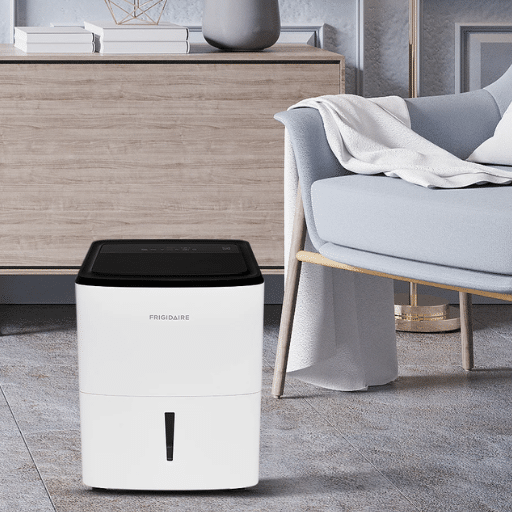
Maintaining perfect humidity levels is vital for protecting museum and gallery artifacts and artworks. Here are five highly effective dehumidification solutions:
1. Desiccant Dehumidifiers
Technology: These devices use desiccant materials to absorb humidity from the air, making them highly effective in very cold or very wet environments.
Efficiency: Excellent for maintaining precise moisture control, especially in storage rooms.
Application Example: Rooms where temperature-sensitive objects are kept and stored.
2. Refrigerant Dehumidifiers
Technology: They operate on the principle of condensation, wherein air is cooled to remove moisture.
Efficiency: Recommended for galleries with moderate temperature conditions and general purposes.
Application Example: Main exhibit areas frequently visited by guests.
3. HVAC Systems with Humidity Control
Technology: Modern HVAC systems come with built-in humidity control which helps regulate climate in large areas.
Efficiency: Provides uninterrupted, perfect balance of temperature and humidity across entire museum or gallery.
Application Example: Large exhibition halls with changing displays.
4. Standalone Humidistat-Controlled Units
Technology: Portable units that monitor and regulate humidity based on pre-determined settings.
Efficiency: Very handy for small or temporary exhibits that need precise climate adjustments.
Application Example: Short-lived installations or traveling exhibitions.
5. Hybrid Systems
Technology: Combination of desiccant and refrigerant technologies offering adaptability for consistent performance in different conditions.
Efficiency: Best suited for places where both temperature and humidity swing greatly.
Application Example: Multi-purpose areas like workshops or restoration labs.
🎯 Key Takeaway: Selecting the right dehumidification solution is essential for creating a safe and controlled environment to preserve cultural and historical treasures for future generations.
Types of Dehumidifiers for Art Galleries
Selecting appropriate dehumidifiers for an art gallery is a critical step in preserving artworks by controlling humidity, temperature, and air quality. Here are five types of dehumidifiers suited for galleries:
📌 Recommendation: Carefully consider the environmental requirements of your space to select the most efficient dehumidifier for protecting and preserving art long-term.
Commercial Dehumidifiers: Features and Benefits
Commercial dehumidifiers are comprehensive solutions for large-scale humidity control challenges, making them suitable for industries, museums, and commercial spaces. Here are five main features and benefits:
High Capacity for Large Spaces
Built to handle big areas with high moisture levels, making them effective in warehouses, manufacturing plants, and vast galleries.
Durable Construction
Made from tough materials to endure extremely demanding environments, ensuring longevity and consistent performance even during tough industrial conditions.
Advanced Filtration Systems
Equipped with HEPA or carbon filters that purify air by separating pollutants, controlling humidity while minimizing allergens and airborne contaminants.
Energy Efficiency
Equipped with high-efficiency compressors and latest energy-smart technology, reducing operational costs while maintaining optimal humidity levels.
Customizable Settings and Controls
Features adjustable humidity set points, timers, and remote-control capabilities, allowing humidity control specifically oriented to environmental needs.
How to Choose the Right Dehumidification System
Selecting the best dehumidification system is important for managing humidity levels effectively in your environment. Here are five main factors to consider when deciding on the best system:
1. Capacity and Coverage Area
Details: Measure the space and set the system’s moisture removal capacity (usually stated in pints or liters per day) accordingly. Larger areas or places with high humidity demand systems with the highest capacity.
📊 Data: For instance, a unit with a capacity of 70 pints/day may efficiently serve up to 2,500 square feet.
2. Type of Dehumidifier
Details: Clarify if you need a refrigerant-based (good for warmer climates) or desiccant-based (superior for cold environments) system based on your particular climate and application.
📊 Data: Desiccant systems are frequently found in industrial applications where temperatures can be down to 33°F.
3. Energy Efficiency
Details: Always consider energy-efficient models with certificates from programs like ENERGY STAR, as they will ultimately help lower your operating expenses.
📊 Data: An energy-efficient unit can use up to 20-30% less electricity compared to non-certified counterparts.
4. Noise Levels
Details: The noise level of the system should be a major consideration, particularly for installations in residences or offices where silent operation is essential.
📊 Data: Most commercial dehumidifiers produce sounds ranging from 50 to 55 decibels, about the same as a refrigerator humming.
5. Maintenance Requirements
Details: Take into account the system maintenance difficulty, such as cleaning, changing or washing filters, or draining tanks.
📊 Data: Some systems come with automatic drainage and filter maintenance reminders which minimize manual intervention.
✅ Conclusion: After considering these factors in detail, you can ensure that the dehumidification system you select will be compatible with your environmental needs while remaining economical and user-friendly.
Role of Dehumidifiers in Art Conservation

Dehumidifiers are among the most crucial factors in preserving artworks and artifacts of high historical and cultural value. Humidity control is essential for preventing moisture-related damages. Here are five key details supporting the importance of dehumidifiers in art conservation:
-
🦠 Mold and Mildew Prevention
The presence of moisture in the air is the main factor that facilitates mold and mildew growth, which can destroy artworks and historic objects made of organic materials such as paintings and textiles. Dehumidifiers maintain the perfect humidity at around 40% to 60% to avoid this concern.
-
⚙️ Corrosion Protection
Metal sculptures and artifacts suffer most from corrosion in humid surroundings. Humidity control done by dehumidifiers helps slow down chemical reactions, thus preserving the integrity of metal pieces.
-
🪵 Reduced Wood Warping and Shrinkage
Wood on frames, furniture, and sculptures can change size by absorbing or losing moisture depending on environmental moisture levels. This can cause cracking and deformation. Dehumidifiers maintain moisture levels so wood does not undergo these changes, keeping artifacts in original condition.
-
🎨 Pigments and Fabrics Protection
High moisture content can cause pigments in paintings to fade and discolor while weakening textile fibers. Supportive humidity through dehumidification systems prevents this, maintaining bright colors and good quality fabrics.
-
📊 Integration with Monitoring Systems
High-tech dehumidifiers meant for art conservation frequently come equipped with built-in sensors and control mechanisms. These enable extremely precise humidity maintenance and adjustment to provide a constant environment meeting conservation standards.
🌟 Future Impact: Effective use of dehumidifiers creates a stable environment that protects cultural heritage and artistic expressions for current and future generations.
Protecting Artefacts from Dampness
Protecting artworks and historical artefacts from dampness is critically important to preserve their quality and value while preventing damage caused by high humidity or moisture. Here are detailed methods and measures for protecting valuable items:
✅ Essential Protection Strategies
1. Controlled Humidity Levels
Keep humidity for most artefacts between 45% and 55%. High humidity can encourage mold growth, while low humidity can result in drying and cracking of sensitive materials like wood and textiles.
2. Use of Desiccants
Silica gel and similar drying agents are highly efficient at moisture absorption in storage areas. They can be placed in sealed containers or enclosures to reduce dampness around artifacts.
3. Environmental Monitoring Systems
Using data-loggers and hygrometers is highly recommended for constant monitoring of temperature and humidity levels. These systems provide real-time data and send alerts for any harmful changes to artefacts.
4. Proper Ventilation
Good air circulation in storage and exhibition areas is essential to prevent moisture accumulation. Ventilation systems combined with dehumidifiers efficiently control conditions.
5. Protective Enclosures
Keep artifacts in airtight, moisture-resistant enclosures. These containers are especially convenient for paper documents, photographs, and other sensitive items as they limit exposure to atmospheric humidity.
Case Studies: Successful Humidity Control in Museums
The following case studies demonstrate the incredible power of specially designed humidity control systems in protecting precious cultural and historical artifacts:
🏛️ The Smithsonian Institution
Location: Washington, D.C.
Solution: Centralized humidity control system throughout giant museum network
Results: 30% decrease in humidity-related damage within five years
RH Range: Maintained stable 45-55% with energy-saving dehumidifiers
🇬🇧 The British Museum
Location: London
Solution: Advanced HVAC system combined with real-time monitoring
Results: Successfully prevented fungal development and material deterioration
RH Range: Consistently maintained at around 50%, especially for ancient manuscripts
🇫🇷 The Louvre
Location: Paris
Solution: High-precision vapor control methods for vulnerable artworks
Results: Preserved condition of 17th-century oil paintings that would crack in extreme weather
RH Range: Achieved 50-55% for priceless paintings and sculptures
🇳🇱 Rijksmuseum
Location: Amsterdam
Solution: Desiccant dehumidification technology for sensitive collections
Results: Over 95% of tapestries and wooden sculptures maintained in good condition
Applications: Textiles and wood-based artifacts requiring optimal conditions
🇨🇳 National Museum of China
Location: Beijing
Solution: Climate-based zoning approach with different humidity levels per gallery
Results: Less than 5% annual deterioration reported for delicate items
RH Range: 45-60% across different zones based on artifact sensitivity
🎯 Key Learning: These exemplary studies testify to the incredible effectiveness of tailored humidity control systems. Careful and masterful climate management is the only way forward for sustainable preservation practices.
Long-term Benefits of Dehumidification
When applied correctly, dehumidification systems provide multiple benefits, especially in areas requiring preservation and protection. Here are five advantages with supporting data:
Implementing Humidity Control Measures

The following measures make humidity management easier and more effective:
Install Dehumidifiers
Modern dehumidifiers come with sophisticated sensors and controls, making moisture level regulation highly accurate. These devices are mainly utilized where humidity rates exceed 60% most of the time.
📊 Impact: Studies show dehumidifier use decreases mold growth probability by more than 70%.
Utilize Hygrometers for Tracking
Regular monitoring with hygrometers provides accurate tracking of humidity levels. Digital hygrometers give continuous information and can link with smart systems for automatic alerts when levels reach critical limits.
💡 Advantage: Real-time data enables immediate corrective action.
Optimize HVAC Systems
Indoor humidity control is highly dependent on heating, ventilating, and air conditioning (HVAC) systems. Adding humidity control accessories or consulting for system calibration significantly improves performance.
📊 Impact: Can result in 40% improved moisture regulation.
Seal Around the Building
Gaps and leaks at doors, windows, and walls allow moisture invasion. Properly inspecting and sealing these areas with weather stripping or caulk virtually eliminates humidity-induced fluctuations.
🛠️ Action Required: Regular inspections and proactive sealing.
Implement Fresh-Air Solutions
Proper ventilation, especially in moist areas like kitchens and bathrooms, is necessary. Using exhaust fans along with providing enough airflow keeps humidity levels equal and avoids condensation formation.
✅ Result: Creates safer, more sustainable, moisture-proof environments.
Strategies for Effective Humidity Control in Galleries
1HVAC System Optimization
Modern Heating, Ventilation, and Air Conditioning (HVAC) systems are critically important to galleries for steady humidity control. Using humidistats in these systems ensures accurate control, maintaining relative humidity (RH) in the 40-60% range consistently.
📊 Research Finding: Studies indicate 50% RH with a tolerance of ±5% is optimal for preserving artworks made of paper or wood.
2Use of Dehumidifiers and Humidifiers
Proper positioning of dehumidifiers and humidifiers helps galleries efficiently regulate moisture levels in specific areas. This is especially important in storage rooms or during seasonal changes.
💡 Best Practice: Portable humidifiers add moisture during dry weather, while energy-efficient dehumidifiers maintain RH during rainy seasons.
3Sealing and Insulating Gallery Spaces
Proper sealing of windows, doors, and other openings is essential for preventing moisture entry. Insulation also helps significantly since heating and cooling processes have minimal effect on humidity levels.
🔧 Solutions: Moisture barriers and double-glazed windows eliminate moisture intrusion and create perfect art preservation conditions.
4Monitoring and Data Logging
Latest technology in sensors and data loggers provides continuous monitoring of humidity and temperature, helping solve problems through early detection. Galleries can take preventive measures based on data analysis.
⚡ Technology Advantage: Certain systems send instant notifications if RH levels fall out of range, enabling immediate corrective action.
5Controlled Storage and Display Cases
Display cases with environmental control features are ideal for keeping sensitive artifacts protected. Silica gel compartments or RH control technology ensure items aren’t affected by external humidity.
🛡️ Protection Scope: Particularly effective for textiles, photographs, and parchment materials.
✅ Strategic Outcome: Through these strategies, museums and galleries can create and maintain stable, secure environments while significantly reducing risks from fluctuating humidity levels, ensuring longevity and integrity of priceless collections.
Monitoring Humidity Levels: Tools and Techniques
Monitoring humidity levels in galleries and museums is a major factor in collection preservation and damage avoidance. Various tools and techniques enable efficient measurement and control of relative humidity (RH). Here are five fundamental tools and methods:
Hygrometers
The most common tools for measuring relative humidity in the atmosphere. Available in both digital and analog forms, offering reliable, easy-to-read readings for real-time monitoring. Digital hygrometers usually include temperature readings and data logging capabilities.
Data Loggers
Electronic devices capable of recording humidity and temperature levels over extended periods. Essential for monitoring trends and spotting changes. Modern data loggers feature wireless connectivity for remote monitoring and instant alerts for critical changes.
Thermo-Hygrographs
Devices combining thermometer and hygrometer functions for continuous recording of temperature and humidity on graphs. Highly useful for long-period monitoring, providing detailed visual data helpful in assessing environmental stability.
Psychrometers
Feature two thermometers: one measuring air temperature (dry bulb) and another measuring water temperature (wet bulb). Relative humidity is calculated using temperature reading differences. Though somewhat manual, psychrometers are highly accurate for spot-checking RH levels.
Building Management Systems (BMS)
Modern sophisticated systems combining HVAC controls with real-time RH monitoring. Enable automated adjustments to maintain humidity, creating stable environments for sensitive artworks and artifacts.
🎯 Monitoring Impact: With these tools and methods, museums and galleries can maintain precise humidity control, significantly reducing environmental risks and preserving collections for future generations.
Integrating Air Treatment Systems with Dehumidifiers
Combining air treatment systems and dehumidifiers provides a comprehensive solution for humidity control that stabilizes environments where delicate items are kept. The integration consists of five essential components and techniques:
-
1
Desiccant Dehumidifiers
Use hygroscopic substances to absorb moisture, achieving very low humidity levels. Work exceptionally well in low-temperature conditions.
-
2
HVAC Integration
Dehumidifiers tied to HVAC systems allow simultaneous temperature and humidity control. This integration provides central monitoring and automated adjustments according to environmental requirements.
-
3
HEPA Filtration Systems
Using HEPA filters in air treatment systems dramatically improves air quality by capturing very small particles while maintaining optimal humidity levels, reducing microorganism populations.
-
4
Humidity Sensors and Controllers
Provide current RH (relative humidity) readings enabling precise adjustments. Sophisticated controllers can be programmed to vary within certain humidity limits, creating highly consistent environments.
-
5
Energy Recovery Ventilators (ERVs)
Significantly cut energy consumption for dehumidification by ventilating spaces while efficiently exchanging heat and humidity between incoming and outgoing air.
🔗 Integration Benefit: Air treatment systems reinforced by these elements work hand-in-hand with dehumidifiers to build perfect settings for preserving sensitive collections.
Challenges and Solutions in Humidity Control

Numerous difficulties come with humidity management in sensitive areas, but targeted solutions address all these problems. Here is a thorough enumeration of five frequent challenges with their respective solutions:
⚠️ Critical Success Factor: Overcoming these challenges with proper solutions leads to optimal humidity control management, protecting sensitive materials while guaranteeing operational efficiency.
Common Humidity-Related Issues in Museums
Moisture regulation in museums is essential for keeping artifacts and exhibits in the best possible condition. Here are five frequently encountered humidity-related issues:
🔻 Artifact Degradation
Impact: Humidity fluctuations affect warping, cracking, and aging of paper, wood, and other organic materials, severely reducing quality long-term.
📊 Data: Most materials don’t deteriorate when humidity stays within optimal 45-55% range.
🦠 Mold Growth
Impact: High humidity provides necessary conditions for mold and mildew growth, which can ruin artwork and stored artifacts.
📊 Data: Persistent humidity over 65% is a major factor contributing to mold outbreaks.
⚙️ Metal Corrosion
Impact: Metals used in artifacts corrode very fast when humidity levels are high, since moisture is the main cause of corrosion.
📊 Data: Conservation of most metals is possible when humidity levels don’t exceed 40%.
🎨 Paint Layer Separation
Impact: Changing humidity levels can cause paint layer separation from underlying canvas or wood, leading to flaking or peeling.
📊 Data: Maintaining stable humidity range greatly reduces such problems and increases painting longevity.
🐛 Pest Infestations
Impact: High humidity environments draw pests like silverfish, beetles, and moths, which destroy heritage by feeding on paper, leather, and textiles.
📊 Data: Combining stable humidity control with pest monitoring cuts infestation risks by as much as 30%.
⚠️ Essential Action: Effectively managing these problems is absolutely necessary to keep museum collections intact and strong over long periods. Regular monitoring and ensuring humidity conditions remain stable are the main methods for addressing these issues.
Innovative Technology in Dehumidification
The progress made in dehumidification technologies is the reason for the introduction of new and efficient methods to deal with humidity in sensitive areas like museums. Below you will find five such cutting-edge technologies that have already reached proven effectiveness:
Desiccant Dehumidifiers
Details: Desiccant dehumidifiers use special materials like silica gel that attract moisture from the air and consequently, the temperature in the area is controlled perfectly.
📊 Data: Research has proven that desiccant systems can maintain humidity levels down to the perfect 40% RH, making them ideal for very sensitive objects.
🔄 Hybrid Dehumidification Systems
Details: Combining mechanical refrigeration and desiccant technology results in hybrid systems that are not only very energy-efficient but also versatile for different conditions.
📊 Data: Energy consumption of hybrid systems is cut down to as much as 20% compared to conventional systems.
🌐 Smart Sensors and IoT Integration
Details: State-of-the-art humidity sensors along with IoT-enabled devices provide continuous monitoring and condition alteration, giving feedback required to keep environmental conditions stable.
📊 Data: IoT-based systems can reduce response time to humidity fluctuations by 40%, keeping damage risk very low.
♻️ Regenerative Dehumidification
Details: Systems use self-regenerating materials, leading to consistent performance without frequent maintenance or replacement.
📊 Data: With minimal efficiency loss, regenerative dehumidifiers can run over ten years without interruption.
⚡ Energy Recovery Ventilation (ERV) Systems
Details: ERV systems control humidity while simultaneously recovering energy from exhausted air, making them eco-friendly.
📊 Data: ERV systems can recover as much as 80% of lost energy, leading to significant decreases in operational costs.
🚀 Technology Impact: Introduction of these technologies dramatically improves the ability to maintain optimal humidity and moisture levels, enabling long-term conservation of priceless collections while cutting down on energy and maintenance costs.
Future Trends in Humidity Control for Art Galleries
The future of humidity control in art galleries is being shaped by cutting-edge technologies and innovative approaches. Here are five emerging trends that will revolutionize art preservation:
🔮 Future Innovation Trends
1. Advanced Sensor Technology
Details: Development of extremely accurate sensors that monitor humidity and temperature continuously, ensuring immediate adjustments whenever conditions change.
📊 Data: Modern sensors’ precision rate is ±1% RH, enabling perfect environmental control with minimal energy consumption.
2. AI-Driven Climate Control Systems
Details: Artificial Intelligence (AI) installation in HVAC systems aims at predicting and automating the entire process of system modification according to environmental trends and outside factors.
📊 Data: AI climate control systems have been able to cut energy usage by as much as 25% compared to regular systems.
3. Nanotechnology Coatings for Preservation
Details: Contemporary nanotechnology application offers a line of defense against humidity and other factors without any modifications to artwork appearance or chemical makeup.
📊 Data: High-tech coatings have the capacity to sustain humidity exposure reduction by 40% at maximum.
4. Decentralized Humidity Control Units
Details: The trend of utilizing smaller decentralized systems at the micro-level for moisture management is gradually catching on, guaranteeing uniformity in conditions even for the tiniest gallery section.
📊 Data: Decentralized units can maintain humidity levels that are 30% more constant than those produced by centralized control systems.
5. Renewable Energy Integration
Details: Environment-friendly energy sources like solar-powered HVAC systems are on the verge of becoming the mainstay for efficient humidity control with minimum environmental repercussions.
📊 Data: Solar energy systems have been shown to cut carbon footprint by half when compared to traditional energy systems.
References
- University of Michigan – Kelsey Museum: Explains the use of dehumidifiers for relative humidity control in exhibitions.
Visit Source → - University of Wisconsin: Thesis on environmental requirements for museums, including dehumidifier applications.
Visit Source → - Academia.edu: Paper on relative humidity specifications and control in museums and galleries.
Visit Source → -
Frequently Asked Questions (FAQ)
❓ What is the importance of humidity control in museums and galleries?
Humidity control is crucial in museums and galleries as it helps preserve valuable items and artefacts. Maintaining appropriate humidity levels prevents damage such as warping, cracking, and discoloration of delicate materials like paper and textiles. Proper humidity control safeguards the integrity of artworks, ensuring they remain in optimal condition for future generations.
❓ How do dehumidifiers help manage humidity in art galleries?
Dehumidifiers play a vital role in managing humidity in art galleries by reducing excess moisture in the air. By controlling humidity levels, they prevent fluctuations that can lead to mold growth and moisture damage. This is essential for maintaining a stable indoor environment that protects artworks and exhibits from the adverse effects of high humidity.
❓ What are the effects of high humidity levels on artworks in museums?
High humidity levels can cause numerous issues for artworks in museums, including the growth of mold and mildew, which can damage or destroy delicate materials. Excess moisture can also lead to warping and cracking, particularly in items made of wood or paper. Therefore, controlling humidity is essential to ensure the longevity of these valuable items.
❓ What is the best humidity range for galleries and museums?
The best humidity range for galleries and museums typically falls between 40% and 60% relative humidity. This range helps prevent moisture-related damage while maintaining a comfortable indoor climate for both artworks and visitors. Regular monitoring and adjustment of humidity levels are necessary to stay within this optimal range.
❓ What types of dehumidifiers are suitable for art galleries?
Commercial dehumidifiers and desiccant dehumidifiers are suitable for art galleries. Commercial dehumidifiers are designed for larger spaces, effectively controlling humidity levels in expansive galleries. Desiccant dehumidifiers, on the other hand, utilize hygroscopic materials to absorb moisture from the air, making them ideal for environments requiring precise humidity control.
❓ How does temperature and humidity affect the preservation of artefacts?
Temperature and humidity significantly affect the preservation of artefacts, as fluctuations can lead to physical damage. High relative humidity can encourage mold growth, while low humidity can cause materials to dry out and crack. Maintaining stable temperature and humidity levels is essential for protecting delicate materials and ensuring the longevity of artworks and historical items.
❓ What are the signs of excessive moisture in an indoor gallery environment?
Signs of excessive moisture in an indoor gallery environment include visible condensation on windows, a musty odor, and the presence of mold or mildew. Additionally, artworks may exhibit signs of damage such as discoloration or warping. Regular inspections and the use of dehumidifiers can help mitigate these issues before they cause significant harm.
❓ How can ventilation contribute to humidity control in museums?
Ventilation plays a crucial role in humidity control in museums by promoting air circulation and reducing excess moisture. Properly designed ventilation systems help maintain consistent humidity levels, preventing stagnation and the buildup of humidity. This is particularly important in spaces housing delicate materials that are sensitive to fluctuations in moisture levels.