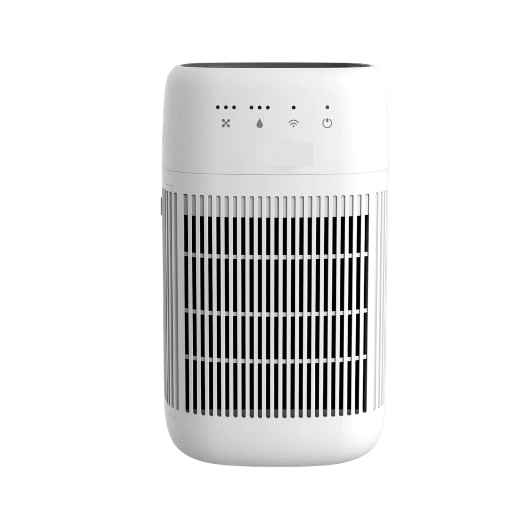
Of all the places in a home, a bathroom is the most humid and suitable for mold, mildew, and harmful bacteria. The excessive odor-causing moisture and stains are not only health hazards but also hamper the durability of fixtures in the house. Hence, a bathroom dehumidifier provides a simple but vital tool for maintaining a cleaner and healthier living space. This article will discuss why dehumidifiers are important for your home, how to find the best one for your bathroom, and the benefits of dehumidifiers extend farther than managing humidity. From combating persistent dampness to making a space more comfortable, we will equip you with the necessary information for an informed choice.
Understanding Dehumidifiers

They kind of dehumidifiers work to reduce and keep humidity levels lower in your home. They draw in the wet air, take out excess moisture, and release drier air to hinder mold growth, dust mites, or damp smells. This makes them especially effective for bathrooms, basements, or any area associated with high humidity. The right dehumidifier depends on the size of the room, the level of humidity, plus more in terms of properties such as capacity, portability, and energy efficiency.
What is a Dehumidifier?
Basically, a dehumidifier is a device that can reduce and control humidity levels inside. It is a useful situation for achieving maintainability in air quality and comfort. Taking excess moisture away from the air, dehumidifiers not just stop damaging effects such as mold and mildew from developing, but also reduce allergens like dust mites that thrive in dampness. Modern-day dehumidifiers use advanced technology like a hygrometer to check humidity levels, energy-efficient compressors, and auto-drain features to better performance, along with ease of use. These devices usually find themselves homes in basements, kitchens, or bathrooms because of places where humidity tends to accumulate, making for a healthier, less humid environment.
How Do Dehumidifiers Work?
Dehumidifiers may simply be thought of as machines that draw moisture from the air, maintaining indoor humidity within a comfortable and safe range, between 30% and 50%. The operation commences when the fan pulls in moist air into the dehumidifier. The air then flows over chilled coils, cooling it and causing moisture to accumulate as water droplets. These water droplets either collect in a reservoir or get drained away automatically, in accordance with the model. The dry air is further warmed up before being released back into the room. With humidity sensors built into modern dehumidifiers, real-time measurements are taken so the machine performance can be adjusted as needed, which consequently increases operating efficiency. Such drying processes keep walls free from mold; allergens are also considerably reduced, thereby further enhancing indoor air quality.
Types of Dehumidifiers
Desiccant Dehumidifiers
In the case of desiccant dehumidifiers, some hygroscopic material is used to absorb moisture from the air. If it is for a cold environment, this would surely be recommended since such units do not require condensation to remove humidity. They are quite lightweight and portable, but on the other hand, they could be easily pricier to run than compressor types.
Compressor-based Dehumidifiers
Compressor dehumidifiers are refrigerant dehumidifiers, cooling the air to extract moisture from it. These are particularly useful in warm and humid conditions and find their everyday usage in industrial and domestic premises. But they lose their efficiency in situations where it is less warm.
Thermo-Electric Dehumidifiers
This being the Peltier dehumidifier type uses a thermoelectric cooling method, making it fairly quiet and small in size. In general, they are intended to be used in small spaces, such as closets, cabinets, and bathrooms. On the energy side, they are very good; on the output side, however, they cannot compete with other styles.
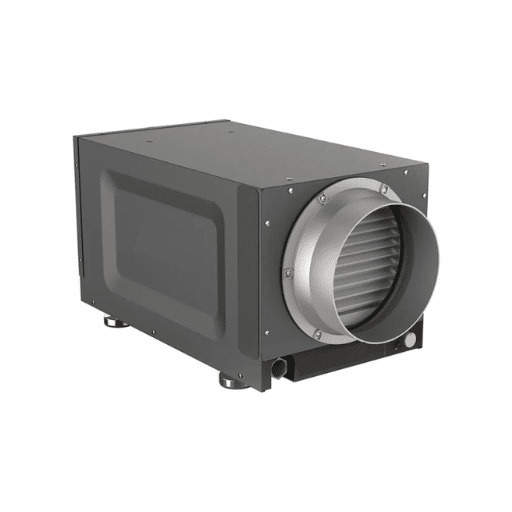
Whole-House Dehumidifiers
These systems create humidity control for whole-house levels in conjunction with HVAC systems. They are large, heavy, noisy, and more suited for larger areas: thinking log-term applications with consistent dehumidification. However, the high price tags for installation and maintenance can put a dent in your pocket.
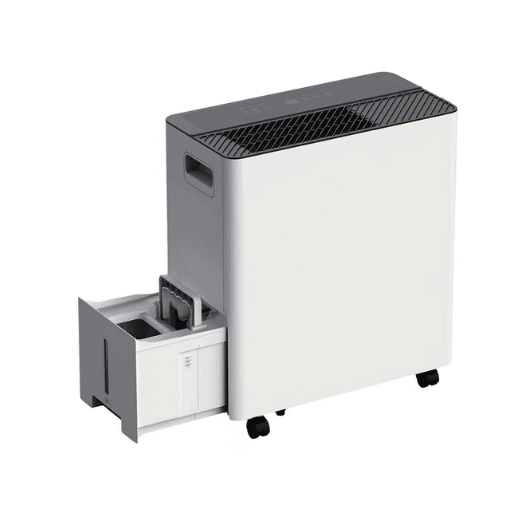
Portable Dehumidifiers
These are carried to different rooms according to need. They range in size from small units good at covering a single person to units that could dehumidify a whole room. It is very popular because of their mobility and cost-effectiveness for everyday use.
These different types cater to different preferences, climates, and room sizes; for some, one is bound to be perfect.
Benefits of Using a Dehumidifier for the Bathroom

Step 1: Stops the Growth of Mold and Mildew
Well, basically, bathrooms are notorious for attracting such things as mold and mildew to grow with constant humidity from showers and baths. A dehumidifier, therefore, maintains the moisture content that discriminates against mold and mildew growth. A happy environment means your bathroom stays protected, while also protecting your health since molds carry massively allergic reactions and shutdown respiratory conditions.
Step 2: Keeps Away Musty Odors
Whenever there happens to be an excess dampness level, the in-bathroom musty odors would have surfaced and arisen from the sneaky mold-hidden-dampness walls. With a perfect dehumidifier, these are wiped out from the database and kept on enjoying a fresh environment of the bathroom and aromas.
Step 3: Protects the Walls and Fixtures
High humidity may damage bathroom walls, paint, tiles, and fixtures over time. The continual moisture may result in peeling paint, warped wood, or rust on metal fixtures. The dehumidifier will keep such things from happening by keeping an even humidity level and therefore allow the surfaces and installations of your bathroom to stay intact for longer.
Cleaner Air
The airs may become unhealthy under high humidity, thus bringing about problems for asthma or allergy sufferers. A dehumidifier removes excess moisture and thereby creates healthier air conditions by reducing allergens like mold spores and dust mites.
Faster Drying Times
Towels, bath mats, and surfaces remain damp after a shower or bathe for a long time, fostering bacteria. A dehumidifier speeds up drying and helps keep your bathroom cleaner and more hygienic.
Preventing Mold and Mildew Growth
Preventing mold and mildew growth inside your home calls for a preventive approach in moisture-related management and ventilation. Here are five ways by which the prevention measures can be achieved:
✓ Keeping Indoor Humidity Under 50%
By using a hygrometer, you can make sure the humidity inside is not reaching unwanted levels for mold growth. Mold and mildew grow with more than 50% of humidity levels.
✓ Promote Ventilation
These rooms where moisture can be quite heavy should have exhaust fans to reduce moisture: bathrooms, kitchens, and laundry rooms. Also, do keep your windows open to allow for air-flow in places where moisture tends to build up.
✓ Fix Any Leaks and Dripping Pipes Immediately
Lack of maintenance on leaking plumbing, roofs, or windows could spell a perpetually damp condition, conducive for mold. Repair needs should be taken care of immediately as much as possible to prevent long-term moisture build-up.
✓ Use Dehumidifier if Necessary
Dehumidifiers work by absorbing extra water from the atmosphere, especially in places like basements or enclosed spaces with limited ventilation.
✓ Clean and Dry Damp Surfaces
After an area surface, such as a countertop, tile, or wall, becomes wet, wipe off the moisture after use. Make sure to get the moisture out of showers, sinks, and bathtubs since it can promote mildew growth. And don’t forget to regularly wash and dry shower curtains and bath mats.
Improving Air Quality
Modern-day living necessitates maintaining air quality inside the home. Poor air quality causes respiratory problems, allergies, or any number of other health complications. Provided below are five tested measures, backed by data, that can be employed to improve indoor air quality:
- 1. Regular Ventilation
Ventilate properly to reduce indoor pollutants. The EPA maintains that increase in converging outdoor air could lower indoor contaminants by as much as 37%. Open windows or resort to exhaust fans for continued air circulation, particularly in kitchens and bathrooms.
- 2. Utilize Purifiers
Air purifiers containing High-Efficiency Particulate Air (HEPA) filters can remove 99.97% of platform allergens, comprising dust, and pet dander. These are especially useful in homes where allergy sufferers or asthmatics reside.
- 3. Maintain HVAC Systems
Replace HVAC filters regularly to prevent them from collecting pollutants. According to the Department of Energy, filter replacement should be every 1-3 months for better operation and air quality.
- 4. Add Indoor Plants
Plants like snake plants, pothos, and spider plants can naturally purify the air, absorbing toxins while releasing oxygen. According to NASA’s Clean Air Study, a few houseplants reduce carbon dioxide, benzene, and formaldehyde indoors.
- 5. Control Humidity Levels
Ideal indoor humidity is between 30-50%; mold growth is fostered outside this range and so are dust mites. Use a hygrometer to measure humidity and a dehumidifier when needed. Studies say that maintaining such humidity levels can reduce airborne allergens by 60-70%.
Implementing such improvements in your air quality can go a long way toward keeping the members of your household healthy and well.
Enhancing Comfort and Health
The issue of comfort goes hand in hand with the promotion of health when making a balanced existence environment. Here are five key factors that can increase comfort and health, supported with details and data:
🌡️ Maintain Indoor Temperature
Keeping temperatures between 68-72°F maintains comfort and prevents temperature-related health risks, especially in children and the elderly. Studies show that respiratory problems can be reduced by as much as 30% with this temperature range.
🪑 Use Ergonomic Furniture
Using ergonomic chairs, desks, and mattresses can prevent low back pain as well as improper posture. Of course, proper ergonomic support decreases musculoskeletal disorders by 54%.
💡 Enhance Lighting Quality
Install LED lights with adjustable brightness, and let in natural light to uplift mood and bolster the circadian cycle. Exposure to natural light for about 2 hours each day can increase productivity by 15% and enhance psychological well-being by 20%.
🔇 Focus on Noise Reduction
Soundproof windows, thick curtains, or white noise machines will keep annoying sounds at bay. Noise pollution increases levels of stress and causes disturbances in sleep patterns; a mere 25% reduction in indoor noise can greatly enhance the quality of sleep.
🌬️ Enhance Ventilation
Good ventilation would be equipped with high-quality air filters or ensure that an energy-efficient HVAC system is in place to avoid build-up of pollutants inside. This type of system can reduce the level of pollutants inside by up to 90%, which results in fewer respiratory issues and better health overall.
All these practices will help make a home that is more comfortable to live in and supports the physical and mental well-being of those who live there.
Best Dehumidifiers for Bathrooms

Picking the perfect dehumidifier for your bathroom could be a key step in keeping the air clean, preventing mold, and ensuring comfort. Below are the five best bathroom dehumidifiers, along with a brief description:
🏆 hOmeLabs Small Space Dehumidifier
Capacity: Can extract 8 ounces or 250 ml of moisture daily.
Coverage Area: Around 150 square feet.
Key Features:
- Small and portable.
- Super silent.
- Stops automatically when the tank is full.
🏆 Pro Breeze Electric Mini Dehumidifier
Capacity: Removes 18 ounces (500 ml) of moisture per day.
Coverage Area: Up to 220 sq. ft.
Key Features:
- Low power consumption.
- Thermoelectric cooling for silent operation.
- Lightweight and portable.
🏆 Vremi 22 Pint Dehumidifier
Capacity: Eliminates up to 22 pints of moisture every day.
Coverage Area: Best for spaces of up to 1,500 square feet but good for smaller spaces; bathroom.
Key Features:
- Beautiful design.
- Humidity settings are adjustable.
- Automatic defrosting feature.
🏆 Eva Dry Wireless Mini Dehumidifier
Capacity: Can absorb from 6 to 8 oz. of moisture.
Coverage Area: Suitable for compact areas up to 120 sq. ft.
Key Features:
- Cordless and Rechargeable.
- Non-toxic and safe in the presence of children and pets.
- Silent operation.
🏆 Tosot 20 Pint Dehumidifier
Capacity: Removes 20 pints of moisture per day.
Coverage Area: Good for spaces around 1,500 sq. ft.
Key Features:
- Energy Star Certified for Efficient Operation.
- Washable Air Filter Itself.
- Option to drain Automatically with a Hose.
By choosing any of these best-rated dehumidifiers, you will be able to keep the bathroom fresher and healthier with a comfortable ambiance.
Top Models Reviewed
⭐ Frigidaire 22-Pint Dehumidifier
Capacity: Removes up to 22 pints of moisture per day.
Coverage Area: Same as any dehumidifier that does cover 1500 sq.ft.
Key Features:
- ENERGY STAR rating for efficient energy consumption.
- Surprisingly quiet operation.
- Auto shut-off makes for convenience and safety.
⭐ Vremi 22 Pint Compact Dehumidifier
Capacity: Extraction of moisture up to 22 pints daily.
Coverage Area: Good for a room with an area of about 1,500 sq. ft.
Key Features:
- Smooth lines and modern design.
- Reusable air filter.
- Continuous drainage can be used if needed.
⭐ Frigidaire FFAD2233W1 Dehumidifier
Capacity: Removing up to 22 pints of moisture each day.
Coverage Area: Works well in areas that are about 1,500 sq. ft. in size.
Key Features:
- Set your desired humidity with minimal effort.
- Indicator light will notify you when to clean the air filter.
- Settings to accommodate your specific needs.
⭐ TOSOT 20 Pint Dehumidifier
Capacity: It can release up to 20 pints of moisture per day.
Coverage Area: Designed for an area of 1,500 sq. ft.
Key Features:
- Energy-efficient (Energy Star certified).
- It has a washable filter that makes its maintenance easier.
- There is an opportunity for automatic draining via a hose.
⭐ Midea MAD20C1ZWS Dehumidifier
Capacity: 22 pints of moisture removal per day.
Coverage: Suitable for areas up to 1,500 sq. ft.
Key Features:
- Smart technology providing customized controls.
- Big tank making it easy to use.
- Quiet and energy-saving.
So, these five models are among your best picks for efficiently clearing moisture out and making the bathroom environment healthier and more comfortable.
Why Choose Midea Cube?
The Midea Cube tops any dehumidifier list with cutting-edge design innovations and advanced features. Based on the newest Google search engine data, it is known for the peculiar cubic shape, allowing for easier portability and storage. This model excels in moisture removal performances with a smaller footprint yet a more powerful one, thus addressing multiple area sizes. Wielding smart Wi-Fi control in its armed arsenal, the user can even check up on the device and manage humidity from afar, ensuring seamless customization. Another plus is its Energy Star certification, making energy savings an added value, thus cutting electricity bills while maintaining the best performance. The Cube stands out in the eyes of reviewers for its reliability, quiet operation, and uses a big tank that is very user-friendly, therefore securing an industry-wide trust that keeps any bathroom or home comfortable in air quality.
Comparison of 50-Pint and Small Dehumidifiers
50-pint dehumidifiers are faster, more energy-efficient, and suitable for larger spaces, while small dehumidifiers are compact, less powerful, and ideal for small, mildly humid areas.
Factors to Consider When Purchasing a Bathroom Dehumidifier

Although in choosing the best bathroom dehumidifier, some factors can be important when you want something specific. Some of these include:
📊 Capacity
Match the size of a dehumidifier to a bathroom size. For smaller spaces, a capacity of 30 pints may suffice; however, larger or more humid bathrooms may require capacities of 50 pints or higher.
🎛️ Humidity Control
Adjustable humidistats can be beneficial in tweaking the dehumidifier to maintain indoor levels of humidity set between 30% and 50% for personal preference.
📏 Size and Portability
Making sure the dehumidifier can squeeze into all the nooks and crannies in the bathroom is a must; few will also be the cases when a fan needs to be carried around.
🔊 Noise Level
Consider levels of noise for more peaceful sleep-time or living hours, opting for those below 50 decibels so that it won’t cause the tiniest disruption.
⚡ Energy Efficiency
In order to save on your electricity bill without sacrificing quality, go for a dehumidifier that is Energy Star-certified; thus, Energy Star-rated dehumidifiers combine an energy-efficient design with economic and environmental concerns.
Size and Capacity
Choosing the correct size and capacity for the dehumidifier is the key to proper performance in the given space. Thus, the size and capacity depend on the square footage of an area and how severe the humidity is.
Small Size Capacity
Capacity: Up to 30 Pints per Day
Best for small areas such as bathrooms, closets, or a single bedroom. These would be great for up to 500 square feet with low-to-moderate humidity levels.
Medium Size Capacity
Capacity: 30 to 50 Pints per Day
Designed to fit medium-sized spaces such as living areas, kitchens, or the moderately damp basements. Perfect for 500-1,500 square feet environment.
Large Size Capacity
Capacity: 50-70 Pints per Day
Ideal for large spaces such as basements, open-plan areas, or extremely humid conditions. Can work in an area stretching to about 2,500 square feet with ease.
Whole-House Dehumidifiers
Coverage: Beyond 3,000 sq. ft.
Built to manage humidity levels for an entire home; commonly installed as part of the HVAC system. It can cover areas beyond 3,000 square feet.
Portable Dehumidifiers
Type: Compact & Mobile
Small and compact, these units are suitable for spot treatments and smaller rooms. Being generally designed with smaller reservoirs, they are more apt for local or spot dehumidification applications.
Your knowledge of the size of the room and capacity requirements would help you select a model that efficiently fulfills your needs.
Energy Efficiency
When purchasing a dehumidifier, one area requiring consideration should be energy efficiency. An energy-efficient dehumidifier would not only save on electricity but also contribute to an eco-friendly mode of operation. When choosing dehumidifiers based on their energy efficiency, consider the following five factors:
✅ Energy Star Label
A rating for any type of product that has met the ‘energy efficiency’ requirements set by the EPA, the Energy Star label, should be sought. These models, in fact, use at least 15% less energy than regular ones.
✅ Low Power Consumption
Lower wattage models can adequately dehumidify without requiring excessive power, thus lessening energy demand.
✅ Timer and Auto-Shutoff Features
Dehumidifiers with these features make the best of their energy potential by using it only when necessary.
✅ Humidity Control Settings
Dehumidifiers with adjustable humidity levels give users the control to set it to their precise needs to prevent any unnecessary use of energy.
✅ High-grade coils and compressors
Higher efficiency means better moisture removal and less energy consumption by advanced coils and compressors.
By concentrating on these points, you will be able to pick a dehumidifier that strikes a balance between performance and energy savings.
Features to Look For in Smart Dehumidifiers
Wi-Fi Connectivity
Smart dehumidifiers or those with Wi-Fi connectivity allow you to monitor and control them remotely through smartphone apps. For example, you may change moisture levels within the home, powering on or off the unit, as well as getting notifications regarding its water tank status to the highest level of convenience and efficiency possible.
Intelligent Humidity Sensors
These sensors establish the best set humidity level within the house and work to maintain it, ultimately eliminating the mess of manual inputs and stopping over-dehumidification. The study says that when humidity is maintained in the correct range (between 30 and 50%) air quality indoors is maintained and there is also a saving of energy.
Automatic Shutoff and Overflow Protection
Smart dehumidifiers will shut down automatically once the water tank is full, preventing any accidental spills and damage. This auto-shutdown overflow protection allows the safe operation of your device even if you are away.
Energy Star Certification
Around 10-20% less energy is consumed by Energy Star-certified units compared to their non-certified counterparts. Thus, you end up saving electricity bills. These work efficiently and maximally eco-friendly.
Smart Scheduling Options
Using a smart scheduling tool, the dehumidifier will be running only at hours programmed by the user. For example, by scheduling the unit to run during the hours of peak humidity, the dehumidifier works to maintain a comfortable environment in the home without consuming too much at energy.
Maintenance and Proper Use of Dehumidifiers
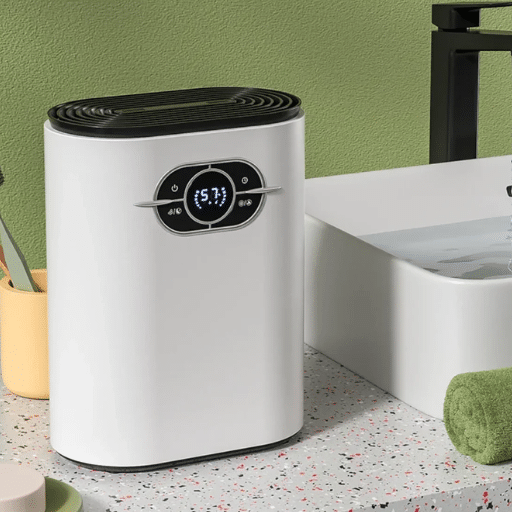
To be able to work properly and have a long life, a dehumidifier must be maintained and used properly. Here are the key five details that will help you to maintain and use your dehumidifier properly:
Clean the Air Filter Regularly
Check the air filter at least once every two weeks and clean it. A clogged filter reduces the efficiency of operation, also deteriorating the air quality.
Empty the Water Tank As Often As Possible
Make it a habit to empty the water tank when full to avoid overflowing and continuous operation. To make this easier, some dehumidifiers shut off automatically if the tank becomes full.
Position the Unit in a Spot With Good Airflow
Locate the dehumidifier in the center of the room, away from walls and other obstructions, to allow for proper airflow. Also, do not place it in a dusty or dirty area as this will shorten its life.
Inspect for Ice on Coils
Frost may form on the coils, decreasing the functionality of the dehumidifier in cold conditions. Choose a model with an automatic defrost setting or simply turn off the unit to let the frost melt away.
Adhere to Maintenance Interval Schedules
Check for signs of wear, such as unusual noises or a drop in performance, down to the cleaning of the internal components of the dehumidifier once yearly. Also, servicing as recommended by the manufacturer can help to avoid problems in the future.
Cleaning and Maintenance Tips
Clean the Air Filter on Regular Basis
To maintain airflow and efficiency, dehumidifier air filters ought to be washed every 2 to 4 weeks. Wash the filter by removing it, rinsing it under warm water, and then letting it dry entirely before reinstalling.
Empty the Water Tank Often
Empty it whenever it is full, to prevent water from spilling over, and keep the unit running properly. This can be daily for most models, depending upon humidity levels and size of the tank.
Wipe Down the Exterior Surfaces
Use a damp cloth at regular intervals to wipe down the dehumidifier exterior. This protects it from dust accumulation and ensures that vents are not blocked for adequate airflow.
Inspect for Mold and Bacteria
Check inside the water tank or on the coils for mold or bacteria every once in a while. Clean these surfaces with vinegar and warm water solution to ensure safe and fresh operation.
Inspect Drain Hose (if Applicable)
Check the hose for any clogs or leaks for those with a continuous drain. Flush the hose with water, making sure it is tightly connected so the water does not back up or spill out.
Common Issues and Troubleshooting
While using one of these dehumidifiers, you may encounter certain problems common to its making that reduce its efficiency. So here are 5 common problems and their solutions:
The Dehumidifier Does Not Come On
Possible Causes: The power cord is unplugged, a circuit breaker is tripped, or a switch could be defective.
Solutions: Check that the unit is firmly plugged into the outlet. Check your circuit breaker in the house and reset it if needed. Should the problem persist, check the power switch for defection.
Not Collecting Water in the Tank
Possible Causes: Humidity is too low, dirty air filter, and clogged drain hose.
Solutions: Check the humidity level in the room-there is a higher chance for a dehumidifier to work if the humidity is on the higher side. Clean or replace the air filter if necessary. Check the drain hose for any type of blockage and clear it accordingly.
Frost Appearance on the Coils
Possible Causes: Operating the unit in a room below the temperature recommended by the manufacturer or poor airflow.
Solution So, you must turn the dehumidifier off and allow it to defrost. Ensure the room temperature is within the suggested range and that airflows are not obstructed around the unit.
Horrible Noises While In Action
Possible Causes: Loosened components, debris in the fan, and worn-out fan blades.
Solution: Check to see if there are any loose screws or parts within the unit; hence, clean the fan area, check the bladed, and make sure none are damaged or that no other mechanical parts are damaged.
Water Leaking from the Unit
Possible Causes: Full bucket, water tank misalignment, or broken drain hose.
Solution: Drain plenty of water from the water bucket and place the bucket correctly. Check if the drain hose has leaks and change it if necessary, and also check any cracking or damage of water bucket.
Best Practices for Efficient Use
On the first instance of making the unit efficient, I keep a habit of cleaning and checking it regularly. When the water bucket gets filled with water, one drains it, and then checks to see that it is properly seated, else leaks are bound to occur. One further cleans the fan area and inspects the drain hose for cracks. Following these steps on and off has shown that the unit works quite well and avoids problems.
References
- ASHRAE (American Society of Heating, Refrigerating, and Air-Conditioning Engineers)
ASHRAE provides industry standards and guidelines for HVAC systems, including dehumidification solutions for residential and commercial spaces.
Website: https://www.ashrae.org - Energy Star (U.S. Environmental Protection Agency)
Energy Star offers guidelines and certifications for energy-efficient appliances, including dehumidifiers, ensuring compliance with environmental standards.
Website: https://www.energystar.gov - Archive Market Research
This site provides in-depth market analysis and trends for bathroom dehumidifiers, focusing on consumer preferences, technological advancements, and market dynamics.
Example: Dehumidifiers for Bathroom Insightful Analysis
Frequently Asked Questions (FAQ)
What is the best dehumidifier for bathroom use?
The best dehumidifier for bathroom use typically has a capacity of 50 pints and is designed to handle high humidity levels. Look for features like energy efficiency, a quiet operation, and a compact size to fit small spaces. Midea offers several models that are highly rated for their performance in bathrooms.
How do small dehumidifiers for bathrooms work?
Small dehumidifiers for bathroom use work by pulling moisture from the air and collecting it in a water tank. Many models use a fan to circulate air through a refrigerant system or employ a peltier system for moisture absorption. They help reduce humidity and prevent mold growth, making your bathroom a healthier space.
Can a portable dehumidifier be effective in reducing humidity?
Yes, a portable dehumidifier can be very effective in reducing humidity levels in your bathroom. They are designed to easily move from one location to another, allowing you to target areas with excess moisture. Look for models with features like a timer and automatic shutoff for convenience.
What should I consider when choosing a dehumidifier for home use?
When choosing a dehumidifier for home use, consider the room size, the humidity levels, and the dehumidifier’s capacity, such as 35 pint or 50 pint options. Energy Star-rated models are more energy-efficient, which can save on electricity costs. Additionally, features like a continuous drain option can simplify maintenance.
How does a peltier dehumidifier differ from a refrigerant model?
A peltier dehumidifier uses a thermoelectric cooling system to remove moisture, making it quieter and more compact than traditional refrigerant models. While they are often less powerful, they are ideal for small spaces like bathrooms and closets where high moisture levels can accumulate.
What is the ideal humidity level for a bathroom?
The ideal humidity level for a bathroom typically ranges between 30% and 50%. Keeping humidity levels within this range helps prevent condensation, mold growth, and unpleasant odors. Using a dehumidifier can assist in maintaining these levels, especially in poorly ventilated areas.
How can I maintain my bathroom dehumidifier?
To maintain your bathroom dehumidifier, regularly empty the water tank and clean the filters according to the manufacturer’s instructions. Ensure that the unit has proper ventilation and check for any signs of mold or dust build-up. Regular maintenance will enhance its efficiency and prolong its lifespan.
Do dehumidifiers for bathroom bedroom areas come with special features?
Many dehumidifiers designed for bathroom bedroom areas come with features like a timer, sleep mode, and adjustable fan speeds. These features allow you to customize the operation based on your needs, ensuring optimal moisture removal without disturbing your comfort while sleeping.
What size dehumidifier do I need for a small bathroom?
For a small bathroom, a dehumidifier with a capacity of 30 to 50 pints is generally sufficient. The specific size may depend on the level of humidity and the room’s ventilation. Smaller models, such as Midea Cube, are compact and can effectively remove moisture without taking up much space.