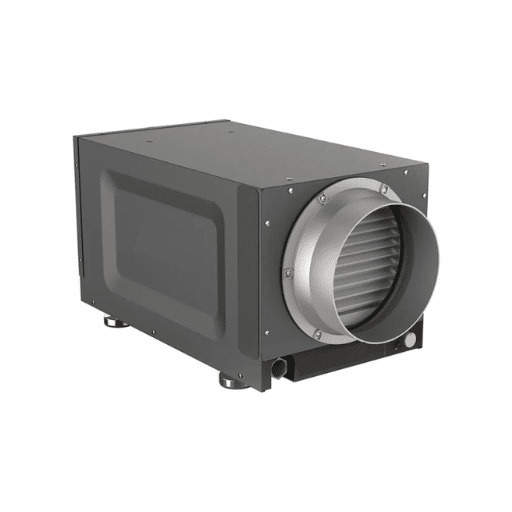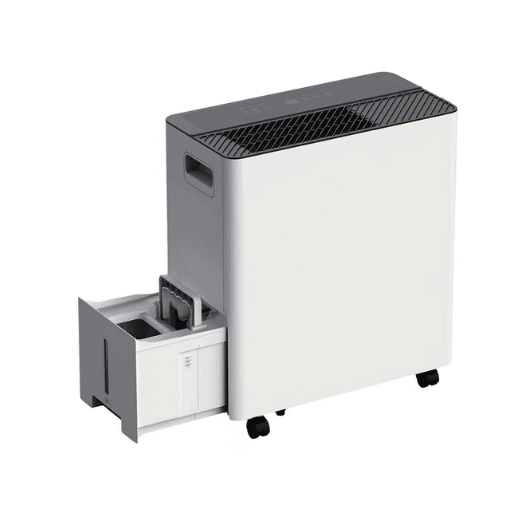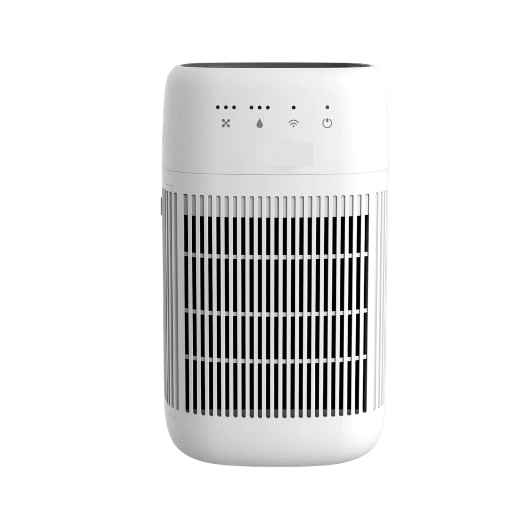
Humidity control is arguably one of the key factors for ensuring server optimal performance and longevity. Excess moisture in the air may cause corrosion or create electrical shorts in the equipment, thus reducing the reliability of the setup, while an opposite state of air humidity would lead to the buildup of static electrical charges. Hence, it becomes imperative to strike the right balance between air moisture and protect the costly infrastructure, while also ensuring uninterrupted 24/7 operations. This article talks about dehumidifiers’ role in balancing environmental conditions in data centers, which in turn stabilizes and optimizes systems. Whether you are a data center manager or an IT professional, this article will provide you with useful information about humidity control and its relevance in handling work in contemporary data center setups.
Understanding Humidity in Data Centers

Humidity control is a very important aspect in data centers because this greatly impairs the performance and life of the very sensitive machinery. If a higher relative humidity prevails in the atmospheric conditions, condensation will occur, leading to short-circuiting of a device if applied to an electrical system; corrosion will also result. On the other hand, having a lower relative humidity poses a threat of electrostatic discharge from detrimental hardware. A standard level of relative humidity, somewhere between 40% and 60%, is ensured to prevent any drastic changes during operation. In order to keep the relative humidity at a minimum level, one finds that dehumidifiers and HVAC systems work perfectly to curtail high relative humidity from causing equipment failure and to support efficient function of the data center environment.
The Role of Humidity in Data Center Operations
⚠️ Condensation Risks
High humidity can form condensation on the hardware components. This moisture precipitates short circuits, corrosion, or outright hardware failures, leading to extended times for technical repair or on-the-spot shutdowns.
⚡ Electrostatic Discharge (ESD)
Low humidity levels augment the likelihood of electrostatic discharge, hence the potential for damage to sensitive electronic components. They increase the buildup of static electricity and are particularly common in low-moisture environments.
🌡️ Thermal Efficiency
Further, thermal efficiency could be impaired by unsuitable humidity levels. High humidity adds to the load on air-conditioning systems, while low humidity dries out the environment, reducing the energy efficiency.
🔧 Material Degradation
Fluctuating humidity levels may damage the materials present in the data center, such as insulation and sealants, resulting in a loss of durability and structural problems over time.
✅ Operational Stability
Working for relative humidity with values in the range of 40% to 60% preserves balance in the environment of the plant. This prevents any undesirable atmospheric instances that can harm delicate instruments, thus contributing to long-term reliability.
Humidity control protects the general data center infrastructure; thus, it must always be kept in check.
Impact of High Humidity on Server Performance
High humidity levels in data centers can affect major server performance and generate a lot of operational disunity. Five important impacts of humidity on server performance include the following:
1. Corrosion of Electrical Components
An elevated level of humidity encourages oxidation to the metallic parts, thus, connectors and circuit boards are liable to corrosion. This may cause short circuits, permanent damage, or loss in operational efficiency.
2. Condensation Hazards
Once humidity goes above the safe level, condensation forms and deposits moisture on sensitive gadgets. Such moisture build-up can create major failures and cause untimely downtimes.
3. Low Cooling Efficiency
Humidity puts stress on cooling systems in data centers. When extra moisture foils the process of heat transfer, the temperature rises and this puts further pressure on server hardware.
4. Mold Formation and Biological Contaminants
High moisture pushes biological contaminants like molds, bacteria, etc., into the air of the data center, where they may cause problems of air quality and contamination of electronic components.
5. Static Discharge Hazards
While low humidity is the biggest contributor to static buildup, fluctuating very high humidity levels can pose some electrostatic discharge risks because moisture enhances air conductivity, which can affect sensitive hardware during operation.
Maintaining an optimum humidity range, therefore, prevents such problems from occurring and thus gives increased efficiency and safety to the data center equipment for a long time. Constant monitoring and control of humidity levels serve to mitigate these risks effectively.
Importance of Controlling Humidity Levels
Water vapor is controlled in hazy environments such as the data center to drive operational efficiency and to ensure the smooth survival of installations. High or low humidity conditions may affect electronic components, so proper humidity levels are maintained considering the following:
🛡️ To Prevent Electrostatic Discharge (ESD)
Vulnerable electronic equipment can be damaged by discharges if humidity is too low (below 30%). An RH of between 40% and 60% largely and substantially reduces the risk of electrostatic discharge.
🔒 Reducing Corrosion of Components
At a humidity greater than 70% and low temperature, moisture condenses; it corrodes the components of the server. Corrosion results in hardware failure in nearly 40% of cases, as found in environments of poor maintenance.
❄️ Maintaining Cooling Efficiency
Humidity within a data center has a presence that simply impacts the functionality of its cooling systems. Correct RH levels offer a helping hand to cooling mechanisms, allowing them to decrease energy consumption by up to 15%.
⚡ Preventing Electrical Short Circuits
At a very high RH level, water can condensate on circuit boards and connectors, increasing the risk of electrical short circuits. Maintaining RH levels within the advised range lessens this risk and keeps the expensive equipment safe.
📊 Ensuring Constant Performance
When humidity falls between 40-55%, servers and other electronic devices face fewer fluctuations in their temperature and performance, thereby enabling them to extend the lifespan of equipment by 20%.
By having an awareness of these aspects, attention to constant humidity control can safeguard critical systems while optimizing operational performance.
Optimal Humidity Levels for Data Centers
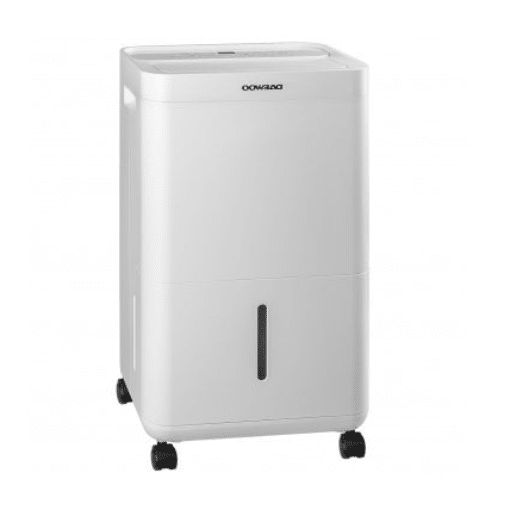
Optimal Humidity Levels for Data Centers
Setting humidity levels is important to avoid disruptions in the smooth operation of the data center. High humidity can cause condensation and damage equipment, while low humidity increases the chances of static electricity causing damage to sensitive components. Therefore, here are five important points pertaining to optimum humidity for data centers:
By following these recommendations, data centers can establish a safer and stable atmosphere for all their equipment and save from occasions of downtime & repair.
Defining Ideal Humidity Levels for Data Storage
Ensuring the proper levels of moisture in the atmosphere is a very crucial factor to provide longevity and proper working of the data storage facilities. The wrong level of humidity may cause severe issues such as electrostatic discharge (ESD) or condensation, both of which harm sensitive hardware. Below are some of the generally recommended ranges of humidity and a few key data points to keep in mind for ideal data storage conditions:
- ✓
Relative Humidity (RH) Range: Industry experts recommend between 40% and 60% RH. This range prevents all sorts of environments—from being too dry to being too moist. - ✓
Condensation Thresholds: Heights in humidity (>70% RH) could lead to condensation capable of short-circuiting and damaging hardware. - ✓
Temperature-Humidity Correlation: The ideal range of humidity and temperature range of 64-81°F (18-27°C) increases stability inside and averts stressing of any components. - ✓
Automated Monitoring Systems: With this automated system for monitoring humidity and temperature in real time, optimal conditions are always maintained; thus, human error is diminished, and there is an immediate response to any environmental change.
If these specific requirements are followed, data centers improve the performance of their equipment and its durability, as well as lessen the operational hazards.
Dew Point and Its Significance in Humidity Control
Given these factors, dew point considerations are critical in managing such humidity levels in controlled environments such as data centers. It is the temperature at which air becomes fully loaded with moisture and water vapor begins to condense. To ensure that condensation does not occur and badly damage sensitive equipment, the dew point has to be kept right, i.e. the relative humidity must also be kept within the specific range. Here are five points to emphasize the importance of the dew point in humidity control:
Avoid Condensation
When dew point is too high, water vapor tends to condense on surfaces and may cause short circuits and corrosion to electrical components. Keeping an appropriately low dew point prevents this problem.
Promote Efficiency of Equipment
Great dew point control ensures a favorable micro-climate for the servers and other devices from being overheated or having its performance affected by bad humidity.
Energy Efficiency
The esoteric art of dew point monitoring and control will thus provide enhanced working conditions for the air conditioning equipment so that it may not receive extra cooling or dehumidification, thereby saving energy.
Corrosion Prevention
The lower the dew point, the finer is the air drying, and so becomes a corrosion preventive for metallic components within a data center.
Standards Adherence
Complying with the more or less suggested dew point range ensures that one will meet the standards in the industry: that is, those of the ASHRAE, which ensures stability and durability of data center operations.
By way of these factors will a humidity control strategy better protect the maintenance capabilities from outside influences and make them more sustainable in operation.
Advanced Humidity Management Techniques
To execute the best humidification control inside data centers, advanced methods are required due to many physical challenges posed by an ever-changing array of environmental conditions. Five important methods with detailed descriptions and arguments backed by data are listed below:
1. Direct Evaporative Cooling Systems
Water evaporation to cool and humidify the air makes this mechanism useful for precise humidity control. According to statistics provided by the industry, direct evaporative cooling is up to seventy percent more energy-efficient than the conventional mechanical cooling systems.
2. Adiabatic Cooling Techniques
As ultrasonic humidifiers impart fine water mist into the air with high-frequency vibrations, they use less power and maintain better humidity control, roughly 90% less energy must have been consumed compared to making humidity use steam-based units.
3. Desiccant Dehumidification Systems
Containing desiccants as moisture absorbents, these systems are very capable of reducing humidity, especially with the abundance of moisture around them. Research shows how useful these desiccant systems would be in places with generally higher ambient humidity, so as to sustain stable conditions and avert condensation risk.
4. Smart Sensors and IoT Integration
Real-time collection of relevant data is enabled through advanced monitoring with IoT-enabled humidity sensors, which can also provide for automated adjustments. According to the data, smart sensors can improve system accuracy, reduce manual interventions, and, thus, increase overall system reliability by 40%.
Application of such advanced processes can help in increasing the efficiency of data centers, reducing energy consumption, and providing a secure long-run infrastructure to keep the critical infrastructure alive.
Dehumidifiers in Data Centers
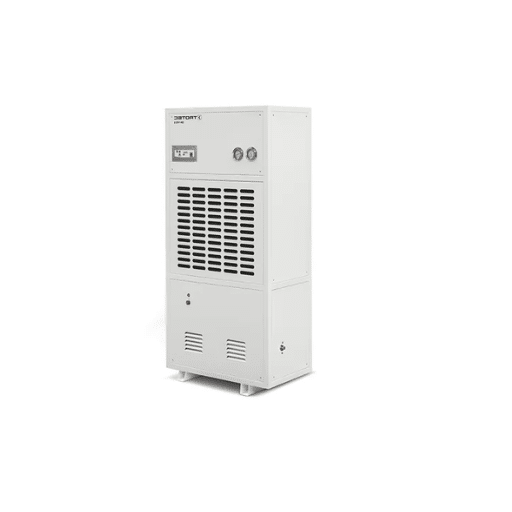
Dehumidifiers contribute critically to maintaining optimum humidity levels in a data center. Higher humidity results in condensation over the equipment, causing corrosion and short-circuits, whereas low humidity increases instances of ESD (electrostatic discharge). Dehumidifiers help protect sensitive equipment from these damages by stabilizing environmental conditions in data centers.
Five Common Types of Dehumidifiers Used at Data Centers
1
Desiccant Dehumidifiers
These devices use a desiccant material to absorb moisture from the air. They have their best performances at low temperatures, and so are suited for data centers located in colder climates. Desiccant-type dehumidifiers can extract up to 90 liters of moisture per day to provide consistent humidity control.
2
Refrigerant Dehumidifiers
And hence they are called condenser dehumidifiers because they dehumidify by chilling the air and condensing moisture into water. Refrigerant dehumidifiers, being energy-efficient, can work at higher humidity levels, usually drawing to about 50 liters of water from the air daily.
3
Thermoelectric Dehumidifier
Using Peltier technology, thermoelectric dehumidifiers are quiet and compact moisture removers for smaller data centers or for use in specific zones within larger facilities. They are less powerful but energy efficient, thus best suited for more targeted dehumidification needs.
4
Integrated HVAC Dehumidifiers
Many HVAC systems these days are built with an integrated dehumidifying capability. These systems treat and cool the air, thus controlling humidity levels in the data center so that it remains at an acceptable temperature all through, besides reducing equipment duplication.
5
Ultrasonic Dehumidifiers
These ultrasonic vibrations remove moisture from the air. They are very efficient in maintaining a precise humidity level, using low power, thereby making them a growing choice for high-tech facilities.
By utilizing these dehumidifiers, data centers can operate more efficaciously and have decreased rates of equipment failure, as well as maintain conformity to standards for environmental control.
Types of Dehumidifiers Used in Data Centres
Such a combination of technologies is employed to maximize performance, protect critical equipment, and ensure that environmental conditions remain stable in compliance with prescribed standards.
How Dehumidifiers Enhance Humidity Control
Dehumidifiers are critical in keeping sensitive materials and equipment dry within data centers. Dehumidifiers allow absolute control of humidity to suit the specific needs of these places. Below are the five most important factors by which dehumidifiers contribute to humidity control:
Regulating Relative Humidity (RH) Levels
Dehumidifiers keep RH within the optimal range of 40-60% to avoid condensation and electrostatic discharge that could cause damage to electrical components.
Preventing Corrosion
Dehumidifying lessens moisture in the air, preventing server hardware from rusting and corroding, hence yielding longer lives for that frail equipment.
Water Dissipation
Lower levels of humidity in the air aid cooling systems because dry air helps dissipate water quicker and keeps servers from overheating.
Molding and Microbial Growth
High humidity offers the perfect conditions conducive to molding and microbial growth. Dehumidifiers protect this germ-free environment by maintaining a dry internal environment of the data center.
Compliance to Industrial Standards
Dehumidifiers act to maintain appropriate humidity levels in compliance with standards such as the ASHRAE guidelines that set stringent requirements on humidity control so as to achieve maximum equipment performance and reliability.
Such considerations reveal just how dehumidifiers, hydro-climatic considerations, and protection of critical infrastructure in data centers are intertwined.
Integrating Dehumidifiers with HVAC Systems
Integration of the dehumidifier with the HVAC system is key to building a stable environment within the data centers. Keeping this integration intact will ensure that humidity control is enhanced while the general capabilities of the HVAC systems are optimized. Here are five beneficial considerations when integrating a dehumidifier with an HVAC system:
Improved Humidity Control
Their operation is complementary in keeping indoor humidity levels steady, as rapid fluctuations in humidity may become detrimental to sensitive equipment.
Energy Efficiency
Dehumidifiers assist with energy savings by lessening the burden on the HVAC system. The HVAC system essentially focuses on temperature control, leaving moisture control to the dehumidifier.
Longer Life of Equipment
Appropriate moisture levels also prevent condensing and corrosion mechanisms, which results in the longer life of expensive servers and other equipment within the data center.
Smart Monitoring Systems
This advanced integration allows the building of smart monitoring and control systems, allowing real-time adjustment to either temperature or humidity with reference to environmental conditions.
Compliance with Regulatory Standards
Making use of dehumidifiers with HVAC systems assures compliance with industry standards like those issued by ASHRAE, which provide criteria for acceptable environmental conditions within data centers to ensure optimal functioning.
These points highlight how important it really is for dehumidifiers to be contributed alongside HVAC systems to protect and initiate the performance of critical infrastructure within the data centers.
Advanced Humidity Sensors and Monitoring
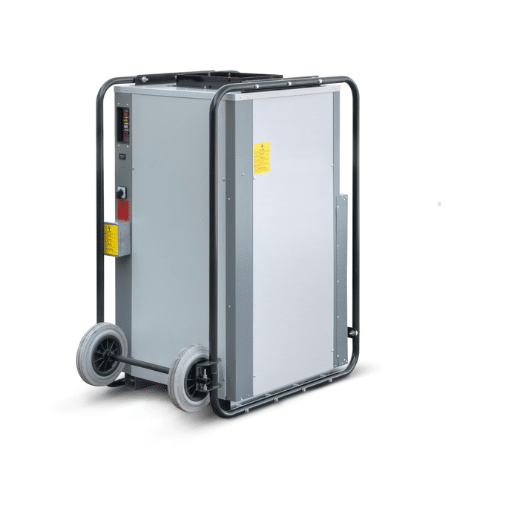
From advanced humidity sensor applications and monitoring systems, precise environmental conditions can be kept in check, especially in sensitive areas such as data centers. The technologies offer accurate real-time data collection and upfront steps to address possible issues. Some advanced humidity sensors and monitoring tools include:
📡 Capacitive Humidity Sensor
With these sensors, humidity is determined by the change in capacitance as moisture levels vary. These sensors are considered to be the most accurate ones, with a wide operating range and faster response time, making them apt for critical environments.
🌡️ Thermal Conductivity Humidity Sensor
Being detectors of absolute humidity, these sensors make use of the thermal conductivity property to identify moisture levels. Extremely rugged, these types of sensors were able to operate in high-temperature environments.
🔬 Optical Hygrometers
Optical hygrometers mainly use refraction or absorption of light to measure humidity. Since they are non-invasive and extremely accurate, optical devices are used in laboratories or industries.
⚙️ Resistive Humidity Sensors
They measure resistance, which changes with moisture content in the atmosphere. They are inexpensive, reliable, and more commonly used in applications of general use.
📶 Wireless Humidity Monitoring Systems
These systems use advanced sensors connected via wireless networks that allow remote monitoring, and alerts on any changes in humidity in real time. Flexibility and scalability are what they bring for installations on a large scale, such as data centers.
Every one of these systems and sensors ensures the functionality of critical infrastructure by maintaining optimal levels of humidity.
Utilizing Humidity Sensors for Effective Management
An appropriate humidity level must be ensured for operational efficacy and the protection of sensitive environments. These humidity levels are significant in terms of control and maintenance by humidity sensors. Here are five ways humidity sensors can possibly be used:
-
Keeping Industrial Equipment Safe
Humidity sensors keep industrial machinery free from corrosion and deterioration by maintaining ideal moisture levels. By doing so, monitoring these conditions decreases downtime and extends equipment life.
-
Improving Data-Center Cooling Efficiency
By placing sensors into HVAC, data centers maintain humidity within specified levels so that servers are protected from any damage caused by heating or moisture from standing. The real-time humidity data allows immediate response to any change in the server conditions.
-
Maintaining Agricultural Environments
These are the sensors that help regulate humidity conditions in greenhouses and storage facilities so that coolers favor crop growth and adverse humidity prevents the spoilage of harvested produce.
-
Indoor Air Quality in Buildings
Humidity control with sensors improves energy efficiency and comfort in residential and commercial environments. It also prevents mold growth and heightens overall indoor air quality.
-
Ensuring Product Quality in Pharmaceutical Storage
Humidity sensors help in providing and maintaining the harsh environmental conditions required by pharmaceuticals to ensure their potency and to comply with governmental regulatory standards.
Using the power of humidity sensors, industries and facilities can ensure better operations, protection of critical assets, and higher safety and comfort levels.
Real-Time Monitoring of Humidity Levels
Real-time monitoring of humidity levels has a wide spectrum of benefits, providing accurate and actionable data for various industries. Here are a few important points that can be tracked and used:
Instant Humidity Readings
Real-time sensors provide instant measurements of humidity levels, allowing conditions to be adjusted immediately when necessary.
Trend Analysis
One can discern trends from data gathered over time, helping predict and rectify potential problems.
Alarm and Alert Systems
An automatic system for alarms could notify an operator whenever humidity levels fall outside predetermined threshold values for immediate actions to be taken.
Integration with IoT Systems
Humidity sensors can be integrated with IoT platforms, allowing for centralized monitoring and control over various locations.
Data Logging and Reporting
Continuous humidity logging bestows detailed reports for compliance, quality control, and decision-making purposes.
Exploiting these capabilities, industries can tune their environments, favor better products, and ensure operational efficiency.
Data Center Operators and Humidity Control Strategies
Humidity control in data centers is of more importance in maintaining the equipment’s dependability and longevity. Changes in humidity can cause static electricity or condensation, and both can pose serious hazards to sensitive electronics. Below is a list of five key strategies utilized by data center operators in humidity control and management:
1
Implementing Humidity Sensors Across the Facility
The advanced humidity sensors are strategically placed all over the data center to understand and observe moisture levels in real-time so that operators detect any form of variations spontaneously.
2
An Ultrasonic Humidifier in Use
Ultrasonic humidifiers and desiccant dehumidifiers are used to keep the humidity within the ideal range—commonly known to be between 40% and 60%, according to industry standards.
3
Working in Concert with Environmental Control Systems
Humidity control is part of centralized HVAC systems that allow automated adjustments due to temperature variations, occupancy numbers, and workload changes.
4
Regular Maintenance of Cooling Equipment
Ensuring that CRAC (Computer Room Air Conditioning) and CRAH (Computer Room Air Handler) units work optimally in maintaining temperature and humidity levels is essential.
5
Data-Driven Decision Making with Monitoring Platforms
Internet of Things (IoT)-enabled platforms collect data on humidity, temperature, and airflow. They offer decision support and advanced predictive analytics to promote operational excellence.
In this way, data-centre operators prevent any failures in the equipment from happening, reduce energy consumption, and thereby allow mission-critical systems to keep delivering steady performance.
Challenges in Humidity Management

Humidity control within data centers is a complex operation because even a slight deviation may severely impede operational efficiency and may lead to the loss of reliability of equipment. Below are five main challenges that need to be faced in controlling humidity:
💧
Condensation
In case of high atmospheric moisture, condensation may set in at certain spots in the data center. It is extremely risky for the sensitive electronic components. Records show that some accumulation of moisture is bound to happen if the relative humidity is above 60%.
⚡
Electrostatic Discharge (ESD)
The lower the humidity, typically below 30%, the greater the potential for an electrostatic discharge. ESD events can cause irreparable damage to critical IT equipment and result in expensive downtime.
⚙️
Energy-Efficiency Challenges
Maintaining the humidity uses up a lot of energy. HVAC equipment will have to put in more work to keep the relative humidity within acceptable limits, thereby adding to expenditures and the carbon footprint.
📍
Uneven Humidity Distribution
Large data centers can deal with inconsistencies in humidity distribution across various zones due to uneven control. These areas turn into localized dry or wet spots that now pose a serious threat to overall system performance.
🔧
Sensor Calibration and Maintenance
Incorrectly working sensors due to lack of maintenance and faulty calibration might produce readings for humidity that would lead to an impractical adjustment of the systems controlling the environment. So, sensors need to be properly maintained and kept in calibration at all times so that they will have to provide reliable data for use in managing humidity effectively.
Dealing with Fluctuating Humidity Levels
Effective management of changing moisture levels can keep the system efficient and may prevent hazards to sensitive environments. Five possible strategies are elaborated below to compensate for and control humidity status variations:
✅ Install an Advanced Humidity Control System
Perfect SEMURI humidifiers and dehumidifiers were recommended with accurate sensors that can automatically adjust humidity levels. It adjusts system settings according to real-time data to maintain consistency in environmental conditions.
📊 Regular Monitoring and Logging
Have monitors installed to continuously track humidity changes over time. While their reports can be used to study trends, they predict that a sudden fluctuation could be stopped before becoming an actual problem.
🌬️ Maintain Proper Ventilation Systems
Good ventilation provides good circulation that prevents humid spots from developing. Ensure filters and ducts are clean.
🔒 Seal and Insulate Enclosures
Blocking air leaks in doors, windows, storage enclosures, etc., better prevents external elements from interfacing with internal humidity levels.
🔧 Conduct Equipment Maintenance on an Occasional Basis
Conduct regular inspections of equipment such as sensors, HVAC, control units, and so on. Detect and fix any wear or malfunctions, so that humidity-related components stay true and functional.
Common Mistakes in Humidity Control
❌
Sensor Calibration Overlooked
Humidity sensors tend to drift over time and can yield false readings. Uncalibrated sensors can error up to 10-15%, severely impairing control systems, as studies report.
❌
Unpleasant Ventilation
Poor ventilation can trigger localized humidity and condensation problems. For example, allowing moisture to accumulate in storage due to limited air circulation brings about mold and corrosion issues.
❌
Using Wrong Humidity Setting
One common mistake made during operations is setting the levels of humidity too low or too high. Levels lower than 30% encourage damage to materials, while those higher 60% encourage microbial growth.
❌
Ignoring Insulation Quality
Gaps in insulation or any area in the insulation that is not perfectly sealed will create an entry point for exterior air and moisture into your controlled environment. According to studies, insulation that is not proper can undermine humidity control by as much as 30 percent.
❌
Maintenance Neglected
These are systems like HVAC and dehumidifiers that require maintenance on a regular basis. Since cleaning and servicing should occur frequently in these systems, failure of this will allow a drop in efficiency and stabilization of humidity and higher energy consumption.
Future Trends in Humidity Management for Data Centers
Looking at the future, I envision that data center humidity innovations will probably emphasize advanced automation and monitoring technologies. Smart sensors, along with AI-driven systems, can offer real-time data and extremely fine-grained control of humidity levels, thus reducing inefficiencies and consumption of energy. Another major trend in trying to solve environmental issues will probably be sustainable approaches like combining renewable energy sources with humidity control solutions. Keeping an eye on these trends can aid in assuring superior conditions while concurrently promoting sustainability in data center operations.
References
- ASHRAE (American Society of Heating, Refrigerating, and Air-Conditioning Engineers)
ASHRAE provides industry standards and guidelines for environmental control in data centers, including humidity management. Their “Thermal Guidelines for Data Processing Environments” is a key reference.
Website: https://www.ashrae.org - Lawrence Berkeley National Laboratory (LBNL)
LBNL offers research and publications on energy efficiency and environmental control in data centers, including humidity control.
Example: Humidity Control in Data Centers - AIRSYS North America
AIRSYS specializes in cooling and environmental control solutions for data centers, providing expert insights and FAQs on humidity management.
Website: https://airsysnorthamerica.com
Frequently Asked Questions (FAQ)
What is the importance of humidity control in data centers?
Humidity control in data centers is crucial for maintaining equipment performance and preventing data loss. High humidity levels can lead to condensation, which may cause equipment failure. Conversely, low humidity can generate static electricity, potentially damaging sensitive components. Proper humidity management ensures that the environment remains stable, optimizing the lifespan of hardware and ensuring effective data center operations.
What are the recommended humidity levels for data centers?
The ideal humidity level for data centers typically ranges between 45% and 55% relative humidity. This range helps prevent condensation while also minimizing the risk of static electricity. Maintaining optimal humidity levels for data ensures that equipment operates efficiently and that the risk of data loss is significantly reduced.
How do dehumidifiers work in data centres?
Dehumidifiers in data centres work by extracting moisture from the air, thus lowering humidity levels. They can be integrated into an HVAC system to continuously monitor humidity levels and provide real-time data. This process helps maintain proper humidity levels throughout the data center, protecting equipment from the adverse effects of high humidity.
What are the effects of poor humidity control in data centres?
Poor humidity control in data centres can lead to various issues, including equipment failure and reduced energy efficiency. High humidity can promote condensation, which damages electronic equipment, while low humidity can create static discharge. Both scenarios can significantly impact data center operations and lead to increased maintenance costs.
How can data center operators manage humidity levels effectively?
Data center operators can manage humidity levels effectively by implementing advanced humidity sensors and continuous monitoring systems. These technologies provide real-time data on humidity levels, allowing for quick adjustments. Additionally, proper dehumidification systems should be in place to maintain ideal humidity levels consistently.
What role do humidity sensors play in temperature and humidity control?
Humidity sensors are essential for effective humidity management in data centers. They monitor the relative humidity levels and provide data that helps operators adjust the HVAC system accordingly. This ensures that the temperature and humidity levels remain within the optimal range, preventing equipment damage and maintaining operational efficiency.
How does humidity affect data center equipment?
Humidity can have a significant impact on data center equipment. High humidity levels can lead to condensation formation, risking equipment failure, while low humidity can cause static electricity buildup. Both conditions can negatively affect the performance and reliability of equipment, making humidity control a critical aspect of data center management.
What energy savings can be achieved through effective humidity control?
Effective humidity control can lead to substantial energy savings in data centers. By maintaining optimal humidity levels, the HVAC system operates more efficiently, reducing energy consumption. Additionally, minimizing equipment failure and maintenance costs further contributes to overall energy efficiency, making humidity management an essential component of data center operations.