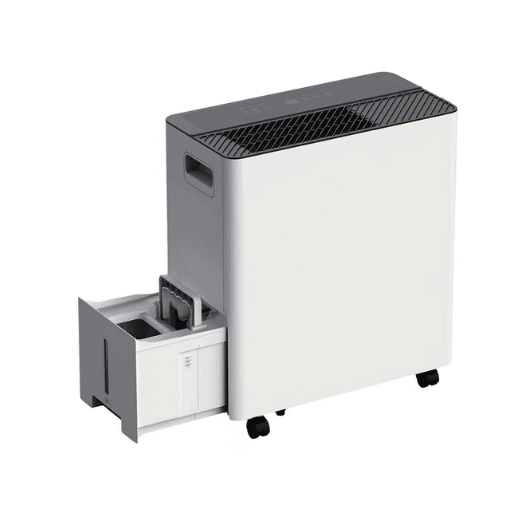
Drying clothes indoors can be problematic, especially in damp or humid environments. While air drying is economical, it can take a long time, and not everyone has access to a tumble dryer. The right dehumidifier can make all the difference. Selecting the appropriate size ensures energy efficiency and optimal drying performance. This comprehensive guide will help you understand how to choose the ideal dehumidifier, factors to consider, and practical tips for everyday use.
Understanding Dehumidifiers
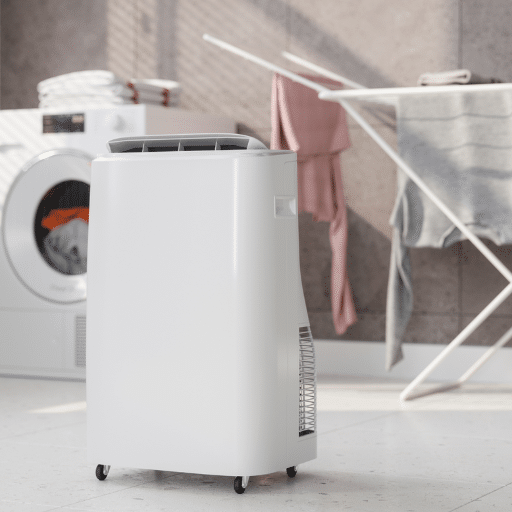
Dehumidifiers are appliances designed to reduce moisture levels in the air by extracting excess humidity. They work by drawing in moist air, cooling it to condense water vapor into liquid form, and then releasing dry air back into the room. By decreasing moisture content, dehumidifiers help prevent mold, mildew, musty odors, and create a more comfortable living environment.
What is a Dehumidifier?
A dehumidifier is an electrical appliance used to decrease humidity levels in the air to sustainable, comfortable levels. This is particularly important for health, comfort, and preventing mold and mildew development. The device draws air from a room, cools it down so excess moisture condenses and gets collected, then releases drier air back into the environment.
Key Benefits: Modern dehumidifiers incorporate digital displays, adjustable humidity settings, and energy-efficient technology, making them easy to maintain and use while improving indoor air quality and protecting belongings.
How Dehumidifiers Help Dry Clothes
Dehumidifiers significantly accelerate fabric drying in enclosed or humid conditions by removing moisture from the air. The lower the humidity level, the faster wet fabric will dry. This is particularly useful during cold weather or rainy days when outdoor drying isn’t possible.
- Modern dehumidifiers feature energy-efficient technology, running at low costs while extracting necessary moisture
- Some models offer specialized drying cycles tuned to higher moisture levels
- Prevents mildew and unwanted odors that could damage fabric
- Creates a comfortable indoor environment throughout the drying period
Types of Dehumidifiers for Drying
When choosing a dehumidifier for drying clothes, several types are available, each suited to different applications and environments. Here are the main types with their specific characteristics:
1. Desiccant Dehumidifiers
Specifications: Uses a hygroscopic substance to remove moisture from the air; performs exceptionally well at low temperatures.
Best For: Cold environments, basements, or garages where humidity levels are high but temperatures are low.
2. Compressor-Based Dehumidifiers
Specifications: Cool the air so humidity condenses and water can be collected. Ideally suited to warmer, more humid climates.
Best For: Homes, offices, basements, or attics with moderate to severe moisture levels.
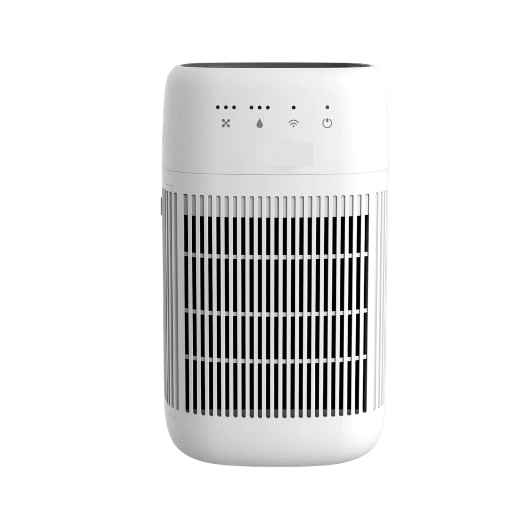
3. Mini Dehumidifiers
Specifications: Small and portable, designed for compact areas such as closets, bathrooms, and laundry rooms.
Best For: Localized dehumidification of small spaces with slight moisture issues.
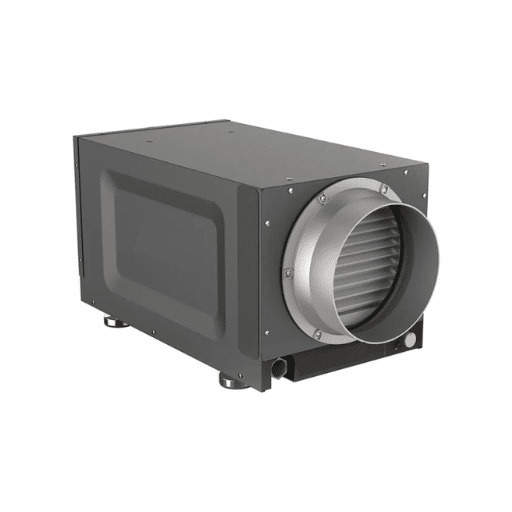
4. Whole-House Dehumidifiers
Specifications: Integrated into the HVAC system for humidity control throughout the entire home. High capacity and energy-efficient.
Best For: Heavy use and maintaining even humidity throughout an entire home.
5. Laundry-Specific Dehumidifiers
Specifications: Specially designed to handle high moisture concentrations during indoor drying with features like turbo modes for accelerated drying.
Best For: Indoor drying in laundry rooms, particularly in places with poor ventilation or frequent rain.
Factors Influencing Dehumidifier Size
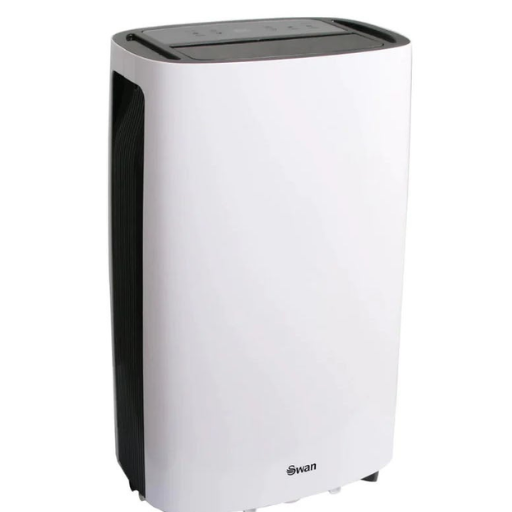
Choosing the right dehumidifier size is crucial for optimal performance and energy efficiency. Here are the key factors to consider:
🏠 Room Size
The capacity required is driven by the size of the room. Larger rooms with greater square footage require higher moisture removal capacity.
- 500 sq. ft. or less: 30-pint model typically sufficient
- 500-1,500 sq. ft.: 50-70 pint model recommended
💧 Humidity Levels
Areas with already high humidity, such as bathrooms or basements, require more powerful dehumidifiers to handle the high moisture load.
🌬️ Ventilation
Rooms with poor ventilation, such as closed basements or laundry rooms, typically need a larger capacity dehumidifier since poor airflow is less capable of distributing excess moisture.
🌦️ Environmental Conditions
Homes in humid locations or during rainy seasons require larger units to cope with increased moisture more comprehensively.
👕 Usage Specifics
The intended purpose influences applicability. For drying clothes indoors, you may need a machine with turbo mode, higher power settings, or other specialized features.
Room Size and Layout Considerations
The size and layout of the room where the dehumidifier will be used must be carefully considered. Different rooms require different capacities based on their configuration:
| Room Size | Square Footage | Recommended Capacity | Typical Rooms |
|---|---|---|---|
| Small | Up to 300 sq. ft. | 20-30 pints/day | Bedrooms, walk-in closets, small offices |
| Medium | 300-500 sq. ft. | 30-50 pints/day | Living rooms, halls |
| Large | 500-1,000 sq. ft. | 50-70 pints/day | Basements, large living areas |
| Extra Large | 1,000-1,500 sq. ft. | 70+ pints/day | Open floor plans, large basements |
⚠️ Special Considerations: Rooms with open layouts, high ceilings, or poor ventilation may require higher-capacity dehumidification due to increased air volume or lack of airflow.
Understanding Humidity Levels
Understanding the humidity levels in your space is crucial for selecting the right dehumidifier and maintaining a comfortable environment:
| Humidity Level | Range | Signs | Recommendation |
|---|---|---|---|
| Very Dry | Below 30% | Dry skin, eye irritation, static electricity, wood damage | Use a humidifier to add moisture |
| Dry | 30-40% | Low moisture, some discomfort, possible wood damage | Use dehumidifier sparingly, monitor closely |
| Ideal | 40-50% | Most comfortable, lower risk for mold and dust mites | Maintain these levels for optimal health |
| Moderate | 50-60% | Slightly muggy, potential mild mold growth | Use mid-capacity dehumidifier |
| High | Above 60% | Excessive moisture, dampness, musty smell, mold risk | Immediate use of high-capacity dehumidifier |
Amount of Laundry to Dry
The quantity of laundry being dried directly affects humidity levels in enclosed spaces. Here’s how different load sizes impact your environment:
1-2 Small Items
Impact: Minimal humidity increase
Action: Maintain air movement to prevent moisture buildup
3-4 Items (Half Load)
Impact: Slight humidity increase in poorly ventilated areas
Action: Turn on fans or open windows
5-7 Items (Full Load)
Impact: Moderate humidity increase
Action: Use a dehumidifier or ensure good ventilation
8-10 Items (Large Load)
Impact: High humidity increase, surfaces may feel damp
Action: Dry in larger areas or use dehumidifier
10+ Items
Impact: Very high humidity, risk of damp smells and mold
Action: Never dry large loads indoors without proper equipment
Choosing the Right Size Dehumidifier
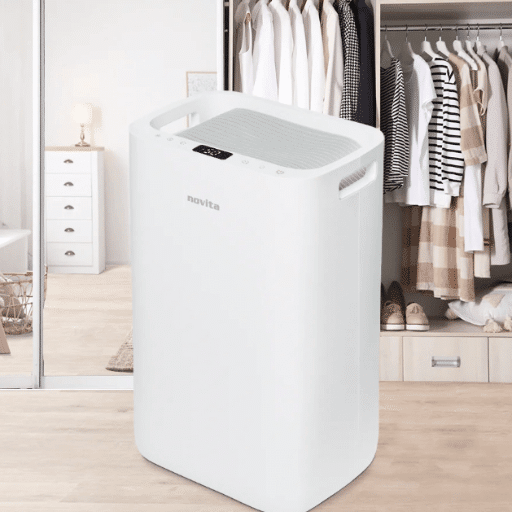
Selecting the appropriate dehumidifier size depends on room dimensions and moisture removal requirements. Dehumidifiers are rated by their capacity, typically measured in pints per day (PPD):
1. Small (20-30 PPD)
Best For: Small rooms under 300 sq. ft. (bathrooms, laundry rooms)
Features: Portable and energy-efficient; suitable for low-humidity situations
Use Case: Spaces with minor dampness or occasional humidity
2. Medium (30-50 PPD)
Best For: Living rooms, kitchens, or medium humidity-prone areas (300-500 sq. ft.)
Features: Balances capacity with efficiency
Use Case: Managing humidity levels in milder climates
3. Large (50-70 PPD)
Best For: Large spaces up to 1,200 sq. ft. (basements, open floor plans)
Features: Powerful moisture removal, prevents mold growth
Use Case: Areas with significant moisture or water leakage issues
4. Whole-Home (70+ PPD)
Best For: Large homes over 1,500 sq. ft.
Features: Installed in HVAC system for comprehensive humidity control
Use Case: Long-term moisture control in very humid climates
5. Specialty (Various Capacities)
Best For: Unique situations like extreme humidity or industrial use
Features: Continuous drainage, large tanks, air treatment options
Use Case: Extremely damp crawl spaces or garages
How to Calculate Required Dehumidifier Size
Calculation Steps:
- Measure Your Space: Calculate the square footage of the room where you’ll be drying clothes
- Assess Moisture Level: Determine if your space has low, moderate, or high humidity
- Consider Climate: Factor in year-round humidity patterns, especially in summer or coastal areas
- Check Capacity Rating: Look for the dehumidifier’s capacity in pints per day (PPD)
- Add Extra Capacity: For high-humidity spaces or large laundry loads, add 10-15 pints beyond base recommendations
💡 Pro Tip: A properly sized dehumidifier should be able to remove at least 30 pints of moisture in 24 hours for effective clothes drying in most indoor environments.
Common Mistakes in Choosing Size
Choosing the proper size for your dehumidifier for the room you have chosen is of utmost importance to ensure its best performance. It is important to design this in light of the room size and humidity levels. I recommend looking at the following sizes based on square footage:
Small Rooms (Engineered for up to 300 square feet)
For this reason, bedrooms, small offices, or walk-in closets are perfect.
20–30 pint range per day recommended.
Medium-Sized Rooms (Engineered for 300 up to 500 square feet)
This size is good for large living rooms and wide offices.
30–50 pint range per day recommended.
Large Rooms (Engineered for 500 up to 1,000 square feet)
These combinations will be capable of handling residential-sized living spaces in size, some basements, or the master suites.
50–70 pint range per day recommended.
Extra Large Spaces (Engineered for 1,000 up to 1,500 square feet)
These are surely best for homes with huge basements or large garages, for large spaces or even open floor plans.
70+ pint range per day recommended.
High Humid Spaces (variable with room size)
These are recommended for extremely wet places, regardless of room size, like laundry rooms or anywhere where a lot of water is produced.
10–15 pints are indeed required to be added beyond the size recommendations.
Choose a unit that is adjusted for the amount of space, which you may use to ensure proper dehumidification and create a better environment!
Recommended Sizes for Different Spaces
Dehumidifier size is very important in your area; the best great performance due to these ratings are major room and humidity levels:
Small Rooms (Up to 300 sq. ft.)
Best for a bedroom, a small office, or a cupboard.
Recommended capacity: 20–30 pints per day.
Medium Rooms (300–500 sq. ft.)
Ideal for a mid-size living room or a large office.
Recommended capacity: 30–50 pints per day.
Large Rooms (500–1,000 sq. ft.)
Great for a large living room, large basements, or even master bedroom.
Recommended capacity: 50–70 pints per day.
Extra Large Areas (1,000–1,500 sq. ft.)
Best for grand cellar, garage, or spacious floor.
Recommended capacity: 70+ pints per day.
Very High-Moisture-Content Environment (no consideration for room size)
Great for areas with very high humidity such as kitchen, laundry zone, or any other place with a possibility of high water usage.
Recommended capacity: May be 10–15 more pints each time the capacity of the dehumidifier rises.
Dehumidify better and encourage comfort by addressing your unit’s sizing.
Best Dehumidifiers for Drying Clothes
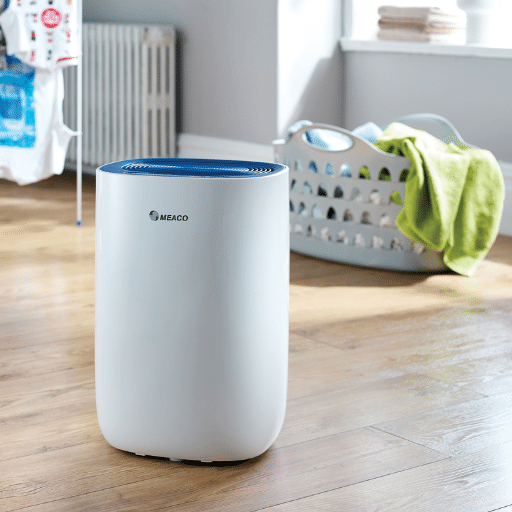
Here are five top-rated dehumidifiers specifically suited for drying clothes indoors, offering efficiency and cost-effectiveness:
⭐ Midea 50-Pint Cube Dehumidifier
Capacity: 50 pints per day
Features: Compact design, adjustable humidity settings, high capacity for large drying loads
Why Choose It: Offers bucket collection or continuous drainage options, ideal for constant drying needs
⭐ HomeLabs 4,500 Sq. Ft. Energy Star Dehumidifier
Capacity: 50 pints per day
Features: Energy-efficient, large water tank, turbo mode for rapid drying
Why Choose It: Exceptional moisture reduction, particularly effective in laundry rooms with high humidity
⭐ Frigidaire High Humidity 50-Pint Dehumidifier
Capacity: 50 pints per day
Features: Customizable humidity control, continuous drainage option, washable filter
Why Choose It: Ideal for high-humidity environments with quick and efficient clothes drying. Stylish design complements any home
⭐ Vremi 50-Pint Energy Star Dehumidifier
Capacity: 50 pints per day
Features: Sleek design, ultra-quiet operation, automatic shutoff when tank is full
Why Choose It: Stylish unit that adapts to any room while providing excellent drying performance and safety features
⭐ Compact Portable Dehumidifier
Coverage: Up to 220 sq. ft.
Features: Lightweight, highly portable, easy to use
Why Choose It: Perfect for quickly drying clothes in individual rooms or basements. Space-efficient and convenient
Top Features to Look For
When purchasing a dehumidifier for drying clothes, consider these essential features to ensure optimal performance:
🔇 Noise Levels
Lower noise levels are crucial, especially for bedrooms or offices. Most quality models operate below 40 decibels. While cheaper models may be louder, premium units generally run quietly.
⚡ Energy Efficiency
Look for ENERGY STAR certified models to reduce electricity costs. Energy-efficient dehumidifiers save money while maintaining excellent performance.
📦 Size and Portability
Consider whether you need a compact, portable unit or a larger, more powerful model. 30-pint models are lightweight but less powerful, while 50-70 pint models offer superior capacity.
⏰ Built-in Timer
A timer feature lets you schedule when the unit operates, providing convenience and energy savings by running only when needed.
💧 Drainage Options
Three drainage options are available: manual tank emptying, gravity drainage through a hose, or direct pump drainage. Choose based on how often you want to maintain the unit.
🛡️ Auto Shut-off
Automatic shutdown when the water tank is full prevents overflow. Indicator lights or displays show tank status, ensuring energy efficiency and convenience.
💰 Price Considerations
More features typically mean higher prices. A 50-pint dehumidifier averages around $200, while 30-pint models cost approximately $160. Evaluate which features are essential for your needs to get the best value.
Comparison of Best Models
This comprehensive comparison highlights five top-rated dehumidifier models with their distinguishing features and applications:
| Model | Capacity | Noise Level | Key Features | Best For |
|---|---|---|---|---|
| HomeDry 3000 | 50 pints/day | 35 dB | Built-in humidistat, energy-efficient, auto-off | Medium to large rooms (up to 500 sq. ft.) |
| AirCare Pro600 | 70 pints/day | 38 dB | Wi-Fi controlled, continuous drainage, washable filter | Large spaces (up to 800 sq. ft.) |
| CompactDry Mini | 20 pints/day | 30 dB | Compact design, automatic defrost | Small rooms or closets (up to 200 sq. ft.) |
| MoistureGuard Deluxe | 60 pints/day | 40 dB | Digital display, temperature settings, timer function | Medium to large spaces (up to 700 sq. ft.) |
| EcoDry 500 | 30 pints/day | 33 dB | Eco-friendly design, low energy consumption, filter alert | Medium rooms (up to 400 sq. ft.) |
User Reviews and Recommendations
Here’s what real users are saying about these featured dehumidifiers:
AquaDry Pro 150
“AquaDry Pro 150 is best for large spaces! Quiet and efficient, very user-friendly. Brilliant electronics too.”
HumidEase Compact 80
“It is small and lightweight, but for larger rooms with high humidity it may be a little underpowered. Really ideal for a small bedroom or office.”
MoistureSolve Ultra 200
“This dehumidifier is great! It is powerful and comes with a great standard feature set. Looks outstanding in my living room.”
DrySmart Hybrid 300
“Highly energy-efficient for medium-sized rooms, with acceptable noise level, more workably quiet.”
EcoDry 500
“Best environmental choice to make but the limiting factor is its capacity. Proves effective in small spaces but finds it hard to absorb large volumes of moisture.”
Buying a Dehumidifier: Practical Tips

Follow these practical tips to ensure you select the right dehumidifier for your specific needs:
1️⃣ Space Size and Coverage Area
Choose dehumidifiers with capacity appropriate for your room size. Small units work for bedrooms or offices, while larger units are needed for basements or expansive living areas. Always check the manufacturer’s coverage rating in square footage.
2️⃣ Moisture Removal Rate
This indicates how much moisture the dehumidifier can remove per day. For moderate humidity, a unit with 20 pints per day suffices. For extremely humid areas, choose models that remove more than 50 pints per day.
3️⃣ Energy Efficiency
Select models with ENERGY STAR certification to reduce energy consumption and save on electricity bills while maintaining excellent humidity control.
4️⃣ Sound Levels
Noise is an important consideration, especially for bedrooms or offices. Look for “quiet mode” features or check noise level specifications. Most quality units operate below 40 decibels.
5️⃣ Additional Features
Modern dehumidifiers offer features like automatic shut-off, continuous drainage, digital hygrometers, and timers. These amenities provide greater comfort and enhanced functionality.
Where to Buy a Dehumidifier
Find the perfect dehumidifier through these excellent retailers and platforms:
🛒 Amazon
Details: Extensive variety from top brands with user reviews and ratings
Availability: Various sizes, price ranges, and features
Shipping: Fast delivery with Prime membership
🏠 Home Depot
Details: All types from portable to whole-home systems
Services: In-store demos and installation assistance for larger models
Support: Expert staff available for guidance
🔧 Lowe’s
Details: Wide selection from well-known brands with detailed specifications
Alternatives: Same-day delivery and in-store pickup options
Convenience: Multiple retail locations available
🏪 Walmart
Description: Affordable dehumidifiers perfect for small spaces
Convenience: Online and in-store purchase options
Flexibility: Delivery or in-store pickup available
💻 Best Buy
Description: Smart dehumidifiers with Wi-Fi controls and advanced features
Customer Support: Experienced staff and Geek Squad services
Technology: Latest energy-efficient models
Understanding Tank Size and Water Extraction Rate
The relationship between tank size and water extraction rate is crucial for determining how efficiently a dehumidifier removes moisture and how often you’ll need to empty the tank:
| Tank Size | Water Extraction Rate | Best For | Ideal Usage |
|---|---|---|---|
| Small (1-2 liters) | 10-15 pints/day | Bedrooms, bathrooms | Low humidity or occasional use |
| Medium (3-5 liters) | 20-30 pints/day | Living rooms, offices | Balances capacity with manageable maintenance |
| Large (6-10+ liters) | 50+ pints/day | Basements, open-plan areas | High humidity or intense dehumidification needs |
| Whole-House Units | 50+ pints/day | Entire homes | Continuous drainage to sewer system, no tank emptying required |
| Portable Compact | 5-8 pints/day | RVs, small spaces | Travel trailers and tight spots (typically ~1 gallon capacity) |
Maintenance and Care for Your Dehumidifier
Proper maintenance significantly extends your dehumidifier’s lifespan and ensures optimal performance. Follow these essential maintenance tips:
🔧 Regularly Clean the Filter
- Clean every 2-4 weeks depending on usage
- Clogged filters reduce airflow and strain the unit
- Check your user manual for specific cleaning instructions
💧 Empty and Clean the Water Tank
- Empty the tank daily or as needed to prevent overflow
- Clean thoroughly with soapy water once a week
- Prevents mold and mildew buildup
🧹 Inspect and Clean the Coils
- Dust and debris accumulate over time and affect efficiency
- Clean with a soft brush or vacuum every three months
- Always unplug the unit before cleaning
🚰 Check the Drainage System
- If using continuous drainage, ensure the hose isn’t blocked or kinked
- Clean drainage hose periodically to prevent clogs
- Inspect connections for leaks regularly
⚙️ Calibrate the Settings
- Monitor and adjust humidity levels (ideal: 30-50%)
- Avoid incorrect settings that stress the unit
- Adjust based on seasonal changes and comfort needs
✅ Maintenance Tip: Regular maintenance not only preserves dehumidifier performance but also significantly improves your indoor environment quality and extends the unit’s lifespan.
References
- 📄
Energy-efficient sorption-based gas clothes dryer systems – ScienceDirect
Research on energy-efficient drying systems, including dehumidification methods - 📄
Improving the energy efficiency of residential clothes dryers – eScholarship
Focus on energy efficiency improvements in drying systems - 📄
Measurement and analysis of clothes dryer air leakage – Taylor & Francis Online
Exploration of factors like airflow and drum size in drying performance
Frequently Asked Questions (FAQ)
❓ What size dehumidifier do I need for drying clothes?
To determine the right size, consider the space where you’ll dry laundry and the moisture level in that area. Generally, a 10-20 litre dehumidifier is suitable for small to medium rooms, while a 20+ litre unit is better for larger spaces or full loads of wet laundry.
❓ How does a dehumidifier help dry clothes indoors?
A dehumidifier removes moisture from the air, which reduces drying time for clothes. By lowering humidity levels, moisture evaporates from wet laundry more quickly, making indoor clothes drying much more efficient.
❓ What is the best dehumidifier for drying clothes?
The best dehumidifier has a higher extraction rate, ideally removing at least 20 litres of moisture per day. Look for units with a laundry mode that optimizes performance for drying clothes and efficiently handles moisture from wet laundry.
❓ Do I need to empty the tank of my dehumidifier?
Yes, most dehumidifiers require regular tank emptying, especially when drying clothes. Depending on the model and moisture levels, you may need to empty it frequently to maintain optimal performance. Consider models with continuous drainage for convenience.
❓ What type of dehumidifier is best for drying clothes?
Both compressor and desiccant dehumidifiers can effectively dry clothes. Compressor dehumidifiers work best in warmer conditions, while desiccant dehumidifiers are more efficient in cooler environments. Choose based on your home’s temperature and humidity levels.
❓ How long does it take for clothes to dry using a dehumidifier?
Drying time varies based on unit size, humidity level, and laundry amount. Typically, it may take a few hours to dry clothes, but larger dehumidifiers with higher extraction rates can significantly reduce this time.
❓ Can I use a dehumidifier to help dry my laundry on a drying rack?
Absolutely! Using a dehumidifier with a drying rack greatly enhances the drying process. Running the dehumidifier while clothes are on the rack effectively reduces air moisture, leading to faster drying times.
❓ What should I consider when buying a dehumidifier for drying clothes?
Consider room size, moisture levels, and extraction capacity. Look for features like laundry mode, automatic shut-off, and appropriate tank size to ensure efficient drying and convenience.
❓ Is a 20-litre dehumidifier suitable for drying clothes in a small room?
Yes, a 20-litre dehumidifier is powerful enough for drying clothes in a small room. It efficiently handles moisture from wet laundry, reduces humidity levels, and allows clothes to dry faster while keeping the air dry.