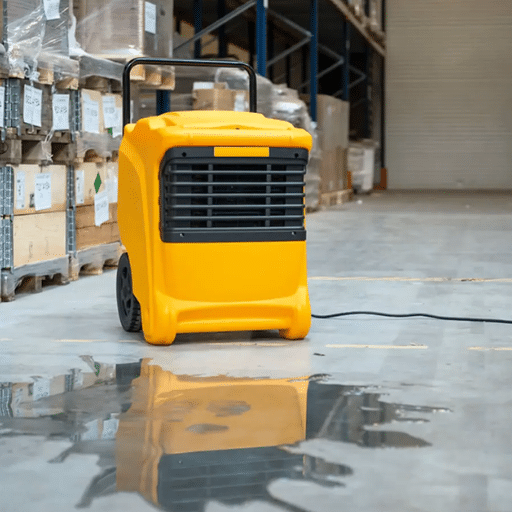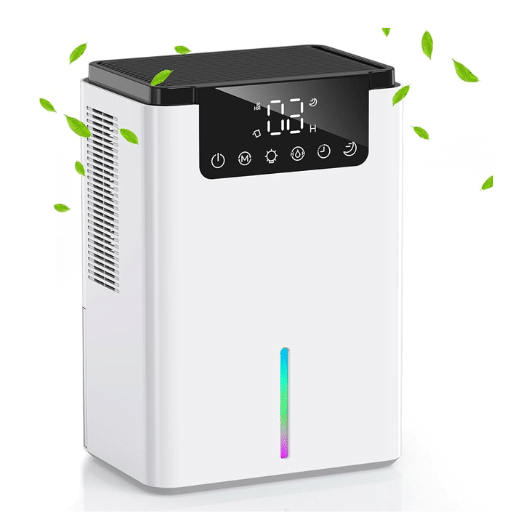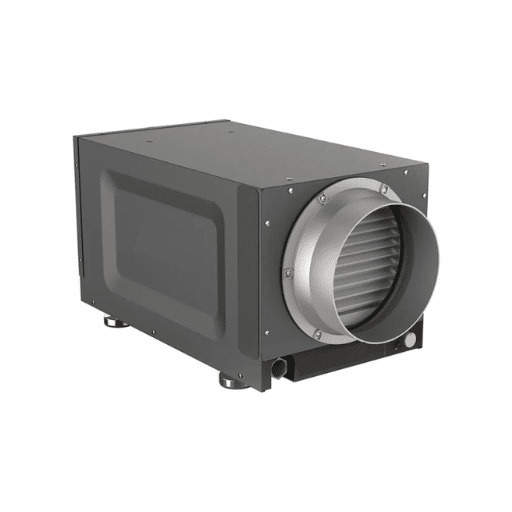
The ideal humidity level in a small room is a must-have for a comfortable and healthy living environment. Too much moisture can cause problems like the growth of mold, the presence of musty odors, and even health risks. A small yet powerful dehumidifier will be the best solution for these problems. A bedroom with wetness, an office with too much humidity, or a laundry room with no air circulation—whichever case it is, a good small dehumidifier can change the situation a lot. Thus, in this article, we will discuss the top small dehumidifiers that have been manufactured exclusively for home use, outlining their features, advantages, and suitability for various areas. Finally, we will guide you on how the right dehumidifier can change your small room into a drier and more pleasant space.
Understanding Dehumidifiers
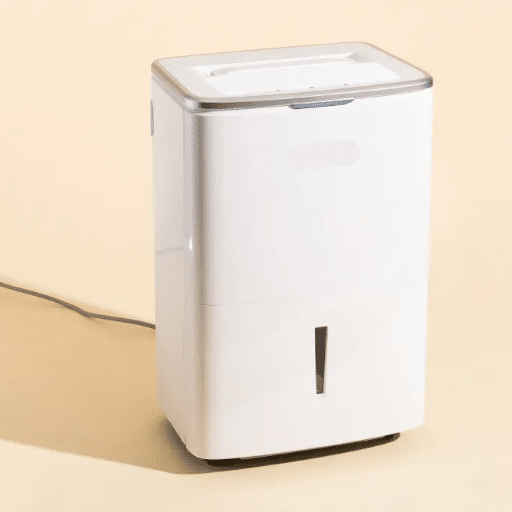
Dehumidifiers are appliances created to lower the amount of moisture in the air and keep it at a desired level; hence, they are good for the air and also prevent problems that could be caused by too much moisture. The operation of a dehumidifier involves taking in the humid air and putting it through a cooling coil where moisture gets condensed, and then either the water is collected in a tank or drained out directly. The moisture in the air is now less, which means that the conditions for the growth of mold, dust mites, and the presence of musty odors have been altered, thus removing them. Mini dehumidifiers are ideal for small areas such as bedrooms, bathrooms, or closets since they provide effective humidity control without occupying much space.
What is a Dehumidifier?
A dehumidifier is an electrical instrument whose primary function is to lower the humidity in the air and keep it at a certain level, which is beneficial for health and for the preservation of materials that are susceptible to moisture. The process by which a dehumidifier operates is to take in humid air, cool it to a point where the water vapor condenses, and then pump back the air with less moisture to the surrounding area. The water collected can either be stored in a tank or continuously drained out through a hose. Dehumidifiers are extremely useful and are often utilized to erase the mentioned issues and to improve the overall quality of an environment. Also, they come in a variety of sizes and capacities, which can be decided based on the area that is going to be dehumidified, from a small room to a big factory.
How Dehumidifiers Work
Dehumidifiers function by taking in the surrounding air and moving it over the cooled coils. These coils cool the air to the point where the water vapor in it becomes liquid and is then either collected in a tank or drained through a hose. The drier air is then heated again and released back into the room. New dehumidifiers usually have more features like humidity sensors for accurate control, automatic shut-off when the water tank is full, and energy-efficient settings to lower power usage. Their performance is dependent on the proper airflow and regular maintenance, like cleaning filters and emptying the tank, which all contribute to the moisture removal process being efficient.
Types of Dehumidifiers
Dehumidifiers are mainly classified into three basic types according to their operating principles and the best use cases:
Refrigerant (Compressor-Based) Dehumidifiers
This is the most popular kind of dehumidifier, which makes use of the refrigeration cycle for the purpose of drying the air. Moist air gets cooled by the coils, and the water vapor in it condenses and turns into liquid, thus either being collected in a tank or drained out through a hose. Refrigerant dehumidifiers work great in hot and humid climates, but their efficiency may be reduced in cooler temperatures.
Desiccant Dehumidifiers
Desiccant dehumidifiers use hygroscopic material, which is also called desiccant, to pull moisture from the air directly. These devices are very suitable for the cold climate as their output is the same irrespective of the temperature. Moreover, they are usually more mobile and less noisy than refrigerant models, which makes them good for small areas or specialized uses such as keeping fragile items in good condition.
Thermo-Electric (Peltier) Dehumidifiers
Thermo-electric dehumidifiers use the Peltier effect; they blow air over a chilled surface where water vapor condenses. They are small, light, and power-efficient, making them very suitable for use in small rooms, closets, or personal areas. On the other hand, they are not that powerful; thus, they cannot be used for big spaces or heavy-duty drying requirements.
In the process of picking a dehumidifier, looking at factors like the size of the room, weather, how much energy it takes, and the needs is very important in order to find the best performance and value.
Choosing the Best Small Dehumidifier
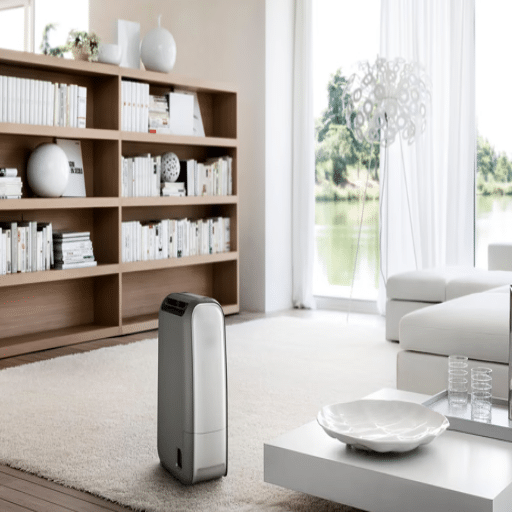
The first step in selecting the best small dehumidifier is to take into account the dimensions of the area and the humidity level. Then, go for those dehumidifiers that not only have clearly defined capacity ratings but also have ratings expressed in pints per day, so that you can really get the one that suits you. For small spaces like bedrooms, small closets, and bathrooms, nothing beats the convenience of compact designs. It is also advisable to go for the energy-saving models with features such as automatic turn-off, adjustable humidity settings, and water tanks that are easy to empty. Besides, make quiet operation of the dehumidifier a criterion if it is going to be used in living areas or bedrooms. User reviews and the reputation of reliable brands can also be a significant source of information about performance and longevity.
Factors to Consider
When buying a dehumidifier, consider the following major factors:
| Factor | Description |
|---|---|
| Room Size and Capacity | Get a dehumidifier that has a capacity that fits your room size. First, measure the room area and get a unit with a higher pint capacity if it is large or very wet. For instance, a 30-pint dehumidifier can be used in areas of up to 1,500 square feet under mild conditions, but a 50-pint one may be needed in more humid environments. |
| Energy Efficiency | Choose the models that have the ENERGY STAR® certification or similar ones, which means that the devices need less electricity, and at the same time, the performance stays at the peak. Energy-efficient appliances can bring about a drastic reduction in the electricity bill if they are used often and for a long period of time. |
| Noise Levels | In the case of bedrooms or living rooms, it would be wise to consider only the less than 50 dB-rated dehumidifiers for the quietest operation. There are also some units that come with a “silent” or “low-noise” mode for quieter operation in areas where silence is a must. |
| Humidity Controls and Features | Go for dehumidifiers with flexible humidity settings that range from 30% to 60% so that you can set the drying level according to your needs. Convenience and effectiveness are among the benefits of features like automatic shut-off, continuous drain options, and built-in hygrometers. |
| Maintenance Requirements | Make sure that the water tank is accessible and can be emptied without difficulty. Taking care of the units that have diverters for their washable or replaceable filters, along with timers for filter cleaning or tank emptying, is no longer a hassle. |
| Durability and Warranty | Do some reading on online reviews to assess how dependable a product is and choose one with a decent warranty. Solid customer service is an indication that a brand is ready to back up with the production of long-lasting and working units. |
If you give priority to the given factors, and combine the information derived from online sources and feedback from users, you will be able to make a very confident decision about a dehumidifier that is suitable for your particular situation and will last longer.
Energy Efficiency: Energy Star Ratings
Dehumidifiers that are under the Energy Star rating use advanced technology to lower the consumption of electricity without sacrificing performance, thus making them more efficient. Hence, the consumption of energy by the unit with this certification will be up to 30% lower when compared to the conventional ones. This kind of energy efficiency not only cuts down the electricity bills but also helps the environment, so less electricity is needed. The main due to why Energy Star gets the rating include high-efficiency compressor and fan systems and intelligent humidity-sensing controls that avoid unnecessary running. Going through Energy Star’s official website and trustworthy retail sites can point out the certified models that would not only meet your space and output requirements but also give you the best in terms of cost savings over an extended period.
Capacity: Pint Ratings Explained
Pint ratings are the number of moisture removals a dehumidifier can perform within a day or a 24-hour period, usually under standardized conditions. This index is extremely important for calculating the right dehumidifier size for various places. Based on credible sources, including the Energy Star guide, Home Depot’s dehumidifier buying guides, and Lowe’s product specifications, small-capacity units (20-30 pints per day) are recommended for low to moderate humidity areas of up to 300 square feet. Medium-capacity units (30-50 pints) are suitable for areas sized between 500-1,500 square feet, whereas large-capacity units (50-70+ pints) can be used in very humid basements or in places larger than 2,000 square feet.
What is more, modern dehumidifiers are now already under the Department of Energy (DOE) 2019 standards, which classify the units according to performance in lower temperature conditions. Hence, basement or similar settings would have a more accurate pint rating. Always match room size and humidity severity appropriately to get the best efficiency and moisture control.
Top Picks for Small Room Dehumidifiers
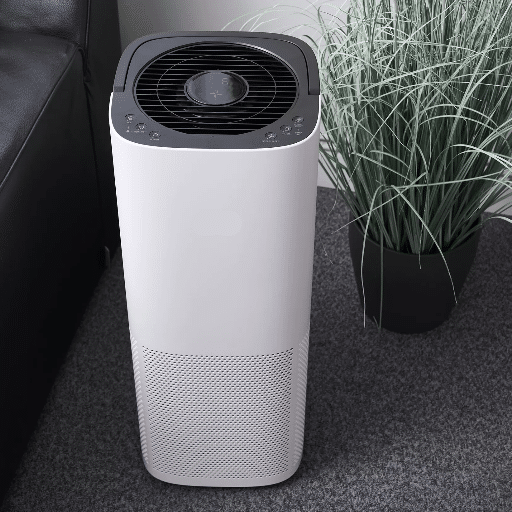
Frigidaire FFAD2233W1
This small dehumidifier is perfect for rooms that do not exceed 300 square feet, and it can take up to 22 pints of water out of the air every day. A washable filter, adjustable humidity settings, and a continuous drain option for easy disposal of collected water are all its features.
HomeLabs Small Space Dehumidifier
This unit can eliminate moisture from a small room of about 150 square feet and is very quiet and does not consume a lot of energy. Its light weight makes it easy to move around, and it has an automatic shut-off system that kicks in when the water tank is full.
Pro Breeze Mini Dehumidifier
This dehumidifier is made for very small areas, such as bathrooms or closets, not bigger than 120 square feet. It is compact and ultra-quiet. It has a daily moisture removal rate of 9 ounces, and its water storage capacity is 16 ounces.
Important Note: These products have much to offer in terms of efficiency, user-friendly operation, and reliability to help keep your small spaces dry. Always think about the size of the room and the wetness level before buying a unit.
Best Mini Dehumidifiers
The selection of mini dehumidifiers is determined by efficiency, size, and noise levels as the primary factors. After consolidating the best recommendations from various trustworthy sources, we decided which mini dehumidifiers to recommend based on their performance and user-friendliness:
Eva-Dry E-333 Mini Dehumidifier
This small-sized, eco-friendly dehumidifier is suitable for places such as closets, bathrooms, or cars. It implements the silica gel method to take in extra humidity without making a mess, and it does not need batteries or electricity for functioning. It has a capacity of 333 cubic feet, is eco-friendly, leak-proof, and can be recharged every 20-30 days.
Pro Breeze Electric Mini Dehumidifier
This model is very portable and can be contained in a small area up to 250 square feet, is very efficient in removing moisture by 18 ounces daily, and comes with a large 52-ounce tank. It is energy-efficient, has very quiet operation due to thermoelectric cooling technology, and has an auto-shutoff that activates when the tank fills up, thus providing convenience and safety.
Afloia Q1 Mini Dehumidifier
The Afloia Q1 is perfect for taking moisture out of the bedrooms, kitchens, and small areas up to 210 square feet. It removes up to 10 ounces daily and comes with a 19-ounce tank. It has a very quiet design, so it can be used continuously without disturbing others. Its compact and modern design makes it easy to fit in small spots.
All the dehumidifiers have received positive feedback for their ability to control moisture, catering to small spaces, thus providing the specific benefits of renewable technology, easy moving around, and reduced energy consumption through the use of non-renewable sources. When selecting a model, make sure it meets your room size and humidity level needs for the most effective outcome.
Best Portable Dehumidifiers
Finding the most suitable portable dehumidifiers comes down to a careful consideration of different criteria, such as technical specifications, performance, and customer feedback. The following is a brief list of the top items that are leading the market:
Pro Breeze Electric Mini Dehumidifier
Its small size does not compromise its power, making it a perfect choice for small areas like bedrooms, bathrooms, or offices. The appliance employs the Peltier effect to ensure that it will be very quiet; thus, it can be used in a place where people are sensitive to noise. It can extract 18 ounces of moisture from the air daily and comes with a 52-ounce water tank that has an automatic shut-off feature to avoid overflowing.
Eva-Dry E-333 Renewable Mini Dehumidifier
With its eco-friendly and renewable design, the Eva-Dry E-333 is a desiccant-based dehumidifier that doesn’t require an electric supply at all. This mini dehumidifier is very handy and has a coverage area of 333 cubic feet; furthermore, it can be “recharged” by a normal power socket when the silica gel is finished. This device fully takes advantage of its usage in areas such as closets, safes, or the like small and closed places.
SEAVON Portable Mini Dehumidifier
The very effective machine has an automatic shutdown for safety and a 52-ounce water tank. It can handle a room of 220 square feet and removes 16 ounces of water daily, thus greatly lowering the humidity level. It is light and portable, so it can easily fit into smaller rooms, plus it uses ultra-quiet Peltier technology, so there is hardly any noise distraction.
Room size, energy efficiency, water tank capacity, and particular features like noise or eco-friendliness should be considered when choosing a portable dehumidifier. These models have every reason to be recommended because they integrate cutting-edge technology with user-centered designs and therefore are the best to deal with small space moisture.
Best Dehumidifier with Drain Hose
The main factors that should be taken into account when selecting the best dehumidifier with a drain hose are the continuous drainage function, energy consumption, and excellent performance.
HomeLabs 4,500 sq. ft. Dehumidifier
This model, with high capacity that is going to be quite a good match for big places and has a built-in drain through which continuous drainage is possible, so there is no tank to empty manually. Also, the device has a 24-hour timer and is Energy Star certified.
Frigidaire 50-Pint Dehumidifier with Pump
Being a top performer, it has a pump inside for continuous drainage and can expel water even to upper places like a sink or a window. This is the best unit for humid areas, and it has a digital display, humidity control, and washable filter characteristics that make maintenance easy.
Vremi 22-Pint Dehumidifier
This is a small-sized, but high-power model which is suitable for places like small rooms or moderately damp places. It has standard hoses compatible drain outlet for continuous drainage and comes with moisture control settings that are easy to understand. The device is also very quiet and energy efficient, which makes it suitable for indoor use.
The following are some considerations when you decide on a dehumidifier with a drain hose: the area to be covered by the unit, the simplicity of setting up drainage, and the unit’s energy efficiency. These models provide efficient moisture management and, at the same time, are quite easy to use, so they can be used in different kinds of places.
Dehumidifier for Specific Spaces
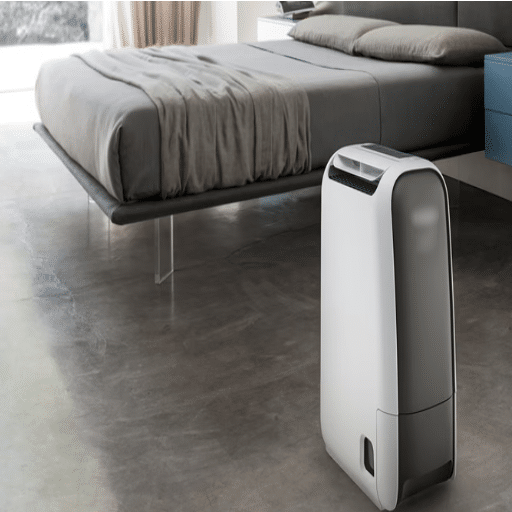
When you select a dehumidifier for certain locations, it is essential to correlate the capacity of the unit with the size and humidity level of the spot. Small dehumidifiers for small rooms with a capacity of 20-30 pints are effective and lend themselves well to management. The models with a higher capacity, usually 50-70 pints, are the ones that do basements or living rooms well, as well as removing moisture very effectively. In case of crawl spaces or places with restricted access, you should go for low-profile, specially made dehumidifiers that can fit into very tight spaces. Always take maintenance into account, like if a drain hose option is available, for a constant performance.
Dehumidifier for Basement
In the process of picking a dehumidifier for your basement, it is essential to consider some important aspects like the area size, the levels of humidity, and features that are solely for basement use. A dehumidifier with a capacity of 50-70 pints is usually suggested for medium to large basements in particularly when the area is very humid. For very wet basements, the models that come with extra features such as built-in pumps for continuous drainage or auto-restart functionality during power loss are the best.
Energy-efficient ones are usually among the best brands, and they are great because they lower electricity bills with the same good performance. Besides, one should always confirm that the humidistats are present in the chosen unit so that it can automatically track and control humidity levels. If the basement is damp and humid, where molds and mildews can grow, dehumidifiers with HEPA filters can take the particles out of the air, thus purifying it. Always check the coverage area of the device to make sure that the one you pick can efficiently remove moisture from your basement of that size.
Dehumidifier for Bathroom and Bedroom
Features that are specific to the environment should be at the top of your list when you are picking a dehumidifier for a bathroom or a bedroom. Bathroom dehumidifiers should be powerful enough to keep the water reservoir filled with the daily condensation and compact enough to fit easily in the bathroom. Using the unit with auto-restart and continuous drainage options is beneficial for you as well. Models with anti-bacterial or washable filters are also good choices because they contribute to the cleanliness of the bathroom, which is a place that gets a lot of moisture.
When it comes to bedrooms, making noise is a critical factor. To prevent sleeping interruption, pick very quiet dehumidifiers with a decibel rating of less than 40. Units with Energy Star certification can be trusted to save energy while providing consistent performance; thus, energy efficiency is a major factor to consider. Built-in humidistats that measure humidity enable you to select precisely the level of humidity that is comfortable for you, and thus, the sleeping environment is maintained. Always take into account the size of the room and choose a model that can cover the area well to get the best results.
Using Dehumidifiers in Closets
Dehumidifiers are a must-have item in the closet as they prevent the build-up. Otherwise, it would generate bacteria, fungi, and harm to clothing and other items stored there. When choosing a dehumidifier for a closet, it is better to go for small-scale compact models that are specifically designed for small places; these are more effective in keeping low humidity levels in small areas. The units that utilize desiccant technology or have rechargeable moisture absorbers are very suitable for closets, as they consume less power and work silently. To keep the items in the closet in good condition, it is important to monitor humidity levels with a hygrometer and set the relative humidity to 30-50%. Where you place the dehumidifier is very important: either place it in the center of the closet or in areas that often get moist, and also make sure there is ventilation by opening the closet doors from time to time. For best performance, it is important to keep the unit regularly cleaned and maintain it so that there are no clogs and its operations are normal.
Maintaining Your Dehumidifier
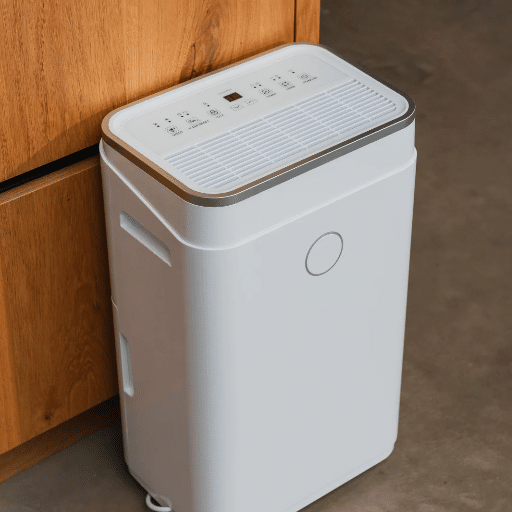
- Empty the Water Tank Regularly: Make a point of inspecting and emptying the water collection tank every day or as required to avoid overflow and maintain the efficiency of the machine.
- Clean the Filter Monthly: It is recommended that the air filter be taken out and cleaned at least once a month so as to keep the airflow going and avoid dust accumulating around it. The majority of the filters are washable with water and can be air-dried afterward.
- Inspect for Blockages: From time to time, look for blockages in the intake and exhaust vents that could impair the performance of the unit. Make sure that the vents are always unobstructed.
- Wipe External Surfaces: Take a soft and wet cloth to clean the outside of the dehumidifier. Do not use strong chemicals or abrasive cleaners.
- Perform Annual Servicing: If the unit shows less efficiency, makes strange noises, or has recurring problems, it is better to have a professional conduct regular inspections.
Cleaning and Maintenance Tips
In terms of cleaning and having your dehumidifier, always recommend the proactive and consistent way. I often check the air filter and clean or replace it when necessary so that maximum airflow is maintained. I also have the habit of looking at the water tank for any sediments, cleaning it completely with soap and water to avoid mold or bacteria. For the outside, I take a soft cloth and wipe it, being very careful not to use any harsh cleaning agents. Last but not least, I always call for a professional annual service, which not only helps in easily spotting any potential problems but also maintains the efficiency of the unit.
When to Replace Your Dehumidifier
One of the main reasons for replacing a dehumidifier is that it has reached the end of its life; otherwise, it would be draining moisture inefficiently, making the air in your home uncomfortable and unhealthy. The life span of a dehumidifier usually lasts between 5 and 10 years and varies from brand to brand, usage level, and maintenance of the unit. If, at any point, your dehumidifier is unable to take out the moisture in the air, runs all the time without switching off, or has leaks, is noisy, or has frequently overheated, then it is time to consider getting a new one. Another indication of a necessary replacement is a noticeable increase in energy bills, coupled with no improvement in performance, meaning that the dehumidifier might be running inefficiently due to component wear and tear. If you’re eyeing modern models, they come with better energy efficiency and are also brimming with advanced features, so it’s possible that replacement can be the way to go for you, as it can be a cost-effective and environmentally friendly choice. Dehumidifiers that are regularly maintained and monitored are likely to last longer, but knowing failure signs will help you choose when it’s time for an upgrade.
Common Issues and Troubleshooting
Usually, the reasons for dehumidifier problems are linked to airflow, electric parts, or the refrigerant system. The following is a list of problems along with their respective solutions:
| Issue | Cause | Solution |
|---|---|---|
| Dehumidifier Not Collecting Water | Insufficient airflow caused by a clogged air filter or obstructed vents. Likewise, the surroundings may be too cold for the dehumidifier to operate properly, especially those based on refrigerants. | Air filter removal and cleaning or replacement, proper positioning with unobstructed vents, and checking operating temperature is >65°F. A desiccant unit can be an alternative in cold environments. |
| Dehumidifier Running But Not Reducing Humidity | A defective humidistat, refrigerant leak, or compressor beyond repair. | Check the accuracy of the humidistat and replace it if defective. If there is a suspicion of a refrigerant leak, a professional technician should be contacted, as repairs involve licensed handling of refrigerants. For an old unit, an energy-efficient model is highly recommended. |
| Unit Is Icing Up | Operating in a cold environment, low airflow, or insufficient refrigerant. | The unit needs to be switched off until the ice melts, and then the use can be resumed. Check that the room temperature is within the dehumidifier’s specifications and clean the filter to restore airflow. If icing continues, you may need to call for professional service. |
| Loud or Unusual Noises | Components inside the unit, like the fan or motor, are loose or have worn-out bearings. | Look for loose parts in the unit, and if there are any, tighten screws or panels. Replace defective components such as fans or motors, or contact technical support for internal repair. |
| Dehumidifier Keeps Shutting Off | Water bucket is full, drain hose is clogged, or float switch is malfunctioning. | The water bucket needs to be emptied and reinserted correctly, the drain hose should be cleared of any blockage, and the float switch replaced if it is defective. |
Important: By solving these common problems through careful attention and troubleshooting, you can improve the performance of your dehumidifier and get it to last longer. If issues continue to occur even after taking these actions, referring to the manufacturer’s guide or a certified technician is recommended.
Reference Sources
Frequently Asked Questions (FAQs)
What humidity level should I set a dehumidifier for a small room to control humidity?
To keep the home comfortable and to avoid dampness and mold, set a range of relative humidity between 30% and 50%. For small bathrooms or bedrooms, a pint dehumidifier or a small unit rated for the room’s square footage can maintain the right humidity levels. Look at the control panel on your model to set the preferred humidity level and keep an eye on temperature and humidity levels to enhance performance.
Is a Midea cube or other mini air dehumidifier good for small spaces?
Midea cube and comparable compact air dehumidifier models are suitable for small spaces and one-room use. They conduct moisture removal from the reviews of dehumidifiers as a very rare option. That is, they help to extract water vapor from air in small bathrooms, laundry rooms, or closets. With the Midea or Midea Cube, you might not hit the levels of the compressor dehumidifier’s capacity, but they are efficient in the low to medium humidity range and are also often quieter than the large compressor dehumidifiers.
How many pints does a pint dehumidifier need to be effective in a small room or medium-sized rooms?
Base capacity choice on humidity and area: a 22-pint or 34-pint unit can suffice for small to medium-size rooms, while 50-pint dehumidifier models are rated for bigger, very damp areas. Keep in mind that “50 pints of moisture” is the daily extraction rate under the specified test conditions. For most small rooms, a 22 pint or similar tiny unit is going to be able to get rid of the extra moisture without being too powerful.
Should I buy an Energy Star dehumidifier or an Energy Star-certified dehumidifier for efficiency?
An Energy Star dehumidifier or an Energy Star-certified dehumidifier is a great option if you want an efficient dehumidifier that won’t be a burden on your energy costs. Certified dehumidifiers very often employ advanced controls and compressor technology to remove water from the air with higher efficiency compared to the basic models. Check out the Energy Star models in dehumidifier reviews and factor in fan speed and control panel features as a way to strike a balance between performance and power usage.
How does drainage and water tank management work in small dehumidifiers?
Small dehumidifiers usually come with the option of a water tank that can be taken out, and some have the ability to drain water continuously through a hose for operation without supervision. Models that come with a water tank will be shut off automatically when the tank is full to keep spills from happening. Go for a unit with drainage options for continuous use in a laundry room or basement; otherwise, make it a point to regularly empty the tank so that the dehumidifier will be efficient in removing moisture.
Can compressor dehumidifier models like Homelabs or Waykar work well in a small room?
Compressor dehumidifier models, including some from Homelabs and Waykar, are effective because they condense water from the air using refrigeration. They tend to be more powerful than desiccant units and can remove more moisture per day. For small rooms, pick a model sized to the space—compressor dehumidifiers can be efficient but may be noisier than other options, so check dehumidifier reviews for quiet dehumidifier performance.
Are hanging moisture absorbers, Damprid or Eva-Dry, useful for tiny spaces or closets?
Hanging moisture absorbers, such as Damprid, Eva-dry, and other moisture absorbers, is certainly handy for closets, small bathrooms, or storage areas. They are passive solutions that absorb excess moisture without requiring power, thus complementing a primary dehumidifier for spot treatment. You can use them along with an air dehumidifier or a small unit to curb the high humidity in confined spots.
What about defrost and temperature limits — will a dehumidifier for the home work in cold rooms?
Some compressor dehumidifiers come with a defrost feature to allow them to work in cooler temperatures; however, if they do not have a defrost feature, they can freeze up and stop moisture removal. If you require a dehumidifier for a cold basement or an unheated area, it is best to get a model that has automatic defrost or a desiccant unit that can work at low temperatures. Look at the temperature and humidity levels recommended by the manufacturer to confirm that the dehumidifier is suitable for your home environment.