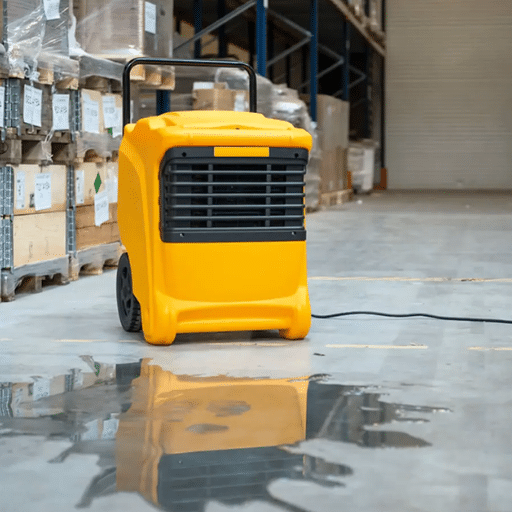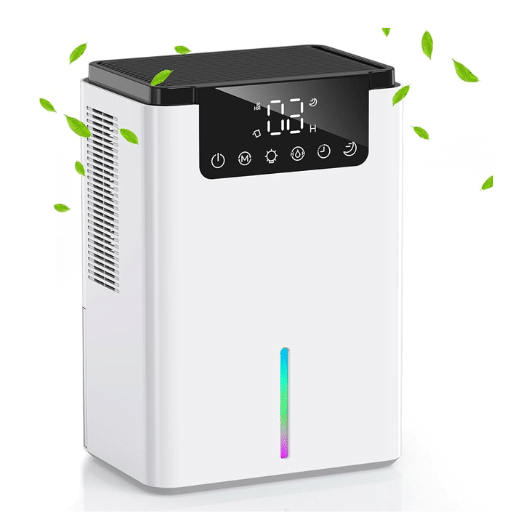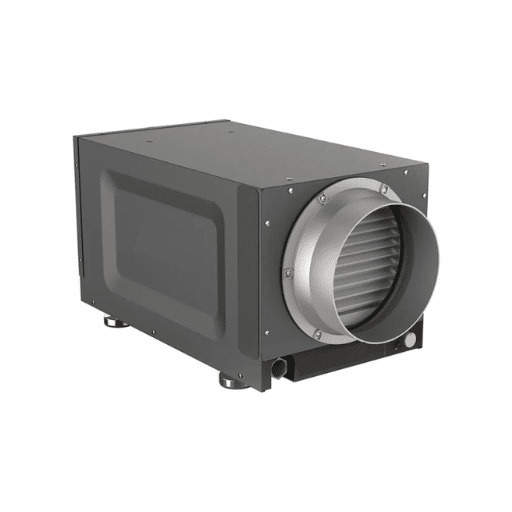
The idea is to maintain an indoor relative humidity level that makes the indoor climate comfortable and healthy. High humidity can lead to mold spores, dust mites, and foundation degradation, while low humidity can lead to discomfort and even damage to wooden furnishings. The dehumidifier is an effective recommendation, but getting the setup right is paramount so as to achieve the best from such helpers. This article will guide those who know or those who will try to read the very essentials of setting and tuning control to achieve the desired relative humidity in their most taxing but most agreeable experience, comfort, and better air quality. This is to guide you on both maintaining a dehumidifier and improving its performance.
Understanding Dehumidifier Settings
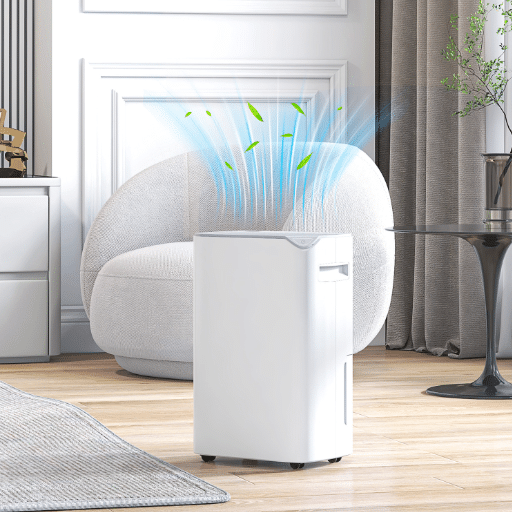
Proper configuration of your dehumidifier is essential for optimal performance and energy efficiency. Below are the key settings you should understand:
Humidistat
Most dehumidifiers come with a setting where you can manually set your humidity levels. To bring comfort and prevent the growth of mold, keep the humidity at levels between 30-50%.
Speed of the Fan
You can adjust its speed according to the need involved. High speed means quicker elimination of moisture but may require higher energy consumption, while lower speeds can be quieter and useful for keeping humidity at a constant rate.
Continuous Mode
Activate it when consistent dehumidification is more necessary, like in very humid settings. Otherwise, continuous dehumidification can be costly in terms of energy.
Timer Setting
Conveniently, the machines come with a timer function programmed to manage the start and stop times. Use it to set the unit to work at preferred times, thus minimizing the use of energy when not necessary.
Drain Options
Decide between drain manual emptying and continuous drainage via an attached hose to ensure that it doesn’t become an irritating task, especially in very humid spaces.
As soon as the equipment alerts you to do so, check and clean the filter to ensure efficiency and good indoor air quality. Constant air circulation and ambient temperatures have to be emphasized, and perhaps conditioned relative humidity levels should be maintained or reduced while using the appliance.
What is a Dehumidifier?
A dehumidifier is a product provided to decrease and keep the humidity level in the air, generally for comfort or health reasons, or to ward off damage caused due to moisture. It works by the process of drawing warm, saturated air through cold coils, leading to vapor condensation into liquid form. Later, it goes process to get collected in the tank or to be subjected to drainage. Dehumidifiers are an indispensable entity to reckon with in areas having high humidity. They go a long way in curtailing issues like mold growth, dust mites, and allergens, and contribute to improving indoor air quality and the consumer’s own home and furnishing. They are manufactured in various sizes, capacities, and designs to address a variety of residential and industrial applications.
Importance of Humidity Control
The health and infrastructure are both affected by humidity and are equitably maintained. Moisture build-up creates just the right environment for the families of dust mites, mold, and mildew that can, in turn, aggravate asthma, allergies, and melanism at levels that are harmful to the affected individuals. It is argued that low humidity can cause quite some problems, such as skin irritation, irritation of the respiratory system, or it could get worse and make wood furniture and hardwood floors start to crack. Indoor relative humidity, following the recommendations of many experts, should be in the range of 30-40%. Appropriate humidity control will prevent the growth of biological contaminants, reduce the risk of structural damage, and extend the service life of valuables. In terms of comfort, it ensures a healthy quantity of humidity is present in any living conditions, allowing the finest balance to be struck: with regard to human comfort and preservation of materials.
How Dehumidifier Settings Affect Performance
Dehumidifier settings are so critical in determining both energy efficiency and the effective removal of moisture. Dehumidifiers thrive or fail depending on different factors-like desired humidity levels, room size, and ambient temperature. Optimal settings should typically aim to keep indoor relative humidity within the 30-50% range. Lower levels of moisture can remove humidity somewhat faster with better microbial control, yet more energy will be used. Contrarily, the high humidifier settings can reduce operating costs yet may not have adequate drying in high humidity environments, causing inappropriate drying with the potential growth of mold.
An auto mode, like an added feature, elevates an operation by adjusting the dehumidifier, given accurate humidity readings at the very moment. That can largely improve performance. Continuous or turbo modes bring a faster moisture reduction but consume more energy. The right kind of setting is not straightforward; instead, it must be an appreciation of environmental conditions and usage patterns that allow performance, comfort, and energy efficiency to be optimized.
Choosing the Best Humidity Setting
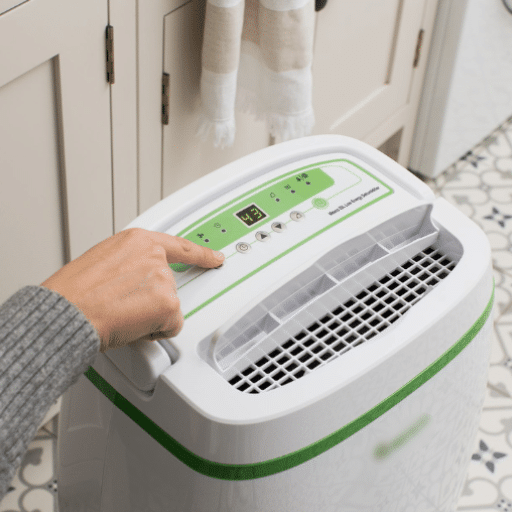
The most comfortable humidity is to keep between 30% and 50% to avoid harm from the mold. Usually, 40-50% should be attempted during the warmer months to avoid the potential for any condensation issues. In the cold months, set it nearer 30-40% to avoid any frost build-up or moisture and long-term damage to windows. Patterns may also need to be improvised depending on local weather or individualistic requirements. Nevertheless, keeping within the given range guarantees a healthy and energy-efficient environment.
Determining the Ideal Humidity Level
One needs a dependable hygrometer to help determine and sustain the precise indoor humidity level. This device, used to effectively study indoor humidity levels, is worth its weight in gold. One may also consider tracker placement in high-impact-task areas or places notorious for humidity grievances, including kitchens, bathrooms, and cellars, hence guaranteeing the actual data coming in. With the current humidity level ranging from 30-50%, the records must frequently be monitored to check that they remain in the correct range.
Corrections need to be implemented if humidity conditions go awry; for instance, if humidity falls below prescribed norms, consider buying and applying a humidifier to infuse moisture in the air, particularly during colder months, which permit heating systems, thus drying indoors. Establish the air dehumidifiers or adjust air circulation to reduce overly high humidity and forestall condensation and mold. Regularly maintain your HVAC system and seal possible leaks around doors and windows to go together in preserving optimum moisture levels. Do these, and your indoor climate shall, whatever the season and weather conditions around you, be well balanced and healthy as well.
Best Humidity Setting for Different Environments
By no means should we assume that an optimal level applies to humidity, or to what extent it should be adjusted according to the specific conditions of each environment. In residential settings, in keeping with comfort and to head off mold and dust mite problems, the recommended level for indoor humidity is between 30% and 50%. A similar range is good for offices and commercial uses-the first is for employee comfort, whereas the latter better safeguards the equipment. Healthcare facilities, such as hospitals, always provide the best fit with the strictest control. In such environments, the recommended humidity levels usually stand between 40% and 60% in order to guarantee patient safety and inhibit the possible dissemination of airborne pathogens. In addition, such conditions also require sterilization.
Humidification settings for industrial environments are largely predicated upon the answer to the question “why is this humidity?” For example, in data centers, the best humidity arrangements for preventing static electricity and damaging hardware were located between 45 and 55 percent. On the other side, environments such as museums or archives, with humidity levels ranging from 40 to 60%, gain the means to best protect delicate objects like paper, textiles, or paintings. An understanding of the intended use of a space and any delicate equipment or materials therein is of utmost importance in settling the optimal humidity levels.
| Environment Type | Recommended Humidity Range | Primary Purpose |
|---|---|---|
| Residential | 30% – 50% | Comfort and mold prevention |
| Offices/Commercial | 30% – 50% | Employee comfort and equipment protection |
| Healthcare Facilities | 40% – 60% | Patient safety and pathogen control |
| Data Centers | 45% – 55% | Prevent static electricity and hardware damage |
| Museums/Archives | 40% – 60% | Protect delicate objects and materials |
Using a Dehumidifier in the Basement
Managing humidity in the basement presents the need for employing an efficient dehumidifier, as the relative humidity is often higher due to poor ventilation. This creates a good room for the growth of mildew, molds, and structural damage from water getting in. The dehumidifier itself works well to pull out water vapor and allergens from the standby; hence, this protects the stored belongings against mildew. It also uplifts the quality of air through the removal of the damp odor and creates an intense environment for pests like dust mites or ants, which are meant to survive well in overly humid conditions. The correct way to use it is to size it correctly for the square footage of your basement and ensure adequate drainage performance.
Adjusting Your Dehumidifier Settings
A combination of 30% and 50% is the most favorable level of relative humidity for a dehumidifier to perform efficiently. For most basements, that relative humidity level will be 40% (right in the middle) so that you avoid the risk of getting too moist air, which is not conducive to its well-being. To keep the setting constant, use the onboard hygrometer or a standalone version of the same, and if there are modes offered, put the set to automatic mode, thereby allowing the machine to self-regulate the extraction rate based on the prevailing humidity. Ensure that the filter is checked and cleaned regularly, as that is a well-known technique for getting the best out of one’s dehumidifier. Besides, confirm whether the water accumulated is being disposed of properly by the unit’s tank or other drain channels to ensure their greatest performance.
How to Set Your Dehumidifier Correctly
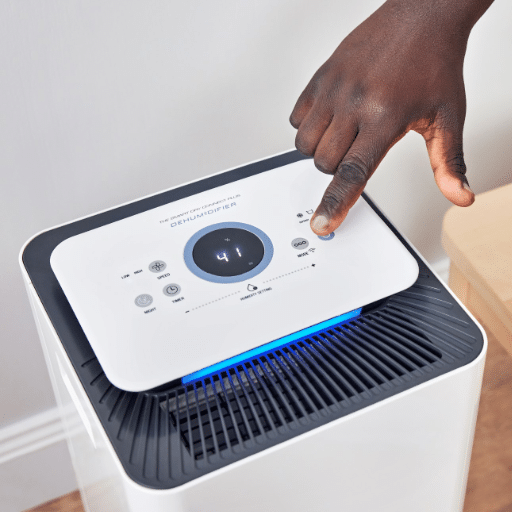
To set the dehumidifier properly, please follow these step-by-step instructions:
1. Determine the Desired Humidity Level
Ideally, the indoor relative humidity level should remain in the range of 30-50%. Use the dehumidifier itself to measure humidity through the built-in hygrometer. Just in case your dehumidifier does not have one, use a separate device to check the humidity level, and apply the setting accordingly.
2. Choose the Right Location
If you place the dehumidifier in the middle of the room, it can benefit one or the other end. If placed near moisture sources, that is, basements, bathrooms, and kitchen areas, they significantly help in tackling any existing dampness. The dehumidifiers require indoor spaces where the necessary airflow is needed to cool them. Keep unit sessions of operation at a distance of 6-12 inches apart.
3. Adjust Settings for Efficiency
- In case the dehumidifier has this option, put it into “Auto Mode,” which matches actual humidity measurements to the machine’s operation.
- In the situation of exceedingly way-too moist conditions, you can set the fan speed to “High” so as to take out moisture more rapidly; if your dehumidifier operates quietly, let the fan run on low for continual cleaning of a smaller amount of moisture spread over time.
4. Ensure Proper Drainage
Manual Drainage: The lowest setting for water capacity must be reached and maintained to guarantee successful draining. Periodically empty the water collection tank to avoid overflowing.
Continuous Drain (If this is equipped): Connect a hose to the drainage port and make sure it is correctly positioned for automatic draining, particularly in high-humidity locales.
5. Keep up the Device
- 2 to 4 Weekly Cleaning of the air filters ensures the optimum performance and airflow.
- Now and then, have a look at the rain bucket or hoses to avoid clogging or damage.
Correct setup of your dehumidifier ensures not only peak performance but also helps maintain a comfortable and healthy indoor environment. Regular maintenance will extend the life of your unit and enhance its efficiency, assuring a trusty weapon for controlling humidity.
Common Mistakes When Setting Humidity Levels
The dropping of humidity to unreasonable levels
When humidity drops to very low single figures, the air becomes exceedingly dry, causing respiratory difficulties on account of dry burns, skin rashes, and drying cracks in wooden furniture or floors. The target must be something in the middle range, from 30 to 50%, depending on your climatic location and the prevailing season.
Failure to Tweak
A lot of people feel small about adjusting their settings so they can balance well with the season. For example, during the cold months, more humidity could easily spell trouble for condensation on windows and mold growth, while a setting placed too low in the wintertime will become an irritant for increased discomfort and static electricity.
Being Tied To Substance-Specific Variables
Using a single setup across all rooms/basements without attention to separate condition factors, like size, airflow, or condition necessity (considering moisture-rich kitchens and bathrooms), gives rise to the risk of inefficient dehumidifier input and inconsistent internal humidity levels.
Neglecting the correct placement of the Dehumidifier
When placed too close to the walls or any furniture, the unit is deprived of convection of air in it; insufficiently so, it effectively stops managing the humidity level in the room. Therefore, if the dehumidifier must work at peak performance, it should have a clear area on all sides around itself.
In a nutshell, by avoiding typical mistakes and making necessary settings as per the configuration of your home, you can augment the effectiveness of your dehumidifier to make sure a comfortable internal environment is maintained.
Tips for Maintaining Optimal Humidity
- Armed with a hygrometer: A vital tool for knowing how much humidity is contained in your house, since it’s ideal for the relative humidity to fluctuate between 30% and 50%, depending on the activity level you maintain, to prevent the struggle of too much humidity interfering with your comfort and health.
- Ensure Proper Ventilation: Installing exhaust fans in areas having high humidity levels, such as kitchens, bathrooms, and laundry rooms, can assist in maintaining humidity levels and preventing condensation.
- Regular Maintenance of HVAC Systems: Do not forget to clean or change any HVAC filters every once in a while to maintain full efficiency and good airflow, both of which can contribute to the lower and better-regulated indoor humidity.
- Promptly Fix Water Leaks: Leaks from broken pipes, roofs, windows, or other wet surfaces in your home may end up promoting excessive humidity levels, and could even lead to mold growth if not quickly fixed.
- Use a dehumidifier in summer to collect extra moisture or a humidifier in winter to add moisture. Keep these two devices running in a perfect humidity range.
- Invest in insulating materials. Fill all the holes, install tile, weather stripping, or caulk in the windows and the doors.
Apply these principles to regulate humidity inside and build a healthier environment with maximum comfort.
Factors to Consider When Setting a Dehumidifier
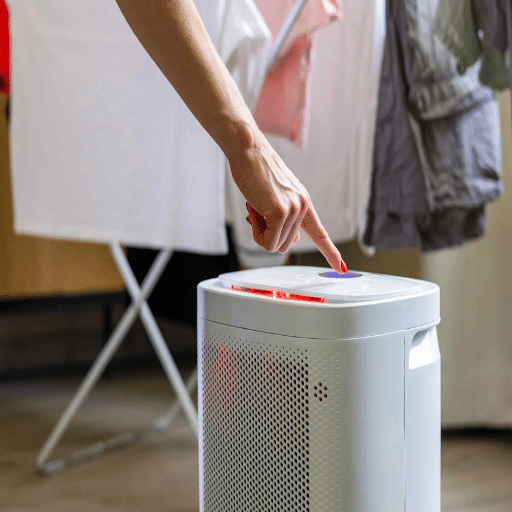
Several important factors are to be considered when setting a dehumidifier for the best performance:
| Factor | Description | Importance |
|---|---|---|
| Room Size | You have to choose a dehumidifier according to the room’s area. In bigger areas (more sq ft), you need higher capacity models for dry air. | Critical for effectiveness |
| Humidity Level | Check the current humidity level inside the area. Absolute humidity must be kept at 30% to 50% for comfort and health purposes. | Essential for health |
| Placement | Put the dehumidifier in a central location so that air can circulate around the room evenly. Avoid placing it near walls and furniture that impede or weaken airflow. | Affects performance |
| Drainage Options | It is important to know whether the dehumidifier comes with a tank system or a continuous drainage systems that offer continuous operation. | Convenience factor |
| Energy Efficiency | Favor models that are energy-efficient and consume less power. | Cost savings |
| Noise Levels | Any home dehumidifier that can work comfortably in sleep areas should be used and run if it provides sufficiently low noise levels. | Comfort consideration |
When you consider these factors, you will be able to choose the most suitable dehumidifier that also provides an appropriate balance of power and energy savings.
Effects of Weather and Seasonality
Weather and changes of seasons play a large role in the performance and needs of dehumidifiers. During warmer times, such as in the summer, humidity can increase as air activates; consequently, so will the dehumidifier at a higher frequency and capacity to maintain the optimal conditions inside a house. Also, relative humidity can fall potentially due to the cooler months of winter in some regions, leading to a break from continuous dehumidifier usage for however long it may last–mostly because there will be more reasons for condensation in winter in unheated or ill-ventilated ancestral homes. The aim of using dehumidifiers is to avert mold growth and unnecessary moisture damage to their buildings.
Make sure you have adjusted to seasonal humidity fluctuations, constant monitoring of the dehumidifier’s functionality, installing such devices strategically through the course of the year, and checking the impact of external factors such as prolonged rainfall or specific geographic climatic variations for increased damage. All this will protect you perfectly from potential humidity-related damages any season might throw your way.
Room Size and Dampness Levels
The most important feature of a dehumidifier is the match between the moisture removal rate and how large and damp a given room is. Dehumidifiers are commonly rated in terms of how much moisture they can remove, effectively per day, with much larger capacity machines being appropriate for larger rooms or areas that are significantly damp. Typically, a 30-50 pint-per-day unit will do for smaller rooms with moderate amounts of dampness. Large rooms and areas plagued with extreme dampness (e.g., basements) can require units capable of removing 50-70 or more pints per day.
To make estimates for the towns and aspects of the rooms, it is good to measure the room footage, but consider the level of dampness, solidity, and a range ranging from something slightly humid right up to something very wet. Areas that are heavy on humidity, like laundry rooms or in places where floods occur almost every time it rains, can require robust, advanced-function units like one with a continuous drainage option. Selecting the unit that is specifically created for certain environmental conditions maximizes performance and thus reduces the risk of mold growth and structural damage over time. Ratio means measuring the size of the dehumidifier against the size of the room and the level of dampness, which can be considered the first thing needed for a healthy indoor atmosphere.
Placement of Your Dehumidifier
Essential is the placement of dehumidifiers in order to ensure efficiency and performance. When possible, place the unit in the most damp area of the house or at a place most affected by moisture, e.g., near the center of the room or into the dampiest corner. Setting up the device on a sturdy, horizontal platform is important; it must stay 6 to 8 inches from walls or furniture to allow the necessary airflow without blockage. For large open spaces, consideration should be given to place the dehumidifier close to an area with moisture, such as a basement water sump or a water-permeable structure. Do not place dehumidifiers in or around dusty areas or near a direct source of heat, as PAO and dehumidifier performance will go for a toss.
It is almost obligatory to fit a whole-house dehumidifier in-line within the HVAC system with a view to consistency in humidity reduction across all rooms. Access to a power outlet for the portable units and to drainage options for the collection bucket or the continuous drainage hose is of utmost importance to avoid interruption of operations. In addition, the doors and windows of the room should be closed each time the dehumidifier is working, this measure being in contradistinction to the entry of humid air, thus ensuring further maximum efficiency in moisture removal. Timely undertakings like cleaning of the filter and the emptying of water from the reservoir will also greatly contribute to the best usage of the said utility in due course.
Maintaining Your Dehumidifier
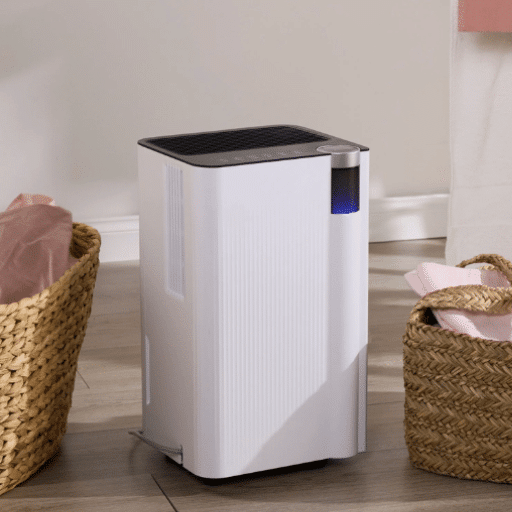
Make sure to change or clean the air filter regularly-hence preventing it from clogging up without giving the necessary amount of airflow, thus reducing efficiency. Empty the water reservoir when full, or ensure the drainage pipe is clear and working properly at all times. It is recommended to examine the coil side of the tank for these buildups of ice for periodic cleaning, if any. For a cool, slightly humid room, encourage a little airflow for best performance. Under no circumstances should the device be operated with a temperature lower than the recommended range. This would cause damage and add no efficiency. Like the Dehumidifier, keep it simple and keep up with the routine maintenance, and you may end up getting the best of both worlds on its lifespan and performance.
Regular Maintenance Tips
Regular maintenance steps should ensure maximum efficiency and enhanced longevity of the room dehumidifiers. The following are some concerns raised by authoritative sources:
Filter Cleaning: The cleaning cycle of the filter should always be regularly checked. For instance, an air filter requires cleaning or total replacement every 1-2 weeks, depending on usage and manufacturer recommendations. Use a mild soap and water solution on the filters, yet the vacuum technique could also be adequate. Ensure it dries completely before reinsertion into the tray.
Water Reservoir Cleaning: Cleansing and draining the reservoir to curb mold and bacteria buildup should be done regularly. You can always use a little bit of a mild disinfectant solution for disinfecting the entire tank. While cleansing, verify if there is any wear or leakage.
Coil Maintenance: Coil care should be routine. Minimize rubbing of dust or ice on coils, but if it does, sanitize them courteously with a soft brush or towel; this will greatly improve heat transfer.
Cleaning the Drainage System: In case your unit offers continuous drainage with a hose, be sure the tubing is properly attached, free of any blockages, and directed with a downward slope favorable for drainage.
Installation and Environment: By keeping the dehumidifier at least 6 inches away from walls for better airflow, frost accumulation in the coil can be prevented by avoiding operation in the cold, causing havoc in suboptimal conditions.
The helpful and practical advice below will play a vital role in preventing breakdowns, preserving effectiveness, and ensuring peak productivity for the user. Actions such as these can be taken regularly or on schedule, requiring no particular matchmaking to any statements from the standard operator’s manual.
Signs Your Dehumidifier Needs Attention
In my opinion, one of the initial signs of a dehumidifier requiring any attention is an efficiency drop, which renders the dehumidification ineffective-where it doesn’t remove much moisture from the air. Normally, other odd noises like rattling and buzzing indicate that mechanical parts are malfunctioning. The assessment could read “water intrusion coupled with high humidity when it is operational. Finally, a nasty smell emanating from the appliance must mean that its filter and other sponge-like components need thorough cleaning or replacement. Meaningfully, these problems should only be detected afterward.
Ensuring Your Dehumidifier Maintains Optimal Performance
Maintain the appliance in good working condition by keeping the air filter clean. Most units require the inspection and cleaning of the filter every two to four weeks, depending on usage, so that an obstructed filter does not compromise airflow to the appliance. Also, please be mindful of emptying the tank so that the water does not spill, and attend to its cleaning at other times to prevent mold and bacteria. If the model has an optional continuous drainage feature, check if the drain hole is blocked to ensure that there is proper drainage capacity.
While keeping an eye on dust build-up, neither exploit nor tamper with the evaporator and condenser coils; their energy consumption really goes down in the face of accumulated dirt. Suffice it to say that cleaning these orifices with a soft brush or vacuum will allow effective heat exchange. Also, the surroundings of your machine must be free from obstructing materials to promote good airflow through the intake and exhaust vents.
Therefore, always check for signs of wear or malfunction involving insufficient moisture control, strange noises, or alerts on the display. Immediate rectification, either through self-remedy or by professional assistance, guarantees a longer lifespan for your dehumidifier and a consistently healthier indoor environment.
Reference Sources
University of Missouri Extension
Minnesota Department of Commerce
Viper Club of America Forum
Dehumidifier settings for the garage???
Frequently Asked Questions (FAQs)
Settings matter: What is the best setting for a dehumidifier to maintain the right humidity level?
For most homes, the best dehumidifier setting is between 45% and 50% relative humidity (RH) to maintain a healthy comfort level while preventing mold and musty odors. In basements or areas with higher humidity, you may set it lower (40%–45%) to reduce the humidity and avoid damage to your home. The specific humidity you choose depends on room use, season (winter or summer), and the size of your dehumidifier — adjust the setting until you get the best results without the unit running constantly.
Adjust humidity: How do I adjust the setting for a dehumidifier to stop musty odors?
In case your dehumidifier is smelling musty, lower the setting a few percentages and let it run until the room RH settles. Place your dehumidifier around the source of the smell (with good airflow!) and ensure that the dehumidifier operates at its maximum capacity — clean filters, empty the water collection, and check the pump and ensure the dehumidifier is of the correct size. Reducing humidity, in most cases, gets rid of musty odors and the buildup of mold.
Where should one place a dehumidifier in a room or basement?
Rather than having it near a wall, stair, or furniture, position the dehumidifier at the farther end of the basement. A slightly symmetrical height in case of flooding will very well assess it. Dehumidifier performance is highly reliant on its positioning— a weird placement of the dehumidifier can imply a run for a longer time and, truthfully, dehumidifying at less efficiency.
Configure your dehumidifier: What is the suggested time for running the units, and how does it differ seasonally?
Dehumidifier models like running continuously during the humid periods in comparison to dryer months, which is understood by many to run the entire summer and very minimally in winter. Keep your humidistat on automatic RH control to get friendly to staying in a habitable humidity. It can cause condensation and damage to your residence with excessive humidity levels, and because of seasonal variations, the time of operation is invariably in question. Observe the monitor or invest in a helpful feature that indicates room humidity with remote reading, thus enabling you to adjust the setting manually.
set the right: Will running a dehumidifier at a lower humidity damage my home or belongings?
The setting is too low (below about 30% RH) can cause discomfort, dry wood, or musical instruments; generally, it will not harm most furniture, but antiques or wooden flooring may be vulnerable in the long term. Try to set the right humidity to balance cutting, lower humidity to avoid mold, and higher humidity troubles, while at the same time avoiding overly dry air. Properly sizing the unit and adjusting the available settings would accomplish the best results without harming your home.
At what size does a portable dehumidifier work best? In what conditions does it work best?
Select a dehumidifier having the following suitable qualities: Energy efficiency, useful electronic control features, or user-friendly options like a humidistat, automatic shut-off under a certain moisture level, and an efficiency value for continuous drainage, or a pump to work on without user assistance. The correct size of a dehumidifier eliminates and prevents the ongoing high humidity in an energy-efficient manner.