Indoor air quality affects people’s well-being and the comfort they have in their homes; however, ensuring it can often be an arduous task for residents. Humidifiers and air purifiers are two frequently used means to ensure good-quality indoor air. Both are employed to improve air quality, but one is for one issue, while another for a different cause inside the home. In this article, differences will be explored between these two systems, the functioning of the two will be examined, and you will be educated on the need for either of these, in case such a need arises. By the end of the article, you should have all the necessary information to make a correct choice: Which of these two should you use for getting the indoor air quality you need now and all year long?
Introduction to Indoor Air Quality

Indoor air quality pertains to the state of the air prevailing inside buildings and other structures, with specific regard to the well-being and comfort of their inhabitants. Optimal indoor air quality is thus devoid of harmful pollutants such as dust, allergens, or mold and chemical contaminants. The maintenance of a proper indoor air-quality level requires the monitoring of pollution sources, proper ventilation, and the use of purifiers during any necessary intervals. In the present scenario, the demand for indoor pollution control is of immense significance toward ensuring a reduction in health costs associated with respiratory problems and the overall benefit of society.
The Importance of Indoor Air Quality
The indoor quality of the atmosphere (IAQ) has a significant effect on productivity, health, and quality of life. The distribution of this occurs by being exposed to bad IAQ over extended time periods, which translates into health conditions causing respiratory diseases, allergies, asthma, and sometimes even more severe health conditions like heart disease. Common indoor pollutants include volatile organic compounds (VOCs), particulate matter, carbon monoxide, nitrogen dioxide, and biological contaminants such as bacteria, mold, and pet dander.
The major strategy adopted to control IAQ is the common reduction of the sources of air pollution by using non-toxic or low-emission materials in construction and in various household products, thus minimizing pollution indoors. Proper ventilation is very significant and can be accomplished by mechanical ventilation systems like air conditioning or by opening windows. In addition, the highly efficient filter and air purifier get rid of fine particles from the air, providing healthy and fresh air for occupants. On top of that, maintaining proper indoor pollution levels, typically between 30-50%, wards off the growth of mildew and cotton; in the case of dust mites, their growth is impeded through prescribed humidity levels, which, clearly, adds to the number of good grades.
Common Indoor Air Quality Issues
Poor indoor air quality (IAQ) arises from multiple factors, the most common being inadequate ventilation, indoor air contaminants, and high humidity levels. Insufficient ventilation can lead to a buildup of contaminants such as carbon dioxide, volatile organic compounds (VOCs), and airborne particulates. Indoor pollutants include sources such as common household cleaning agents, building materials, tobacco smoke, and gas stoves, among others, which release allergens such as formaldehyde, benzene, and nitrogen dioxide. High humidity levels facilitate mold growth, which acts as an allergen and irritant, compromising respiratory health. The identification and eradication of the said problems are incumbent upon the amelioration of facilities and adequate installation of ventilators and air-quality-beautification instruments, considerable dehumidifiers, and HEPA filters.
How Humidifiers and Purifiers Address These Issues
Both humidifiers and air purifiers have separate functions and provide similar benefits that are associated with air quality enhancement and environmental health protection. The primary function of humidifiers is to increase the humidity of the air, solving the problems associated with dryness that include irritation of the skin, throat, and respiratory system. With ideal humidity levels of 30-50 percent, airborne viruses will not survive as readily, and the amount of static electricity produced will be markedly less, thereby preventing any damage to hardwood floors and furniture by deflecting the inherent tendency of wood to warp or crack under the influence of dryness.
Air purifiers are built for extracting particulates, allergens, and hazardous chemicals from the atmosphere. They use HEPA filters or more advanced technologies combining activated carbon for trapping fine particles like dust, mold spores, pet dander, and VOCs. UV light systems are supplied in some cases of air purifiers to neutralize bacteria and viruses. Together, these devices enhance air quality and reduce respiratory irritants, creating a healthier indoor environment. To get the best results, regular maintenance of these devices in terms of filter cleaning and humidity level monitoring is very important.
What is an Air Purifier?
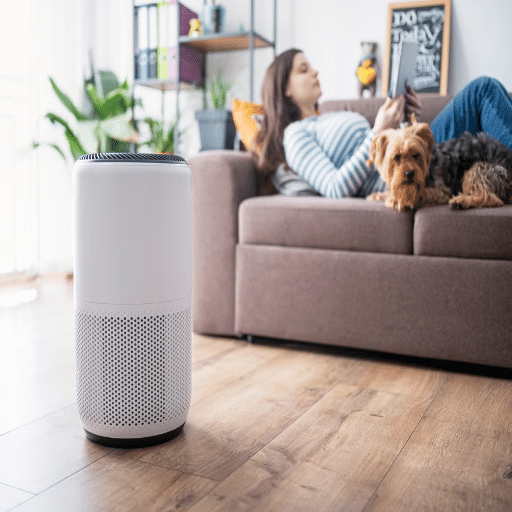
An air purifier was built to decontaminate air, improving indoor air quality. Purifiers are fitted with filters and/or other mechanisms to obtain particles in the air, for instance, dust, pollen, cigarette smoke, animal dander, bacteria, viruses, and VOCs. Air purifiers are commonly used in dwellings, offices, and other indoor spaces to reduce the amount of allergens and airborne irritants, thus ensuring a healthier and much more comfortable indoor living environment.
How Air Purifiers Work
Air purifiers usually work through different kinds of filtration and air-cleaning technologies to remove airborne contaminants effectively. Nowadays, nearly all air purifiers are furnished with a High-Efficiency Particulate Air (HEPA) filter that can trap particles with an efficiency rate up to 99.97% as small as 0.3 microns. Usually, the pores of this kind of filter are good enough to trap big particles like dust and hair, and then they can deal with other particles that normally fall in the PM10 category, having particulate matter of about 10 micrometers or smaller. At times, an activated carbon filter is used in the air purifier to deal with odors, smokes, and VOCs, or ultraviolet (UV-C) light can be exposed to destroy bacteria and viruses. Another variant could be an air purifier that emits ions to neutralize airborne bacteria and viruses. In return, they will help. to keep indoor conditions a lot healthier as it continues to clean indoor air through its cycles.
Types of Air Purifiers
The different types of air purifiers are split into categories that specifically thwart certain air quality problems:
These HEPA air purifiers bring into use HEPA filters, which absorb 99.97% of particles as tiny as 0.3 microns. They are very efficient in combating dust, pollen, mold spores, pet dander, and other fine particulates, making them the best choice for people who suffer from an allergy or asthma.
These air purifiers are equipped with an activated carbon filter, which helps in absorbing gaseous pollutants, including volatile organic compounds (VOCs), odors, and smoke. Therefore, these air cleaners find their specific use when it comes to dealing with chemical fumes or stubborn odors.
These use ultraviolet (UV-C) radiation to destroy airborne microorganisms (bacteria, viruses, mold spores) by disrupting their DNA. They are mainly good for the control of microbial contaminants and work with other filtration techniques.
Ionic filters generate ions with a negative charge that get attached to airborne pollutants, making them heavier and falling to the ground. Ionic filters are really good for reducing particulate pollutants, though most make ozone as a byproduct.
Intended primarily for odor removal and in some cases for killing some microorganisms, ozone generators are devices that produce ozone for the reaction with pollutants. Ozone generators are surrounded by controversy because of ozone’s health risk; some generators should not be sold for use in residential locations.
These devices combine several technologies such as HEPA filters, carbon filtration, and UV-C lighting to address a broader range of indoor air quality problems. Hybrid purifiers can adapt to many environments and provide a higher degree of purification.
Note: Each type of air purifier has a specific use, so the choice of the correct model depends on the user’s particular needs, the specific pollutants to be removed, and the size of the space requiring coverage.
Benefits of Using an Air Purifier
Apart from that, another important benefit would be the ability to neutralize bacteria, viruses, or any other airborne contaminants. Air purifiers with utilize UV-C light or ionization cancel out the existence of microorganisms in the air, thus diminishing the chances of illness and enhancing general health.
Air purifiers, in general, offer improved sleeping patterns, minimized asthma triggers, and a massive boost in overall indoor air quality. They are most critically needed in environments with high pollution, high allergens, and air toxins of any other kind.
What is a Humidifier?
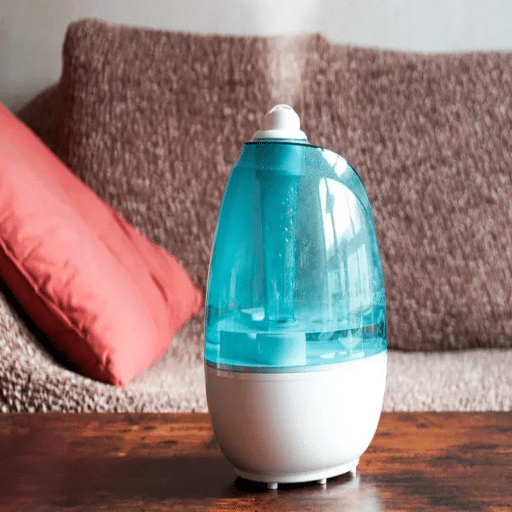
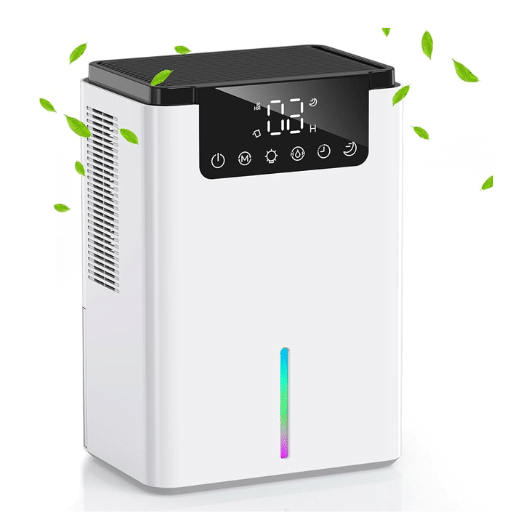
A humidifier essentially moistens the air’s indoor air environment. This mechanism backs the release of water vapor or steam to increase humidity. Humidifiers are beneficial, particularly in homes when indoor air becomes really dry (causing discomfort from dry skin to inflamed sinuses to even respiratory issues). They are of even considerable benefit during colder months because indoor heating systems can actually dehydrate the air too much. In this regard, humidifiers improve comfort and air quality.
How Humidifiers Work
Humidifiers are simply devices that add moisture to indoor air through various means because they somehow manage to keep the indoor air humidity under desired conditions (usually 30-50%). Most common types include ultrasonic, evaporative, steam-based, and cool-mist or impeller humidifiers. Ultrasonic models use high-frequency vibrations to produce a fine mist, evaporative humidifiers fan air through a wet wick or filter to release water vapor. Steam humidifiers boil water and emit hot steam, which is subsequently cooled before being directed into the surrounding air. Impeller humidifiers contain spinning disks that break water into fine droplets. Regardless of the type, humidifiers will mitigate dry air conditions by imparting humidity to the air, enhancing respiratory health, and keeping safe household items vulnerable to the problems posed by dry air, like wood furniture or musical instruments.
Types of Humidifiers
Ultrasonic humidifiers deploy high-frequency vibrations to precipitate fine mist beads of water into the air, resulting in moisture augmentation in space. Highly energy-efficient, quiet running, fit for spaces of both reasonable and high cubic volume, they have been constructed with variable intensities of humidity to adjust for operating needs. They are prone to being cleaned at all times to prevent bacterial build-up.
An evaporative humidifier is operated with a fan that draws air through a saturated wick or filter, capturing water vapor through evaporation from the filter, and discharging the air laden with humidity back into circulation. These humidifiers self-regulate, as evaporation rises or wanes, contingent upon preexisting levels of humidity in the air. Filters or wicks do need renewing occasionally to warrant efficiency.
Steam humidifiers can also be affectionately termed “warm mist” humidifiers: They produce steam by having water heated, and then cool the steam down a bit before discharge. They can eradicate germs incredibly effectively owing to the heat and are commonly recommended for health purposes, like clearing cold symptoms. However, since they consume much energy, and can even burn the user when mistreated.
Different from those above-mentioned, the impeller humidifier uses rapidly moving discs to break water into tiny droplets, which are jetted into the air as cooled mist. These appliances are more energy-efficient and quieter than steam models, but they also require more frequent cleaning so that bacterial growth does not occur.
Important: Each kind of humidifier has specific pros and cons, pertaining largely to the kind of area they are best suited for and what you need them for. The most likely items for consideration are room size, energy consumption, noise level, and the cost and frequency of maintenance. Correct use and maintenance are needed to ensure performance and durability.
Benefits of Using a Humidifier
Humidification is one way of balancing the health, comfort, and environment, especially in dry climates or in cold weather when indoor air heating reversely diminishes air moisture. An ideal, constant level between 30-50% humidity can help relieve dry skin, nasal irritation, and throat discomfort, thus ameliorating respiration and reducing susceptibility to moderate to severe respiratory conditions such as colds, flu, and sinusitis. For those suffering from asthma or allergies, humidifiers can be of use in guarding the hydrated airways to relieve breathing. Properly working a humidifier also has the benefit of saving precious woods and floors from cracking unnecessarily because the wood is allowed to dry in the absence of humidity. Also, musical instruments really do not need the warp, and their top-notch tone is preserved. A lack of humidity can cause a lot of snoring and thereby make people have a very miserable sleep. It is important to clean and maintain humidifiers regularly so that bacterial, mould, or mineral buildups do not contaminate the air. A humidifier is an excellent addition to residential and commercial spaces for maintaining comfort and overall health.
Difference Between an Air Purifier and a Humidifier
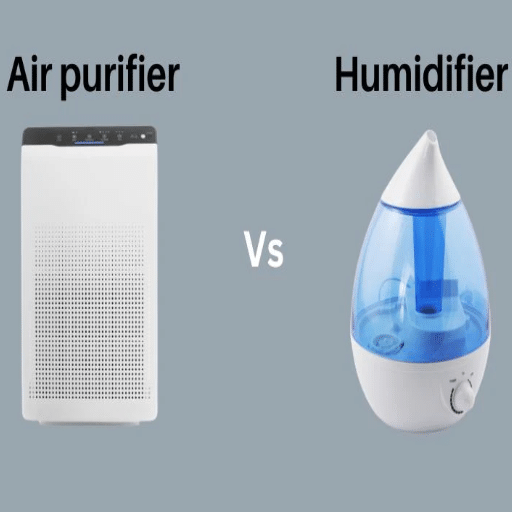
An air purifier and a humidifier work differently in improving indoor air quality. The air purifier removes different impurities such as dust, pet dander, pollens, mold spores, and even bacteria from the air to clean the air for healthier breathing, mainly for allergic and asthmatic people.
In contrast to that, a humidifier is an instrument that works to make the air moist. It deals with the matters caused by dry air, such as dry skin, irritated sinuses, and static electricity. It does not have the role of filtering or purifying the air, just like an air purifier.
Although each serves comfort purposes in different ways, none of them is a clone of the other, and they often complement each other to devise a cleaner and more neutral indoor environment.
Air Purifier vs Humidifier: Key Differences
A primary difference between an air purifier and a humidifier is seen in their purposes and functionalities. The air purifier is designed to filter out floating contaminants such as dust, pollen, smoke, and pet hair using a kind of filtration technology like HEPA filters and/or activated carbon in the best possible way. It is hence operative at improving the air quality, mainly for allergy, asthma, or individuals who are sensitive to airborne particles.
A humidifier is used for the setting and enhancement of humidity levels where temperatures are extremely low and where indoor air has a tendency to become excessively dry. By basically spreading water vapor in the surrounding air or mist condition, the humidifier alleviates low-humidity air-associated health problems like dry, irritated skin; dry, crusty nasal passages; and, in some cases, even chest congestion. It does render benefits, particularly during cold weather or in arid climates where indoor air becomes excessively dry.
The two gadgets are distinct, yet at the same time, they could be utilized to support each other effectively. The air purifier is supposed to sift out all hazards present in the air, while humidifiers serve moisture to keep the air at an optimal level of balance, essentially bidding adieu to a better and more comfortable living space in your household.
When to Use an Air Purifier vs a Humidifier
An air purifier is most efficient in handling concerns about airborne pollutants such as allergens, dust, smoke, pet dander, or mold spores. Allergies, asthma, and air-quality sensitivity in certain individuals mean that by actively filtering and extracting all microscopic particles that can cause respiratory problems, an air purifier will prove to be a blessing.
On the other hand, a humidifier is essential when primarily dealing with dry air, often in the colder months or in low-humidity environments. It stands to benefit quite much, above all, in temporarily soothing dry skin, irritated sinuses, nosebleeds, and static electricity owing to deficient moisture in indoor spaces.
Since the task of an air purifier is not to make the air humid, one might well ask, “What does condensation control have to do with the application of an air purifier?” It does spoil the look of the purifiers when sprayed by a wet air stream, as condensation is linked to high relative humidity levels. Now, you must be determined to have spaces of operation that provide you with some more complicated scenarios, just like your condensation conditions, to match an air purifier.
Can You Use Both an Air Purifier and a Humidifier Together?
Yes, air purifiers and humidifiers can be used simultaneously! The usage of air purifiers is great for eliminating allergens (i.e., mites, dust), gases, particles, smokes, and any other pollutants from the air, while adding moisture to the air by a humidifier takes away dryness. Moreover, for the best results, both appliances should be professionally administered. To prevent moisture from blocking the air purifier, make sure you periodically cleanse the filter and keep the room’s relative humidity at about 30-60%. Cleaning both devices is a must: the possibility of mold and bacteria in the humidifier rises profoundly when paired with the air purifier. In combination, the two devices will provide a cleaner and beneficially moisturized environment for the well-being of your health. For positioning and operation tip guidance, please refer to the use instructions for both devices.
Choosing the Right Solution for Indoor Air Quality
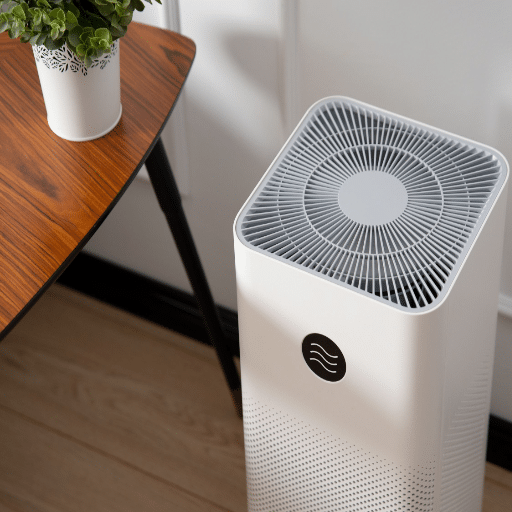
To improve the quality of the air inside your house, the choice between installing an air purifier and a humidifier must depend on your specific needs. An air purifier is best for the removal of pollutants like dust, pollen, and smoke-in essence, targeting those suffering from allergies or respiratory tract infections. If the atmosphere in your living space is dry, the humidifier will be of great benefit, by giving moisture to control skin irritation, respiratory troubles, and other problems caused by low ambient humidity. This aspiration should consider the maximum size of the room to be maintained, the carrying capacity, and compliance with established safety and performance standards. Always remember to look into the certification of your product and take notice of proper user recommendations so as to make the device utilization easy and simple for maximum output.
Assessing Your Air Quality Needs
To figure out the best means of improving air quality, it is important to address a number of points. First, the size of the room should be considered in order to pick a purifier or humidifier of an appropriate size. For rooms that are very big, one will need bigger capacity devices to ensure whole coverage. Second, there should be specific requirements for air quality on hand. For instance, individuals with allergies should aim for only those that have HEPA filters capable of catching pollen, dust, and pet dander. Others who reside in polluted regions need some odor and chemical-absorbing units with activated carbon filters. It may simply mean monitoring humidity levels – with 30% to 50% humidity, we allow the prevention of mold growth and facilitate ease in breathing. Look for proper certifications like ENERGY STAR and CADR (Clean Air Delivery Rate) classifications to authenticate effectiveness and economy in consuming energy. Paying rigorous attention to all of these parameters will ensure that the filter is not a general fix but tailor-made to target your own needs for purifying air quality.
Factors to Consider When Choosing
When considering his air quality solution, he looks at factors such as the size of the space, the specific pollutants he would like to address, and the device’s certifications–ENERGY STAR and CADR ratings, for instance. His prime focus is on the filtration system, which is gently but effectively removing particles that create an offensive environment, such as odors and allergens, while allowing enough humidity control to maintain anywhere in-between 30-50%. All these considerations make certain that the device meets his needs fully and that the system works efficiently.
Recommendations for Optimal Indoor Air Quality
Using High-Efficiency Air Cleaners
Of the types of airborne particles filtered, a HEPA filter purifier is particularly efficient in effectively vacuuming particulate matter. Ensure the device is designed for the square footage of your space. In this field, go for the models with APP recommendations, which also designate the functioning of the energy-efficient certification from ENERGY STAR, or clean-air delivery rating from AHAM Verified.
Ensure Proper Ventilation
Enhance airflow in your home by using exhaust fans, opening windows when outdoor air quality is good, or installing mechanical ventilation systems like HRVs or ERVs. These systems ensure a consistent exchange of indoor and outdoor air, preventing pollutants from accumulating indoors.
Maintain Desired Humidity-octane Levels.
Keep indoor humidity levels between 30% and 50% to suppress the growth of mold, mildew, and dust mites. Consider using a dehumidifier in high-humidity environments or a humidifier in areas experiencing excessively dry air.
Perform Normal Cleanliness Routines.
Detoxify your indoor environment by vacuuming as often as possible with a vacuum that sports a HEPA filter, washing fabric surfaces, and decluttering every once in a blue moon to eliminate potential dust-catchers. In addition to these measures, cleaning air vents and replacing HVAC filters every 2-3 months are imperative.
Limit Indoor Pollutant Sources
It is strictly discouraged to smoke indoors and during times that could endanger the health of family members who are already ill. Consider replacing candles and wood stoves with electric alternatives that have real-time emissions monitoring. When using paints and other articles common in households, consider using low-VOC products instead. Position activities that may emit pollutants; printers and chemical cleaners should be placed in well-ventilated areas.
Monitor Air Quality
Knowing what pollutants are present in the house by owning a few IAQ monitors for the house filtration levels, humidity, and temperature keeps you up-to-date on the cleanness of your living space. Smart devices provide data in real-time, so that if there are any corrections to be made, you get instant alerts. Thus, a proactive approach is worth considering to get the best from your home environment.
Reference Sources
Johns Hopkins Medicine
Air Filters, Dehumidifiers, and Humidifiers
Children’s Hospital of Philadelphia (CHOP)
Vaporizer or Humidifier: Which Is Best?
COPD Foundation
Frequently Asked Questions (FAQs)
What’s the difference between air purifiers and humidifiers?
First and foremost, an air purifier’s main purpose is to extract infectious air pollutants like dust, pollens, smoke, and dander through filters such as HEPA or activated carbon. A humidifier, on the other hand, adds moisture to the air to reduce dryness. In terms of operation, air purifiers are filters for the air you breathe, while humidifiers emit mist into the air to increase moisture levels. Deciding on an air purifier versus a humidifier requires one to consider whether they want cleaner air or more humidity in the air.
Which is better for allergy relief: an air purifier or a humidifier?
For people who suffer from allergies, an air purifier will reduce allergens in the air, which in turn usually reduces symptoms as it captures pollens, dust, and pet allergens. A humidifier may provide some relief where dry air is increasing nasal irritation. Sometimes, the use of humidifiers breeds mold or dust mites if the humidity level happens to rise steeply. For some, HEPA air purifiers and controlled humidity can save a lot of misery from dry air and airborne allergens.
What Is the Difference? Do I Get an Air Purifier or a Humidifier for Fresh Air?
For cleaner air, an air purifier is needed to filter out unpolluted air. Humidifiers increase the moisture levels in a room to make the air more comfortable to breathe, but all the while, they do not filter pollutants. The first step to better air quality in a living space is to evaluate the atmosphere and decide whether it has to do more with filtering the air cleaner or adding moisture back.
“Humidifiers and air purifiers working together for improving indoor air quality: Are they complementary?”
They are: air purifiers rid the air of fine particles, while humidifiers bring relief to the discomfort signals from low humidity in dry air. Use a purifier to combat overall air pollution and a cool mist humidifier or other easier-to-clean humidifiers to maintain healthy humidity levels without affecting air purification.
So, how do I decide on which one is better for my house: an air purifier or a humidifier?
An air purifier could be the perfect choice in cleaning the air of various allergens, smoke, and odors; on the other hand, a humidifier may be recommended in cases where the relative humidity inside is very low, and there are signs of dry skin, throat irritation, or dry air discomfort. Specific points to take note of when buying are the cubage calculations of the purifier unit in your room, in-loathing of HEPA filters for particle abatement, and the type of humidifier (Cool versus Warm) which best meets your needs. Sometimes, getting one of each makes the most sense as a solution in addressing both air quality and moisture in the air.
What is the best choice between an air purifier and a humidifier, and when must one be preferred over the other?
A range of solutions exists to satisfy your needs for air purification and a healthy breathing environment. This incoming page will explain how each gadget would improve your home’s indoor air quality efficiently, as any suggestion from the high-end front air purifiers to the reasonably priced back humidifiers would be complete in this aspect. In the meanderings of the policy industry, the satisfaction and comfort standard here will be the right air purifiers and humidifiers, best among the key basics for which air purifiers and humidifiers are needed. Cataloged somewhat patiently would say that the most critical aspect a consumer and a furniture shopping store could find under discussion is quality.