It is important to know the connection between air quality and humidity in order to keep a healthy and comfortable indoor environment. Air purifiers are very well-known for their ability to eliminate pollutants, allergens, and also the harmful microorganisms that float in the air, but still, some people are skeptical and wonder if air purifiers could also take care of humidity. This article is going to take you through the basic functions of air purifiers, their limitations in regulating humidity, and the types of devices that are made for moisture control. At the end, you will know very well where air purifiers stand in the realm of the management of indoor air quality and if they are the proper tool for the task of humidity balancing in your area.
What is an Air Purifier?
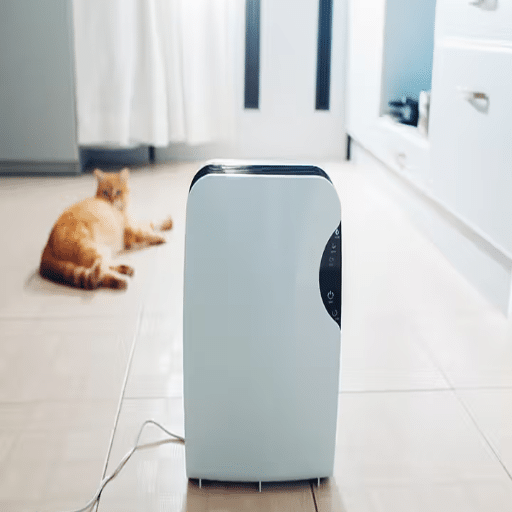
An air purifier is a gadget whose purpose is to enhance indoor air quality through the removal of various types of impurities from the air, including dust, pollen, dander from pets, mold spores, smoke, and some kinds of smells. The device usually operates by sucking in air from the surroundings, filtering it through one or several types of filters like HEPA (High-Efficiency Particulate Air) filters or activated carbon filters, and then pumping the cleaned air back into the room. They are widely employed in households and medical facilities to alleviate the allergenic impact and to breathe more easily, especially for patients with asthma or allergies. Nevertheless, air purifiers are not intended for humidity level regulation purposes.
Definition and Functionality
An air purifier is a device that has been specifically designed to purify the air of indoor spaces. It does so by trapping and eliminating various air pollutants such as dust, pollen, dander, spores, bacteria, viruses, organic chemicals, and even smoke. Apart from the air purification process, the air purifier has a filtration system (which may contain HEPA filters for catching microscopic particles that measure 0.3 microns in size at a 99.97% efficiency rate), activated carbon filters for absorbing odors and chemical pollutants, and advanced technologies that include UV-C light or ionizers for killing microorganisms. The air purifier processes the air by first sucking it in through the filters, where all the contaminants get captured, and then the purified air is released back into the room. These appliances are great at minimizing allergens, thus making the respiratory system feel more comfortable; however, they still are not preventive measures against humidity or eliminating all pollutants from the area. Their efficiency would also differ from one room to another, depending on a combination of factors such as filter type, room size, and maintenance schedule.
Types of Air Purifiers
The classification of air purifiers is done according to the methods they employ for pollutant removal from the air:
HEPA (High-Efficiency Particulate Air) Filters
Along with the regular dust particles and their respective sizes, HEPA filters are to be regarded as capable of capturing and holding at least 99.97% of such very tiny and smaller airborne particles like pollen, mold spores, and some types of bacteria that are less than or equal to 0.3 microns. The main requirement is that the filters need to be replaced after a particular period of time to keep the purifiers running effectively. HEPA air purifiers give the utmost benefit in terms of providing safe and clean air to those who suffer from allergies and asthma.
Activated Carbon Filters
The filter systems do eat up, or rather, absorb the chemical and gas pollutants, nuisance odors, and volatile organic compounds (VOCs) by making use of a material that is porous and made of carbon. Primarily, the activated carbon filter is a complementary filter along with the HEPA filter, providing almost a total air purifying effect. Though they have little effectiveness against dust and allergens, which are types of particulates and hence, not their primary function, they are still considered to provide a good air purification system.
UV-C Light Purifiers
The UV-C air purifiers make use of ultraviolet light to eliminate the airborne pathogens like viruses, bacteria, and mold. Although such technology works as an excellent complementary solution, it may not completely filter out the very fine particles like dust and chemical pollutants, and hence, it needs to be operated with utmost care as there are exposure risks involved.
Ionizers and Electrostatic Precipitation Purifiers
Ionizers are devices that work on the principle of releasing negatively charged ions inside the room, which then attach themselves to the dust particles and thus make them either settle down or stick to the plates for collection. Fine smoke and particles get reduced to a great extent through this method, but the ion generation does lead to the production of very low levels of ozone, which can hurt the lungs.
Ozone Generators
Ozone generators produce ozone intentionally for its property of killing germs and masking odors. Still, their use is widely debated because of the negative health implications linked to ozone inhalation, which can worsen breathing difficulties.
Hybrid Purifiers
Hybrid purifiers merge several technologies, like HEPA and activated carbon filters or HEPA and UV-C light, providing broader areas of contamination control. These devices have been designed to offer more flexibility; however, they tend to be more costly, and their maintenance could be more frequent, as well.
Important Note: The choice of a purifier is greatly dependent on the types of pollutants in a given area, the size of the room, and the health condition of the individuals living in that area. In addition, regular maintenance and following the rules given by the manufacturer are very important to allow the efficient functioning and long life of the appliance.
How Air Purifiers Improve Indoor Air Quality
Air purifiers enhance the quality of indoor air by getting rid of the contaminants that are carried in the air, such as particulate matter (PM2.5 and PM10), allergens, volatile organic compounds (VOCs), and pathogens, including bacteria and viruses. To achieve this, these machines use different filtration technologies such as HEPA (High-Efficiency Particulate Air) filters, capable of capturing as much as 99.97% of particles down to a size of 0.3 microns, and activated carbon filters, which are used to get rid of odors and gaseous pollutants. Some of the highly efficient models might also use UV-C light to kill germs and to stop the growth of mold. Air purifiers, by their action of continuously circulating and purifying the air, help in respiratory health problems, allergy symptoms, and they also make the indoor environment cleaner and more pleasant. Nevertheless, to be sure that the air purifiers are working at their best, it is necessary to select a unit that matches the size of the room, take care of the specific pollutant problems, and follow the maintenance advice, such as timely filter change.
Humidity and Its Impact on Indoor Air
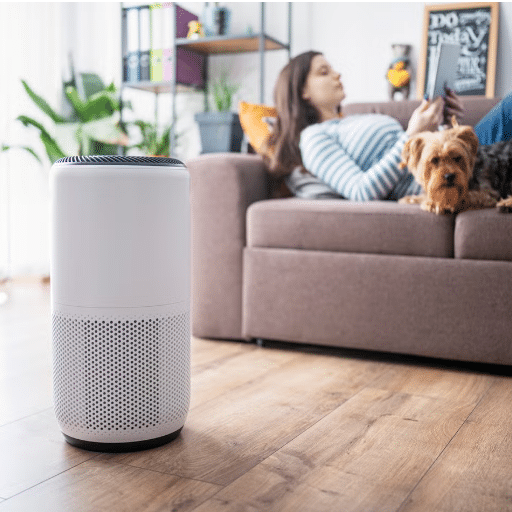
Humidity is a deciding factor for indoor air quality since it affects comfort and health directly. The recommended indoor humidity levels are in the range of 30%-50%. Below the minimum range, one gets dry skin, breathing problems, and static electricity. On the other hand, high humidity creates an environment for mold, mildew, and dust mites, which can make allergic and respiratory cases more serious. Properly ventilating the area, using dehumidifiers or humidifiers when necessary, and quickly taking care of any sources of excess moisture, such as leaks or condensation, are ways one can keep humidity at a comfortable level. One can use a hygrometer for regular checking to make sure the humidity is at the right level.
Understanding Humidity Levels
The maintenance of perfect humidity levels, generally between 30% and 50%, is very important for both health and the preservation of the building. On the other hand, low humidity causes dry skin troubles, irritates the respiratory tract, and increases the chances of getting sick. Meanwhile, high humidity provides a good environment for the growth of various harmful microorganisms like molds and dust mites. In order to maintain proper humidity control, it is very important to use hygrometers to measure humidity levels. For low-humidity conditions, the use of humidifiers or indoor plants can be very effective in providing moisture. On the other hand, high humidity can be controlled by enhancing ventilation, employing dehumidifiers, fixing leaks, or cutting off sources of excess moisture. A proactive approach that involves frequent checking and adjusting will make sure that the conditions are right for health, comfort, and property to be preserved.
Effects of High Humidity
High humidity can lead to a plethora of negative effects on both health and property. To start with the health aspect, too much moisture in the air will create an environment where mold, mildew, and dust mites can thrive, thus exacerbating allergies and making respiratory illnesses like asthma worse. Moreover, high humidity can be a source of discomfort as it diminishes the effectiveness of the body’s natural cooling system, ultimately leading to overheating and dehydration.
On the other hand, high humidity that lasts for a long time can do a lot of damage to a property. For instance, it can make the building materials weak; wood will be warped, metal will be oxidized, and the paint or wallpaper will cause it to come off. It will also mean that windows and walls will be sweating more, which will not only lead to more damage but also further mold growth. Managing indoor humidity levels properly is of utmost importance in reducing these hazards and preserving a living space that is both healthy and durable.
Effects of Low Humidity
Low humidity, on the other hand, can have a very negative impact on the health and the infrastructure. In terms of the human body, extremely low humidity can produce skin irritation, and even the eyes and throat can become irritated, and the respiratory illnesses of the people can be worsened because the moisture in the air is being heated, which reduces the body’s ability to trap and get rid of pathogens. Moreover, if the exposure to this situation is prolonged, it may also increase the likelihood of the viruses spreading through the air because the dry air is less resistant to them. Structures that are built with natural materials, such as wood, are likely to suffer the most from office conditions with very low humidity; the first result would be cracks in furniture, flooring, or paneling. Also, dry air can be responsible for the creation of excess static electricity, which is a hazard to electronic equipment. Therefore, to alleviate such problems, it is necessary to keep indoor humidity living conditions in the range of 30% to 50% for purposes of comfort and preservation at the same time.
Do Air Purifiers Affect Humidity Levels?
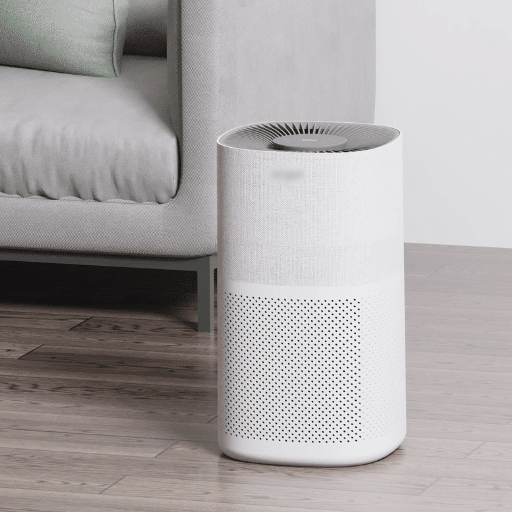
Key Point: Humidity levels do not get affected by air purifiers much. The major role of these devices is to filter out and purify the air by removing particles that are present in the air, such as dust, pollen, and allergens. The average air purifier does not change the moisture in the air, but a few specialized models may come with extra functions like humidifiers or dehumidifiers that can help in humid conditions. If there is an issue with excessive moisture, it would be best to use devices that are solely intended for that purpose.
How Air Purifiers Dry Out the Air
Despite not being able to directly cut down humidity levels, standard air cleaners might still get to the point of letting the user feel that the air is dry. The way air purifiers work is by drawing in air and forcing it through various filters, like HEPA or carbon ones, to take out the particles and pollutants. The operation doesn’t bring about a drop in humidity levels as a result of the process being carried out. On the other hand, in those places where mechanical filtration results in more air movement, people may gradually feel their surroundings getting drier, especially in cases of constant use. It is crucial to keep the perceived effect separate from the actual reduction of humidity because air purifiers are not meant to alter the moisture level in the air. Humidifiers or dehumidifiers should be the ones to take care of big adjustments in air dryness or humidity.
Air Purifiers vs. Humidifiers
Despite the fact that air purifiers and humidifiers are both devices made to enhance the quality of the indoor atmosphere, their operations target different fields. Air purifiers are ironically and only meant to extract just about all kinds of impurities from the air, such as pollen, pet dander, dust, smoke, and even the germs that are floating in the air. Moreover, they manage to do so by virtue of different types of filtration like HEPA, activated carbon, or UV-C technology that guarantees the air is clean by both filtering out the particles and killing the bacteria or viruses.
Conversely, humidifiers’ purposes are to control the level of humidity indoors by introducing water vapor into the atmosphere. This is especially useful in areas with dry climates or when it is winter season, when the air inside the house becomes very dry, and the inhabitants suffer from dry skin, stuffy noses, and coughs. Keeping the humidity in a suitable range (generally and mostly 30-50%) will also protect and prolong the life of wooden furniture and reduce static electricity.
However, it should be mentioned that these gadgets do not serve the same purpose. The air cleaner will not increase the humidity, and neither will the vaporizer purify the air by removing allergens or pollutants. If good air quality with balanced humidity is your preference, then using both machines may be necessary for thorough air quality management.
| Feature | Air Purifiers | Humidifiers |
|---|---|---|
| Primary Function | Remove pollutants, allergens, and particles from air | Add moisture to the air |
| Technology Used | HEPA filters, activated carbon, UV-C light, ionizers | Water vapor distribution systems |
| Effect on Humidity | No direct effect on humidity levels | Increases humidity levels |
| Best Used For | Allergies, asthma, removing smoke and odors | Dry skin, respiratory comfort, dry climates |
| Ideal Conditions | High pollution, allergen-heavy environments | Low humidity environments (below 30%) |
Can Air Purifiers Help with Humidity Control?
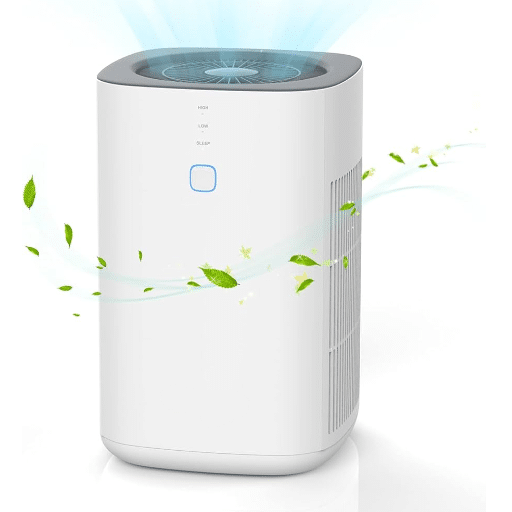
Air purifiers will not change the humidity in your environment, nor are they called such. The main reason why they are used is to clean the air in indoor premises that were polluted by dust and other particles, plus smoke and some chemicals, with the help of HEPA or activated carbon filter systems. Even though some high-tech air purifiers might have a feature that combines humidifying and dehumidifying, regular air purifiers do not have any effect on air moisture. If you plan to keep moisture levels in the air just right, you must resort to either a humidifier or a dehumidifier, depending on your water-adding or water-removing need.
When to Use an Air Purifier
Indoor air quality is probably the most important factor in deciding whether to use an air purifier or not. Allergens, cigarette smoke, dust, pet hair, and bad smells are some of the factors that spoil indoor air quality. The most common users of air purifiers are people suffering from allergies, asthma, or other respiratory disorders. Place air purifiers in poorly ventilated rooms, during wildfire seasons, or when pollution outdoors is at its worst. Besides, they help in reducing the number of particles in the air of homes with pets or urban areas that suffer from heavy traffic pollution.
Best Conditions for Air Purifier Use
To enhance the quality of the air inside a building, air purifiers have to be used under certain conditions that are best for their performance. They are most effective when used in a room that is completely sealed off, with the doors and windows closed so that no outside air pollutants can get in. Also, depending on the situation, an air purifier should be utilized in areas where there are high concentrations of airborne allergens, such as the wildfire season when smoke particles are mostly in the air, or in places like industrial or urban areas where heavy traffic causes an increase in pollution. Humidity is another factor that influences the situation; indoors, humidity should be kept in the range of 30-50%, since too much moisture may not only lead to the reduction of efficiency of the filtration but also the development of mold. The perfect place for the air purifier is in the middle of the room, where there will be airflow around the device, and its coverage and efficiency will be maximized. Besides, it is very important that the manufacturer’s recommendation for filter replacement should be strictly followed in order to keep the performance at its best.
Indicators That Your Home Feels Dry
Several kinks can show that your home has too dry an air quality. The main symptoms are dry or irritated skin, chapped lips, and a constant feeling of dryness in the throat and nasal passages. You may also experience more static electricity, see cracks in the wooden furniture or flooring, and have peeling paint and wallpaper as moisture gets sucked out of the materials. Indoor plants may show wilting or have brown leaf edges, which means there is not enough humid air around them. Moreover, respiratory discomfort such as coughing or difficulty breathing may occur, particularly in those who have pre-existing ailments like asthma. Keeping an eye on these signs can be a great help in recognizing and dealing with low humidity issues quickly.
Combining Air Purifiers with Other Devices
Air purifiers are powerful allies in the fight against poor indoor air quality, but their benefits can be even more pronounced when coupled with other machines. The case in point is perking up an air purifier with a dehumidifier, which will successfully combat both the presence of dust and excess moisture, thus being very useful in the area of mold growth prevention and allergen reduction, for example, in the case of dust mites. Moreover, the use of a humidifier in tandem with an air purifier not only keeps the humidity levels at an optimal range but also ensures that the airborne contaminants are removed, thus contributing to comfort and good respiratory health during the dry months. Modern HVAC systems that are fitted with high-efficiency filters can also operate in conjunction with air purifiers to provide a thorough air quality management system. To reap the best rewards, check whether the devices are compatible, and then use them as per the manufacturer’s instructions tailored to your particular indoor environment’s needs.
Finding the Right Balance in Indoor Humidity
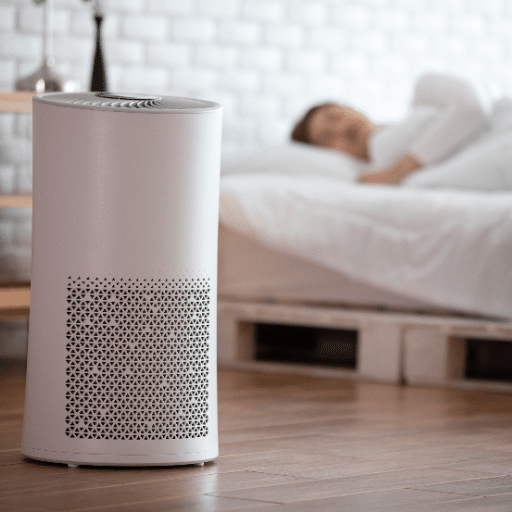
The perfect humidity level in-house is an important factor for both comfort and health. The typical range that is suggested is 30% to 50%, as below that may cause dryness and discomfort, while the upper side may promote the growth of molds and house dust mites. A hygrometer is a good tool to measure humidity accurately, and a humidifier or dehumidifier can then be used to make adjustments. Make sure to ventilate properly to avoid moisture accumulation, especially in kitchens and bathrooms, which are the major sources of indoor humidity. If you keep monitoring and making adjustments when necessary, you will always have a balanced indoor environment that is healthy to live in.
Optimal Humidity Levels for Comfort
The ideal indoor humidity level is between 30% and 50%, as this area provides the necessary comfort for human beings, their health, and the preservation of indoor materials. The humidity level dropping below 30% can result in several unpleasant experiences, such as dry skin, throat irritation, and the presence of static electricity becoming more pronounced. On the other hand, high humidity levels (more than 50%) can create a conducive environment for the growth of mold, bacteria, and dust mites, and so people with respiratory ailments such as asthma or allergies might suffer more.
To manage humidity in the right way, it is advisable to use a digital hygrometer to get exact measurements. A humidifier can be used in the winter to add moisture to the air, while a dehumidifier is necessary in tropical climates or during hot months to get rid of extra moisture in the air. Furthermore, make sure there is good ventilation around the house, especially in areas where moisture is being generated, like bathrooms and kitchens, so that there is no accumulation of humidity in those areas. Regular checking and adjustments are required for the maintenance of the right humidity level, which is not only comfortable but also healthy and beneficial for the house and its integrity in the long run.
| Humidity Level | Effects | Recommended Action |
|---|---|---|
| Below 30% | Dry skin, throat irritation, static electricity, and cracked wood | Use a humidifier, add indoor plants |
| 30% – 50% (Optimal) | Comfortable, healthy environment, preserved materials | Maintain current conditions, monitor regularly |
| Above 50% | Mold growth, dust mites, bacterial growth, and respiratory issues | Use a dehumidifier, improve ventilation, and fix leaks |
Final Thoughts on Air Purifiers and Humidity
Air purifiers and optimal humidity control have been my best indoor air quality management practices. Air purifiers are found to be very efficient in reducing allergens and pollutants much less, and thus improving air quality within my place to a significant extent. Controlling humidity perfectly—by using a humidifier or dehumidifier—at the same time makes living conditions healthier and more pleasant. Through regular monitoring, I’ve mixed these techniques and made a balanced indoor climate that is favorable for both my health and the upkeep of my house.
Recommendations for Maintaining Indoor Air Quality
Regular Ventilation
The commencement of opening the windows or placing the exhaust fan would provide a way for the indoor pollutants to be expelled and fresh air to come in. If the air quality of the outdoors is unacceptable, then maybe it is a good idea to put the air purifiers that have HEPA filters, which limit the incoming of contaminants into the house.
Control Humidity Levels
To fight against the development of mold and dust mites, it is best to keep the indoor humidity within the range of 30% to 50%. Dehumidifiers can be used in areas with excess moisture, while humidifiers can be used in the dry seasons, but their usage should not be excessive since that could lead to the growth of microbes as well.
Eliminate Indoor Pollutant Sources
Indoor air pollution can be reduced at the source by not smoking indoors, using fewer products that contain VOCs (volatile organic compounds) like some cleaners, and choosing low-emission building materials and furnishings.
Regular Cleaning and Maintenance
Dust, pet dander, and allergens can be removed from the floor by frequently cleaning it with a vacuum cleaner that has a HEPA filter. Also, bedding and curtains should be washed regularly, and the maintenance and replacement of HVAC systems, air purifiers, and filters should be done according to the manufacturer’s recommendations.
Introduce Indoor Plants Carefully
Certain kinds of indoor plants can enhance indoor air quality by lowering the CO2 content, but at the same time, they can be a source of mold or allergens. Select easy-care plants and keep a lookout for any negative effects.
If you keep these tactics in place, then a healthier and more pleasant indoor atmosphere is guaranteed.
Reference Sources
Air Filters, Dehumidifiers, and Humidifiers – A resource from the University of Rochester Medical Center discussing the role of dehumidifiers and air purifiers in controlling indoor air quality and moisture.
Maintaining Good Air Quality: Environmental Health & Safety – A guide from the University of Massachusetts on improving indoor air quality, including the use of air purifiers.
Indoor Air Quality – NYC Health – A resource from the NYC Health Department on improving indoor air quality with air purifiers and other methods.
Frequently Asked Questions (FAQs)
Q1: Can an air purifier lower the humidity in a room?
No, the usual air purifiers do not have the ability to lower humidity levels in the room. Their basic purpose is to get rid of the airborne particles like dust, pollen, smoke, and other pollutants through their filters. To reduce the humidity levels in a room, one will have to use a dehumidifier, which simply works to remove the moisture from the air.
Q2: Do air purifiers provide a helping hand to high humidity indirectly?
The air purifiers cannot be said to directly dehumidify the area, but one can say they are a sort of help in the release of high humidity caused by certain things like the growth of allergens, especially mold spores and dust mites. Air purifiers can actually improve the air quality in such a humid environment by removing these allergens, even though the moisture content remains the same.
Q3: Are any such combined devices available for both air purification and humidity control?
The market does have some hybrid devices that have both air purifier and dehumidifier functionalities incorporated in them. Such hybrid devices are best suited for places where the air is not only polluted, but also the moisture level is high, as they handle two air problems at once.
Q4: Is it mandatory to use both an air purifier and a dehumidifier?
There can be a case in which using both will have a positive effect. For instance, in regions where mold gets a chance to develop due to the moisture in the air, a dehumidifier can work to lower the moisture content, whereas an air purifier can take away the spores and allergens present in the air, thus contributing to the overall health of the indoor air.
Q5: What is the way to monitor humidity levels to know which solution is right?
A hygrometer is the device used to measure the humidity level in the room. The most suitable indoor humidity is between 30% and 50%. In case the humidity level is always higher than this, it is time to use the dehumidifier. In case air pollution and allergens are also a concern, pairing it with an air purifier or a hybrid device can quickly give you the desired result.