Understanding Air Purifiers

Air purifiers are “air-filtering” devices intended to enhance the quality of indoor air by removing contaminants: dust, pollen, smoke, pet dander, mold spores, and harmful airborne particles. They need different types of filtration, with HEPA (High-Efficiency Particulate Air) filters being used for catching minute particles around 0.3 microns in size. Other models also have activated carbon filters for dealing with odors and VOCs (volatile organic compounds). Air purifiers help to relieve allergic symptoms, improve lung function, and assist in creating a cleaner atmosphere by reducing airborne pollutants. The floor space and Clean Air Delivery Rate (CADR) of the air purifier are what primarily determine its efficiency.
How Air Purifiers Work
An air purifier functions as distillation technology in reverse. It pulls in air through a set of filters that trap unwanted particles and throw them outside the machine. Starting with a pre-filter designed to pick up hair and large particles of dust, the air passes through an enriched filter called High-Efficiency Particulate Air. The output of the filter is how clean your air will be, as the massive cleanliness of HEPA filters is that they can pick up at least 99.97% of small contaminants, such as pollen, mold spores, and bacteria, as fine as 0.3 microns. To cover the issue of establishing-typical odors, smoke content, and Volatile Organic Compounds (VOC), so much of it is imperative that activated carbon filters work by adsorbing these compounds. Some models come with additional equipment such as UV lights or ionizers to neutralize pathogens and improve purification. Proper maintenance is essential to achieving excellent performance within purifiers, aside from having a performance related to room size in establishing maximum CADR.
Benefits of Using an Air Purifier
Air purifiers can reduce allergens, dust, dander, pet dander, and mold spores. With their help, often the respiratory system can be better off, which is highly required by an asthmatic or allergic person. In essence, the positive outcome does matter because it mitigates hazards that might cause health suffering or inflict a manifested state. The purifiers are beneficial in destroying viruses, bacteria, & toxins, creating a healthier home environment; they likewise try to obliterate VOCs and odors emanating from daily activities, e.g., cooking or smoking, resulting in a fresh atmosphere. In addition to reducing PM2.5 as well as effectively increasing the air quality, the air purifier has other benefits: Yes, it ensures better ventilation.
Air Quality Improvement with Air Purifiers
Advanced technologies facilitate an environment with unadulterated air protected by air purifiers, which filter out pollutants like dust, allergens, and the most harmful microparticles via the efficacy of medicine box-form HEPA filters. These machines distill the inherent risk of airborne contaminants such as pollen, pet dander, or mold spores to protect against allergies and asthma. Air purifiers can also cleanse the smell of VOCs, such as paint and cleaning products, and the smell of cooking and cigarette smoke — they enforce a cleaner and safer environment for all.
Modern air purifiers are stocked with multi-stage filtration, capable of dealing with ultrafine particles having sizes of 0.3 microns or even less, including bacteria and some viruses. Some of them include activated carbon filters to remove harmful gases and obnoxious odors, while others eliminate disruptive microorganisms with UV-C lights or ionization. By enhancing a thorough circulation of air and maintaining it more pure, an air purifier brings lifelong health benefits, which are reduced to respiratory ailments and decreased environmental toxin exposure. These devices are a must-have for maintaining an excellent indoor environment, especially if one is certified with CARB compliance.
Understanding Humidifiers

Humidifiers are mechanisms meant to improve and maintain the amount of moisture in an environment because that is especially useful in areas where flooding is rarely probable. Those machines have come to yield their function by evaporating water, hence reducing the severity of dry skin, irritated sinuses, or respiratory disturbances. Nonetheless, generally some of the types of humidifiers are upper-air models, steam vaporizers, and evaporative models for driving cross weights. But superior to any variant, maintenance of the device is critical: failing to control it may subsequently choke the environment with molds and bacteria, ending air quality. It is, therefore, equally vital to keep an eye on the levels of humidity in the living spaces, ensuring the target interval will be as low as 30-50 percent, so complications such as moisture incubation and mold growth may not arise.
How Humidifiers Work
As the sensitive need for moisture dictates, humidifiers release stabilizing water levels in the air. Whether for the comfort’s sake, or against dry conditions, humidification works differently based on the device type. Ultrasonic humifiers, for instance, use high-frequency vibrations to create the water mist put into the air. On the other hand, evaporative humidifiers utilize a fan to pull air over a wet wick or filter, allowing water to evaporate while adding a scent of moisture to it. Vaporizers, as another kind of humidifier, warm the water and cause the formation of steam that cools slightly before being released. All these methods are effective for distributing moisture within a space, but regular maintenance is required: cleaning and proper maintenance are necessary to ward off poor indoor air quality due to mineral deposits and bacterial growth.
Benefits of Using a Humidifier
In relation to health, dry nasal passages, sore and dry throat, chapped skin, and dry sinuses can all be treated using humidifiers, as they can aid in restoring the symptoms of dry air, which is useful especially in winter when heating is active. At a longer length, these devices are quite useful for preventing airway congestion and improving sleep in patients who snore or have dry sinuses.
On another health note, humidifiers can mitigate the spread of airborne viruses. On top of such observations, indoors with humidity ranging from 40% to 60% has been found to least hardening of pathogen survival; hence, maintaining indoor humidity is conducive to a healthier environment. For all of the above benefits, humidifiers guard against damage to wood furniture and musical instruments that moisture depletion could cause, such as distortion and splitting. Humidifiers drastically improve overall indoor air quality and comfort when correctly controlled and cleaned regularly.
Adding Moisture to the Air
A well-humidified atmosphere can quell multiple health problems as well as environmental complications from low humidity. When air becomes parched, respiratory discomfort strikes, and dry-out skin occurs, rendering a body less resistant to infection as the mucus membrane continually fails in trapping pathogens. Built for the opposite effect, the introduction of humid steam facilitates achieving a complete cure and a more hospitable, healthy indoor environment away from excessive sanitization.
From an environmental point of view, any substantial level of humidity may be beneficial to the preservation of building materials such as wood, paint, and drywall, which cannot adapt to dry conditions without breaking, and may also feel warmer than they are. In colder seasons, this makes for less heating; hence, it is possible for the same humidor to have a reduced carbon footprint through lower energy consumption.
It is necessary to oversee the participants, ensuring they often maintain their humidifiers and keep them clean. In this way, bacteria, fungi, and other dangerous germs are not allowed into the air once they have coated the surfaces of the humidifiers, and they get dislodged again. Wise judgment regarding the type of humidifier, whether an ultrasonic or evaporative, or steam humidifier, is metered by the needs and limits (space) of any particular person and the spaces they entail.
Air Purifier and Humidifier: Key Differences

While air purifiers and humidifiers do not directly serve each other’s purposes, they can certainly benefit each other when used comprehensively. The air purifiers take charge of the task of cleaning the air of pollutants, pollen, smoke, bacteria, etc., while adding moisture to the air, which could be calming for a person with dry skin and a myriad of other related health issues. While air purifiers concentrate on clean air properties, humidifiers must add moisture; therefore, they are a supplementary device for air treatment and not necessarily interchangeable products.
Air Purifier vs Humidifier: Functionality
Each of the air purifiers and humidifiers has different roles in the home. Each user will decide what solution to use owing to the tricky conditions prevailing in the house. Air purifiers work by removing dust particles and allergenic compounds, including pollen and pet dander, and all bacteria. Furthermore, an airflow purifier can eliminate VOCs, which can penetrate the activity of their lungs, particularly below the recognized levels. This state-of-the-art equipment is suitable for boosting air quality and decreasing allergens, thus being a significant benefit to people with respiratory complications or allergies.
On a different scale altogether, humidifiers are designed to ward off significant challenges that come as a result of harsh, dry indoor habitat conditions. They raise the humidity in the atmosphere by releasing moisture or mist, specifically stepping in to help alleviate dry skin, chapped lips, sore throats, and sinus infections. This feature is so much more beneficial in the aftermath of the cold months when the indoor heating penalizes humidity in the air.
Humidifiers manage humidity levels, and air purifiers cleanse the air of germs, pollutants, and pollutants. Maintaining a perfect rhyme in harmony is a necessity; hence, combine the most well-known air purifiers with the best-known humidifiers for much called air quality in your abode.
Air Quality vs Moisture Levels
The interconnected influence of moisture content and air quality marks a strong differentiation within the residential premises. When pondering the air quality, the parameters tend to limit human exposure to pollutants, dust, allergens, smoke, and volatile organic compounds (VOCs) owing to their significance to respiratory health and comfort. Conventionally, air purifiers can be the most commonly known choice for removing such particles and odors by employing filters, e.g., HEPA or activated carbon.
Moisture content, on the other hand, suggests relative humidity(%) in the indoor context. Mean RH term continues to describe conditions. Maintenance of RH at the optimal level, basically between 30–50 per cent, is very important for avoiding dry skin, dry and overly irritated nasal passages, and the development of mold or mildew. Properly designed humidifiers can add moisture to the air and prove beneficial where the air is arid or during the wintertime when the indoor air tends to dry out due to operating heating systems.
Air management and humidity control serve different needs and yet complement each other to create healthier indoor environments. The byproduct of this alliance of heavy-duty machines, like high-efficiency particulate air (HEPA) filters for air purification and humidifying machines, is ensuring clean and fresh air indoors while keeping indoor humidity within a healthy comfort zone.
Choosing Between an Air Purifier and a Humidifier
The choice between an air purifier and a humidifier is primarily determined by your personal health needs and the conditions of the environment. Even its utility depends on a few factors, such as the symptoms of allergies, asthma, and lung problems. Air purifiers work by clearing the air of airborne pollutants like dust, pollen, pet dander, and smoke particles. By removing allergens, these air purifiers give sufferers reasons to celebrate. The level of irritation would also be reduced. Thus, it is cool for the people who are exposed to intolerably high levels of pollution and allergens.
In contrast, humidifiers specialize in increasing humidity in a given area with assistance from the moisture they pump into the air. The spewing of moisture is particularly crucial in providing relief where the air becomes too dry because the ambient humidity is sucked up and carried away by the heating system. The presence of moisture in the air softens dry skin, brings relief to irritated sinuses, and alleviates respiratory discomfort resulting from the low humidity.
If it is air quality that perplexes you, an air purifier would be a better option to eliminate our problem with allergens. A humidification solution is better for problems related to dryness. These two products are not exchangeable but complementary, and in many situations, the combined use of both may result in a better indoor living environment.
Combining Air Purifiers and Humidifiers
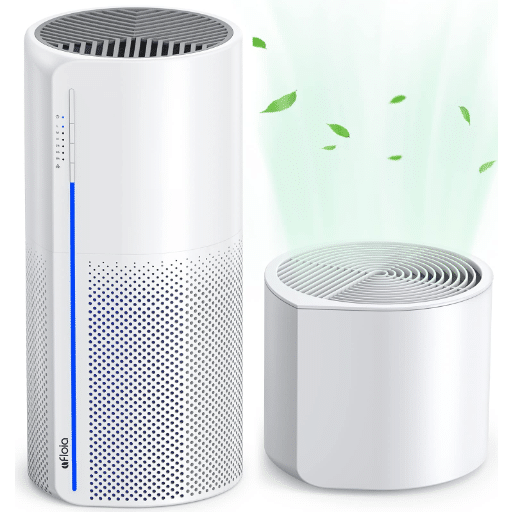
Two of the known efficient ways to tackle indoor air pollution to a certain extent include air purifiers and humidifiers. Air purifiers simply work by pulling out particles, including dust, allergens, and pollutants, while humidifiers add moisture to the air in a bid to avert dryness. With the use of both air purifiers in tandem, one faces both health improvement and freshness induced by good humidity levels, together in a constant indoor environment. One should ensure the devices are installed at some distance from one another in a given zone of a room, to avoid the humidity from knocking out the pollution filtering by the air conditioner. However, both must be duly taken care of if they have to function efficiently and prevent mold and bacteria from attacking the surface.
Allergy Management with Combined Devices
Installing air purifiers together with humidifiers can be a dual plan-of-action to attack allergies, as both pollutants are held responsible for aggravating allergic symptoms. Air purifiers, by trapping airborne allergens such as pollen, dust mites, pet dander, and mold spores through high-efficiency particulate air (HEPA) filters, work toward better air quality. Humidifiers, on the other hand, work to keep humidity indoors at such optimal levels that there is not too much or too little; though temperature does matter a lot, indoor humidity levels are generally encouraged to remain within the 30–50% range to fend off excessive dryness that becomes an irritant to mucous membranes and tends to increase allergic reactions.
It is important to look for models that would coordinate well with one another and are not very humid to prevent mold growth when utilizing these devices. Regular maintenance is most important—it is important to replace filters as recommended by the manufacturer; humidifiers should be cleaned regularly to avoid bacterial or fungal contamination. The blended approach carries on regulated environments that reduce any potential allergen exposure and decrease respiratory disturbance, especially in extremely near spaces and low-quality air pollution.
Air Quality Considerations

Clearly, good ventilation is critical in keeping good indoor air quality. Proper ventilation, by bringing in new air, helps dilute some pollutants and lower the concentration of toxic substances such as carbon dioxide, volatile organic compounds (VOCs), and particulate matter. An important part in the maintenance of the growth of mold…. For good air circulation, one has to resort to simple measures, like opening window(s) regularly or putting exhaust fan(s) in the kitchen or bathroom(s). In some cases, mechanical systems with high-efficiency filters provide already-filtered air to obstruct further outdoor pollution. It is essential to moderate a most sensible and functional ventilation system in achieving clean indoor air environments.
The Importance of Indoor Air Quality
The indoor air quality (IAQ) directly affects short-term and long-term health outcomes as individuals spend nearly 90% of their time indoors. Poor IAQ can result in various health problems, beginning with respiratory responses as well as allergies and leading up to long-term chronic diseases such as cardiovascular diseases and asthma. The major sources of indoor air pollution are volatile organic compounds (VOCs) from household products, particulate matter from combustion activities, and biological pollutants such as molds, dust mites, and pet dander.
To better IAQ, sources of pollution must be distinguished and removed. This includes minimizing the utilization of VOC-emitting products, providing proper moisture control to restrict mold, and utilizing improved air filter technologies. Also, possible options include regular maintenance of HVAC systems and the use of air purifiers, with HEPA filters as needed. Ventilation-unwind using simple air flow or mechanical systems-is also a vital part of diluting and removing contaminants. By aiming to work on these parts, households will be able to greatly reduce risks to their health and, instead, embark on a purposeful, happy life.
How Air Purifiers and Humidifiers Affect Air Quality
Air purifiers and humidifiers have distinct roles to play in transforming the air quality inside a living space. From my personal view, air purifiers center primarily on removing air pollutants such as dust, pollen, and hazardous particles from the air. A HEPA filter placed in them can spice up the performance to the desired level. This filtration system pulls together pollutants, keeping us safe from them in the process. In reverse, humidifiers are designed primarily to brighten up the sky with their vapor output or to help maintain or regulate the humidity of the local environment, cutting down on skin and throat inflammation caused by dry air. Nevertheless, I know the devices must be maintained to the skylines: a humidifier can have mold grow because of days without cleaning, or maybe an air purifier can still fail in its cleaning abilities due to poor service. Working together properly results in good indoor air and remarkable balance.
Combining Air Purifiers and Humidifiers for Optimal Results
Combining air purifiers with humidifiers can bring about the most efficient of the two. One must understand what each one does so that together, these two can work hand in hand. Air purifiers remove pollutants, allergens, and particulate matter found in the air. These activities involve employing one or a mix of HEPA filters, activated carbon, or UV technology to purify the air. Conversely, humidifiers are tasked with maintaining a comfortable and balanced indoor humidity level by adding and maintaining moisture. This is most needed in environments with potentially harmful dry climate conditions, aggravating respiratory maladies and dry skin.
To use both devices properly, ensure that one is positioned in a place different from the other to prevent moisture from obstructing the air purifier’s filters. It is very important to maintain the right humidity levels within 30-50% because high humidity creates an environment for mold to thrive, and if it becomes too high, it or dry out nasal passages if it is too low. Proper cleaning and maintenance of the devices must be practiced to ensure that mildew or molds do not accumulate on them, ruining their beneficial effects. The addition of sensors for monitoring air quality and using the most novel units could further have the cleanest and healthiest air available in the specific room. Together, air purifiers and humidifiers are thus observed to be a more fascinating synergy, developing the well-being of any inhabitant.
| Feature | Air Purifier | Humidifier |
|---|---|---|
| Primary Function | Removes pollutants and allergens from air | Adds moisture to the air |
| Best For | Allergies, asthma, air quality issues | Dry skin, sinus issues, low humidity |
| Key Technology | HEPA filters, activated carbon | Ultrasonic, evaporative, steam |
| Maintenance | Regular filter replacement | Regular cleaning to prevent mold |
| Ideal Humidity Range | N/A | 30-50% |
Reference Sources
-
University of Rochester Medical Center: This source provides insights into air filters, dehumidifiers, and humidifiers, including their efficiency and impact on air quality. Visit the source
-
U.S. Environmental Protection Agency (EPA): The EPA offers a detailed factsheet on the use and care of home humidifiers, discussing their benefits and maintenance. Visit the source
-
ENERGY STAR (U.S. Department of Energy): This site explains the role of air cleaners in improving indoor air quality and their efficiency in removing fine particles. Visit the source
Frequently Asked Questions (FAQs)
Air Matters. What does it matter?
Many individuals wonder what an air purifier and humidifier bags. While an air purifier is more appropriate for filtering pollutants from the air, it removes allergens, dust, pet dander, smoke, and other elements from the air with either a purifier or HEPA filters. A humidifier, however, is important in adding humidity to dry air, steaming the moist air as a result, and relieving dry skin, sore throats, and irritated sinuses. Primary functions are different: air purifiers are purifiers and filters that remove particulate matter and some contaminants from indoor air; humidifiers, on the other hand, humidify it.
Difference between air: At what times should I take an air purifier over an air humidifier?
If you are focused on taking out unwanted particles and/or allergens from the air, choose an air purifier. Air purifiers offer improved indoor air quality through the capture of pollutants by the filters of said purifiers. If too dry air is present in your home and adding some moisture to it for your comfort is in order-or if you have dry skin, chapped lips, and irritated airways humidifier or a cool mist humidifier in your home will work best. Consider your current indoor air quality needs and symptoms: if you are noticing more allergies and asthma, then the problem might be indoor-air-related allergens, and an air purifier can help you; on the other hand, if the cause of irritation is because to dry air, a humidifier can provide a better solution.
Humidifier combined with an air purifier: Can I have a humidifier and air purifier on at the same time?
However, will a humidifier offer support for an air purifier? Essentially, the employment of both appliances can significantly enhance the equilibrium of clear air indoors by combining advantages: The air purifier can also eliminate irritants from the air, while the humidifier adds humidity to tackle dryness. Make sure both of these units are well-managed–the purifier filters should be replaced, and the humidifier should be cleansed regularly–in order to prevent discharging mineral particles in the air or promote mold fungal expansion.
Does the air purifier eliminate all these impurities from the air?
The air purifier works on cleaning the air by removing contaminants from the air, particularly particles of dust, pet dander, and numerous allergens from the air when using high-efficiency filters. However, not all purifiers remove gases, VOCs, or other volatile organic compounds (VOCs or certain ultrafine particles unless they have specialized filters (activated carbon or HEPA combined systems). A purifier can significantly improve indoor air quality but may not remove every irritant. Proper selection of the right air purifier and replacement of air purifier filters as recommended can improve performance.
Air purifier or humidifier – Can humidifiers help with allergies?
Indeed, moisturizing the air may make life easier for the sinuses and throat, alleviating some of those allergies; nevertheless, it does not really wash allergens from the atmosphere. When there is excess humidity, it may, in fact, aggravate problems concerning mold or mites. The purifiers give better results for allergens in the air, literally, since they clean the air by collecting allergens from it through a HEPA or other types of filters. Sort of balancing, then, is the key. It must be about keeping the air at the recommended range of humidity (say 30-50%), maybe consider running a humidifier and an air purifier together, i.e., keeping the moisture in the air away, along with the allergens.
Is Ultrasonic Humidification Harmless, and Does It Release Mineral Particles Into the Air?
Ultrasonic humidifiers are popular as they generate cool mist energy-efficiently. However, when operated with hard tap water, the unit can emit mineral particles into the air. By using distilled water or a demineralization cartridge, the mineral particles can be controlled with white dust. Regular cleaning keeps away microbial growth. Air purifiers, in contrast, can work with their purifier filters to remove particles in the air, leaving no option but clean in terms of extra moisture or minerals in there.
clean air: how can air purifiers and humidifiers enhance air quality at home?
Air purifiers use filters to remove pollutants, allergens, and particulate matter from the air, in that way improving the air quality in your home. While the humidifier will contribute to your well-being by restoring moisture to the air currents or steaming the air, an air purifier will be useful by delivering a suitable level of air cleaning. The two must work together to provide suitably humidified, clean air. However, both require maintenance and should be matched to your home’s air quality needs for best results.
How do I decide which one is the right fit for me, an air purifier or a humidifier?
If contaminant removal is all that matters, temperatures can be avoided altogether by upgrading to air purifiers; instead, select one based on the room size. In addition, if the air is dry, they could impose some level of moisture in the air; that is, when one needs a humidifier or an ultrasonic cool mist humidifier. Often, they are just too late; by the combination of a humidifier and an air purifier, they then recover the air quality, yet concerning your air’s dryness, the conditioning of hope can be made if testing or observation helps in determining which way to go to affair for your air of home confirms it.