Poor indoor air quality, mold growth, and destruction of property are the main troubles that high humidity levels are a risk of causing in a home. In general, excess moisture in the air causes discomfort and works against the overall health of a human being or even the structural integrity of a house. The primary requirement is to have a full comprehension of the issues concerning humidity. Then, proper techniques would be worked upon to solve the issue of humidity. This article reveals to you the brilliant and insightful ways to control the cripplingly high indoor humidity, thus breathing calmness and good life into the air in the home. Whether seasonal high humidity or chronic low humidity, the same tools can be applied to bring balance and safety to the living environment.
Understanding Humidity

Humidity content in air refers to the moisture or water vapor present in ambient air. It is usually quantified in relation to the relative humidity, which is a ratio of the water present in the air to the maximum amount of water air can hold at the prevailing temperature. High relative humidity results in a very uncomfortable user environment, significantly affecting growth conditions for mold and mildew while causing building material deterioration over time. Conversely, lower humidity lets loose the air’s dried state. This may result in consequences such as dry skin or other complaints concerning the lack of moisture to cause discomfort to the respiratory system. The maintenance of adequate humidity levels, typically between 30% and 50% inside a building, is important for comfort and to keep the building healthy.
What is Humidity?
Humidity refers to the amount of water vapor that exists in the air, and water vapor plays a pivotal role in determining environmental conditions. The higher the percentage of relative humidity, the greater the amount of water vapor in the air in relation to the maximum amount it can hold in the heat. Uneven humidity levels usually create a muggy, oppressive atmosphere, but in the lower ranges, it would simply cause dryness and chill. In fact, humid weather might increase the occurrence of asthma attacks. Practices, like furnaces, computers, and other valuable generating humidity, can be a great source of agony. Movements in temperature and humidity due to natural and technological causes, such as air conditioners, promote this situation. Control of humidity has for its objective the guarantee of comfort, the prevention of damage to structures, and the inhibition of the growth of allergens such as molds.
Signs of High Humidity in Your Home
That the humidity in your home is running high offers an array of perceivable danger signals: First, one has to carry the frequent dampness somewhere on windows during the day, the site most common being bathroom mirrors around the house. Damp smells make themselves very noticeable and serve as a telltale sign of some unfavorable mold or mildew generated due to dampness in (a) basement or bathroom. Early signs can also manifest with mold in the wall, ceiling, or over water fittings, and eventually breed health hazards and lead to corrosion. Next, the drywall and even wallpaper will likely rise due to peeling, and proper warping might take place on wooden surfaces of floors, other paraphernalia. Then there is the overly super-intensive/ steamy air and that which never ends, which can make the humidity present in the air unwelcome. It is a prerequisite to respond as soon as possible and half-prophecy the worsening outcome.
Effects of High Indoor Humidity on Air Quality
High indoor humidity, alas, is known—certainly so—as a cause for poor air quality. This act nurtures hazardous microorganisms; the more moist the air, the greater the likelihood of the growth of allergens such as mold, mildew, and dust mites, thereby exacerbating allergy and asthma problems. Beyond these particulars, the more humidity there is in the air, the faster the volatile organic compounds are released from building materials, furniture, and household products into the indoor space, degrading the air. On one side, ennui and microbial contamination often result from continued wetness in a room, which does nothing but deteriorate ambient air conditions. Accordingly, the imperative here shall be to tamper with high humidity through dehumidification, thorough ventilation, and water control to give support to the provision of a safe and secure habitation.
Dehumidifiers: An Overview

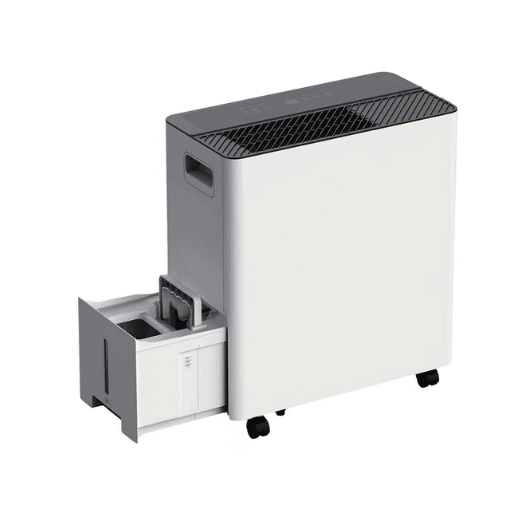
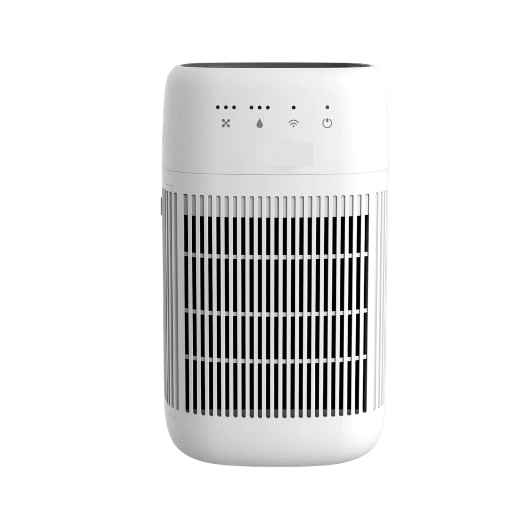
Dehumidifiers are devices that remove excess moisture from indoor air to bring the relative humidity closer to desired levels. They work by taking in and cooling air to condense moisture into water, after which they release the cleaned air back into the environment. By keeping control of humidity, dehumidifiers can thwart the growth of mold and mildew, decimate dust mites, and revolutionize the air inside a house. They are most effective in damp areas like basements, kitchens, and bathrooms, and come in various sizes, considering room size and humidity.
Types of Dehumidifiers
Dehumidifiers can be classified into various types based on their operating principles and proposed applications.
Compressor (Refrigerant-based) Dehumidifiers
This type is widely used. It functions by directing air laden with moisture over a refrigerated coil, precipitating the vapor into liquid because of the refrigerant’s colder temperature. The liquid is then typically drained away or collected into a tank. Refrigerant-based dehumidifiers are useful where it is warm and wet, although they perform less well in temperatures on the low side.
Desiccant Dehumidifiers
Desiccants suck the moisture out of the air using desiccating materials, like silica gel. They provide functional benefits over refrigerant models, even in cold conditions, making them suitable for generally unheated spaces like garages or basements. Moreover, this type of dehumidifier is often more compact and quieter.
Thermo-electric (Peltier) Dehumidifiers
The Peltier effect is used in running air through a thermoelectric module that chills the surface, leading to condensation. These dehumidifiers, even though not as powerful as compressor models and suitable for smaller spaces, operate quietly without using compressors.
Home Whole-House Dehumidifiers
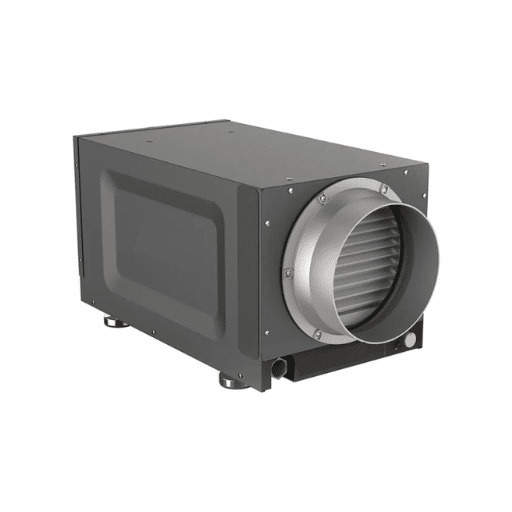
These are connected to the HVAC system used to manage the humidity of a whole house. An excellent dehumidifier for whole-house application, it performs consistently well, needing professional setup and maintenance.
Every dehumidifier type has unique benefits, particularly designed for specific environmental conditions and user needs, ensuring that moisture management works perfectly.
How to Choose the Best Dehumidifier
Factors such as room size, moisture level, energy efficiency, etc., as well as preferences such as noise level, and portability contribute equally in making that vital decision. Knowing the measurement of the area you aim to dehumidify must be the first step before anything else. For operating within a small room, the small ones may be chosen, while the whole-house models suit larger rooms. Knowing the square footage of the room and matching it to the size (measured in pints per day, e.g., 30 – 70 pints/day) of the dehumidification power air conditioner is very crucial.
Taking the average humidity level of a room into account, whatever may suit your moderately damp room would be a less-capacity unit; however, whatever would suit them might be a bigger unit for a humid climate, bathroom, or basement. Check the Energy Star icon we have talked about above, if you can. You should look for an air purifier recommended if you want to look for a more efficient machine. The best choice usually is the one that you keep after going through these points that seal high potential; These are points essential to reducing all moisture in your home or at the workspace.
Maintaining Your Dehumidifier
Properly looking after your dehumidifier is a must-do in keeping it efficient and lengthening its lifespan. First and foremost, start by cleaning the air filter at regular intervals, i.e., every two to four weeks, and depending on what the manufacturer recommends for your use level. A dirty filter can cause airflow blockage and lead to poor functioning of the machine. Regularly empty water in the collection bucket; on models that feature continuous draining, make sure the hose is free of dirt and somehow clogged. Regularly clean the coils to remove dust and debris, which might be affecting the dehumidifier. Check that the unit is placed in a properly ventilated area; listen out for any strange noises and check the components for wear. Go through the user’s manual for guidance on upgrading the machine, and maybe some parts might need to be changed after being exposed to high humidity conditions due to excessive operation.
Methods to Dehumidify Your Home

Dehumidifier
Dehumidification stands out as one of the most effective methods for removing moisture from your home. Select the size that best suits the area you wish to dehumidify, and be sure to follow the manufacturer’s guidelines for the right performance.
Ventilation Improvement
Install exhaust fans in areas meant to increase good airflow where moisture tends to accumulate, such as your bathrooms, kitchen, and laundry rooms. Opening windows when the weather is appropriate helps to increase good ventilation and lower indoor humidity levels.
Seal Holes or Leaks
Moisture in your home may be coming into your house through leaks in windows, doors, or plumbing. By repairing these leaks promptly, you help prevent too much humidity and keep away any mold growth.
Manage Your Indoor Activities
Try not to engage in activities that generate large amounts of moisture. This includes activities like long showers, boiling water without lids, and drying clothes indoors. Use fans during periods when these activities are required, or keep the windows open.
Bring in Some Moisture-Absorbent Materials
For such small spaces like closets and cabinets, please provide absorbent materials such as silica gel, activated charcoal, or any other moisture-absorbing crystals to balance moisture where needed.
Service and Maintain Your HVAC System
Clean a heating, ventilation, and air-conditioning (HVAC) system, possibly accumulate sources of extra humidity. Periodical cleaning and the exchange of filters must be practiced to ensure the HVAC system meets its designed intent of moisture control and even distribution within the home.
Using a Dehumidifier Effectively
To maximize the effectiveness of a dehumidifier, these tips need to be followed. Primarily, you must choose the right-sized unit according to the area size and humidity level in the space, aided by sizing charts provided by most manufacturers. Put the appliance in a central location, away from anything that might obstruct it, and give it adequate ventilation, ideally close to the source of the humidity. All windows and doors must be kept closed to protect any potential outside moisture from entering the room.
Maintenance is very necessary for efficient functioning-cleaning or getting the air filter replaced regularly could assure proper airflow, in addition to needing the constant monitoring and emptying of whichever water collection container holds. Many units will also supply a continuous drain option in order to reduce manual labor, particularly in more consistently wet conditions. Last but not least, fine-tune the former humidistat and any settings to achieve an ideal relative humidity of between 30% and 50%, on average, for most house habitation. Adherence to those few practices will realize the benefits of the performance and ensure the performance and life of the dehumidifier.
Natural Ways to Dehumidify Your Home
A typical solution to naturally reducing indoor humidity levels is improving ventilation-especially in areas that are prone to moisture build-up, e.g., kitchens, bathrooms, and basements. During warmer weather, try to always leave your doors and windows open, or use exhaust fans to foster better air circulation and stave off stuffiness inside your house. In addition to these, some popular houseplants like Bermuda grass and Boston Fern can work as natural dehumidifiers as they can absorb moisture from the air.
Another acceptable point is to utilize desiccants such as rock salt or activated charcoal for humid areas, as they absorb moisture by nature. In the end, the adherence of gutters and downspouts will effectively channel fresh rainwater off your house, so as to step up further the decrease of humidity levels therein. In addition to using the natural strategies for controlling humidity in the house, one would not always rely on mechanical help devices.
HVAC Systems and Indoor Humidity Control
HVAC systems play a very essential role in regulating indoor humidity to ensure the creation of a comfortable and healthy atmosphere for living. These systems consist of structural components (e.g., dehumidifiers and humidifiers) that have the appropriate mechanisms to handle moisture in one way or the other. During the summer months, in part, air conditioning units draw out additional humidity, improving the mechanical process. The water vapor stops its job by depositing on the condensing coil. In contrast, during the winter months, when indoor air is often devoid of moisture, the home systems’ humidifiers will replenish humidity back into the atmosphere. Such an action is thought to elude drawbacks commonly associated with dryness, say, dry skin or breathing problems.
There are programmable thermostats and humidity sensors attached to highly advanced HVAC systems that regulate and adjust the humidity levels automatically. Modesty calls for attending to routine maintenance of HVAC components-like regular air filter cleaning, air duct examination to detect and seal any leaks, and coil servicing. Adequate sizing of these systems prevents over-humidification that causes allergies and overtly dry air that makes occupants feel uncomfortable. If utilized effectively, these systems will lead to the best indoor air quality by keeping molds away and ensuring maximum energy efficiency.
Identifying and Fixing Air Leaks

Air leakage inside a building leads to waste in energy, discomfort, and increased utility bills. Air leaks are identified by checking windows, doors, walls, ceilings, and areas in contact with different materials. Some standard tools, such as the smoke pencil or infrared thermometer, can indicate the source of the problem.
To fix air leaks, you can weatherstrip movable parts such as doors and windows, besides applying caulking to seal stationary openings or cracks. Furthermore, insulation to be installed in walls and attics, thereby retardation of airflow. Air leakage sealing increases energy and boosts indoor comfort and controlled temperature.
Common Areas for Air Leaks
Air infiltration could happen anywhere within a home, leading to compromised energy efficiency or comfort. Some common sources of air infiltration:
Windows and Doors – Faulty-sealed windows and doors, either because they have aged or because they were never installed with the proper sealants, are a major driver of air leaks. Consequently, gaps in the frames and deterioration of the weatherstripping introduce drafts outside and inside the house.
Attic Access Points – In a rather similar light, attic access points like pull-down doors, attic hatches, pull-down steps, or entry panels are typically loosely sealed and thus contribute to excessive heat loss or gain. They can also ventilate with severe airflow, depending upon weather conditions and exposure.
Electrical Outlets and Switch Plates – Air can seep through electrical outlets, switch plates, and gaps around their mounts, especially in exterior walls where insulation is scant or even non-existent.
HVAC Components – Ductwork, chimneys or flue systems, and poorly sealed unit connections are pathways for leakage and reduced air handler operation efficiencies.
Make sure plumbing and electrical wires do not cause unnecessary leaks resulting from holes and voids created in walls and any part of a dwelling.
Taking the time to highlight and focus on such important areas and then addressing them systematically by employing sealing methods (caulking, weatherstripping, foam insulation) will reduce energy bills and make homes more comfortable for their inhabitants.
How to Find Air Leaks
Air leakage detection in a building involves a set of methods, including visual inspections and testing processes, alongside the application of specialized tools. Here’s how you can go about locating these leaks:
A. Look for Areas Where You Often Find Leaks – Look for air gaps and cracks in doors, windows, baseboards, electrical outlets, and pipe penetrations. Pay special attention to areas where different materials and surfaces meet, like corners, or the intersection between the floor and wall edge.
B. Conduct a Smoke Test – On windy days, hold a lit incense stick or a small piece of tissue close to the suspected leakage. Observe if the smoke goes into the house or out, which indicates airflow.
C. Flashlight Test – After dark, have someone stand on one side and shine a bright flashlight through small probable leaks, with someone else on the other side eyeing the same area, thus confirming a leak that needs to be sealed.
Trust a Pro for Your Blower Door Test – For more accurate results, the pros suggest a blower door test. This equipment includes a blower door: it depressurizes the building so that air leaks emerge as much easier to find; sometimes, one uses a thermal imager or simple smoke tools.
Using Infrared Cameras to Check for Thermal Changes – On walls or ceilings, or floors, infrared cameras make it possible to detect significant changes in temperature, which indicate an area of air infiltration or air escaping.
From the aggregation of all these rains-Homeowners or any site manager can detect air leakage systematically and then take rational recommendations on potential improvements for their energy efficiency and internal comfort.
Sealing Air Leaks to Reduce Humidity
Aside from decreasing the energy efficiency, air leakage also enables the moisture-rich air to mingle into the indoor atmosphere, causing a hike in humidity. The most significant seal around initiatives:
Seal Windows and Door Gaps – Use weather stripping to seal leaks around windows, and then apply caulk to any gaps or cracks adjacent to the frame of the window. These are great places where muggy air can seep in.
Insulate the Attic – A well-sealed, well-insulated attic will prevent hot, moist air from escaping or passively coming in via the unsealed vents and cracks. Consider sealing up fan and chimney openings with numerous airtight covers.
Use Expanding Foam – Wrap Large Openings in an Airtight Barrier – Expanding foam insulation should be put into larger openings around pipes, ducts, or electrical outlets, thereby tightly filling the spaces and thwarting massive air leaks.
Inspect and Replace Worn Seals – Over time, seals on HVAC ducts, crawl spaces, and recessed lighting can degrade. Regular inspections and replacements ensure these areas remain sealed, minimizing moisture intrusion.
Install Vapor Barriers – For areas prone to higher humidity, such as basements or crawl spaces, vapor barriers can help prevent ground moisture from seeping into your living environment.
Hence, these targeted sealing measures eliminate the high indoor humidity; in doing so, they encourage reduced indoor humidity, increased comfort, sobriety of structural component damage initiated by moisture, and a healthier indoor environment.
Best Practices for Maintaining Ideal Humidity Levels

Regularly monitor moisture – Use a hygrometer to maintain indoor humidity between 30 and 50%, with seasonal adjustments as necessary.
Provide adequate venting – Ensure air circulation with the use of ventilators in bathrooms and kitchens since these rooms accumulate too much moisture.
Install a dehumidifier – Put dehumidifiers in areas where humidity is constantly high (for example, the basement) to maintain the right percentage of humidity.
Control Temperature Indoors – Air conditioning or heating devices help to keep the living spaces cooler or warmer by keeping humidity under control.
Water Leak Damage Mitigation – Actively search for leaks in any shape and form, like persistent plumbing leaks, ceiling leaks, or any other sources of water intrusion, then maintain preventive repair so that more moisture is not retained.
Guidelines such as these provide the right kind of environment to maintain balanced humidity for your home and healthy living.
Monitoring Humidity Levels
One of the important steps towards ensuring better indoor comfort is to monitor and track indoor humidity and maintain it within the desired level of 30% to 50%. To achieve this, get yourself a simple gadget called a hygrometer. It’s a smart tool to gauge the accurate levels of relative humidity required. Digital hygrometers can be obtained from online markets and can help furnish real-time readings to enable constituents to do real-time monitoring. Place the device in central locations inside your house; exclude areas hit too directly by sunshine or have too much humidity, like the bathroom.
There are literally smart house arrangements that offer ultra sophisticated solutions, such as “system integrated” humidity tracking with alerts of higher or lower levels. The monitoring can be supported with casual watching of humidity-related symptoms: sweating windows, mildew smells, or dryness leading to static electricity and irritated skin. This process will ensure a decent indoor climate that suits both building preservation and health.
Ventilation Strategies for Lower Humidity
To maintain indoor relative humidity levels at lower scales, my focus relies on increasing ventilation and decreasing moisture sources. Use of mechanical ventilation systems is the norm, like exhaust fans in kitchens and baths that work properly and are vented outdoors. Another approach is to add the windows and make use of natural ventilation in order to enhance the movement of the air during dry days. These strategies are ideal as cargo too, depending on how much moisture they would release, like when heating or air conditioning your home; insufficient interior dehumidification and excess humidity that requires the intervention of portable dehumidifiers for these areas. Overall, the joint measures have thus been paramount for my efforts at sustaining an equilibrium of spacing that is undoubtedly comfortable.
Other Tips for Improving Indoor Air Quality
Increase Efficiency Levels with Air Filters
Standard filters used in the HVAC system should be replaced with higher MSC (Minimum Efficiency Reporting Value) HEPA filters, which can be replaced easily and are more effective at trapping smaller particles, including allergens, mold spores, and dust. Keep on maintaining the filters to ensure efficient performance and airflow circulation.
Ensure Good Air Quality by Regulating Humidity
Using dehumidifiers and air conditioning units, maintain indoor humidity at levels between 30% and 50%. It hinders the recurrence of mold, mildew, and dust mite breeding, which is something they favor in high humidity settings.
Avoiding air Pollution
Refrain from using materials that produce volatile organic compounds (VOCs) like specific paints, cleaners, and synthetic fragrances. If necessary, use alternate and eco-friendly products that emit low or zero VOCs.
Regular Cleaning and Vacuuming
To make sure that particles are effectively removed from surfaces and furniture, use a HEPA vacuum cleaner to remove dust, pet dander, and anything else with particles floating in them. Dust must be done every two days.
Professionally Design and Maintain Proper Ventilation
Use exhaust fans in areas like kitchens and bathrooms to eliminate moisture, pollutants, and odors. Open windows and doors during good weather to allow the fresh air to travel inside and dilute indoor contaminants.
Be Wise in Indoor Plant Introduction
Some plants can improve air quality, while others can agglomerate mold or attract pests if not well-maintained. Choose some low-maintenance plants and make sure to keep them adequately in order to forestall additional air quality issues.
Test for Radon and Handle the Issue
Radon is an odorless gas that can seep into homes due to natural causes. Therefore, the Radon test kit will let you know whether it has made its way inside your home. Higher levels will demand appropriate mediation to prevent high exposure levels.
Taking care of such aspects will largely improve the indoor air quality and make living a pleasant experience.
Reference Sources
Ohio State University – Green Home Technology Center
This resource discusses electrical dehumidification systems, including air conditioners and heat pumps, and their effectiveness in managing indoor humidity.
University of Minnesota Extension
This guide explains how to identify and address moisture problems using ventilation, dehumidifiers, and other methods.
University of Missouri Extension
This source provides detailed information on how dehumidifiers work, their benefits, and their role in reducing moisture and preventing issues like rust, rot, and mold.
Frequently Asked Questions (FAQs)
What effective ways can I undertake to dehumidify a room?
In order to dehumidify a room effectively, employ an appropriately sized dehumidifier that should be centrally positioned and kept off the walls. This should thereby aid in circulating air throughout the house. To synergize the dehumidifier’s action, one must allow increased air circulation with fan usage, with doors left open, along with drying of laundry inside the room. The user needs to empty and/or plumb the drain after a few days, clean filters, and regulate humidity settings at the optimal level to manage the charges of humidity and reduce the humidity levels inside his/her home.
What are the most effective ways to dehumidify a house?
Methods to dehumidify a house include the use of dehumidifiers or thermostat-related multiple portable systems around the house; the steps include superior ventilation from bathroom and kitchen exhausted air, sealing any leaks that allow moisture to enter when the exterior humidity is high, and split air conditioners with a clean and well-maintained filter. These best ways to dehumidify houses, solve the problem of high indoor humidity, and reduce excessive moisture, thereby preventing problems associated with molds and other moisture issues.
What ways do you offer to control humidity effectively indoors and throughout your home?
Effective methods to control humidity indoors throughout the house are: a whole-house dehumidifier as one component of the HVAC system, as well as maintaining an appropriate level of insulation and vapor barriers, fixing leaks that let moisture into the air, and using spot dehumidifiers in areas with high moisture. Combining these methods to reduce humidity ensures you manage humidity across areas of your home and throughout the house.
Is there any way available to dehumidify my entire house without using a dehumidifier?
Having a dehumidifier is an effective method for dehumidifying an entire house; there are more ways to reduce humidity throughout your home. While these include sealing of foundation and roofing leaks, running HVAC systems continuously with fans, improving ventilation, and use of desiccant materials in closets and basements, they all get air drier and, in spite of decreasing the amount of moisture reaching the air, in severe cases of high indoor humidity.
So, how do you dehumidify a house when certain rooms have humidity problems occurring persistently?
If certain rooms find it very tedious to fight a perpetual scourge of humidity, portable dehumidifiers for room size must be dispatched and situated in relation to the room’s dimensions for optimal performance. Open up those rooms for air circulation, turn off sources of moisture like indoor drying, and check for leaks. That way, the room can lose a lot of moisture, while humidity just won’t be found in other areas of the house.