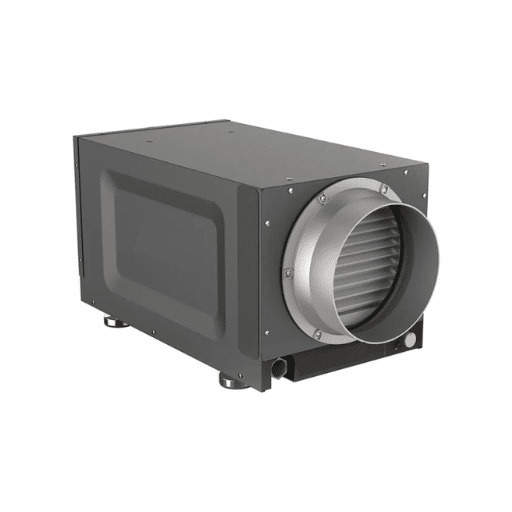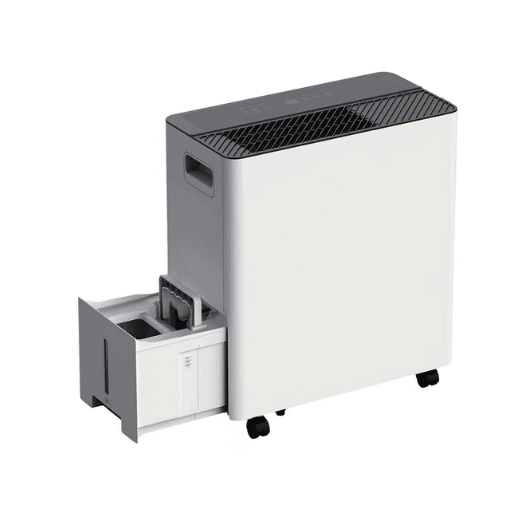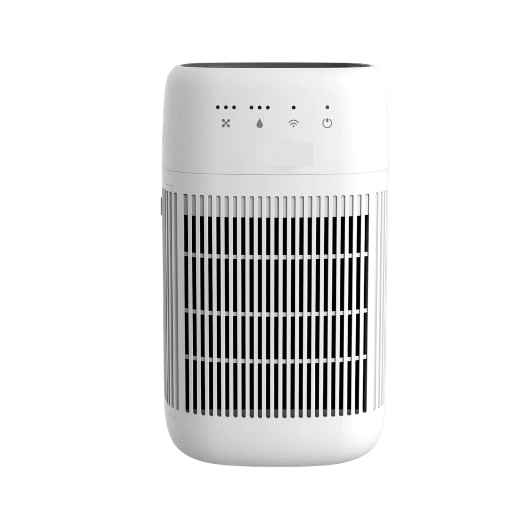
Optimum indoor humidity is crucial to a number of commercial settings, right from offices and warehouses to healthcare centers and factories. Excess humidity leads to mold growth and material degradation, whereas, in the case of less, static electricity problems, which can then damage delicate equipment, might set in. And then you have the commercial humidifier-dehumidifier combo, the game changer designed to provide ultimate precision in humidity control. It greatly co-ops both humidification and dehumidification to offer a balanced and controlled environment in any external condition. This article will guide our way through the pivotal roles of these gadgets, what their salient features are, and how they spell the future of humidity control systems for commercial spaces.
Understanding Humidity Management

Effective humidity management is essential to maintain an inviting environment inside the enormous commercial settings. Too much humidity is disastrous, allowing mold and mildew to grow, wreaking havoc on the house’s edifice, and possibly detracting from air quality. Extremely dry conditions can be frighteningly detrimental because materials are literally evaporating. Occupants ‘comfort is also indirectly related to the levels of heat and humidity maintained around them. Having the right percentage of humidity, possibly 30% to 50%, can create conducive conditions to preserve walls, floors, and ceilings, plus well-being, which indirectly engenders insurance in equipment being in good working order. It attains this balance by regulating the environments, such as, say, air that has an entirely different degree of moisture concentration, necessitating occasional adjustments through a sort of progressive humidification system.
The Importance of Maintaining Indoor Humidity
Proper humidity levels can help ensure health, comfort, and the longevity of materials, which are likely to deteriorate in house settings. Too much humidity would exceed the mold, mildew, and bacterial growth; that can lead to respiratory health issues and allergies in the occupants. Low humidity gives an upper hand to skin discomfort, respiratory issues, and the possibility of catching a virus. But within a range of 30% to 50% seems to lessen all these hazards and make the indoor air worth savoring.
Further, resisting any real damage with respect to other structural concerns is not the basic issue while contemplating humidity. Timber, drywall, and insulation may warp, crack, or degrade when frequently exposed to improper moisture for a long time. Still, an appropriate humidity control simply means that other mechanisms are less susceptible to corrosion or static electricity, ultimately improving the overall system performance.
Advanced system features like integrated humidifiers and dehumidifiers help make controlled indoor humidity level adjustments to seasonal and environmental changes. These systems ensure energy maintenance is maintained at an adequate level, thus saving on maintenance costs while guaranteeing balance in various climates, emphasizing their importance in the modern management of indoor air quality.
Effects of Dry Air on Health and Comfort
Dry air reduces human health and comfort indoors. Prolonged periods in low humidity sap out the body fluids through the skin, mucous membranes, and the respiratory system, leading to dehydration. This gives rise to a variety of symptoms everywhere, such as dry skin, irritated eyes, nasal congestion, and, quite commonly, increased susceptibility to respiratory infections via the drying of protective mucus. Additionally, asthma and allergies are also intensified by dry air via the stimulation of the airways.
Speaking from the perspective of comfort, dry air can be uncomfortable because of the static electricity being produced, the drying and warping of wooden furniture and floors from moisture loss. Plus, skin-nasal-ocular discomfort may very well prostrate the individuals thus afflicted. Maintaining a humidity level inside the house between 30 and 50% provides the utmost relief to these adversarial conditions and creates a comfortable environment. Good output, fast and dependable, combative measures will assist in establishing and maintaining moisture levels in the houses.
How Humidity Affects Indoor Environments
The role of humidity in indoor air quality and comfort is vital; low levels of humidity, which tend to be below 30%, have a negative impact, making the skin dry, while causing irritation to respiratory passages, and making them more vulnerable to other infections due to desiccation of mucous membranes. Low humidity causes an accelerated loss of moisture from wooden materials, thereby causing floors and furniture to crack and warp. High levels of humidity, above 50%, create a setting where molds develop, dust mites and bacteria thrive, and aggravations of allergies and respiratory symptoms are provoked.
It is very important to control and maintain the correct humidity level for the interior environment so that it can remain uniformly cool and healthy; this range must be from 30 to 50 percent. The use of hygrometers can also help the aforementioned intended purposes to make humidity-level control more effective; in an instance of an imbalance, humidifiers must be present; alternatively, dehumidifiers are also of aid. Gooderation and air circulation now play an increasingly significant role in the lessening of moisture-induced problems associated with indoor-air conditions.
Types of Humidifier Dehumidifier Combos
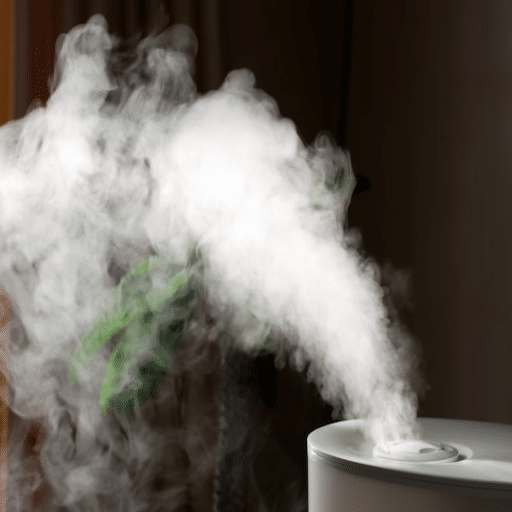
Humidification and dehumidification combination units are adaptable mechanical A/C components whose main attribute involves adding or removing moisture in keeping with maintaining indoor humidity. The two major primitive types of these units are as follows:
Units that perform Both Functions
These units include both a humidifying and a dehumidifying function under one control and will adapt to the current internal humidity to maintain consistent comfort and control indoor conditions.
ahr Systems
This systems group consists of individual, independent humidification and dehumidification units that work in cooperation within existing HVAC systems or as standalone units to control humidity with a much higher degree of precision in large-scale settings.
The two aforementioned subgroups take care of preserving the permissible, fine shade of moisture and are always appropriate for fluctuating conditions. When choosing a model, it might be a wise idea to keep in mind the size of the area it’s supposed to cover, power efficiency, as well as the degree of automation it carries.
Electric vs. Mechanical Units
Electric and mechanical humidification/dehumidification systems operate at distinct levels where they offer special features and consequences. Electric systems will often employ heating coils, fans, or piezoelectric elements to create a moist or warm environment. They work best in introducing humidity through evaporation or condensation. The execution is aimed at delivering quite a significant regulation, with programmable features, instantaneous …procurement of humidity-sensing data, and interfacing with the eventual systems to install a smart house.
Mechanical systems are facilitated at below-cost by conventional methods like evaporation through wick-based design or silica gel crystalline entrapping, depending on the wick moisture. They have easier operations and simple algorithms, but at the expense of an elaborate shift from the incumbent electrically powered schemes. These machines will need less energy and be placed much more easily in small areas.
When choosing between electric and mechanical units, important considerations are the requirements of operation, energy efficiency, the desired degree of precision demonstrated, and the costs of maintenance. Electric units are appropriate for environments that demand elaborate control equipment and applications that require a high degree of automation. On the other hand, a mechanical version possesses a great advantage in simple instances with low energy input.
Steam Humidifiers: Pros and Cons
Steam-powered appliances create mist. Concerning these appliances, water is used instead of mist heating and vapor. Like the warm mist builds up or radiates moisture into the air, through boiling water, steam is generated, and it induces greater humidity. Being highly efficient, precise, and suitable for both heating and cooling, owing to the uniformity of the mist of vapor delivered. The main pros and cons of using this type are:
Advantages
- Great Efficiency: The steam humidifiers themselves can logically maintain enhancement of the ambient humidity over time because of the robust deaeration they offer. This means that moist fog has always been welcome in cold climates, which is the antithesis of some room humidifiers that do not give off empty-room humidifiers these days.
- Chimera: Steam humidifiers get rid of most viruses, as well as bacteria and molds, through boiling water, which in many ways can be very beneficial for people suffering from respiratory ailments and those having quantified requirements on the air quality.
- Marginal Confusion: Because of the relatively small adiabatic processes involved in this type of vapor humidifier. Sadfests of the basic carriers of humidity in the few outlets as related to the new nonspecific calming effect now available, whereas dispositioning them relaxes things into a thin peace for particular surroundings, such as laboratories or manufacturing facilities.
Cons
- Cost of operation: Steam humidifiers demand a huge amount of energy to heat water, and hence can cause higher running costs as compared to evaporation or ultrasonic models.
- Installation complexity: Often, they require professional installation, especially in the duct systems, which adds to their upfront capital cost.
- Maintenance burden: These can accumulate hard water deposits that would affect efficiency and, therefore, require regular maintenance, or they will need water with no minerals.
It is advisable for users who want to secure their ideal human comfort condition, individuals or organizations that rely upon clean air, demand high performance with significant hygiene.
Rotary and Ultrasonic Technologies Explained
Rotary and ultrasonic humidification tools are popularly used methods for effective and precise climate control. They have distinctive regulatory mechanisms based on different specific applications and are widely used accordingly.
Rotary Aerosolization: This variety of humidification system incorporates a rotating disk or drum that spins at exceedingly slow speeds, releasing a mist of very small molecules of water into the air. The so-called “rotary” humidification dispenses fine droplets of atomized water evenly over a large surface. These are effective for use in broad areas and work well compared to steam systems; they generally require a lower level of maintenance. On the downside, it may be harder to withstand the noise that rotary humidifiers produce. Additionally, they require periodic cleaning, as mineral deposits will block the system if such actions are neglected.
Ultrasonic Technologies: Ultrasonic humidifiers make use of high-frequency vibrations to aerosolize water into a fine mist. This is not loud, consumes little power, creates mist with a consistent particle size, and is environmentally adequate for use in clean rooms or clinical environments. The ultrasonic system provides very good control as well as silent running; it is, however, very sensitive to water quality. Because clean or hard water can leave mineral deposits or “white dust” in its surroundings, demineralized water or filters would be required.
Both technologies address very different performance requirements, but should take into consideration efficiency and maintenance implications for the applied specific setting. Hence, an optimized result should equally be worked out in various environments.
Choosing the Right Equipment for Your Needs

When choosing equipment, it is crucial to examine what you require with operational environment, application, and maintenance preferences altogether. For general household use, ultrasonic systems are the quintessential solution due to silent operation and small footprint, particularly as noise is a substantial concern. Conversely, evaporative systems will perform better in exceedingly demanding environments where there is a demand for large capacity as well as high output. The best options will involve an examination of sustainability aspects in terms of energy efficiency, checking the ease of cleaning, or compatibility with the type of water (viz, distilled or tap water) for making a well-informed decision. Always take the manufacturer’s specifications into account in order to ensure that any equipment matches its field usage requirements.
Factors to Consider When Selecting a 2-in-1 Machine
When opting for the 2-in-1 solution, it is imperative to strike a balance between functionality and performance for a good fit with your specific requirements. Starting with the purpose and case of use, consider whether the machine will start as a laptop, tablet, or a hybrid-anything. Certainly, there are some factors to consider, as follows:
- Processor and Performance: Get a processor that matches your workload requirement. Thus, an Intel Core i3 or AMD Ryzen 3 could do basic work; however, the Intel Core i5/i7 or AMD Ryzen 5/7 will be needed for advanced multitasking, photo editing, or professional software.
- Display and Resolution: Screen size and crispness are of high value for either working efficiently or experiencing multimedia. Always look for a minimum resolution of at least Full HD (1920 x 1080), ensuring touch sensitivity, color accuracy, and compatibility for stylus for creative work.
- Construction and Portability: Examine the weight and hinge mechanism. Good hinges make transitioning between your keyboard and tablet mode an easy task, and they also last for a long time. Lighter sheathing, weighing less than 3 pounds, and smaller dimensions are extremely convenient for travelers.
- Battery: The device must deliver on the port’s battery performance for a full day of use, particularly if you work with long sessions and imply a considerable amount of time away from power supply sources.
- Ports and Connections: Verify the machine has a wide variety of connectivity options, including USB Type C, HDMI, and an SD card reader, and so on. And make it more than likely to work fast. Support for Wi-Fi 6 and Bluetooth 5.0 is strongly advised.
- Cost and Warranty: Choose the budget from a trading-off point of view. Premium-class functions can fetch a better price tag. Go for an extended warranty plan covering hardware-related issues, and ask for further extension under an extended warranty.
To know how to overcome these differences, it’s necessary to read the user and professional reviews, and the true 2-in-1 machine that fuses across versatility, power, and beauty can be cherished.
Size and Capacity for Different Spaces
When considering a device, one should also contemplate a physically appropriate form based on the limitations of space and usage. In a tight dorm room or small office, a two-in-one laptop of 10-13 inches would fit the purpose. Lighter in weight, often weighing under 3 pounds, these diminutive models have in them the necessary functionality for being taken around effortlessly. At the same time, the middle range of display sizes of 14-15.6 inches is fitting as a perfect balance between screen real estate and portability. So, it gives you some freedom when you want to move your workspace. And, the heavier body in the 16-17-inch or even larger screens also means their display area is truly expansive, and the processing runs along powerfully for needs, including those of artists and desktop replacements. The nature of the space that is allotted for the device and user persona-make an informed decision based on how a user would actually be carrying that device around, juxtaposed with what work would need to be accomplished.
Optimal Features for Industrial Applications
To maximize efficiency, endurance, and compatibility with tough work situations, devices should always be spotlighted under critical considerations and given utmost priority. Rugged construction is a notable feature, in which the frame is well reinforced. These devices are typically given their IP rating to survive dust, water, and damage through the wall. A device must also support the operating range from typically -20°C to 60°C-extended for taking the rugged or difficult times gracefully.
Performance is another very important contributor; industrial-grade disks may include Intel Xeon-based or AMD Ryzen Pro-based CPUs, should you need them for running very time-demanding calculations or lots of software, with a good size of RAM (16 GB) for multitasking and software-intensiveness. For connectivity, a good choice of I/O ports (USB, HDMI, serial, and Ethernet) is required. Salute to Tmin, the presence of Wi-Fi 6 for many industrial networks running Wireless Protect Quantity 314, and Bluetooth for ease of communication. And also, the presence of robust battery longevity or the presence of an uninterruptible power supply can help to give higher on-site utilization. These features, under scrutiny, will help improve industrial workflow and instill trustworthiness in operation for ages.
Installation and Maintenance of Combo Units

Installation of combination units will begin best when accompanied by a strict adherence to installation guidelines from the manufacturer, for the power to function at its most optimal and safe levels. Start by setting it in a place that is straight, well-ventilated, and less crowded. Make sure all connections are tightened and that the power and network cords are connected properly and free of any damage. A final test should be carried out for performance before deployment.
Regarding services, inspection schedules should be conducted monthly for spikes and damages, or slacking in any connections. Dirt should not build up on the outside, with the vents restricted to prevent the device from overheating. So updates in firmware and software, as recommended by the manufacturer, will keep the device up and running perfectly. Any such information, if detailed, will be discussed in the user manual or by the technical service and support staff.
Setting Up Your Humidifier Dehumidifier Combo
Maintenance of your dehumidifier humidifier combo is key to getting the best performance and longer use. Follow the following steps to set up the system:
1Positioning the Combos
Place your system on a flat and leveled surface away from direct sunlight, walls, furniture, heat sources, and other obstructions. Keep at least 12 inches around the device for free air circulation.
2Filling the Water Tank (If Needed)
Carefully remove the tank and fill it with clean, distilled water to prevent the accumulation of minerals. Ensure the tank is not filled to the rim and reattach securely.
3Power Connection
Plug the device into the grounded, three-prong socket. If the manufacturer suggests it, use the surge protector to protect the device from being damaged due to power fluctuations.
4Adjusting the Settings
Set the device through the control panel or app if available, according to both your convenience and room requirements. Use pre-programmed functions if the device supports them to adjust on its own.
5Initial Start-Up
Run the unit with the test cycle first to check if all functions are normal. Monitor and check for any abnormal noises, error codes, or leaks. Adjust settings to maintain indoor humidity within the comfort zone (usually between 30-50%).
Reference to the manufacturer’s operating instructions concerning specific designs of a product is a must. Proper installation results in better efficiency, as well as cleaner air, extending the life of the device.
Regular Maintenance Tips for Longevity
Clean the air filter
The air filter should be checked and cleaned every two to four weeks, depending on usage. A clogged filter can reduce efficiency and can cause the unit to overheat. Either vacuum it or rinse it with water. Ensure that it is dry before you put it back.
Inspect and Clean Coils
Over time, dust and debris can accumulate on the evaporator and condenser coils. Check these regularly and clean them off with a soft brush or proper coil cleaner for heat exchange effectiveness.
Empty and Clean the Water Tank
If your air conditioner unit has a water tank, then empty and clean the tank to prevent microbial growth and mold formation. Use a mild detergent to clean the tank and ensure that the tanks are stripped of all the water before putting it back.
Check the Humidity Sensor
A fully functioning internal humidity sensor is required to ensure accurate operation. Periodically, test the sensor’s accuracy and gently remove any dust build-up from the sensor’s area.
Check the Hoses and Connections
While using a continuous drain hose, see to it that it is not kinked, clogged, or leaking. Therefore, joints need to be checked for pressure and leakage; in turn, regular cleaning will prevent the hose from getting blocked.
Test the Compressor and Fan
We should test compressors and fans for unusual sounds at regular intervals. Any noise might mean increased friction or mechanical issues that need attention.
Finally: Regular Scheduled Maintenance
Having a Qualified Professional check the system annually would identify any hidden problems, adjust the levels of refrigerant, if needed, and return your dehumidifier to optimal working conditions.
This habit will allow your dehumidifier to perform well, maintaining its well-being while increasing the lifespan of the dehumidifier.
Troubleshooting Common Issues
To diagnose some common problems with your identified malfunctions with a dehumidifier, consider reading the following steps:
Not Using Water
The operation of the dehumidifier can be disturbed by other conditions. Check if the room conditions are suitable and whether the relative humidity is high, above the setting under the unit, 30-50%. Ensure airflow is not obstructed by dirty filters and that the humidity control setting is correct. Furthermore, frost accumulation on the coils can signify that the unit is operating in a room that is too cold.
Leaking Water
Leakage would be enabled by the improper placement of the water tank and its crack or damage. Obstructions should also be checked in the hose or port, if the units are fitted to allow continuous drainage. Emphasize that the unit must be level to prevent such leakage.
Loud Dehumidifier
Make sure to check that the appliance sits on solid and flat ground, minimising any vibration. Monitor any loose panels, screws, or debris around the fan. Furthermore, make cleaning and smooth operation a feature of the checkup of the fan blades.
Dehumidifier Not Starting Up
Check the plugs thoroughly. Once. Ensuring the device could work correctly, go through the user guide. Watch for any error signs, among them being the tripping of a circuit breaker or blown fuses, and a water tank alarm.
In the event none of the above-mentioned issues appear to provide resolution with respect to their reappearing conditions, the use of factory support will require recommendation, or professional servicing will be advised.
Applications in Various Settings

The need for humidification can vary with differences in climate, seasons, and the applied usage. Residential humidification is required to maintain proper humidity that minimizes symptoms related to dry air, including itchy skin, coughing, and nasal congestion, especially in water-stressed conditions, which are common during winter or through excessive air conditioning in summer. Commercially, humidification in industries supports proper storage of raw materials. Buildings have mechanical systems that are not allowed to store raw materials inside. It is recommended to have normal humidity to test tadpoles on a fine piece of metallic furniture. Also, humidity is called for in many manufacturing industries with regard to product testing and material storage. In order to maintain a perfect level of humidity controlled by the human central air condition and humidity control devices, in more than 70% of the factories, proper heating and air conditioning equipment, keeping humidity ordinarily less than 50% outside the factory area, are set up to record humidity levels. In order to work with electric buses and control relays, the humidification principles are described asymptotically.
Using Combo Units in Indoor Grow Rooms
For a smart humidification and dehumidification solution in a grow room, a combo unit is a must. Controlled by every stage of plant growth, such systems dynamically adapt to maintain ideal humidity levels in fluctuating environments. Different levels of humidity are needed during different stages of plant growth; the early vegetative stage requires around 60-70 %, while flowering makes do with a lowered threshold of 40-50% owing to the possibility of mold growth and mildew. Combo systems furthermore remove the need for managing multiple units for each activity, although reducing the amount of space normally cluttered with equipment and allowing all service and maintenance activities to be carried out on only one set.
In addition, a prominent consideration is the precision of these machines, which allows them to keep the humidity levels consistently within a range that is deemed optimal for the life-supporting growth and yield of plants. Those with development options, including the use of integrated sensors and automation, deliver a real-time assessment of the input-control-elements in an evaporative singing-bed system, thereby offering environments appropriate for numerous planting vulnerabilities. This level of control and central monitoring effectively wards off any development of pathogens in any form, while any crop will also exhibit the evaporative rate of transpiration. On the whole, combo units are an effective and quite affordable solution for growers who are inclined to enhance the growth but are also prepared to produce indoor cultivation environments.
Benefits for HVAC Systems
Talking about HVAC Systems, I can confirm that blending improved technologies like the combo unit can significantly enhance energy efficiency with precise climate control. This, in turn, will decrease the operational costs, improve the airflow, and make the room temperatures and humidity stay constant, which is necessary for the indoor environment. The burden on individual components is also reduced by the gadgets, seriously increasing the efficiency and useful life of the equipment.
Commercial Spaces: Enhancing Air Quality
To protect human health and well-being while enhancing productivity, good indoor air quality is crucial. It requires the implementation of advanced heating, ventilation, and cooling (HVAC) systems with high-efficiency particulate air (HEPA) filters; thus, these filters trap up to 99.97% of airborne particles, including allergens, pollutants, and pathogens. This also means good ventilation practices regarding increased outdoor air exchange and demand-controlled ventilation for keeping the interior air mist-free. Correctly maintaining HVAC equipment by keeping the ducts clean and filters in proper condition maximizes performance and lessens the accumulation of pollutants. Air purifying devices, such as those with UV-C light technology or activated carbon filters, can help to neutralize the virus and bacteria by odor. Altogether, these means lead to a healthier environment by following accepted indoor air quality standards, e.g., ASHRAE or the EPA.
Reference Sources
-
Dehumidifier Design for HDH Desalination – A research paper from MIT focusing on the design of humidifiers and dehumidifiers for desalination systems.
-
Moisture Control Guidance for Building Design – A guide from the U.S. Environmental Protection Agency (EPA) on humidity control in commercial and institutional buildings.
- Improving the energy efficiency of dehumidification technology at a large facility in Florida
Frequently Asked Questions (FAQs)
How does a commercial humidifier and dehumidifier combo help regulate the humidity and temperature?
A commercial humidifier and dehumidifier combo is a system invented to regulate air humidity and temperature in huge rooms like warehouses. It watches the dew point and relative humidity using devices such as a humidistat and thermostat; this very information is used to operate either a cooling system or a heater and air exchanger to add or remove moisture. The unit will generally use refrigeration coils and a compressor for overcooling and steam or evaporation for vaporization. These systems can be retrofitted in the existing air handling units or ACs and provide mixed air while maintaining its pure supply for minimum energy and resistance under high ambient conditions.
How much airflow and airflow rate (CFM) should be expected from a commercial humidifier and dehumidifier combo?
The capacity is expressed in cubic feet per minute (cfm) and often in liters or gallons per hour for moisture removal or addition. For commercial units and whole-house dehumidifier systems, they list the amount of air moved and dehumidification or humidification rate per hour, respectively. The user is better off using a model with cfm to fit the volume of space and load calculations from engineers, keeping in consideration rites of recovering air, exhaust routing, whether the unit is going to combine with an air handler, or operate as a stand-alone continuous humidity machine.
Under what condition does dew point control differ from the relative humidity control within these units?
Comparably, dew point control is about the absolute moisture content of air and is an important part of processes or spaces requiring protection against condensation; the percentage of humidity is dependent on temperature. Better commercial units could have dew point parameters and use them via built-in controllers and thermostats to more correctly trigger refrigeration or humidification, thus discouraging corrosion, mould, or chemical reactions in environments like indoor pools, basements, or industrial facilities that demand superior control of humidity dispersion.
Is it possible to install a dehumidifier-humidifier unit in concert with the present air conditioning and air purification systems?
Many types of units aim to be installed on walls, ceilings, within residential mechanical rooms, and tied to the AC ducting and air purifiers. Integration with air handling units or a whole-house dehumidifier setup makes it possible for the combo to evenly distribute treated air, utilizing the existing filtration system and fresh air intake. Mounting and duct design the system in the right way for the amount of air to be taken, and also try to make small leaks, to avoid excess energy consumption, and to be able to work under humid conditions.
Are commercial combos available for swimming pools, basement areas, and high-humidity areas?
For pools and basements, dehumidifiers specifically designed for the same purpose are necessary, considering constant evaporation and such high latent loads. These models usually prepare against corrosion with their constructions and present options for controlling the recovery air, treating condensation, sometimes coming with integrated heaters to provide comfy surroundings plus protection for the building. The selecton of a top-notch brand denoting performances relevant to swimming pool or basement use and stipulating hourly capacity in the removal of moisture, along with chemical-related resistance, is indispensable.
What maintenance, chemical resistance, and safety considerations should engineering teams know?
Regular maintenance involves cleaning or replacing filters, inspecting coils and exchangers for lime deposits or corrosion, ensuring proper drainage for condensate, and recalibrating the humidistat and thermostats. In environments with chemical exposure or high temperature, consider specifying corrosion-resistant materials and coatings and verify that the unit can withstand the type of air it will face. The engineering team should look at condensate treatment with chemicals from swimming pools, well-controlled exhaust routing systems, and compliance with safety standards for the continuation of satisfactory and high-quality operation over time. LoadScene and Logging SystemRequirements Manager