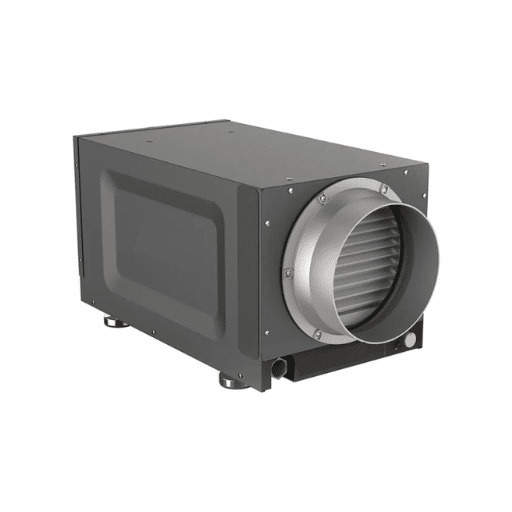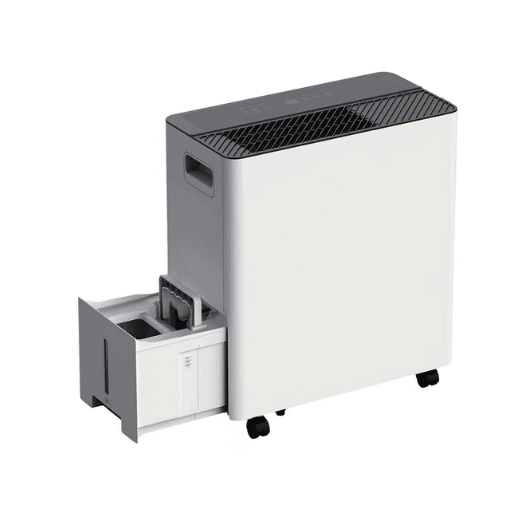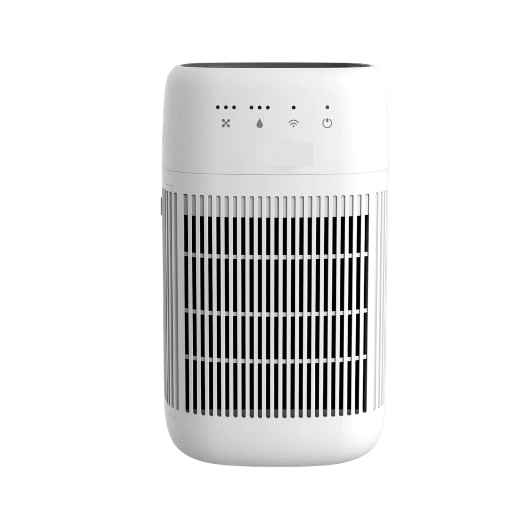
Controlling moisture in basements is a problem that worries mostly home and business owners alike due to the fact that if there is too much humidity, it can cause a whole range of issues, such as structural damage, the growth of mold, and air quality deterioration. However, the best industrial dehumidifiers are there to help out as the most reliable and efficient solution ever since they are specially built for high-capacity hardware and the best conditions that are maintained for a long time. In this write-up, we are going to discuss the top industrial dehumidifiers for basement use, along with their features, advantages, and considerations for picking the right unit. You will be able to find out what to do, whether you are managing a commercial space or just looking for house protection. This guide will give you all the necessary information to take an educated guess and keep your property safe from the harmful effects of moisture.
Understanding Dehumidifiers

Dehumidifiers are devices that not only remove moisture from the air but also control its humidity level. The cooler that dehumidifies the air is the main engine of the machine. The air is then turned drier and returned to the atmosphere. Through this process, dehumidifiers allow to gradually eliminate high humidity-related issues like mildew, decay in buildings, and even poor air quality. In a nutshell, these devices are powerhouses that can easily adjust to different settings, they can indicate moisture levels, and have other features that cater to both home and industry needs. One of the key benefits of dehumidifiers is their ability to create an indoor environment that is health-friendly, secure, and more pleasant.
What is a Dehumidifier?
The term dehumidifier refers to an electric device whose primary function is to extract and control the level of humidity in the air. The major factors for such a process are health and comfort, prevention of musty smell, and mold growth. The operation of a dehumidifier includes taking in humid air, cooling it to remove the water vapor, and then heating it again to blow it back into the atmosphere with a lower moisture content. Dehumidifiers are widely used in living rooms, basements, and manufacturing plants. They perform multiple functions such as controlling the water level, preventing water-related problems, and purifying the indoor air, besides taking care of the plants’ moisture needs. Moreover, the devices come equipped with features like tailored humidity control, automatic drainage systems, and indicators that not only improve the dependability but also the overall performance of the process.
Types of Dehumidifiers: Residential vs. Commercial
Dehumidifiers are usually divided into two major types: residential and commercial. The former and the latter are meant for different kinds of moisture control needs.
Residential Dehumidifiers
The majority of Residential Dehumidifiers are tiny machines that can be operated easily, which makes them suitable for daily use in residential areas, basements, or small spaces. The amount of moisture extracted by the units differs from 20 to 70 pints every day based on the model, and they perform gently. Portability, noiselessness, energy-saving, and various options for maintaining indoor humidity levels as per personal liking are some of the common features.
Commercial Dehumidifiers
Commercial Dehumidifiers are quite contrary to that and are designed for a very large or high-demand setting, for example, an industrial site, a warehouse, or a construction project. The dehumidifiers can bear the hardships and provide high-capacity operation, typically drawing 100 pints or more of moisture a day from the air. They may even offer sophisticated features such as heavy-duty air filters, robust drainage systems, and durability improvement for dealing with extreme conditions.
Capacity, size, and application are the three core differences that set apart the different types of dehumidifiers. Residential designs aim at convenience and visual appeal, whereas commercial designs bring the power and resilience necessary for hard environments.
How Industrial Dehumidifiers Work
Industrial dehumidifiers are certainly ideal for large and extremely demanding areas as a result of their use of a very efficient multi-step process that eliminates excess moisture from the air. To begin with, the powerful fans draw the air into the machine, after which the air is passed through a filter to catch all the particles. Afterward, the air enters a cooling system where the temperature is lowered to a point that the air moisture is turned into water droplets. The water is either taken by the drainage system or pumped out for disposal. The air, which is now free of moisture, is heated up to the required temperature, and then it’s mixed back into the environment.
Typically, these dehumidifiers come with powerful compressors, advanced humidity sensors, and automated control systems that keep the moisture levels just right. This robust construction makes them suitable for many different conditions, including but not limited to warehouses, factories, and construction sites. In addition, many models are designed for use in temperature-tolerant conditions and constant running, hence their reliability in working even in the toughest circumstances. The synergy of cutting-edge technology and tough design enables industrial dehumidifiers to be a great shield for the infrastructure, materials, and equipment.
Importance of Dehumidifiers in Basements

The problems commonly associated with basements that are usually poorly ventilated, at ground level, and surrounded by moisture include the development of mold, structural damage, and the occurrence of bad smells. Therefore, the use of humidity control methods with dehumidifiers as the main instrument can eliminate these problems by enabling the humidity to be maintained at the level that is desired. A dehumidifier that is suitable for the case not only cleans the indoor air and makes it healthier, thus less likely to be contaminated with mold or mildew, but also preserves the items stored from damage. Hence, it is not an exaggeration to say that dehumidifiers are considered an indispensable and primary resource for the maintenance of a basement that is both secure and practical.
Why Basements are Prone to Humidity
Basements are commonly extremely humid areas due to their belowground position and the moisture from the surrounding soil. After rain, the soil absorbs the water very well, which in turn increases the hydrostatic pressure. The pressure pushes the water vapor up through the foundation walls and floor, resulting in a process known as capillary action. Also, if a basement is poorly ventilated, like most basements, humid air will be kept in a very small area. Furthermore, besides the air leakage through the foundation, the dripping of pipes, and the cooling of the air and surfaces in the basement, which causes condensation, are some other reasons that add to the problem. All these factors together create the perfect environment for high humidity, which, if not managed, can cause serious problems both structurally and health-wise.
Effects of High Humidity Levels in Basements
One of the biggest issues that basements with high humidity levels have is that not only does the building structure get affected, but also the surrounding and health conditions. If wood, drywall, and concrete are present in the building’s structure, high moisture would result in their being warped, cracked, or rotted. Thus, the foundation getting weaker leads to costly repairs in the end. The house’s environmental impact caused by high humidity is that the fungi will be the ones that grow because of the high humidity, which in the end will be the ones that spread to other areas of the house, thus causing even more damage. Moreover, these organisms are the ones that, besides causing damage, are also the ones that deteriorate indoor air quality by releasing spores. High humidity is more of a boon to pests like termites and dust mites as it gives them an easy place to breed, thus making the cycle of damage and discomfort very intense.
The health issue is that individuals who are exposed to such conditions for long periods are very likely to contract respiratory diseases like asthma and allergies, as these molds and dust mites are the most common allergens. Moldy basements do not have good air circulation, and this can make a musty odor the indicator of poor air quality. That is why it is really crucial to deal with and reduce the high humidity levels as soon as possible to keep the building’s strength and ensure a healthier indoor environment.
How Dehumidifiers Combat Musty Odors
Dehumidifiers are a top solution to bad smells in indoor areas because they not only remove the moisture, which is the primary source of such odors, but also incorporate the same idea as a refrigerator in their operation, where dry air is returned to the room. Their working principle is: intake of humid air, chilling it to the water vapor’s condensation point, capturing the water vapor, and finally, blowing the dry air back into the room. Dehumidifiers indeed regulate the humidity level in the air, preventing the growth of mold and bacteria, which are the main producers of unpleasant smells. Additionally, the operation of a dehumidifier all the time creates air circulation, so the bad odor-producing moist air is not trapped in one place, as the scattered and humid air, which is the main cause of smells, cannot accumulate in that place. Thus, dehumidifiers are often regarded as the best options for enhancing air quality and preserving the integrity of buildings when applied in domestic and other isolated environments.
Choosing the Best Dehumidifier for Your Basement

Before you settle on a dehumidifier for the basement, it would be good to think of the following factors:
- Basement Size – First thing to do is to measure the size of the basement to see what capacity is needed. Dehumidifiers are rated according to the daily moisture removal they can do, and this is usually done in pints. The size of the basement will affect the selection of the unit with the highest capacity.
- Humidity Levels – The humidity in the basement should be checked. In places where the humidity is very high and there is standing water, it is advisable to select a unit that can perform heavy-duty operations.
- Energy Efficiency – The dehumidifiers that have the Energy Star label, which means the appliance uses less power and is inexpensive to run, are the only ones that should be considered.
- Drainage Options – Go for a machine that gives a choice of a built-in pump for automatic drainage or continuous drainage to avoid the hassle of frequently emptying the water bucket manually.
- Additional Features – Look at the additional features and select the one which you are most likely to use, such as auto shut-off, adjustable humidistat, or washable filter.
If you give priority to these points in your decision-making process, you will not only have a powerful dehumidifier for your basement but also one that is energy-efficient and easy to use.
Factors to Consider When Selecting a Basement Dehumidifier
Coverage Area
Get a dehumidifier that will be able to deal with the square footage of your basement. Check if the manufacturer specifies the area coverage of their product, so you can be sure that you are getting the right model for your space and thus the best possible performance.
Moisture Removal Capacity
Go for a dehumidifier with a sufficient pint rating for removal capacity. The typical dehumidifier may remove from 20 to 50+ pints daily, depending on the humidity level in the room. The higher the capacity, the quicker the drying in the very wet areas.
Energy Efficiency
Pick the moisture removers that consume less energy and come with the ENERGY STAR seal, as they imply low running costs. These units need less power and yet deliver a great performance, thus being the best in terms of costs and also eco-friendly.
Top Features of Industrial Dehumidifiers
High Extraction Capacity
Industrial environment extractors do not absorb moisture from the air, but rather do the opposite; they are created for the hardest to bear demands of enormous spaces such as storage rooms, factories, and construction sites. Depending on the model and the conditions in the environment, they can suck in more than 100 pints of moisture even in one day, thus participating in highly efficient control of moisture in very humid regions.
Robust Durability
The very base of these machines is the heavy-duty materials that are utilized in the construction. They can stand up to the hard conditions of the industrial area. Features like the housing that is corrosion-resistant, the frames that are strengthened, and the components that have a long life make it possible for them to be operated continuously under tough conditions.
Advanced Humidity Control
The factory-grade dehumidifiers have digital hygrometers and programmable settings, hence the very accurate control of humidity levels. Optimizing the operating conditions, it prevents the growth of mold, material degradation, and equipment failure.
Portability and Versatility
Most industrial humidifiers are provided with either very sturdy caster wheels or handles that make it easy to move them around. The movement is very important for the different uses that cover several job sites or different areas of operation.
Air Quality Control Through the Use of Efficient Filtration Systems
In virtually all cases, the industrial models include a high-performance primary air filter when the air quality is controlled. These filters not only create an impenetrable barrier against dust, pollutants, and airborne particles, but they also contribute to lowering the air and moisture levels in the entire area.
Energy Efficiency
An energy-efficient feature, like a low-power compressor or smart control, is still found in many large-capacity industrial dehumidifiers. Among the units that are ENERGY STAR certified, it is possible to find those that are very efficient and consume only a small portion of the energy at the same time.
Continuous Drainage Options
The industrial dehumidifiers come with either automatic pumps or continuous drainage systems, which totally remove the need for manual water removal. These systems enable uninterrupted operation that is very crucial in air quality-sensitive areas where the need for constant operation is greater.
The features in industrial dehumidifiers produce moisture level management, protection of the equipment, and, consequently, cleaner and safer industrial environments. The specific requirements of the application should always be the major criterion in the selection of the model, and you must ensure that it is compatible with your operational needs.
Recommended Brands: Alorair and Others
Alorair is considered the best industrial dehumidifier manufacturer, with the main advantages being durability, energy efficiency, and modern features such as remote control and auto-drain. Dri-Eaz and Aprilaire also have reliable products and are not to be forgotten, since each one has a different focus within the sector. To put it another way, Dri-Eaz dehumidifiers simply resist extreme conditions while at the same time taking out the moisture super-fast, therefore they are the go-to for flood restoration and large-scale operations. Another company that depends on precise humidity control and long-lasting performance is Aprilaire, which is frequently mentioned in connection with the commercial or industrial areas where humidity needs to be kept even or constant. As a result of choosing any of these brands, you not only benefit from state-of-the-art technology but also from the proven performance in the most difficult applications.
Dehumidifier Systems for Crawl Spaces

To deal with moisture, Crawl space Dehumidifier systems are mostly dedicated and thus, will not allow dealing with mold and mildew, wood rot, and other moisture-related problems. The product is well known for its main characteristics, including energy efficiency, a very small and compact design occupying minimal space, and the integrated humidistat for extremely precise humidity control. Some trustworthy choices are for products that are particularly rated for crawl spaces, and companies like Santa Fe and Aprilaire that are very reliable and give good performance. For efficient operation and maintenace free long term results, the interplay of proper installation and periodical maintenance is laid down.
Why Crawl Spaces Require Special Attention
Crawl spaces are often overlooked areas; however, they actually rank the highest in the list of sophisticated parts of the building due to being structurally and environmentally distinct, with the need for a specially attentive approach. The moisture-related issues like mold and mildew, wood rot, and even pest infestations, all affect these small and most often very poorly ventilated areas to a great extent. In addition to that, these places are mostly dark, accompanied by high humidity levels, which makes the control of all these issues very hard; thus, they usually hurt the building by corroding its structure and indoor air quality. Besides, if a crawl space is not properly sealed or insulated, it can lead to the loss of energy and, consequently, higher electricity bills. Among the most effective solutions are sealing the area, installing vapor barriers, and deploying specially designed dehumidifiers that control humidity, making the whole area healthier and more energy-efficient.
Effective Dehumidification Solutions for Crawl Spaces
Excess humidity in basements must be removed to successfully control moisture, prevent mold and structural damage, and improve air quality. The most reliable sources assert that the following methods are very effective:
Install a Crawl Space Dehumidifier
Invest in a dehumidifier that is specifically designed for crawl spaces and has the ability to tolerate low temperatures and operate in confined spaces. Opt for Energy Star-rated units to get the utmost energy efficiency possible. Verify that the dehumidifier can handle the dimensions and moisture levels of your crawl space.
Seal and Insulate the Crawl Space
A proper sealing method consists of first closing vents, then sealing cracks, and finally laying down a heavy vapor barrier on the floor and walls to prevent moisture from coming in. Insulation acts like a comfort layer where the temperature fluctuations are minimized, and thus condensation will not take place.
Keep the Drainage Systems in Good Repair
Make all the necessary adjustments to deal with the water intrusion problem and guarantee the proper grading of the area around the foundation. You can think about putting in or servicing a sump pump and drainage system that would channel water away from the crawl space. This will help in further lowering the humidity factor.
Homeowners who utilize these methods will be rewarded with the long-lasting benefits of moisture control in the house, structural safety, and good air quality, making the crawl space not only dry but also energy-efficient.
Installation and Maintenance Tips
Correct Installation of Vapor Barriers
If the vapor barriers are to give their intended result, an extremely thick polyethylene sheet has to be installed over the entire floor surface of the crawl space and has to go up the walls, at least 6 inches. Seams are to be overlapped more than 12 inches, and waterproof tape is to be used for sealing them. In this manner, blockage of moisture from the ground almost to the whole area, plus controlling humidity, is the benefit gained.
Sump Pump Installation and Routine Maintenance
A sump pump must be installed in the crawl space at the spot that is lowest so that it can remove water in the easiest way possible. A proper discharge line should be provided to take the water away from the building’s foundation. Intervals should be arranged for checking the pump’s operation, cleaning the basin of dirt and debris, and inspecting the backup power system to guarantee that the pump won’t be out of action during heavy rains or power outages.
A Dehumidifier Installation for Constant Moisture Control
To keep the humidity level below 60%, a large dehumidifier has to be placed in the crawl space. Every month, the filter needs to be cleaned, the drainage hose needs to be checked for blockages, and the unit has to be tested for its suitability for the volume of the space.
Drainage Systems Inspected Continuously
For the proper drainage of water away from the building, it is strongly advised to do a seasonal check of the gutters, downspouts, and foundation slope. In case there is an obstruction or damage, it should be dealt with immediately so that no water stands around the crawl space.
Crawl Space Openings Sealed and Loss-Through Access Points Made
Look for openings like vents, cracks, or gaps in the crawl space. Weatherproof sealing or insulation application to these openings not only minimizes air leaks and pest entry but also enhances energy efficiency.
By adhering to these stringent practices, homeowners will not only have effective moisture control over the long term but also a solution to structural problems caused by improper crawl space management from the beginning.
Managing Humidity Levels with Dehumidifiers

One of the best ways to control humidity in a crawl space is through a purpose-built dehumidifier. The size of the crawl space will determine the power of the unit to be chosen. It is recommended to place the dehumidifier in the middle of the room for the best moisture removal and air circulation. There should be continuous use of hygrometers to maintain the humidity level between 30% and 50%, as this prevents mold growth and wood rot. Cleaning or changing the dehumidifier filters is important for the best performance, and also, drainage should be checked to avoid any accumulation of water.
Understanding Optimal Humidity Levels
Humidity control in a building, regarding its longevity, health, and comfort, is very critical. According to the best evidence, the ideal humidity level (RH) is between 30% and 50%. Below 30%, it will be terribly dry, and thus, he will suffer from the aforementioned respiratory problems, skin irritation, and will be more easily infected with the flu. On the other hand, more than 50% of the humidity will favor the development of mould, dust mites, and wood decay in the case of crawl spaces. A hygrometer is a cheap yet reliable instrument for measuring humidity levels. To achieve the ideal humidity level, it is highly recommended to set up a dehumidifier corresponding to the area size and to open up good ventilation, which would help in air circulation. It is mandatory to have regular cleaning and checking of the drainage system for the smooth functioning of preventive measures against water damage.
How to Monitor Humidity Levels in Your Basement
The very first thing I do after putting the humidity sensors in my basement is to buy a hygrometer that will give the most reliable readings of the relative humidity. I put the device in a place that is central to the house and do readings from time to time, keeping the humidity levels between 30% and 50%, which are the best for living. Apart from that, I monitor for any visible signs of high moisture, for instance, water drops on the windows or wet walls. In case the humidity is high, I will turn on the dehumidifier and see if there is good airflow in my basement so that the air can get through easily. I take good care of the hygrometer and dehumidifier, making sure they are always in tip-top condition so they will be working at peak efficiency for me.
Using Pumps with Dehumidifiers
Dehumidifiers fitted with built-in pumps are the most effective and useful method to get rid of the water collected in the reservoirs, particularly in places where manual draining is not an option at all. The pump discharges the water, without any further manual input, to a sink, drain, or window, even using the force to push the water uphill or very far away. This is quite an asset for places like basements, where there is no access to a floor drain or the sink is quite far away.
The most important factor to take into consideration before buying a dehumidifier with a pump is its maximum lift height. This factor will affect the maximum vertical distance through which water can be pushed up. The installation has to be perfect, which means that the drainage hose must be connected securely, there must be no blockages, and the hose should be arranged in such a way that no kinks are formed. Cleaning the pump and inspecting the hose for cracks are really simple jobs that not only prevent the pump from shutting down but also keep the dehumidifier running at its optimum. Although dehumidifiers with pumps are more expensive than the regular ones, the extra convenience they provide makes moisture control no longer a problem.
Reference Sources
Purdue University Research Repository
Title: Coupling Active Heat Exchange and Vacuum Membrane-Based Air Dehumidification for High-Efficiency Air Conditioning
Penn State University – Engineering Thesis
Title: Analysis of Desiccant Dehumidification for use in The Waverly on Lake Eola
Penn State University – Technical Report
Title: Technical Report One
Frequently Asked Questions (FAQs)
Would a commercial dehumidifier be able to eliminate the moisture in a damp?
Certainly, a commercial dehumidifier will do just that; it is a large capacity machine, and that can easily eliminate big amounts of moisture from a damp basement. Thus, preventing the growth of mold and the formation of rusty spots on surfaces. The two most popular units rated 180 ppd or 145 ppd at saturation are usually chosen for severely damp basements and restoration projects, whereas units equipped with a condensate pump or commercial dehumidifier with a pump ease the condensate removal process with no need for gravity drain installation.
In what way does a dehumidifier maintain the humidity at a level that is safe for both asthma and allergy sufferers?
A humidity range of 30-50% supports an environment free of dust mites, mold, and others, making people allergic and asthmatic to their symptoms. A good dehumidifier can not only extract the extra moisture from the air but also keep the humidity level constant and make the air inside the building cleaner and healthier; to achieve this, it should have the following features: automatic operation, adjustable humidity control to set the desired humidity level, and a good filter to trap particulates.
Should I choose a residential dehumidifier or a commercial one for my basement?
For huge basements or places used for business, commercial units, or heavy-duty residential dehumidifiers are commonly chosen. Consider square footage coverage, ppd at AHAM ratings like 70 ppd or higher, large capacity models, and condensate pump compatibility. High-performance residential dehumidifiers could be adequate for average home basements, but if the basements are very wet or the restoration is extensive, then a commercial dehumidifier could be the best dehumidifier for basement application.
How often should I perform filter replacement and condenser or coil maintenance?
Regular maintenance can help achieve reliable performance: depending on the level of usage and dust, check, clean, or replace the filter every 1 to 3 months. For the condenser, evaporator coil, and defrost function, check for buildup and clean if necessary, as cleaning of coils enhances efficiency and prevents the unit from saturating or straining the mechanical components. Always follow the manufacturer’s instructions and warranty requirements for the product’s long lifespan.
The basement can be protected from mold and wood rot if a dehumidifier is installed.
Definitely, a properly sized humidifier can reduce the probability of mold and mildew in the basement by a great percentage. It will also decrease the occurrence of rust on tools and machines, and, most importantly, it will limit the movement of moisture that could damage the finishes and spoil the stored items. In the removal of moisture, condensate drainage, and keeping the area dry are the two most important steps.
Are the AlorAir Sentinel and similar models with optional remote and Wi-Fi going to support the dehumidifying process of the basement?
The AlorAir Sentinel and similar devices equipped with advanced features like remote and Wi-Fi connectivity allow you to monitor and change the humidity level anywhere. The system will work effectively and continuously, especially in areas where the basement is infrequently used or in a commercial setting, because automatic operation and customizable settings make humidity control easy.