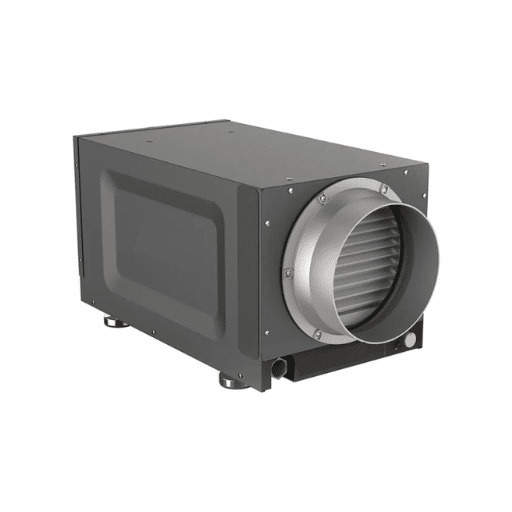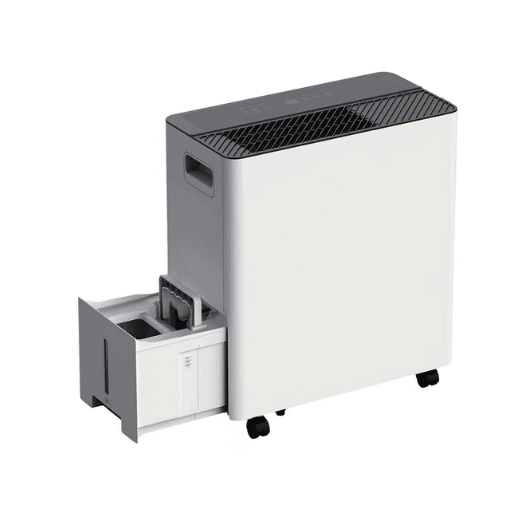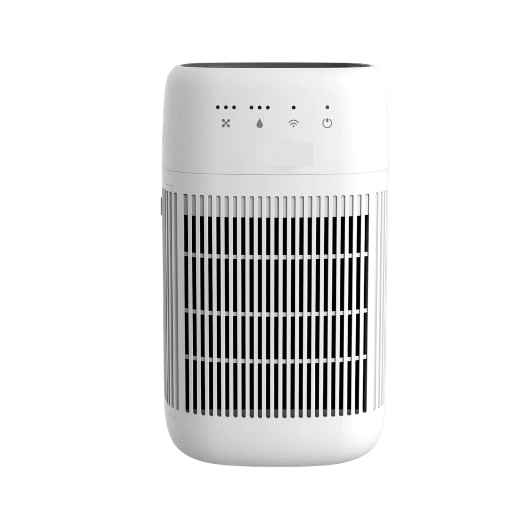
For various commercial and industrial environments, it is very important to control humidity levels, as excess moisture may result in structural damage, mold growth, or quality loss of products. A reliable high-performance dehumidifier would be quite a necessity to secure the indoor environment and ensure the smooth flow of operations, regardless of whether it is a warehouse, a factory, or a commercial office space. The article will cover the best available choices when it comes to portable industrial dehumidifiers and will give options that are effective, durable, and mobile at the same time. We will also not only talk through the technical specifications but also give examples of the major applications, starting from there to finally bring you to the right model that fulfills your commercial requirements by deciding without any uncertainty.
Understanding Dehumidifiers

Dehumidifiers are gadgets that help to make the air less humid and keep the humidity level at a manageable point for good environmental conditions. The process consists of sucking up humid air, cooling it down, thereby getting rid of the humidity, and then blowing it back into the room as dry air. Industrial dehumidifiers are usually utilized in areas where humidity control is a must, for example, warehouses, production facilities, and storage places. These machines assist in stopping mold from growing, killing bacteria, and improving the quality of products, therefore providing protection and efficiency for the future. Good industrial versions are those that can take in the maximum amount of moisture, and usually, they are made portable for easy movement and use in different locations.
What is a Dehumidifier?
A dehumidifier is nothing but a tool that works to maintain and cut down the humidity levels in the air by removing the moisture that is in excess. The device comes into action by sucking in the humid air, chilling it so that the moisture collects as water, and finally letting the drier air back into the surroundings. This entire procedure is very important in eliminating problems like mold outbreaks, dust mites, and even the destruction of buildings due to high humidity. Dehumidifiers find their place in residential, commercial, and industrial areas for this reason—they control airflow quality, preserve materials, and enhance comfort. You can get dehumidifiers in various forms, such as refrigerant, desiccant, and thermoelectric, each of them being perfect for different kinds of needs and performance.
How Dehumidifiers Work in Industrial Environments
The process of industrial dehumidifiers involves taking moisture out of the air and thus, controlling the humidity and maintaining the levels that are very important for the materials’ preservation, safety, and process efficiency. In general, refrigerant-based dehumidifiers evaporate the cooled air in a refrigerant coil that condenses the water vapor, and it is then collected and drained as a liquid. On the other hand, desiccant dehumidifiers use moisture-attracting materials that are directly placed in the air stream, which makes them good for very cold or very dry environments. Thermoelectric dehumidifiers, while not the most common in the industry, still use Peltier technology for small and localized applications. Industrial systems usually require high airflow, long-lasting parts, and flexible controls to cope with the needs of bulk operations such as manufacturing, storage, and medical production. Choosing a dehumidifier is mainly determined by the surrounding conditions, the humidity levels, and the capacity of the unit to handle the work.
Importance of Dehumidification in Commercial Settings
The process of dehumidification is a must for the proper functioning of the environmental conditioning systems in the commercial and industrial areas. The presence of moisture in the air can bring about several negative consequences, such as the proliferation of mold and mildew, the rusting of machines and buildings, and the spoilage of humidity-sensitive products like drugs and electronics. By humidity control, the companies can not only prolong the life of the machines but also guarantee adherence to the regulations and provide a better working environment for the employees.
The use of efficient dehumidifiers keeps the humidity in the proper range, thus avoiding spoilage of materials and delays in production. The food processing, aerospace, and medical industries, among others, have very humid and delicate environments where they operate, and the only way to keep them contamination-free and the whole process running smoothly is through dehumidification. Not to mention that electricity consumption is lower when humidity is controlled since the HVAC systems consume less energy this way; therefore, it is a good investment. The indoor moisture levels should always be kept in check to ensure commercial and operational efficiency.
Global Industrial Portable Dehumidifiers

Portable dehumidifiers for industrial use worldwide are super efficient, caused mainly by their sophisticated yet easy operation features, and their performance is of the highest quality. The main characteristics are humidity control adjustable to the user’s needs, sturdy construction enabling it to withstand long-term use, and high moisture removal capacity meeting the requirements of commercial and industrial areas. Their multifunctionality allows them to be used in various places like warehouses, manufacturing plants, and construction areas, etc. On the other hand, their ability to move around easily aids in their being positioned and used in different places, hence, flexibility is achieved without the loss of performance.
Features of Portable Dehumidifiers
Quiet, portable dehumidifiers have made it easy and possible to maintain the proper humidity level in different places. Here are the main characteristics that stand out:
- High Moisture Removal Efficiency: These somewhat typical units can remove large portions of moisture and, at the same time, enhance the quality of air in the surrounding area and protect delicate materials from being ruined by humidity.
- User-Friendly Controls: Having either a digital or a manual control panel, they present for an operator’s ease of use the precise humidity level adjustment, timer setting, and automatic shut-off function.
- Portability and Compact Design: The devices that are small in size are light, and mostly those that have wheels or carry handles are easy to move all over and place them in different spots, thus allowing for the flexible deployment of such devices.
- Durability and Robust Construction: The portable dehumidifiers that are able to perform with good results in the most demanding conditions, made out of corrosion-resistant parts and materials, are often those that are suitable for industrial and commercial applications.
- Energy Efficiency: A lot of modern units focus on energy conservation as their main concern, hence the use of complicated technologies that make the power consumption so little that it does not interfere with the performance, which is always better than optimal.
- Automatic Drainage Options: A few units offer built-in pumps or gravity-fed drainage systems for continuous use that eliminate manual water disposal and thus, they can be left running without supervision.
When it comes to their features, these dehumidifiers stand as a very trustworthy option for controlling the amount of moisture from the living areas in the house all the way to the huge industrial sites, thus guaranteeing that their functionality is capable of meeting the various operational needs.
Benefits of Using a Global Industrial Portable Dehumidifier
- Moisture control made easy: The portable dehumidifiers of Global Industrial are specially made to handle the humidity levels in an efficient way by eliminating the chances of mold formation, rusting, and protecting the equipment or the materials from any damage. So, such dehumidifiers become a must in places like warehouses, factories, and storerooms.
- Better quality air: The dehumidifiers work by cutting down the humidity, which in turn results in better indoor air quality as the allergens like dust mites and mold spores are reduced. So automatically, the conditions for working or living become healthier and safer.
- Easy to move and versatile: The dehumidifiers being portable allow for easy movement to the areas where the problem is located, thus providing the advantage of operating in both small and large areas without the need for a fixed installation.
- Eco-friendly: A good number of Global Industrial portable dehumidifiers equipped with energy-efficient technologies will make the moisture removal process less costly in terms of electricity bills, while at the same time keeping the performance high, which means they will be a cost-effective solution in the long run.
- Long-lasting for tough use: The use of industrial-strength materials in the construction of the dehumidifiers guarantees that they are tough enough to take on the most demanding situations, which also means they will not fail even if used for a long period in difficult conditions.
- Personalized functionalities: The equipment often comes with features such as changeable humidity settings, various fan speeds, and optional continuous drainage systems, thus allowing for precise accommodation of different industrial and commercial requirements.
When all these pros are combined, the portable dehumidifiers from Global Industrial are able to provide a powerful and flexible solution that can be applied for controlling the environment over a wide range of applications.
Energy Efficiency: Energy Star-Rated Models
Portable dehumidifiers that have received the Energy Star rating are made to conform to the hard energy efficiency standards laid down by the U.S. Environmental Protection Agency, thus guaranteeing high-energy performance with low consumption. These types of machines make use of modern compressor technology along with airflow systems that have been optimized to draw moisture out in a very efficient manner while using much less electricity than normal units. Moreover, the operational costs of dehumidifiers with an Energy Star rating can be reduced over time, so they are economical not only for industrial but also for commercial applications. Not to mention, the reduced energy consumption of these machines also results in fewer greenhouse gas emissions, which are in line with the sustainable operational goals. When you buy such high-efficiency units, you not only comply with the energy standards but also contribute to environmental conservation.
Types of Global Industrial Dehumidifiers

Based on their functionality and the needs they meet, industrial dehumidifiers are classified into different categories. The main types of industrial dehumidifiers are:
Refrigerant Dehumidifiers
Using cooling coils, this kind of system removes moisture from the air by condensation. It is a very effective method of dehumidification in places with higher temperatures and humidity levels.
Desiccant Dehumidifiers
These units use a desiccant material to soak up moisture and are suitable for very cold or dry conditions; refrigerant units may not work as well in such places.
Hybrid Dehumidifiers
With the combination of refrigerant and desiccant technologies, hybrid dehumidifiers have the advantage of being highly versatile and efficient in many different environmental conditions.
Portable Industrial Dehumidifiers
These are smaller, mobile, and sometimes flexible units, designed for temporary operation, often used in areas like construction sites or for disaster recovery.
Different dehumidifier types support different operations, ensuring that performance remains optimal in diverse industries and applications.
Portable Dehumidifiers for Commercial Use
Commercial portable dehumidifiers are able to handle excess humidity in places where mobile and adaptable solutions are a must. These devices are often used in warehouses, offices, server rooms, and temporary facilities as they are the only way to control the humidity level, which is critical for the protection of equipment, materials, and the comfort of the people present.
Today’s portable dehumidifiers for commercial purposes come with many hi-tech features such as humidity control settings, efficient energy compressors, and very good water extraction rates. A lot of models are also provided with strong wheels and easy-to-use handles for easy movement and a continuous drainage system for maintenance simplicity. They are usually picked for applications where flexibility is required, such as emergency drying in water-damaged areas or as a supplementary solution for high-moisture zones.
By merging small size with efficient dehumidification, these commercial portable units are not only cost-effective but also trusted to keep the right environmental conditions in a broad range of professional and industrial contexts. Their portability and efficiency deem them an indispensable tool in humidity control.
Fixed vs. Portable Models: Which is Right for You?
If you are deciding between fixed and portable dehumidifiers, you should take into account the particular usage, operational requirements, and environmental factors. Fixed dehumidifiers are perfect for large-scale, long-term projects or areas where humidity control is needed consistently, such as cellars, large warehouses, or cold-storage rooms. These devices are frequently combined with pre-existing HVAC systems, thus offering a high removal rate of moisture plus the benefit of being energy efficient, although they involve a higher installation fee and have the disadvantage of being less flexible.
In contrast, portable dehumidifiers are made for different purposes and temporary use. They are the best option for applications needing mobility, such as building sites, emergency water damage restoration, or places with limited space or changing needs. With their small size and easy setup, they allow the operators to quickly adjust to the various conditions without needing a permanent setup.
In the end, choosing the right model is a matter of weighing capacity, mobility needs, and the long-term operational framework. Fixed units provide strong and continuous solutions for stable environments, while portable ones are able to meet the flexible requirements of dynamic and short-term situations.
Choosing the Right Capacity: Pints Per Day
The capacity of the dehumidifier needed, which is expressed in pints per day (PPD), is influenced by the area of the place and the amount of moisture in the air. In case of a moderately humid situation, the standard rule is around 10 pints for a space around 500 sq. ft., plus 4-5 pints for each additional 500 sq. ft. Damp conditions, on the other hand, will need units with higher capacities, which can be up to 16-20 pints per 500 sq. ft. and more, depending on the size of the area. Such extreme scenes of moisture, like large areas of basements or places affected by floods, might require units that can pump out as much as 50-70 pints a day or even more.
In the selection of a dehumidifier, factors such as room ventilation, humidity (usually expressed in percentage of relative humidity), and possible sources of moisture from outside must be considered. Most of the new dehumidifiers come with a performance rating, which is derived based on some specific conditions, like those of AHAM, which implies 80°F of ambient temperature and 60% relative humidity. These numbers give a good ground for comparing different models and making the right choice according to your conditions. It’s a good idea to use a hygrometer for measuring the humidity level of the space before deciding on the capacity for precise results.
| Humidity Level | Room Size (sq. ft.) | Recommended Capacity (PPD) |
|---|---|---|
| Moderately Humid | 500 sq. ft. | 10 pints |
| Moderately Humid | 1000 sq. ft. | 14-15 pints |
| Very Damp | 500 sq. ft. | 16-20 pints |
| Extremely Humid | Large Areas | 50-70+ pints |
Price Comparison of Global Industrial Dehumidifiers

The price range of industrial dehumidifiers is quite large, depending on the capacity, features, and manufacturer. Generally, the price of the lowest range units, which can dehumidify around 50-70 pints per day, is between $500 and $1,000. The price of medium-capacity models, which can dehumidify around 100-150 pints per day, is normally between $1,200 and $3,000. The price of high-capacity models, which are made for the very demanding environments with a rate of over 200 pints per day, can be anywhere from $4,000 to $10,000 and beyond. Premium brands like Aprilaire, Dri-Eaz, and Ebac normally charge more because of their better build quality and reliability. When the time comes to choose a dehumidifier, consider not just the purchase price but also the operating costs and maintenance requirements because all these factors are a part of the long-term value.
Price Ranges for Different Models
| Capacity Range | Price Range | Typical Use Case |
|---|---|---|
| Up to 70 PPD | $200 – $500 | Residential / Small Spaces |
| 70-150 PPD | $800 – $2,500 | Medium Commercial Spaces |
| 150+ PPD | $3,000 – $10,000+ | Industrial / Large Commercial |
The cost of dehumidifiers is influenced by a range of factors, the most important ones being capacity, efficiency, and extra features. Usually, the price of the models capable of extracting 70 pints per day or less remains between $200 and $500 range, which is very appropriate for domestic usage. Units of the medium price range, which are made for areas needing 70 to 150 pints/day, are in the $800 to $2,500 price range. The price for the industrial or commercial models with capacity more than 150 pints a day starts at $3,000 and can go up to over $10,000, depending on the characteristics of the model, such as programmable controls, sturdiness, and noise reduction. Generally, energy-efficient units are more expensive initially, but they can offer great savings on operational costs in the long run, thus allowing consumers to enjoy better value over time.
Factors Affecting the Price of Industrial Dehumidifiers
The cost variability of industrial dehumidifiers is determined by several main factors:
- Capacity and Performance: The capacity measured in pints per day is the main factor that determines the price because the dehumidifiers that can handle larger areas or deal with more moisture will have to be made with more powerful components and a higher level of engineering. The units that do the extraction at a faster rate, which is usually the case in industrial and commercial settings, are the ones that are priced the highest.
- Energy Efficiency: The machines that have energy-efficient certifications like Energy Star ratings are the ones with the highest price tags. But these machines pay back in long-term savings, as they get less electricity during operation.
- Advanced Features: The given pricing is closely associated with the features added to the units, such as programmable controls, integrated monitoring systems, multi-speed fans, and automatic restart capabilities. Units with smart technology, like remote operation or connectivity features, tend to be more expensive.
- Durability and Build Quality: Heavy-duty models made from corrosion-resistant materials, reinforced structures, or those with extended warranties usually come at a higher price point. These are designed for long-term use in harsher environments, justifying the associated costs.
- Brand and Manufacturer: Top brands will charge extra for their reputation of good quality, being reliable, and having a good support service. Highly regarded manufacturers may also offer extensive customization options, which will consequently increase the price.
- Environmental Adaptability: Specially designed dehumidifiers that can successfully operate under extreme conditions, such as low temperatures or very humid climates, generally need advanced technology, and this drives the price up.
When companies comprehend these elements, they can have a better assessment of the industrial dehumidifier that not only fits their operational needs but also their budget, thus making a cost-effective investment.
Where to Find the Best Deals
When it comes to purchasing industrial dehumidifiers, getting the best deal is going to take a lot of research and comparisons among different reputable suppliers. Below are the main resources that you should keep in mind:
Grainger
If you want to choose from a wide selection of industrial dehumidifiers, Grainger is the right place to look because they carry products from known brands and have different qualities as well. They also have great customer service, which helps you in picking the right unit for your use. Businesses can also get bulk discounts on dehumidifiers, more often than not, so keep your eye on seasonal promotions and clearance sales as they may lead to savings.
Global Industrial
Global Industrial is famous for its low prices and for selling the best quality products at the same time. Their offer of dehumidifiers comes together with very detailed specifications, which can help customers to make their selection. Price matching by them, as well as periodic discount campaigns, are their ways of being a good option for those who want to keep costs down while getting good quality products. An additional advantage is that they have a wide selection of energy-saving models, which means they are suitable for already existing businesses that want to minimize long-term operational costs.
Amazon Business
Industrial buyers will find a wide variety of dehumidifiers at Amazon Business, which includes dehumidifiers that are budget-friendly as well as high-capacity models that are advanced. The customer reviews and ratings system is a big help since it will give you an idea of the product’s performance. Besides, the company offers bulk purchase discounts, fast shipping options, and flexible return policies, making Amazon a comfortable and easy procurement platform.
By analyzing these platforms, companies can not only find out about the price but also the features that will give them the most value for their money spent on industrial dehumidifiers.
Choosing the Right Dehumidifier for Your Needs

When selecting a dehumidifier, it is best to consider the following crucial factors that will make it suitable for your needs:
Room Size and Coverage Area
Calculate the square footage of the room and pick a model that is strong enough to cover the area properly, evaporating the moisture. Dehumidifiers are often given ratings based on the area they can cover, thus enabling effective moisture control.
Humidity Removal Capacity
What level of humidity removal do you need? It is usually expressed in pints per day. The high-capacity models are ideal for use in damp places or big rooms.
Energy Efficiency
It is wise to buy units that have an Energy Star certification as they consume less energy and thus lower the costs of operation over time.
Special Features
Such features as auto-shutoff, adjustable humidistats, and continuous drainage options can positively contribute to the comfort and usability of the appliance.
When you adjust these factors to your particular application, you will be able to choose a dehumidifier that operates efficiently while still being in line with your environmental needs.
Assessing Your Space Requirements
Choosing a dehumidifier according to your space requirements is very important, as this will guarantee the unit’s highest efficiency and performance. Therefore, the first thing you need to do is to find out the square footage of the area you will be dehumidifying. Smaller areas, such as bathrooms or closets, generally require units with lesser capacity (in pints per day supply) while larger places like basements or warehouses are to be served by units of higher capacity. In addition to that, the moisture level of the area should be another consideration—spaces where the humidity is almost always high, like those very close to water sources or in humid climates, will require powerful dehumidifiers.
In the second place, ceiling height and room layout should be considered, as these factors affect the size of the air the dehumidifier has to process. For spaces cut in irregular shapes or where there is poor ventilation, you may need to opt for one larger unit or several smaller ones to achieve uniformity in moisture removal. Moreover, the last point that should not be ignored is regarding the neighboring spaces-open doorways or attached rooms could mean that the combined square footage should be taken into account when estimating the need for the control of humidity consistency across the whole area. Tackling these specific factors will let you come up with the most suitable dehumidifier for your unique spatial conditions.
Understanding Capacity: Pints Per Day Explained
My understanding of capacity in terms of pints per day leads me to the conclusion that the dehumidifier’s moisture removal ability for a day is that I consider only the unit’s rated removal capacity for that day. The measure is directly proportional to the size of the room and the amount of moisture in the air. A dehumidifier, for example, with a capacity of 20-30 pints per day, is often enough for small rooms or slightly damp conditions, while big areas with high humidity levels can have up to 50 pints or more units. By taking into account the pints-per-day rating, I can perfectly synchronize the dehumidifier with the particular conditions of the space, thus guaranteeing it will work at its best.
Evaluating Additional Features: LED Display and More
The LED display is one of the most important features when it comes to the dehumidifier’s usability and monitoring effectiveness. Affected by this, modern units are more likely to come with LED displays that show the current data in real-time, such as humidity levels, temperature, and operating modes. The users, therefore, can make very fine-tuned adjustments that correspond to their particular environmental needs. Besides, the hygrometer being part of the dehumidifier is a key factor in the precision of the humidity control, while the operation schedules that are based on the timers and are programmable add up to energy-saving measures. For your convenience, you may consider models that have auto-restart capability, which will keep your settings intact after a power cut, and smart technology like Wi-Fi as an option for controlling the machine from your phone, thus, remote operation. Taking these extra features into account leads to both a better-functioning machine and a more user-friendly one; hence, the dehumidifier turns out to be a must-have appliance for the good quality of indoor air, as it keeps the atmosphere at the right moisture level.
Reference Sources
Ohio State University – College of Engineering
This article discusses advancements in dehumidifier technology, including a nickel-titanium-based device for efficient water extraction from the atmosphere.
U.S. Department of Energy (DOE)
This document outlines proposed energy conservation standards for dehumidifiers, ensuring compliance with regulatory requirements.
U.S. Department of Energy – Energy Codes
This standard provides guidelines for energy efficiency in building systems, including dehumidification technologies.
Frequently Asked Questions (FAQs)
Item review: Is the global industrial dehumidifier a user-friendly product for crawl space applications?
If the global industrial dehumidifier is properly sized, it can be a user-friendly and dependable device meant for proper control of moisture in the crawl space. A lot of models are built for small spaces, and they can keep the humidity pleasantly low by getting constant airflow. This is the time you should check the cfm (cubic feet per minute) and placement to know if the airflow is adequate in your crawl space and meets the requirements for the size of the area.
Review of item list: Which cfm and 115v options are best for me?
The base area to be dehumidified will determine the model you will choose according to the appropriate cfm value (cubic feet per minute). A 115v unit with a cfm rating from 2000 to 3000 is too much for home and light commercial applications; although it is worth noting that typical smaller dehumidifiers for basements and crawl spaces run much lower. Make sure that the voltage (115v) and the motor capacity for continuous operation are compatible.
Item review: Are washable filters and low grain refrigerant option part of the unit?
Global industrial dehumidifier models offer washable pre-filters to the user in some cases to help clean the air by trapping dirt and penetrating dust to make the unit more efficient. Low grain refrigerant (LGR) technology is an option for certain commercial units and conducts more respectful moisture extraction at low temps; check model specifications if LGR performance and washable filtration are significant for you.
Review item: What about the design that includes pneumatic rubber wheels and polyethylene components?
Most industrial dehumidifiers have rubber pneumatic wheels as a definite plus to produce less tire and eventually permit closer positioning of the wheels to the floor than one would think. Check the description if you want durable materials and the ability to move it effortlessly.
Item review: What is the coverage of a 1-year warranty, and where can I access warranty info at Amazon.com?
A 1-year warranty is a standard offer from many manufacturers; it usually takes care of all material and workmanship defects, yet barring certain cases like wear and tear, improper use, or filters. If you buy a product on Amazon.com, generally warranty specifics are included either on the product page or the manufacturer’s documentation uploaded on the listing; keep your purchase receipt and register the product if required to make claims.
Item review: Will this model be suitable for areas as large as 2000 square feet, and how is the capacity calculated?
The capacity is solely dependent on the model’s removal rate (pints per day) and cfm. To find out if 2000 square feet is correct, first calculate the total volume of air and then decide how many times you want to change the air per hour. Find a dehumidifier that has both a sufficient pint/day rating and airflow. Read the product specifications carefully, and when you’re not sure, order a slightly bigger unit to be safe during humid weather.
Review item: Is the unit able to operate in a crawl space with polyethylene vapor barriers for a long time?
Indeed, a lot of industrial dehumidifiers are made to work along with polyethylene vapor barriers in crawl spaces; the dehumidifier will actively extract moisture from the environment, while the polyethylene barrier will prevent moisture from coming from the ground. Just be sure that you have good drainage and that the unit will be able to function in the low temperatures, which are common in crawl spaces.
Item review: Does Amazon.com or the manufacturer sell replacement parts and filters?
It is very common that replacement washable filters, cartridges, motors, and other parts can be purchased via either Amazon.com or directly from the manufacturer. Make sure the part numbers match those in the owner’s manual and also verify the seller’s credibility; OEM parts are guaranteed to fit and retain warranty coverage if any has already been established.