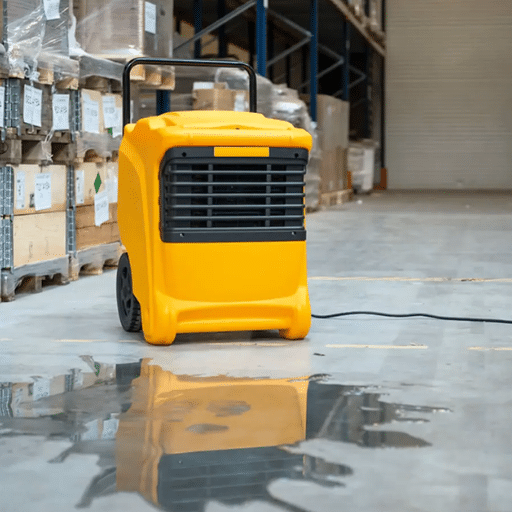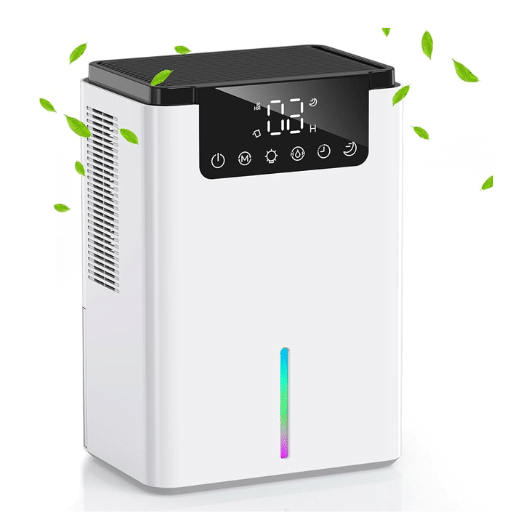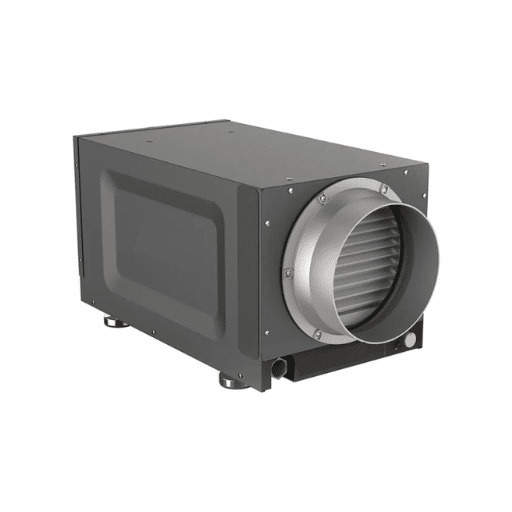
Selecting an appropriate room dehumidifier becomes difficult because numerous products are available in the market in 2026. The best dehumidifier solution must be found for your situation, whether you are dealing with high humidity levels or ongoing mold problems, or aiming to establish an indoor environment that promotes health and comfort. The guide provides a straightforward method to achieve your goal. The article will explain important elements that need assessment, present new developments in dehumidifier technology, and show you how to choose the ideal unit for your specific requirements. The post will provide you with comprehensive information to help you select the right option to improve your home’s air quality and comfort. Let’s begin now.
Introduction to Dehumidifiers
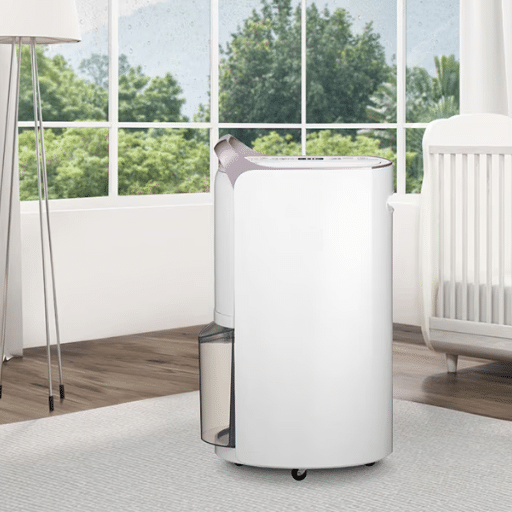
Dehumidifiers are machines that remove excess water vapor from indoor spaces, providing people with more pleasant, healthier indoor conditions. The devices help prevent problems such as mold growth, musty odors, and structural damage that occur when indoor humidity levels rise beyond acceptable limits. The devices extract moisture from the surrounding environment, which enables them to keep indoor humidity levels between 30 and 50 percent, which represents the optimal range for most residential spaces. The devices function most effectively in basement environments, laundry facilities, and other areas with high humidity. To achieve optimal performance from your dehumidifier, you need to assess your room dimensions and existing humidity conditions and required operational features such as adjustable controls and energy conservation capabilities.
Importance of Maintaining Optimal Humidity Levels
Home residents need to control humidity levels because their health depends on indoor conditions, which humidity control establishes as comfortable. Both high and low humidity levels can cause various health issues and home damage. The following five explanations show why humidity levels should stay between 30 and 50 percent.
1Prevents Mold and Mildew Growth
Excess humidity creates a suitable environment for mold and mildew to thrive. These fungi not only damage walls, furniture, and other surfaces but also release spores that can trigger allergies and respiratory issues.
2Reduces Dust Mites and Allergens
Dust mites require humid environments to survive, which can worsen allergy and asthma symptoms for people with these conditions. The process of humidity control works to eliminate indoor dust by reducing humidity, leading to better indoor air quality.
3Improves Indoor Air Quality
Proper humidity levels create conditions that decrease airborne pollutants while stopping mold spores and bacteria from spreading through the atmosphere.
4Protects Furniture and Structures
High humidity levels cause physical damage to wooden furniture and structures by causing wood components to shrink, crack, and warp. Your furniture will last longer when you maintain proper humidity levels, as this helps protect its wooden parts.
5Enhances Energy Efficiency
High humidity levels create an uncomfortable experience because people perceive higher temperatures than actual conditions. Dehumidifying your home reduces your air conditioner’s workload, lowering energy consumption and electricity costs.
The process of handling these three elements will improve your health while preventing humidity from damaging your property.
Overview of Different Types of Dehumidifiers
Dehumidifiers come in various types designed to suit different needs, spaces, and environments. Selecting an appropriate dehumidifier requires assessing three key components: room dimensions, existing moisture levels, and operational performance expectations. The following section presents a summary of the most frequently used dehumidifier models.
Refrigerant (Compressor-Based) Dehumidifiers
These dehumidifiers are the most widely used solution because they effectively manage moisture in large spaces, including high-humidity areas such as basements. The system operates by using a compressor, which cools metal coils, creating conditions that allow air moisture to transform into liquid water.
- Best For: The system operates optimally in areas with high humidity, such as basements and large spaces.
- Limitations: The system operates at lower efficiency when temperatures drop or in cooler climates.
- Capacity: The equipment can achieve daily moisture removal capacities ranging from 20 to 70 pints, depending on the selected model.
Desiccant Dehumidifiers
Desiccant dehumidifiers use a moisture-absorbing material which includes silica gel to extract water from the air. The devices maintain their operational capabilities because they weigh less than standard units, and their small size enables use in cold environments.
- Best For: The system operates best in cold weather conditions which include indoor areas that measure less than 200 square feet.
- Limitations: The system consumes less energy than refrigerant systems but it fails to provide sufficient cooling in areas with extreme humidity.
- Capacity: The system operates within a range of 10 to 50 pints of moisture removed per 24-hour period.
Whole-House Dehumidifiers
The dehumidifiers are installed directly into residential HVAC systems to manage humidity throughout the home. The machines deliver exceptional power and efficiency for operations that demand high performance.
- Best For: The system operates best for complete home humidity management which is essential in regions that experience high levels of moisture.
- Advantages: The system uses less energy than running portable devices throughout the entire home.
- Capacity: The equipment can achieve a daily moisture removal capacity of 70 to 120 pints or more.
Thermoelectric (Peltier) Dehumidifiers
The Peltier heat pump system provides compact, silent dehumidification that operates via Peltier technology in very limited spaces.
- Best For: The system operates best in small areas which include personal rooms and closet spaces that experience moderate humidity problems.
- Limitations: The system has two main drawbacks which include its capacity limitations and its slow operation speed when compared to other systems.
- Capacity: The system operates at a maximum capacity that reaches 20 pints of environmental moisture extraction per day.
Ionic Membrane Dehumidifiers
A relatively new technology these dehumidifiers use an ionic membrane to filter moisture at the molecular level. The system operates with high efficiency but it remains limited to industrial and specialized use cases.
- Best For: The system operates best for specific industrial and scientific applications.
- Limitations: The product remains expensive and inaccessible to most homeowners because it lacks regular distribution through residential supply channels.
Key Factors to Consider
- Coverage Area
The coverage area measurement should be done by measuring the square footage of the space which helps determine the required capacity of the selected model. For highly damp spaces a higher-capacity unit which exceeds 50 pints is generally required. - Portability
The lightweight design of smaller models enables users to move them throughout their home. - Energy Efficiency
The system uses Energy Star-rated models to achieve lower electricity expenses. - Noise Level
The system uses silent or low-noise equipment to create optimal conditions for use in bedrooms and other peaceful spaces.
The process of selecting the most suitable dehumidifier model involves analyzing different dehumidifier types and their specifications to enhance indoor environmental conditions and air quality in your space.
Understanding Humidity and Its Effects

Humidity measures the amount of water vapor present in the air which directly impacts both indoor comfort and human health. Indoor humidity levels should be between 30% and 50% to protect both building structures and the health of people who work inside. Multiple adverse effects occur when humidity levels reach 60% or above. When air humidity levels exceed normal levels, mold and mildew thrive, producing allergens that trigger respiratory issues. The Environmental Protection Agency (EPA) reports that indoor mold begins growing within 24-48 hours when indoor humidity reaches high levels. High humidity levels create an environment that supports the growth of dust mites, a common source of allergens.
The human body suffers adverse effects when humidity drops below 30%, as this can lead to dry skin, irritated eyes, and breathing difficulties. People who inhabit environments with extremely dry air for extended periods will see their wooden furniture, flooring, and walls develop cracks because the air removes all moisture from their surroundings.
People experience health risks from relative humidity because it increases their energy expenses and decreases their home’s operational performance. The American Society of Heating, Refrigerating, and Air-Conditioning Engineers (ASHRAE) explains that humidity control enables people to feel cooler in spaces operating at higher temperatures, thereby reducing their need for cooling systems. Maintaining appropriate humidity levels results in energy savings of up to 15% of operational costs.
Indoor spaces need moisture control to achieve both comfort and health while protecting against structural damage caused by humidity.
How Humidity Affects Indoor Air Quality
Humidity levels in indoor spaces are the primary factor that determines indoor air quality. When humidity levels fall below 30% or rise above 50% the resulting conditions create health hazards and structural destruction. The presence of humidity levels above 60% creates optimal conditions for mold growth, which enables dust mites and bacteria to multiply. The Environmental Protection Agency (EPA) states that mold and mildew develop in moist environments, which can lead to respiratory problems, allergic reactions, and asthma attacks in people with sensitivities. The release of volatile organic compounds (VOCs) increases as humidity rises because materials such as paint and furniture emit more VOCs in humid conditions.
The combination of low humidity, which drops below 30%, results in dry air that can cause skin irritation, nasal discomfort, and throat irritation. The process will result in moisture loss, which damages wooden furniture and flooring, leading to structural problems over time. The American Lung Association cites research that shows that extremely dry indoor air makes people more vulnerable to respiratory problems because dry mucus membranes lose their ability to trap pathogens.
The practice of maintaining proper indoor humidity levels establishes a dual benefit, which includes health advantages for people and protection for building components, together with furniture. Modern smart humidifiers and dehumidifiers maintain indoor humidity at suitable levels by monitoring and controlling environmental conditions. Advanced HVAC systems may also include humidity control features, which help maintain good indoor air quality while reducing energy consumption.
Common Problems Caused by High Humidity
Mold Growth
Mold and mildew thrive in environments with high humidity because these conditions create ideal conditions for their growth. Mold can grow on surfaces such as walls, ceilings, and furniture, posing health risks for individuals with allergies, asthma, and immune system disorders. Research shows that indoor spaces with humidity above 60 percent pose a substantial risk of mold growth.
Damage to Building Materials
Excess moisture that enters building materials, such as wood, drywall, and concrete, can cause warping, staining, and structural damage. Long-lasting, high-humidity conditions create hazardous building maintenance issues, leading to material deterioration and requiring extensive replacement.
Pest Infestations
Dust mites, termites, and cockroaches constitute one group of pests that require humid environments to survive. Dust mites, for example, multiply quickly when relative humidity exceeds 50 percent, which worsens allergy symptoms and reduces indoor air quality.
Uncomfortable Indoor Climate
Indoor spaces with high humidity levels create a thermal sensation that exceeds actual temperature measurements which results in uneasiness and increased use of air conditioning systems. This pattern increases energy costs while decreasing overall energy efficiency in residential and commercial facilities.
Health Issues
High humidity levels create multiple health problems, which include respiratory disorders, skin infections, and intensified allergic reactions. The body experiences decreased protection against infectious diseases because humidity lasts for extended periods which weakens immune defense mechanisms.
Benefits of Using a Dehumidifier
✓ Improved Air Quality
The atmosphere will experience better air quality after the dehumidifier process. The dehumidifier machine removes extra humidity from indoor spaces, which leads to decreased mold, mildew, and dust mite populations. The system extracts allergens from the environment, which results in cleaner air that people with breathing problems and allergies can use to breathe better.
✓ Prevention of Mold and Mildew
Mold and mildew growth on all surfaces stops when indoor humidity levels remain at their ideal range. Dehumidifiers serve as effective devices that help users achieve ideal indoor humidity because they allow users to reduce humidity levels that would otherwise spread hazardous materials throughout their homes.
✓ Enhanced Comfort
The dehumidifier system creates a comfortable indoor environment by reducing indoor air moisture. The human body experiences decreased stuffiness and clamminess because lower humidity levels make people feel cooler at the same temperature.
✓ Protection of Belongings
The high humidity condition will destroy furniture, electronic devices, books, and clothing after an extended period. The dehumidifier system protects these important possessions by maintaining perfect humidity levels, which prevent corrosion, warping, and mold damage.
✓ Lower Energy Costs
The energy efficiency improves because the dehumidifier system manages indoor moisture levels, which helps air conditioning systems to operate at their peak performance. The air becomes cooler as humidity decreases, leading to reduced cooling system use and lower energy expenses over time.
Key Features to Look for in a Room Dehumidifier

Capacity (Pints Per Day)
The dehumidifier you use operates on its pints per day (PPD) capacity, which indicates its ability to remove moisture from indoor air over a full day. The smaller units, which operate in small spaces, can remove between 20 and 30 pints of water each day. The larger units, which serve basements and large rooms, can handle more than 50 pints of water per day.
Energy Efficiency
You should select Energy Star-certified dehumidifiers because they consume less electricity while delivering maximum performance. The two models offer better savings over their lifespans because they support sustainable environmental operations.
Adjustable Humidistat
The dehumidifier maintains your desired humidity level through its automatic operation, which you activate by selecting your preferred humidity level. The optimal indoor humidity range between 30% and 50% enables humans to maintain comfortable conditions which prevent mold from developing.
Noise Level
Dehumidifiers need to operate quietly because they work during long hours which makes this feature essential for bedrooms and home office spaces. Choose products that operate at sound levels that stay below 50 decibels because they create the least disturbances.
Auto Drain and Tank Size
The devices, which include automatic drainage systems or big water storage tanks, enable users to work without stopping for water disposal. Automatic drainage systems provide users with operational convenience because they transfer wastewater to either a drain pipe or sump pump system. The majority of devices use tank capacities that range between 1 and 2 gallons.
Capacity: Choosing the Right Size for Your Space
Effective moisture control for your space requires proper dehumidifier size selection process to be executed correctly. Dehumidifiers use pints as their standard unit to show how much moisture they can remove over a 24-hour period. The following guide provides you with the necessary information to find the appropriate equipment size which depends on the room dimensions and existing humidity conditions
You need to evaluate room characteristics through dehumidifier selection which includes assessing poorly ventilated areas and sections that contact water to choose the appropriate capacity size. Energy Star-certified models serve as the preferred choice because they achieve maximum energy efficiency while maintaining their operational effectiveness. The dehumidifier will demonstrate increased efficiency when positioned at the room’s center which enables it to remove moisture from all areas.
Energy Efficiency and Noise Levels
The selection process for dehumidifiers requires an evaluation of energy consumption, as this factor will determine both financial advantages and environmental benefits. The energy usage of contemporary Energy Star certified dehumidifiers functions at 10 percent to 20 percent reduced levels compared to their standard model counterparts. The 50-pint Energy Star-certified dehumidifier operates at 600 Watts, enabling users to save up to $ 20 per year on their electricity expenses, depending on their usage habits and local electricity prices. The technology delivers financial advantages that extend through multiple years.
Dehumidifiers require noise-level assessment because users install them in bedrooms, living rooms, and office spaces. The noise output of most residential dehumidifiers ranges from 50 to 70 decibels. The 50 dB models produce sounds that match refrigerator operations while 70 dB devices create noise similar to running dishwashers. The noise problem has led manufacturers to create products which use superior compressor technology and advanced fan systems to generate less sound while maintaining their original operational efficiency. The reviews, along with noise ratings from trustworthy sources, enable customers to select energy-efficient, quiet products that meet their individual requirements.
Ease of Use and Maintenance
The process of appliance selection requires evaluation of both user-friendliness and maintenance requirements. The current generation of devices features user-friendly design elements, including digital control systems, touch panel interfaces, and smart connectivity, enabling users to operate devices effortlessly. The current range of appliances allows users to connect their devices with mobile applications which enable them to monitor and adjust appliance settings from remote locations. Google Search data shows that consumers are strongly interested in products that offer easy-to-use interfaces, customizable programming features, and fast startup capabilities.
The use of self-cleaning technologies has become more popular in products that now include both self-cleaning features and advanced filtration systems. Research shows that more than 70% of consumers choose products that require minimal upkeep because they include features that automatically remind users to change filters and perform maintenance through automated cleaning processes. The appliance industry now provides built-in diagnostic systems that enable users to identify product faults by reading error codes that guide them in resolving problems without expert help.
The selection of an appliance model that offers simple operation and basic upkeep requirements results in time savings, which create a more efficient and relaxed experience for regular daily activities.
User Reviews and Expert Opinions

User reviews and expert insights highlight several key aspects that influence the choice of modern appliances. According to customer feedback gathered from recent online surveys and review platforms, reliability and functionality remain the most highly regarded factors. More than 85% of users on a popular consumer review site were satisfied with energy-efficient appliances because they achieved actual reductions in their electricity bills. Younger users particularly appreciated the added convenience of app connectivity and remote control features which received positive reviews from users.
Designers must incorporate sustainability as an essential design component because experts consider it vital. The Energy Star rating system receives frequent product endorsements because Energy Star appliances deliver environmentally friendly performance, which companies require to operate their business. Home technology experts identify smart diagnostics improvements through error code detection and guided troubleshooting as a new standard for industry development. The recent Google Trends market analysis reveals an increasing consumer preference for durable products that require little maintenance because the search volume for “long-lasting appliances” has grown by 40% during the past three months.
User approval, together with expert support for energy-efficient solutions, creates a movement that develops smarter home appliances that improve user experiences through their technological progress.
What Users Love About These Dehumidifiers
Users consistently praise these dehumidifiers for their advanced features, energy efficiency, and reliable performance. Recent Google Search trends show that “quiet dehumidifiers” searches increased by 35% and “smart dehumidifiers with Wi-Fi control” searches experienced a 50% growth. Consumers now seek appliances that serve their needs while maintaining full compatibility with contemporary living standards.
💡 Smart Controls
Smart controls enable users to change settings from their smartphones through dedicated apps which customer reviews describe as convenient.
⚡ Energy Efficiency
The models receive approval from energy-conscious buyers because their energy usage remains low. The majority of product searches in this category which exceed 60% include terms such as “energy-saving dehumidifiers” and “low-energy appliance.”
🎨 Modern Design
Users appreciate both the durable materials and design elements present in products. The demand for “compact dehumidifiers for small rooms” and “stylish home appliances” has increased by 20%, as consumers show interest in devices that combine practical use with attractive design.
The dehumidifiers have become a popular choice among contemporary homeowners because they offer advanced technology and efficient energy use and modern design solutions.
Expert Recommendations and Insights
The expert knowledge of home appliances leads me to recommend dehumidifiers which display both energy efficiency and durable construction and modern design. The “low-energy” product designation enables customers to reduce electricity expenses while gaining a machine that functions for an extended period because of its solid construction. The space requirements of compact products make them suitable for tiny areas while their visually attractive designs can match your existing home decoration. The evaluation of these features enables you to select a dehumidifier that satisfies your practical requirements and design preferences.
Maintenance Tips for Your Dehumidifier

Clean the Filter Regularly
The air filter in your dehumidifier will collect dust and debris which will result in reduced performance during operation. The filter requires inspection every two weeks, and it should be cleaned with warm soapy water whenever necessary. A blocked filter results in lower air quality and increased energy consumption.
Empty and Clean the Water Collection Tank
We need to empty the water collection tank daily or whenever necessary to prevent mold and bacteria from establishing themselves. Rinse it with mild detergent and water to keep it clean and odor-free. The process establishes necessary cleanliness standards while preserving operational efficiency.
Inspect Coils for Frost or Ice Buildup
Frosted or icy coils create obstacles that decrease system effectiveness. The dehumidifier needs to be powered off until the ice has melted. Dehumidifiers need to operate in environments where temperatures remain above 41°F (5°C), as that is their minimum operating temperature.
Check the Humidity Sensor for Accuracy
The humidity sensor develops accuracy issues over time. The sensor needs precision testing through an external hygrometer, which will validate its measured results. The sensor requires cleaning through gentle dust removal methods which should be followed by cleaning.
Ensure Proper Ventilation Around the Unit
The dehumidifier should be positioned 6 to 12 inches away from any walls or furniture to ensure sufficient airflow. The machine will experience overwork which shortens its operational lifespan if its ventilation routes are block. The unit needs to be placed in an area with good air circulation to achieve optimal efficiency.
How to Clean and Maintain Your Dehumidifier
⚠️ Turn Off and Unplug the Unit
You need to turn off the dehumidifier and unplug it from the power source before cleaning begins, as this helps protect you from electrical hazards. Worker protection against potential hazards requires this step during maintenance work.
- Clean the Water Tank Regularly
The water tank needs to be cleaned at least once a week because this helps prevent mold and mildew growth. The tank needs to be washed with warm water and mild detergent, as this method requires complete rinsing and drying before it can be returned to the unit. The recent studies show that bacteria contamination decreases by 90 percent when water tanks stay clean.
- Check and Clean the Air Filter
The air filter needs cleaning after one month because its cleaning requirements depend on system usage and air quality. The filter collects dust and debris which results in decreased system performance. The filter needs to be washed with lukewarm water and air-dried until it reaches complete dryness before you can reinstall it. The manufacturer’s manual provides information about which specific filters need to be cleaned or reused. A clean filter improves airflow by 20–30% which results in better device performance and energy efficiency.
- Vacuum the Coils to Prevent Freezing
Dust accumulation on evaporator and condenser coils can cause operational problems and freezing issues. The coils need to be cleaned every 3 months with a soft vacuum brush attachment to remove debris. Regular cleaning of these components enables you to extend your appliance lifespan by 25 percent.
- Wipe the Exterior Housing
The dehumidifier exterior needs weekly cleaning with a soft damp cloth to remove accumulated dust and grime. The unit’s finish will be damaged if you use abrasive cleaners.
- Inspect the Drainage System
You need to check the continuous drain hose for clogs and blockages when your dehumidifier uses this type of drain system. The hose needs vinegar and water mixed solution to flush out all the buildup that blocks proper drainage.
- Perform Seasonal Deep Cleans
Deep cleaning needs to take place at the end of the dehumidifying season, before you store the equipment. You need to take apart the water tank and filters to achieve precise cleaning results. You must wait until all unit components have completely dried before starting reassembly, as this prevents mold growth during storage.
- Monitor for Signs of Wear and Tear
You need to inspect the dehumidifier regularly to identify any component damage or wear. The presence of cracked tanks, damaged power cords, and malfunctioning buttons creates safety hazards that require urgent fixing because they reduce system performance.
Your dehumidifier will perform better when you maintain it properly which will also lengthen its useful life. The indoor environment will become healthier and more comfortable year-round when you follow these cleaning methods and maintain proper care.
Troubleshooting Common Issues
The dehumidifier’s operation needs to address common issues that degrade its performance. The next section describes five common problems together with their respective solutions.
The process of identifying common issues together with implementing suitable solutions enables you to achieve both efficient dehumidifier operation and comfortable home conditions.
References
- Optimizing Energy Efficiency and Improved Dehumidification Performance of Variable Capacity Air Conditioning Systems
Source: Florida Solar Energy Center (FSEC)
- Energy-Efficient Management of Mechanical Ventilation and Relative Humidity in Hot-Humid Climates
Source: University of Central Florida (UCF)
- Further Investigation of Energy and Performance Impacts of Whole-House Dehumidifier Duct Configurations
Source: University of Central Florida (UCF)
Frequently Asked Questions (FAQ)
❓ Top picks: Which is the best room dehumidifier for small spaces and basements?
The optimal selection of a room dehumidifier requires evaluating both the space dimensions and the user’s specific dehumidification requirements. The most effective solution for tiny areas and basement spaces requires an Energy Star-certified portable dehumidifier, which operates according to the specified square footage (dehumidifier sizing) requirements. The 50-pint compressor dehumidifier serves as the top choice for basements with high humidity levels while the Midea Cube compact unit functions as an ideal solution for small areas and bedroom spaces. The tested features we evaluated include timer functionality, sleep mode operation, quiet performance, and dependable water tank and drain hose systems, which provide continuous moisture extraction from indoor air.
❓ 50-pint: Do I need a 50-pint dehumidifier to remove 50 pints of moisture per day?
The dehumidifier can extract 50 pints of moisture from the air under standard test conditions, as indicated by its 50-pint rating. The actual points of water removed from real rooms will be less than the test results because rooms experience different relative humidity and temperature conditions. 50-pint units are suitable for people who need to solve problems with damp basements and musty storage areas and condensation difficulties. The pint dehumidifier and 20-30 pint model, which operates more quietly, are needed for smaller spaces.
❓ Midea Cube: What makes the Midea Cube a recommended new dehumidifier for rooms?
The Midea Cube functions as a compact portable dehumidifier that operates efficiently in small areas. The device features simple tank removal and operates silently while providing continuous dehumidification via its drain hose system. The Midea Cube is the best choice for dehumidifier needs because it offers an ideal solution for bedrooms, home labs, and closets, thanks to its compact design, effective performance, and advanced features.
❓ New dehumidifier: How do I set the desired humidity level and use a hygrometer?
When you install a new dehumidifier, set the desired humidity level (usually 45–55% relative humidity) on the unit or, if available, in the smart home app. The user needs to check room humidity with a different hygrometer before making any necessary configuration changes. The majority of dehumidifiers include timer and fan speed controls which enable users to operate the machine at specific intervals to achieve their desired humidity levels without making their space too cold or needing to use the dehumidifier for extended periods.
❓ Dehumidifier overall: How noisy is a dehumidifier overall, and which are the quietest dehumidifiers?
The noise level from different models depends on their respective fan speed settings because compressor dehumidifiers produce more sound than desiccant dehumidifiers yet operate better in high humidity conditions. The proper dehumidification units should be selected based on their marketing claims as quiet dehumidifiers or their sleep mode functionality. The consumer reports reviews, together with testing results from the dehumidifiers we evaluated, show decibel measurements indicating that the quietest dehumidifiers were designed for use in bedrooms and compact areas while maintaining the ability to extract multiple pints of water.
❓ Things to keep in mind: What maintenance does a dehumidifier need (water tank, drain hose, filters)?
Your dehumidifier needs scheduled maintenance because three essential tasks need to be performed. The maintenance requirements for desiccant dehumidifiers differ from those of compressor units. The dehumidifier manual provides information about appropriate cleaning schedules while users who need to dispose of tanks only need to buy dehumidifiers that have larger storage capacities or automatic pump features.
❓ Top picks: Which features should I prioritize — energy usage, humidistat, or portability?
You should select essential functions based on your intended use of the device. The portable dehumidifier with handles and lighter weight serves as the best option for users who need to move between different rooms. Users who want to decrease their operating costs should choose Energy Star-rated models because these products deliver energy-efficient performance. The user should select products with dependable humidistats, as they need to regulate indoor humidity with precision. The product provides essential added functions which include a timer and auto-defrost function for cool basements and multiple fan speed settings.
❓ Things to keep in mind: How do I size a dehumidifier for sq ft, and when should I consider buying a larger unit?
The size of a dehumidifier should be determined by both the area’s square footage and its existing moisture levels. People should use a dehumidifier designed for small spaces, which can handle 20-30 pints of moisture for mildly damp rooms, while they should use 50-pint or larger units to address extremely damp basements and spaces that experience condensation and musty odors. The system design needs to handle your daily moisture removal requirements through tank storage or drain hose setup. You need to choose a larger dehumidifier that meets your requirements and is made by a trustworthy manufacturer to effectively remove water vapor from your environment.
❓ Dehumidifier overall: Are there smart home or energy-saving options among dehumidifiers on the market in 2025?
Most modern dehumidifiers sold by retailers today come with smart home technology that enables users to program operations, monitor humidity levels from a distance, and connect their systems to other smart devices. The system uses energy-saving modes, programmable timers, and efficient compressors to reduce electricity consumption. In 2025, we will see new products from major dehumidifier manufacturers that feature air purifier capabilities, quieter operation, and higher efficiency ratings than the dehumidifiers we tested.