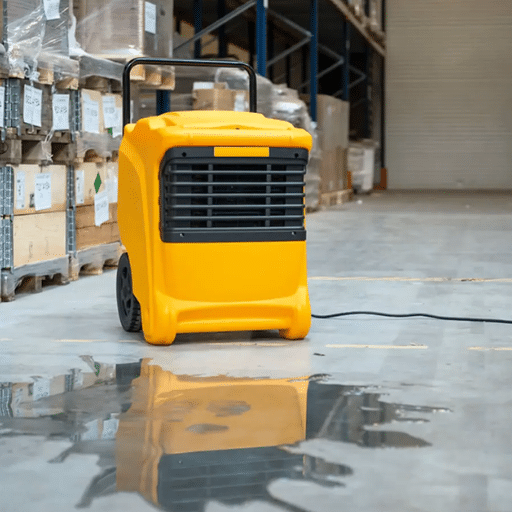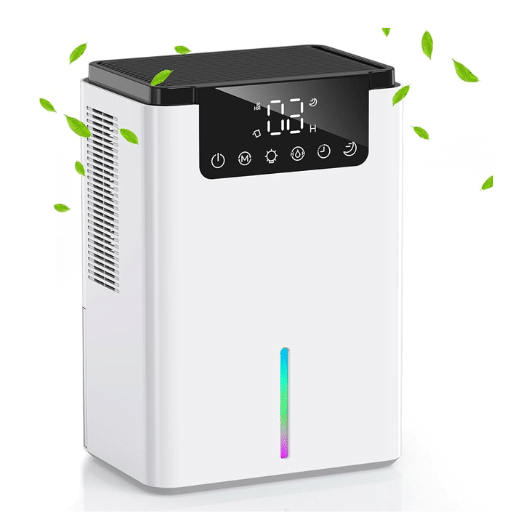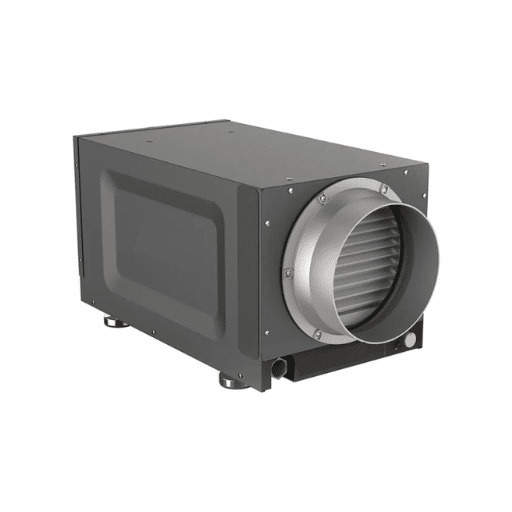
People face difficulties when they try to dry their clothes inside their homes because their ventilation systems do not work properly and because the outside temperature is too low. The process of drying damp laundry requires more time because dampness increases room humidity, which creates conditions for mold and mildew to grow that endanger both your well-being and your property. The reliable dehumidifier provides essential support to people who need to control indoor humidity levels. The blog presents the most effective dehumidifiers which help users dry their clothes while maintaining fresh indoor environments and making their laundry work easier. Our practical solutions together with our expert advice will help you find the best solution to handle excess moisture and improve your drying process.
Introduction
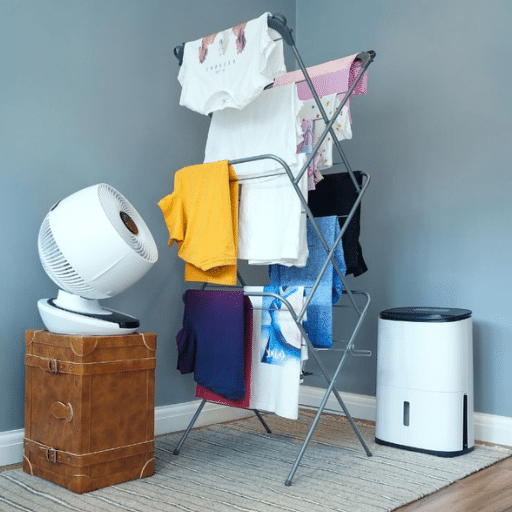
Your home experiences three distinct problems because of excess moisture, which produces damp odors, enables mold development, and causes laundry to take longer to dry. The dehumidifier, designed for drying clothes, removes moisture from indoor air to achieve faster drying times and maintain a cleaner home environment. The devices function at their highest efficiency because they reduce indoor humidity levels which leads to improved health results through simpler management of laundry activities.
The Importance of Drying Clothes Indoors
Many households need to dry clothes indoors because they lack outdoor drying space and their regions experience extended rainy and cold weather periods. The following five reasons demonstrate the essential value of indoor clothes drying.
Weather Independence
Indoor clothes drying eliminates the need for outdoor weather conditions to dry clothes. This practice provides advantages to areas that experience unstable weather patterns, regular precipitation, and extreme winter conditions.
Protection for Fabric
Certain fabrics are damaged by sunlight and ultraviolet radiation, causing them to fade over time. Indoor clothes-drying methods protect delicate garments from color loss and damage that can result from exposure to direct sunlight.
Convenience and Security
Home-based clothes drying offers greater convenience because you do not need to transport heavy laundry outside your home. The method also eliminates the possibility of someone stealing your clothes while you’re away.
Better Air Quality with Dehumidifiers
The indoor drying process, which uses a dehumidifier, results in faster drying times while preventing excess moisture from building up in the room. The method makes your home safer by reducing the risk of mold and mildew growth and musty odors.
Energy and Cost Efficiency
Dryers provide fast clothes drying because they use a large amount of electricity to operate. The combination of indoor air drying and dehumidifier operation provides an energy-saving solution which costs less than other methods.
Households achieve a cleaner and healthier home environment through indoor drying management techniques and their associated benefits.
How a Dehumidifier Can Help
A dehumidifier helps dry indoor spaces while maintaining a safe, healthy home environment. The following five methods demonstrate how a dehumidifier creates its beneficial effects:
-
The system functions to reduce current atmospheric humidity levels which results in creating damp conditions that enable mold and mildew to flourish. Research indicates that indoor humidity levels should be kept between 30% and 50% to ensure a comfortable, safe environment.
-
The dehumidifier operates to remove atmospheric moisture which speeds up the drying process for laundry. This method offers benefits during the winter season and in areas with restricted air circulation, as it enables faster, more efficient drying of garments.
-
High humidity creates an environment where enclosed areas develop musty odors. Dehumidifiers maintain indoor air humidity at low levels which results in dry indoor conditions that eliminate odors while improving indoor air quality.
-
Wooden furniture, flooring, and electronic devices are damaged when indoor spaces experience excessive humidity. The dehumidifier maintains balanced humidity levels which prevent moisture damage from occurring to your home and your possessions.
-
Indoor spaces experience excessive moisture, creating an environment that supports the growth of allergens, including mold, dust mites, and mildew. The dehumidifier decreases allergen levels which creates healthier indoor environments that help people with asthma or allergies.
Homeowners can use a dehumidifier to manage indoor humidity levels which helps them maintain both their home environment and their health.
Benefits of Using a Dehumidifier for Drying Clothes
Faster Drying Time
A dehumidifier speeds up drying by removing extra moisture from the atmosphere. This method works best in humid places because it allows clothes to dry faster than their normal drying time.
Prevents Musty Odors
Wet clothes maintain their moisture because they need additional drying time which results in developing musty odors. The dehumidifier helps clothes dry faster which prevents the development of bad odors.
Energy-Efficient Alternative
Dehumidifiers use less energy to dry clothes than tumble dryers do which makes them better for the environment and more affordable for users.
Protects Indoor Air Quality
Indoor clothes drying without suitable airflow leads to higher indoor moisture levels, which create conditions for mold and mildew development. The dehumidifier maintains perfect humidity control which protects your home’s indoor air quality.
Gentler on Fabrics
Drying clothes with a dehumidifier provides a safe method that protects delicate fabrics from damage, while tumble dryers cause harm to their materials.
Faster Drying Times
The process of using a dehumidifier for clothes drying brings two benefits which include better fabric protection and reduced drying duration. The research findings demonstrate that rooms equipped with dehumidifiers enable clothes drying rates of 30-50% or more compared to traditional air-drying methods. The dehumidifier achieves this efficiency by rapidly extracting moisture from indoor air, enabling quick evaporation. The drying process in a room reaches a 40-50% humidity level, at which lightweight garments take 2-4 hours to dry, while thicker fabrics like towels or jeans require 6-8 hours. Advanced dehumidifier technology, including turbo modes and specialized laundry drying settings, improves moisture removal from laundry. Dehumidifiers provide an effective moisture control solution which saves time for users who live in regions with cold weather and high humidity because common air drying methods require extended drying times.
Prevention of Mould and Mildew
Mould and mildew develop in locations where humidity exceeds 60% which results in both structural damage and unpleasant odors and health issues that include respiratory diseases and allergic reactions. Indoor moisture control requires keeping indoor humidity at 30-50% because this range prevents mold and mildew from growing, according to research on dehumidifier performance. Dehumidifiers operate through their advanced systems which combine humidity sensors and user-defined settings to enable users to achieve precise control over their moisture management process. According to recent studies, optimal humidity control creates an environment that stops mould growth while also preventing dust mites and dangerous bacteria from thriving in damp areas. The National Center for Healthy Housing found that homes with dehumidifiers showed a 50% reduction in mould and dust mites compared to areas without them. Installing dehumidifiers in basements, bathrooms, and laundry rooms is an effective strategy to address potential moisture problems. The combination of a dehumidifier and proper ventilation system in these areas prevents moisture build-up, which protects both the structure of the home and the health of its residents. The devices function better when people maintain them by cleaning, as they serve as essential tools for preventing mould and mildew growth in both indoor and outdoor spaces.
Energy Efficiency Compared to Tumble Dryers
The cost savings and environmental benefits of dehumidifiers exceed those of tumble dryers, according to an energy efficiency study. The energy-efficiency advantages of dehumidifiers can be demonstrated through five specific energy-saving features.
Lower Energy Consumption
Dehumidifiers need less electrical power for their functioning than tumble dryers need to operate. The standard tumble dryer uses between 2,000 and 3,000 watts per hour, whereas most dehumidifiers run at 300 to 700 watts per hour, resulting in lower electricity costs for users.
Extended Appliance Lifespan
Dehumidifiers enable air-drying of clothes which reduces tumble dryer usage. The process of manufacturing requires less energy because the equipment needs less frequent replacement.
Dual Functionality
Dehumidifiers serve two functions: they dry clothes while maintaining indoor humidity control. The combination of these two functions allows households to save energy by not needing to operate multiple devices.
Reduced Carbon Footprint
Dehumidifiers have a smaller carbon footprint than tumble dryers because they require less energy to operate. The practice of reducing energy consumption over time reduces the environmental impacts of excessive energy use.
Energy-Saving Features
Current dehumidifiers include energy-saving features such as automatic shut-off, humidity sensors, and energy-efficient compressors. The device operates only when it requires power, which prevents the use of excess energy.
Key Features to Look For in a Dehumidifier

The multiple features of dehumidifiers determine their performance which includes energy efficiency and user-friendly operation. A high-quality dehumidifier needs to have five essential features, as outlined in the following list.
Capacity Rating
A dehumidifier’s capacity is measured in pints of water extracted per day, which indicates its ability to manage specific room dimensions and humidity conditions. The small-capacity unit achieves its full operational capacity through daily water removal of 20-30 pint,s which enables its use in small areas. The larger models, which have a capacity of up to 70 pints, are suitable for use in basements and areas with extreme humidity.
Humidity Control
The model provides adjustable humidity settings which enable you to control the indoor moisture levels according to your preferences. The majority of dehumidifiers come equipped with built-in digital displays together with humidity controls which let users adjust relative humidity settings between 30 percent and 50 percent to achieve their most comfortable atmosphere.
Automatic Shut-Off
The dehumidifier utilizes an automatic shut-off feature which stops operation when the water tank reaches its maximum capacity. The feature provides device protection while eliminating your requirement to monitor the system at all times.
Drainage Options
Dehumidifiers provide two water removal methods which include manual tank removal and continuous drainage operation. The hose connection models permit users to easily remove water which makes them suitable for use in damp spaces like basements.
Energy Efficiency
Energy Star-certified dehumidifiers operate with reduced electricity consumption while delivering the same performance standards as other products. The products consume 15-20 percent less energy than non-certified products which allows users to decrease their energy expenses while achieving superior dehumidification performance.
The selection of dehumidifiers requires you to evaluate these essential features which enable efficient energy use and automatic system upkeep.
Capacity: 12L vs. 20L Dehumidifiers
The decision between a 12L and a 20L dehumidifier requires assessing each dehumidifier’s capacity to meet your specific needs. The capacity here refers to the amount of moisture the dehumidifier can extract from the air within 24 hours.
The choice between 12L and 20L dehumidifiers requires understanding your specific needs and environmental differences, which must be evaluated. The most appropriate dehumidification solution for your needs requires assessment of both room dimensions and humidity conditions and power consumption patterns.
Smart Features and Laundry Modes
Dehumidifiers today come equipped with sophisticated, intelligent systems that enable users to operate them more effectively. Users can control their dehumidifiers from distant locations using their smartphones because current models support Wi-Fi connectivity. The Meaco Pro Breeze and De’Longhi brands provide applications which let users schedule operational times and modify humidity settings while monitoring their energy consumption. You can achieve your best results because the extra convenience lets you work from home even when you take breaks.
Dehumidifiers have become vital tools for indoor clothes drying because they work with laundry modes to create effective drying solutions used in high humidity areas and during the wintertime. Special laundry functions use direct airflow to dry clothing, enabling quicker drying times through their specialized methods. The product testing and research studies demonstrate that a 20L dehumidifier operating in laundry mode can complete the drying process for a full load of clothes within 2 to 3 hours of ideal environmental conditions. The system lets you finish your work faster while protecting your environment from moisture damage, which can lead to mold growth and musty smells.
Dehumidifiers use their automatic performance optimization system to adjust their operation based on current humidity conditions. The system provides multiple safety features, including an auto-defrost function, child locks, and night modes, that meet the varying safety requirements of households. The combination of intelligent technology and specialized settings in dehumidifiers provides energy-saving solutions that match contemporary residential needs while serving specific purposes such as laundry drying and indoor climate control.
Portability and Design
The current dehumidifiers provide users with both dependable functionality and lightweight design elements which enable users to execute their home tasks. Users can quickly move dehumidifiers between different rooms because many models use compact designs and lightweight materials. The popular units weigh between 20 and 30 pounds, making them easy to move thanks to their ergonomic handles or caster wheels.
Dehumidifiers today feature stylish, minimalist designs that match different interior design styles. The product offers three neutral color options of white, gray, and black, which enable it to blend into living spaces without drawing unwanted attention. The manufacturers provide wall-mountable solutions together with slimmer designs which enable homes with restricted space to benefit from their products.
The data shows that compact dehumidifiers, which operate in spaces up to 1,500 square feet, are the most popular products that meet customer needs for both small apartments and standard room sizes. Customers choose the larger units, which provide coverage between 3,000 square feet and 4,500 square feet to use in their basements and other spacious locations. The consumer reviews show that customers increasingly prefer products with visible water tanks because these features enable users to track their water levels and remove accumulated water promptly.
The development of portable dehumidifiers combines modern design elements with functional performance, enabling them to enhance user interactions and create better integration experiences across all environments.
Practical Tips for Using a Dehumidifier Effectively

- 1
Choose the Right Size and Capacity
Users need to choose a dehumidifier that meets their requirements for space dehumidification. A unit that ranges from 3000 to 4500 square feet is an optimal choice for both basements and large areas, while smaller units work well in bedrooms and closets.
- 2
Position the Unit Properly
The dehumidifier requires a distance of 6 to 12 inches from walls and furniture to achieve its required airflow. The device should be placed in the center of the room or near the wet area for optimal performance.
- 3
Set and Monitor Humidity Levels
The indoor humidity level should be 30 to 50 percent, which scientists consider the optimal range. The majority of modern dehumidifiers include built-in hygrometers that measure humidity levels and maintain the programmed settings through automatic operation.
- 4
Regularly Empty the Water Reservoir
High-humidity areas require water tank inspections, which involve inspecting the tank and emptying its contents. For convenience, consider a model with a continuous drain option to avoid manual emptying.
- 5
Clean and Maintain Filters
The manufacturer recommends that users clean or replace their air filters every few weeks. Users who keep their filters clean will experience improved air quality and extend the unit’s operational lifespan.
Optimal Settings for Indoor Drying
The indoor drying process becomes more effective when dehumidifiers operate with their best settings. According to recent insights, here are some key recommendations:
The ideal humidity level should be maintained by operating the dehumidifier at 40-50 percent relative humidity. This range allows moisture to be extracted from the room while maintaining air humidity levels that prevent discomfort from excessive dryness.
Dehumidifiers operate at their highest efficiency in spaces with temperatures between 65°F and 86°F (18°C and 30°C). For cooler environments, choose a device with a desiccant system, which operates more effectively at low temperatures than refrigerant systems.
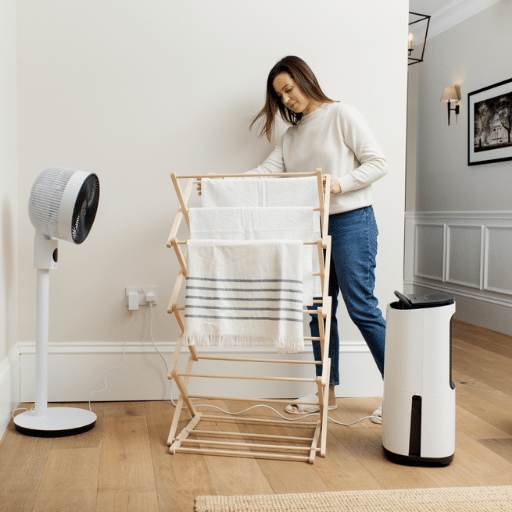
The dehumidifier needs to be located in the center of the room, with 12 inches of open space around it to ensure proper air circulation. Position it close to your laundry or drying rack for maximum efficiency.
The dehumidifier’s drying process speeds up when a fan is used to create airflow. Studies show that increased air movement can cut drying time by up to 30%.
The energy-saving and laundry-drying modes are standard features in most contemporary dehumidifiers. The setting should be activated to achieve optimal performance while decreasing electricity usage.
The dehumidifier should operate during daytime hours because warm daytime temperatures assist with evaporation. The laundry process will complete between 4 and 6 hours faster under these settings, depending on the fabric type and environmental conditions.
You can achieve effective indoor drying control by properly operating your dehumidifier, creating comfortable spaces, and reducing laundry drying times.
Placement and Airflow Considerations
The dehumidifier needs to be set up in a central part of the drying space which includes areas near the laundry rack and locations with maximum moisture build-up. The device requires installation on a flat platform, which must be positioned above ground level to ensure proper airflow and prevent water damage to the unit. The dehumidifier needs to be installed at least one foot away from walls and furniture which creates a barrier that blocks airflow to the unit. The dehumidifier requires a space of 12 to 18 inches between its body and surrounding objects, as this allows air to move freely through the area.
Research has shown that when more air circulates through a space, the time needed to dry wet clothing is shorter. The combination of dehumidifiers and fans reduces drying time by 50 percent. A fan should be located next to the drying area to help distribute the air containing moisture, enabling the dehumidifier to perform at its best. The system needs window and door closures in the drying area because they help control indoor humidity when outdoor conditions remain the same.
The combination of these guidelines with modern airflow optimization techniques enables indoor spaces to achieve energy-efficient drying results while maintaining clean air quality.
Maintaining Your Dehumidifier for Longevity
Your dehumidifier requires proper maintenance to achieve peak operational capacity, optimal performance, and extended equipment life. The following guide presents essential maintenance procedures and best practices for device maintenance based on contemporary research findings.
Regularly clean the filter
Most dehumidifiers include an air filter that traps dust particles, allergens, and other debris. The manufacturer recommends cleaning the filter every 2 weeks to maintain proper airflow and reduce unit strain. Energy.gov states that a contaminated filter can reduce operational efficiency by up to 15%.
The water collection tank needs emptying and cleaning
Dehumidifiers use a water tank to collect moisture which needs frequent cleaning because it creates an environment where mold and bacteria can thrive. The tank needs to be emptied daily, and it should be cleaned with soap and warm water at least once a week to control odors and prevent microbial growth.
The coils need inspection and cleaning
Dehumidifier coils develop dirt and frost over time which results in decreased system performance. The coils need cleaning so operators should turn off the unit and use a soft cloth to wipe down the coils. Clean coils enable moisture extraction while preventing equipment breakdowns.
The humidity settings need checking
The Environmental Protection Agency (EPA) recommends setting your dehumidifier to maintain indoor humidity between 30% and 50% to operate it most effectively. Users can maintain indoor humidity within this range, which prevents their home from becoming too dry. Advanced models offer users control through built-in humidistats which make their operations easier.
Proper Placement
Dehumidifiers need proper placement, at least 6-12 inches away from walls and furniture, because this distance allows their airflow system to work most effectively. The unit works best when positioned close to the area with the highest moisture content in the room.
The exhaust grille needs cleaning
Dust and debris can block the exhaust grille, reducing airflow through the system. The grille needs cleaning through vacuum attachment or soft brush methods which should be done whenever performance levels drop.
All systems need expert assessments through the annual maintenance schedule
All systems need expert assessments through the annual maintenance schedule which will help identify potential refrigerant leak sources and compressor breakdown points. Your dehumidifier will perform better throughout its lifespan when professionals handle all servicing tasks.
The combination of these maintenance tips with essential maintenance routines will enable you to achieve optimal dehumidifier performance which results in energy cost savings and healthier indoor air quality for many years. The device will last longer when you frequently check the manufacturer’s maintenance guide and inspect it for signs of damage.
Conclusion

Dehumidifiers need proper maintenance according to research because their maintenance allows them to reduce indoor humidity levels between 30 and 50 percent which then prevents mold formation and improves indoor air quality. Controlled humidity levels in homes protect buildings from structural damage because high moisture levels do not cause wood to decay or paint to peel away. Your dehumidifier achieves energy efficiency because it controls your air conditioning system usage which results in your annual electricity expenses decreasing between 10 and 20 percent. Regular maintenance, together with auto-defrost and smart humidity control features, will help you create a comfortable and healthy home environment while extending your appliance’s life.
Final Thoughts on Choosing the Best Dehumidifier
I assess dehumidifier performance through two criteria which are energy usage and operational efficiency. The assessment process requires me to evaluate three aspects: the unit’s space requirements and operational capacity, and its basic functions, which include humidity control and automatic defrosting. My product selection process combines my durability assessment method with my evaluation of reliable product reviews to choose items that will maintain a safe and comfortable atmosphere in my home.
Encouragement to Buy a Dehumidifier for Drying Laundry
Using a dehumidifier to dry laundry saves time and energy while reducing the need for traditional dryers. The research study demonstrates that indoor clothes drying with a dehumidifier delivers energy savings of 50% to 75% compared to standard dryers. Modern dehumidifiers equipped with laundry-drying functions enable faster drying by reducing indoor humidity and preventing dampness, mold, and unpleasant odors.
Dehumidifiers with high capacity can remove up to 50 pints of water, which translates to 24 liters per day, but this maximum capacity varies by model and the humidity levels in your home. The system includes features that enable continuous drainage and operate at a low noise level, making it suitable for homes that require both. A dehumidifier protects your clothes from damage by enhancing indoor air quality, preventing overheating and reducing tumble dryer use, which can lead to fabric deterioration.
People living in colder areas with high humidity, where outdoor laundry drying is difficult, need a dehumidifier as a vital home appliance. A dehumidifier delivers an environmentally friendly, budget-friendly solution that enhances your indoor climate through energy-saving designs while making laundry easier to manage.
References
-
Energy-efficient sorption-based gas clothes dryer systems
Published on ScienceDirect, this paper discusses dehumidification and energy efficiency in drying systems. Read more here
-
Improving the energy efficiency of residential clothes dryers
Available on eScholarship, this document explores energy-efficient drying methods, including dehumidification. Read more here
-
CLOTHES DRYER RACKS
A study from PSA Repository that includes insights into dehumidification drying methods. Read more here
Frequently Asked Questions (FAQ)
What is the best dehumidifier for drying clothes in a small room?
The dehumidifier you need to effectively dry clothes in a small room should have a capacity of 12 liters which matches your space requirements. The dehumidifier needs both a dry mode and a water tank indicator to operate continuously with a hose during extended drying sessions. The smart dehumidifier maintains proper humidity levels for clothes drying by using humidity sensors and automatic operation modes.
How does a dehumidifier work to dry your laundry and reduce condensation?
The dehumidifier uses cold coils to extract moisture from humid air via compressor dehumidification, or hot coils via desiccant dehumidification. The system reduces indoor humidity which increases drying rates of wet clothes while preventing window and wall condensation. The dehumidifier enables faster clothes drying while protecting laundry rooms from dampness and mold by controlling humidity.
Can I use a dehumidifier to dry clothes on a drying rack or clothes horse indoors?
The dehumidifier provides effective drying results when you position it next to your drying rack or clothes horse. The unit should face hanging clothes to achieve optimal results while its water tank needs regular checks or direct drain links for uninterrupted operation. This method is an effective indoor drying solution during winter and for homes without a clothes dryer.
Is a desiccant dehumidifier better than a compressor dehumidifier for laundry dry?
The compressor dehumidifier functions effectively in humid conditions while desiccant dehumidifiers deliver their best performance in cold environments. The selected desiccant dehumidifier suits cold environments while the compressor dehumidifier serves typical home drying tasks in larger areas.
How large a dehumidifier do I need to dry your clothes or dry your laundry effectively?
People need to assess their current humidity levels and wet-clothing loads to determine the required dehumidifier capacity based on their room dimensions. A 12-liter dehumidifier or a small dehumidifier will work for single-room drying needs. The dehumidifier’s capacity needs to exceed the larger laundry rooms that handle multiple liters of water extraction throughout the day. A dehumidifier with laundry mode and higher extraction rate provides better value because it decreases drying time.
Will a dehumidifier make heated clothes or air drying more effective than using a clothes dryer?
The dehumidifier improves both heated-clothing drying and air-drying efficiency when drying clothes compared to using a clothes dryer. The dehumidifier accelerates indoor drying because it removes moisture from indoor air which speeds up clothes drying while using less energy than tumble dryers. The quickest results come from using a drying rack with proper ventilation and a dehumidifier with a laundry dry or dry mode.
What should I do when the water tank is full while I run a dehumidifier to dry clothes?
You must empty the water tank immediately when it reaches maximum capacity or your unit requires you to set up continuous drain through a hose to keep operating. Some models provide notifications about full water tanks and they automatically switch to standby mode. A higher-capacity water tank or direct drainage option becomes essential when you need to collect substantial water from the laundry because it prevents interruptions during the drying process.
How quickly will a dehumidifier dry laundry that is wet indoors?
The drying time of wet clothes indoors depends on the dehumidifier extraction rate, together with room size, airflow, and humidity level. The 12-liter dehumidifier, when combined with proper airflow, allows a small room to achieve visible drying results within 3 hours of using the drying rack, while heavier loads require additional time. Combining dehumidifier use with a clothes horse or hanging clothes near airflow will speed up drying time while also reducing indoor dampness and condensation.
Do I need a dehumidifier for a laundry room or to prevent damp and mould?
You need a dehumidifier to protect your laundry room from mold and other moisture-related issues in your home. The dehumidifier reduces room humidity to protect walls and fabrics from mold growth while enhancing indoor laundry-drying efficiency. Smart dehumidifiers and units with dedicated laundry modes offer automated humidity control which enables users to operate the system without constant supervision.