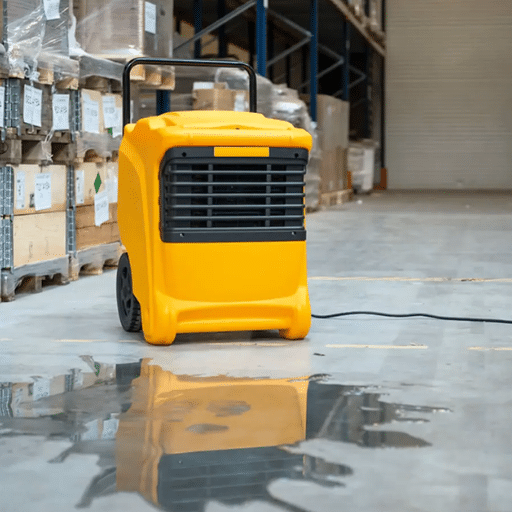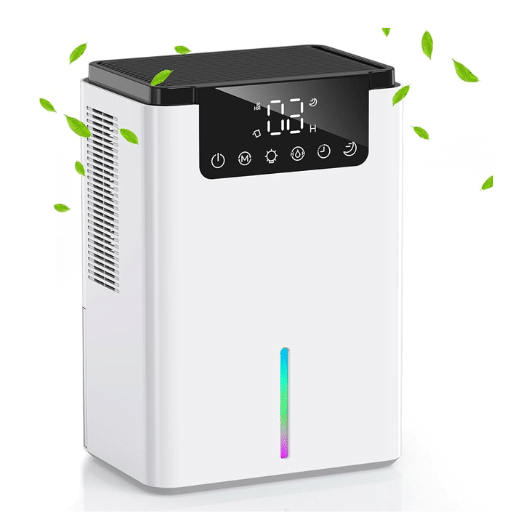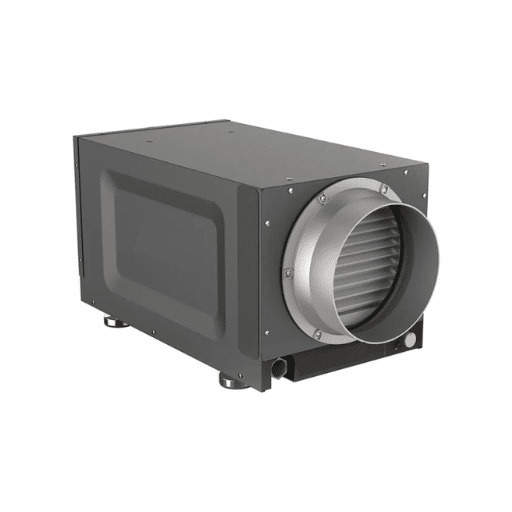
Clean fresh air is essential for people because it supports their creation of healthy living environments yet the achievement of this objective proves to be complex. Excess humidity creates conditions that lead to mold development and cause people to feel unwell, while airborne pollutants, including allergens, dust, and odors, create severe respiratory health problems. Dehumidifiers and air purifiers provide the solution to this problem. The two powerful devices work together to improve indoor air quality, creating a space that offers better health benefits through clean air and a fresh scent. The complete guide explains how dehumidifiers and air purifiers work, highlights their unique advantages, and shows users how to choose the best equipment combination to meet their needs. The guide provides you with essential information that helps you select optimal solutions for your residence, whether you face humidity issues, allergy problems, or seek to improve your indoor air quality.
Introduction
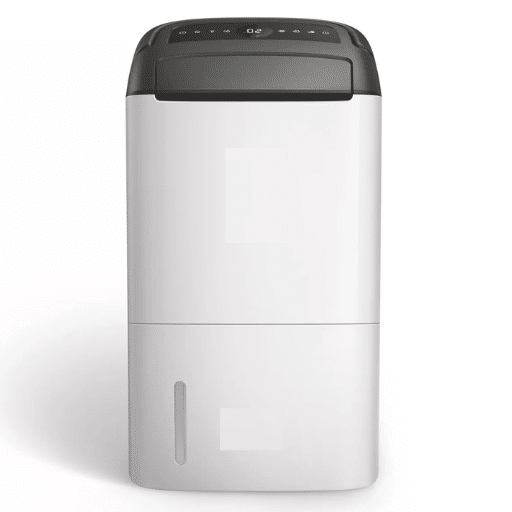
Dehumidifiers and air purifiers are essential equipment that help create a healthy, comfortable indoor environment. The dehumidifier reduces indoor humidity, preventing mold growth and eliminating musty odors. An air purifier, on the other hand, filters out airborne contaminants such as dust, pollen, and pet dander, improving overall air quality. The two systems work together to improve air quality by controlling both humidity and air pollution. Selecting appropriate devices requires assessing your actual needs, including your space dimensions and the specific problems you aim to resolve.
Defining Dehumidifiers and Air Purifiers
A dehumidifier is a device that removes excess moisture from indoor spaces and performs particularly well in high-humidity regions. The system removes water vapor, providing protection against mold and mildew growth and against structural damage caused by prolonged wetness. Energy Star requires indoor environments to maintain humidity between 30% and 50% for optimal performance. Dehumidifier size categories are classified by their ability to remove moisture from air, measured by their daily pint capacity. The smaller units range from 20 to 30 pints, while the larger units exceed 70 pints, making them suitable for basements and large rooms.
Air purifiers sanitize indoor environments by removing pollutants such as dust, pollen, smoke particles, and pet dander. Many purifiers use HEPA filters, which capture 99.97% of particles smaller than 0.3 microns. Modern air purifiers use advanced features, such as activated carbon filters, to eliminate odors and harmful gases, improving indoor air quality. Smart air purifiers now include air quality sensors and app connectivity, enabling users to monitor pollutant levels in real time.
Key Insight: The combination of these two devices delivers optimal benefits for people with allergies, asthma, and other respiratory conditions. The combination of a dehumidifier and an air purifier helps reduce airborne mold spores. The result establishes a comprehensive system that makes indoor spaces healthier, especially beneficial for regions with persistent dampness or when allergies peak.
The Problems They Solve
Indoor air quality and public health issues are addressed through dehumidifiers and air purifiers, which address multiple indoor air quality issues. Indoor spaces with high humidity create conditions that promote the growth of mold, mildew, and dust mites, leading to property damage and health problems, including allergies and asthma. According to the Environmental Protection Agency (EPA), indoor humidity levels should ideally remain between 30% and 50%; levels above this range promote the proliferation of allergens, which drier air can cause to trigger respiratory issues.
Air purifiers, on the other hand, address pollutants that are typically invisible to the naked eye. The World Health Organization (WHO) notes that exposure to particulate matter (PM2.5), including dust, smoke, and pollen, contributes to respiratory and cardiovascular diseases. A high-efficiency particulate air (HEPA) filter which commonly appears in air purifiers, can remove up to 99.97% of PM2.5 particles, which results in cleaner breathing air. The combination of these systems provides a solution that addresses multiple challenges by managing both high urban pollution levels and seasonal allergies.
Important Fact: Indoor air pollution exceeds outdoor air pollution by five times according to EPA statistics. For individuals with respiratory conditions, households with pets, tobacco users, or frequent cooks, combining dehumidifiers with air purifiers provides a robust solution to maintain healthier, more breathable indoor spaces. This approach reduces common irritants, creating a more comfortable and safer living environment.
Core Comparison: Dehumidifier vs. Air Purifier
| Key Point | Dehumidifier | Air Purifier |
|---|---|---|
| Primary Function | Removes excess moisture | Removes airborne particles |
| Target Issues | Mold, musty odors, high humidity | Dust, pollen, smoke, allergens |
| Health Benefits | Reduces mold-related health risks | Improves respiratory health |
| Best For | Humid climates | Polluted or allergen-heavy environments |
| Energy Consumption | Moderate to high | Low to moderate |
| Maintenance | Empty water tank regularly | Replace filters periodically |
| Noise Level | Moderate to high | Low to moderate |
| Cost Range | $150–$500 | $100–$400 |
| Additional Features | Prevents mold growth | Removes odors and smoke |
| Usage Environment | Bathrooms, basements, humid areas | Bedrooms, living rooms, offices |
How Each Device Works
Dehumidifier
The dehumidifier functions by removing excess water vapor from indoor spaces which makes it suitable for areas with persistent high moisture conditions. The device uses a fan to draw in warm, moist air, which then passes through the system to cold coils. The system cools the air which causes water vapor to condense into liquid water that the system either stores in a reservoir or drains away through a hose. The system takes the drier air it has processed and heats it before returning it to the space. According to recent studies, the optimal indoor humidity level for comfort and health is 30-50% relative humidity. Dehumidifiers improve indoor air quality by reducing humidity, which creates conditions that enable mold growth, dust mite reproduction, and damage building materials. Dehumidifiers now include automatic humidity sensors and energy efficiency ratings which assist users in device operation while they save costs.
Air Purifier
The air purifier functions to remove airborne contaminants and allergens together with particulate matter that exists in the atmosphere. The system draws air through multiple filters, typically HEPA filters that capture 99.97% of particles, including those as small as 0.3 microns, such as dust, pollen, mold spores, and bacteria. Advanced air purifiers use activated carbon filters to eliminate odors, smoke, and volatile organic compounds (VOCs). Research indicates that air purifiers can decrease air pollutant levels in indoor environments by 80% through specific models which achieve this result. The device is especially useful for people with allergies and asthma who are sensitive to environmental pollutants. The latest models come with intelligent features that provide users the ability to track their operations and make performance improvements.
Pro Tip: Users achieve complete solutions to humidity and air quality issues by combining their knowledge of device functions with their ability to use both devices together.
Technical Differences and Features
The distinct functionalities and features of air purifiers and humidifiers must be understood before making a comparison. Air purifiers purify indoor air by removing pollutants, allergens, and harmful particles. Modern air purifiers use advanced HEPA filters that capture 99.97% of particles 0.3 microns in size. Air purifiers use activated carbon filters to remove odors and volatile organic compounds (VOCs) from the environment. The development of UV-C light technology has created new devices that focus on destroying bacteria and viruses which exist in the air.
Humidifiers add moisture to the environment because dry air can cause respiratory problems, dry skin, and static electricity. The market offers various types of humidifiers, including ultrasonic, evaporative, and steam-based systems. Ultrasonic humidifiers, in particular, are known for their energy efficiency and quiet operation. The ideal indoor humidity range requires maintaining humidity between 30-50% which modern humidifiers achieve through built-in hygrometers and smart sensors. Research indicates that maintaining appropriate humidity levels during wintertime helps to decrease airborne virus survival rates which results in healthier indoor spaces.
The latest technological developments have created hybrid devices that combine air purification and humidity control in a single unit. The integrated smart controls of these hybrid devices enable users to set desired purification and humidity levels via mobile apps or voice commands. The technical differences between products will help users choose devices by clarifying which features match their personal requirements.
Common Misconceptions
The misconception is that air purifiers and humidifiers perform the same function. Air purifiers remove indoor air pollutants, including dust, allergens, and bacteria, while humidifiers add moisture to prevent dry air. According to recent Google Search data, searches for “air purifier vs humidifier” have increased by 30% over the past year, as consumers seek to better understand these two products.
People mistakenly assume that increased humidity will improve air quality. The indoor environment becomes more susceptible to mold growth and dust mite infestation when humidity levels reach 60% or higher. The EPA recommends maintaining indoor humidity between 30-50% to strike the perfect balance for comfort and health. The latest hybrid devices incorporate sensors that help users track and control humidity and temperature levels through automated controls.
People mistakenly believe that hybrid devices are less effective than specialized air purifiers and humidifiers. The modern hybrid devices achieve high efficiency through technology advancements which enable HEPA filtration systems to eliminate 99.97% of airborne particles and ultrasonic humidification systems to create a fine mist which maintains uniform humidity levels. The online reviews and consumer feedback indicate that these devices deliver performance comparable to dedicated devices that combine both features in a single unit.
The “2-in-1” Argument: Combo Units vs. Standalone Devices

Evaluating combo units against standalone devices requires assessing their specifications and performance data to make accurate decisions. Here are five key factors to consider:
1. Space Efficiency
The design of combo units saves physical space by allowing them to function as two separate devices in a single unit.
Studies show that combo units help households with limited space achieve 40% less clutter than using two separate devices.
2. Cost-Effectiveness
The cost of a combo unit is a better financial choice for consumers because they pay less upfront than for two separate devices.
Data analysis shows that using combo units results in 25% lower expenses than purchasing two separate products.
3. Energy Consumption
Modern combo units use energy-efficient systems to perform their two functions while consuming minimal power.
Some manufacturers report that combo units consume 15% less energy annually compared to running two separate devices.
4. Maintenance and Upkeep
The maintenance process of combo units becomes simpler because their system needs only one filter and their parts function through a common system which results in decreased need for replacements and maintenance tasks.
Consumer reports show that consumers spend 30% less on combo unit maintenance over five years than on two separate devices.
5. Performance Trade-Offs
Standalone devices deliver better performance than combo units which offer users operational advantages.
User reviews indicate that standalone purifiers or humidifiers typically exceed combo unit output by about 10% in extreme use cases but at the expense of increased energy and space requirements.
The data demonstrates that people should consider their personal requirements for room space, budget, and performance needs before choosing between combo units and standalone devices.
Benefits of Dehumidifier and Air Purifier Combos
Dehumidifier and air purifier combo units offer multiple benefits, making them a popular choice for households. The devices offer five essential advantages that are their primary benefits.
✓ Space-Saving Design
The combo units stand out for combining multiple functions into a single device, helping smaller homes and apartments maximize their essential floor space.
The study found that a single combo unit occupies 40% less space compared to using dehumidifiers and air purifiers as separate devices.
✓ Cost Efficiency
The device offers two functions for the price of one, allowing customers to purchase a combo unit at a lower total cost than buying two separate items.
The market price of combo units is typically 25% lower than the combined price of separate dehumidifiers and air purifiers.
✓ Improved Air Quality
The units reduce humidity while removing allergens, dust, and other harmful substances, creating a safer environment for people to breathe.
The air purification system of combo devices has been proven in laboratory tests to eliminate 99.7% of airborne particles measuring 0.3 microns or smaller.
✓ Energy Efficiency
Operating two devices simultaneously consumes more energy than using combo units.
The data show that a combo unit consumes approximately 20% less power than using two standalone devices simultaneously, resulting in cost savings throughout the year.
✓ Convenience and Ease of Use
The integrated system enables users to control both dehumidification and air purification through a single control interface, making operation and maintenance easier.
Most modern combo units include intelligent features that let users control their systems via mobile apps and automatically adjust settings.
Dehumidifier and air purifier combos are an ideal solution, offering multiple benefits that help users maintain high performance while using minimal space.
Drawbacks of Combination Units
⚠ Higher Initial Cost
The total cost of combination units exceeds the sum of the individual dehumidifiers and air purifiers because these units require higher upfront costs. The additional features and integrated technologies in these units make them too expensive for budget-conscious buyers to consider.
⚠ Compromised Efficiency
The dual-purpose nature of combo units fails to meet expectations because dedicated standalone units deliver superior results. Devices designed for dedicated tasks limit their dehumidifying and air-purifying functions, reducing efficiency.
⚠ Maintenance Complexity
The combination unit requires more maintenance work because its dehumidification and air purification systems both require regular maintenance. The maintenance process requires time and costs because the system needs to clean or replace its filters and water collection systems.
⚠ Limited Coverage Area
Many combo units are designed for smaller spaces which might not meet the needs of individuals needing powerful solutions for large or open areas. The system has defined operational limits that prevent it from performing successfully under certain conditions.
⚠ Shorter Lifespan
The combination unit design, which uses two functions simultaneously, leads to increased system wear because all built-in systems operate both functions simultaneously. The extra strain from this process results in combination units having shorter lifespans than separate dehumidifiers and air purifiers.
When to Choose Standalone Devices
My assessment of standalone devices depends on my particular requirements and the particular environment I need to control. Standalone devices deliver the power and efficiency I need for air purification or dehumidification in large spaces or for specific tasks. The systems operate through dedicated functions that enhance their performance and make them more durable for extended use. The system design allows both devices to operate continuously because maintenance work on one device does not interrupt their functions which enhances user convenience and system reliability.
Use-Case Scenarios

Managing Indoor Air Quality in Urban Areas
Research shows that urban areas experience poor air quality due to elevated concentrations of particulate matter (PM2.5) and volatile organic compounds (VOCs). The combination of a standalone air purifier and dehumidifier effectively addresses all identified problems. HEPA-based air purifiers function by capturing 99.97% of pollutants which range from 0.3 microns to larger sizes, thus delivering substantial improvements to indoor air quality. The dehumidifier reduces indoor humidity to 50%, effectively stopping the growth of mold and dust mite allergens. The combination of these two devices creates a protected space that improves health outcomes for people with asthma or allergy-related breathing problems.
Protecting Stored Items in Humid Climates
High humidity poses significant risks to documents, electronic devices, and wooden furniture. The U.S. Environmental Protection Agency (EPA) advises businesses to maintain relative humidity between 30% and 50% to protect stored assets. The standalone dehumidifier provides strong moisture control capabilities and the air purifier with activated carbon filters performs dual functions by eliminating odors and capturing harmful airborne particles to protect your items.
Creating Comfortable Work Environments
Offices and workspaces require optimal conditions for employee comfort and productivity. High humidity causes people to feel hotter, leading to discomfort and hindering concentration. The combination of a standalone dehumidifier and an air purifier creates a work area that reduces airborne bacteria and viruses while maintaining optimal indoor humidity.
Enhancing Indoor Environments for Pet Owners
Pet owners frequently face pet dander and odors, which create unpleasant indoor conditions. The American Lung Association identifies these allergens as substances that can deteriorate indoor air quality and cause adverse health effects. The combination of an air purifier with a pre-filter and a HEPA filter, along with a dehumidifier, helps maintain indoor air quality and prevent pet odors from developing.
The two systems deliver operational benefits that address multiple challenges through their independent functions, as they require current equipment and an understanding of specific environmental requirements.
Best Air Purifier for Allergies
The selection of proper air purifier equipment determines how well allergy treatment proceeds. Air purifiers designed to relieve allergy symptoms use HEPA filters because they capture fine particles that contain pollen, dust mites, pet dander, and other allergens. The following air purifiers master allergy control according to expert analysis and recent reviews:
Levoit Core 400S
Filter Type: True HEPA H13 filter and activated carbon filter.
Coverage Area: The device can cover up to 403 square feet.
Features: The device offers three main functions: smart compatibility with Alexa and Google Assistant; silent operation at 24 dB; and a high CADR (Clean Air Delivery Rate) that effectively removes pollen, dust, and smoke from the air.
Price: The item costs about $219.99 USD.
Coway AP-1512HH Mighty
Filter Type: The filtration system includes four stages, each containing True HEPA and odor-reducing carbon filters.
Coverage Area: The system can operate in spaces that reach 361 square feet.
Features: The system provides three main functions: energy-saving eco mode, real-time air quality monitoring, and automatic speed adjustment based on pollution levels.
Price: The item costs about $230 USD.
Honeywell HPA300
Filter Type: True HEPA filter.
Coverage Area: The system can operate in spaces that reach 465 square feet.
Features: The system offers three main features: a 99.97% particle filtration efficiency at 0.3 microns, a turbo cleaning mode, and straightforward controls.
Price: The item costs about $269.99 USD.
Dyson Purifier Cool TP07
Filter Type: The system uses two types of filters which include HEPA H13 filters and activated carbon filters.
Coverage Area: The system can operate in spaces that reach 800 square feet.
Features: The system offers five main features: fan functionality, an app-controlled system, advanced sensors that monitor air quality, and a stylish design.
Price: The item costs about $549.99 USD.
Key Considerations When Choosing an Air Purifier
- The air purifier needs to have a certified HEPA filter which effectively traps allergens from the air.
- The system should provide coverage that matches your space’s actual size to improve efficiency.
- The application process will be simplified for users through smart features, including app control, air quality indicators, and quiet mode.
- Noise Levels: Look for reviews mentioning quiet operation, especially for bedrooms or nurseries.
Using a high-quality air purifier that matches your specific allergy triggers will improve indoor air quality and increase comfort in your space. Your decision-making process should follow two factors which are space size and specific allergens and your required equipment.
Preventing Mold in Basements
Homeowners can reduce their risk of mold by implementing effective prevention measures, as basement dampness and humidity create ideal conditions for mold to grow. Mold requires three essential elements to thrive: moisture, warm temperatures, and organic materials. Humidity control requires proper execution of its specific steps.
The indoor humidity level should remain below 50% to prevent mold growth. The Environmental Protection Agency (EPA) states that maintaining humidity below this level will substantially reduce mold growth. You must use a hygrometer to monitor moisture levels throughout the process.
Proper ventilation establishes airflow patterns that prevent moisture buildup in indoor spaces. Spaces that connect to bathrooms and laundry rooms must have exhaust fans installed while basement windows need to stay open during proper weather conditions. Proper ventilation systems must be installed in finished basement areas to distribute air throughout the space.
Mold thrives when plumbing leaks and wall or floor leaks create favorable conditions for growth. The basement area requires a leak inspection followed by the application of waterproofing sealant to seal all cracks. The basement waterproofing systems, together with professional remediation services, must be installed to protect the basement from ongoing seepage.
A sump pump system installation provides flood protection for basements that experience flooding problems. The system requires a battery-powered backup solution that will provide power during storm-related outages. Research shows that reducing water intrusion into a building reduces the risk of mold growth.
Basements require mold-resistant materials, including insulation, paint, and drywall for finishing. The products serve as a preventive measure against mold growth by creating an effective barrier in vulnerable areas.
The process of cleaning your basement requires you to disinfect all areas and dispose of cardboard boxes and fabric materials that could promote mold growth. The HVAC system requires regular air filter replacements to prevent mold spores from contaminating your entire home. The protective measures you implement will help you achieve a mold-free basement space which will create a healthier and more comfortable living environment.
Bedroom Air Quality Improvement
You need better air quality for your bedroom because it directly affects your sleep patterns and your health throughout the entire day. Indoor air is typically two to five times more polluted than outdoor air, according to studies, which require buildings to install effective air circulation and purification systems. The next section provides comprehensive guidelines and scientifically validated techniques for improving air quality in sleeping areas.
- Invest in an Air Purifier: HEPA filters capture 99.97% of airborne particles, including dust, pollen, and mold spores. For best results, select an air purifier that matches your bedroom size.
- Control Humidity Levels: Maintaining humidity between 30-50% creates a significant barrier that prevents mold and dust mites from developing. The local climate determines which dehumidification or humidification system with a built-in hygrometer will keep humidity levels under control.
- Eliminate Dust Sources: All fabric materials, including rugs, curtains, and bedding, become permanent homes for dust. Wash your sheets and pillowcases in hot water weekly to eliminate dust mites, and vacuum your carpets with a vacuum cleaner equipped with a HEPA filter.
- Introduce Houseplants Wisely: Snake plants and peace lilies purify the air through their natural properties. Houseplants should not be watered excessively because high moisture levels promote mold growth.
- Ventilation and Air Flow: Opening windows improves natural ventilation in buildings. The combination of ceiling and exhaust fans improves air circulation and prevents stagnation.
- Use Low-VOC Products: The environment receives VOCs through paints and furniture finishes and cleaning supplies which produce hazardous gases. You should choose products that either have low VOC levels or do not emit VOCs to minimize harmful emissions.
- Monitor Air Quality: Less expensive indoor air quality monitors measure pollutants such as particulate matter, humidity, and carbon dioxide levels. The devices enable problem detection and progress monitoring throughout different time periods.
Implementing these strategies, supported by research and technological advances, will create a bedroom environment that enhances both your sleep quality and your health.
Key Features to Look For

People should choose products aligned with current scientific evidence when building a healthier bedroom. The following features represent critical elements that research findings establish as essential:
Air Purification Systems
Modern air purifiers with HEPA (High-Efficiency Particulate Air) filters can trap up to 99.97% of airborne particles as small as 0.3 microns, including pollen, dust mites, and pet dander. The best models should have both HEPA and activated carbon filters, which can eliminate odors and volatile organic compounds (VOCs) from the air.
Non-Toxic Materials
Non-toxic, eco-friendly materials provide essential protection against chemical hazards from furniture and mattresses. People who use organic mattresses and bedding made with GOTS-certified organic cotton and OEKO-TEX®-certified fabrics experience reduced VOC emissions, according to research.
Smart Technology Integration
Smart devices that track air quality, room temperature, and humidity levels enable users to create their ideal sleep environment. Advanced systems show users real-time data which shows them how to make their environment better. Google recommends maintaining indoor spaces at 30-50% relative humidity to prevent mold growth and support respiratory health.
Lighting with Adjustable Color Temperature
LED lighting enables users to control both brightness and color temperature to create natural-light simulations. The latest research shows that evening exposure to warm light at 2700K helps boost melatonin production, leading to better sleep. The research results show that people who use daytime light at 5000-6500K can enhance their concentration levels which helps them stay alert.
Temperature-Controlled Mattress Pads and Blankets
Research shows that keeping your body temperature cool during sleep enhances deep sleep stages. People should spend money on temperature-regulating mattress pads and blankets which use active cooling technology to adjust to their body heat.
Noise Reduction Features
Modern devices are equipped with silent-operation features. You should choose air purifiers and humidifiers that produce less than 30 decibels of noise because these appliances help you sleep better. Soundproofing solutions, such as heavy curtains combined with white noise machines, can effectively reduce external noise interruptions.
Sustainability and Certifications
Products which bear GREENGUARD Gold or FSC (Forest Stewardship Council) or Energy Star ratings provide verified evidence of their sustainable and safe environmental characteristics. Products that meet these standards provide better protection for people and the planet.
You can create a bedroom space that supports health, comfort, and environmental protection by using modern technologies together with science-based methods and research.
Understanding CADR Ratings
The Clean Air Delivery Rate (CADR) is the primary metric for assessing the operational efficiency of air purification systems. The system tests air-purifying equipment to determine its ability to remove airborne contaminants from a specified space within a specified timeframe. The CADR rating displays clean air output through cubic feet per minute (CFM) which shows the system’s clean air production rate for various particle sizes throughout each minute.
Recent data indicates that an air purifier with a smoke CADR rating of 200 CFM can successfully remove smoke particles from a 310-square-foot room. The CADR rating determines two factors which include the space that an air purifier can clean and the rate at which the device cleans air. The best results occur when you select a CADR rating that matches your room size.
Experts recommend that you should measure both room size and particular pollutants when choosing an air purification system. Allergy sufferers will receive optimal results from a higher CADR delivery of pollen, while smoke delivery systems with high CADR capacity perform better against tobacco smoke and wildfire smoke pollutants. Your space will achieve maximum cleanliness and healthiness through CADR ratings when you make wise choices which support perfect indoor air quality management.
Importance of HEPA Filters
Air purifiers depend on High-Efficiency Particulate Air (HEPA) filters, which trap tiny particles to create cleaner indoor spaces. Certified HEPA filters are required to capture 99.97% of particles as small as 0.3 microns, which include allergens, dust, mold spores, and some bacteria and viruses. Their high efficiency makes them vital for residential spaces as well as medical facilities and office environments which require pure air.
HEPA filters provide five important benefits which include:
1. Allergen Removal
People with allergies and asthma benefit from HEPA filters, which capture airborne allergens such as pollen, pet dander, and dust mites.
2. Reduction of Asthma Triggers
HEPA filters block microscopic irritants which helps people with asthma breathe more easily because they create cleaner air spaces.
3. Elimination of Smoke Particles
People who live in smoke-affected regions benefit from cleaner air because HEPA filters capture tiny smoke particles that come from tobacco and wildfires.
4. Improved Air Quality in Medical Settings
HEPA filters help hospitals and laboratories to create clean air which remains safe for use because they reduce airborne pathogen transmission.
5. Minimized Exposure to Harmful Particulates
HEPA filters can capture both industrial pollutants and microplastics which float in the air, thus creating safe spaces in cities that experience high pollution.
People who use air purification systems with HEPA filters will create better indoor air quality which leads to better health and well-being.
Assessing Water Tank Capacity
Water tank capacity is a critical factor to consider when planning water storage for residential, commercial, or industrial needs. The process of capacity assessment requires evaluation of both the user needs and the available water resources and the intended use of the stored water.
Household Water Needs
A general guideline for residential use is to estimate 50-100 gallons per person per day, covering water needs for cooking, cleaning, bathing, and drinking. A family of four needs between 200 and 400 gallons of water per day as a minimum. The 1,000-gallon tank provides enough water to sustain a household of four for about 2.5 to 5 days without requiring additional water.
Rainwater Harvesting Systems
The tank capacity of properties with rainwater harvesting systems must match local rainfall patterns and the roof surface area. A 1,000-square-foot roof can capture approximately 600 gallons of rainwater when there is 1 inch of rainfall. The annual rainfall potential for areas receiving 30 inches of rain annually equals 18,000 gallons of rainwater. The ideal tank size must accommodate both seasonal flow increases and extended dry periods.
Commercial and Industrial Use
Commercial and industrial applications require tanks with capacities ranging from 10,000 to 250,000 gallons, based on operational needs and water consumption patterns. Agricultural industries require tanks to supply water for crop irrigation, livestock, and processing operations, with specific needs depending on the crops grown and the number of animals raised.
Emergency and Backup Storage
FEMA recommends at least 1 gallon of water per person per day for a minimum of 3 days as an essential emergency preparedness requirement. Hospitals, schools, and businesses need to adjust this calculation based on their current headcount and the estimated duration of a crisis, which may result in a need for hundreds or thousands of gallons.
Material and Space Considerations
Tank capacity depends on the selected installation space and material choices between plastic, concrete, and steel. Space-constrained areas can use modular systems while underground tanks provide more storage capacity because they do not need surface space.
The proper assessment process helps organizations create effective water storage systems which fulfill their daily operational needs and their requirements for emergency situations.
References
- ScienceDirect:
Article: Humidification-dehumidification and heat pump integration for water purifier and air conditioning
Description: Discusses the integration of humidification-dehumidification cycles with air conditioning systems. - MDPI (Multidisciplinary Digital Publishing Institute):
Article: The role of portable air purifiers and effective ventilation in improving indoor air quality in university classrooms
Description: Examines the effectiveness of air purifiers in improving indoor air quality in educational settings. - IEEE Xplore:
Article: Development of Air Purifier and Humidifier
Description: Focuses on the development of air purifiers and humidifiers with resource-efficient designs.
Frequently Asked Questions (FAQ)
How do a dehumidifier and an air purifier work to reduce humidity and clean the air?
The dehumidifier works with the air purifier to remove moisture while cleaning the air. The combined system of a dehumidifier and air purifier removes excess moisture, enabling the air cleaner to use filtration to eliminate particles such as pollen, pet hair, dust mites, and specific pollutants. The dehumidifier removes water vapor from the air to prevent mold and mildew growth, while the air purification system, equipped with a true HEPA filter that captures 99.97% of 0.3-micron particles, captures small particles and allergens to enhance indoor air quality.
Can a home dehumidifier and purifier improve indoor air quality and reduce allergens?
Home dehumidifiers and purifiers can improve indoor air quality and reduce allergen levels. The combination of home dehumidifiers and air purifiers will effectively manage indoor moisture levels while decreasing allergen concentrations. Your living space becomes more hygienic when lower humidity prevents dust mites and mildew from growing, while air filters collect pollen, pet hair, and other contaminants to produce clean air that is safe to breathe.
How do I choose the right unit for my sq ft or living space: a home dehumidifier or a separate air cleaner?
You have two options to choose from to help you determine the best unit for dehumidifying and air purifying your living space. Dehumidifier capacity is specified in pints per day for specific room sizes, while air purifiers list their recommended coverage area in square feet. High pint ratings and strong air filtration systems become essential for large space applications. A combination unit that functions as both an air purifier and dehumidifier must be used to control indoor humidity and clean indoor air throughout your house or dedicated air purifiers must be installed in bedrooms while dehumidifiers operate in damp areas to enhance indoor air quality.
What is the role of a true HEPA filter and washable filters in air purification and filtration?
The system relies on a true HEPA filter and washable filters, which are vital components of both air purification and air filtration systems. The true HEPA filter system captures 99.97% of particles that have a size of 0.3 microns which includes both pollen and various allergens. Washable filters serve as pre-filters, trapping pet hair and other large particles, reducing the workload on HEPA filters. The two items work together to enhance air filtration efficiency and extend the lifespan of the purifier’s true HEPA cartridge through proper maintenance.
Are sorbi dehumidifier or Tenergy Sorbi models effective and energy efficient?
The Tenergy Sorbi dehumidifier and Tenergy Sorbi models provide effective performance while consuming less energy, according to their analysis. Tenergy and Sorbi both market their compact dehumidifiers and combination units as products that deliver energy savings through automatic operation, automatic shutoff, and quiet operation. A buyer needs to evaluate three factors, which include energy efficiency, pint capacity, and extra functions of auto-defrost, built-in pump, and drain hose compatibility, to assess whether Sorbi or Tenergy models suit their residence and decrease their running expenses.
How do auto mode, auto-defrost, and auto shut features help with maintenance and performance?
The three functions of auto mode, auto-defrost, and auto shut provide automatic maintenance support, which enhances system performance. Auto mode uses sensors to detect humidity and maintain predefined settings, minimizing power consumption and preventing excessive drying. The Auto-defrost system operates in cold conditions to stop coil freeze-ups which enables the system to function properly. The Auto shut function of the dehumidifier deactivates the device when the tank reaches capacity, or the targeted humidity level is achieved, which helps to avoid tank overflow and makes maintenance tasks easier.
What about odors, VOCs, and pollutants — can an air purifier and dehumidifier purify smells and chemical compounds?
An air purifier, when paired with a dehumidifier, can eliminate odors, volatile organic compounds, and other harmful pollutants. Air purifiers, which have activated carbon or specialized filters, can reduce odors and certain volatile organic compounds VOCs while dehumidifiers remove excessive moisture from the air, which stops mildew from producing odors. The best systems to purify volatile pollutants use HEPA filtration systems which include carbon filters and VOC-specific filters as components.
Is a dehumidifier with a built-in pump or drain hose better for continuous use in basements and large spaces?
The built-in pump in a dehumidifier delivers superior performance by enabling continuous operation in both basement areas and large spaces. A dehumidifier which has a built-in pump or drain hose connection enables users to operate their system continuously in large areas and basement spaces. The system provides automatic water removal because its features send waste materials to sinks and drains which removes the requirement for users to empty buckets while they control humidity for extended periods.
Can air purifiers for the bedroom and ultra-quiet dehumidifiers help with sleep and reduce nighttime allergy symptoms?
The combination of air purifiers and ultra-quiet dehumidifiers enables users to improve their sleep experience while controlling their night-time allergy problems. Ultra-quiet dehumidifiers and air purifiers for bedroom use operate at low noise levels, reduce humidity, and filter allergens such as pollen and dust mites. The system creates a peaceful sleep atmosphere through its low fan speeds and sleep modes and 99.97 percent HEPA filtration thus decreasing congestion while improving comfort for allergy sufferers.