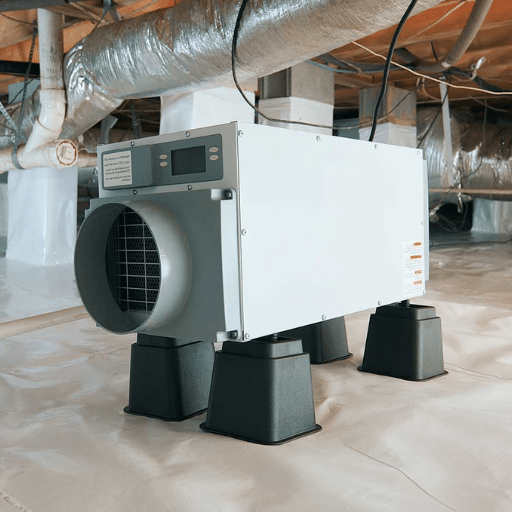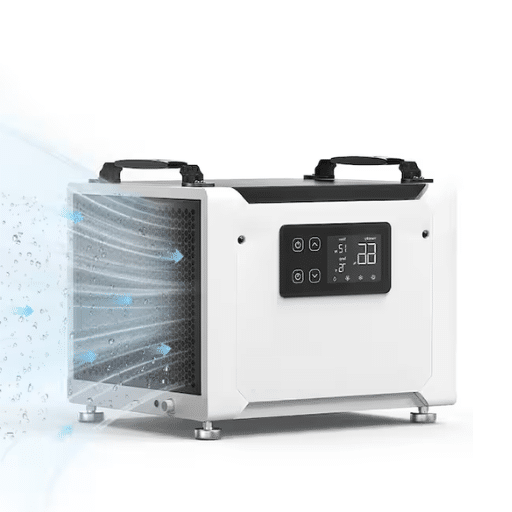
The first problem, affecting many homes, is mould, while the second is dampness. These two issues create major challenges for homeowners seeking repairs. The products create disturbing stains while they release unpleasant odors, which endanger your health and endanger the security of your residence. The dehumidifier functions as an efficient solution that helps you combat both excess moisture and its harmful consequences. The blog post about dehumidifiers shows how they reduce moisture levels, which prevents mould growth and creates healthier indoor environments, which increase comfort. The article presents valuable home protection methods which include practical advice together with humidity control recommendations to safeguard your health and safety.
Understanding Mould and Dampness
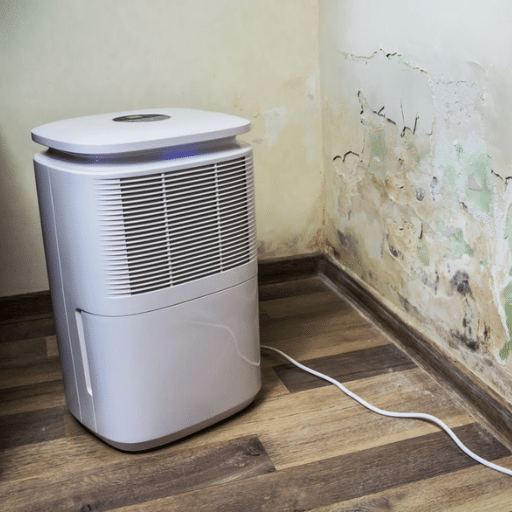
The indoor environment of a building experiences mould and dampness because its humidity levels reach excessive values through two main reasons which are broken water pipes and insufficient airflow systems and high outdoor moisture conditions. Mould needs moist environments for its growth because these conditions enable it to move through all parts of a building which includes its walls and ceilings and every reachable space. The mold creates home destruction because it brings health risks which include allergic reactions together with breathing problems. The process of stopping mold and dampness needs two procedures which first require handling airflow issues and second require fixing leaks while using dehumidifiers to maintain humidity below 60 percent. The process of object cleaning must occur at predetermined intervals while specific areas should undergo inspection because they present increased risk for developing moisture issues which need to be controlled to maintain a safe and dry setting.
What is Mould and Why Does It Grow?
Mould exists as a fungus which develops through multicellular organisms that produce hyphae which spread through surfaces to create visible colonies. The organism produces its tiny reproductive spores which spread into the surrounding atmosphere and settle on damp and humid places to generate fresh growth. The three essential components which mold needs for growth include water together with heat and organic materials which exist in wood and paper and fabric materials which provide ideal growth conditions during humid weather in homes that have improper ventilation.
The latest research findings demonstrate that relative humidity levels which exceed 60 percent create a significant danger which enables mould to grow. The combination of water and condensation makes basements and bathrooms and kitchens into spaces which mold prefers to inhabit. Mould requires only 24 to 48 hours before it establishes growth on wet materials which makes it essential to act quickly in order to stop its expansion.
⚠️ Important: The most common household moulds include Cladosporium and Penicillium and Aspergillus and Stachybotrys which people usually call black mould. The health effects of mould exposure for humans include nasal congestion together with throat irritation and skin rashes and severe breathing problems which affect people with asthma or weak immune systems.
The study found that mould presence in homes creates severe indoor air pollution problems which require urgent solutions to remove the problem. The home protection system uses three main methods which involve humidity measurement through a hygrometer and immediate leak repairs and proper airflow management.
Identifying Signs of Dampness in Your Home
The visible dampness signs and hidden dampness indicators provide methods for detecting dampness presence in your home. The most frequent moisture detection indicators are recognized by home maintenance professionals.
🔍 Water Stains and Discoloration
The investigation of dark patches and discoloration which appears on walls and ceilings and floors needs to be conducted. The presence of these signs shows that water enters the building through leaks or there exists excessive moisture inside the building. The search results show that water stains typically appear at plumbing fixture locations and roof edge points because leaks stem from broken seals and obstructed gutters.
🎨 Peeling Paint or Wallpaper
Moisture trapped behind paint or wallpaper creates bubbles which crack the material and causes it to peel. Research indicates that this condition develops through condensation which occurs in spaces that lack proper ventilation such as bathrooms and kitchens.
👃 Musty Odors
The presence of a distinct stale odor indicates that mold or mildew has begun to grow in hidden areas. The studies demonstrate that this odor results from microbial volatile organic compounds (MVOCs) which mold produces during its growth process.
🦠 Visible Mold Growth
The presence of multiple mold types in visible areas serves as an alert because it indicates that the environment contains excessive humidity conditions. Mold requires environments with humidity levels exceeding 60% to survive, and Google reports show that it spreads quickly on wood and fabric and drywall surfaces.
❄️ Cold or Damp Walls
Cold walls and damp walls create a physical sensation which indicates that building moisture problems exist. Professionals use infrared thermography to identify hidden damp patches behind walls without needing to destroy any wall sections.
💧 Condensation on Windows
High indoor humidity levels create window condensation which persists on windows. The recent studies show that this pattern occurs in winter months because warm indoor air contacts cold glass surfaces.
🏚️ Structural Damage
The building shows signs of structural damage through its presence of crumbling plaster and rotting wood and weakened floorboards. According to Google reports, prolonged exposure to moisture causes structural damage to homes over time.
Homeowners who conduct regular property inspections should address issues as soon as they arise, thereby helping them maintain their home and create a safe environment for their family. The facility employs moisture meters and hygrometers to measure home moisture levels, and it also provides professional moisture assessments for your property.
The Science of Humidity and Its Impact on Mould Growth
Indoor mould growth depends on indoor humidity levels. Mould requires environments with moisture levels above 60% relative humidity for growth. When humidity levels remain uncontrolled, mould develops on various surfaces, leading to health problems and damage to items in that area.
📊 Five Key Details Regarding Humidity and Mould Growth:
- Optimal Humidity Level: The optimal humidity level for mould growth needs to exceed 60% relative humidity. The indoor humidity level should remain between 30% and 50% because this range prevents mould growth.
- Temperature and Humidity Interaction: Mould growth accelerates when high humidity meets warm temperatures because warm temperatures create more water through condensation.
- Condensation on Surfaces: High humidity within spaces creates damp conditions that affect windows and walls, enabling mold spores to adhere and reproduce.
- Ventilation and Air Circulation: Improper ventilation allows moisture to accumulate in spaces, thereby increasing humidity in those areas. This condition is common in areas such as bathrooms, kitchens, and basements.
- Impact on Health: People who stay near mold for long periods develop respiratory issues, allergies, and other health conditions that affect especially those who have weak immune systems or asthma.
Monitoring humidity levels is essential to prevent mould growth, which results from internal environmental factors.
The Role of Dehumidifiers in Fighting Mould

Because dehumidifiers reduce indoor humidity, they act as essential tools for mould control, which relies on moisture-free conditions to prevent mould growth. The following five pieces of information demonstrate that dehumidifiers are effective tools for mould control.
1. The Ideal Humidity Level
Through their operation, dehumidifiers sustain indoor humidity levels between 30-50% which prevents mould from establishing itself. Mould requires humidity levels above 60% to develop so these parameters must remain intact.
2. Continuous Moisture Extraction
The air we exhale contains moisture, which dehumidifiers continuously extract from the atmosphere through their ongoing operation.
3. Reduced Airborne Mould Spores
Indoor spaces experience reduced moisture levels because dehumidifiers extract water from the environment, which results in fewer airborne mould spores. The solution maintains mould-free conditions throughout the building, which provides inhabitants with improved indoor air quality.
4. Protection of Furniture and Structures
Excess moisture can seep into wooden furniture and structural components like beams, leading to rot and mould development. Dehumidifiers maintain material dryness which protects these materials from all types of damage.
5. Energy Efficiency
Energy-efficient dehumidifiers function with lower electricity expenses because they achieve effective moisture management throughout their entire operational time. The solution demonstrates both practical effectiveness and environmental sustainability for maintaining mould-free spaces over extended periods.
Organizations use dehumidifiers as moisture control devices which create better indoor air quality while preventing mould growth.
How Does a Dehumidifier Work?
A dehumidifier extracts air humidity because it decreases indoor moisture levels which create unfavorable conditions for mold mildew and dust mites. The device starts its operation by using a fan to pull damp air into its system. The air undergoes a temperature decrease process through cooling coils until it reaches the dew point, which results in water vapor transforming into liquid. The process produces two results: the system gathers water through its collection system while it generates dry air that gets heated before being delivered back to the indoor environment.
Modern dehumidifiers use advanced sensors and settings which enable users to control humidity levels with high accuracy. The ideal indoor humidity level for maximum comfort and mould prevention should stay between 30% and 50%. Many dehumidifiers feature auto-off functions that activate once the desired humidity range is achieved, conserving energy.
💡 Did You Know? A standard dehumidifier can extract between 20 and 70 pints of moisture from the atmosphere throughout a 24-hour period, depending on its specific design and the size of the space. The new high-efficiency models use energy-efficient designs which require 300 to 700 watts of power, which is much less than what older devices require. HEPA filters now appear in certain devices to capture airborne particles, which enhances indoor air quality in residential and commercial environments.
Homeowners can enhance indoor air quality and prevent health issues caused by excessive moisture through their knowledge of dehumidifier operation and technological advancements.
Types of Dehumidifiers: Compressor vs. Desiccant
Benefits of Using a Dehumidifier to Remove Mould Spores
💧 Humidity Levels Decrease
High humidity levels provide an environment which supports the development of mold spores which are able to grow in spaces that contain such conditions. The dehumidifier functions as a device which keeps indoor spaces at relative humidity levels below 60 percent because this humidity level prevents mold spores from developing.
🌬️ Improved Air Quality
The dehumidifier operation improves air purification because it removes airborne mold spores from the indoor space. The result creates a better home environment which especially helps people who have asthma or allergies or breathing problems.
🏠 Protection of Surfaces
Excess water damage causes buildings to develop structural damage because it causes walls and ceilings and furniture to lose their structural strength which leads to mold development. The dehumidifier creates a protective barrier for these surfaces through its continuous operation which controls humidity levels to stop mold from destroying them.
❤️ Health Benefits
The process of chemical exposure to mold results in respiratory problems and allergic responses and serious cases can lead to infections. The dehumidifier operates as a vital device which reduces health risks because it removes extra moisture and decreases the amount of mold spores that are present in the air.
✨ Odor Elimination
Mold and mildew release their distinct odor which creates a musty smell that fills home living spaces. The dehumidifier eliminates the bad smell through its treatment of moisture problems which create mold growth in the bathroom. The bathroom now delivers an improved indoor experience which brings forth fresh air and comfort.
Mould Prevention Needs Optimal Humidity Levels

All indoor spaces must maintain specific indoor humidity levels which serve as the essential requirement to prevent mold from appearing in those spaces. The experts identify 30 percent to 50 percent relative humidity levels as the most suitable range for maintaining healthy indoor environments. The damp environment which enables mold and mildew to grow starts when humidity levels exceed 60 percent because this humidity level creates an ideal breeding ground for these fungi.
You can achieve optimal humidity control through the use of a hygrometer which measures indoor humidity levels. During the summer season when outdoor humidity reaches its highest levels both dehumidifiers and air conditioners serve as efficient tools to control indoor humidity. High humidity areas need proper ventilation systems which enable air to move freely because this method will stop mold from growing in bathrooms and basements. Maintaining a constant indoor humidity level within the recommended range will prevent mold growth in your home while creating a healthier atmosphere.
The Ideal Relative Humidity Levels To Stop Mould Growth
Mold growth can only be prevented through the maintenance of appropriate relative humidity levels. The experts identify 30 percent to 50 percent as the optimal range for indoor relative humidity. The indoor humidity levels need to be monitored and controlled in areas which experience high humidity because their relative humidity exceeds 60 percent according to the monitoring system.
⚠️ Critical Information: Research indicates that mold spores require higher than 50 percent relative humidity levels to begin their germination process and establish their colonies. The effective tools for monitoring actual RH levels are humidity sensors and hygrometers. When humidity levels fall below 30 percent the human body suffers from excessive dryness which leads to respiratory problems and discomfort.
The use of smart dehumidifiers and whole-home HVAC systems with humidity control features helps maintain the required indoor relative humidity levels. The process of mold growth starts when building occupants fail to address water leaks or flooding immediately because these events create mold-friendly conditions through elevated indoor humidity levels. The indoor humidity control system helps create a better indoor environment through its operations which keep the humidity at safe levels that prevent mold growth.
How to Measure Humidity in Your Home
The measurement of humidity levels within your residence constitutes an essential task because it establishes optimal conditions which prevent the growth of mold. The most reliable method to measure humidity levels needs a hygrometer which serves as a device that detects atmospheric relative humidity (RH) levels. Today’s digital hygrometers deliver accurate measurement results which display RH levels as percentage values that should stay within 30% to 50% according to U. S. Environmental Protection Agency (EPA) standards.
For precise results, position the hygrometer in spaces where people spend their time such as the living room or bedroom while keeping it away from windows and vents and direct sunlight exposure which will affect its measurements. The second method enables users to monitor RH levels through their mobile applications by using smart home devices and HVAC systems that already have built-in humidity sensors.
🧊 Quick Ice Cube Test
The ice cube test provides a fast but less accurate measurement solution. The method requires you to put ice cubes into a glass of water which you should leave in the room for several minutes. Once this humidity level reaches a specific point, condensation will occur on the glass. The method provides only a basic indication of humidity levels which cannot replace actual measurement equipment.
The monitoring techniques enable you to observe humidity changes which help you control indoor air quality to create a pleasant environment for everyone who lives in your house.
Ways to Keep Humidity Levels at Healthy Levels
1️⃣ Use a Dehumidifier
A dehumidifier operates effectively to control indoor humidity when it is applied to spaces which experience high moisture levels found in basements. The EPA establishes an indoor relative humidity range of 30% to 50% which optimal system performance needs to sustain their regular operation.
2️⃣ Increase Ventilation
The implementation of proper ventilation systems reduces excessive bathroom and kitchen humidity levels which emerge from normal building operations. The kitchen and showering process should use exhaust fans while windows should open during weather conditions which allow safe airflow.
3️⃣ Fix Water Leaks and Seal Gaps
Even small water leaks can create high humidity problems. The pipe and faucet and ceiling examination process requires regular checks to discover hidden leaks which need immediate repair. Homeowners need to seal all gaps around their windows and doors to prevent moisture from entering their homes.
4️⃣ Use Air Conditioners
Air conditioning systems deliver two primary advantages because they produce lower indoor temperatures while their moisture removal process decreases indoor humidity levels. The AC system requires you to choose the correct size for your space which needs regular cleaning and filter replacement to achieve optimal performance results.
5️⃣ Dry Clothes Outdoors
Indoor clothes drying creates significant moisture release which raises the humidity levels inside your home. You should dry your clothes outside on an outdoor clothesline or in a well-ventilated area because this method helps you manage indoor moisture control.
Choosing the Best Dehumidifier for Your Needs

The selection of the appropriate dehumidifier requires consideration of multiple elements which include the area dimensions and current humidity levels and your specific feature requirements. The following criteria should be used to evaluate the dehumidifier performance.
Room Size
You need to measure the dimensions of the room or area which you intend to operate the dehumidifier. The performance ratings of dehumidifiers depend on their moisture extraction capacity which manufacturers provide as their daily pint capacity. The following example illustrates the requirement:
- Small rooms (up to 300 sq. ft.) – A 20-30 pint dehumidifier is sufficient.
- Medium rooms (300 – 700 sq. ft.) – You should select a 30 – 50 pint unit.
- Large rooms (700+ sq. ft.) – A dehumidifier needs to have a storage capacity that exceeds 50 pints for spaces which exceed 700 square feet because their capacity needs to exceed that requirement.
Humidity Level
Dehumidifiers with higher capacity are necessary for environments with high humidity which includes bathrooms and basements and areas which have experienced water damage. The best solution for maintaining a specific humidity level which normally ranges from 30% to 50% for maximum comfort is to select devices that include auto-humidistat control capabilities.
Energy Efficiency
The “Energy Star Certified” label on dehumidifiers enables you to decrease your electricity costs. The models enable you to maintain environmental sustainability by using 15% less energy compared to standard models while also decreasing your electricity expenses.
Additional Features
The following features should be checked:
- Auto Shut-off – The system shuts down when the water tank reaches its maximum capacity which prevents overflow.
- Continuous Drainage – The built-in pumps and drain hose options enable continuous operation which provides advantages for basement usage.
- Quiet Operation – The system operates silently which enables its use in residential bedrooms and home office areas.
- Filter Indicators – The system uses filter indicators to show you when you need to perform cleaning or replacement tasks to maintain peak functioning capabilities.
Dehumidifier Costs and Top Brands (2023)
The current market analysis shows that dehumidifiers have a price range between $150 and $400 which varies based on brand selection and feature set. The Frigidaire and Honeywell and GE brands provide trustworthy products which maintain dependable performance and long product life. The Frigidaire FFAD5033W1 has gained recognition as the top dehumidifier in 2023 because of its high performance and user-friendly design.
The evaluation of these factors enables you to select a dehumidifier which meets your requirements for room size and budget and desired features while creating a more pleasant and clean atmosphere. To find the most appropriate option for your needs, you should first review product specifications and customer reviews before making a purchase decision.
Key Features to Look for in a Dehumidifier
The process of buying a dehumidifier requires you to examine particular attributes which improve the device’s effectiveness and operating simplicity and energy consumption efficiency. The five essential attributes which you should assess include the following:
📏 Capacity and Coverage Area
Dehumidifiers function at different capacities which operate by removing specific quantities of moisture from the air during a 24-hour period which manufacturers present in pint measurements. Select a device that matches your room dimensions. The Frigidaire FFAD5033W1 50-pint dehumidifier is suitable for medium to large spaces while small-capacity models can meet the needs of bathrooms and small rooms.
⚡ Energy Efficiency
You should select a dehumidifier that has received Energy Star certification because this designation guarantees efficient performance with reduced energy consumption. Energy-efficient dehumidifiers not only reduce your utility bills but also have a smaller environmental footprint.
🎛️ Humidity Control Settings
A dehumidifier with adjustable humidity settings lets you maintain your preferred moisture level, typically between 30% and 50%. The system uses auto-humidity control and hygrometers to create precise conditions which enable users to achieve their desired comfort levels.
💧 Drainage Options
Most dehumidifiers provide two common drainage systems which include a collection tank and a continuous drain system which uses a hose for water removal. Users of models which have larger tanks will need to empty their tanks less often while built-in pumps enable users to drain water continuously through high-pressure systems.
🔇 Noise Level
Different dehumidifier models produce different levels of sound. For quieter operation, aim for units rated below 50 decibels, especially if you’re using them in bedrooms or living areas. Low-noise designs ensure your comfort isn’t compromised by the device’s operation.
You need to select a dehumidifier by assessing essential features which satisfy your actual needs and your individual preferences.
Top Recommendations: Midea vs. Meaco
The document presents detailed technical requirements for all major dehumidifier products that Midea and Meaco manufacture. Our assessment of performance features and customer preferences resulted in our selection of the five best products which include:
1. Midea 20 Pint Cube Dehumidifier
- Coverage: Up to 1,500 sq. ft.
- Tank Capacity: 2 gallons
- Noise Level: 46 decibels
- Certification: ENERGY STAR®
- Features: Adjustable design, built-in Wi-Fi, smart control
2. Meaco Arete One 20L Dehumidifier
- Coverage: Up to 2,000 sq. ft.
- Tank Capacity: 4.8 pints
- Noise Level: 40 decibels
- Energy Efficiency: High efficiency, low operating costs
- Features: Laundry mode, user-friendly controls, modern aesthetics, silent operation
3. Midea 50 Pint Dehumidifier with Pump
- Coverage: Up to 4,500 sq. ft.
- Tank Capacity: 1.6 gallons
- Noise Level: 48 decibels
- Certification: ENERGY STAR®
- Features: Built-in pump, continuous drainage, automatic restart, washable filter
4. Meaco DD8L Zambezi Desiccant Dehumidifier
- Coverage: Up to 1,000 sq. ft.
- Tank Capacity: 3 liters
- Noise Level: 34-39 decibels
- Best For: Colder environments
- Features: Desiccant technology, ionizer, multiple timer settings, load-shedding capability
5. Midea MAD50C1ZWS 50 Pint Dehumidifier
- Coverage: Up to 4,500 sq. ft.
- Tank Capacity: 1.6 gallons
- Noise Level: 49 decibels
- Certification: ENERGY STAR®
- Features: Turbo mode, automatic defrost, continuous drainage
💡 Conclusion: Midea and Meaco offer high-quality products that fulfill various customer needs through their energy-efficient products which emit low sound levels and their advanced design elements which provide extensive operational range. Evaluate these models to determine the right fit for your home or workspace!
Selecting the Right Size Dehumidifier for Your Space
The size of a dehumidifier needs to match both the dimensions of your room and the amount of humidity which exists there. The dehumidification system evaluates its performance through testing which measures its ability to remove water vapor from the air throughout an entire day. The following guidelines provide you with information to use when making a decision:
🏠 Small Rooms (Under 300 sq. ft.)
For areas like bathrooms, laundry rooms, or small bedrooms with moderate humidity, a dehumidifier with a capacity of 20-30 pints per day is ideal.
🏡 Medium Rooms (300-500 sq. ft.)
For spaces such as large bedrooms or small living rooms, where humidity levels are higher, a dehumidifier removing 30-50 pints per day is recommended.
🏢 Large Rooms (500-1,000+ sq. ft.)
For basements, larger living areas, or areas prone to excessive humidity, consider a 50-70 pint dehumidifier to ensure effective moisture removal.
Additional Considerations
💧 Humidity Levels
When your space experiences high humidity conditions which exceed 60% the dehumidifier system requires a higher pint capacity because these conditions need special equipment to handle extreme scenarios.
🌡️ Climate Impact
Dehumidifiers which operate in warm humid climates need to have higher power capabilities. Use a larger capacity model even in smaller spaces if you live in such regions to maintain efficiency.
⚡ Energy Efficiency
Select ENERGY STAR® certified products because they enable you to reduce energy consumption while saving money on future costs.
🎯 Special Features
Dehumidifiers use built-in humidistats to maintain precise humidity levels and they can resume operation after electricity outages while delivering quiet performance suitable for bedrooms and offices.
The correct dehumidifier size and features should match your space requirements to create an environment which improves health and comfort while decreasing energy consumption.
References
📚 MDPI – Sustainability Journal
Title: Evaluation of a polyester filter and UV light (PFUV) dehumidifier to improve indoor environmental quality: preliminary results
This study examines the effectiveness of a dehumidifier device in reducing mold populations in indoor environments.
📚 IntechOpen – Open Access Publisher
Title: Improving the quality of the indoor environment utilizing desiccant-assisted heating, ventilating, and air conditioning systems
This chapter discusses the role of desiccant dehumidifiers in controlling indoor allergens and improving air quality.
📚 Taylor & Francis Online
Title: Design and application of a dehumidifier dryer for drying pine cones and pollen catkins
This paper describes the design of a dehumidifier system to prevent mold formation during drying processes.
Frequently Asked Questions (FAQ)
❓ How can a dehumidifier help reduce moisture and fight against mold in damp rooms?
The dehumidifier removes water vapor present in indoor air which the unit uses to maintain indoor humidity at levels that prevent mold growth. The dehumidifier functions in areas with high humidity such as basements and bathrooms to lower moisture levels which results in decreased condensation on walls and windows while it works together with ventilation and air movement to reduce mold and mildew growth.
❓ Does a dehumidifier work to decrease bathroom humidity levels and stop condensation from forming in bathrooms?
The dehumidifier decreases bathroom humidity levels which results in a reduction of bathroom condensation that occurs after showers. The bathroom requires two solutions for its continuous mold problem: a dehumidifier and improved ventilation which helps maintain door closure while this device operates together with surface cleaning of wet areas to stop mold development on natural materials and tile surfaces.
❓ Do dehumidifiers have the ability to vacuum spores from the surrounding atmosphere while also enhancing indoor air quality through their air purification capabilities?
Standard dehumidifiers primarily remove water from the air but models with HEPA or air filter attachments contribute to air purification by capturing airborne spores dust mites and other particles. The combination of a dehumidifier with an air purifier or the selection of units that contain integrated filters improves indoor air quality while decreasing airborne mold and mildew particles.
❓ What process from the air moisture control method enables new mold and mildew colonies to spread throughout an area?
Reduced air moisture conditions produce lower dew points which result in decreased indoor humidity levels. This situation makes it hard for mold to grow on surfaces and to develop new colonies on wood and drywall and fabric materials. The process of continuous moisture elimination through dehumidification maintains dry conditions which stop the dampness and mold development cycles that enable mold to grow and spread.
❓ Do black mold and moldy areas require dehumidifiers for complete removal or do these situations need other mold removal methods?
Dehumidifiers help prevent mold to grow by reducing moisture but active mold removal is often required for toxic black mold or extensive moldy infestations. Dehumidifiers should be used to manage moisture levels which should be followed by proper mold removal procedures that include specific cleaning methods which require professional help for remediation.
❓ What method do dehumidifiers use to remove indoor moisture compared to air conditioners and ventilation systems?
Air conditioners remove some moisture as they cool but dehumidifiers are designed specifically for moisture removal and they have better ability to extract water from highly humid conditions. Indoor spaces need proper air circulation through ventilation systems to preserve air quality but dehumidifiers serve as specialized devices that maintain dry indoor air in locations where ventilation and air conditioning systems cannot control humidity levels.
❓ Does running a dehumidifier in living areas destroy dust mites while improving the air quality inside the room?
Indoor spaces with a dehumidifier that maintains relative humidity below 50 percent will experience reduced dust mite populations and other allergen conditions. The decrease in humidity leads to reduced dust mite numbers which improve indoor air quality while making spaces unsuitable for mold and mildew growth.
❓ Which features should I search for in dehumidifiers that exist in the market to obtain lower moisture levels and achieve mold control?
The best dehumidifiers for mold prevention need to have Energy Star certification and match the room size requirements through their capacity and they must include a built-in humidistat and provide both HEPA and effective air filters for air purification purposes. The situation requires commercial dehumidifiers and meacodry units when dealing with highly humid environments and large open spaces. The product selection process needs to review three elements: how the item gathers moisture from the atmosphere its methods of draining water and its total energy consumption.
❓ How often should I run a dehumidifier to prevent damp and condensation and keep spores from the air under control?
A dehumidifier should operate continuously in locations that experience persistent dampness until the indoor humidity reaches a safe range of 30 to 50 percent. The treatment requires periodic equipment use when humidity levels increase and following activities that produce humidity such as cooking and bathing and clothes drying. The combination of source control methods with ventilation works to decrease moisture levels in the atmosphere.
❓ Will using a dehumidifier alone solve mold problems caused by hidden sources of moisture?
The dehumidifier functions as an essential component for moisture management but it fails to eliminate mold issues which arise from concealed water leaks and inadequate airflow and damage from water leaks. The process requires three steps: first identify and fix all moisture sources, then remove all contaminated organic materials if needed, and finally use dehumidification together with mold removal and better ventilation systems for permanent mold control.