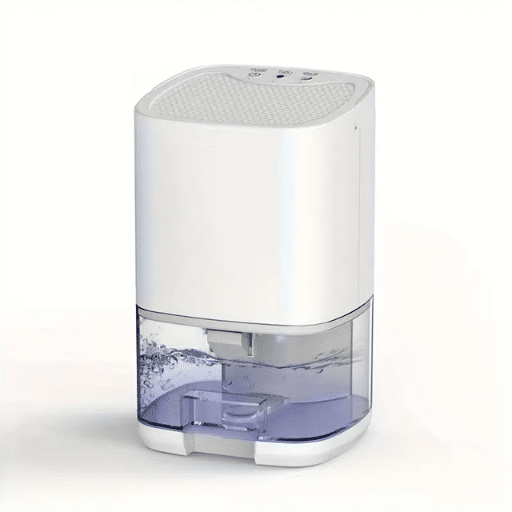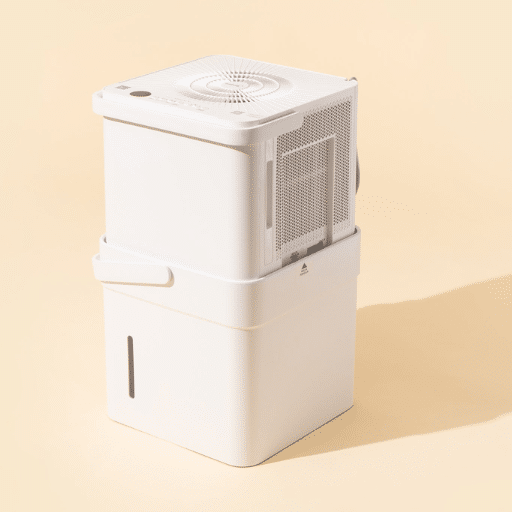
The indoor environment requires maintenance to maintain healthy standards, as it affects both your home’s comfort and your well-being. The essential requirement for this objective needs you to sustain appropriate indoor humidity levels throughout your home. Basements encounter their most severe water problems because excessive water creates an environment which enables mold to develop musty smells to emerge and structural harm to happen. Your entire basement dehumidifier system delivers effective results because its strong performance maintains your home dry throughout all seasonal periods. The article will explain the importance of dehumidification and the operational mechanism of whole basement dehumidifiers while showing the advantages which these devices bring to your residence and personal health. The guide contains essential information which helps users choose between two options for their home which has either wet conditions or needs protection.
Understanding Basement Humidity
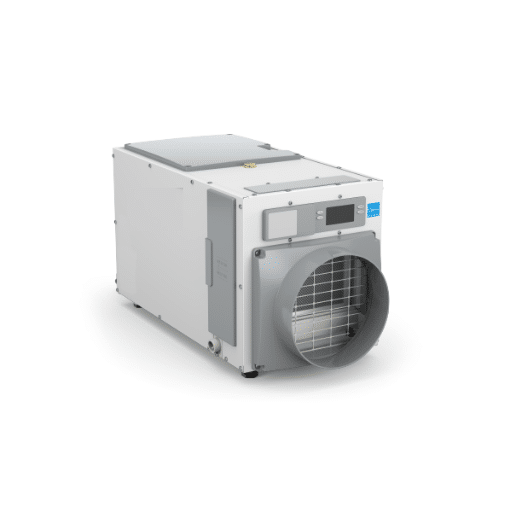
Excess basement humidity develops when buildings experience inadequate ventilation and water enters their spaces and ground moisture remains high. The process of warm air meeting cooler basement surfaces results in condensation, which produces higher humidity levels in the space. The area contains excessive moisture, which causes mold and mildew to grow, while building components suffer from structural damage. The implementation of proper ventilation together with crack sealing and dehumidifier operation enables indoor spaces to maintain basement humidity levels that create healthy environments for residents.
The Problem of High Humidity in Basements
⚠️ Critical Information: Basements experience high humidity problems which create serious health risks together with structural damage. The Environmental Protection Agency (EPA) recommends that indoor environments maintain relative humidity levels between 30% and 50% because this range helps to prevent mold growth and other related problems. Most basements experience conditions which increase humidity levels beyond 60%, which makes mold growth more dangerous.
Existing moisture problems in a building create new dangers which lead to further structural deterioration. Continuous exposure to humid conditions causes wood to rot and drywall to deteriorate and metal fixtures to corrode, according to the research. The research shows that basements which experience water leaking have a 10 times higher risk of developing high humidity problems than basements which remain dry.
💰 Financial Impact: Recent reports show that U.S. households spend approximately $100 million each year to remove mold from their homes which mainly results from inadequate basement humidity management. Dehumidifiers serve as essential equipment for humidity control because advanced models enable users to achieve 50% basement humidity reduction within 24 hours of operation.
Homeowners protect their property and health from high humidity risks through their understanding of the dangers and use of better ventilation systems together with sealed insulation and advanced dehumidifiers.
Signs You Need a Dehumidifier
The process of dehumidifier selection needs to start with identification of the situations which create humidity problems in your home. The following signs serve as important indicators:
💧 Condensation
Air moisture rises above its normal level which results in water droplets appearing on windows and walls through their cooling surfaces. This condition tends to happen most in spaces such as basements and bathrooms.
👃 Musty Odor
The presence of a damp musty odor indicates that humidity conditions create an ideal environment for mold and mildew to develop. The presence of mold occurs when the air humidity reaches 60 percent which results in health dangers.
🏚️ Visible Water Damage
Water damage becomes visible when paint begins to peel and wood materials start to bend and ceilings and walls begin to droop because of continuous unregulated moisture.
🤧 Allergy Symptoms
Your family members experience more severe allergy symptoms because indoor mold spores and dust mites accumulate in humid conditions which lead to sneezing and itchy eyes and coughing. Studies show that reducing humidity below 50% can help mitigate such allergies significantly.
📊 High Indoor Humidity Levels
Hygrometers serve as tools which help you measure indoor humidity. The mold and dust mite problems arise when indoor humidity reaches 50-60% during regular times.
🔧 Rust and Corrosion
The presence of excessive moisture in your home leads to tools and pipes and metal objects rusting prematurely because they come into contact with the surrounding environment.
✓ Expert Recommendation: The immediate requirement for proper response exists because these indicators establish a safe and pleasant home atmosphere. The Environmental Protection Agency (EPA) states that maintaining indoor humidity levels between 30-50% creates perfect conditions which prevent mold development and structural damage. A dehumidifier of high quality will effectively decrease humidity in your home while safeguarding your residence and enhancing the quality of air inside your home.
Impact on Indoor Air Quality
High humidity levels create negative effects on indoor air quality which result in unpleasant conditions for people who use the space. The main five methods through which excess humidity affects indoor air quality create an impact on the space.
1. Mold and Mildew Growth
Mold and mildew require elevated humidity level because these conditions enable mold and mildew to grow which results in aerosolizing spores that trigger respiratory issues and allergies and asthma. The EPA states that mold development begins when indoor humidity levels stay above 60% for extended periods.
2. Dust Mites Proliferation
Dust mites use humid environments as their perfect breeding grounds. These tiny pests commonly cause indoor allergies which lead to sneezing and runny noses and itchy eyes.
3. Increased VOC Emissions
Damp conditions increase the release of volatile organic compounds (VOCs) from household materials which include paints and finishes and furniture. This process leads to diminished air quality and creates health hazards.
4. Unpleasant Odors
Your home atmosphere becomes stale because high moisture levels produce musty odors from mold and mildew, which makes breathing unsatisfactory for the space.
5. Structural Damage
Excess humidity leads to structural collapse which creates an air pollution problem through peeling paint and wood destruction. The pollutants present in the air make respiratory conditions worse for affected individuals.
A reliable dehumidifier will resolve humidity problems which will lead to improved indoor air quality and better health outcomes in your home.
Types of Dehumidifiers
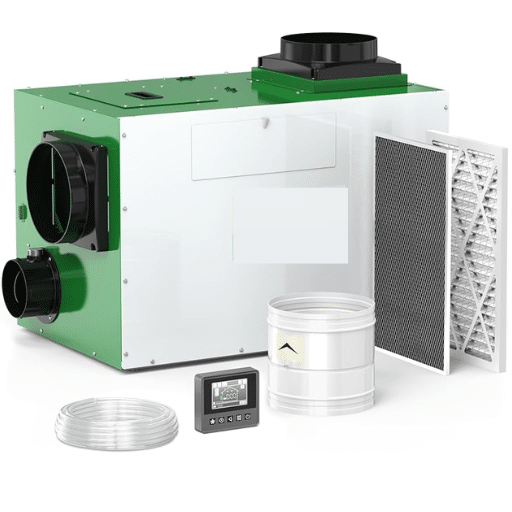
Dehumidifiers exist in multiple varieties which meet distinct requirements and operate effectively in various environmental conditions while managing different levels of humidity. Three essential aspects need to be considered when selecting an appropriate dehumidifier which includes evaluating room dimensions and current weather conditions together with understanding specific user requirements. The main dehumidifier categories include these essential types which present complete information about their operation:
1. Refrigerant/Compressor Dehumidifiers
Refrigerant dehumidifiers function by cooling incoming air which causes moisture to condense and collect in a storage tank. These devices function best in regions where high temperatures combine with high humidity levels. They function best in spaces which include basements and laundry rooms and expansive living spaces.
- Best Usage Temperature Range: 60°F – 95°F (15°C – 35°C)
- Average Moisture Removal Rate: 20 to 70 pints per day depending on the model
- The devices use excessive energy consumption to achieve effective humidity removal from areas that contain elevated moisture levels.
2. Desiccant Dehumidifiers
Desiccant dehumidifiers work by using materials such as silica gel to extract moisture from the surrounding atmosphere. The system operates effectively in cold climates while refrigerant systems experience their greatest decline in performance.
- Best Usage Temperature Range: 33°F – 59°F (1°C – 15°C)
- Average Moisture Removal Rate: The system removes between 10 to 50 pints of water daily which is less than what refrigerant systems achieve.
- The system operates effectively during cool weather conditions because it maintains functionality without experiencing coil freezing issues which form its principal benefit.
3. Thermo-Electric (Peltier) Dehumidifiers
The devices use Peltier technology to create compact and lightweight devices that extract moisture from indoor air. The equipment works effectively in small areas which include bathrooms and closets and single rooms that experience mild humidity problems.
- Best for Rooms: Up to 200 square feet
- The system extracts less than 10 pints of water from the air each day.
- The system provides two advantages which include producing minimal sound during operation while using small amounts of power but it has restricted operational limits.
4. Whole-House Dehumidifiers
The whole-house dehumidifiers which connect directly to your HVAC system enable complete home humidity management. The system provides effective moisture management for large spaces which results in consistent comfort across all building areas.
- Coverage Area: 3,000+ square feet
- The system removes between 80 and 155 pints of moisture from the air each day.
- The system provides users with complete humidity control which functions as a permanent solution to their moisture management needs.
5. Portable Dehumidifiers
The independent dehumidifiers which function as portable devices enable users to move them between different spaces. Customers can choose various sizes of portable dehumidifiers which serve as cost-effective solutions for their needs.
- Room Size Coverage: From 150 to over 1,000 square feet depending on model
- The system removes between 20 to 50 pints of moisture from the air each day.
- The system provides functional solutions for particular areas which do not require expert installation service.
Comparing Efficiency and Energy Use
The U.S. Department of Energy reports that Energy Star dehumidifiers use 15 percent less energy than dehumidifiers that do not have this certification which results in yearly savings of 175 dollars for households with high-capacity units. When selecting a dehumidifier you need to evaluate both energy labels and capacity ratings.
The assessment of different dehumidifier types and their respective uses enables you to select an optimal combination of financial resources and energy-saving capabilities which lead to effective moisture management in your indoor space.
Portable Dehumidifiers vs. Whole Basement Dehumidifiers
Advantages of Whole-House Dehumidifiers
People use whole-house dehumidifiers to control indoor moisture because these systems provide multiple critical benefits which enable permanent humidity regulation. The five benefits of a whole-house dehumidifier system are provided below:
Complete Moisture Management
The HVAC system of your home integrates whole-house dehumidifiers to maintain humidity control throughout every area of the house. The system guarantees people in the building will have access to unchanging air quality combined with consistent comfort throughout the entire building.
Energy Efficiency
The initial investment for whole-house dehumidifiers exceeds other options yet they deliver energy savings through their superior performance against numerous portable dehumidifiers. The system operates efficiently across extensive areas which eliminates the requirement for additional equipment thus decreasing total power expenses.
Enhanced Indoor Air Quality
The systems operate throughout the house to eliminate excess humidity which helps to create safer indoor environments that protect against mold and mildew and dust mites that thrive in moist conditions. The resulting indoor spaces create a healthier atmosphere which benefits people who suffer from allergies and breathing difficulties.
Minimal Upkeep and Extended Product Life
People need to maintain portable dehumidifiers more often than they have to maintain whole-house dehumidifiers which need less maintenance work. The system offers customers a reliable long-term solution because it lasts for many years when maintained correctly.
Silent Functioning
The systems operate with silent functionality because their design places them in locations away from human activity areas. The system eradicates all noise problems which people frequently experience with portable devices to deliver complete silent comfort throughout your entire home.
Aprilaire Dehumidifier Models Overview
Aprilaire provides a selection of high-efficiency dehumidifiers which fulfill various requirements based on different environmental conditions. The products provide efficient performance while maintaining dependable operation and simple operation for end users. The following section presents popular Aprilaire dehumidifier models along with their essential specifications.
Model 1830
Basement & Crawl Space
- Coverage: Up to 3,800 sq ft
- Capacity: 70 pints/day
- Features: Compact design, corrosion-resistant coils, digital controls
Best For: Basements and crawl spaces with moderate humidity conditions
Model 1850
Whole-Home Dehumidifier
- Coverage: Up to 5,200 sq ft
- Capacity: 95 pints/day
- Features: HVAC integration, quiet operation, optional ducting
Best For: Complete home solution with consistent humidity management
Model 1870XL
Heavy Duty Dehumidifier
- Coverage: Up to 7,200 sq ft
- Capacity: 130 pints/day
- Features: High-capacity removal, reinforced durability, energy-efficient
Best For: Residential and commercial properties
Model E100
Energy-Saving Dehumidifier
- Coverage: Up to 5,500 sq ft
- Capacity: 100 pints/day
- Features: ENERGY STAR® certified, user-friendly controls, washable filter
Best For: Homeowners prioritizing humidity control and energy conservation
Why Choose Aprilaire Dehumidifiers?
The engineers behind Aprilaire models use cutting-edge technology to create systems which deliver consistent performance while using minimal energy. The product includes features which enable automatic operation and simplified upkeep and system adaptability to intelligent home technology which makes it an ideal choice for businesses that need to protect their indoor air. The system provides multiple options to manage humidity because each product works to control specific humidity issues faced in residential and commercial environments.
For further information and up-to-date details on Aprilaire dehumidifiers, consult the official Aprilaire website or contact certified distributors in your area.
Key Benefits of Installing a Whole Basement Dehumidifier

✓ Improved Air Quality
The basement dehumidifier system operates its complete system to remove moisture which prevents both mold and mildew growth and the development of allergens from dust mites. The system creates a space that maintains better cleanliness which results in better health outcomes for people who have respiratory problems and allergies.
✓ Protection for Your Home and Belongings
Your home experiences structural problems because excessive humidity creates wood warping, paint peeling, and metal rusting damage. The dehumidifier protects both the foundation of your home and the items that you keep in your basement, which include furniture and electronics and important documents.
✓ Energy Efficiency
Your HVAC system achieves better efficiency through proper humidity control, which maintains your system’s optimal humidity requirements. The dehumidifier decreases air conditioner pressure, which results in lower energy expenses that benefit you financially throughout the year.
✓ Comfortable Living Space
High humidity levels create an environment, which produces sticky and uncomfortable air. The dehumidifier system keeps your basement as a usable space, which provides comfortable living conditions through its ability to establish an optimal atmosphere.
✓ Reduced Risk of Pest Infestations
Termites and cockroaches use damp environments as their preferred living spaces. The whole basement dehumidifier system decreases basement humidity, which keeps your home safer while making your home cleaner.
Mold and Mildew Prevention
Wet environments provide perfect conditions for mold and mildew to develop, which results in structural damage and bad smells and health dangers. The Environmental Protection Agency (EPA) recommends indoor relative humidity levels should stay between 30% and 50% because this range prevents mold from developing. When humidity levels exceed this range, condensation forms on surfaces, creating the perfect conditions for mold and mildew to cultivate.
The dehumidifier system continuously extracts excess moisture, which helps to reduce potential hazards within the entire basement area. The system prevents mold and mildew growth, which protects your belongings, including furniture and carpets and stored items, from developing musty odors and damage over time. The Centers for Disease Control and Prevention (CDC) states that mold exposure leads to allergic reactions and respiratory problems which include asthma attacks in sensitive individuals, which shows the need for its control at home.
Smart sensors and continuous drainage systems enable modern dehumidifiers to perform at their best without requiring users to handle any tasks. The installation of one creates an environment, which improves health and safety while providing you with a comfortable living experience and stopping excessive moisture from damaging your basement’s structural components.
Enhancing Structural Integrity
To protect your basement and entire home from structural issues, you need to eliminate excessive moisture while setting up reliable systems that block water from entering your property. The following five methods provide essential support for building construction, which also helps to reduce hazards that arise from wet and humid weather conditions.
1. Waterproofing Techniques
Complete waterproofing systems need to use waterproof sealants and drainage systems because these elements create protection against water infiltration and help preserve foundation integrity.
2. Proper Ventilation
Strong ventilation systems create continuous airflow which removes excess moisture from building spaces and protects wooden and concrete materials from damage.
3. Controlled Humidity Levels
Dehumidifiers maintain indoor humidity levels at optimal values between 30 to 50 percent, which prevents wood warping and cracking and mold development that compromises structural strength.
4. Foundation Repairs
Homeowners need to perform foundation inspections and foundation crack repairs because this process prevents water from entering their homes and protects their property structural integrity.
5. Exterior Drainage Solutions
Landscape grading should be used as a method to divert water from the foundation, while exterior gutter systems and French drains should be installed to prevent water from accumulating around the home, which reduces basement wall hydrostatic pressure.
The implementation of these measures enables you to maintain your space’s structural integrity, which will keep it standing firm for multiple years.
Improving Indoor Air Quality
📊 Important Statistic: The Environmental Protection Agency (EPA) states that people spend approximately 90% of their time indoors, which makes indoor air quality a vital factor that affects their health. Poor indoor air results in various health problems that range from allergies and respiratory issues to severe conditions such as asthma.
The following methods effectively enhance indoor air quality according to the latest scientific studies.
Regular Ventilation
The building needs to establish airflow through open windows and exhaust fans which should be used at scheduled times to bring in fresh air while decreasing indoor air pollution. The EPA recommends increasing ventilation during activities like cooking or painting, which can release harmful particles into the air.
Use of High-Efficiency Air Filters
Your HVAC system will gain the ability to trap 99.97% of airborne particles that measure 0.3 microns, which includes dust and pollen and pet dander, when you switch to a HEPA filter (High-Efficiency Particulate Air filter).
Managing Humidity Levels
Indoor spaces maintained at humidity levels between 30% and 50% provide protection against mold growth while decreasing dust mite populations. Regions with high humidity need dehumidifiers and air conditioners to control indoor moisture levels.
Houseplants for Natural Air Purification
Spider plants and peace lilies and snake plants, which belong to the same plant family, have the ability to absorb toxins that include formaldehyde and benzene. Studies including NASA’s Clean Air Study confirm that plants contribute to air purification, but they achieve this function in limited ways.
Avoiding Harmful Chemicals
Households should restrict their use of household products which emit volatile organic compounds (VOCs) because these substances are found in various cleaning products and paints and air fresheners. Use low-VOC products to decrease your chemical exposure.
Air Purifiers for Targeted Filtration
Modern air purifiers with activated carbon filters effectively capture harmful gases and bad odors. Recent consumer research data shows that air purifiers enable homes to decrease indoor pollution levels by up to 85% which results in cleaner air.
Homeowners who use these techniques will see their home air quality improve, which creates a healthier environment and more comfortable space for their family members.
Essential Features to Consider

The process of selecting tools or devices which enhance indoor air quality needs to include evaluation of their main capabilities. The following list presents five vital components which should be assessed together with their corresponding details and evidence.
HEPA Filtration Technology
High-Efficiency Particulate Air (HEPA) filters achieve a 99.97% particle retention rate for all particles which measure 0.3 microns and smaller including dust and pollen and pet dander. Research indicates that devices using HEPA filters can decrease airborne allergen levels by 60% or more.
Activated Carbon Filters
The filters succeed at eliminating dangerous gases together with volatile organic compounds (VOCs) and unpleasant scents. Research shows that air purifiers utilizing activated carbon filters achieve VOC level reductions of about 70% which helps improve indoor air safety.
Coverage Area
The coverage area defines the maximum area which the device can achieve successful purification. For optimal performance, choose a model tailored to your room’s dimensions. A 500 square foot purifier works best for large living rooms whereas smaller devices are more suitable for bedroom use.
Noise Levels
The operating noise level represents the primary consideration which applies to devices used in both bedroom and workspace environments. The models which operate at noise levels below 50 decibels create silent environments which help users achieve better sleep and concentration. Modern air purifiers include a “sleep mode” feature which allows them to operate at extremely low noise levels.
Energy Efficiency
Energy Star certified devices will consume 40% less energy than typical devices which makes them crucial for budget-friendly extended operation. Energy-efficient models provide two advantages by benefiting the environment while saving users money.
The presence of essential device elements enables you to select an effective air quality solution which meets your requirements for air quality monitoring.
Pint Capacity and Drainage Options
Dehumidifier operation depends on two main factors which include the understanding of pint capacity and drainage options according to their operational requirements. The pint capacity indicates how much moisture a dehumidifier can remove from the air within 24 hours. A unit with a 20-30 pint capacity serves as the ideal solution for small spaces which include bathrooms and bedrooms. For medium-sized areas, such as living rooms or basements, a 40-50 pint model works effectively, while larger spaces or excessively damp areas may require 70-pint or higher capacities.
Drainage Options
The two primary drainage options present two different solutions which users must evaluate.
Water Tank Models
The water tank models collect water until they reach capacity which requires users to empty them manually and this design works best for smaller spaces that experience intermittent water usage.
Continuous Drainage Option
The continuous drainage option provides users with an easier way to operate their equipment because it keeps their equipment running without interruptions in areas where moisture levels are high. Users can use this feature to connect a hose which will move water to a drain or sink that is situated nearby. Advanced models offer users a built-in pump system which helps them drain water to higher elevation drains.
The proper combination of pint capacity and drainage options leads to successful dehumidifier operation which maintains optimal humidity control throughout your required times of use.
Energy Star Ratings for Efficiency
⭐ Energy Star Certification: The essential functions of Energy Star ratings enable people to discover dehumidifiers which provide energy efficiency benefits through their decreased electricity consumption. Energy Star certified dehumidifiers use 15 percent less energy than non-certified counterparts while achieving their full efficiency in controlling humidity.
The latest research demonstrates that Energy Star certified dehumidifiers currently deliver improved performance because they incorporate advanced compressor systems and fan technologies. The 50-pint Energy Star dehumidifier provides an annual energy saving of up to 45 dollars when compared to standard dehumidifiers that lack certification. The savings create a substantial effect which builds up over time especially in homes situated in regions with high humidity.
Energy Star certified models come with user-friendly indicators which notify users about energy-saving possibilities that include full water tank alerts and filter cleaning reminders. The appliance achieves higher efficiency through these features which also improve its operational lifetime.
Energy Star rated dehumidifiers provide environmentally friendly solutions which enable you to maintain your home at a comfortable temperature while controlling indoor moisture. The solution provides a cost-effective and sustainable method to achieve your goals.
Digital Controls and User Interface
The modern dehumidifier system uses digital controls together with user-friendly interfaces which enable users to operate their devices with maximum efficiency. The system provides users with three options to adjust settings through its LED displays and touch-sensitive panels and button interface. Users of most models can adjust their desired humidity level between 30 percent and 80 percent which applies to various room conditions.
📱 Smart Connectivity: The data from recent research shows that 70 percent of high-end dehumidifiers now include smart connectivity features which enable users to control their devices remotely through smartphone applications and voice assistant systems including Amazon Alexa and Google Assistant. The smart capabilities enable users to control their devices from a distance which benefits households with busy schedules who need to manage multiple appliances.
The digital interfaces provide users with timers and child-lock features which enhance safety while the system delivers real-time error notifications to maintain operational safety. The modern dehumidification system uses humidity sensors to control its operation which results in better energy performance and cleaner indoor air in buildings. Users now seek both easy-to-use products and appliances which protect the environment according to these advancements in technology.
References
Frequently Asked Questions (FAQ)
❓ Is a whole house dehumidifier the best solution for humidity in the basement?
The most effective method to manage basement humidity issues is through the installation of a complete house dehumidification system. A complete house dehumidifier becomes the optimal solution for basement humidity problems when the basement humidity issues extend to impact the entire home and indoor spaces throughout the house. The complete home dehumidification system uses existing ductwork and residential HVAC systems to provide dehumidification which protects your home from mold growth and musty odors while controlling excess humidity in all living areas and crawl spaces.
❓ How does a whole-home dehumidifier control humidity and improve indoor air quality?
The system uses whole-home dehumidifiers to extract moisture from the atmosphere while maintaining specific relative humidity levels which results in cleaner indoor air and healthier air because it decreases dust mite presence and mold development. The system achieves whole-house humidity management through its integration with air filters and MERV-rated filters which operate together with your cooling and heat pump systems to achieve continuous humidity control while decreasing air conditioning demands.
❓ Can a whole home dehumidifier be ducted into my existing HVAC and ductwork?
My current HVAC and ductwork system can accommodate installation of a whole home dehumidifier through ducting. The design of most whole house units allows them to connect with existing HVAC systems and ductwork while they use a drain line or condensate pump for automated drainage. The installation process needs to follow proper methods which ensure the dehumidifiers operate in suitable locations while connected to the cooling system and distribute decreased indoor humidity throughout the house to provide comfort and operate with energy efficiency.
❓ What size or pints per day capacity do I need for a large basement or entire home?
The dehumidification capacity of a device needs to match the requirements of my large basement space and entire house. The selection of a large dehumidifier with high capacity needs to consider three factors which are the basement size and existing humidity conditions and the intended usage areas throughout the house. The capacity of manufacturers products gets measured in pints per day with basements and whole-home systems needing products that deliver higher pints per day and energy-efficient performance. The process of professional assessment provides recommendations for proper sizing based on your desired relative humidity targets and the specific volume of excess moisture that needs to be eliminated.
❓ How do whole-home dehumidifiers compare with portable units for ventilation and humidity control?
The comparison between whole-home dehumidifiers and portable units shows how both systems operate to manage indoor humidity levels through their functions as ventilation systems. The whole-home dehumidifier provides better ventilation because it connects with your HVAC system and it maintains indoor humidity levels while using less energy when you select the correct unit for your home. The best solution for homes that experience excessive humidity throughout their entire space should use a ducted whole house system.
❓ Will installing a whole house dehumidifier affect my energy efficiency and cooling system?
The installation of a whole house dehumidifier system will produce changes to both my energy efficiency and my cooling system performance. Energy expenses decrease because properly designed whole-house dehumidifiers with energy-efficient design work to decrease air conditioning system demands while delivering better comfort at elevated thermostat settings. The system achieves efficient operation through models which feature automatic drainage and defrost capabilities for colder temperatures and system integration with HVAC. The system achieves optimal performance through MERV 8 or higher filtration and properly maintained ducts and cooling systems.
❓ How does a whole-home dehumidifier help limit mold growth and musty odors in the basement and crawl space?
The whole-home dehumidifier system controls indoor moisture levels which prevents basement mold growth and musty odors from spreading to the entire home. The whole-home dehumidifiers maintain indoor humidity levels at recommended levels which range from 30 to 50 percent relative humidity to decrease moisture content which enables mold growth and musty odors to develop. The process of continuous home dehumidification which includes all areas of the house helps to maintain dry building materials while it decreases condensation on cooler surfaces and protects stored items and finished materials from moisture damage.
❓ What maintenance is required for a whole-home dehumidifier and filtration components?
The maintenance requirements for a whole-home dehumidifier system include all filtration components which need to be cleaned and checked at scheduled intervals. The system needs routine maintenance to check the drain line or condensate pump while all air filters with MERV-rated filters must be cleaned or changed according to the established timetable along with scheduled coil inspections of both condensate and defrost functions. The HVAC system needs regular maintenance together with dehumidifier maintenance because this combination will maintain energy efficiency while protecting against clogs and ensuring effective indoor humidity control throughout the home.