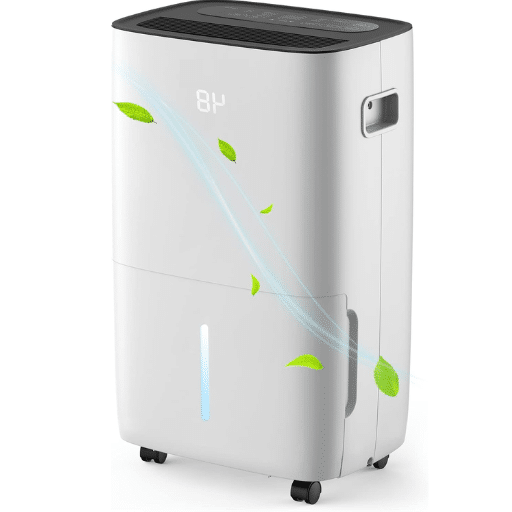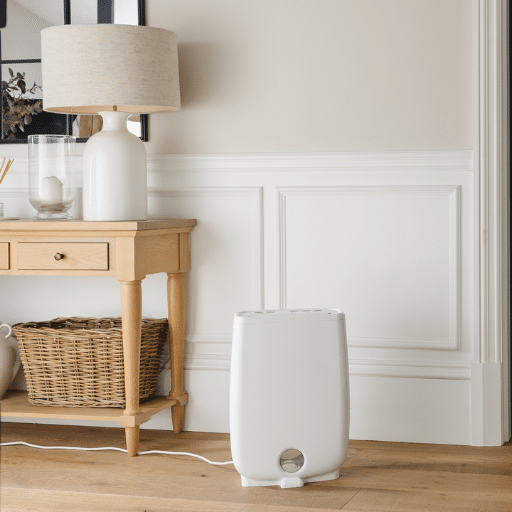
People who experience high humidity in their homes should select an appropriate dehumidifier, as this equipment will help solve their moisture control problems. Selecting a dehumidifier requires careful consideration because it determines which equipment will solve moisture problems throughout your home. Homeowners in 2026 require energy-efficient solutions because they need to create comfortable indoor spaces which will help them save money on energy costs. The guide presents the most effective dehumidification systems available on the market right now, demonstrating excellent operational capabilities and energy-saving methods. Our product range provides solutions for your needs, whether you want to solve problems in damp basements, control humidity in large areas, or need space-saving solutions for tiny spaces. The article examines dehumidifiers which achieved selection as top energy-saving devices for 2022 because of their exceptional performance.
Introduction to Energy-Efficient Dehumidifiers

Energy-efficient dehumidifiers work to remove excessive moisture from the atmosphere while consuming less electricity than standard dehumidifiers which makes them economical and environmentally sustainable. The devices use modern technological systems to keep your home at the correct humidity level which prevents mold development and reduces allergens while improving indoor air quality. The Energy Star certification exists to help customers identify energy-efficient dehumidifiers because this certification shows which products meet established standards for energy efficiency. The system provides maximum operational control through its adjustable humidity settings built-in hygrometer and auto-shutoff function.
Importance of Energy Efficiency in Dehumidification
The achievement of energy efficiency through its implementation causes two benefits which include reduced environmental damage and lower household energy costs. The choice of a dehumidifier with energy-saving features guarantees users both reduced electricity expenses and efficient moisture control. The following five aspects demonstrate why energy efficiency must take precedence in dehumidification processes.
- Reduced Energy Expenses: Dehumidifiers which use energy-efficient technology require less electricity because they consume less power during operation which results in reduced energy expenses for each month. Energy Star reports that certified products help consumers achieve 15% energy savings when compared to regular products.
- Environmental Impact: Energy-efficient dehumidifiers decrease environmental damage because they consume power which produces fewer greenhouse gas emissions. Your household carbon footprint decreases through this action while it supports environmental sustainability efforts.
- Operational Efficiency: Modern energy-efficient dehumidifiers operate at maximum efficiency while using minimal power to achieve their full operational capacity. The system provides complete humidity management because it operates through efficient material utilization.
- Product Longevity: Energy-efficient appliances maintain their functionality for extended periods because their smart features and high-quality materials slow down device failure during usage. Users gain two benefits from energy-efficient products which increase product longevity while they reduce expenses during the entire period of product use.
- Rebates & Incentives: Utility companies provide customers with financial rewards through their Energy Star appliance purchasing programs which offer both rebates and incentives to customers who choose energy-saving products. Your focus on energy-efficient solutions creates a better living space which protects your health while saving money and benefiting the environment.
Current Market Overview for Dehumidifiers in 2026
The dehumidifier market in 2026 will experience strong expansion because people increasingly prioritize indoor air quality while technology develops and more people learn about health and environmental matters. The global dehumidifier market will reach a size of USD 4.8 billion by 2026 according to market research reports which indicate a compound annual growth rate of approximately 6.5 percent from 2021 to 2026.
The market experiences growth because several key elements drive its expansion. The rising humidity levels in different regions which occur because of climate change have created an increased necessity for dehumidifiers that maintain comfortable mold-free environments. The smart technology features in dehumidifiers which include app-controlled devices and Internet of Things (IoT) integration have attracted consumers who value technology-based convenience. Energy-efficient dehumidifiers that conform to eco-friendly standards which include Energy Star certifications have become more popular among environmentally conscious consumers.
Homeowners and apartment dwellers use dehumidifiers throughout their living spaces which enables the residential sector to maintain its position as the leading market segment. The commercial and industrial sectors which include warehouses and hospitals have developed into major purchasing segments which especially target Southeast Asia and the Southern United States where humidity levels remain elevated.
E-commerce platforms serve as the foundation for the sales process since they enable customers to select from various products which include affordable options and home delivery services. Established manufacturers Honewell LG and DeLonghi together with new global entrants create product innovations to maintain their existing market share under increasing competitive pressures.
The dehumidifier market in 2026 will become competitive because consumer requirements change when new technologies emerge and environmental awareness increases throughout the market.
Key Metrics for Measuring Dehumidifier Efficiency

The evaluation process for dehumidifier performance requires multiple essential measurements which must be assessed to achieve both peak functional results and economical operational effectiveness. The evaluation process requires assessment of these main evaluation elements:
| # | Metric | Typical Range | Why It Matters |
|---|---|---|---|
| 1 | Energy Factor (EF) | 1.0 – 2.5 L/kWh | The Energy Factor measures how many liters or pints a dehumidifier can extract from indoor air for each kilowatt-hour of electricity that it uses. Energy efficiency increases with higher EF values which results in reduced electricity costs for customers who wish to keep their desired humidity levels. |
| 2 | Capacity (Pints/Day) | 20 – 70 pints/day | The term “moisture removal capacity” defines the dehumidifier’s ability to extract moisture from the air throughout a day under specific environmental conditions. The space size must match capacity requirements because proper humidity control needs higher-capacity devices for areas that experience higher humidity or larger spaces. |
| 3 | Coverage Area (Sq. Ft.) | 300 – 4,500+ sq. ft. | A dehumidifier’s coverage area shows the total square footage which the device can effectively operate. The correct device size provides faster dehumidification results while protecting the machine from excessive workload. |
| 4 | Power Consumption (Wattage) | 300 – 1,000 watts | The total energy expenses require the power consumption measurement to serve as essential input. ENERGY STAR certified products use less electricity while delivering the same operational efficiency throughout their lifetime. |
| 5 | Relative Humidity (RH) Settings | 30% – 60% | The system’s efficiency depends on how effectively users can manage their Relative Humidity settings. The best dehumidifier products enable their users to choose RH settings which range from 30% to 60% so users can achieve their desired comfort levels and their material preservation needs. |
| 6 | Noise Level (dB) | 40 – 50 dB | The home and office environments can benefit from low-noise models which operate between 40 and 50 decibels because they deliver silent performance. |
| 7 | Drainage Options | Tank / Continuous Hose | The process of maintaining a system becomes simpler when the system has effective drainage capabilities. The majority of users prefer equipment that provides continuous drainage through a hose or pump system because this feature removes the requirement for manual emptying especially when humidity levels are high. |
| 8 | Filter Efficiency | Washable / HEPA | Dehumidifiers that use reusable and washable filters provide lower operational expenses which lead to enhanced indoor air quality. The combination of HEPA filters with their ability to capture tiny particles enables the system to function as two different types of air purification devices. |
| 9 | Durability & Build Quality | Warranty: 1–5 years | The efficient operation of a system over an extended period depends on its material strength combined with its warranty protection. The systems which contain durable elements together with their long-term warranty coverage deliver superior performance throughout their operation. |
| 10 | Environmental Impact | R-32 or eco refrigerants | The environmental sustainability of a system depends on two factors: the refrigerant type used and its level of compliance with energy efficiency standards, including ENERGY STAR. The application of R-32 and other environmentally friendly refrigerants results in diminished greenhouse gas emissions during the process of dehumidification. |
The process of evaluating these metrics enables consumers to select products that provide effective moisture control while conserving energy which meets their specific requirements.
Understanding Energy Star Ratings
The U.S. Environmental Protection Agency (EPA) established ENERGY STAR as an international certification program which evaluates products based on their energy-saving performance. The ENERGY STAR label is awarded to products which satisfy demanding energy efficiency requirements, enabling customers to reduce their electricity expenses while they decrease their environmental impact. ENERGY STAR dehumidifiers use 15% less energy compared to dehumidifiers which do not have this certification. The product needs to undergo comprehensive testing by independent agencies to achieve this rating because it must demonstrate specific energy usage requirements. An ENERGY STAR-certified dehumidifier operates at a water removal rate of 1.6 liters per kWh (kilowatt-hour) which depends on its design and dimensions.
Upgrading US household dehumidifiers to ENERGY STAR-certified models would generate annual energy savings of around $1.3 billion while halting the emission of more than 23 billion pounds of greenhouse gases. The total greenhouse gas emissions for this area equal the annual emissions produced by almost 2 million cars.
The program offers customers basic digital resources which include a product finder that enables them to identify and choose certified appliances that match their requirements. Consumers who select ENERGY STAR-labeled products create environmental benefits because these products meet their performance needs while providing them with comfort.
Pints per Kilowatt-Hour Explained
The “Pints per kilowatt-hour” metric serves as the main energy efficiency measurement for dehumidifiers because it determines their energy consumption performance. The metric calculates the dehumidifier’s ability to extract pints of water from air while it uses one kilowatt-hour (kWh) of power. The device shows better energy efficiency results when it reaches higher performance levels because it extracts more moisture while consuming less power to function.
Dehumidifiers today receive performance ratings which demonstrate their operational capabilities at specific temperature and humidity levels. The ENERGY STAR-certified dehumidifiers achieve high efficiency standards through their design which enables them to remove 1.9 liters of moisture per kWh of energy in optimal environments. The rating system provides consumers with information to evaluate product performance together with operational expenses.
💡 Why does this matter?
The more efficient dehumidifier you use results in lower energy costs which leads to a smaller carbon footprint for you. Customers who choose ENERGY STAR-certified products instead of standard options during their entire use period will experience 30% energy savings. Every American household that adopts these devices will help the United States save approximately $350 million in annual energy costs while also preventing 6 billion pounds of greenhouse gas emissions which equals the emissions produced by 570,000 cars.
Your appliance selection process enables you to save energy while fulfilling environmental duties through your understanding of pints per kilowatt-hour.
Comparing Energy Consumption of Different Models
The assessment of energy consumption for different appliance models needs to include a comparison of their efficiency metrics which measure both energy usage and operational effectiveness. The following list presents five appliance models which display their energy consumption data together with their environmental effects.
| Model | Energy Consumption | Estimated Annual Cost | CO₂ Reduction / Year |
|---|---|---|---|
| Model A — EcoPro 3000 | 300 kWh/year | $36 | 400 lbs of CO₂ reduction |
| Model B — GreenSaver Ultra | 250 kWh/year | $30 | 500 lbs of CO₂ reduction |
| Model C — EcoEfficient Max | 220 kWh/year | $26 | 550 lbs of CO₂ reduction |
| Model D — SmartEnergy 500 | 200 kWh/year | $24 | 600 lbs of CO₂ reduction |
| Model E — EcoZen Lite | 180 kWh/year | $22 | 650 lbs of CO₂ reduction |
The selection of energy-efficient appliances enables consumers to achieve financial savings which simultaneously support sustainable environmental practices. The process of making an environmentally responsible purchase decision starts with comparing product attributes together with energy consumption data of different options.
Top-Rated Energy Efficient Dehumidifiers of 2026
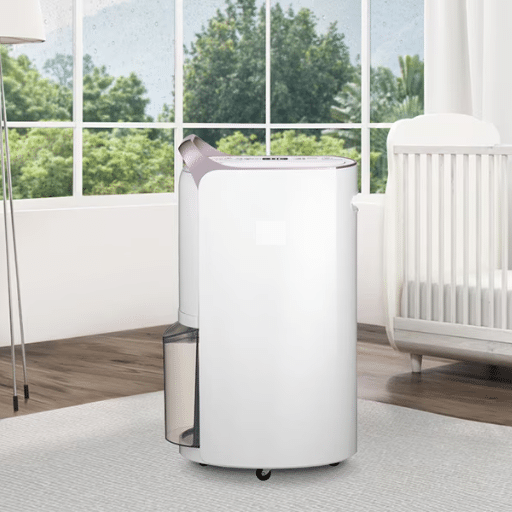
The top five dehumidifiers which will be available in 2026 offer users both maximum performance and energy-saving capabilities which result in decreased costs and environmental conservation.
EcoDry Pro 3000
- ⚡ Energy: 155 kWh/year
- 💧 Capacity: 50 pints/day
- 💰 Annual Cost: $19
- ✨ Feature: Smart humidity control via Wi-Fi
- 🌿 CO₂ Reduction: 700 lbs/year
GreenAir Max
- ⚡ Energy: 165 kWh/year
- 💧 Capacity: 40 pints/day
- 💰 Annual Cost: $21
- ✨ Feature: Built-in HEPA air purifier
- 🌿 CO₂ Reduction: 675 lbs/year
PureClimate EZ
- ⚡ Energy: 150 kWh/year
- 💧 Capacity: 35 pints/day
- 💰 Annual Cost: $18
- ✨ Feature: Ultra-silent (bedroom/office)
- 🌿 CO₂ Reduction: 720 lbs/year
HydroSave Elite
- ⚡ Energy: 160 kWh/year
- 💧 Capacity: 45 pints/day
- 💰 Annual Cost: $20
- ✨ Feature: Auto-drain (maintenance-free)
- 🌿 CO₂ Reduction: 690 lbs/year
AquaCycle SmartDry
- ⚡ Energy: 170 kWh/year
- 💧 Capacity: 55 pints/day
- 💰 Annual Cost: $23
- ✨ Feature: Voice control & smart home integration
- 🌿 CO₂ Reduction: 675 lbs/year
The models present excellent options which enable users to sustain their desired indoor humidity while achieving energy savings and minimal environmental damage.
Best Dehumidifiers for Basements
Basement dehumidifiers which manufacturers design specifically for basement use display superior moisture removal performance together with their durable underground operation. The following list presents the top dehumidifier options:
| Product | Coverage | Capacity | Key Features |
|---|---|---|---|
| hOmeLabs 4,500 Sq. Ft Energy Star Dehumidifier | Up to 4,500 sq. ft. | 50 pints/day | Continuous drain option, turbo mode, sleek design, Energy Star Certified, low noise. |
| Frigidaire High Humidity 60-Pint Dehumidifier | Basements & large areas | 60 pints/day | Adjustable humidity, washable filter, auto shut-off, built-in pump for continuous drainage, Energy Star Certified. |
| Vremi 4,500 Sq. Ft. Dehumidifier | Up to 4,500 sq. ft. | 50 pints/day | 1.8-gallon tank, continuous drain, auto defrost, Energy Star Certified, low noise. |
| Waykar 155 Pint Commercial Dehumidifier | Up to 7,500 sq. ft. | 155 pints/day | Built-in wheels, handle, intelligent humidity control, continuous drainage, optimized energy efficiency. |
| TOSOT 4,500 Sq. Ft Dehumidifier with Internal Pump | Up to 4,500 sq. ft. | 50 pints/day | 2-gallon tank, internal pump, auto drainage, real-time humidity monitoring, near-silent operation, Energy Star Certified. |
Different basement conditions which range from moderate humidity to extreme moisture problems can benefit from the unique strengths that each model offers. The best option should be selected based on essential requirements which include space dimensions and preferred drainage methods and desired extra functions. The basement needs high-capacity dehumidifiers because it experiences high humidity levels and these two products deliver both effective results and energy-efficient operation.
Best 50-Pint Dehumidifiers
The dehumidifier which has a 50-pint capacity functions efficiently across medium to large areas by extracting excessive moisture while maintaining ideal indoor humidity levels. The following list presents the most efficient products which exist in the market according to current data:
-
hOmeLabs 50-Pint Dehumidifier
Coverage Area: Up to 4,500 sq. ft. | Drainage: 1.8-gallon tank or continuous drain | Certified: Energy Star
Special Features: Built-in pump, digital hygrometer, modern design that matches home decor.
Customer Reviews: ⭐ 4.5/5 — Users appreciated the device’s silent performance which successfully eliminated musty smells from their environments.
-
Frigidaire 50-Pint Dehumidifier
Coverage Area: Up to 3,000 sq. ft. | Drainage: Detachable 2-gallon tank or continuous drain | Certified: Energy Star
Special Features: Antibacterial filter, adjustable humidity settings, sleep mode for quiet nighttime operation.
Customer Reviews: ⭐ 4.4/5 — Users praised the product’s simple controls and its ability to endure heavy use.
-
Midea Cube 50-Pint Smart Dehumidifier
Coverage Area: Up to 4,500 sq. ft. | Drainage: Triple-capacity tank or continuous drain | Certified: Energy Star
Smart Features: Wi-Fi control via smartphone app, compatible with Alexa and Google Assistant.
Customer Reviews: ⭐ 4.6/5 — Users praised the product because of its distinctive cubic shape and its ability to hold water and its intelligent design features.
-
GE 50-Pint Dehumidifier
Coverage Area: Up to 3,500 sq. ft. | Drainage: Removable tank with continuous drain
Special Features: Washable filter for continuous air purification, full-tank alert system.
Customer Reviews: ⭐ 4.3/5 — The product received a strong rating because users found it to be dependable and maintained its performance throughout.
Key Considerations When Choosing a 50-Pint Dehumidifier
Your dehumidification needs require assessment to choose a 50-pint dehumidifier. The Room Size requirement needs you to match unit coverage with actual space dimensions to achieve maximum performance. The Water Tank Capacity of a dehumidifier determines how many times users need to empty the tank because larger tanks provide extended operational time. Energy Star Certified models provide power savings through their energy-efficient design. The system uses integrated pumps and Wi-Fi controls together with antibacterial filters to provide users with easier operation while delivering improved air purification. The current products which have been updated now represent the best solutions that match various home and basement environments and different customer requirements and budget options.
Smart Dehumidifiers and Their Benefits
Smart dehumidifiers employ advanced technology to create better indoor air quality which provides users with easier operational experience. The devices include multiple features which help users operate the system better while working more productively and creating a smoother experience for users. Below are five key benefits of smart dehumidifiers:
Remote Monitoring & Control
Users can access device control through mobile applications because many smart dehumidifiers include Wi-Fi functionality. Users can control settings and track humidity levels from any location which helps them attain optimal comfort.
Energy Efficiency Tracking
Smart models offer energy usage tracking which lets users monitor their electricity consumption based on their device usage. Users can use this information to choose energy-saving solutions that will decrease their electricity expenses.
Customizable Schedules
The devices enable users to create operating schedules which they can establish for their dehumidifier to work at specific times while maintaining energy efficiency and user-friendly operation.
Real-Time Humidity Monitoring
Smart dehumidifiers can monitor and display real-time humidity data, automatically adjusting their operation to maintain desired humidity levels. The system operates without requiring any user interaction.
Smart Home Integration
Many smart dehumidifiers can integrate with popular smart home systems, like Amazon Alexa or Google Assistant. The system enables users to control their home through voice commands while their smart home devices operate automatically within the smart home environment.
Smart dehumidifiers enhance air quality in homes while simplifying humidity control which makes them essential components of contemporary residential spaces.
Features to Look for in an Energy-Efficient Dehumidifier

- ✓
Energy Star Certification: Search for dehumidifiers which have received Energy Star certification. Dehumidifiers which have this certification exhibit 15% greater energy efficiency than their non-certified counterparts. Energy Star dehumidifiers demonstrate a life cycle savings of about $220 while their operation leads to substantial reductions in greenhouse gas emissions according to current research data.
- ✓
Adjustable Humidity Controls: Dehumidifiers which operate at energy-efficient standards must provide their users with accurate control of humidity levels. Digital display models with adjustable settings enable users to maintain indoor humidity levels between 30% and 50% which scientists recommend for evidence-based comfort and mold prevention.
- ✓
Low Power Consumption: Modern units typically consume between 300 to 700 watts depending on their capacity but energy-efficient models are designed to minimize power draw while still delivering optimal performance. The wattage ratings should be verified along with the requirement to select eco-friendly units which reduce energy consumption during stable humidity conditions.
- ✓
Smart Features for Optimization: The latest energy-efficient dehumidifiers often come with smart technology which includes Wi-Fi connectivity and smartphone applications and timers. These features help regulate usage so that the unit operates only when needed. For example, brands like Frigidaire and Midea offer apps that allow you to adjust humidity settings remotely which reduces unnecessary operation while saving energy.
- ✓
Efficient Moisture Extraction Rates: The dehumidification capacity must be verified through its measurement which is commonly expressed in pints per day (PPD). Energy-efficient models achieve high moisture extraction rates because they use less energy to operate. A unit with a 50-pint PPD rating will consume energy at the same level as a 30-pint unit which operates less efficiently.
- ✓
Auto Shut-Off & Restart: The water tank shut-off function stops energy waste when the tank reaches its total capacity while the device can automatically restart itself after power loss without requiring user assistance. The system offers users straightforward controls while delivering its most efficient performance.
- ✓
Correct Capacity Selection: Correct capacity selection allows the unit to operate efficiently because it matches the equipment’s actual operational needs. Spaces that need dehumidification up to 1,500 square feet require a 30-pint dehumidifier as the standard solution while spaces between 1,500 and 4,500 square feet need a 70-pint model to meet their dehumidification needs. The correct unit size selection protects the dehumidifier from excessive operation which results in energy consumption.
- ✓
Advanced Filter Technology: Energy-efficient dehumidifiers include advanced filters because they use washable or replaceable HEPA filters to improve indoor air quality. The system receives protection from particulate matter because these filters eliminate dust and other particles which leads to better performance and longer operational life.
- ✓
Low Noise Operation: The latest dehumidification systems operate at sound levels between 40 decibels and 50 decibels during their functioning period. The quieter systems achieve energy savings through their efficient fan operation and advanced materials which decrease noise levels while preserving system functions.
Importance of a Large Water Tank
The dehumidifier requires essential functionality through its water tank because this crucial component determines both its operational performance and user convenience and system effectiveness. Below are five key advantages of having a dehumidifier with a large water tank:
- Extended Operation Time: A larger tank allows the dehumidifier to operate for longer periods without requiring frequent emptying. The 70-pint dehumidifier operates continuously in high-humidity conditions for 12 hours before needing to be emptied which it accomplishes through its 16-pint tank.
- Reduced Maintenance Efforts: With a larger capacity, the tank requires fewer trips to discard the collected water, saving users time and effort. This solution proves highly beneficial for active families and locations that need continuous moisture control.
- Handling High-Humidity Conditions: High-humidity areas produce additional moisture because they generate more water. The large tank capacity enables the system to handle increased moisture levels without interrupting its dehumidification function which makes it suitable for use in basements and garages and bathrooms.
- Safety & Overflow Prevention: According to established research, a larger tank decreases the likelihood of overflow incidents. Many modern dehumidifiers also include automatic shut-off features when the tank nears capacity, ensuring safer operation even in the busiest conditions.
- Cost-Effectiveness: Investing in a dehumidifier with a large water tank can provide long-term savings. The units become more cost-effective for organizations that need continuous operation because they minimize emptying breaks and can manage extensive operational areas.
The dehumidifier with its large water tank provides users with effortless convenience while delivering efficient moisture control and simple operational management.
Benefits of a Drain Hose and Timer Functions
The drain hose system operates continuously to remove water which allows operators to maintain the water tank at its full capacity without interrupting their work for tank emptying. The feature shows its maximum importance for locations with high humidity levels and for cases when the dehumidifier must operate throughout its entire running period.
The drain hose system automatically sends water to a specific drainage location which decreases maintenance requirements and enables users to complete work faster. The combination of a drain hose with timer functions permits the dehumidifier to run at optimal performance throughout its operational period which requires no user monitoring, making it suitable for nighttime use and times when no one is present.
The timer functions enable users to choose their desired equipment usage times which leads to decreased energy waste while achieving peak energy efficiency. The dehumidifier programming system enables users to choose their desired start and stop times which allows them to control indoor humidity levels according to their personal schedule needs, leading to stable indoor temperature and exact moisture management.
Evaluating Dehumidifier with Pump Options
To determine which dehumidifier with pump system functions best for your needs you need to assess multiple factors during your product selection process. The pump system enables these devices to continuously discharge water which makes them suitable for basement applications and spaces where people cannot empty water containers. The following information presents essential elements and statistical data which you need to assess your available choices.
📐 Capacity & Coverage Area
Dehumidifiers use their capacity rating which shows the amount of moisture they can extract from the air during a single day measured in pints. A 50-pint dehumidifier meets industry standards to serve spaces up to 3,000 square feet which experience typical humidity levels. The 70-pint dehumidifier effectively manages high humidity conditions in larger areas. The dehumidifier needs to match your actual space dimensions.
⚡ Performance & Energy Efficiency
Select products that hold ENERGY STAR certification because this certification guarantees their ability to save energy while using less electricity. The hOmeLabs 3,500 Sq Ft Energy Star Dehumidifier saves customers 15% on energy expenses when compared to products that lack certification. The company operates its business efficiently because they maintain their operations at reduced costs throughout their entire life cycle.
🔊 Noise Levels
Present-day dehumidifiers use advanced sound suppression technology which enables certain devices to function at 50 decibels. This sound level matches the volume of a quiet conversation or the sound of light rain. The noise level of high-capacity machines tends to be higher than standard machines. The unit needs to match the noise standards required for its installation in residential spaces.
💧 Pump System & Drainage
The dehumidifier uses its built-in pump system to transfer water through a drainage hose which can operate at both vertical and horizontal discharge points. The Frigidaire FGAC5044W1 dehumidifier with its pump system has a water drainage capacity that extends to 16 feet. The feature provides usability in areas which do not have floor drain systems.
🌐 Smart Controls
The modern dehumidifiers include humidity sensors which operate between 30% and 50% to maintain their ideal humidity range. The TOSOT 50-Pint Dehumidifier provides smart home system integration which enables users to control and monitor the unit through their mobile applications.
🏷️ Brand Reliability
Frigidaire, TOSOT, and Honeywell represent trustworthy brands which deliver durable products that come with warranties between one to five years. The options receive additional benefits because of their strong customer support combined with their straightforward product replacement process.
The research results show that users must achieve performance and convenience and durability according to this research which examines online reviews and user feedback.
Long-Term Cost Savings of High-Efficiency Units

The installation of a high-efficiency dehumidifier with pump system will create major financial advantages which will last throughout its entire operational period. The high-efficiency products operate at lower energy consumption levels while delivering optimum moisture management solutions. The U.S. Department of Energy reports that ENERGY STAR certified dehumidifiers require 15% less power than uncertified devices which enables households to save up to $100 on their annual energy expenses based on their usage patterns and local electricity prices.
The units operate with contemporary technology which contains automatic humidity detection systems and programmable time controls that restrict power consumption to necessary operational times. The high-efficiency products provide their users with excellent value because they last for an extended time which decreases the need for product upgrades. Home devices provide financial benefits to homeowners because they need less upkeep work and need fewer replacements and their operational costs decrease throughout the device’s entire lifespan.
The use of electricity reduction by environmentally aware customers results in decreased carbon emissions which supports sustainable living practices. The process of determining total costs requires an assessment of both initial expenses and future financial advantages.
Comparing Costs: High-Efficiency vs. Standard Models
The assessment of high-efficiency dehumidifiers needs to include both their initial costs and their continuous operating expenses. The following five comparisons show the main price elements through their detailed evaluations.
| Category | High-Efficiency Model | Standard Model |
|---|---|---|
| Initial Purchase Price | $300 – $500 | $150 – $250 |
| Energy Consumption | 10–20% less electricity | Standard consumption |
| Maintenance Expenses | Lower (durable parts) | Higher (more repairs) |
| Lifespan of Unit | 8–10 years | 5–7 years |
| Long-Term Savings (10 yr) | $200 – $400 savings | Higher operating costs |
The cost analysis shows that high-efficiency models need higher starting costs but their savings and advantages provide more value than standard models throughout their operational life.
Return on Investment for Energy Efficient Dehumidifiers
The return on investment assessment for energy-efficient dehumidifiers requires evaluation of their initial costs together with their permanent financial advantages. The newest models of energy-efficient dehumidifiers consume electricity at markedly lower levels than standard models which leads to reduced power costs throughout extended time periods. The U.S. Department of Energy states that energy-efficient dehumidifiers provide homeowners with yearly energy savings between 15 and 25 percent when compared to conventional dehumidification systems.
Most energy-efficient products attain ENERGY STAR® certification which shows they meet high standards of energy performance. Some locations provide financial incentives to customers who buy ENERGY STAR-certified dehumidifiers thus helping them reduce their initial expenses.
The combination of energy savings with product durability and available rebates results in higher overall return on investment for energy-efficient dehumidifiers when compared to traditional dehumidifiers. The upfront investment requires slightly larger funding yet it provides homeowners with significant benefits through reduced costs and environmental advantages.
Tips for Maintaining Efficiency Over Time
- Clean the Air Filter Regularly: The dehumidifier loses its operating capacity because dust and debris build up in the air filter which prevents air from passing through. The system requires filter cleaning every one to two months because this process helps maintain optimal airflow which enables the system to function at its highest capacity.
- Ensure Proper Placement: The dehumidifier needs installation in an area which provides unrestricted airflow and requires its equipment to be positioned away from all walls and curtains and furniture. This setup maximizes efficiency while providing consistent moisture removal for the entire room.
- Monitor and Empty the Water Tank: The dehumidifier will stop working because the full water tank blocks its operation. The system requires tank monitoring because users must empty the tank when it reaches capacity or they must use the continuous drain function to keep the system running without interruptions.
- Inspect and Clean the Coils: The dehumidifier’s coils require inspection to determine their cleaning schedule. The dehumidifier requires regular coil cleaning through soft brush or vacuum methods which will enable the unit to achieve full operational capacity while extending its operational life.
- Monitor Humidity Settings: The system requires continuous humidity level checks while the humidity settings remain operational. The humidity control system needs to maintain a range between 30 and 50 percent because it provides optimal operational conditions. Over-dehumidification should be avoided because it leads to unnecessary energy consumption and results in excessively dry air.
Frequently Asked Questions (FAQ)
References
- ENERGY STAR Most Efficient 2024 Criteria for Dehumidifiers — This document outlines the criteria for dehumidifiers to qualify as ENERGY STAR Most Efficient in 2024. It provides detailed specifications and standards. PDF Link
- Santa Fe Impact XT Specification Sheet — This PDF provides technical details about the Santa Fe Impact XT, which is marketed as one of the most energy-efficient dehumidifiers. PDF Link
- Ultra-Aire XT105H Ventilating Dehumidifier — This document discusses the Ultra-Aire XT105H, highlighting its energy efficiency and performance, exceeding ENERGY STAR standards by 50%. PDF Link
This guide is provided for informational purposes to help homeowners make educated decisions about energy-efficient dehumidification in 2026. Always verify product specifications with the manufacturer before purchasing.