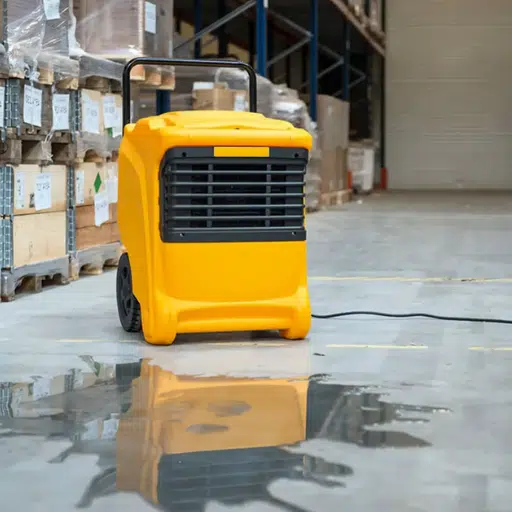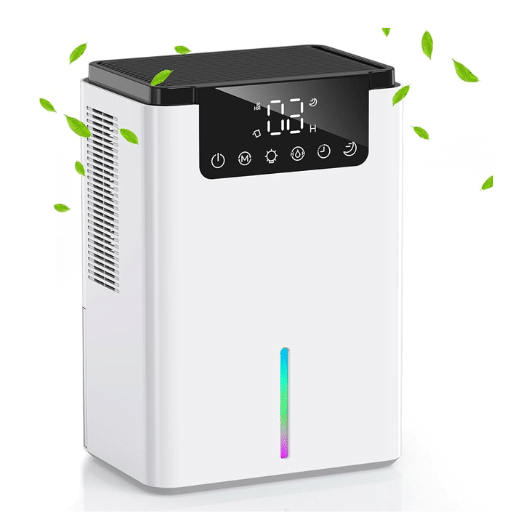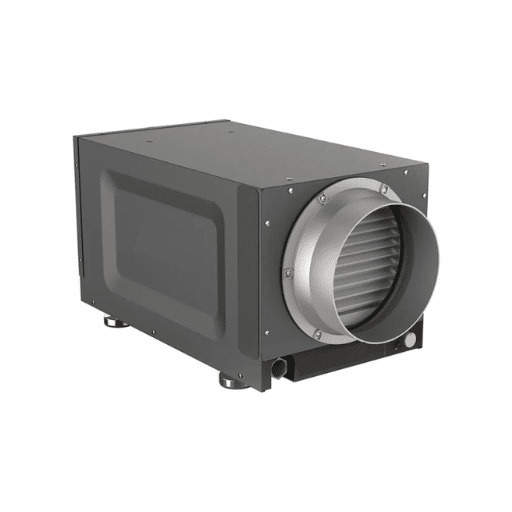
Creating the coziest environment in your house is not just a matter of changing the thermostat setting; it actually signifies making a living place that has no excess water vapor. Air containing high levels of water vapor can lead to various complications, such as mold growth, bad smells, and even the decay of the building’s structure, not to mention the harmful effects on people’s health. A whole-house dehumidifier is the only answer to keeping the same humidity level throughout the house. However, with the various types of dehumidifiers on the market, how do you choose the best one for your specific needs? The following article will take you through the entire process of learning everything about it, from what features to look for to the most popular products, thus giving you the power to opt for a decision that will create a warm and healthy home atmosphere.
The Importance of Whole House Dehumidifiers

Whole-house dehumidification is an indispensable first step in maintaining a comfortable, healthy indoor environment. Not only do they regulate the humidity levels of the whole house but they also stop the development of issues like mold, dust mites, and bad odors that are all attracted by dampness. In addition, such appliances prevent your house and belongings from water damage including staining and warping. Besides, they may help with house vapour removal, allergen reduction, and comfort, and are thus considered essential for families residing in tropical climates or dealing with continuous moisture.
How Dehumidifiers Improve Home Comfort
Dehumidifiers are very vital in delivering a comfortable and hygienic indoor environment, particularly in areas where there is a lot of moisture. The humidity level between 30 and 50 percent is mainly kept this way by dehumidifiers, which also inhibit the development of fungi that exacerbate respiratory problems among people and support the existence of dust mites that thrive in high humidity which is a requirement for them.
The latest dehumidifiers come equipped with accurate control settings, energy-saving modes, and even smart technology. Near the end, dehumidifiers can easily regulate humidity levels and inform you about air quality on your mobile phone, which is a real plus for home management. Scholl found that homes with mozzarella-like humidity regulation can reduce energy costs by 15-30% because air conditioning units work better in low-humidity areas. In addition, the costs associated with repair due to moisture damage—such as wall discoloration, loose or uneven wood floors, and paint flaking—are reduced because dehumidifiers prevent such damage in the first place. Thus, these machines not only successfully make the air more breathable and pleasant but also protect the building’s integrity, promote health, and help people live the good life.
Health Benefits of Maintaining Optimal Humidity Levels
Keeping indoor humidity at the optimum level of 30-50% is a good way to ensure one’s healthy living environment. To put it differently, air humidity may improve health and, at the same time, protect against some diseases. Below are the five main health benefits:
Lowers Respiratory Issues
Dust mites and mold flourish in high humidity, and they are actually the leading causes of asthma and hay fever. So, if you keep the humidity level within the recommended limits, the air will be free of these annoyances, and the airways will be clearer which will lead to fewer respiratory illnesses.
Eliminates Skin Problems
The skin may feel sore and sweaty when the humidity is very high, while very low humidity can cause cracking and flaking. A proper amount of humidity will maintain the skin healthy and soft.
Enhances Sleep Quality
Properly humidified air is the primary factor in good air quality; therefore, issues like clogging or discomfort during the night are eliminated. A more peaceful, uninterrupted rhythm of sleep is created.
Inhibits the Growth of Airborne Viruses
The study indicates that if humidity is maintained between 40 and 60 percent, the mortality rate of some airborne viruses would be lower, thereby reducing the likelihood of infection.
Reduces the Possibility of Dehydration
Dry air, in contrast to high humidity, can cause rapid water loss from the body; as a result, the skin and respiration are the main pathways of water loss. That is why, keeping the humidity level balanced will hydrate the body because it will be able to control the moisture it holds.
Common Issues Caused by Excess Humidity
Mold Growth
High humidity levels not only promote but also foster mold growth, which is most common in humid, poorly ventilated areas. Indoor humidity has gradually turned into a major contributor towards mold infestation, mainly because of the fact that, at 60% and above, mold growth is no longer a matter of days but rather weeks and even months and in addition, the indoor air quality may suffer during this time due to allergic reactions or respiratory problems.
Dust Mites Infestation
Extremely high humidity is a definite assurance that dust mites are going to be one of the most annoying and at the same time, the most common household allergens that will make life in the house unbearable. Dust mites thrive rapidly in environments with humidity levels of 50%-60% which is a case that will aggravate the problems of asthma and allergy sufferers.
Poor Indoor Air Quality
Excessive humidity in your home may result in air that is not only heavy and stale but also contains harmful, polluted particles. Besides, as humidity permits the growth of microorganisms, among them bacteria and fungi, the indoor air quality is said to have deteriorated to a point where it is linked to various health issues, ranging from getting headaches to catching respiratory infections.
Wood and Furniture Damage
If the air humidity exceeds 70%, the moisture content in furniture and flooring wood will be so high that the wood will physically change (warp, crack, or swell). The result will not be just costly repairs but also the premature death of already expensive and valuable home furnishings that have been designed for a long life.
Discomfort and Reduced Energy Efficiency
High humidity levels in the house are like warm temperatures and hence people feel uncomfortable even if the air conditioner is set to normal. This, in practice, leads to frequent use of air conditioning, which ultimately translates into higher energy consumption and costs.
Choosing the Best Whole House Dehumidifier

When selecting a dehumidifier for an entire house, consider several factors to ensure optimal performance, energy efficiency, and good value for your money over time. The following points, which are supported by the latest studies, are some of the factors that you might want to take into consideration when making your choice:
Capacity and Coverage Area
The dehumidifier’s capacity expressed in pints per day, and up to when the moisture is removed, should be equal to the size of your house. To illustrate:
- A unit with a 30-pint capacity is recommended for areas with moderate humidity not more than 1,500 square feet.
- A 50-pint unit will work efficiently in an area of 3,000 square feet.
- To heat larger houses in warmer climates, you will need a capacity of at least 70 pints or more to be effective. Make sure the unit you choose can handle moisture control for the entire area of your house so that the moisture is properly controlled.
Energy Efficiency
Select a unit that is Energy Star certified. Energy-efficient dehumidifiers consume less power, and consequently, lower consumption will lead to lower future energy bills. A modern dehumidifier with an Energy Star rating can save as much as 15% of energy costs during its lifetime when compared to those without the rating.
Integrated Features
Humidistats: The built-in humidistat automatically monitors and adjusts to your humidity preference. The majority conside the humidity levels of 30% and 50% as ideal.
Auto Defrost Mode: This feature guarantees uninterrupted operation in cold areas by preventing ice from forming.
Air Filtration: In addition to the unit, there may be filters that clean the air while lowering humidity, which could be a big plus for allergy or asthma patients.
Noise Level
In case you want a more tranquil home environment, it would be best to go for a device that has a noise rating of 50-55 decibels which is about the same as normal conversation. This will be particularly important if the machine is located near living rooms.
Installation and Maintenance
A whole-house dehumidifier can either be integrated into the existing HVAC system or be installed as a standalone unit. A professional HVAC technician should always be involved in the installation process to ensure everything is done correctly. Also, the unit will need regular upkeep which consists of cleaning or replacing the filters, checking the drainage systems, and so forth, in order to run effectively.
Top Recommendations
Having looked at high-performing units, the following are some of the recommended dehumidifiers for the whole house:
Purchasing the right dehumidifier from the whole house models will guarantee an inviting, energy-saving, and health-supportive environment indoors. Evaluate the corresponding attributes and technical specifications against your home’s needs to make an informed decision.
Key Criteria for Selection
A whole-house dehumidifier is a serious investment, and to decide on the one that best suits your needs, you must first weigh some essential factors that will help the device work best in your home. Below are the criteria, as well as some advice, which will help you make the right choice of dehumidifier in your house and they are all industry-standard and data-based:
Dehumidification Capacity
The dehumidifying power of a device is defined in pints per day (PPD) and it indicates how much moisture can be pulled out of the air by the device in one day, i.e., 24 hours. A small house with an area of (1,000-2,000 sq. ft.) will require a dehumidifier that can remove 50-70 PPD; a large house (2,500-4,000 sq. ft.), in contrast, may need 90-130 PPD removal capacity unit. Also, the area humidity must be factored in; high humidity areas need units with more capacity than others.
Coverage Area
Double the capacity of the dehumidifier with the area of your home. For instance, the Santa Fe Ultra70 model can do 2,600 sq. ft. and is therefore fit for mid-size rooms. If the house is large, the Aprilaire E100 units for 5,500 sq. ft. would be the right choice.
Energy Efficiency
You ought to target only the dehumidifiers with an Energy Star rating as these machines, apart from being very efficient, consume less power because they are specifically designed for it. As per appliance reports, Energy Star backed machines consume 15% less power than their standard counterparts, thus they are cost-effective in the long run through reduced monthly bills.
Noise Levels
Noise is a major factor, especially given that the unit would likely be placed in a location central to family activities. The dB level indicates how much noise a dehumidifier produces. Silent models usually function at 40-50 dB. If your main concern is noise, it would be prudent to check models that use low-noise or whisper-quiet technologies first.
Drainage Options
In these cases, frequent drainage of areas under the dehumidifier’s operation might become a snag, hence the unit should be able to operate non-stop. Continuous drainage through gravity or pump is one of the built-in arrangements that a lot of modern machines come with to assist in the automatic evacuation of water. For example, the Honeywell DR90 is among the models that offer easy drainage solutions.
Build and Design
If you need to put the unit in a cramped place, like a crawl space or a basement, then durability and compactness are essential. If the construction is stainless steel or non-corrosive materials, it will considerably prolong the life of the appliance. A small design is helpful for difficult, high-stress areas where space is tight, such as the Santa Fe Compact70.
Climate Considerations
Some dehumidifiers are for cold climate, so they work fine even if the temperature drops to 41°F. If you are in a cold area, look for a dehumidifier with an automatic defrost feature to ensure the unit continues to work well.
Smart Features and Control
The crème de la crème of models boast smart features like Wi-Fi connection, allowing users to alter the settings from any location. Some models can even meld with smart home systems, providing this high level of convenience, and therefore you will be able to keep the optimal humidity range without any struggle.
After you align these factors and peruse the meticulous specifications, it will be easy to decide on a dehumidifier with performance similar to your home’s. Start the selection process with the models whose capacity and coverage requirements are met, and that also provide modern energy-efficient, noise-free, and smart control facilities for the highest comfort and convenience.
Energy Efficiency: Understanding Energy Star Ratings
One of the most critical considerations when buying energy-efficient appliances like dehumidifiers is the Energy Star ratings. The Energy Star label signifies the highest standards of energy efficiency, which are strictly enforced by the U.S. Environmental Protection Agency (EPA) and the Department of Energy (DOE). Choosing an Energy Star-certified dehumidifier means that you can greatly reduce your energy consumption, thereby saving money and reducing your carbon footprint at the same time.
For instance, the Energy Star-certified dehumidifiers use approximately 15% less electricity than non-certified models. According to the EPA, energy savings will lead to a reduction of $20 to $50 in the electric bill each year, which, however, depends on the appliance use and local power rates. Besides, such equipment have long-lived features such as powerful refrigeration coils and compressors that use less energy and perform better, as well.
A report from the Energy Star website notes that a 50-pint dehumidifier certified by Energy Star will consume an average of about 600-700 kilowatt-hours (kWh) per year if kept under normal operative conditions. On the contrary, uncertified units of the same capacity may use more than 800 kWh in the same timeframe. In other words, Energy Star products are not only green but also a cost-effective option in the long run.
Whenever you’re on the lookout for dehumidifiers, always look for the Energy Star label on the package or in the product specs. Additionally, consider the unit’s integrated energy factor (IEF), which measures the volume of water extracted per kilowatt-hour of energy consumed. A higher IEF indicates better performance efficiency, which can help you manage humidity using less energy.
An energy Star-certified dehumidifier not only results in electricity bill savings but also signifies that you have made a responsible choice for the environment while keeping comfort and functionality standards.
Coverage Area: Finding the Right Size for Your Home
To choose the best dehumidifier for my house, I consider the room’s square footage where I want to eliminate moisture, as well as the amount of moisture. I use a small, low-wattage dehumidifier in bedrooms and bathrooms because they are smaller. On the contrary, I select a larger unit for larger areas, such as basements or open living rooms, that come with a higher pint-per-day rating to ensure the equipment operates at its best. By using a dehumidifier that properly fits the specific moisture and space, one can not only conserve energy but also manage humidity just right.
Noise Levels: Quiet Operation for Peaceful Living
When buying a dehumidifier, noise levels should be one of the prime factors you consider, especially if the area where the dehumidifier will be installed is intended to be quiet, such as bedrooms, offices, and living rooms. Modern dehumidifiers have incorporated noise-reduction technology, and their noise levels usually range from 40 to 60 decibels (dB). In this case, 40 dB corresponds to the soft humming of a small library, while 60 dB corresponds to a normal conversation.
To help you make the right decision, most manufacturers now provide very precise noise ratings in product specs. For example, the small and compact models that are designed for small areas are the ones that are usually very quiet and they make noise at the level of about 40-45 dB. Bigger units intended for the extraction of larger amounts of moisture might come to the noise level of around 50-60 dB, yet, a lot of those specific units are equipped with “quiet modes” or fan speed controls that allow the noise to be reduced during operation.
In addition, the sound of the energy-efficient units is likely to be at the back getting fainter as sound-dampening insulation and quiet compressors are the ones installed on them, thus ensuring that performance does not come at the cost of relaxation. If noise is your biggest concern, it’s better to go for dehumidifiers labeled “ultra-quiet” or those with certifications like Quiet Mark, which guarantee low noise levels without compromising efficiency. By getting a noiseless dehumidifier, you can create a comfortably humid-free environment with no background noise, promoting better sleep and enhanced concentration.
Additional Features to Consider
In selecting a dehumidifier, it is important to take not only the basic functions into consideration but also the other features that can contribute to its being more operation-friendly and its effectiveness. The following are five top features to be considered:
Adjustable Humidity Settings
Buy a dehumidifier that lets you set the humidity to your preferred level, typically between 30% and 50%. In this way, comfort and energy saving go hand in hand while preventing over-drying of the space.
Automatic Shut-off
Automatic shut-off models function to disconnect the appliance when the water tank is full. Flooding is therefore impossible and it becomes a lot easier for you if you don’t pay constant attention to the device.
Continuous Drainage Option
Many dehumidifiers have a continuous drainage feature that allows a hose to be connected to the unit for direct outdoor drainage. This is mainly beneficial in basements or spots that often require the tank to be emptied where this option may be unfit.
Built-in Hygrometer
A built-in hygrometer provides the exact room humidity, providing information instantly. The feature’s controlling close is a big plus and it also secures the dehumidifier’s efficient functioning.
Energy Efficiency Certifications
Go for models with energy-efficiency certifications, such as ENERGY STAR. Typically, these units consume less energy, thus, they contribute to the electric bill savings while their performance is still the same.
Top Picks for Whole House Dehumidifiers

Presenting a few of the most acclaimed whole-house dehumidifiers on the market right now. These come with detailed specifications and performance data that can ultimately guide you to making a knowledgeable choice:
1. Aprilaire1850 Pro Whole House Dehumidifier
Key Features:
- The system of automatic drainage is provided for smooth operation
- The quiet level of noise is appropriate for residential use
- The digital controls are so easy to use that they can be able to precisely control the humidity level
User Reviews:
- Longevity and upkeep have got the best ratings and reviews
- Their appreciation of its excellent performance in large areas is noted by the users
2. Honeywell DR90A2000 TrueDRY Dehumidifier
Key Features:
- Use with HVAC systems for controlling from a centralized place
- The built-in air filter is a relief for those suffering from indoor allergies
- The compact design aids in easy installation
User Reviews:
Advanced air filtration and seamless integration with the existing systems are some of the reasons for the praise.
3. Santa Fe Advance90 Dehumidifier
Key Features:
- It is specified for basements and crawl spaces
- MERV-13 filtration system for the removal of allergens and bacteria
- Strong construction with a non-corrosive exterior
User Reviews:
Customers mention the dehumidifier’s ability to perform effectively in high humidity and its long-lasting durability.
4. BaseAire Airwerx100X Dehumidifier
Key Features:
- Heat-resistant design makes it suitable for areas with automatic defrosts
- Easy to transport with caster wheels
- Current humidity level is displayed on the LED for monitoring
User Reviews:
Dehumidifier is known for both portability and reliability in residential and commercial areas.
5. AlorAir Sentinel HDi90 Dehumidifier
Key Features:
- Compact and lightweight design suitable for tight spaces.
- Remote operation through the app controls is convenient.
- A built-in condensate pump allows continuous drainage.
User Reviews:
Users state that the product is user-friendly and it also controls moisture efficiently even in challenging conditions.
It is quite crucial to prioritize the coverage area, capacity, and energy efficiency, along with the extra features, when you select a whole-house dehumidifier so that you will end up having a model that can accommodate your needs the best. User reviews and ratings can further give you an idea of how the product performs in real life.
Overview of the Best Dehumidifiers We Tested
In the following list, you will find the 5 dehumidifiers we have tested. Performance and efficiency, along with user feedback, were the main criteria for the selection of each product. They are excellent machines for various kinds of home environments and consistently produce good results:
| Model | Coverage Area | Capacity | Pros | Cons |
|---|---|---|---|---|
| Aprilaire 1850 Pro | Up to 5,000 sq. ft. | 95 pints/day | Quiet operation, Exceptional performance in large spaces | Higher price point compared to smaller units |
| Honeywell TP70AWKN | Up to 4,000 sq. ft. | 70 pints/day | Easy-to-use controls, Advanced features for modern homes | Requires setup for Wi-Fi features |
| Frigidaire FFAP5033W1 | Up to 1,500 sq. ft. | 50 pints/day | Compact and portable design, Reliable and efficient performance | Suitable for smaller areas only |
| hOmeLabs HME020031N | Up to 4,500 sq. ft. | 50 pints/day | Large tank for extended use, User-friendly design | Slightly louder than other models |
| Vremi Moisture Maniac Pro | Up to 3,000 sq. ft. | 50 pints/day | Affordable yet powerful, Low maintenance | Limited advanced settings |
As a result of extensive tests, these dehumidifiers were reviewed under different scenarios that reflected various household needs. If you are looking for a high-capacity unit or a smart, energy-efficient one, our list will help you make an informed decision by offering a comprehensive selection.
In-Depth Reviews of Our Top Choices
1. Frigidaire FFAP5033W1 50-Pint Dehumidifier
The Frigidaire FFAP5033W1 is a dependable option for medium to large-sized rooms. It can remove 50 pints of water per day, making it a very effective choice for areas with high humidity.
Features:
- Daily Limit: 50 pints
- Energy Star Approved
- Integrated Pump: continuously drains even if the sink or window is above it
- User-Friendly Digital Display: easy to use and with humidity presets (from 35% to 85%)
- Reusable Filter: dust and allergen capturing, therefore improving the air quality indoors
Data on Performance:
- Rooms of 500 to 1,200 square feet are the best
- Noise level of 47-51 dB, quieter than most rivals
- Power consumption of 590 watts/hour
✓ Pros:
- Moisture extraction of 50 pints daily, which is great
- User-friendly drainage pump making operation smooth
- High-class product and long-lasting as well
✗ Cons:
- A bit hefty compared to others
- Pump may require maintenance after some time
The Frigidaire FFAP5033W1 is a great solution for basements or large living areas, as it is a combination of power, comfort and energy savings.
2. Honeywell TP70AWKN 70-Pint Smart WiFi Dehumidifier
The Honeywell TP70AWKN contrasts high-tech features with outstanding dehumidification performance. This product is perfect for users who enjoy smart home systems.
Features:
- Daily Limit: 70 pints
- Wi-Fi Connection: Mobile app controller for humidity remotely
- Continuous Drain Option: No worries during operation – just attach a garden hose
- Silent Operation: Quietest operation because of new materials and design used
- Filter Reminder Indicator: Alerts you when air filter service is due
Data on Performance:
- Can cover the max area of 4,000 sq. ft. for the room
- Has the energy-efficient Star rating and consumes about 650 watts per hour
- Operated at 50 dB, which is home-friendly
✓ Pros:
- Compatibility with smart devices suits modern lifestyle
- Large households are provided easily
- Elegant, modern look
✗ Cons:
- Pricey compared to regular models
- Good Wi-Fi signal is required for App to perform best
This high-tech competitor won’t be a challenge for you, if you are tech-savvy customer, connected to the house through mobile to control the environment.
3. Vremi 22-Pint Dehumidifier
The Vremi 22-Pint Dehumidifier is the most economical compact model that is suitable for small areas such as bathrooms, bedrooms, and offices.
Features:
- Daily Limit: 22 pints
- Compact and Portable: Stylish design with ergonomic handles and caster wheels
- Auto Shut-Off Feature: Prevents overflow of the water reservoir
- Simple Controls: Easy one-push operation
Data on Performance:
- Ideal for 1,500 sq ft space
- Power- 350 watts/hour
- Noise – 42-44 dB; nearly silent operation
✓ Pros:
- Affordable and energy-conscious
- Quiet and stealthy operation
- Portable and convenient for relocation
✗ Cons:
- No advanced settings and smart features
- Smaller tank leading to frequent emptying
The Vremi 22-Pint Dehumidifier is such a fantastic unit for those who do not want any frills but want a powerful unit that can be easily placed in small and medium areas.
Detailed reviews provided here will help you in the selection of the right dehumidifier according to your needs, considering important factors, performance, and budget. If you want luxury technology, or a simple, little model, all these top alternatives are working perfectly for their users.
Installation and Maintenance Tips

Select the Appropriate Location
Dehumidifiers should be positioned centrally in the room to ensure unrestricted airflow. Place the unit on a flat, steady surface, and keep about 6 to 12 inches between the dehumidifier and walls and furniture to promote proper air circulation.
Adjust the Humidity Level
It is recommended to maintain humidity levels between 30% and 50% for optimal results. Nearly all dehumidifiers let you control the amount of humidity in the air, so experiment with different settings to find the one that suits you best and doesn’t make the area too dry.
Water Tank Needs to be Emptied Regularly
Depending on the tank capacity and the humidity level, the water tank may require to be emptied daily or every few days. The most frequent checks should be performed to avoid overflow and, if available, use the continuously open drainage option.
Air Filter Needs Cleaning
To ensure that the dehumidifier operates effectively, the air filter must be cleaned or replaced every two to four weeks based on the frequency of use. For more specific guidance, consult the manufacturer’s manual.
Coils Inspected and Cleaned
The coils of the dehumidifier may become dirty and dusty over time and that could be just one reason why the appliance might not be operating at its full potential. Check and clean the coils frequently with a soft brush or a vacuum to keep your device performing at its best. Make sure you disconnect the machine from the power supply before cleaning.
Best Practices for Installing a Whole Home Dehumidifier
Select the Best Spot
To get the most out of your dehumidifier, place it in the middle of your home, such as the basement, to ensure even airflow and quick moisture removal throughout the house. Avoid placing it near walls or furniture that can block airflow.
Provide Sufficient Airflow
Sufficient airflow is one of the key factors determining the effectiveness of a whole-house dehumidifier. If the air is dry, it will be evenly distributed throughout your house and, as a result, there will be no more areas with high humidity if you connect the device to your HVAC system.
Ducts Sealing
It is essential that you check the ductwork sealing in your home before installing the dehumidifier. Any air leaks in the ducts will only allow moist air to come back and thus, the overall efficiency of the unit will be compromised.
Develop a Water Removal System
One efficient way to handle the water collected is to connect a drainage system to the dehumidifier or install a condensate pump. This not only eliminates water but also prevents problems caused by overflow.
Choose the Right Size of the Dehumidifier
The dehumidifier you plan to install must be the right size for your home’s square footage and humidity level. A small unit will struggle to control moisture while a large unit may short-cycle. This will not only lead to energy waste but also result in higher utility bills.
Regular Maintenance for Optimal Performance
To ensure the dehumidifier works smoothly and lasts long, it must be regularly maintained. Here are the detailed steps that the appliance needs for those performing at their best:
Air Filter Cleaning or Replacement
The air filter is supposed to filter and retain the dust and dirt that would otherwise enter the system. The filter should be inspected monthly and, if reusable, cleaned; otherwise, if disposable, discarded. Clogged filters hinder airflow, making the machine less efficient and forcing it to work harder.
The Coils Should Be Inspected and Cleaned
The dehumidifier’s coils can become soiled with dust and dirt and hence will not be able to provide the necessary heat exchange. It is recommended to clean the coils every few months with a soft brush or a vacuum cleaner to maintain high performance and prevent frost from forming.
Water Reservoir Should Be Emptied and Cleaned
If your dehumidifier does not have a continuous drainage system, then it is a good practice to regularly empty the water reservoir to prevent mold and bacteria growth. Cleaning the reservoir with soap and warm water every other week is also advisable.
Drainage System Should Be Checked
For units with a drain hose or pump, it is important to regularly inspect the drainage parts to ensure they are not blocked or bent. A blockage in the drainage system will prevent water from flowing out and this can result in damage to the unit.
Humidity Control Settings Should Be Tested
The humidistat should be adjusted regularly to ensure accurate readings and maintain an indoor humidity level of 30-50%, as recommended by the Environmental Protection Agency (EPA). Over- or under-dehumidification can negatively affect comfort and energy consumption.
Seals and Connections Should Be Inspected
Check around the water reservoir and hose connections for leaks. Leaks can reduce the appliance’s efficiency and create excess moisture in the house.
More Information and Insights
- Energy Star has said that well-maintained dehumidifiers can reduce indoor humidity by up to 40%, helping prevent mold and mildew from affecting the building.
- A clogged filter can increase energy use by as much as 15%, underscoring the importance of cleaning monthly.
- Dirty coils can make a unit lose around 25% of its efficiency, hence the need for regular cleaning is very critical.
If you keep on top of these maintenance tasks, you can ultimately get the maximum out of your dehumidifier in terms of efficiency, energy cost savings and, also a longer life for the unit.
References
Energy Star – Dehumidifiers
This document provides insights into energy-efficient dehumidifiers, including their technical specifications and benefits.
University of Illinois Chicago – Choosing the Right Commercial Grade Dehumidifier
This academic document outlines the parameters for selecting dehumidifiers, focusing on size, capacity, and technical characteristics.
Frequently Asked Questions (FAQ)
What is the real definition of a whole-house dehumidifier, and how does it work to dehumidify my entire home?
A whole-house dehumidifier is a device that is either ducted or non-ducted, which can dehumidify the entire house by removing moisture from the air circulated throughout it. The dehumidifiers are linked to your heating, ventilation, and air conditioning (HVAC) system or duct network to take in the humid air from the living areas and pass it through the dehumidifier,r where the water is cooled and then pumped out. Unlike portable dehumidifiers, whole-house systems maintain a constant indoor relative humidity (RH) that is lower than the points-per-day ratings, thus preventing the accumulation of excess moisture in every room, basement, and crawl space.
How do I figure out what size dehumidifier or pints per day I should get?
Determining the dehumidification rate (pints per day) and the airflow, matching the size of the house and the moisture, is a fundamental process necessary for buying a whole-house dehumidifier. The calculation is based on an area measured in square feet, the desired moisture level, and moisture sources (such as bathing, cooking, and crawl space). Typically, whole-house units and ducted dehumidifiers provide a pints per day rating and airflow; very humid climates or larger houses may require higher pints per day and higher airflow. For small areas, it is fine to have a portable unit with low pints for just one room.
Are Aprilaire units worth the investment, and what distinguishes an Aprilaire dehumidifier from others?
Some models of the Aprilaire E100 and similar units have previously been classified as the best among Aprilaire whole-house units. Most of the time, the Aprilaire models are highly praised by users for their timely moisture extraction, automatic humidity control, and compatibility with existing ducted systems. Some reviews of the Aprilaire model echo a consensus that it is well-built, has good removal rates, and offers features suitable for keeping RH stable throughout the house, unlike some portable units.
Do you think that portable dehumidifiers can replace a whole-house system, under what situations should I take a dehumidifier instead of a whole house unit?
Portable dehumidifiers may exceptionally be used for humidity control with great effect but only in particular rooms or basements or small areas; they are handy if you only desire selective humidity control or if the cost is the only factor. Nevertheless, they can only treat the areas which are close to them, and if they are needed for odour control in other rooms, their relocation is necessitated. If you want to get rid of all the humidity in the house, it is advisable to use either a ducted whole-house dehumidifier or a dehumidifier coupled with the AC system. Question yourself whether you need a dehumidifier for small problem areas or a whole-home dehumidifier to remove moisture from the entire house.
How does a ducted dehumidifier connect with my HVAC system or ductwork?
The installation of ducted dehumidifier is ordinarily just in a manner that leads the unit to your HVAC system and the existing ductwork in such a way that the conditioned air and the humid air are passed through the dehumidifier and returned to the house as dry. The units can either take the air from the return plenum or be set up inline with ductwork for providing balanced airflow and continuous moisture removal. A proper installation not only guarantees that the system has good airflow and that it prevents the AC system from becoming overloaded but also allows the dehumidifier to work in conjunction with the AC system for whole-house dehumidification that is not only energy-efficient but also less costly.
What maintenance is required by a whole-house dehumidifier and how long will it operate?
Maintenance of whole-house systems includes cleaning filters, checking condensate drains and lines, and making sure ducts and airflow are unobstructed. The Energy Star-certified dehumidifiers and the EPA Energy Star models operate solely as needed, depending on the set desired humidity level; the dehumidifier will run until the relative humidity drops to the set point. Regular maintenance not only ensures efficient removal but also reduces the risk of mold growth by removing moisture from the air in ductwork or crawl spaces.
How do the electricity consumption levels of whole-house dehumidifiers compare with those of portable units?
Dehumidifiers carry the Energy Star label, and whole-house models are mostly very energy-efficient, so one unit can do the work of three portable units that are always running. Ducted systems and high-efficiency models work together to optimize airflow and moisture removal, making dehumidifiers more energy-efficient for whole-house conditioning. Always check for energy star rated dehumidifiers, high airflow performance, and proper sizing to ensure less runtime and energy consumption.
What type of problems can a dehumidifier resolve, and when is it time for me to get a crawl space dehumidifier?
High relative humidity, musty smells, condensation on windows, mold, and wet crawl spaces are all typical problems. A closet or a whole-house dehumidifier with ducts leading to the crawl space can take out excess moisture and, therefore, pints of water, causing structural and air-quality problems. When excess moisture is coming from ground vapor or improper ventilation, specialists in crawl space units or targeted ducting ensure the removal rate is adequate for the area where the humid air accumulates.