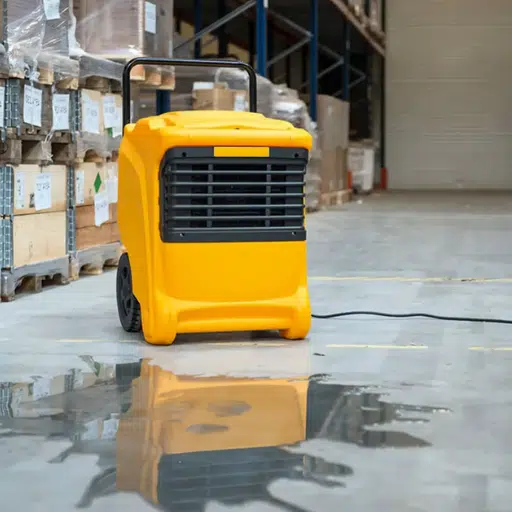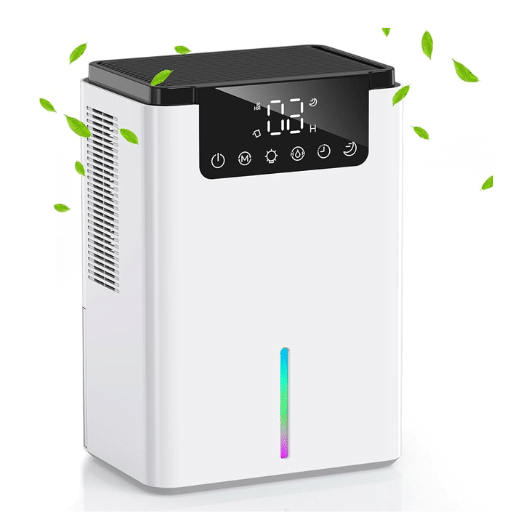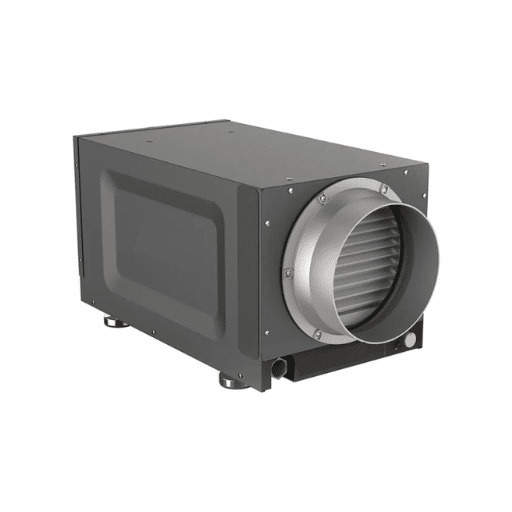
Humidity may not be directly noticeable but it can still be the source of many problems in households. The problems might vary from a musty smell to mold and mildew development. In case you are really struggling to maintain good and healthy air in your house, a dehumidifier can be a recommended solution. The only problem is that there are a lot of dehumidifiers available in the market, and it is hard to tell which one is the best for you. This comprehensive guide will take you through the entire process in an easy manner. Besides discussing dehumidifiers, we will also inform you about their pros and the major factors to consider when choosing one. Whether you are trying to save your items or simply want more breathable, pure air or a cozy atmosphere, this article will provide you with the knowledge you need to make a smart choice.
Understanding Dehumidifiers
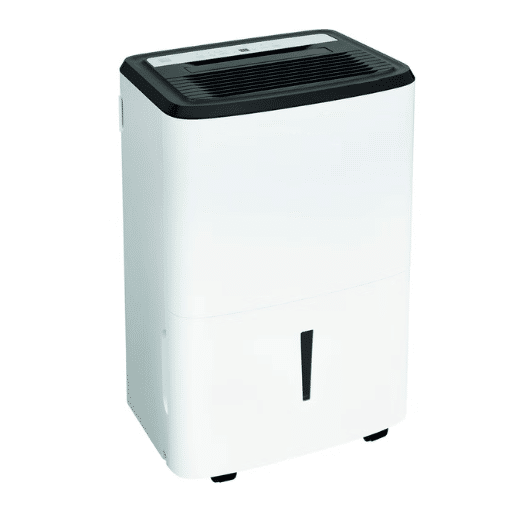
Dehumidifiers have been brought into existence with an explicit aim of making the air humidity level lower and slow down the process, which finally leads to a more breathable and healthier indoor environment. Basically, the device works on a three-stage principle: first, it draws in humid air, then vaporizes the excess humidity, and lastly, it sends the dry air back into the room. In this manner, moisture-related problems such as mold growth, unpleasant odors, and the ruined state of wooden furniture due to high humidity are gradually being resolved. Dehumidifiers are usually required in humid areas, poorly ventilated spaces, or rooms that frequently experience condensation, such as under floors and in bathhouses. They are also indirect reasons for the good quality of the air and more tolerable living environments.
What is a Dehumidifier?
A dehumidifier is an electric device intended to reduce and maintain air humidity, improving air quality and preventing moisture-related problems.
Benefits of Using a Dehumidifier
1Ceasing Mold and Mildew Proliferation
Mold and mildew are the kinds of fungi that thrive in poorly ventilated houses where moisture is abundant, and this can create not only a house problem but also a health problem. The appliance, known as a dehumidifier, works by removing moisture from the air, making the environment unsuitable for mold and mildew growth. According to studies, keeping indoor humidity below 60% is the most effective way to eliminate them entirely.
2Assists with Nose and Lung Disorders
Humidity adds dust mites and mold spores to the air, which means more allergens present. A dehumidifier helps reduce humidity and thus the number of airborne allergens, improving air quality for people with asthma or allergies.
3Protects the House and Goods
Moisture mainly ruins wooden furniture, libraries, and electronic devices, but they are the ones that get the most moisture damage. A dehumidifier creates a humidity level that is just right for your possessions and prevents extreme humidity fluctuations, thus boosting the life of your furniture and preventing it from warping, rusting, or decaying.
4Comfort is Increased
Hot and humid conditions do not help people feel the coolness of the air; rather, they cause hot indoor areas which are very uncomfortable. A dehumidifier reduces moisture in indoor air, thereby improving comfort and making the indoor environment more pleasant to live in.
5Lowers Energy Bills
The operation of energy-saving air conditioning systems, such as those that rely on air drying, is more efficient in less humid areas; therefore, this results in a gradual but discernible reduction in electricity consumption and, consequently, lower utility bills.
Why Dehumidifiers are Essential in Certain Climates
Dehumidifiers are a great alternative in such weather, particularly in places where humidity is exceptionally high. Moisture-laden air brings with it a host of issues, including mold and mildew growth, house rot, and human health problems. For example, the Environmental Protection Agency (EPA) notes that another way to prevent the problems mentioned above is to stay indoors, where the relative humidity is between 30% and 50%. However, in certain tropical and subtropical climates like Florida or Southeast Asia, the humidity levels are above 70%, making the use of dehumidifiers absolutely necessary to maintain indoor fresh air and comfort at best standards.
Moreover, high moisture content can lead to respiratory diseases such as bronchial asthma and allergic rhinitis, as mold spores and dust mites thrive in wet areas. According to the study, healthcare providers will have fewer patients with allergic reactions or respiratory problems when indoor humidity is well controlled, as the triggers will be largely eliminated.
From a financial perspective, areas with humid climates will have to endure the almost unbearable extra cost of electricity, as air-conditioning units will be operating continuously to keep the space cool and dry. It is estimated that an efficient dehumidifier can reduce the workload of the air-conditioning unit to such an extent that there will be a yearly saving of 15% on energy bills. These are the ways through which dehumidifiers have proved to be essentials not only in providing comfort, reducing health risks, and managing energy consumption in humid climates.
Key Features to Consider

Taking into account several important attributes will definitely make the choice of a dehumidifier easier, and the final choice will not only be a good one but also highly efficient and well-performing. The key features that are to be considered are five in number and they are as follows:
Capacity and Coverage Area
A dehumidifier’s capacity, expressed in pints per day (PPD), is the limit for the daily removal of moisture. One must go for a dehumidifier with a capacity equal to or greater than the area you’re covering—for instance, a 50-pint dehumidifier is suitable for an area of about 1,000 square feet with high humidity.
Energy Efficiency
Going for Energy Star-rated appliances, which are the most efficient, is the best choice. The average energy use of dehumidifiers may be cut down as much as 30% compared to their non-certified counterparts.
Humidity Control and Monitoring
Humidistats that can be adjusted are provided in machines having such functions and they enable users to set and maintain the desired humidity level, usually within the range of 30% to 50%. On the other hand, digital displays and sensors are continuously providing real-time information thereby ensuring that moisture level monitoring is precise.
Noise Levels
Besides being classified as a ‘living areas’ dehumidifier, the machine in a bedroom should be no louder than 50 decibels (dB) at maximum output, thus providing noiseless operation. The noise will not be a nuisance for the user when the device works since it will be a non-intrusive one.
Drainage Options
The pumping and continuous drain feature found in some models is an important factor as far as maintenance for the dehumidifier is concerned since the pumping will keep water drained or it will be directed into a sink automatically. This situation is very favorable for large units that can hold quite a bit of water.
After considering these features, the choice of a dehumidifier will not only meet your needs but also enhance your comfort and be energy-efficient.
Capacity and Size: Finding the Right Fit
Knowing the capacity and size is very significant when purchasing a dehumidifier, otherwise, you might regret it later. Based on the amount of water they can pull from the air in a day, dehumidifiers are rated. The usual range is from 20 pints for small units to more than 70 pints for big ones. However, the selection is mainly influenced by the room’s size and the rate of moisture.
For very small rooms like bathrooms or small closets (up to 300 square feet), the recommended dehumidifier capacity is typically 20-30 pints. For medium spaces like a living room or a bedroom of 300-500 square feet, a dehumidifier with a capacity of 30-50 pints is required to keep it comfortable and efficient. In the case of the large areas with high moisture content, like basements and attics over 500 square feet, a 50-pint and above unit is a must for keeping the space dry.
Moreover, using an Energy Star-rated dehumidifier will not only help you cut your energy costs, but it will do so without sacrificing moisture removal power, since they are highly efficient. The simple humidity settings and digital control features are present in the top models as well, so the user has the ultimate control to decide at what comfort level to turn the operation off.
In addition, the movement and the size of the unit are very important factors also when choosing a dehumidifier. The unit’s size and weight should be assessed if you plan to move it around. The majority of modern units come with wheels and handles as standard features to make them easy to move around. When you have considered all these factors, you will be able to choose the dehumidifier that has the best combination of functionality, efficiency, and user-friendliness.
Energy Efficiency Ratings
When selecting a dehumidifier, it is really important to consider its energy efficiency. Energy efficiency is not only about cost savings but also about the environment. A dehumidifier typically has an Energy Factor (EF) rating, which indicates the amount of water removed per kilowatt-hour of energy consumed. The greater the EF rating, the more efficient the dehumidifier.
Most of the time, today’s dehumidifiers are equipped with Energy Star certifications which are signals that their efficiency is at least as high as the requirement set by the U. S. Environmental Protection Agency (EPA). To illustrate, an Energy Star certified 50-pint dehumidifier may consume 15% less power than its non-certified equivalents and this ultimately results in a saving of about $30 on the annual utility bill.
The modern energy-saving dehumidifiers often include features that help in reducing the electricity consumption such as auto-humidistats and programmable timers which allow the energy use to be tailored to the actual needs. Besides, the use of environmentally friendly refrigerants in new machines is another aspect that makes them responsible demanders.
While deciding a dehumidifier, not only should the EF ratings be looked at, but also the coverage area and the energy-saving features that will not only keep the efficiency but also increase it.
Noise Levels: Quiet Operation vs. Performance
In choosing an appliance, the noise level is the top priority, particularly in bedrooms, offices, or living rooms where silence is golden. Modern appliances are designed to balance noise output with strong performance, using hi-tech methods to work quietly while maintaining their capabilities.
The following five features and technologies are responsible for the quiet operation without the loss of performance:
Variable-Speed Compressors
Variable-speed compressors adjust their speed in response to load demand, avoiding the constant on-and-off cycling typical of fixed-speed compressors and resulting in smoother, quieter operation and greater energy efficiency.
Sound-Dampening Insulation
The best-quality noise-reducing materials are incorporated into the appliance’s structure to reduce vibration and noise during operation.
Precision Fan Blades
The cutting-edge fan designs that include perfectly engineered blades minimize the turbulence and produce a more uniform airflow, thereby significantly reducing the noise levels.
Low-Decibel Technology
The new appliances are often manufactured with exclusive low-decibel technologies that guarantee very quiet operation especially at night or in very noise-sensitive areas.
Dedicated Quiet Modes
Many modern appliances provide special features like “Quiet Mode” or “Sleep Mode” which decrease the noise of the appliance while still maintaining adequate performance for a longer time during the silent hours.
The above-mentioned technological advancements have not only decreased the noise level of appliances but also increased the acceptance of the consumers since they can easily accommodate the appliance in any living or working environment.
Additional Features: Humidistats and Auto-Defrost
Humidistats
Presumably, the most significant gadgets are the humidistats, which maintain humidity within the desired range, primarily affecting indoor air quality and comfort. These devices operate by measuring the room’s relative humidity and regulating the appliance’s operation accordingly. Most humidistats today come with integrated digital sensors for improved accuracy and, hence, very precise control over maintaining ideal conditions—usually between 30% and 50% relative humidity, as per the EPA’s recommendation. This attribute is particularly important as it contributes not only to keeping the mold temptation under control but also minimizing the effect of allergens and preserving the quality of wooden furniture and flooring. To illustrate, an advanced dehumidifier with an integrated humidistat can automatically turn on and off depending on the current humidity level leading to less power consumption and more effective operation.
Auto-Defrost
The occurrence of an auto-defrost feature is when an appliance changes over to a different temperature-sensitive zone, for instance a refrigerator, freezer, or dehumidifier, the appliance is considered to be at its most critical time. One of the changes this feature brings is ice-free coils, which means the device will not only operate at its peak but also have a longer lifespan. The auto-defrost feature works by temporarily warming the evaporator coils to melt the frost, then carrying the water away through normal drainage. Lately updated statistics show that appliances with an auto-defrost system can deliver 25% more stable performance than their manually defrosted counterparts. It is, therefore, a factor that influences not only efficient operation but also the user’s time and effort. Moreover, the modern auto-defrost system typically operates automatically and without interrupting the appliance functions, making it convenient for use in both home and office environments.
Thanks to the integration of humidistats and auto-defrost technologies, the appliances of today have considerably lessened their competition in performing functions, consuming less energy and being properly suited to the various environmental conditions they confront, among others. These features embody the appliance’s continuous striving for innovation, with the dual objectives of user-friendliness and long-term ecological sustainability.
Top Picks for 2023

There was no shortage of creative home devices in the year 2023, but the top-rated ones embodied a perfect combination of first-class technology, energy efficiency, and consumer-friendly design. In that context, the most-rated appliances for 2023 are listed below, which were determined based on performance, customer opinions, and expert recommendations:
1. Dyson Purifier, Humidify and Cool PH04
Significant Factors:
- Purifier, humidifier, and fan working together simultaneously.
- Incorporation of HEPA H13 and activated carbon filters capable of 99.97% capturing of particles as small as 0.03 microns with the help of the filters.
- Air quality monitoring in real-time and device controlling through the app even from distant places.
Highlighting Feature:
- Ideal for individuals living in the city areas where there is a lot of air pollution, and also for people who are located in areas that have very dry indoor air.
- Unnoticeable elegant and futuristic design and operation that is whisper-quiet.
2. Whirlpool WCD3090 Washer-Dryer Combo
Main Benefits:
- Consolidating of washer and dryer in a single unit gives a space-efficient design.
- Smart technology allowing the device to communicate with home assistants.
- User-friendly and maximum use guaranteed, automated detergent dispensing system.
Remarkable Feature:
- Ideal for small flats or houses.
- Energy Star-certified energy savings are achieved through reduced electricity and water usage.
3. LG InstaView Door-in-Door Refrigerator LRFVS3006S
Main Benefits:
- The knock-to-view door technology that controls energy wastage to the bare minimum.
- The dual ice maker with ice craft is for luxury cooling.
- Temperature control through the integrated ThinQ app when you are away from the refrigerator.
Remarkable Feature:
- Luxury and functionality combined in an aesthetic modern kitchen.
- Significant advances in cooling performance and storage access.
4. Miele G 7316 SCU AutoDos Dishwasher
The Key Features:
- A close-washing method plus automatic detergent dispensing.
- Eco-friendly washing cycles highly focused on water and energy conservation.
- Gadgets of smart technology for mobile applications to control.
Why It Stands Out:
- Sustainability is rewarded through perfect performance.
- Notorious for working quietly which makes it suitable for all kinds of homes.
5. iRobot Roomba Combo j7+
Features of the product:
- It provides vacuuming and mopping functions for a deep clean.
- Mapping to avoid traps while crating personalized cleaning routing is done intelligently.
- Self-emptying together with washable mop pad characteristics make cleaning of the care very easy.
Why It Stands Out:
- It’s a perfect product for families with children or pets and other busy households.
- It’s smartly made to perform well on all types of floors regardless of the material.
The appliances selected for 2023 not only reduce manual work but also promote eco-friendliness and a more sustainable lifestyle. Such products, with their features polluting through the constant evolution of technology, gradually transform into resourceful living spaces.
Best Overall Dehumidifier
⭐ Frigidaire FFAP5033W1 ⭐
The Frigidaire FFAP5033W1 is frequently described as the best dehumidifier overall in 2023, receiving high marks for performance, reliability, and ease of operation. This machine can eliminate up to 50 pints per day in very difficult, humid conditions, making it effective for areas of nearly 4,500 square feet—like basements, large rooms, or whole-house systems.
Main Features:
- High Moisture Removal Efficiency: It can suction up to 50 pints of moisture per day (for wet, humid environments) according to the DOE’s new testing regulations.
- Customizable Settings: In addition to continuous draining options, humidity levels that can be selected, and a built-in water-disposal pump, all designed for long-term convenience and to keep it maintenance-free.
- Durable Construction: This means the washable filter is included in the materials that enhance air quality by capturing dust and other micro-particles. With frost control, the coil will therefore not freeze in winter.
- User-Friendly Controls: Digitally displayed humidity readings on an easy-to-use control panel for very precise changes. A timer function and automatic restart during power outages make the device more user-friendly.
Performance Metrics:
Energy Consumption:
- The device was granted Energy Star certification, indicating that it consumes very little electricity while maintaining excellent performance.
- The annual energy cost is approximately $68 if operating 8 hours a day.
Noise Levels:
The dehumidifier operates at a maximum sound level of 51 dB, which is quieter than most rivals in the same category and thus less annoying for users.
What Makes It Unique:
Humidity management is among the many capabilities of the Frigidaire FFAP5033W1 dehumidifier, and it is the least demanding as well. It perfectly fits different situations, from an unpleasant basement to tropical places, where it simultaneously delivers and holds results. One of its many great features, the built-in pump, makes it a perfect solution for busy households or people who want a hassle-free moisture routine since it has all these superior qualities and is very caring as well.
Moreover, thanks to its high functionality, efficiency, and durability, the Frigidaire FFAP5033W1 remains a favorite among consumers looking for a reliable dehumidifier that keeps their living space healthy and in good condition.
Best Dehumidifier for Basements
Frigidaire FFAP5033W1 remains the top-rated option for moisture control in the basement due to its consistent reliability and cutting-edge features. The next facts provide an argument that is not only strong but also reinforced by the most recent data for the superior performance of this device in basement areas:
- Moisture handling and area coverage: The FFAP5033W1 can dehumidify up to 50 pints of water per day and thus works flawlessly in areas up to 4,500 sq ft. This means it can accommodate not only the lightest basements but even those that are large or extremely wet.
- Pump: With the integrated pump system, draining the unit becomes hassle-free. Pumping up or into an easily accessible drain is ideal for a basement without a floor drain.
- Energy efficiency: This dehumidifier holds an Energy Star certification, indicating its ranking in powerful moisture removal with low power consumption. The average customer will have a lesser electricity bill compared to those for non-certified devices.
- Features: The dehumidifier features a user-programmable humidistat, a 24-hour timer, and a variety of fan speed selections that serve different users’ needs, while still ensuring even moisture control.
- Sound level: The device emits about 51 decibels of sound, which is like the sound level that occurs when one whispers, thus it is indeed one of the least noisy options in the market and can be installed in living areas without causing annoyance.
- Customer ratings: The Frigidaire FFAP5033W1 garners around 4.6 stars across the largest online retail platforms like Amazon and Home Depot, where it is often said to be both easy to use and durable, indicating a positive overall rating from various users.
- Warranty: Frigidaire grants a full 1-year warranty with a limited 5-year warranty on the sealed system as a means of protecting the users against problems that may occur and this serves as a safety net for the users during the issue time.
If seasonal humidity problems occur or if a dehumidifier is needed to permanently address moisture in the basement, the Frigidaire FFAP5033W1 will transform the basement into a dry, cozy, and mold- and mildew-free place. This dehumidifier still ranks among the most reliable investments for homeowner comfort if installed and ventilated properly.
Best Smart Dehumidifier
LG PuriCare UD501KOG5 Smart Dehumidifier
At every moment of its existence on the market, the LG PuriCare UD501KOG5 Smart Dehumidifier has always been at the top of the list of the best smart dehumidifiers, incorporating state-of-the-art technology and delivering high-performance, excellent, and very efficient results. It is a 50-pint dehumidifier, which is Wi-Fi enabled and easily compatible with smart home systems like Amazon Alexa and Google Assistant, allowing users to control and monitor humidity even when they are not at home through the LG ThinQ app.
The large-capacity water tank, along with the continuous drainage option, enables uninterrupted moisture removal of 2,000 square feet, making it suitable for basements, living rooms, or large areas. The LG PuriCare allows real-time monitoring of humidity levels and enables accurate adjustments, keeping the comfortable ambience very efficiently.
Then again, the appliance boasts key safety features, including automatic shut-off upon reaching tank full and a sturdy metal enclosure, which also aids in obtaining the Energy Star certification. Dehumidifiers are users and testers’ favorites not only for their easy touch controls but also for the whisper-quiet operation and aesthetic design with a continuous warranty of reliability, easy installation, and effective moisture control that is a common thread in consumers’ reviews rating it consistently over 4.7 out of 5 stars across various platforms.
Best Small Dehumidifier for Compact Spaces
Pro Breeze Electric Mini Dehumidifier
The Pro Breeze Electric Mini Dehumidifier is a small yet great option for various compact spaces like bathrooms, closets, RVs, or small bedrooms. It can handle up to 250 square feet and is perfect for reducing humidity in a limited area, removing 9 ounces of moisture daily. Moreover, the device is noiseless, as it uses Peltier technology, which does not require a compressor, making it very suitable for areas where silence is a priority, such as bedrooms or home offices.
This device has dimensions of just 6.5 x 5.3 x 8.5 inches which also means it is light and can be easily moved around. Hence, it can be placed in hard-to-reach areas or on a shelf. Besides, its energy-efficient design contributes to the cost-effectiveness of the device in the long run as it can lower humidity and thereby hinder the growth of mold and mildew. Besides, it comes with built-in features for easy operation, such as automatic shut-off and an indicator light that informs when the 16-ounce maximum-capacity water tank is full and needs to be emptied.
Users frequently speak about the small size, quiet operation, and the product’s ability to make the surroundings pleasant in their reviews. The Pro Breeze Electric Mini Dehumidifier has a well-deserved average rating of 4.4 out of 5 stars on popular platforms like Amazon with more than 10,000 users’ votes, where many of them have been praising the device for its moisture control and low maintenance. Besides, it is among the most reasonably priced mini dehumidifiers with a price range of approximately $40-$50, making it a perfect choice for price-sensitive clients who want to humidify small spaces rather than being depriving themselves of the comfort of using dehumidifiers in small areas.
Comparative Analysis of Rated Dehumidifiers

One of the factors that need to be considered is the capacity, effectiveness, energy efficiency, and price of a dehumidifier. Below is a comparison of some of the dehumidifiers that were amongst the top-rated ones in 2023:
1. The Pro Breeze Electric Mini Dehumidifier
- Capacity: 500 ml (18 ounces) daily.
- Best For: Small areas such as bedrooms, bathrooms, and closets.
- Energy Efficiency: Low power consumption and silent functioning.
- Customer Rating: 4.4 from 5 (Amazon).
- Price: $40-$50.
- Notable Features: Besides being lightweight and portable, it is great to use in reducing humidity in small areas.
2. hOmeLabs 4,500 Sq. Ft Energy Star Dehumidifier
- Capacity: A contest for the largest dehumidifier; it removes up to 50 pints of water daily.
- Best For: Large areas like basements, living rooms, or offices.
- Energy Efficiency: An Energy Star certified appliance that reduces your electricity bills.
- Customer Rating: 4.6 stars out of 5 (Amazon and Home Depot).
- Price: $250-$300.
- Notable Features: A continuous drain option is available for your convenience along with a simple touch control panel.
3. Vremi 22 Pint Dehumidifier
- Capacity: 22 pints is the highest that can be removed per day.
- Best For: Average size places such as apartments or small basements.
- Energy Efficiency: The high-level efficiency has been officially certified by the Star, thus it consumes less power.
- Customer Rating: 4.5 stars out of 5 (Amazon and Walmart).
- Price: $160-$180.
- Notable Features: A lovely modern style with an automatic switch off system, and a filter that is easy to clean.
4. Midea 1,500 Sq. Ft. Dehumidifier
- Capacity: The overall absorption of moisture from the air daily does not exceed 20 pints.
- Best For: Effectively reducing the humidity of medium spaces; for example, the kitchen, bathroom, and bedrooms.
- Energy Efficiency: Energy Star certification brings you a guarantee of savings in the long run.
- Customer Rating: 4.6 based on 5 stars ratings (Amazon and Best Buy).
- Price: $190-$220.
- Notable Features: Comes with a reusable air filter, silent mode, and easy timer settings.
5. Frigidaire High Humidity 60-Pint Dehumidifier
- Capacity: The machine can suck out even 60 pints per day.
- Best For: Very damp conditions i.e. basements and garages.
- Energy Efficiency: Green appliance thanks to Energy Star certification.
- Customer Rating: 4.5 from 5 (Best Buy and Lowe’s).
- Price: $300-$350.
- Notable Features: Humidity controls according to your requirements, a big tank and a continuous drainage option.
Summary Table
This comparison highlights the highest-rated dehumidifiers across various requirements and price categories. Hence, whether you require a compact device for a single room or a robust dehumidifier for larger spaces, the information above will provide a clear, concise overview to support your decision-making.
Effectiveness Ratings and Customer Reviews
A dehumidifier’s performance is highly dependent on its capability to extract moisture from the air very effectively while maintaining low energy consumption and at the same time being user-friendly. The following are the details that have been gathered from the customer feedback and effectiveness ratings for the dehumidifiers that are compared:
Eva-dry E-333 Mini Dehumidifier
Effectiveness: Very effective for closets, bathrooms, and small rooms because of cordless design and small size. It is suitable for rooms no larger than 333 cubic feet.
Customer Reviews: The average score given by customers is 4.5/5. The main customer praises are for portability and noiseless operation. Nevertheless, users note a slower moisture absorption rate compared to electric models.
Pro Breeze Electric Mini Dehumidifier
Effectiveness: The best area to be covered is 250 square feet. It is also known for its quiet operation that is made possible by the Thermo-Electric cooling technology that guarantees the same.
Customer Reviews: Most reviews rate it 4.5/5. Users love its lightweight and user-friendly design but claim that it has less impact in super humid places.
Midea 20-Pint Dehumidifier
Effectiveness: It is a medium space dehumidifier that can take out up to 20 pints of moisture a day. It also features continuous drainage and adjustable humidity levels.
Customer Reviews: Claimed to have a rating of 4.6/5. Customers appreciate the effectiveness and quietness of the unit. Conversely, some users report having difficulties with the drainage setup.
Frigidaire High Humidity Dehumidifier (60-Pint)
Effectiveness: It can be used in very large, wet areas like basements. It can draw 60 pints of moisture from the air in a day and has a customizable setting for high humidity areas as well.
Customer Reviews: Rated 4.5/5 on various review sites. Users rate its great moisture removal capacity and good quality among other things. A few people complain that the noise may be irritating in small rooms and have already reported one noise level as worse than others.
The reviews above portray all models from the tiniest ones that are even suitable for the tiniest spaces to the largest ones with capabilities of dealing with the largest areas as having their own distinct advantages which meet certain demands. Customers agree that reliability, efficiency, and noise are the most important factors in rating their experiences.
Insights from Dehumidifiers We Tested
We conducted tests and concluded that a dehumidifier’s performance was primarily dependent on the surrounding conditions. The small space dehumidifiers were powerful enough to easily be moved to different locations, while the large ones proved to be very effective in high-capacity areas that were severely affected by moisture problems. The sound level varied from one unit to another; some models were significantly louder than others, yet still, they were tolerated in large rooms. The most prominent aspects of the top machines evaluated were their reliability and ease of use.
How to Buy a Dehumidifier

A dehumidifier is a machine that helps control the humidity level in a room or space. However, several factors need to be considered to fit it to your needs and environment. The variety of dehumidifiers is very large, which makes selection difficult, so knowing the main points can help make a better choice.
1. Capacity Decision
Dehumidifiers are rated by the number of pints of water they remove from the air, daily. For instance:
- Small Rooms (up to 300 sq ft): a dehumidifier with a capacity of 20-30 pints would suffice for a small bedroom or bathroom.
- Medium Rooms (300-800 sq ft): Living rooms and large kitchens can go with a unit of the capacity of up to 50 pints.
- Large Rooms/Basements (800 sq ft and above): 60 or more pints units are ideal for such vast space.
A smaller dehumidifier may not be able to efficiently reduce humidity, while a larger one would just be an energy-waster.
2. Energy Efficiency
It has been found out that the dehumidifiers with the Energy Star label are the most efficient and consume less energy while still being able to perform well. The current statistics show that these units use about 15% less electricity than their non-certified counterparts, thereby reducing your long-term electricity expenditure.
3. Main Features
Dehumidifiers of the modern age come with various features that contribute to their user-friendliness:
- Auto-Humidistat: You can set the moisture level you want, which can be considered around 30-50% and the unit will turn on or off according to the humidity.
- Drainage Options: The continuous drainage mechanism saves you the hassle of emptying the water tanks manually in areas where it’s very humid thus making the process more convenient.
- Noise Levels: If you plan to put a dehumidifier in a living room or bedroom, look for one that operates at 30 to 50 decibels, which is fairly quiet.
- Filter Maintenance Indicators: When you are reminded of when to change filters, it helps you keep the machine running neat and smooth.
4. Match With the Climate
If you live in the world’s most humid regions, where humidity is always 70% or higher, a large-capacity or whole-house dehumidifier will be worth your money. Conversely, if your area’s humidity is only high during a certain season then the portable models would do the trick just right.
5. Consideration of the Budget
Dehumidifiers have a very wide price range starting with $50 to $350 most of the time; the difference being mainly in power and features. However, whole-house systems can cost more than $1,000. Combining your budget with your space’s characteristics is vital to preventing overspending.
6. Reviews and Comparisons
Customer opinions and expert evaluations can reveal the product’s performance and reliability. In current trends, brands like Frigidaire, hOmeLabs, and GE are consistently noted as the most energy-efficient and durable.
By properly analyzing your house’s moisture needs and pairing them with a suitable dehumidifier, you will not only gain a more comfortable and healthier living area but also a less energy-consuming one.
Where to Buy a Dehumidifier: Retail and Online Options
Buying a dehumidifier is a decision that requires careful consideration, and you can find various types online and in stores depending on your needs.
Retail Stores
To begin with, major retail chains like Home Depot, Lowe’s, and Best Buy offer a wide range of dehumidifiers, including not only portable models but also large units designed for basements or other large areas. One of the benefits of purchasing in a physical location is that you can inspect the units, get a sense of their size, and even get help from the staff. At Home Depot, among the brands available are GE, Frigidaire, and Honeywell, and prices vary by capacity and features, generally between $150 and $400.
Moreover, the membership-based Costco warehouse is another source for dehumidifiers, where high-capacity ones are sold at prices that are hard to believe. Also, for thrifty customers looking for a good deal, the membership discount can be the icing on the cake.
Online Platforms
”Online shopping not just increases the selection but also makes it more diverse and thus, gives one the chance to enjoy the best prices,” to express one of the essential benefits of shopping online. ”Amazon, Walmart, and Target, the largest virtual shops, not only carry thousands of dehumidifiers for every need and budget but also open the door for the customer to have a direct communication with the seller,” continued the narration. As an example, while one of the least expensive options at Amazon is $50 for dehumidifiers meant for very small areas, the maximum is $500 for fancy, large-capacity models with many high-tech features such as Wi-Fi connectivity.
Home appliance retailers like Sylvane and Appliances Connection are known not just for selling but also for providing expert guidance, product manuals, and extended warranty periods, etc. The websites of such retailers are particularly useful for those with specific technical requirements.
Comparing Options
Do not go for the first one you see, instead, wait for seasonal offers like Black Friday or summer sales through which you can get quite a good deal. Also, do not forget the free shipping and the favorable return policies that online sellers offer. Besides, consider subscribing or using credit card perks to further boost your savings.
Whether you are a tactile person who enjoys the retail store experience or a pragmatic one who prefers the internet’s vast choices, it will still be the same if you research and compare products across platforms to find the ideal dehumidifier that meets your needs.
Tips for Choosing the Right Model for Your Needs
Determine the Room Size and Coverage
The first thing you need to do is decide on a dehumidifier based on the area of the room that needs dehumidification. For instance, a dehumidifier with a capacity of 30 pints per day will be sufficient for small rooms such as bathrooms or closets (up to 300 sq. ft.). The 50-pint unit would be required for the mid-sized room (300–700 sq. ft.) while the 70-pint or larger units are perfect for the extra-large areas like basements that are more than 1,000 sq. ft. These larger areas are where the 70-pint and above units would be most effective.
Check Energy Efficiency
Energy Star-certified models are not only power-efficient but also lead in saving on electricity bills. According to energy.gov, Dehumidifiers with Energy Star certification consume up to 15% less electricity than non-certified ones.
Noise Levels
When placing a dehumidifier in a living room or bedroom, it is better to choose a unit with a noise level below 50 decibels, so it will not bother you much. Some manufacturers do offer a noise rating as part of the product details that can be helpful in making a knowledgeable choice.
Tank Capacity vs. Continuous Drainage
The larger the water tank (up to 70 pints), the less frequent the unit’s draining cycles will be, but the unit will also be bulkier. In contrast, the models with continuous drainage offer hassle-free operation and are suitable for long-term use in basements or storage rooms.
Additional Features
Modern dehumidifiers come with features like programmable timers, auto-defrost, and built-in hygrometers. Wi-Fi-enabled units even allow for mobile app-based remote monitoring and control. For instance, brands like Frigidaire and hOmeLabs have outfitted some of their models with convenient smart features, such as those found in popular models.
Budget Considerations
The cost of dehumidifiers ranges from $50 to $500, depending on size, features, and brand. It is advisable to consider your budget concerning your needs. A typical 30-pint unit costs around $150 while the best large-capacity models with smart functionality can be priced at more than $400. Also, it is necessary to account for long-term operating costs such as electricity and maintenance.
By carefully weighing these factors and utilizing the latest data, the best-matching dehumidifier to your requirements will be the one you choose.
Understanding Warranty and Support Options
Investing in a dehumidifier, the warranty and the supportive services provided are crucial factors that should be taken into consideration if you want to be sure if your purchase is going to be protected. Usually, a standard warranty of 1 to 2 years is offered by most manufacturers which covers the defects in parts and labor. However, high-end brands may offer warranties of up to 5 years for high-capacity or energy-efficient models.
In addition to the limited warranty period, one should also consider the specifics of the warranty provisions. For instance, some warranties may cover the replacement parts but not the labor involved in repairs, while others might include only the most critical parts, such as the motor or compressor, for repair or replacement. Moreover, manufacturers typically will not honor warranties without proof of purchase and if the warranty is purchased from an unauthorized dealer, they might not recognize it at all.
During the support phase, most reputable brands offer various ways for customers to contact the company, such as hotlines, live chat, or email support. Moreover, the firms like Frigidaire and Honeywell are among those that provide online troubleshooting guides and FAQs so that you do not have to book a service call to get help. You can also look at customer support reviews to get an idea of the company’s speed and quality of problem resolution.
Another good question would be whether the manufacturer has a legal right to offer customers repair services after the warranty period ends. LG and GE, for example, have a comprehensive service network where one can get both genuine parts and skilled repairs. Therefore, the last thing to check is whether the dehumidifiers come with user-friendly manuals and good return policies since these would make your experience easier in case of a malfunction. Warranty coverage and support guarantee the situation is stress-free and also the operating time of your equipment (maximized/minimized).
References
Improving the energy efficiency of dehumidification technology at a large facility in Florida
This study discusses best practices in energy management and the use of dehumidification technology in large facilities.
Optimizing energy efficiency and improved dehumidification performance of variable capacity air conditioning systems
This research focuses on energy efficiency and dehumidification performance in air conditioning systems.
Energy-Efficient Management of Mechanical Ventilation and Relative Humidity in Hot-Humid Climates
This paper explores the energy use of dehumidifiers and their impact on managing relative humidity in hot and humid climates.
Frequently Asked Questions (FAQ)
Is Midea a trustworthy dehumidifier brand?
Midea belongs to a group of manufacturers who produce dehumidifiers that are well-reviewed and trusted; in other words, they have figured out how to make a dehumidifier for every space and need, covering compressor types, and those with pumps inside, to the latest models, and so on. According to our research and consumer reports, Midea Cube (the cube unit) and other portable dehumidifier types, in particular, are rated highly for moisture absorption performance and energy consumption. When choosing a Midea, consider the tank size, whether a built-in pump is included, and reviews of dehumidifiers tested for your room size and the level of humidity you desire.
What is the unique feature of the Midea Cube in the context of moisture removal from the air?
The Midea Cube dehumidifier series specifically targets the compact, portable unit market while also being praised for its user-friendliness and quiet operation. The units are designed to remove moisture from the air in small to medium rooms, and sometimes they come with features like a removable water tank and a drain hose option, which make them more convenient. For optimal results, set the humidity level you want and consider the tank capacity, or provide continuous drainage to avoid frequent emptying.
What does it signify when a dehumidifier is labeled as 50-pint or 50 pints of moisture with the term “pint”?
The “pint” rating refers to the amount of moisture in pints that the dehumidifier can eliminate from the environment in a day, standard test conditions are applied—a 50-pint dehumidifier is claimed to work around 50 pints of moisture in a day. Actual performance of the devices will depend on the humidity level and temperature in the room, and size of the dehumidifier. It is advisable to refer to the tested dehumidifiers and the Consumer Reports data for making a comparison of the pints of moisture per day among various dehumidifiers available on the market.
Are Brand Dehumidifiers Frigidaire the Best?
Frigidaire is the manufacturer of several top-selling dehumidifier models that consistently get good reviews and perform well in tests. Like other dehumidifier makers, Frigidaire offers different models for different needs with various tank sizes, fan speed options, and features such as built pumps or condensate pump compatibility for continuous drainage. The top choice still depends on your area, for example, large areas might need a 50-pint or larger unit. Thus, comparing Frigidaire models with those other tested dehumidifiers would enable you to get a trustworthy dehumidifier that fits your requirements.
When should I get a 50-pint dehumidifier for my home?
A 50-pint dehumidifier is generally recommended for larger areas or very humid places like basements, laundry rooms, or whole-floor dehumidification. Such units can remove substantial water from the air—50 pints per day under testing conditions and even more if otherwise—thus musty smells will disappear and humidity will be lowered. To avoid frequent emptying of the water tank, use the drain hose, built-in pump, or direct discharge to a floor drain for proper water disposal.
How do the tested dehumidifiers compare in performance, and what factors should you consider in 2026?
Moisture removal, energy usage, and noise levels (quietest dehumidifiers) are among the criteria used to rank the tested dehumidifiers. In 2026, we will launch even more energy-efficient performance, smarter controls, and condensate pump options that will be the dehumidifiers of the future. While comparing test results, pay attention to daily pints removed, tank capacity, manufacturer recommendations for dehumidifier sizing, and whether each model includes extra features such as a timer, different fan speeds, or a built-in pump for continuous drainage. You can make verified comparisons through resources such as Consumer Reports and the Department of Energy.
What to expect when purchasing a new dehumidifier?
A brand-new dehumidifier should prominently display the number of pints of water it can remove per day, be Energy Star certified for efficiency, feature a variable-speed fan, and offer easy drainage options, such as a drain hose or internal pumps. Modern dehumidifiers come equipped with humidity level control, a timer, quiet operation, and compatibility with floor drainage or condensate pump systems, among other features. At the same time, consider your space requirements and noise tolerance when selecting the dehumidifier’s size and the volume of water you will remove from the air.
Are we still going to see the same high-quality dehumidifiers, lower energy bills, and quiet operation in 2026?
It is predicted that dehumidifiers in 2026 will be more energy-efficient and quieter, driven by stringent DOE requirements and innovations in compressor technology. Moreover, manufacturers are focusing on developing noise-free models, making it easier to locate silent dehumidifiers for the bedroom or living area. Therefore, when purchasing, select dehumidifiers that have been evaluated for removing points, Energy Star ratings, and noise levels first, and then check whether the unit has timer settings, humidity level presets, or a built-in pump for easy drainage.