People need to control humidity levels in their homes because this task creates a comfortable and healthy living space. High humidity causes mold growth and musty odors, which create health hazards, while low humidity makes people feel uncomfortable and causes their skin to become dry. A reliable dehumidifier functions as an essential household device that people need to have in their home. The market provides many choices, which makes it difficult to identify the best solution for your specific requirements. The guide provides complete information about selecting the most suitable dehumidifier for your household needs. The blog provides complete information about important features and specifications which will assist you in selecting the ideal model for your needs. The guide helps you select the proper method to create a comfortable and moisture-free environment, regardless of whether you need to remove excess humidity from your basement, bedroom, or entire home.
Understanding the Importance of Humidity Control in Your Home

Managing your home’s humidity levels requires effective control methods to create a space that promotes both health and comfort. Excessive humidity creates conditions that allow mold to grow and dust mites to thrive, while also damaging furniture and walls. The ideal indoor humidity range should be 30% to 50% because it provides maximum comfort while preventing specific problems. Homeowners can achieve a balanced, healthier living space by using hygrometers to monitor humidity levels and dehumidifiers to eliminate excess moisture.
What is a Dehumidifier and How Does it Work?
The dehumidifier operates as an electrical device which reduces indoor humidity to create comfortable and healthy conditions while preventing property damage from high moisture levels. The existence of elevated humidity levels produces conditions that support mold development while causing structural deterioration and making people uncomfortable, which creates a need for dehumidifiers as essential equipment that both residential and commercial buildings require.
Dehumidifiers operate through a fan system that pulls in damp air that subsequently moves through the machine’s cold coils. The air moves through the coils which causes water vapor to transform into water droplets that either accumulate in a reservoir or exit through a drainage system. The system processes air that has lost moisture before it gets distributed back to the environment. Modern dehumidifiers offer users the ability to adjust humidity levels according to their needs, while their advanced features include automatic shut-off functions that activate when the tank reaches capacity, power-saving modes, and digital interface solutions to enhance user experience.
Recent statistics indicate that the most effective dehumidifiers can extract between 20 and 70 pints of moisture from indoor air on a daily basis, depending on their specific operational capacity. The market has shifted toward energy-efficient models, which now feature Energy Star-certified products that achieve up to 15 percent greater energy savings than their non-certified counterparts. Dehumidifiers should be installed in areas that experience high moisture production, which includes spaces like basements, bathrooms, and laundry rooms, while users need to keep up with regular maintenance of filters and reservoirs to ensure proper functionality. Users of advanced models can monitor and control humidity levels from distant locations through their dedicated smartphone applications.
Why Maintaining Optimal Humidity Levels is Essential
Residents need proper humidity management in their home because it creates conditions that support their health and comfort. The correct management of humidity levels establishes protective measures against multiple problems that emerge from both excessive and insufficient humidity conditions. The following list presents three essential reasons that demonstrate the critical importance of maintaining balanced humidity levels.
Preventing Mold and Mildew Growth
Mold and mildew find their optimal conditions for growth in environments which experience high humidity levels. The material creates two major risks because it can harm your property, and it produces health dangers, which include respiratory issues and allergies.
Improving Indoor Air Quality
The air contains excess moisture, which allows dust mites and pollen to function as allergens that trigger asthma and allergy symptoms. The maintenance of humidity at 30-50% levels results in reduced airborne particle,s which cause respiratory distress.
Preserving Furniture and Infrastructure
Wooden furniture and building components, such as walls and floors, experience damage through both warping and cracking when humidity levels change. The maintenance of stable humidity levels protects your house and possessions from destructive effects that would diminish their lifespan.
Enhancing Personal Comfort
High humidity creates a sensation of elevated temperature by making the environment feel more oppressive through its heat. The dry air resulting from low humidity creates discomfort that manifests through dry skin, scratchy throats, and irritated eyes. The process of maintaining humidity at appropriate levels creates an environment which enables people to feel comfortable.
Reducing Energy Costs
Your HVAC system performs better when you properly manage humidity. The balanced state of humidity allows heating and cooling systems to operate at lower energy requirements which brings about substantial cost reductions throughout the entire year.
The implementation of these essential measures establishes ideal humidity conditions, which promote human health while enhancing comfort and protecting your home and decreasing your energy costs.
Signs You Need a Dehumidifier in Your Home
You need to learn when to operate a dehumidifier, as this knowledge helps you keep your home healthy and comfortable. The following information presents specific indicators together with supporting evidence which you can use to assess the need for a dehumidifier.
Excessive Humidity Levels
Indoor spaces become uncomfortable when their humidity level remains above 60%, and this condition leads to health problems. High humidity creates conditions that enable mold to grow and dust mites to thrive, thus increasing allergy problems and respiratory difficulties. The Environmental Protection Agency (EPA) recommends maintaining indoor humidity levels between 30 and 50 percent for optimal indoor climate.
Visible Mold and Mildew
The presence of mold spots, which appear on walls or ceilings and windows, indicates high moisture conditions. The CDC warns that exposure to mold spores can cause nasal congestion, throat pain, and serious health complications in people with asthma or weakened immune systems.
Condensation on Windows and Walls
The presence of permanent condensation, which appears on windows, walls, and other surfaces, shows that your home contains excessive indoor water vapor. The material holds trapped water vapor which will lead to structural damage because it breaks down building materials over time.
Musty Odors
A musty or damp smell throughout your home usually indicates that mold or mildew resides in areas with high humidity. The smell continues to exist after cleaning because it comes from surfaces or materials that contain moisture.
Allergy Symptoms Worsen
The elevated humidity in your home requires urgent reduction because your symptoms of increased sneezing and runny nose and itchy eyes demand a dehumidifier. The Asthma and Allergy Foundation of America states that humidity control helps decrease airborne allergen concentrations.
Water Damage or Stains
Ongoing moisture problems become evident through the presence of peeling paint, warped wood, and water stains which appear on ceilings and walls. The use of a dehumidifier enables you to resolve these problems because it helps you avoid expensive repairs which would occur later on.
High Energy Bills
The HVAC system must increase its workload when indoor humidity levels become excessive because it needs to maintain comfortable temperatures. The presence of extra moisture requires the cooling system to work harder which results in increased energy consumption.
The dehumidifier installation addresses your home protection needs while improving indoor air quality and enhancing comfort in your living space. The most recent energy-efficient dehumidifiers operate at peak efficiency, removing 70 pints of moisture in 24 hours while keeping energy costs low.
Types of Dehumidifiers: Which One is Right for You?

Your decision to purchase a dehumidifier requires you to measure your room’s space needs. The primary differences between dehumidifier types become evident through three main categories which people should use for their identification.
1. Refrigerant Dehumidifiers (Compressor-Based)
The most frequently used dehumidification system operates through refrigerant dehumidifiers which cool down warm air until the air reaches the water condensation point. These systems work best in locations that experience high humidity and maintain hot conditions, including basements and residential areas. The modern devices extract between 20 and 70 pints of moisture every 24 hours which energy-efficient models use their power for their operations. The 50-pint dehumidifier effectively manages humidity in spaces up to 3,000 square feet, which makes it suitable for medium-sized and large spaces.
2. Desiccant Dehumidifiers
Desiccant dehumidifiers use chemical absorbents to draw moisture from the air, making them highly effective in cooler temperatures and smaller spaces, such as bedrooms and RVs. The devices function quietly because they lack weight yet their capacity falls short when compared to refrigerant-based systems. The system operates by removing moisture until it reaches 30 pints for each unit size which the user has selected.
3. Whole-House Dehumidifiers
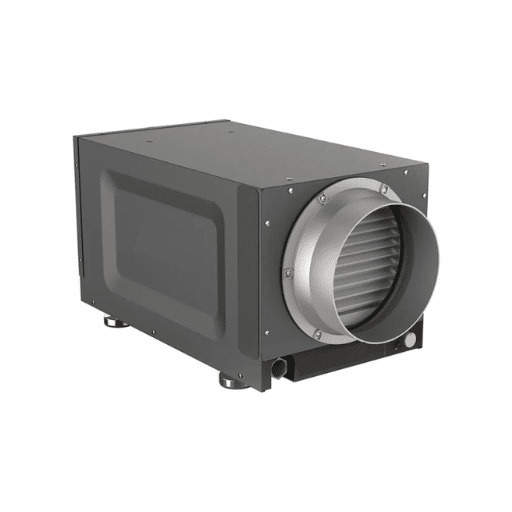
The whole-house dehumidification system connects to a home’s HVAC system to manage humidity throughout the home. The system extracts 150 pints of water every 24 hours which makes it suitable for residential properties that experience extensive humidity problems. The initial investment for these products is higher than for other options, yet their energy-saving features provide customers with long-term benefits.
4. Portable Dehumidifiers
Portable dehumidifiers function as compact moisture-control devices that people can use in specific areas. The economic system provides people with a solution that they can use to fix moisture issues that occur in bathrooms, closets, and studios. The devices can move between different spaces because they operate at 20 to 50 pints of moisture removal capacity.
5. Energy Star Certified Dehumidifiers
Energy Star-certified dehumidifiers provide the best energy-efficient option for users who want to save power. The dehumidifiers use 15 percent less power than standard models which leads to lower electricity costs while delivering full operational capacity. The Energy Star 50-pint dehumidifier saves you about 20 dollars per year, when you compare it with less efficient models.
Your area size, environmental factors, and personal needs determine the most suitable dehumidifier for your situation. You should assess the unit’s noise output, water storage capacity, and upkeep needs to make your selection. The right system enables you to control humidity levels while achieving energy savings and improved indoor air quality.
Traditional vs. Peltier Dehumidifiers
Energy Star Certified Models
Energy Star-certified dehumidifiers operate according to energy-efficient designs, which enable full operational capacity. U.S. Environmental Protection Agency EPA reports these models use 15% less energy than standard units which results in both electricity savings and decreased greenhouse gas emissions. The standard 50-pint dehumidifier, which meets Energy Star certification requirements, will generate approximately $175 in energy savings throughout its entire operational period when compared to a non-certified dehumidifier.
The dehumidifiers come with modern functionality, which includes humidistat adjustment features, automatic shutoff capability, and a continuous drainage system. Energy Star certified products must comply with strict performance requirements that enable effective moisture extraction from indoor spaces while using minimal energy consumption.
The Energy Star-certified dehumidifier provides different room sizes and capacity options through its various model selections. The 22-pint compact dehumidifier operates efficiently in small areas such as bedrooms and offices while the 70-pint high-capacity dehumidifier functions effectively in basements and large residential spaces. The study shows that Energy Star dehumidifiers, which include built-in pumps and continuous drain systems, enhance user experience because they eliminate the need for manual tank emptying.
The Energy Star-certified dehumidifier allows you to improve indoor air quality while preventing humidity-based problems such as mold growth and supporting sustainability through reduced carbon emissions. The Energy Star label shows you complete efficiency data which you should use to select your upcoming dehumidifier purchase.
Small Dehumidifiers for Compact Spaces
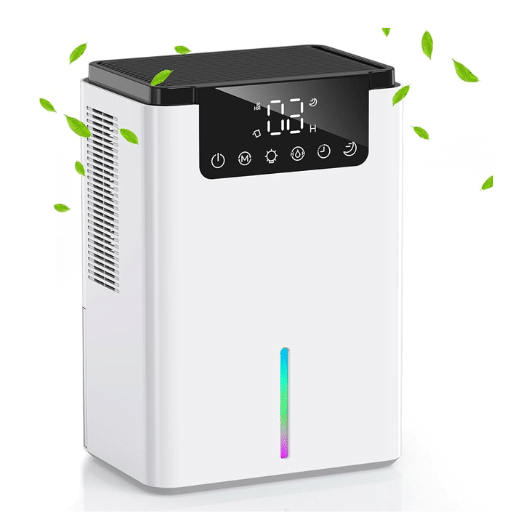
Small dehumidifiers are suitable for bathrooms, closets, RVs, and studio apartments because these locations need moisture control in their restricted areas. The devices work to eliminate moisture from small spaces while using minimal physical space. The design of modern small dehumidifiers makes them easy to carry, as they use lightweight materials and energy-saving features.
The majority of small dehumidifiers operate between 150 to 300 square feet because their water tanks can hold between 16 to 35 ounces. The new micro-dehumidifiers available today, which use thermoelectric systems, can extract up to 9 ounces of moisture each day, so they work well for maintaining dry air quality in small areas.
The small dehumidifier should include extra features which enable automatic shut-off when the tank fills to capacity and operation at silent levels which allows people to sleep without disturbance and consumes minimal energy for cheaper electricity bills. Certain models need users to operate their systems through reusable filters and compact LED displays. The small dehumidifier protects your living space from mold growth, musty smells, and moisture-related destruction while maintaining a perfect fit with your small living space.
Key Features to Look for When You Buy a Dehumidifier

The efficiency and user-friendliness of your dehumidifier, together with its operational capabilities, depend on the various features which you must assess when purchasing a dehumidifier. The following essential features require your attention because they are supported by current data.
Dehumidifier Capacity and Coverage Area
Dehumidifier capacity testing uses the measurement of moisture removed from the air through pints which the device extracts during a single day. Small units are ideal for areas up to 300 square feet, while medium to large ones can cover up to 4,500 square feet. A 22-pint dehumidifier works well for bedrooms or small living spaces but requires a 50-pint model for basements or larger areas.
Energy Star Certification
Energy Star certification serves to identify models that deliver energy-efficient performance. The certified units achieve energy savings of 30% compared to their non-certified counterparts which results in reduced electricity expenses and decreased environmental impact.
Adjustable Humidity Levels
Modern dehumidifiers allow users to choose their preferred humidity settings and maintain those selected levels. The ideal indoor humidity range for homes is 30% to 50%. Some machines use built-in hygrometers to measure and show current humidity levels during operation.
Auto-Drain and Continuous Drain Options
Select a product that offers continuous drainage, as this feature helps reduce the need for users to empty the water tank regularly. The system allows users to connect a hose which will automatically drain water into a sink or external outlet. Users can operate the units through automatic pumps which function in areas lacking gravitational drainage systems.
Noise Levels
The device produces sounds which range from 40 dB, which matches library sound levels, to more than 60 dB, which equals typical office noise. Users who intend to use the device in their bedrooms or living spaces should select equipment that offers quiet mode and low-noise operation capabilities.
Smart Features and Connectivity
The majority of new dehumidifiers now feature Wi-Fi technology which allows users to operate their devices from mobile phone applications. The system allows the device to run while checking its status and setting operating times. The system provides integration with smart home platforms, which include Alexa and Google Assistant, to enable users to control their devices through voice commands.
Filter Type and Maintenance
Customers should choose products with washable filters because this feature helps them reduce maintenance costs. Washable filters trap dust and allergens, while some advanced models include HEPA filters for improved air purification.
Defrost Functionality for Cold Climates
The best dehumidifiers for cold areas come with built-in automatic defrosting systems. This feature prevents frost buildup on the unit’s coils, ensuring its performance and longevity, even in temperatures as low as 41°F.
Water Tank Capacity and Indicator
The device requires fewer emptying sessions because it has a larger water tank, but this feature makes the product heavier. Most models come with a tank full indicator or auto shut-off to prevent overflow.
Portability and Compact Design
You should select portable products that weigh less than other items and have handles and wheels which enable users to move them. People living in small apartments should choose compact designs because they fit well in their limited living spaces.
The assessment of your needs, together with the evaluation of these features, will help you find a dehumidifier that controls your indoor humidity while providing maximum user convenience and energy-efficient operation.
Capacity and Size: How to Determine the Right-Size Dehumidifier for Me
Proper dehumidifier sizing establishes indoor humidity control because unit size determines moisture extraction capacity, which drives system functions. Dehumidifier capacity is typically measured in pints per 24 hours, and selecting the right capacity depends on the size of the space and the level of humidity in the environment.
Room Size and Humidity Level
Small Spaces (up to 300 square feet): For areas like bathrooms or laundry rooms with moderate humidity, use dehumidifiers with a capacity of 20-30 pints per day.
Medium Spaces (300-700 square feet): Bedrooms, living rooms, or offices with moderate dampness usually require a unit with 30-50 pints capacity.
Large Spaces (700+ square feet): A dehumidifier with a capacity of 50-70 pints or higher should be used to effectively reduce moisture in large basements, open-plan areas, and other high-humidity spaces.
Recognizing Humidity Levels
Moderate Dampness (Humidity >50%): The room will feel damp and have a faint musty smell. A lower-capacity dehumidifier should suffice.
Severely Damp (Humidity >60%): The walls and floors will show you wet areas. Opt for mid-range capacity.
Wet Conditions (Humidity >70%): The environment contains water which people can see and water droplets which create condensation that needs special equipment for high-volume water removal.
Energy Efficiency and Run Time
High-capacity dehumidifiers operate with energy-saving features, including Energy Star certification, to achieve faster moisture extraction rates. The system uses less energy to keep optimal moisture levels active throughout its operation.
Your specific needs will be met through proper dehumidifier selection, which requires assessment of your room size and environmental dampness and desired outcomes.
Noise Levels: Best Quiet Dehumidifiers
People select their dehumidifier models based on noise requirements because they will use the devices in homes and bedrooms and office spaces. Modern dehumidifiers achieve low sound operation through their advanced technology systems which minimize noise emissions to create quiet environments. These products currently available in the market represent the best silent dehumidifier options that exist as per the most recent information.
hOmeLabs 4,500 Sq. Ft Energy Star Dehumidifier
Noise Level: Approximately 48-50 decibels
The system uses a silent fan to deliver high performance capabilities. The system establishes a quiet environment that functions across extensive locations and basement spaces to manage humidity levels.
TOSOT 50 Pint Dehumidifier with Internal Pump
Noise Level: Around 48 decibels
The product provides two benefits through its silent compressor and fan system which makes it suitable for bedroom and study room applications. Users can easily remove water because the system includes an integrated pump system which provides automatic draining capabilities.
Midea 1,500 Sq. Ft. 22-Pint Dehumidifier
Noise Level: Approx. 42 decibels
The small product operates at extremely low sound levels while delivering high energy efficiency which makes it suitable for use in compact spaces.
Frigidaire High-Humidity 50-Pint Capacity Dehumidifier
Noise Level: Around 47 decibels
The system maintains its balanced performance because it operates in all types of humid conditions through its dual functions of moisture management and silent operation.
Vremi 35 Pint Moisture Maniac Dehumidifier
Noise Level: Approx. 44-46 decibels
The small device enables easy movement between locations while operating in complete silence to remove humidity from the air, making it suitable for both public and residential spaces.
The most effective silent dehumidifier requires three essential factors for evaluation, which include its decibel output, energy usage, and dehumidification capacity. The products should produce sounds below 50 decibels because they enhance soundless spaces in your home and workplace. The product specifications of many manufacturers include noise-level information which allows you to select a suitable product that meets your specific requirements.
Smart Dehumidifiers: Features and Benefits
Top-Rated Dehumidifiers We Tested: Our Recommendations

We created our comprehensive 2023 dehumidifier evaluation list through extensive testing and research which included up-to-date information. The products evaluate their performance, noise level, and energy efficiency together with their various intelligent capabilities, which fulfill different customer requirements. Our main product choices display their essential characteristics which we describe in the following section.
1. Frigidaire FFAD5033W1 50-Pint Dehumidifier
- Daily capacity: 50 pints
- Noise level: Approximately 47 decibels
- Certification: Energy Star certified
- Features: Adjustable humidity control, continuous drainage, washable filter
This unit operates at high efficiency throughout its designated space area which extends from medium rooms to large spaces. The system operates with silent efficiency while providing optimal energy savings which makes it the best option for basement and residential area moisture control.
2. hOmeLabs 4500 Sq. Ft Energy Star Dehumidifier
- Daily capacity: 50 pints
- Noise level: Approximately 49 decibels
- Certification: Energy Star certified
- Features: Turbo mode, built-in pump, sleek design
The dehumidifier delivers outstanding moisture extraction performance which matches its modern appearance and energy-efficient design to make it suitable for use in bigger residences.
3. Midea 20 Pint Cube Dehumidifier
- Daily capacity: 20 pints (expandable)
- Noise level: Approximately 42 decibels
- Certification: Energy Star certified
- Features: Smart Wi-Fi control, Alexa voice commands, compact cube design, extended water storage
The system serves small to medium spaces while its cube design and smart features provide flexible control through easy operational methods. The system operates silently throughout its testing procedure which makes it one of the least noisy models.
4. Vremi 22 Pint Dehumidifier
- Daily capacity: 22 pints
- Noise level: Approximately 46 decibels
- Certification: Energy Star certified
- Features: Auto-shutoff, simple controls, built-in wheels
The dehumidifier provides first-time users with an affordable solution that enables them to control moisture in compact spaces.
5. LG PuriCare Energy Star Dehumidifier
- Daily capacity: 50 pints
- Noise level: Approximately 48 decibels
- Certification: Energy Star certified
- Features: Drain pump, clear bucket, advanced safety features
LG’s PuriCare model offers exceptional safety features together with durable performance which makes it suitable for families and people living in humid environments.
The selected models show the optimal combination of performance, efficiency, and noise control, which successfully solves typical dehumidification problems found in different environments. Your decision should start with an examination of your room dimensions together with your sound preferences and how you intend to use the space.
Best Overall Dehumidifier
Frigidaire FFAD2233W1 Dehumidifier
The Frigidaire FFAD2233W1 dehumidifier offers two essential benefits: it functions as an effective dehumidifier and consumes low energy while maintaining a simple control system. The device operates at a maximum capacity of 22 pints to extract moisture from spaces which range from small to medium size through its operation in bedrooms offices and basements. The device decreases humidity through its washable filter which also improves indoor air quality by capturing dust and allergens through its particulate matter filter system.
Key Features and Specifications:
- Capacity: 22 pints of moisture extraction every 24 hours
- Certification: ENERGY STAR® certified for energy savings
- Control System: Digital humidity display with user-customized settings
- Safety Features: Automatic shutoff to prevent overflow, continuous drainage system
- Portability: Handle and caster wheels for easy transport
Performance Data:
- Coverage Area: Up to 1,500 square feet
- Noise Level: 47 decibels in quietest mode
- Power Consumption: 165 watts for efficient energy performance
The Frigidaire FFAD2233W1 delivers exceptional performance in product value, together with user-friendly operation. The compact design of this product enables it to blend into various interior spaces while its powerful dehumidification capacity enables it to solve moisture problems effectively. The dehumidifier helps users control indoor allergens during operation while providing humidity control for people living in high-humidity areas. The Frigidaire FFAD2233W1 dehumidifier is the leading dehumidification solution for residential properties because it provides dependable humidity control in areas with typical home humidity levels.
Midea Cube: Innovative Features and Performance
The Midea Cube dehumidifier uses its special design and modern technology features to create a unique product that customers can find only through its direct availability. The original design of The Midea Cube enables it to increase its Dehumidification capabilities while maintaining double Dehumidification capacity which standard Dehumidifiers need to empty their tanks. The feature exists to provide functionality required by users who seek home devices that require no training and work effectively.
The Midea Cube includes a 1.6-gallon bucket that users can detach to reach a maximum water storage capacity of 3 gallons when fully extended. The device operates between 20 and 50 pint moisture extraction capacity according to different machine specifications which enables it to serve spaces up to 4500 square feet which makes it suitable for basements and spacious areas that face high humidity conditions.
Users can operate The Midea Cube from remote locations because the device supports Wi-Fi connection, which enables control through the Midea Air application. The system enables users to monitor their home environment through humidity control, schedule management, and voice assistant integration with Amazon Alexa and Google Assistant. The dehumidifier includes an automatic restart feature which enables it to resume operation after a power interruption.
The Continuous Drainage option enables users to connect a standard garden hose for uninterrupted operation which requires minimal upkeep. The Energy Star certification guarantees the product will operate with energy-efficient performance which leads to lower electricity expenses while it maintains its powerful dehumidification capabilities.
The Midea Cube operates quietly because it uses advanced technology which allows its sound levels to reach 42 decibels at its lowest settings while also delivering flexible functionality. The design enables users to store and transport the product without difficulty, thanks to its compact dimensions and stackability.
The Midea Cube is a revolutionary product in the dehumidifier market, combining innovative features with excellent water extraction performance and intelligent capabilities.
Expert Tips for Choosing the Right Dehumidifier Based on Room Size

Dehumidifier selection must match your specific space requirements to achieve optimal operational performance. The guide offers detailed instructions which users can follow based on different room dimensions and various moisture conditions.
Small Spaces (Up to 300 sq ft)
Compact dehumidifiers with a 20 to 30 pint daily limit provide the best solution for bathrooms small bedrooms and closets. The devices reduce humidity by operating in small areas while using minimal energy.
Medium Spaces (300-700 sq ft)
A dehumidifier with 30 to 50 pints daily capacity delivers effective moisture control for living rooms, medium-sized bedrooms, and home offices. The products in this range effectively maintain moisture control in areas with moderate humidity.
Large Spaces (700+ sq ft)
Basements, spacious living rooms, and multi-purpose rooms require dehumidifiers with 50 to 70 pints daily capacity according to their size requirements. The devices effectively eliminate elevated humidity levels across large operational areas.
Extra Large Spaces & Industrial Use
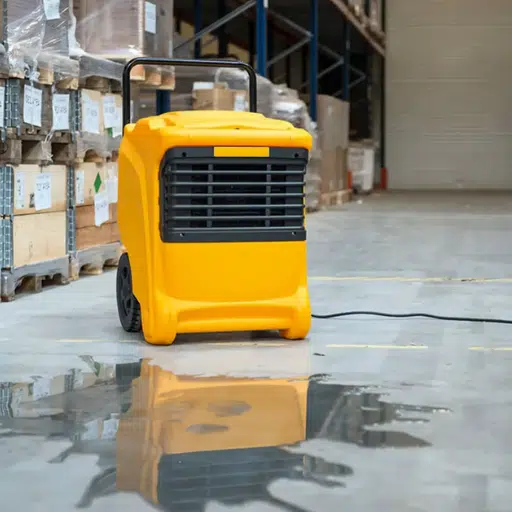
High-capacity dehumidifiers that exceed 70 pints of capacity are suitable for use in open-plan spaces, big basements, and industrial facilities. The models provide solutions which can effectively address severe humidity problems that exist in large environments.
Dehumidifiers should possess higher capacity than standard recommendations when your space experiences severe dampness problems or flooding risks. The unit needs evaluation through its efficiency rating and you need to identify whether it provides continuous drainage features for handling heavy moisture situations.
Energy Star-certified dehumidifiers help you reduce electricity costs while protecting the environment through their efficient energy use. In bedrooms and study areas, choose a model which operates quietly at sound levels below 50 decibels to reduce disturbances.
The correct dehumidifier for your home can be determined through measuring room dimensions and checking humidity levels. To make a well-informed choice, you must verify product specifications and read user reviews.
How Room Size Affects Dehumidifier Efficiency
The efficiency of a dehumidifier function depends on the dimensions of the room. From my experience, using a unit that’s too small for a large room means it will struggle to remove excess moisture, leading to overwork and inefficiency. Dehumidifiers waste energy in small spaces when their capacity exceeds what the space needs. I always recommend matching the dehumidifier’s capacity with the room’s square footage and moisture level to ensure optimal performance and energy savings.
Choosing Between 50-Pint and Smaller Models
The essential elements that differentiate 50-pint dehumidifiers from smaller dehumidifier units determine which model to select for your needs. The 50-pint dehumidifier operates in large areas which extend beyond 1000 square feet and handle extreme moisture conditions typical of basements. The devices remove 50 pints of moisture per day which enables them to function in humid climates and residential areas that face dampness and mold and mildew challenges. The units in this category provide advanced features which include continuous drainage systems and digital control mechanisms thus simplifying user experience while enhancing operational effectiveness.
Residential spaces, which consist of bedrooms, bathrooms, and closets, require dehumidifier units that operate at 20-30 pints per day to meet their typical capacity needs. The compact dehumidifiers outperform standard units because they use less energy to control moisture in spaces which measure from 300 to 500 square feet. A 30-pint model can adequately handle a moderately damp 500-square-foot room but it would struggle in a larger or wetter environment compared to its 50-pint counterpart.
The recent data indicates that Energy Star certification, which many 50-pint dehumidifiers obtain, certifies products that possess greater energy efficiency because these products operate without significant increases in electricity expenses. The smaller models use less energy throughout their operation but their efficiency decreases when they must operate at higher energy levels to manage humid environments. The most effective selection process requires you to assess three elements which include your room dimensions and current humidity conditions and drying needs of the dehumidification equipment.
Understanding Relative Humidity and Its Impact
Relative humidity measures the moisture content of air relative to its maximum thermal moisture capacity at a given temperature. The percentage-based measurement of humidity provides essential data which helps to assess human comfort and environmental conditions present in various locations. The following list presents five main effects of relative humidity on different things.
Comfort Levels
People experience discomfort because high humidity makes the air feel warmer than actual temperatures which leads to excessive sweating. Low humidity causes skin and mucous membranes to dry out which results in skin irritation.
Health Effects
People who experience high humidity conditions for extended periods of time will develop health problems, which include asthma and allergies, because mold and dust mites will multiply in these conditions. People who are exposed to low-humidity conditions develop respiratory problems, which result in an increased risk of infection development.
Mold and Mildew Growth
Mold and mildew growth risk increases when relative humidity levels rise above 60 percent. These substances can destroy household possessions, while they also create health dangers for people who live there.
Impact on Electronics
Electronic equipment experiences moisture problems under high humidity conditions which causes equipment to corrode and develop short circuit problems. The risk of damaging delicate electronic components arises from static electricity buildup that occurs in environments with low humidity.
Preservation of Materials
Wood and paper, among other materials, are sensitive to changes in humidity. High humidity levels cause materials to warp and swell while low humidity levels result in materials cracking and becoming brittle. The materials need proper relative humidity control because it determines their ability to remain intact over time.
References
Further Investigation of Energy and Performance Impacts of Whole-House Dehumidifier Duct Configurations
This research explores the energy and performance impacts of dehumidifier configurations in homes.
Residential Performance Code Methodology for Crediting Dehumidification and Smart Vent Applications Final Report
This report evaluates the performance of home dehumidifiers in various climates and their impact on energy use.
Optimizing Energy Efficiency and Improved Dehumidification Performance of Variable Capacity Air Conditioning Systems
This paper discusses integrating dehumidifiers with air conditioning systems to improve energy efficiency.
Frequently Asked Questions (FAQ)
What is the best dehumidifier for a basement in 2025?
The best dehumidifier for basement use in 2025 requires a dehumidification system which needs to extract 50 pints of moisture every day from spaces that experience dampness and extreme dampness conditions. The ideal units should have high dehumidifier capacity combined with energy-efficient performance and they should include either drain hoses or pump systems which enable users to operate the unit without needing to empty the tank multiple times. Your selection process will depend on the testing results for basement applications because you need to choose a model that contains both a powerful compressor and a hygrometer for tracking humidity levels and a water removal capacity that can dehumidify the entire area.
How do I size a dehumidifier overall for my home—the dehumidifier sizing guide?
The selection process for dehumidifiers needs assessment of room dimensions and current humidity levels and the intended use of the area. Calculate square footage (sq) and select a dehumidifier with a 20–30 pint rating for bathrooms and smaller closets, and a 30–50 pint rating for bedrooms, and a 50 pint minimum rating for large spaces or very damp basements. The dehumidifier capacity and daily moisture removal rate need verification using our tested dehumidifiers and a market comparison. The system needs evaluation of both drain options which include continuous draining through a drain hose and tank capacity requirements.
Are compressor dehumidifiers and desiccant dehumidifiers different, and which is the best home dehumidifier overall?
The two types of dehumidifiers operate using different methods, depending on their respective technologies. Dehumidifiers function as energy-efficient units that operate best in warm, humid environments and are suitable for residential use because they can extract multiple pints of water each day. Desiccant dehumidifiers operate through moisture-absorbing materials which perform best in cold conditions that include their operation in low-temperature basement environments. The ideal home dehumidifier for you depends on your local climate, your target humidity level, and your available space, because you should select a compressor model to meet your energy-efficient, high-capacity requirements, while choosing a desiccant dehumidifier for your cool, low-temperature needs.
What features should I look for in top picks and new dehumidifier models?
The best dehumidifiers and their latest models now show smart features which let users operate their devices through WiFi while using programmable timers and multiple fan speed options and automatic shutoff which activates when the water tank reaches its maximum capacity and built-in hygrometer functionality. The system requires two components, which must exist in the system, because it needs both a high-capacity tank and a pump or drain hose system, and two additional requirements, which demand silent operation and energy-efficient storage while using filters that technicians can clean without difficulty. Our testing results provide energy consumption data and actual water extraction performance for comparing tested dehumidifier brands and models.
How do I set the desired humidity level and run the dehumidifier efficiently?
Most homes need their humidity levels set between 45% and 50% because this range prevents condensation and mold growth while removing musty odors. The built-in hygrometer and external hygrometers serve as tools for measuring humidity levels. The dehumidifier should run continuously throughout the extreme humidity period, but users need to turn on the energy-saving timer along with humidity-based controls after they achieve their desired humidity. Energy-efficient operation requires users to shut all doors and windows while they should adjust fan speed and maintain filters and coils to achieve maximum moisture removal from indoor air.
How often do I need to empty the tank, or can I use a drain hose or pump model?
The water tank needs to be emptied based on two conditions which include the tank capacity of the unit and the existing humidity levels in the surrounding area. The smallest pint dehumidifiers need their tanks emptied every day when operating in extremely humid conditions, whereas the larger units will reach their capacity less frequently. Many dehumidifiers available include a drain hose or pump model option for continuous drainage, which is ideal for basements and unattended operation. The water tank requires models which have water tanks that can be easily removed and display tank full indicators. The water tank needs to be emptied when the tank reaches its complete capacity as shown by the emptying indicator.
Can a dehumidifier remove moisture from the air in large spaces and how many pints of moisture will it remove?
A dehumidifier can remove moisture from the air in large spaces if sized correctly; large capacity units capable of removing 50 pints or more per day are better suited to big rooms or damp basements. The actual pints of moisture removed depends on humidity, temperature, and run time. You should verify the pints-per-day performance of dehumidifiers through consumer reports and our tested dehumidifiers while selecting models that possess powerful compressors and sufficient airflow capacity for extensive areas.
Are there the quietest dehumidifiers and energy-efficient models among the popular dehumidifier brands?
The most silent dehumidifiers use three technologies, which include sound-dampening design, variable fan operation, and efficient compressor systems to create minimal noise without compromising their performance. The energy-efficient models, which have received ENERGY STAR ratings, consume less electricity for each pint of water they extract from the air. You need to compare dehumidifier manufacturers and their products available on Amazon and in physical stores, read our reviews of tested dehumidifiers, and check for energy efficiency labels and decibel ratings to select a quiet, efficient unit.
What maintenance is required for different dehumidifiers we’ve tested to keep them running and effective?
Staff members must complete filter cleaning and replacement work as part of their maintenance duties. Staff members need to inspect water tanks and drain hoses during maintenance work to identify blockages which they must then remove. Staff members need to inspect the compressor and coils during the inspection process to look for dust buildup. The maintenance staff will reset the hygrometer when they determine it requires resetting. Standard operating procedures require desiccant dehumidifiers to keep their rotors and heating elements free of dust accumulation. The dehumidifier must operate continuously throughout the day because it serves as a mold-prevention system. The dehumidifier operation requires users to follow the manufacturer’s service instructions, which ensure optimal equipment function and moisture removal performance.