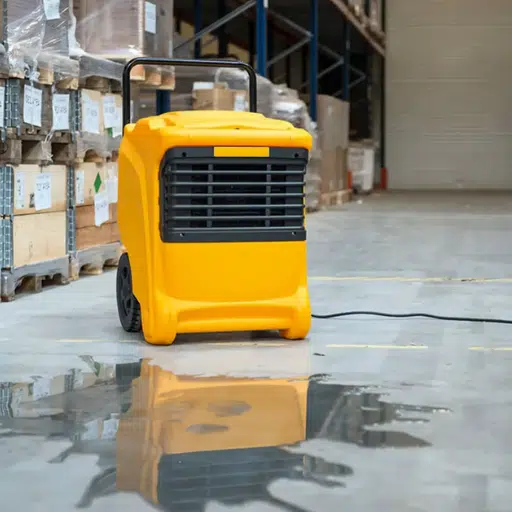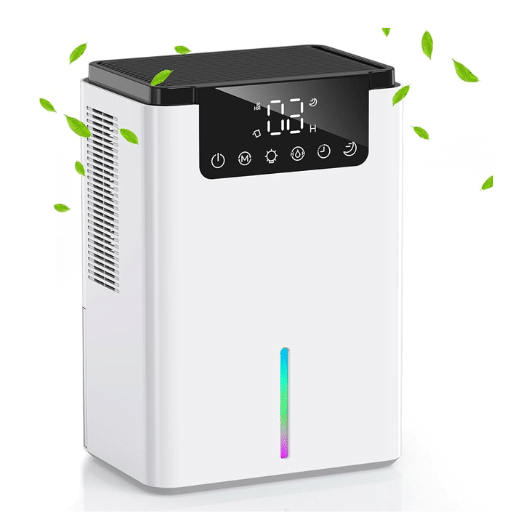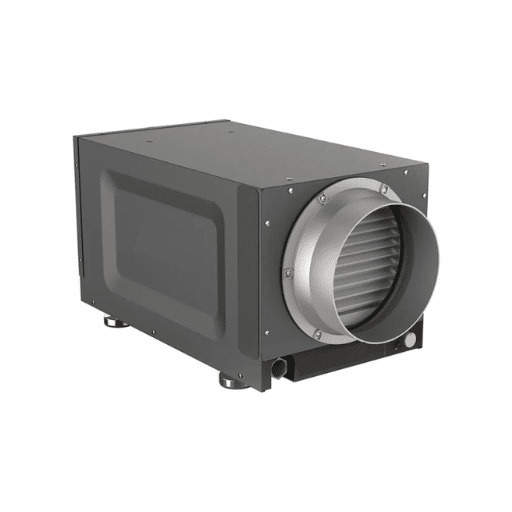
The humidity control system in your crawl space is designed to achieve two goals: create a safe environment for people and prevent damage to your residence. Excess moisture in crawl spaces creates conditions that enable mold growth, leading to structural damage and additional problems that degrade indoor air quality and the building’s structural integrity. The problem requires a high-quality dehumidifier designed specifically for crawl space environments. Selecting the best product requires evaluating multiple options in the current market. The guide will provide all the necessary information to help you select the most suitable dehumidifier for your crawl space requirements. The article will provide essential information to guide your decision-making on which features to examine and the best available models. The following sections will outline the ideal approach to maintaining your crawl space dry while meeting health standards and improving operational efficiency.
Introduction
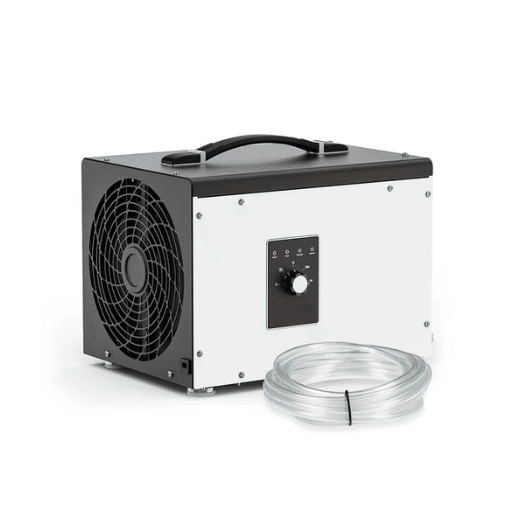
The selection process for an ideal crawl space dehumidifier requires assessment of your crawl space dimensions and current humidity levels and your available financial resources. The features you should consider include adequate coverage area, energy-efficiency, and high-capacity water extraction. The most dependable products offer multiple control options, durable materials, and simple maintenance requirements. The most popular products from reputable manufacturers such as Aprilaire and Santa Fe demonstrate both high performance levels and dependable functionality. The most suitable solution for your crawl space needs requires you to identify your primary requirements and evaluate product specifications.
Importance of Managing Humidity in Crawl Spaces
Crawl space humidity control systems protect building foundations while creating spaces that protect residents’ health. Excessive moisture in a room creates multiple problems that require costly repairs and pose health risks to people inside. The following list presents five important reasons that demonstrate the necessity of maintaining humidity levels in crawl spaces:
Preventing Mold Growth
Mold and mildew require high humidity to thrive. The mold contamination process starts with mold growth which spreads quickly into indoor areas and creates air pollution that affects people who breathe it. Research shows that indoor mold growth begins when relative humidity reaches 60% or higher.
Reducing Structural Damage
Wood structural components, which include beams and joists, lose their strength when they become wet for an extended period. People who spend time in high-humidity environments can cause wood materials to decay, according to the Environmental Protection Agency (EPA), leading to structural damage in homes.
Minimizing Pest Infestations
Crawl spaces with high humidity and damp conditions provide a breeding ground for pests, including termites, cockroaches, and rodents. These pests pose health risks and cause substantial structural damage by consuming wood insulation and electrical wires.
Improving Energy Efficiency
Crawl space moisture forces HVAC systems into increased operational demands which they must meet in order to create suitable indoor environments. Humidity management reduces energy use, lowering electricity expenses. Research shows that moisture control systems can increase energy efficiency by 15%.
Protecting Insulation and Equipment
Excessive space humidity causes both insulation material destruction and crawl space equipment malfunction, which includes both ductwork, furnaces, and plumbing systems. Proper humidity control systems help materials and systems perform as intended while extending their useful life.
Homeowners who take action to control crawl space humidity will protect their home and personal health while achieving energy savings and reduced future costs.
Objectives of This Guide
The main purpose of this guide is to provide property owners and property managers with practical methods for effectively managing crawl space humidity. Implementing recommended practices enables individuals to achieve two benefits.
Enhanced Indoor Air Quality
High humidity in crawl spaces creates conditions that enable mold and mildew growth, along with other allergens that can infect the house’s living areas. Research shows that maintaining relative humidity between 30% and 50% reduces airborne pollutants, improving respiratory health outcomes.
The procedure helps to avoid damage that would affect the building structure. Excess moisture in crawl spaces causes damage that progressively undermines all building components, often necessitating costly restoration. Research conducted in the field demonstrates that effective humidity management extends the durability of building materials by 20%, which shields your property foundation from enduring degradation.
The procedure helps improve energy performance throughout the building. High indoor humidity forces HVAC systems to work harder to remove moisture from the indoor environment. Research about energy efficiency demonstrates that homes that have properly sealed and humidity-controlled crawl spaces can achieve energy savings up to 15%, which results in decreased monthly energy expenses.
The procedure helps to safeguard all appliances and equipment. Excessive humidity in crawl spaces creates conditions that make ductwork, plumbing systems, furnaces, and other equipment vulnerable to rust and corrosion. The process of maintaining optimal humidity levels protects vital systems which results in decreased system failures and lengthened system operational durations.
The guide draws on current industry knowledge, practical advice, and scientific research to help homeowners manage their crawl spaces. Proper humidity control leads to a home environment that supports better health and better energy efficiency and maintains its structural integrity.
Key Features to Look For in a Dehumidifier

Home dehumidifier selection requires a comprehensive feature assessment to determine which dehumidifier will meet your home’s needs. The five essential features to evaluate include the following attributes:
Capacity for Moisture Removal
Look for a dehumidifier with the appropriate capacity for your space. A 30-pint dehumidifier works best for areas that measure up to 1,500 square feet while a 50- or 70-pint model suits spaces that exceed 3,000 square feet. The unit’s capacity assessment process is designed to ensure efficient moisture extraction.
Energy Efficiency
Select a dehumidifier with Energy Star certification, as this label indicates the product uses less energy while delivering effective results. The energy-saving devices decrease power expenditures which proves helpful when the equipment operates nonstop during humid weather conditions.
Humidistat or Automatic Humidity Control
A built-in humidistat allows the dehumidifier to measure and maintain a precise humidity level. This feature helps avoid over-drying the air and ensures consistent indoor comfort. Experts recommend maintaining indoor humidity levels between 30% and 50%.
Auto-Drain and Continuous Drain Functionality
For convenience, consider a unit with an auto-drain or continuous drain option. The system automatically empties the water tanks by discharging moisture to a floor drain or an external container.
Noise Levels
Devices used in living spaces or bedrooms require silent operation for users. The dehumidifier’s dB rating determines its noise level; most households find models with less than 50 dB noise level to be quiet.
The most effective and reliable dehumidifier with convenient features will be found through your evaluation of these particular features.
Pint Capacity and Its Impact
Pint capacity refers to the amount of moisture a dehumidifier can remove from the air in a 24-hour period, typically measured in pints. The appropriate pint capacity depends on the space size and humidity level. The following five factors provide essential guidance for evaluating how pint capacity affects your assessment results.
Small Spaces (Up to 300 Square Feet)
- The space is ideal for bathrooms, laundry rooms, and small bedrooms.
- The recommended pint capacity for this area ranges between 20 to 30 pints.
- The system operates efficiently when controlling humidity in small, enclosed areas.
Medium Spaces (300-500 Square Feet)
- The space is suitable for larger bedrooms, small living areas, and office environments.
- The recommended pint capacity for this area ranges between 30 to 50 pints.
- The system functions effectively to control moderate humidity conditions which exist in spaces that are designed for medium usage.
Large Spaces (500-1,000 Square Feet)
- The space functions as a dedicated area for basement use and a large living room, with an open-plan layout.
- The recommended pint capacity for this area ranges between 50 to 70 pints.
- The system effectively removes large volumes of moisture while operating to prevent mold growth and maintain dry indoor conditions.
Extra-Large Spaces (1,000-1,500 Square Feet)
- The space functions as a suitable solution for both basement areas, apartment spaces, and large open areas.
- The recommended pint capacity for this area requires 70 pints or more.
- The device provides efficient dehumidification which works effectively in areas that require extensive coverage.
High-Humidity Environments
- The system operates in areas with persistent high humidity or after flood or leak incidents.
- The recommended pint capacity depends on the room size but tends to be on the higher end of the scale.
- The system operates at maximum efficiency to eliminate excessive moisture from the environment.
The dehumidifier performs best when you select the correct pint capacity, removing moisture from the environment while maintaining comfort throughout the space.
Temperature Range and Energy Efficiency
The operating temperature range and energy efficiency of a dehumidifier should be evaluated before selection, as these factors determine its performance and cost efficiency. The operating temperature range of many dehumidifiers enables them to maintain effective performance between 41°F and 95°F which equals 5°C to 35°C. Low-temperature models with automatic defrost capabilities serve as the ideal solution for operating in cold environments which include basements and other spaces.
Energy efficiency is vital, as you will use the system multiple times. Dehumidifiers should have Energy Star certification which assures customers that the product will meet high energy efficiency requirements. Energy Star-rated dehumidifiers operate at approximately 15% lower energy consumption than standard models which results in energy savings and financial benefits while decreasing environmental harm.
Recent market trends highlight models which include smart energy-saving features that allow users to program timers while the system automatically adjusts humidity levels and operates in eco-mode. The energy consumption of mid-range 50-pint dehumidifiers reaches 600 watts per hour which advanced energy-saving models can reduce to lower levels. Your space will achieve optimal comfort through an efficient dehumidifier that can adapt its temperature settings to your needs.
Customer Reviews and Brand Reputation
The purchasing decisions for dehumidifiers depend on two main elements which are customer reviews and brand reputation. Online shoppers who use multiple delivery services to make purchases select products based on their durability, noise levels, and ease of operation, according to recent customer reviews from online shopping platforms. Customers rated both Honeywell and Frigidaire products with an average score of 4.5 out of 5 stars which led to high consumer satisfaction with both brands. The design of Honeywell products enables users to operate them easily, while Frigidaire products are respected by users for operating quietly and delivering efficient performance.
The main purchasing factor for 78 percent of consumers surveyed in a recent study is brand reputation according to their purchasing behavior. The best brands in the market, including hOmeLabs and Vremi, are recognized for offering affordable products with advanced features such as digital controls and continuous drainage. Midea is a leader in energy efficiency, earning Energy Star certification for most of its products.
LG and GE establish dependable customer support systems that help build consumer confidence through their brand presence. Consumers consider warranty coverage and after-sales service critical when evaluating their product experience. Analyzing customer reviews alongside brand performance assessments helps buyers choose a suitable dehumidifier that delivers a satisfactory, trouble-free experience.
Top Recommendations for Crawl Space Dehumidifiers

The selection process for optimal crawl space dehumidifiers requires assessment of four critical factors which include efficiency, capacity, durability and noise emissions. The following list presents top product recommendations which contain their associated features and specifications based on current data and customer feedback.
ALORAIR Sentinel HDi90
Capacity:
The system removes 90 pints of moisture from the air at maximum efficiency according to AHAM testing standards. The system operates effectively in environments which extend to 2600 square feet. The system achieves ENERGY STAR certification due to its energy-efficient performance.
Key Features:
The system includes a pump that allows users to drain water without difficulty. The product’s compact size makes it suitable for use in both crawl spaces and basements. The system operates effectively in environments as low as 36°F. The customers assigned a 4.7 out of 5 rating to the product which they based on their reviews on Amazon and other review platforms.
Aprilaire E100 Pro
The system removes up to 100 pints of moisture from the air throughout each day. The system operates effectively in crawl space areas that extend to 5500 square feet. The product features USA-made construction which includes aluminum coils that resist corrosion.
Key Features:
The system operates at full capacity, enabling the HVAC system to function. The system allows users to modify their dehumidification levels according to their preferences. The customers assigned a 4.6 out of 5 rating to the product which received high marks from users who wanted dependable performance and outstanding results.
Dri-Eaz PHD 200
The system removes 75 pints of moisture from the air each day, in accordance with AHAM testing standards. The system operates effectively in spaces up to 1800 square feet. The product features a rugged design with a robust metal casing.
Key Features:
The product’s compact size and light weight make it suitable for use in restricted crawl spaces. The system includes an automatic pump-out feature which allows users to drain water without additional effort. The system operates with high efficiency in low-temperature environments. The customers assigned a 4.5 out of 5 rating to the product which people praised for its small size and straightforward operation.
Colzer CFT 30
The system removes 30 pints of moisture from the air throughout each day. The system operates effective in crawl space areas which extend to 1500 square feet. The product consumes only a small amount of energy which results in decreased power expenses.
Key Features:
The system operates with minimal noise across its full range of functions. The system includes a washable filter which helps to produce better indoor air quality. Customers rated the product 4.3 out of 5, noting it is a budget-friendly option that operates efficiently.
Santa Fe Compact70
The system removes 70 pints of moisture from the air throughout each day. The system operates effectively in crawl spaces up to 2600 square feet. The product features a heavy-duty design that extends its lifespan.
Key Features:
The system operates in areas with low height restrictions. The MERV-13 filter provides advanced air purification capabilities. The customers assigned a 4.7 out of 5 rating to the product which users described as reliable for use in narrow space environments.
Final Thoughts
Your selection of a crawl space dehumidifier needs to consider three factors which include your crawl space measurements, the existing humidity conditions, and your need for both sound level control and system compatibility. The three models receive high performance ratings together with energy efficiency scores and durable design which makes them appropriate solutions for controlling moisture while enhancing air quality in your crawl space area.
Best Overall Crawl Space Dehumidifier
Aprilaire E100 Pro 100 Pint Dehumidifier
The Aprilaire E100 Pro 100 Pint Dehumidifier serves as the top dehumidifier for crawl space use because it delivers outstanding results together with reliable product life. The dehumidifier, which has a daily capacity to extract 100 pints of moisture, operates efficiently within areas that extend to 5500 square feet, which makes it ideal for medium-sized and large-sized crawl spaces. The product functions as an energy-saving solution through its Energy Star-certified design, which allows users to control humidity while keeping their electricity costs low.
The three main features of the Aprilaire E100 include its digital control panel, which enables users to control humidity levels with precise accuracy, its corrosion-proof coils, which maintain their strength throughout extended use, and its complete steel body, which provides continuous product strength. The system allows HVAC systems to connect with its functionality which gives homeowners multiple choices to select from their particular needs. Customer reviews highlight its quiet operation, ease of installation, and low maintenance, which results in a positive rating that exceeds 4.5 out of 5 across various review platforms.
Performance Data:
- Capacity: The system can extract 100 pints of moisture from the air every day.
- Coverage Area: The system can operate effectively within an area of up to 5,500 square feet.
- Energy Star Certified: The system is Energy Star certified.
- Noise Level: The system produces sound levels that do not exceed 55 decibels.
- Warranty: The product includes a 5-year warranty.
The Aprilaire E100 system operates as a strong yet dependable solution that effectively manages high crawl space humidity while maintaining low operational expenses for users. The product functions as the best crawl space dehumidifier because of its user-friendly components which deliver dependable results throughout the entire system operation while using minimal energy.
Best for Large Spaces
ALORAIR Sentinel HDi90
The ALORAIR Sentinel HDi90 dehumidifier works best in large indoor spaces which include basements and crawl spaces that experience high humidity conditions. The dehumidifier delivers long-lasting performance because its design extracts high moisture levels while consuming less electricity.
- The system maintains effective operation because it can extract 90 pints of moisture from the air under AHAM conditions which makes it suitable for areas that face continuous dampness issues.
- The system maintains effective performance in spaces up to 2600 square feet by handling larger spatial dimensions.
- The product demonstrates Energy Star certification because it operates with efficient performance which results in reduced environmental impact.
- The system includes a built-in pump that enables continuous drainage to function which becomes essential for maintaining systems in large and hard-to-access areas.
- The device should function properly in cold conditions because its automatic defrosting system enables it to operate at temperatures as low as 36°F.
- The device produces sound at a low volume, which reaches 58 decibels, and this volume level generates only minor sound interruptions.
- The manufacturer demonstrates its confidence in the product’s long-term performance by offering a 5-year warranty which protects the item for multiple years of use.
The ALORAIR Sentinel HDi90 dehumidification system delivers superior performance in large, damp spaces by combining high moisture extraction with energy-saving features and user-friendly operation. The system delivers perfect dehumidification services that fulfill the requirements of commercial and residential buildings.
Best Budget-Friendly Option
HomeLabs 4,500 Sq. Ft Energy Star Dehumidifier
The HomeLabs 4,500 Sq. Ft Energy Star Dehumidifier stands out as one of the most affordable yet highly efficient dehumidifiers available on the market. The product delivers exceptional performance in mid-sized and large spaces while keeping costs affordable for users.
The product provides coverage for areas that measure up to 4,500 square feet, making it suitable for both basement areas and large rooms and small commercial spaces.
The system extracts 50 pints of moisture from the air each da,y which exceeds the previous 2012 DOE standards of 70 pints according to its former specification.
The HomeLabs dehumidifier, which has received Energy Star certification, uses reduced energy compared to non-certified products, resulting in lower electricity expenses for users.
User-Friendly Features:
- The system contains a digital control panel that displays settings for humidity level adjustments and includes a 24-hour timer function.
- The system shuts down automatically when the water tank reaches its maximum capacity.
- The system comes with a drain hose outlet which enables continuous drainage while removing the necessity to manually empty the bucket.
- The device produces sound at a level that remains suitable for use in both home and office environments.
- The product includes built-in wheels and handles which make it easy to move while its modern design fits into most interior spaces.
The product costs between $250 and $300 based on current price information from major online retailers which provides customers with great value through its various features.
The HomeLabs 4,500 Sq. Ft Energy Star Dehumidifier offers customers a cost-effective solution that delivers both affordable pricing and efficient operational capabilities. The product is a reliable option for people who need an affordable way to reduce excessive humidity while maintaining all necessary operational functions.
Installation and Maintenance Considerations

The hOmeLabs 4,500 Sq. Ft Energy Star Dehumidifier works for people because they can operate its installation process through its simple system which functions perfectly from the first use. Users must start by placing the device on a flat surface inside an area that allows sufficient air movement while positioning it near an electrical power source. Users should create 12 inches of clearance around the device to maximize performance by improving airflow distribution. The process requires users to connect the dehumidifier to power and then use the controller to select their preferred settings. People should set the humidity target between 30% and 50% because these levels create an indoor environment that maintains comfortable conditions while safeguarding human health.
Regular maintenance ensures both the unit’s operational capacity and its extended service life continue to function. The washable filter needs cleaning every two weeks because dust buildup will obstruct airflow and reduce operational capacity. Users can clean their devices by removing the filter, washing it with running water, and waiting until it fully dries before returning it. The user must perform water tank emptying at scheduled times because they chose not to use the continuous drain feature. Users who choose continuous drainage must ensure their drainage hose remains properly connected as it moves downward to ensure proper water drainage.
The unit compressor operates effectively for 8000 hours according to current user feedback, together with information from primary home appliance forums, before it starts showing its first signs of degradation. Users should perform deep cleaning tasks every three months which include descaling the tank and checking all hose connections. The maintenance work will protect your dehumidifier’s performance while keeping your home’s air quality healthy.
Steps for Proper Crawl Space Encapsulation
Crawl space encapsulation serves as a vital procedure that prevents your house from experiencing water infiltration, mold growth, and structural breakdown. The current best practices, as verified by prior studies, are outlined in the following guide.
1. Inspect and Clear the Crawl Space
The crawling area requires complete examination to identify any water damage, pest presence, or structural failures. The working space requires complete disposal of all waste materials, which includes old insulation and any items that are not needed. The 2023 home maintenance report states that proper preparation process decreases the chance of encapsulation failure by 30 percent.
2. Repair and Seal Cracks or Gaps
The procedure requires you to identify all foundation cracks, wall gaps, and floor cracks before applying polyurethane caulk and foam sealant to those areas. The procedure prevents moisture and pests from entering the building while decreasing energy consumption. Building gaps need sealing because studies show that this practice results in yearly energy savings between 15 and 20 percent.
3. Install a Quality Vapor Barrier
Builders require heavy-duty vapor barriers which they create from polyethylene sheeting for their crawl space construction needs. The installation needs a minimum 12-inch overlap, which should be secured through waterproof tape and adhesive for creating a complete seal. The barrier needs to have a minimum thickness of 6 mils for strength but 10 mils or more is preferred in regions with high moisture.
4. Insulate the Walls and Floor
The crawl space walls and rim joists require insulation with rigid foam board or spray foam. The use of fiberglass insulation should be avoided because it absorbs moisture which leads to mold development. The Department of Energy states that proper insulation provides two benefits which include creating indoor comfort and delivering better HVAC performance.
5. Install a Dehumidifier
The installation requires a high-capacity dehumidifier that operates with energy efficiency to maintain crawl space humidity under 50 percent. The equipment will operate properly after its filters receive routine cleaning maintenance. Proper humidity control can increase the lifespan of the encapsulation materials by up to 40%.
6. Ensure Proper Ventilation (if needed)
Current encapsulation techniques recommend complete vent sealing to achieve a controlled indoor environment. The building codes of your area require ventilation, so you need to install a powered system which will provide ventilation while preventing moisture accumulation.
7. Monitor the Space Regularly
Installing a wireless temperature and humidity monitor lets you monitor environmental conditions throughout the day. The smart home application should be used for notification alerts which will enable immediate response to problems. Home improvement data shows that regular monitoring reduces repair expenses by 25 percent.
The following steps need to be completed by you to achieve proper crawl space encapsulation which will deliver long-lasting protection and energy efficiency improvements and better indoor air quality.
Maintenance Tips for Longevity
The facility needs a vapor barrier inspection that should occur between six-month and twelve-month intervals to identify any potential damage, including tears and holes, and material degradation. The building requires urgent repairs because existing damage prevents moisture from entering the premises. Research shows that regular maintenance of a vapor barrier system extends its operational life for 40 percent of its expected duration.
Control Humidity Levels
The hygrometer device measures humidity levels inside the crawl space which should be kept under 60 percent. Mold growth occurs when humidity levels are high, creating optimal conditions for its development. Installing a dehumidification system enables organizations to achieve their preferred environmental conditions while reducing the risk of moisture-related issues.
Clean Drainage Systems
You need to check that all drainage systems, which include French drains and sump pumps, function correctly. The team needs to conduct regular site clean-up to prevent water from accumulating on the property. Proper drainage system maintenance reduces flooding risks by 30 percent, according to research findings from the industry.
Inspect for Pests
The complete inspections find evidence of pest infestations that include termites, rodents, and ants. When the crawl space needs protection against pest invasions, professional pest control services should be contacted. The prevention of pest infestations protects building materials which results in lower restoration costs for future repairs.
Maintain Adequate Ventilation
The crawl space needs proper ventilation, especially in areas where humidity levels are high. The system increases air flow which helps to decrease moisture damage risks. The process of maintaining ventilation systems plays a vital role in preserving clean indoor air quality, which remains free from harmful substances.
Common Mistakes to Avoid
The process of failing to conduct regular crawl space inspections results in the discovery of hidden issues, which include pest invasions and water damage. The research shows that approximately 60 percent of crawl space problems remain hidden until they produce major structural damage.
The presence of excessive moisture in crawl spaces creates an environment that supports mold development and wood decay. Homeowners typically fail to recognize how ineffective moisture management affects their homes, yet research shows that homes with unsealed crawl spaces face 30 percent higher risk of developing mold issues.
The selection of improper insulation materials which lack proper quality leads to thermal protection deficiencies which also create environments for pest infestation. The best insulation materials for achieving maximum performance efficiency include foam boards and spray foam, but fiberglass insulation requires proper installation to prevent moisture absorption and mold development.
The process of sealing vents creates the illusion that it resolves air leakage, but it prevents proper airflow and traps moisture in the crawl space. Combining balanced ventilation with dehumidifiers delivers superior performance in maintaining optimal environmental conditions.
The foundation area suffers permanent damage due to poor drainage that directs water into the crawl space. More than one-third of crawl space flooding incidents result from defective exterior drainage systems according to research findings. Ensuring proper gutter and downspout function is vital to protecting the house from water damage.
Understanding Humidity and Its Effects

The atmospheric moisture content, known as humidity, functions as a fundamental element that determines how comfortable and healthy indoor spaces develop. The presence of high humidity which exceeds 60% creates optimal conditions for mold and mildew to grow, which results in structural damage and indoor air quality hazards. The development of respiratory diseases, including asthma and allergies, occurs because people stay in damp conditions for extended periods. The human body develops dry skin and nasal irritation because low humidity dries mucous membranes, which in turn increases the risk of infectious diseases. People should maintain indoor relative humidity between 30% and 50% because this range supports comfort and health, according to Environmental Protection Agency (EPA) guidelines. A 2022 study found that homes with improper humidity control incurred a 25% increase in repair costs due to moisture fluctuations that accelerated material deterioration.
Smart humidifiers and dehumidifiers use sensor technology to monitor humidity levels and enable precise control. Homeowners can use the integrated apps to see real-time data which helps them keep their indoor moisture levels at appropriate levels throughout their homes. Proper ventilation, together with leak sealing and vapor barrier installation, will help reduce the negative impacts caused by excessive humidity in indoor spaces.
How Humidity Affects Crawl Spaces
Crawl spaces that face humidity problems experience two main effects, which lead to the destruction of home structural elements and indoor air quality. The five main effects of humidity on crawl spaces are outlined below.
Mold and Mildew Growth
The presence of excessive moisture in crawl spaces creates perfect conditions that enable mold and mildew to grow. The presence of this substance not only damages wooden and structural components but also causes health problems which include allergies and respiratory difficulties.
Wood Rot and Structural Damage
Wooden support beams and floor joists become damaged through moisture absorption ,which occurs when indoor humidity reaches high levels. The building’s structural integrity suffers from this situation.
Pest Infestation
Crawl spaces that maintain high humidity levels create an ideal environment that attracts pests, including termites, cockroaches, and rodents. These pests then invade the area and cause further damage to the residential property.
Decreased Energy Efficiency
Crawl space moisture problems lead to insulation failures which result in higher energy costs for homeowners. Excess humidity makes air conditioning systems operate at maximum capacity which leads to greater energy usage.
Poor Indoor Air Quality
Crawl space humidity levels enable airborne pollutants and allergens to travel into the main sections of a house which causes indoor air quality problems that result in health issues and decreased comfort.
Signs You Need a Dehumidifier
The dehumidifier needs to be installed in my home because I have three signs, which include persistent musty odors, visible mold and mildew, and increased allergy symptoms. The presence of window condensation, together with elevated indoor humidity and damp conditions in crawl spaces and basements, serves as additional evidence of the need for dehumidification. The dehumidifier will address these issues by safeguarding my home and improving indoor air quality.
References
- Energy-Efficient Management of Mechanical Ventilation and Relative Humidity in Hot-Humid Climates – University of Central Florida Library
- Measured Crawlspace Conditions Under Manufactured Homes – Texas A&M University Repository
- Indoor Air Quality Impacts of Uncontrolled Air Flow and Depressurization in Eight Commercial Buildings in Central Florida – University of Central Florida Library
Frequently Asked Questions (FAQ)
Which dehumidifier operates most effectively to maintain dry conditions in your crawl space?
The assessment of existing humidity conditions and space dimensions requires evaluation to identify the best dehumidifier for crawl spaces although both AlorAir HD55 and Aprilaire E070/E080 dehumidifiers receive widespread support from users. The ideal crawlspace dehumidifier or commercial-grade dehumidifier must meet the requirement of 70 pints or above daily dehumidification capacity, which includes 120 ppd capacity for spaces with excessive moisture, and must feature corrosion-resistant aluminum coils together with automatic defrost function, silent operation, and a dependable humidistat. The unit enables condensate to be removed through a combination of its pump and hose or drain option, which directs water to a sump or French drain, thus helping the crawl space stay dry while avoiding moisture buildup and musty smells.
What differences exist between the dehumidification systems offered by Aprilaire for crawl space usage and those provided by AlorAir?
The Aprilaire E070 and E080 dehumidifiers are dedicated crawlspace models designed to work seamlessly with HVAC systems and crawl space vapor barrier solutions. AlorAir products, which include the AlorAir HD55 and HD55S models, represent commercial dehumidification systems that deliver enhanced dehumidification capacity for industrial applications that require extensive moisture extraction. Compare energy use (Energy Star certified or energy efficient units), pints per day rating, automatic defrost, pump and hose capability, and features like wi-fi controls and a quality humidistat to find the right crawl space dehumidifier for your space.
Your crawl space moisture problem requires a basement dehumidifier or home dehumidifier for effective resolution.
The basement dehumidifier operates as an effective humidity control solution for both the basement and nearby crawl space areas, although the proper choice of a dehumidification unit remains vital for crawl space areas. A dedicated crawlspace dehumidifier with sufficient pints-per-day capacity and placement near the humidity source is more effective. The combination of a crawl space vapor barrier with a sump pump drainage system and a crawl space dehumidifier with a pump creates a reliable dehumidification system that prevents mildew growth and mold development and protects indoor air quality throughout the house.
What factors should be considered when selecting a dehumidifier based on relative humidity and humidity level?
Maintaining relative humidity between 30 and 50 percent in the crawl space helps minimize mildew and mold growth. Dehumidifiers function to manage humidity levels through moisture extraction which allows them to remove multiple pints of water from the space depending on the existing humidity conditions. The selection of higher-capacity dehumidifiers becomes necessary in cases of extreme humidity situations, which require units that operate at 70 pints capacity or higher, or at 120 ppd capacity during complete saturation. Dehumidifiers depend on a reliable humidistat system to maintain constant dry conditions which result in improved air quality.
Do crawl space dehumidifiers help prevent frost buildup and corrosion?
The automatic defrost mechanism in high-quality units effectively decreases frost accumulation on coils when exposed to low-temperature environments which helps maintain operational efficiency. The commercial-grade dehumidifiers include features such as corrosion-resistant aluminum coils, together with strong design elements that effectively protect against corrosion damage. The proper installation of a crawl space vapor barrier, together with effective drainage solutions and pump systems, helps to combat excessive moisture issues while extending equipment lifespan.
What installation considerations should I be aware of—drain, sump pump, vapor barrier, and HVAC connections?
Proper installation requires routing a drain or installing a crawl space dehumidifier, which must evacuate condensate through a sump to the nearest drain, while existing French drains and sump pump systems must be used for connection. The installation of a crawl space vapor barrier must occur because it protects against ground moisture, while HVAC systems should be integrated only when they meet proper ducting and airflow requirements. The installation of proper drains, together with a pump and hose setup, will enable system operation while reducing indoor air quality problems and musty smells.
What maintenance requirements exist for a crawlspace dehumidifier and what warranty coverage does it provide?
The routine maintenance process requires staff to clean or replace filters, while they must check pump and hose systems for clogs and examine coils for frost or dirt, and they must confirm humidistat and wi-fi controls functionality when those devices exist. Most units include warranties that extend to some products for five years, and their automatic defrost system decreases maintenance requirements. The dehumidifier needs regular checks to run properly, which helps maintain indoor air quality throughout the entire house.
Do Energy Star-certified units exist for crawl space applications, and what is their value?
Home dehumidifiers offer Energy Star-certified options, which include certain high-efficiency models, while selecting an energy-efficient crawl space dehumidifier helps decrease operating expenses. Energy consumption should be assessed according to points per day removal because an efficient model with correct capacity requirements, 70 points, and a dependable humidistat will deliver dry air through decreased electricity usage over time.
What should I do to find a suitable crawl space dehumidifier that requires professional help from Crawl Space Ninja?
To select an appropriate dehumidifier for your crawl space, you need to measure the volume of your crawl space and study its moisture and humidity levels while determining which features you require between a dehumidifier with a pump and automatic defrost and commercial-grade capacity. Crawl Space Ninja provides your home with professional services while their crawlspace experts conduct moisture assessments to select appropriate dehumidifiers, which include Aprilaire, AlorAir, and other top-rated models, while they install vapor barriers and sump systems to keep crawl spaces dry and improve home air quality.