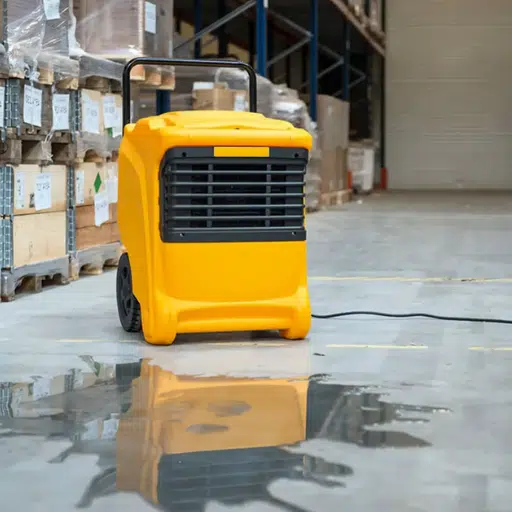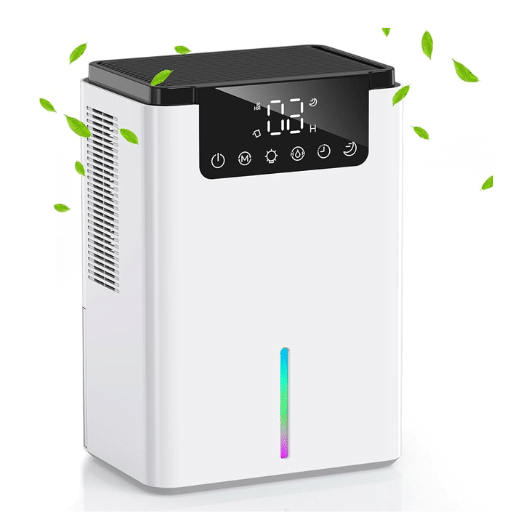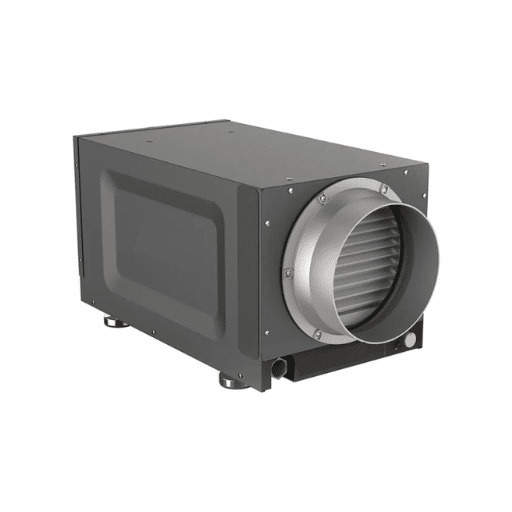
Maintaining the right humidity level in your home is essential for a pleasant and healthy residence. Air with too much moisture can cause problems such as mold, musty smells, and even health risks. In contrast, very dry air may lead to discomfort and affect your health negatively. A dehumidifier is an excellent device for humidity management, ensuring indoor areas remain fresh and balanced. This comprehensive guide will walk you through everything you need to know about proper dehumidifier use—from understanding the benefits to practical operation tips—giving you the right information to transform your house into a healthier and cozier place.
Understanding the Dehumidifier
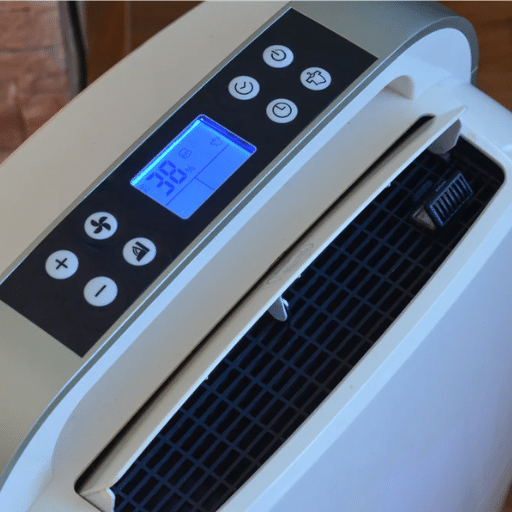
A dehumidifier is an appliance used in homes to reduce humidity and maintain it at the desired level. The operation involves drawing in air with high moisture content, removing water vapors from the air, and then returning air with low moisture content back into the room. This process prevents problems like mold, mildew, and odors while enhancing overall air quality. Dehumidifiers are particularly beneficial in areas with excessive moisture or poor air circulation, such as basements, bathrooms, and laundry rooms. Beyond controlling humidity, these devices create more comfortable and healthier indoor environments.
What is a Dehumidifier?
A dehumidifier is an electrical device that helps maintain and control the moisture content in the air. Its operation involves using a fan system to pull indoor air into the machine’s internal components. Once inside, the air passes through cold coils where humidity condenses and transforms into water droplets. Depending on the type, these droplets are either transferred to a collection container or directed to a hose for drainage. The dehumidified air is then slightly heated and returned to the room. Modern dehumidifiers from leading manufacturers typically include features like adjustable humidity settings, digital readouts, and energy-efficient modes for better performance and user-friendliness. Through cutting-edge technology, dehumidifiers guarantee that indoor spaces remain comfortable, moisture-free, and safe from potential problems like mold and allergies.
How Does a Dehumidifier Work?
A dehumidifier is designed to improve indoor air quality by removing excess humidity through a systematic process:
- Air Intake: A fan draws air from within the room into the device.
- Condensation: The air passes over cold coils, causing water vapor to condense into liquid water.
- Water Collection: Depending on the model, water either collects in a reservoir or drains through a drainage system.
- Air Reheating: The dehumidified air is slightly heated to prevent a cold-air feeling.
- Air Distribution: The processed air is circulated back into the room.
Modern dehumidifiers leverage advanced technology developed through extensive research to enhance efficient operation and user experience. They typically feature digital humidity sensors that maintain indoor humidity at optimal levels—between 30% and 50%, as commonly recommended. Some models incorporate hygrometers that constantly monitor the environment and automatically adjust operation to desired settings. Furthermore, energy-efficient designs with features like auto-shutoff, programmable timers, and smartphone connectivity combine effective performance with user-friendliness and environmental responsibility. These machines not only increase comfort but also eliminate risks of structural damage and health problems caused by high humidity, such as mold, mildew, and dust mites.
Benefits of Using a Dehumidifier
1
Prevents Mold and Mildew Growth
Mold and mildew thrive in highly humid environments, creating unpleasant odors and potentially causing structural damage and health hazards, including allergies and respiratory issues. Using a dehumidifier maintains optimal humidity levels that prevent these problems before they start, saving you from costly remediation.
2
Improves Air Quality
High moisture content can increase dust and other airborne irritants. A dehumidifier reduces these particles while simultaneously improving indoor air quality. Scientific evidence confirms that maintaining indoor humidity levels between 30-50% drastically reduces allergen populations and improves respiratory health.
3
Protects Your Home and Belongings
High humidity can warp wood, chip paint, and damage furniture, floors, and electronics. A dehumidifier eliminates these problems, ensuring the safety of your home and valuable possessions.
4
Enhances Comfort
Excessive humidity makes air feel heavy and sticky, resulting in discomfort. Using a dehumidifier to control humidity creates an inviting indoor atmosphere that’s conducive to breathing and relaxing.
5
Energy Efficiency and Cost Savings
Dehumidifiers make cooling systems more effective by reducing moisture in the air. This means less energy is required to cool humid air, allowing air-conditioned rooms to be set at higher temperatures while maintaining comfort, ultimately reducing energy bills. Most modern dehumidifiers are designed to use less energy while providing exceptional performance.
Determining Humidity Levels

Monitoring and controlling indoor humidity levels is essential for comfort and health. The ideal indoor relative humidity ranges from 30% to 50%, depending on personal preferences and environmental conditions. Here are the major ways to identify and evaluate indoor humidity levels:
How to Measure Humidity Levels
1. Hygrometer
A hygrometer is undoubtedly the most popular device for humidity measurement. It displays relative humidity levels with high precision, available in both analog and digital versions. Digital hygrometers come with various features like temperature display and memory functions for recording changes over time.
2. Thermo-Hygrometer
This tool integrates a thermometer and a hygrometer in one unit, providing simultaneous readings of temperature and humidity. Its use in homes and industry ensures proper environmental condition monitoring.
3. Wet and Dry Bulb Thermometer
This time-honored method determines relative humidity through psychrometric charts by comparing temperatures of a wet bulb and dry bulb. Despite infrequent use in daily practice, it still finds application in fields such as climate science and education.
4. Smart Home Sensors
Modern smart sensors integrated with home automation systems can measure humidity levels continuously. Often connecting to smartphones, these devices provide notifications and historical data, helping manage situations before they escalate.
5. Infrared Moisture Meter
This cutting-edge equipment employs infrared technology to ascertain moisture content in various materials and surfaces. Although primarily used for construction or restoration projects, it can provide indirect but helpful information about humidity.
Each method has its own advantages based on factors like precision, user-friendliness, and special features. Selecting the right tool leads to improved air moisture control and ultimately, a more habitable living space.
Signs You Can Observe
Condensation on Windows
High humidity usually leads to moisture forming on window interiors, particularly during winter. This visible indicator discloses whether humidity levels are excessive.
Mold Growth
Excessive humidity can lead to mold growth. The presence of mold in hidden spots such as corners, ceilings, or bathrooms signals that humidity levels might require correction.
Dry or Cracking Surfaces
Low humidity can cause wood furniture, flooring, or paint to crack and feel brittle. Such signs indicate the air might be too dry.
Physical Discomfort
People generally feel the physical effects of incorrect humidity. Dry skin and eye or throat irritation may indicate low humidity, while stuffy or moist environments may indicate high humidity.
Ideal Humidity Levels for Different Spaces
| Space | Ideal Humidity Level | Key Benefits |
|---|---|---|
| Living Rooms | 30% to 50% | Guarantees comfort while protecting furniture and electronics from damage caused by excessive dryness or moisture |
| Bedrooms | 30% to 50% | Leads to better sleep quality and prevents respiratory problems caused by excessively dry or moist air |
| Bathrooms | 40% to 60% | Good ventilation combined with proper humidity range eliminates conditions for mold and mildew growth |
| Kitchens | 30% to 50% | Ensures appliances and food aren’t harmed by excessive moisture from cooking activities |
| Basements | 30% to 50% | Controls naturally damp conditions to avoid mold, mildew, and structural damage |
Signs of Excess Humidity
⚠️ Watch Out For These Warning Signs:
- Windows Condensation: Moisture or fogging on windows, especially during morning hours, indicates excessive indoor humidity
- Musty Smells: Persistent musty odors usually result from mold or mildew growth caused by high humidity
- Mold and Mildew Surfaces: Black or green spots on walls, ceilings, or other surfaces are unmistakable signs of humidity conducive to fungal development
- Wood Warped or Damaged: Wooden floors, furniture, or doors that become swollen, misshapen, or decayed often result from very humid environments
- Peeling Paint or Wallpaper: High moisture levels may cause paint to lift and fall off or wallpaper to lose its grip
How to Use a Dehumidifier Effectively

Correct usage of a dehumidifier is key to optimal performance and achieving the expected decrease in humidity levels. Here are comprehensive tips to enhance your indoor atmosphere:
1. Set the Ideal Humidity Level
Indoor humidity levels should be maintained at approximately 30%-50%, the range suggested by the Environmental Protection Agency (EPA). Many dehumidifiers have adjustable settings for precise humidity control.
2. Choose the Best Placement
Place the dehumidifier in a central position or in the dampest area of the room for better coverage. It should be at least 6 to 12 inches away from walls or furniture to ensure proper air circulation and efficient operation.
3. Clean the Filter Regularly
A dirty filter reduces efficiency and compromises air quality. According to manufacturer’s instructions, check and clean the filter—usually once a month—to maintain effectiveness.
4. Manage Water Collection
Most dehumidifiers collect water in a built-in tank requiring frequent emptying to avoid overflow. Alternatively, if your unit has a continuous drainage option, connect a drainage pipe to greatly reduce manual emptying burdens.
5. Monitor and Maintain the Unit
Check the dehumidifier periodically for signs of wear, such as leakage or strange sounds. Clear away dust and clean the coils to extend the unit’s life and maintain stable performance.
Choosing the Right Dehumidifier
Selecting the proper dehumidifier for your space requires considering several important factors. Here are the key things to keep in mind:
💧 Capacity
Dehumidifiers typically have capacity ratings based on daily moisture removal in pints. For small spaces like bathrooms or closets, choose a 20-30 pint unit. For larger areas like basements or living rooms, opt for 50-70 pints or more.
📏 Room Size
For maximum effectiveness, the dehumidifier must correspond to your space’s square footage. Measure your room carefully as the right coverage area determines which unit specifications you need.
⚡ Energy Efficiency
Look for ENERGY STAR certified dehumidifiers, which use significantly less power while performing effectively. This can result in considerable money saved long-term.
🔇 Noise Levels
If placing the dehumidifier in a bedroom or office, consider noise output. Check decibel ratings in product specifications to find quieter models.
⚙️ Additional Features
Modern dehumidifiers offer digital humidity controls, automatic shutoff, continuous drainage options, and washable filters. Consider these features carefully based on your convenience and requirements.
Setting Up Your Dehumidifier
Proper setup is necessary to get the best performance and efficiency from your dehumidifier. Here are the main steps and factors involved in device setup:
Select the Right Location
Place the dehumidifier in the center of the house with good airflow, away from walls and furniture. Ensure the location has a power outlet and is not affected by air from doors or windows during operation.
Adjust Humidity Level
Most dehumidifiers contain a hygrometer showing humidity levels. Adjust the setting according to your preferences and regional climate, maintaining the optimal range of 30-50% for ultimate comfort.
Choose Drainage Option
Determine how to handle collected water. Some models allow manual emptying of the water tank while others feature continuous drainage through a hose connected to a drain.
Check Filter and Maintenance Requirements
Identify whether the appliance features washable or replaceable filters. Clean or replace them occasionally to restrict dust accumulation and maintain airflow, ensuring efficient operation for longer periods.
Power and Initiation
Plug the appliance into a correctly rated outlet and follow the manufacturer’s recommendations for operation. Some models include timers and automatic restarts for added convenience.
Dehumidifier Settings Explained
Understanding the diverse options available on a dehumidifier will enhance its performance and user-friendliness. Here are common settings with their explanations:
🎚️ Humidity Level Adjustment
This setting allows you to specify the desired humidity level for the room, generally between 30% and 80%. For optimal comfort, maintaining 40%-50% humidity is usually recommended. Proper humidity reduces mold formation and allergen populations.
💨 Fan Speed
Many dehumidifiers allow you to choose between low, medium, and high fan settings. Lower speeds enable quiet operation and consume less power, while highest speed provides very effective moisture removal in damp rooms.
⏰ Timer Function
The timer enables you to set the dehumidifier to work for specific periods or at particular intervals during the day. This feature saves energy and helps control humidity during high-moisture times or when you’re away from home.
🔄 Auto Restart
This option allows the dehumidifier to automatically return to its last used settings after a power outage. It’s a practical feature for ensuring uninterrupted operation without human involvement.
🚰 Continuous Drain Option
By offering this option, the dehumidifier can be connected through a drain pipe for continuous moisture extraction. This eliminates the need to empty the water tank frequently, which is a significant advantage for long-term use in wet areas.
💡 Pro Tip: Using these settings correctly can significantly improve your dehumidifier’s performance, extend its lifespan, and maintain a comfortable indoor atmosphere at all times.
Using a Dehumidifier for Drying Clothes
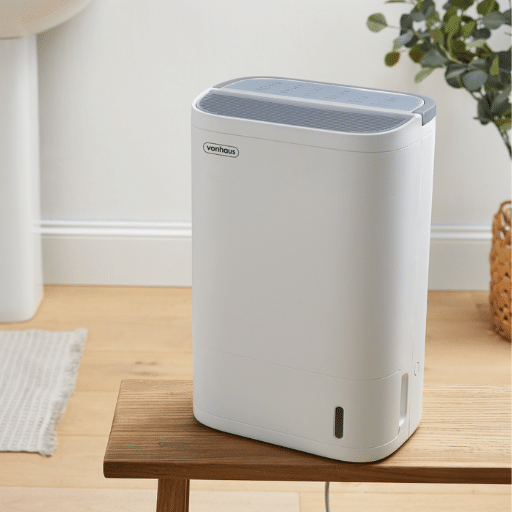
A dehumidifier can become an excellent helper for indoor clothes drying in areas with excessive moisture or high humidity, where natural drying takes too long. The device accelerates water evaporation from clothes while simultaneously reducing mold and mildew growth. To use a dehumidifier for drying clothes, place it in a small room with the door closed, hang your clothes on a rack allowing air to flow around them, and set the dehumidifier to remove moisture intensively while keeping the room sealed.
💰 Energy Efficiency Comparison
Recent trends reveal significant interest in comparing energy consumption between dehumidifiers and tumble dryers for clothes drying. Dehumidifiers are usually less power-hungry than traditional dryers, making them an excellent choice in terms of cost and environmental impact. Additionally, they’re much more considerate of delicate materials as they don’t apply high temperatures to clothes. This method minimizes drying time while increasing indoor comfort through managed humidity levels.
Dehumidifier vs. Air Conditioner for Drying
| Parameter | Dehumidifier | Air Conditioner |
|---|---|---|
| Purpose | Removes moisture | Cools air |
| Best For | Drying, mold control | Cooling, comfort |
| Key Function | Moisture removal | Temperature control |
| Energy Use | Moderate | High |
| Noise Level | Low to moderate | Moderate to high |
| Placement | Damp areas | Living spaces |
| Cost | Moderate | High |
| Efficiency for Drying | High | Limited |
Best Practices for Using a Dehumidifier to Dry Clothes
✓ Position in a Small, Enclosed Space
Using a dehumidifier in a small closed-off area, such as a laundry room or bathroom, provides maximum benefit and efficiency. A smaller area allows the dehumidifier to draw out moisture faster and more effectively.
✓ Set Humidity Level to 40-50%
Regulate the dehumidifier to a humidity level of 40-50%. This zone is perfect for quick drying while preventing overly dry conditions that could harm fabrics.
✓ Use a Drying Rack for Air Circulation
Place garments on a drying rack so air can pass through items easily. Position the rack near the dehumidifier to facilitate easier moisture removal.
✓ Run Immediately After Washing
Turn on the dehumidifier immediately once wet clothes enter the room. This quick response prevents mold or musty odors from developing in fabrics.
✓ Perform Regular Cleaning and Maintenance
Don’t neglect the dehumidifier’s filter and water tank. Clean them regularly to keep the device performing at its best and most efficient level. A well-maintained dehumidifier will be more effective and last longer.
Dehumidifier Maintenance for Optimal Performance
Regular maintenance is literally the lifeblood of your dehumidifier, ensuring proper functioning and peak performance. Here are detailed tips to take care of your appliance:
Clean the Air Filter Regularly
The air filter prevents dirt, debris, and particles from entering. Buildup creates airflow problems. Clean the filter every two weeks or follow the manufacturer’s instructions to maintain optimal performance.
Empty and Clean the Water Tank
The water tank stores extracted moisture. To prevent bacteria, odors, and fungi from developing, empty it daily or after each use and clean it thoroughly.
Check for Clogged Drain Lines
For dehumidifiers with continuous drainage systems, ensure there are no clogs or blockages in drain lines. Regularly check and clean drain lines to avoid issues.
Inspect the Coils
If your dehumidifier uses coils to remove moisture, inspect them for dirt or frost accumulation. Use a soft brush or cloth to gently clean the coils. Accumulated dirt hinders heat transfer and reduces effectiveness.
Control Humidity Settings Wisely
Setting the humidity level correctly (usually between 30-50%, based on your environment) helps the unit avoid excessive running while still providing comfort. Monitor and adjust for energy-saving operation as necessary.
✨ Applying these practices will not only increase the lifespan of your dehumidifier but also guarantee its superb performance over time.
Common Mistakes to Avoid When Using a Dehumidifier
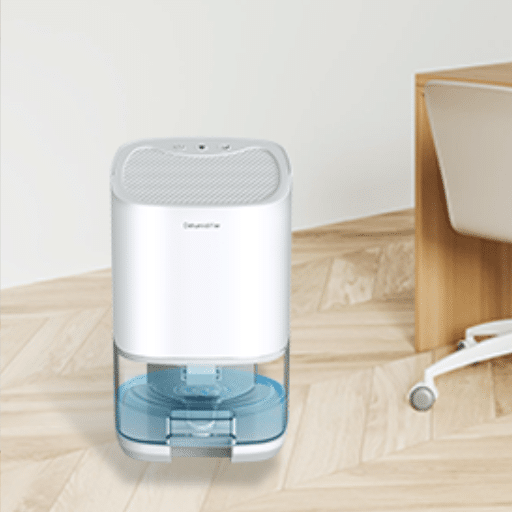
Avoiding these typical errors ensures efficient dehumidifier operation and extended device lifespan:
❌ Incorrect Placement of the Dehumidifier
Placing a dehumidifier too near walls, furniture, or barriers can completely block airflow and reduce efficiency. Leave at least 6-12 inches of space around the unit for optimal performance.
❌ Ignoring Regular Maintenance
Failing to clean or replace the air filter significantly contributes to lower efficiency and poor air quality. Most manufacturers recommend cleaning or replacing the filter every 1-2 months, depending on usage and air conditions.
❌ Setting the Humidity Level Too Low
Excessive drying may result in discomfort, dry skin, and damage to wood furniture and fixtures. Maintain relative humidity between 30%-50% for comfort while preventing mold growth.
❌ Using the Dehumidifier in an Open Space
When used in large, unsealed areas, the dehumidifier works harder trying to reduce humidity in spaces beyond its capacity. Always operate the device in a closed room or correctly-sized area for best results.
❌ Forgetting to Empty the Water Reservoir
Many dehumidifiers have automatic shut-off when the water tank becomes full. However, forgetting to empty it regularly can create power interruptions. Opt for a unit with a continuous drain option to save hassle.
Overusing the Dehumidifier
While a dehumidifier is crucial for good indoor air quality, its misuse can bring negative effects. Here are key considerations to avoid overuse:
⚠️ Excessively Low Humidity Levels
Running the dehumidifier too long can drop indoor humidity below the recommended 30-50% range, leading to dry skin, respiratory tract irritation, and various degrees of discomfort.
💸 Higher Energy Costs
A dehumidifier running constantly, even when unnecessary, increases energy usage and raises utility bills. Use it only when humidity levels are actually high.
⚙️ Strain on the Unit
Excessive use overworks the device, putting stress on its motor and other components, fast-tracking wear and tear. This shortens the device’s lifespan and increases repair frequency.
🪵 Over-Drying the Air
While moisture removal is necessary, over-drying creates problems for wooden furniture, floors, and other materials that need moisture to maintain good condition.
🌬️ Neglecting Natural Ventilation
Over-reliance on the dehumidifier might lead to not using other ventilation methods such as opening windows or using exhaust fans. These methods can reduce the dehumidifier workload and cut unnecessary use.
💡 Solution: Use a hygrometer to measure indoor humidity levels and run the dehumidifier only when needed. Combining this device with other ventilation efforts leads to the most comfortable and efficient conditions.
Ignoring Maintenance Needs
Neglecting maintenance on a dehumidifier teaches important lessons about the significance of regular upkeep. Taking time to clean the filter, check for blockages, and inspect the water collection system regularly ensures efficient operation and damage prevention. This simple daily routine saves from problems and prolongs the appliance’s life.
Not Monitoring Humidity Levels
Not keeping an eye on humidity levels can bring numerous issues regarding comfort and health. Maintaining indoor humidity at the optimal range of 30% to 50% is really important. Here are five consequences of ignoring humidity levels:
Mold and Mildew Development
Excess moisture attracts mold and mildew, causing bad smells, damage to hidden building parts, and health risks like allergies and lung diseases.
Dust Mite Infestation
Damp conditions favor dust mites which are frequent causes of asthma and allergy attacks, especially in vulnerable populations.
Destruction of Furniture and Walls
Wooden furniture may change shape due to high moisture. Additionally, paint can peel and wallpaper may wrinkle, lowering the aesthetic and structural quality of houses.
Health Issues Associated with Dry Air
Conversely, very low humidity can cause problems such as dry skin, itching eyes, and lung problems, especially in the wintertime when heating systems dry the air more than normal.
Inefficient HVAC Systems
Poor humidity control can lead to HVAC system overwork, lessening efficiency and increasing energy consumption, resulting in rising utility bills.
References
Technical Development of Rotary Desiccant Dehumidification and Air Conditioning: A Review
Reviews advancements in rotary desiccant dehumidification and its environmental benefits.
Assessing Consumer Values and the Supply-Chain Market for the Integrated Water Heater/Dehumidifier
Evaluates the market and consumer values for integrated dehumidifier systems.
The Use of Dehumidifiers in Desiccant Cooling and Dehumidification Systems
Source: ASME Digital Collection
Explores the operation and energy efficiency of dehumidifiers in advanced systems.