The presence of too much water vapor in the bathroom can cause many problems that range from persistent minus and bad smell to even walls and fittings getting ruined over time. It is a must for the humidity level to be right if the bathroom is to be kept pristine, hygienic, and comfortable. A dehumidifier steps in to help you in this matter. In the following sections, we will inform you why your dehumidifier should be an indispensable equipment in your fight against the continuous buildup of moisture and the consequent bad air in the bathroom. The prevention of mold is one purpose and the bathroom material durability is the other implication, so the present comprehensive guide will arm you with tips and insights that are both realistic and effective in keeping your facility new and welcoming.
Understanding the Need for a Dehumidifier in the Bathroom
Excess moisture in the bathroom is a typical problem that hot water usage causes to a certain extent by turning it into steam and is also a major contributor to the whole-effective problems such as filtering air quality life cycle. In turn, it encourages the growth of fungi, along with mildew that leads to the formation of Unpleasant odors, and eventually, all these factors together slowly but surely give rise to wall, ceiling, and fixture damages over time. While a dehumidifier works by sucking out the extra humidity hanging in the air around, it also plays a vital role in the curing of the above-mentioned problems by keeping the humidity levels balanced. The moist place turns into a healthy habitat where the dehumidifier’s presence will not only shield the building from its common enemy—the structural damage—but also make the area more comfortable and inviting.
What is a Dehumidifier?
Dehumidifiers are devices that are mainly used to lower and keep the humidity level in the air to make the indoor atmosphere more pleasant and healthier. The process involves the device taking in humid air, the moisture being removed either by cooling or absorption, and then the stuffy air getting back to the room in a drier form. Controlling of humidity levels is one of the benefits of dehumidifiers, where they can stop a variety of problems like mold, mildew, dust mites, and moisture—these problems are commonly linked with the presence of too much humidity. The latest dehumidifiers have modern technology incorporated, such as automatic moisture sensing, eco-friendly power usage, and noiseless operation which makes them not only effective but also easy to deal with indoor air quality in homes, offices, and other places.
Why You Need a Dehumidifier in Your Bathroom
With the release of large amounts of steam into the air as a result of showering and bathing, bathrooms become very vulnerable to excess moisture. This in turn creates a very comfortable environment for mold and mildew which can cause several issues like damage to walls, ceilings, and fixtures, not to mention the health risks of allergy and respiratory problems. Google’s recent search trends data shows that the queries “bathroom dehumidifier” have risen considerably, which means that a growing number of people are aware of the necessity of managing bathroom humidity. A dehumidifier not only allows the moisture levels to stay at the optimal point, but also wards off the common problems of paint peeling, grout crumbling, and bad smells. So, even if you can’t see it, a bathroom dehumidifier is there helping you all along by making the air quality better and cleaner and healthier in that major humid area of your home.
Identifying Signs of Excess Humidity and Bathroom Mold
Increased moisture and fungi in the bathroom may result in a range of problems that will impact both the roles of the area and the health of the space. Early detection of these signs can be a great help to avoid expensive repairs and health risks. Listed below are five typical signs that indicate excess moisture and the growth of mold in your bathroom:
Fogged-Up Mirrors and Condensation
Constant water vapor on mirrors, windows, and walls is an unmistakable indication of too much moisture. It is normal for showers to cause condensation occasionally, but constant fogging is usually a sign of poor ventilation.
Musty Odor
A strong musty smell coming from the bathroom is usually an indication of mold growth. The bad smell is caused mainly by the reproduction of mold spores in the moist areas like the grout lines, corners, or even under the fixtures.
Mold Spots on Surfaces
The presence of black, green, or white spots on tiles, ceilings, or walls is a clear and direct indicator of mold. These spots usually appear in areas that are prone to moisture, for instance, near sinks, bathtubs, or in the shower.
Peeling Paint or Wallpaper
The overabundance of moisture often causes paint to blister or peel and wallpaper to bubble or pulling away from the walls. This often happens as a result of constant moisture or water intrusion.
Cracked or Deteriorating Grout
High humidity can wear down the bathroom’s grout over a period of time, resulting in cracked or stained grout lines. This not only looks bad but also creates an environment where fungi can grow.
Prompt identification of these signs allows for timely intervention, which guarantees that your bathroom is kept as a clean, saf,e and comfortable place to be.
Benefits of Using a Dehumidifier in Your Bathroom
Mold and Mildew Growth Prevention
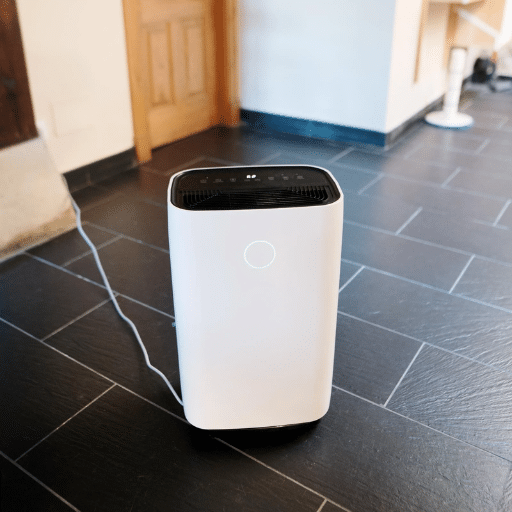
A dehumidifier is a powerful tool that removes extra moisture from the bathroom, which is a major cause of mold and mildew growth. If the moisture levels are kept optimal, the fungi that cause a lot of trouble will not be able to settle and then later spread out.
Improved Air Quality
The presence of a high level of humidity can cause the indoor air quality to drop as it is a factor in the growth of allergens and bacteria. A dehumidifier at work keeps the air dry and clean, thus helping to create a healthier environment.
Bathroom Fixtures and Surfaces Protection
Being in a continuous state of high humidity can cause damage to the bathroom’s fixtures, walls, and ceilings, leading to issues like peeling paint or rusting metal. A dehumidifier is the one that can take preventive measures and hence, prolong the life of your bathroom materials.
Odors Minimized
Dampness that persists produces the odor of mustiness, which is rather unpleasant. The running of a dehumidifier gets rid of the extra moisture and thus, the bathroom remains fresh and odor-free.
Comfort Enhanced
Humidity in excess can create an unpleasant and uncomfortable situation in the bathroom as it can feel sticky. However, the reducing of the moisture in the air with a dehumidifier results in an attractive and comfortable atmosphere in which to use and enjoy the bathroom.
Reducing Bathroom Mold and Mildew
To prevent mold and mildew from growing in the bathroom, it is necessary to keep the place healthy and hygienic. The following are five very efficient methods to cut down and stop mold and mildew from growing:
Ventilation that is proper is a Must
Bathroom ventilation is really important in the fight against mold and mildew. During and after showers, please turn on the exhaust fan to get the air of the room and thus the moisture as well. Proper ventilation has studies backing up its claim that it can cut down the indoor humidity by 50% which is enough to make the area inhospitable for mold.
Leaks Need to Be Fixed Immediately
Damp areas where mold can grow are caused by leaky faucets, pipes, or showerheads. Quick repair of the leaks detected helps to keep the moisture from going into the surfaces and lowers the chance of mold-related damage.
Mold-Resistant Cleaners
Regular cleaning will keep the soap scum and dirt at bay, and thus they won’t be able to harbor mold. Regular use of a mild cleaner or natural cleaning solution that contains vinegar and baking soda will not only eliminate existing mold spores but also prevent the growth of new ones.
Bathroom Products that are Mold-Resistant
The mold-resistant bathroom paint, grout, and caulking are worth the investment. These materials contain substances that keep the mold from growing. So, they are adding another layer of protection from the moisture that is most likely to be in walls and tiles.
Humidity Control
Humidifiers and/or opening windows are some ways to keep the humidity levels below 60%. Molds do not grow in dry areas, and the monitoring of indoor humidity is one of the most effective ways of controlling the growth of mold. To monitor the humidity levels for better management, hygrometers can be used.
If you follow these tips carefully, then the chances of getting mold and mildew in your bathroom would be very low, which would lead to a cleaner, healthier, and more pleasant space.
Improving Air Quality and Comfort
In order to enhance the indoor air quality as well as to form a more comfortable dwelling environment, the following detailed strategies should be taken into consideration:
Increase Ventilation
Proper ventilation reduces the levels of indoor air pollutants. Use exhaust fans in the kitchen and bathroom and also open windows when the weather is favorable to allow air circulation. The EPA data indicates that better ventilation can cause a drop of up to 30% in the levels of indoor pollutants that are harmful.
Use Air Purifiers
Air purifiers that come with HEPA filters are very good at catching allergens, dust, and other small particles. Researchers have come up with the conclusion that very efficient air purifiers are capable of cutting down on the amount of airborne pollutants by at least 85%, and respiratory health gets better.
Maintain Proper Humidity Levels
Indoor humidity should be kept within the range of 30% to 50% in order to keep the areas free from dampness that is a breeding ground for mold and dust mites. A hygrometer is a handy little device that can help you keep track of humidity and make adjustments when necessary.
Eliminate Indoor Pollutants
Cleaning agents that release volatile organic compounds (VOCs) should not be used in the house as well as air fresheners. Choose green products instead. According to a study conducted in 2020, the VOCs which are emitted by cleaning products are capable of increasing the indoor air pollution by 60% when compared to natural cleaning products.
Add Indoor Plants
Certain houseplants, such as spider plants and peace lilies, can naturally filter air pollutants. The NASA research has indicated that indoor plants are capable of totally removing 87% of toxins in the air in a span of 24 hours.
As a result of taking these actions, the air quality of your home will improve, and it will become a healthier and more pleasant place for you and your family to spend time in.
Extending the Life of Bathroom Fixtures
Taking good care of your bathroom fixtures along with regular maintenance will humanly extend their lifespan incredibly, which eventually will be a great deal for you financially, and also for your space, since it will always look fantastic. Here are five tips that are easy to adopt and will keep the bathroom fixtures longer:
Clean Regularly with Gentle Solutions
Harsh chemical cleaners should not be used since they can eat away or ruin the surfaces. On the contrary, use mild soap and water or natural cleaning solutions such as vinegar and baking soda to take care of the surface.
Fix Leaks Promptly
Water that is dripping from the faucet or leaking out of the showerhead is not only a waste but can also lead to the formation of mineral deposits and rust. Do leak repairs as quickly as possible to avoid more damage.
Prevent Hard Water Stains
Hard water makes the formation of mineral deposits on the fixtures which eventually takes away their brilliance. Either keep on using a water softener or vinegar solution regularly to avoid the deposition and removal of hard water stains.
Use Protective Coatings
Wax and specialty sprays are some coatings that can be applied to metal fixtures to keep them from moisture, oxidation, and corrosion, particularly in the bathroo,m which is a humid place.
Avoid Abrasive Scrubbing Tools
Scrubbing using abrasive sponges or brushes will definitely ruin the surface of your fixtures. Hence, it is better that you use soft cloths or non-abrasive pads for cleaning so as to preserve their polish and shine.
Guaranteeing that you follow these steps will ensure that your bathroom fixtures will keep looking and functioning like new for many years.
Choosing the Right Dehumidifier for Your Bathroom
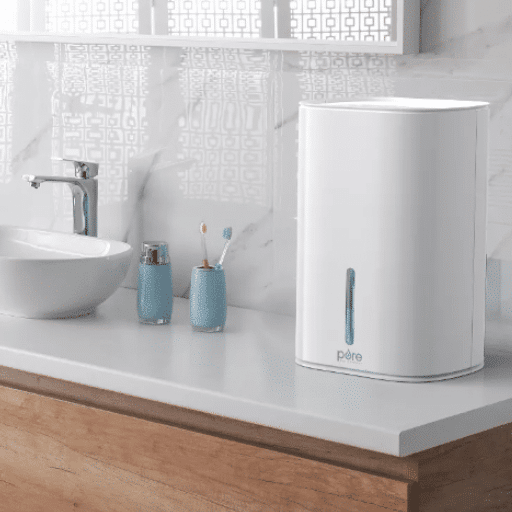
Choosing the right dehumidifier for your bathroom requires prioritizing certain factors like size, performance, and extra features which enable the effective control of the moisture. High-humidity areas like bathrooms need a dehumidifier that has the capacity to keep the moisture under control thus avoiding the growth of mold and mildew, and the formation of bad odors. As per a recent study, dehumidifiers classified as small to medium size, with a tank capacity of 30 to 50 pints, are a suitable option for most residential bathrooms.
To reduce electricity bills, look for models that have been designed with energy efficiency in mind, such as those that qualify for Energy Star. People of nowadays usually own dehumidifiers that come with features like automatic shut-off, humidity sensors, and even smart controls for remote monitoring through apps, which increase convenience and control. Also, quieter models are perfect to ensure that they do not interrupt your daily routine and you can sleep with no noise. Through a process of elimination and matching what is available with your bathroom’s specific needs, you will be able to keep the moisture levels in your area at a comfortable and pleasant level.
Factors to Consider When Selecting a Bathroom Dehumidifier
It is very important to take into account different important factors when picking a dehumidifier for the bathroom so that you can be sure the model you select will be the most effective and proper one for your space. Below are the five main considerations to look into:
Capacity and Size
The capacity of the dehumidifier, which is calculated in pints of moisture removed daily, needs to be in accordance with the bathroom’s size and humidity level. For compact restrooms, a small dehumidifier with low capacity (for instance, 20-30 pints per day) might be adequate, whereas, in big or very humid areas, units with a higher capacity must be used.
Humidity Control Features
Try to find those units whose humidity settings can be adjusted and which also have hygrometers built-in. The adjustments that you make will allow you to watch the moisture level in your bathroom and control it at the same time, thereby keeping it within the recommended limit of 30% to 50%.
Noise Level
Quiet operation should definitely be a major concern especially if the bathroom is located next to bedrooms or common living areas. It would be best to find out the decibel (dB) rating of the unit, with less noisy ones generally working below the 50 dB mark.
Energy Efficiency
The ones marked Energy Star and the ones that have energy-saving modes or other similar features are the dehumidifiers you want to consider as those will not only maintain effective performance but also significantly help to cut down on your electricity consumption. Ultimately, this can lead to lower operating costs when the feature is used consistently over a long period of time.
Design and Portability
Think of the dehumidifier’s design which includes its size, weight, and ease of movement. Well-designed small units can be unnoticed in the arrangement of a bathroom while movable ones with handles or wheels are easy to shift or put away when the need arises.
Types of Dehumidifiers for Bathroom Use
Selecting a dehumidifier for bathroom use requires knowing the available types and their individual features. Below is the list of the five most common types of dehumidifiers:
Desiccant Dehumidifiers
Such dehumidifiers are moisture-absorbing materials (like silica gel) to extract humidity from the air. These dehumidifiers are very effective in low temperatures and are usually quieter compared to the other types, which makes them ideal for bathrooms.
Compressor-Based Dehumidifiers
Compressor dehumidifiers cool the air that goes through them and in that way they condense the moisture. Such a type of unit is great for large bathrooms, as it provides high efficiency in the high-humidity conditions and thus, powerful performance.
Thermo-Electric (Peltier) Dehumidifiers
Thermo-electric dehumidifiers are small, light, and use a Peltier module to extract water from the air. They are energy efficient, making them a good choice for small bathrooms or places that need moderate dehumidification.
Wall-Mounted Dehumidifiers
These dehumidifiers take up no floor space and are attached to the wall of the bathroom. Wall-mounted models are suitable for bathrooms with limited floor space and they feature such amenities as remote control and automatic humidity sensing.
Mini Portable Dehumidifiers
These dehumidifiers are small and easy to carry making them perfect for bathrooms with limited space or for temporary use. Their movement is easy, they are cost-effective, and they require little maintenance.
The usage of each type differs according to the need and the place; thus, it is crucial to determine the size and humidity level of your bathroom before deciding.
Small Dehumidifiers vs. Larger Models
Concise Answer:
Small dehumidifiers are portable and energy-efficient for compact spaces, while larger models are powerful and suitable for extensive areas with high humidity.
Summary Table:
|
Key Point |
Small Models |
Larger Models |
|---|---|---|
|
Portability |
Lightweight, easy to move |
Bulky, less portable |
|
Coverage Area |
Small rooms |
Large spaces |
|
Power |
Lower capacity |
High moisture removal |
|
Energy Use |
Energy-efficient |
Higher energy consumption |
|
Cost |
Affordable |
Expensive upfront |
|
Noise |
Quieter |
Louder operation |
|
Maintenance |
Frequent emptying |
Less frequent maintenance |
Let me know if you need further details!
How to Effectively Use a Dehumidifier in the Bathroom

It is very important to practice best practices in order to get the maximum performance and lifespan of your bathroom dehumidifier. Below are five tips that can be termed as effective ones:
The Right Placement
The dehumidifier should be placed in a location that is central to the bathroom, and more ideally it should be placed away from direct Water contact but where air circulates freely. This way, the moisture extraction through the entire space will be done in an optimal way.
Humidity Level Setting
The setting allows dehumidifiers to set a preferred humidity level. The humidity level for bathrooms should be set at a range that is between 30% and 50% to prevent mold growth and to maintain a comfortable environment.
Regular Filter Cleaning
Air filters are part of most units and they catch particles and dust. The filters should be cleaned every two to three weeks or as per the manual instructions to ensure smooth functioning.
Water Tank Emptying
Modern dehumidifiers are equipped with moisture absorbing tanks that are automatically emptied of the water created by the collected moisture. Humidity problem that results in water tank emptied daily or a unit with a continuous drain option is recommended.
Dehumidifier Running After Bathing
Dehumidifier should keep running for 15 to 30 minutes after taking a bath or shower to tackle peak moisture levels. This will help in controlling condensation and in preventing the growth of mold and mildew due to damp conditions.
Above strategies will help to keep your bathroom dehumidifier working effectively and for a long time, plus, you’ll have a comfortable and healthy indoor environment.
Best Practices for Placing Your Dehumidifier
To derive maximum benefit from your bathroom dehumidifier, positioning it correctly is a must. Here are the five best practices for placement:
Place in the Center of the Bathroom
To effectively dehumidify the bathroom, put the dehumidifier in the center of the room so that it draws moisture in from all areas. The performance is also better because of the airflow that is distributed evenly.
Avoid Blocking the Air Intake
Prevent the dehumidifier from being near walls, furniture, or anything that may obstruct the intake of air. Make sure there is at least a foot of clearance around the unit so that air can circulate without restriction.
Set it on a Stable Surface
Put the dehumidifier on a level and sturdy surface like a countertop or the bathroom floor. This guarantees the unit’s smooth operation and eliminates any tipping risk.
Locate Near Moisture Sources
To humidify the bathroom quickly, the device should be located near the sources of moisture, for instance, close to the shower or tub. This is very beneficial in bathrooms that have inadequate air circulation because, otherwise, the humidity might settle unnoticeably.
Keep Away from Heat Sources
Dehumidifiers should not be installed in areas where they can come into contact with heating devices like radiators or bathroom heaters. The unit’s efficiency can be greatly affected by excessive heat making it difficult to keep the ideal humidity level.
In conclusion, if you follow these guidelines, you will not only make the dehumidifier work better but also help to maintain a more hygienic bathroom atmosphere.
Optimal Settings for Humidity Control
It is critical to correctly set your dehumidifier settings if you want to keep a nice and healthy bathroom atmosphere. Here are five best settings and tips for effective humidity control.
Set Humidity Level Between 30-50%
Bathroom humidity should be maintained at 30-50%. Going lower than 30% will result in very dry air, while going higher than 50% will encourage mold and mildew to spread.
Use the Auto Mode (if available)
A lot of modern dehumidifiers have an auto mode that automatically regulates the humidity level according to the current moisture levels in the air. Along with this, it assures effective function without needing to change manual controls frequently.
Schedule Operation During High-Humidity Periods
After showers or baths, run the dehumidifier during peak humidity times. A timer feature can be very useful for this operation as it can be set for convenient and energy-efficient operation.
Set Fan Speed Based on Moisture Levels
If humidity is at its heaviest, use the highest fan speed setting. The lower speed can then be used to maintain a constant but moderate humidity level during the average day.
Ensure Continuous Drainage (if available)
In case your dehumidifier has a continuous drainage option, use it in such bathrooms where humidity is high most of the time. This will not only spare you the hassle of frequently emptying the water tank but will also ensure continuous operation.
If you adhere to these settings and directions, you will be able to handle humidity efficiently, eliminate excess moisture from your bathroom, and keep the air in your house healthier.
Combining a Dehumidifier with an Extractor Fan for Better Ventilation
Using a dehumidifier and an extractor fan together leads to a tremendous improvement in your bathroom’s ventilation, decreased humidity, and no more mold and mildew issues. Here are the five most important facts and statistics that demonstrate the advantages of using these two systems together:
Better Moisture Management
In contrast to the extractor fan, which only gets rid of hot, humid air fast, the dehumidifier is a vigorous remover of water vapor from the air, thus, giving a complete method for humidity level reduction. In one way, they stop condensation and the trapping of moisture in places that are difficult to reach.
Less Mold Proliferation
Studies have shown that the maximum indoor relative humidity of 60% can be controlled using the combination of an extractor fan and a dehumidifier, especially after hot showers or baths. So, the extractor fan and the dehumidifier jointly augment and sustain this perfect humidity level.
Low Energy Consumption
Due to the effective extractor fan that has lowered the initial humidity, the dehumidifier is allowed to work at a lower capability for a shorter duration. This arrangement lessens energy usage and technical stress on both of the devices.
Removal of Odors
Unpleasant smells associated with dampness are very common in bathrooms with bad ventilation. The extractor fan speeds up the process of odor removal and the dehumidifier stops the formation of musty odors by removing moisture—therefore the air is fresher.
Improved Air Flow
The main task of the extractor fans is to blow out the moist air while the dehumidifiers improve the air quality by drawing off the moisture. This teamwork results in a bathroom that is well-ventilated and comfortable to use.
By combining the extractor fan with the dehumidifier intelligently, you can reap better ventilation, unhurt bathroom surfaces, and again a comfortable and humidity-free space. The two tools are very supportive of each other, and thus, the overall functionality and hygiene of your bathroom are enhanced.
Maintenance and Care for Your Bathroom Dehumidifier

To make your bathroom dehumidifier work effectively and last longer, proper maintenance and care are very important. Adopting these procedures makes sure your unit works at its best, giving you a moisture-free and clean atmosphere. Here are the five most crucial tips for your bathroom dehumidifier upkeep:
Regular Filter Cleaning
Filter dirtiness not only lowers your dehumidifier’s efficiency but also may lead it to produce excess heat. To avoid this, inspect and wash the filters no less than once every month, or according to the manufacturer’s guidelines. Also, keep on changing the filters so that air can flow freely and is clean.
Water Tank Frequent Emptying and Cleaning
Water tank should always be emptied when it becomes full. Tank cleaning should be done weekly to avoid mold or bacteria. For tank cleaning, use soap and water and make sure that tank is totally dry before being attached back to the dehumidifier.
Dirt Inspection on Coils
Over time, the dust can accumulate on the evaporator and condenser coils causing a reduction in the performance of the dehumidifier. Therefore, check these units from time to time and use a soft brush or vacuum for the cleaning process. Be careful not to apply too much pressure, which may lead to damage.
Monitor the settings of the humidistat
Adjust and keep an eye on the humidistat to stay within the preferred humidity levels for your bathroom. For best results, set it to 30-50% humidity. Too low humidity may lead to dry air, while the opposite may not be sufficient to prevent condensation.
Power Cord and Plug Check
Take a closer look at the electric cord and plug for any signs of wear and tear, loosening or destruction. The cord should be securely plugged into a safe electric outlet, and never turn on the dehumidifier if it has a damaged cord to avoid possible accidents.
If you keep these points in mind, you will not only be able to retain the performance of but also prolong the longevity of your bathroom dehumidifier, thereby making the living space healthier and more comfortable.
Regular Cleaning and Filter Replacement
For your bathroom dehumidifier to be always in the best working condition regular cleaning and timely filter replacement are the main factors. Here are the five detailed steps to above all maintaining it:
Clean the Water Tank Regularly
To prevent mold and bacteria growth empty and clean the water tank daily or as needed. After using mild soap and warm water to clean the tank thoroughly make sure it is completely dry before putting it back.
Wipe Down the Exterior
The exterior of the dehumidifier can become covered with dust and dirt. Take a soft cloth that is slightly wet and use it every week to clean the surface. Do not use any strong chemicals that might ruin the finish.
Clean the Air Intake and Exhaust Grills
The air intake and exhaust grills may get dust and become clogged which would result in a lower efficiency. Gently and carefully remove the dust or debris from these places using a vacuum with a brush attachment or a soft brush.
Replace or Clean the Filter
The filter, depending on the model, will either be replaced or cleaned periodically. Look through the manufacturer’s recommendations but as a rule of thumb filters should be cleaned every 2 weeks or replaced every 3 to 6 months.
Inspect for Mold or Mildew
You should regularly monitor for any mold or mildew growth inside the dehumidifier, especially at the water tank and filter areas. If mold is found, use water and white vinegar solution to clean the contaminated spot ensuring no residue is left behind for good air quality.
All these cleaning and maintenance steps done regularly will not only prolong your bathroom dehumidifier’s life but also make it run more effectively.
Using a Dehumidifier with Drain Hose for Continuous Operation
The use of a dehumidifier along with a drainage pipe makes it possible to remove moisture continuously in a hassle-free manner, no need to empty the water tank anymore. Below are five main steps and descriptions for proper dehumidifier installation and operation:
Check Hose Compatibility
The first thing that you have to do is to check if the drain hose is the right type for your dehumidifier model. Most dehumidifiers require a common garden hose but it is always better to check the user manual for the specific recommendation.
Locate the Drain Outlet
The next step is to find out the drain outlet on the back of your dehumidifier. Usually, this is the place where the hose will be linked for continuous drainage.
Securely Attach the Hose
Now it is time to attach the drain hose on the outlet with a firm connection. Ensure the tightness of the connection to prevent leaks during the operation.
Position the Hose Properly
The last step is to put the other end of the hose into a drain, sink, or floor drain that is near the dehumidifier. Check that the hose is positioned in a downhill slope for gravity to aid the water flow since most dehumidifiers have no pump to push the water upward.
Ensure Regular Maintenance
Regularly inspect the hose for kinks, clogs, or buildup that could restrict water flow. Cleaning the hose as needed will help to eliminate blockages and assure effective operation.
These steps are easily manageable and will turn your dehumidifier into a device with continuous drainage and low maintenance needed for humidity control in your house.
Common Troubleshooting Tips
In case of problems concerning the continuous drainage of your dehumidifier, I will suggest some troubleshooting tips. First of all, make sure that the hose connection is tight and that the hose is not bent or blocked in any way. Secondly, check that the drainage outlet is lower than the dehumidifier to help the water flow down by gravity. If still, the water still doesn’t drain, check the hose for any blockages or build-ups and clean it thoroughly. Lastly, check that the dehumidifier is set to the proper internal settings for continuous drainage. If you follow these procedures, the majority of common problems will be solved at once, or at least, they will not take a long time to fix.
References
- CFD-based Performance Evaluation of Smart Bathroom Systems with Space Heating, Direct Drying, and Dehumidification
This study evaluates the performance of dehumidification in smart bathroom systems.
2. Radiant floor cooling coupled with dehumidification systems in residential buildings: A simulation-based analysis
Published on ScienceDirect, this paper analyzes dehumidification systems integrated with radiant floor cooling.
3. Shower dehumidification to reduce nontuberculous mycobacteria aerosolization
This research explores the use of dehumidifiers to reduce aerosolization in bathrooms.
Frequently Asked Questions (FAQ)
Why should I use a dehumidifier in the bathroom?
Using a dehumidifier in the bathroom is essential for controlling humidity levels, especially after showering and bathing. High humidity can lead to mold growth, condensation, and unpleasant odors. By reducing moisture from the air, a dehumidifier helps maintain a healthier environment in your bathroom.
What is the best dehumidifier for a bathroom?
The best dehumidifier for a bathroom typically combines efficiency and size. Small dehumidifiers designed for bathroom use are ideal, as they can effectively reduce moisture levels without taking up too much space. Look for features such as auto shut-off, continuous drainage options, and a quiet operation for optimal performance.
Can I put a dehumidifier in a basement bathroom?
Yes, placing a dehumidifier in a basement bathroom can significantly help in managing excess moisture. Basements tend to have higher humidity levels, making it crucial to use a dehumidifier to prevent mold growth and maintain a comfortable environment.
How does a dehumidifier help with bathroom moisture?
A dehumidifier acts as a moisture absorber by drawing in moist air and condensing the moisture into water, which is then collected in a tank or drained away. This process helps reduce humidity levels, preventing condensation on surfaces and helping to keep your bathroom dry and mold-free.
Should I keep the bathroom door open when using a dehumidifier?
It’s generally recommended to keep the bathroom door open when using a dehumidifier. This allows for better airflow and helps the unit to effectively reduce moisture levels not only in the bathroom but also in adjacent spaces.
How do I reduce humidity levels in a small bathroom?
To reduce humidity levels in a small bathroom, consider using a small dehumidifier specifically designed for the space. Additionally, ensure proper ventilation by using an extractor fan or opening a window after showering. Regularly checking for and addressing any leaks can also help keep moisture levels under control.
What are the benefits of using a bathroom extractor fan along with a dehumidifier?
Using a bathroom extractor fan in conjunction with a dehumidifier enhances moisture control. The fan helps to quickly remove humid air while the dehumidifier continues to absorb moisture from the air. This combination effectively reduces humidity levels, preventing condensation and potential mold growth.
What is a dehumidifier in the bathroom used for?
A dehumidifier in the bathroom is designed to control humidity levels and reduce excess moisture in the air. High humidity levels can lead to mold growth and unpleasant odors. By using a dehumidifier, you can improve air quality and maintain a more comfortable environment, especially after taking a shower.