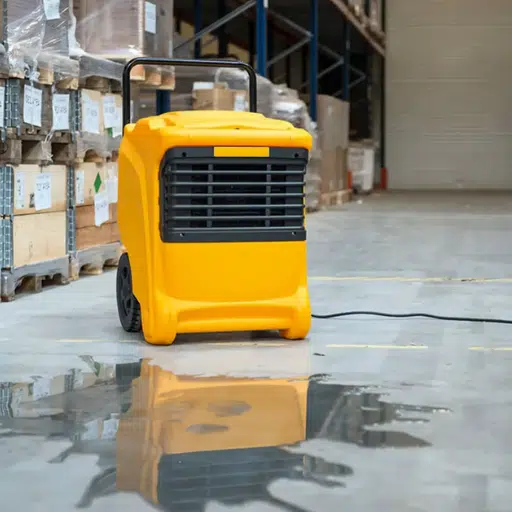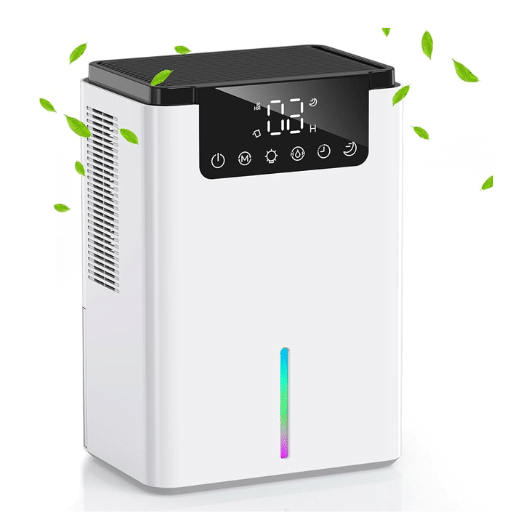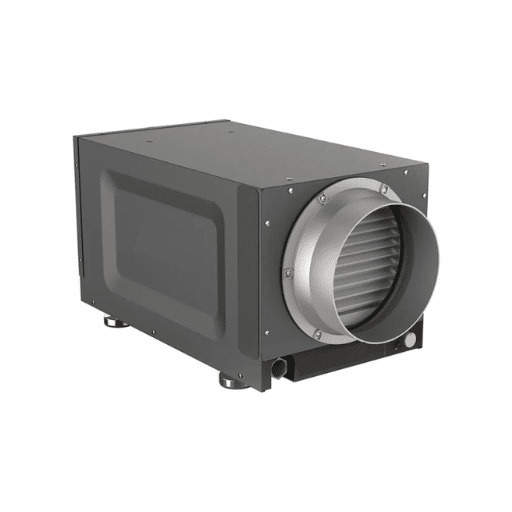
It is crucial to keep the humidity level in your home just right if you want to enjoy the utmost comfort, stay healthy, and also prolong the life of your things. This is especially true for small rooms that have poor air circulation. When there is too much humidity, mold can grow, musty odors can develop, and even the furniture and walls can be damaged. Small room dehumidifiers are what you need as they will provide an efficient solution to creating a healthier and more comfortable living environment. The current article is all about the best dehumidifiers that have been made only for small spaces, and it will tell you all about their features, advantages, and what makes them unique in the industry. No matter if you have a wet basement, a hot bedroom, or a tiny office, these main selections will assist you in managing the humidity problem effortlessly.
Understanding Dehumidifiers
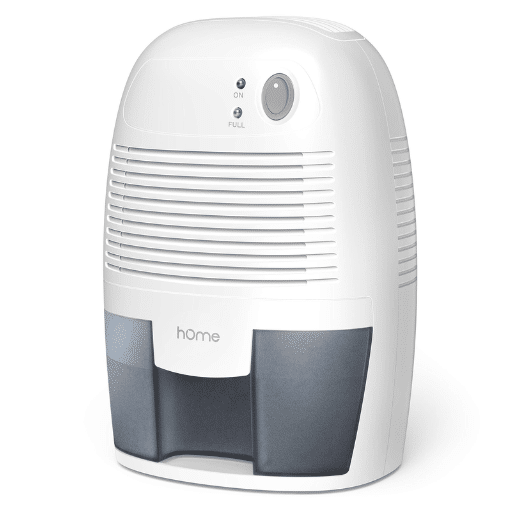
A dehumidifier is a device that can be used to control and maintain the humidity level in the air at the right spot. The device operates by sucking in the humid air, extracting the moisture from it, and then pumping back the drier air into the room. This operation assists in averting problems such as mold growth, musty odors, and furniture damage due to excess moisture in the air. Dehumidifiers are particularly important in places where the humidity level is high or the ventilation is poor, as they help to purify the air and make the environment more livable and pleasant.
What is a Dehumidifier?
A dehumidifier is a device that operates with electricity and serves the purpose of lowering and sustaining the quantity of air humidity, mainly for the sake of comfort, health, or keeping the building’s structure intact. The mechanism involves sucking the air with moisture in it, cooling it down through a coil so that the moisture can change from vapor to water droplets, and sending the air that is dry back to the surroundings. Dehumidifiers are commonly demanded due to their quality of stopping mold from growing, lessening dust mites, and removing smells linked to high humidity. These are generally found in places like basements, bathrooms, or other areas where high humidity is common, since they assist in making the indoor atmosphere healthier and more balanced while at the same time keeping moisture away from furniture, electronics, and walls which would otherwise lead to damage.
Types of Dehumidifiers
Choosing a dehumidifier means gaining knowledge about the different kinds of dehumidifiers including their pros and cons for humidity and space. Here are the five types of dehumidifiers that are most commonly used with their respective characteristics:
Refrigerant Dehumidifiers
This type is also described as compressor dehumidifiers and is the mass of them. Air cooling is the method of moisture condensation, which is the complete water vapor removal from the air. Good performance is their trait in hot environment while they might lack efficiency in cool surroundings.
Desiccant Dehumidifiers
In this type, an absorptive material like silica gel acts as the main line of defense against humidity in the air. This type requires no compressors, which adds the benefit of making them quiet and light. This type of dehumidifier is perfect for use in cold areas and cases where portability is a must.
Thermoelectric (Peltier) Dehumidifiers
These dehumidifiers are small and silent, but they still use a Peltier effect for moisture removal. Though they are energy-efficient, their use is generally limited to small areas like bathrooms or closets because of their small capacity.
Whole-House Dehumidifiers
These dehumidifiers are capable of controlling the humidity contents of an entire house thus they are usually a part of the HVAC system. They are powerful and efficient for big areas but installation by a professional is necessary.
Ventilating Dehumidifiers
Circulating fresh, dry air into the area and at the same time pushing out humid air outside is the method of work of these dehumidifiers. Ventilating dehumidifiers are suitable for places like basements and crawl spaces where ventilation is of utmost importance for keeping humidity levels down.
Dehumidifiers of every type are there to serve specific purposes and various environments. They are a great help to users in making their indoor climate and air quality healthier and thus, more comfortable.
How Dehumidifiers Work
Dehumidifiers are appliances that work by extracting the excess moisture from the air with the help of various components and mechanisms. Generally, they maintain the humidity levels ranging from 30% to 50%, which is the best for human health and comfort. Below are the step-by-step processes explaining the working of the dehumidifier:
- Intake of Air: The inhaler draws in the humid air of the surrounding area and brings it into the dehumidifier.
- Cooling the Coils: After this, the air goes through the cooled coils that are inside the unit. These coils cool the air which leads to the condensation of the moisture into water droplets.
- Collection of Water: The water droplets that are formed flow either to a collection reservoir or through a drain hose, depending on the design of the dehumidifier.
- Reheating of Air: The air which has now no moisture passes through a coil with warmth or an element that gives out heat to make the air comfortable again before it is discharged.
- Discharge of Filtered Air: After this, the dry air is reheated, and it is filtered and then released back to the room, thus ensuring a healthier and more pleasant living space.
By doing this entire process repeatedly, dehumidifiers play a major role in controlling humidity levels, thereby preventing the growth of mold and mildew and dust mites, besides improving overall air quality. This orderly function unequivocally provides moisture control for different types of surroundings.
Benefits of Small Room Dehumidifiers
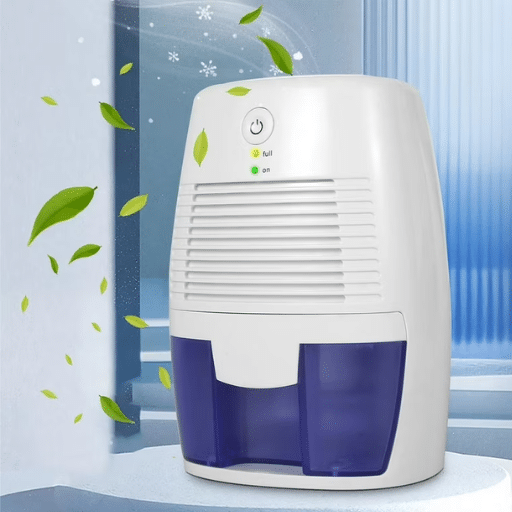
Small room dehumidifiers have a long list of pros and thus, they are in the top rank of must-have appliances for small dwelling areas. Below, we are going to present five major benefits, to the point:
Better Air Quality
With their operation, small dehumidifiers bring down the number of mold spores, eliminate the conditions conducive to mildew and dust mites, and thus, they make the air cleaner, fresher, and healthier. Indeed, the latter is especially significant for people suffering from allergies or respiratory troubles since they will feel more comfortable in the environment.
Mold and Mildew Prevention
Mold and mildew are high at the humidity levels, i.e. the conditions for their growth are even worse and loss of property and household destruction are the negative sides of this situation. With small dehumidifiers, the humidity levels will not come close to the point where mold will sprout and your possessions as well as the building will be safeguarded.
Smart Space Utilization
These gadgets are primarily conceived for small spaces; hence, they can fit easily into any corner. Not only are they small and portable but also silent, thus making them suitable for bedrooms, baths, closets, or office spaces without occupying much space.
Low Power Consumption
When compared with the bigger models, the small room dehumidifiers have a lower power consumption which in return means comfortable indoor living atmosphere without any electricity bill shock.
Elimination of Unpleasant Smells
Humidity above the normal range can cause stale or musty odors in poorly ventilated areas. Through regulating moisture content, the small dehumidifiers prevent the emergence of smells and help maintain the freshness of the rooms.
Moisture Removal in Small Spaces
Prevention of Mold and Mildew Growth
Mold and mildew are health hazards and property damage agents that high humidity levels can support their growth. A tiny room dehumidifier can settle a moisture level that would not permit these fungi to grow, thus preventing their infestation.
Reduction of Allergens
Humidity is the main factor that allows dust mites and other allergens to multiply. By keeping humidity levels under control, dehumidifiers make the air more breathable and pleasant, especially for people with asthma or allergies.
Protection of Furniture and Belongings
Moisture-sensitive items such as wooden furniture, books, and electronics may suffer the most from damage due to high humidity. A dehumidifier helps to prevent further problems associated with humidity like warping, rotting, etc. in small areas.
Improved Air Quality
The process of moisture control not only increases the quality of the air by stopping the dampness and so-called problems like odor or bacteria growth but also contributes to a fresher indoor atmosphere in general.
Efficient Humidity Control in Tight Spaces
Small room dehumidifiers are made specifically to work well in very small spaces such as bedrooms, closets, or bathrooms, thus ensuring that moisture is removed in a personalized and effective manner.
Improving Air Quality
It is absolutely necessary to improve air quality, in order to have a healthier indoor environment. Here are five different measures and features that lead to better air quality:
- Using Air Purifiers: Air purifiers remove airborne particles including dust, pollen, and pet dander quite effectively. Purifiers equipped with High-Efficiency Particulate Air (HEPA) filters can catch almost all (about 99.97%) of the particles that are as little as 0.3 microns in size.
- Minimizing Indoor Pollutants: The discontinuation of smoking indoors, use of aerosols, and chemical-based cleaning products will greatly increase the indoor air quality. Research has found that such pollutants could increase the presence of volatile organic compounds (VOCs), which in turn, could result in the deterioration of respiratory health.
- Maintaining Proper Ventilation: Good airflow is provided by opening windows or using exhaust fans, and this helps to dilute indoor air pollutants. Proper ventilation is very important during indoor cooking for removing carbon dioxide and bringing fresh air, thus, avoiding suffocation or bad air.
- Regulating Indoor Humidity: Maintaining the indoor humidity level at 30-50% will stop the growth of molds and also control the dust mites, which thrive in areas with high humidity. Dehumidifiers and air conditioners can play an effective role in maintaining ideal moisture levels in a house.
- Incorporating Indoor Plants: In the plants kingdom, there are some members that can act as the air cleansers by taking in and detoxifying the harmful substances like benzene, formaldehyde, and carbon monoxide. Spider plants, peace lilies, and snake plants are some of the plants that have shown improvement in air quality while making the surroundings more pleasant.
From the above measures and steps the indoor air quality can be immensely improved, resulting in the occupants better health and comfort.
Preventing Mold and Mildew
The prevention of mold and mildew is a prime factor in a healthy indoor atmosphere, for they adversely affect the air quality and health. Moreover, there are five different ways to banish mold and mildew:
Control Humidity Levels
Keep indoor humidity levels below fifty per cent. A hygrometer will help you monitor moisture levels and dehumidifiers can be used to remove the excess moisture in places like basements or bathrooms which are usually wet.
Ensure Proper Ventilation
The proper air flow is the most important factor in stopping mold from forming. Install exhaust fans in the kitchen, bathroom, and laundry room and also open windows when the weather is suitable to encourage better air circulation.
Repair Leaks Promptly
Mold and mildew thrive in damp conditions and thus, fix any leak in roofs, walls, or plumbing without delay to stop water from collecting and creating conditions that are favorable for them.
Clean and Dry Wet Areas Quickly
Act within 24-48 hours after spills, flooding, or any other incident that involves water by cleaning and drying the area to keep mold from growing.
Use Mold-Resistant Products
In case of renovation or new construction, go for mold-resistant drywall, insulation, and paint. Mold cannot grow on these materials and cleaning them will be much easier.
By following these tactics, it is possible to easily prevent mold and mildew and thus control the hygiene and comfort of the indoor environment.
Choosing the Best Small Dehumidifier

In the process of choosing a portable dehumidifier, it is necessary to take into account room size, moisture content, power consumption, noise, and possibly useful extra features. We have compiled a list of five small dehumidifiers that we really recommend showing their features with specifications and benefits to help you make a good choice:
Pro Breeze Electric Mini Dehumidifier
Room Size: Covers 250 sq. ft. max.
Moisture Removal: Daily up to 18 oz.
Water Reservoir: 52 oz.
Quietness: Extremely Quiet Technology.
Power Use: Very low.
Unique Features: Suitable for tiny rooms like sleeping rooms, lavatories, or offices because it is compact, light, and small.
Eva-Dry EDV-1100 Electric Dehumidifier
Room Size: Covers 160 sq. ft. max.
Moisture Removal: Daily up to 8 oz.
Water Reservoir: 16 oz.
Quietness: Quiet as a mouse operation.
Power Use: Peltier technology for low power requirement.
Unique Features: Easy to carry and environmentally sound design, ideally for RVs, closets, and small areas.
hOmeLabs Small Space Dehumidifier
Room Size: Covers 150 sq. ft. max.
Moisture Removal: Daily up to 9 oz.
Water Reservoir: 16 oz.
Quietness: The noise level of small rooms is tolerated.
Power Use: Peltier technology for less energy consumption.
Unique Features: Auto shut off when full, compact and user-friendly design.
Tenergy Sorbi Air Dehumidifier
Room Size: Covers 200 sq. ft. max.
Moisture Removal: Daily up to 19 oz.
Water Reservoir: 1 liter.
Quietness: HEPA filter noise-less operation with air cleaning.
Power Use: Low power operation.
Unique Features: Pairing of air-purifying and dehumidifying for better air quality.
Vremi 1 Pint Compact Dehumidifier
Room Size: Covers 150 sq. ft. max.
Moisture Removal: Daily up to 16 oz.
Water Reservoir: 36 oz.
Quietness: Noise-free operating with negligible disturbances.
Power Use: Environmentally friendly technology for better power savings.
Unique Features: Modern and trendy design that fits the use in home, bathroom, or office.
With these alternatives, you’ll be able to pick out the most effective small dehumidifier that’ll perfectly fit your needs while also making your place heat-free and more relaxed.
Key Features to Consider
Selection of a small dehumidifier must be made by analyzing certain features that would allow for an efficiency and convenience combination. Five essential features to consider are as follows:
- Moisture Removal Capacity: Determine the amount of moisture that the dehumidifier will be taking out of the air each day. Higher extracting models are the best choice for wet places.
- Tank Capacity: Having a large tank means that the time before having to empty the tank will be longer. For small areas tanks with a capacity of 16 to 36 ounces are usually more than enough.
- Noise Level: Quiet working is a must, especially if the device is going to be used in a bedroom, office, or other areas that are quiet and peaceful.
- Energy Efficiency: Get dehumidifiers that have friendly environment tech and need less energy for their operation. The savings in your utility bills will be a reward for your good choice.
- Portability and Design: The lightweight and compact design makes it easy to take the dehumidifier from one place to another. An attractive and modern look makes it fit into your home or office decoration.
Top Picks for Small Room Dehumidifiers
| Model | Capacity | Ideal For | Key Benefits |
|---|---|---|---|
| hOmeLabs 1,500 Sq. Ft. Energy Star Dehumidifier | 22 pints/day | Bedrooms, small offices, medium rooms | Energy Star certified, quiet, sleek design, low energy consumption |
| Pro Breeze Electric Mini Dehumidifier | 18 oz/day | Small bedrooms, bathrooms, closets | Ultra-quiet, compact, auto shut-off, lightweight, portable |
| Vremi 22 Pint Energy Star Dehumidifier | 22 pints/day | Small to medium-sized rooms | Energy Star certified, easy-to-clean filter, built-in wheels, cost-effective |
| SEAVON Dehumidifier for Home | 27 oz/day | Bedrooms, bathrooms, offices | Affordable, energy-efficient, one-touch control, quiet, easy to move |
| Frigidaire FFAD2233W1 Dehumidifier | 22 pints/day | Small rooms, humid areas | Customizable humidity, Energy Star certified, washable filter, durable |
Dehumidifier Models for Different Rooms
Dehumidifiers are necessary appliances, especially in humid areas. Here’s a selection of five suitable dehumidifier models for different room sizes and requirements:
| Model | Capacity | Recommended For | Major Features | Advantages |
|---|---|---|---|---|
| hOmeLabs HME020031N Energy Star | Up to 50 pints | Medium to large rooms | Programmable timer, quiet operation, large water tank | High-performance, energy-efficient, low maintenance |
| Vremi Moisture Maniac | Up to 22 pints/day | Small to medium rooms | Sleek design, built-in wheels, continuous drainage | Compact, quiet, user-friendly |
| Keystone KSTAD50B | Up to 50 pints/day | Basements, large living areas | Electronic controls, 24-hour timer, auto-shutoff | Long-lasting, energy-efficient, washable filter |
| TOSOT 20 Pint | Up to 20 pints/day | Small bedrooms, offices | Quiet operation, energy-efficient, modern design | Lightweight, portable, ready to use |
| COLZER 70 Pint | Up to 70 pints/day | Large rooms, extremely humid spaces | Digital controls, automatic restart, drainage options | Powerful, fast moisture removal, large capacity |
Setting Up Your Dehumidifier

The proper setup for your dehumidifier is the key factor to its optimum performance as well as its efficiency. Below are the steps to the very point:
- The Right Location Should Be Chosen: The dehumidifier has to be placed in the most central position within the area where you want the moisture to be reduced. Also, make sure that there is a space of at least 12-18 inches all around the dehumidifier for sufficient airflow. Do not put it close to walls, curtains, or furniture blocking the vents.
- Power Source Check: Make sure the place where you want to keep the dehumidifier is close to an electrical outlet. Never use extension cords to connect the dehumidifier because they may not carry the required power and thus cause operational and even fire hazards in the long run.
- Settings Adjustment: With the digital controls, select your intended humidity level. A humidity level between 30% and 50% is the one suggested for most households to eliminate mold growth and make them comfortable.
- Drainage Setup (if applicable): If you want to use the device without interruptions, connect a drainage hose to the dehumidifier. The other end should lead to the drainage or some other area for water disposal. To set this option according to your model, consult the user manual.
- Operation Supervision: When you switch on the dehumidifier, keep a close watch on its functioning for the first few hours. Check if it is drawing moisture out properly and if the water tank or hose system is working correctly.
- Scheduled Maintenance: If there is no continuous drainage, make sure to empty the water tank frequently and wash the filter according to the manufacturer’s instructions in order to keep the dehumidifier working at optimal performance.
After a lapse of time, it would be easier to see the benefits of your dehumidifier if used properly. All the above steps are indispensable for the success of the dehumidifier operation. The air quality of the indoor environment will be improved and at the same time, your home will be protected from moisture and other problems related to it.
Optimal Placement in Small Rooms
The placement of a dehumidifier in small rooms is of utmost importance as it is the main factor that decides its efficiency and effectiveness. The ideal place for your dehumidifier is at the room’s center, if it’s feasible, and at a distance of at least 6–12 inches from walls or furniture to enable airflow. Position the unit away from heat sources, like radiators or sunny windows, since being in a very warm environment can negatively affect its functioning. Also, by locating the device close to moisture-prone areas, like the bathroom or a damp spot, it will be able to more effectively combat the humidity problem. If you adhere to these recommendations, your dehumidifier will operate at its best and help to maintain a healthy and pleasant indoor atmosphere.
Using a Drain Hose for Continuous Operation
A drain hose connected to a dehumidifier makes it possible to run the appliance continuously without the need to regularly pour out the water tank. This kind of setting is especially advantageous in places that experience constant high humidity or if you are a long-term user. Here are five significant points and steps to use a drain hose in an efficient manner:
- Pick a Hose That Is Compatible: A drain hose must be of a type that can be used with the model of your dehumidifier. A majority of units need the standard garden hose, but you should confirm the dimensions mentioned in the user manual.
- Find the Drain Outlet: The drain outlet should be located on the dehumidifier, which is usually at the unit’s rear. That is the part where the hose will be attached.
- Hose Should Be Secured: The drain hose should be attached to the outlet very firmly. The connection must be tight to avoid leaking during the operation.
- Correctly Position the Hose: The other end of the hose should be placed in a drainage area that is appropriate, for example, a floor drain or sink. So the hose should be sloped downwards to achieve proper water flow and also to avoid bends or kinks which can block drainage.
- Routine Maintenance: Make it a point to check the hose for blockages or dirt regularly so that water removal is continuous and effective. If you clean the hose every now and then, it will be less likely to get blocked and therefore, odor-free.
If you follow these steps, the operation of your dehumidifier will be easier, and it will also be more efficient for long-term use.
Adjusting Humidity Levels with Timers
Timers on your dehumidifier can make a huge difference in its efficiency and functionality. One of the main advantages of timer settings is that you can now control humidity levels in your home more efficiently by setting when the unit will be operating. Below are five significant benefits and details on how adjustable timers can help you:
- Energy Efficiency: If you will be setting the dehumidifier to the most used times only, then the energy consumption will go down, and you will have lower bills.
- Customized Humidity Control: You can set the dehumidifier to run only during times of high humidity, like early mornings or evenings, to keep the indoor environment comfortable.
- Convenience: You can forget about starting and stopping the dehumidifier, as automation will do this for you, thus saving you time while ensuring consistency in performance.
- Prolonged Appliance Lifespan: Usage through timers will be controlled and thus there will be less wear and tear on the appliance which could result in its life being extended since it won’t be used around the clock.
- Improved Sleep Environment: Set the timer to stop running during the night or activate in preparation for bedtime. This way, the room will be comfortable and noise levels will be minimal when needed.
Taking advantage of the adjustable timers will be a smart move since it will not only improve the dehumidifier’s performance but also make it more convenient to use and promote a healthier home environment.
Maintenance and Care
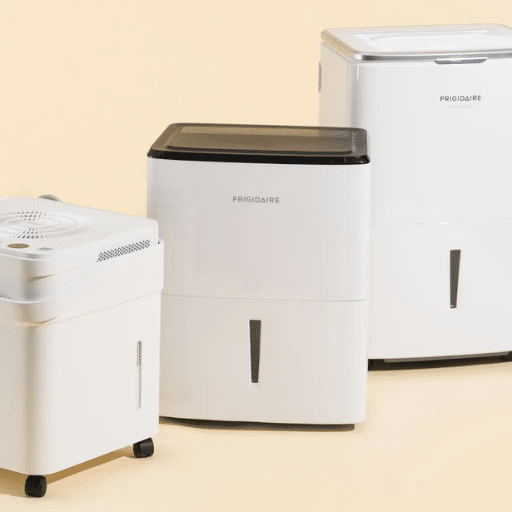
Proper maintenance and care of your dehumidifier are very crucial for its efficiency and longevity. Here are five crucial tips for maintaining your dehumidifier in the best condition possible:
Essential Maintenance Checklist
- Clean the Air Filter Regularly: The air filter should be cleaned at least once a month to ensure that dust and debris are removed. A filter that is blocking airflow will affect the performance of the dehumidifier.
- Empty the Water Tank Consistently: Depending on the level of humidity and the usage, check and empty the water tank daily or as needed. This will prevent overflowing and keep the unit working efficiently.
- Inspect Coils for Frost or Dirt: Make sure the evaporator coils are clean and have no frost. If the coils are dirty or frozen, they will not perform well and may even get damaged if the problem is not addressed quickly.
- Check the Drain Hose (If Applicable): For continuous drainage option dehumidifiers, inspect the drain hose occasionally to make sure that it is neither kinked nor blocked and that it is not leaking.
- Store Properly When Not in Use: If you are not going to use the dehumidifier for a long time, then clean it very well, empty the tank, and store it in a place that is not humid to avoid mold and mildew from growing.
In the long run, maintenance like these will not only keep your dehumidifier efficient but also make it a reliable tool for your healthy home environment.
Cleaning Your Dehumidifier
Proper cleaning is vital for the smooth running and prolonging the life of your dehumidifier. Below are five major steps to clean your dehumidifier:
- Turn Off and Unplug the Unit: Cleaning should always start with turning off and unplugging the dehumidifier for safety purposes.
- Clean the Water Collection Tank: Take out the water tank and wash it with warm, soapy water. Then rinse well to get rid of any soap and dry the tank completely before putting it back.
- Wipe Down the Exterior: Using a soft, damp cloth wipe the unit’s exterior removing dust and dirt that has accumulated. Do not use harsh cleaners as they might damage the surface.
- Check and Clean the Air Filter: Detach the air filter and if recommended by the manufacturer, wash it gently with water or a mild detergent. Let it dry completely before putting it back.
- Inspect and Clean the Coils: The coils might become coated with dust or dirt which will make the dehumidifier less efficient. A soft brush or a vacuum cleaner with a brush attachment can be used to gently clean the coils.
Following these cleaning steps regularly will not only improve your dehumidifier’s operation but also keep indoor air clean and extend your appliance’s life.
Changing the Water Tank
Whenever you need to change the water tank, follow this procedure: take the tank out of the dehumidifier, pour out the collected water, wipe the tank edges if dirty, and let it dry completely. Afterward, fix it back in place quite firmly so that everything else goes on without a hitch.
When to Buy a New Dehumidifier
Knowing when to replace your dehumidifier is a critical component in keeping an indoor environment well-controlled. The age of the dehumidifier is the best guide here; most dehumidifiers have a life expectancy of about 5 to 10 years, that is, depending on the manufacturer and the way they are used. If the unit’s working has decreased notably to the point that it doesn’t remove moisture anymore, is making odd sounds, or is leaking water, then it might be time to get a new one. Moreover, some older units may use more power; therefore, it would be beneficial to switch to a newer model, which is energy-efficient, as it will gradually pay back through the reduced electricity bill. To sum up, making it a habit to evaluate the performance of your dehumidifier on a regular basis guarantees that your living area remains healthy and pleasant.
References
- Feasibility Analysis of the Hybrid Dehumidifier–Air Conditioner Technology for Small-Scale Household Applications in the Tropics
Published in Taylor & Francis – This study explores the practicality of small-scale dehumidification technologies for household use.Read the study - The Use of Dehumidifiers in Desiccant Cooling and Dehumidification Systems
Published in the ASME Digital Collection – This paper examines the role of dehumidifiers in cooling and humidity control systems.Read the study - Adaptive Full-Range Decoupled Ventilation Strategy and Air-Conditioning Systems for Cleanrooms and Buildings Requiring Strict Humidity Control
Published in ScienceDirect – This article discusses advanced dehumidification strategies for spaces requiring precise humidity control.Read the study
Frequently Asked Questions (FAQ)