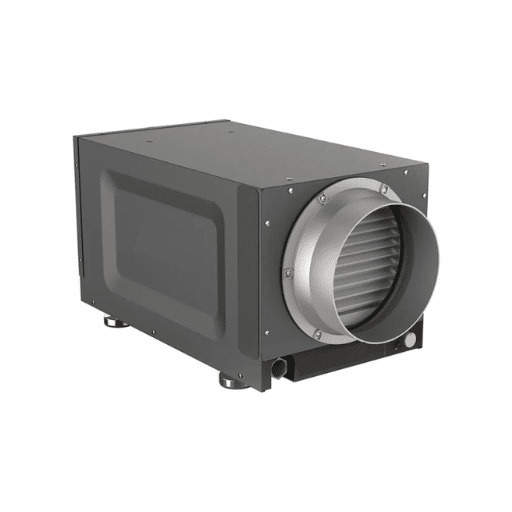
Duct dehumidifiers are the most effective solution for indoor humidity management. These very powerful systems are made to perform whole house dehumidification, which means they will even treat excessive moisture, mold and mildews, and bad air quality, among other problems that may arise in connection with the humidity itself. So, basically, you are going to get rid of all these issues with one good thing and at the same time enjoy a new and healthy living environment.
This article is going to take you through the duct dehumidifiers that are the ins and outs, the functioning, and the reasons why they are a perfect choice for the people who want to get rid of humidity permanently and efficiently and by the way the costs of your utilities will go down too. Besides improving indoor air quality or shielding your home from the moisture-related harm, this guide will provide you the knowledge that you need to make an educated choice.
Introduction to Duct Dehumidifiers

Duct dehumidifiers, as the name implies, are linked to the ductwork of the HVAC system and have an important function of lowering humidity levels in the house air regulating the moisture content. Basically, the work of these units is to suck in the humid air, process it by extracting the moisture, and subsequently send the dry air back to the areas where the inhabitants are. Through this cycle, a pleasant indoor climate is created, the mold issue is solved, and the house is kept safe from being damaged.
Key Insight: Duct dehumidifiers are very effective and work best for homeowners who have problems with humidity that keeps coming back, giving them a solution that effortlessly works with the already existing duct system for the coverage of the entire house.
What is a Duct Dehumidifier?
A duct dehumidifier is a high-tech unit that is intended for controlling and preserving the right humidity level in the entire house by directly coupling with the HVAC system that is already in place. This type of device draws in moist air from the duct system of your house, uses a cooling coil to remove the extra moisture, and finally sends the air that is now dry back into the rooms of your house.
Duct Dehumidifiers vs. Portable Units
While portable dehumidifiers are only able to treat specific areas, dehumidifiers that are connected to the duct system can effectively mitigate humidity issues in the entire house and therefore, are much more useful in areas with significant humidity levels all year long. They help to create a less favorable environment for the growth of molds thus, they protect the wood structures and furniture and also do a good job of contributing to the indoor air quality that is not polluted.
The latest models of duct dehumidifiers usually offer smart functionalities such as digital management, eco-friendly use of electricity, and compatibility with home automation systems which provide not only convenience but also the comfort of easy operation for the homeowners.
Importance of Whole House Dehumidification
The whole house dehumidification system is an essential need to keep indoor environments comfortable, healthy, and efficient. High moisture in the home may create several problems, affecting health and property as well. A dehumidifier for the entire house is the best solution for this problem; it is guaranteed that the humidity level is controlled uniformly in all parts of the house.
Five Major Benefits of Whole-House Dehumidification
🛡️ Prevention of Mold and Mildew Growth
Mold and mildew grow easily in places where there is excess moisture. The house can suffer structural damage, and the occupants may have health problems like allergies and asthma. Whole house dehumidifiers have the ability to control moisture accurately, making the incidence of mold and mildew very low.
💨 Enhanced Indoor Air Quality
Indoor air quality is degraded by high humidity. Dust mites and other allergens are rampant in such conditions. However, installing a whole house dehumidifier will reduce such harmful organisms and thus, contribute positively to the environment for the respiratory patients as well as the general public.
🪑 Furnishings and Structural Integrity Covered
All wooden materials in the house, including furniture, floors, and parts of the structure are subjected to warping, cracking, or rotting if they are allowed to remain under the influence of high humidity for a long time. Thus, dehumidifying the entire house gives the best condition for such materials.
⚡ Energy Efficiency and Comfort
High humidity makes it difficult to stay indoors hence the tendency to overuse air conditioners. Air conditioning units are very expensive to run and a whole-house dehumidifier will maintain humidity level continuously to reduce its operation while still improving comfort throughout the house.
💧 Condensation Issues Reduced
Condensation on windows, walls, and other surfaces is a sign that excess moisture is present in the house and, if not resolved, water damage will occur over time. Whole house dehumidifiers remove this problem by keeping moisture at the right level thus prolonging the life of household fixtures and finishes.
Overview of Ducted and Ductable Dehumidifiers
Ducted and ductable dehumidifiers are highly efficient with HVAC systems and also providing precise humidity control in each particular room of a house or business. These systems are quite flexible and can also be changed according to the existing ductwork or through the selecting of zones for standalone use.
Attributes of Ducted and Ductable Dehumidifiers
🔗 Seamless Integration
A connection to the current ductwork can be made directly for whole-house or zoned dehumidification.
⚡ Energy Efficiency
Designed to function at a very low power consumption; the only by-product of the efficient use of power is the optimal humidity.
🔇 Quiet Operation
A very quiet running has been specified by which this operation is mainly characterized non-intrusive to the life routines or work settings.
💪 High Capacity
The associated removal of humidity in great quantities per day is the aspect that makes it universal for both the residential and commercial spaces.
🔧 Flexible Installation
The choice of the installation type of vertical, horizontal, or freestanding will depend upon the system requirements.
Top 5 Ducted and Ductable Dehumidifiers Models
It’s the systems which are strong and trustworthy that are capable to keep the humidity levels ideal thus minimizing the inherent risks due to high moisture content and also creating better indoor air quality.
How Duct Dehumidifiers Work
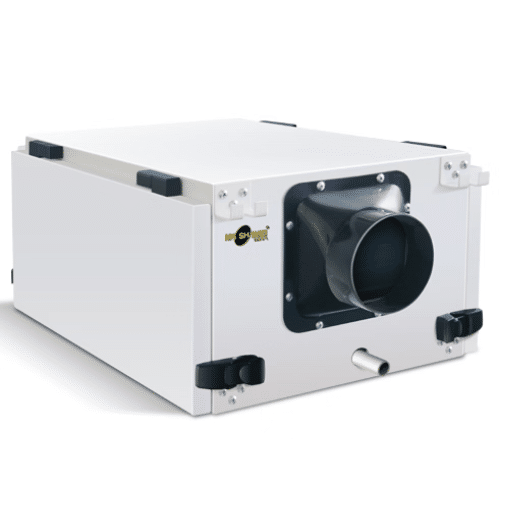
Duct dehumidifiers work by taking in moist air, taking away the moisture, and blowing the dry air back into the place. They are made to work with the building’s HVAC system, so the whole indoor area gets the same humidity control.
The Dehumidification Process
- Air Intake
Ductwork is the way for humid air to get sucked into the dehumidifier.
- Cooling Coils
The air gets chilled in the cooling coils and the dropped temperature causes the moisture to be converted into water droplets.
- Moisture Removal
The water is collected from condensation and then drained away letting the air to be less humid.
- Reheating and Redistribution
The air that has been dehumidified is warmed up to a pleasant temperature and then it is sent back into the area where people live or work.
- Continuous Monitoring
High-end duct dehumidifiers come with humidity level monitoring sensors that adjust their performance automatically to keep indoor conditions at their best.
The systems are very effective and can be very good for the indoor environment by removing humidity that is too much. Besides, the system prevents not only mold development and damage to the building’s structure but also contributes to the good quality of indoor air.
Detailed Process Steps
1. Air Intake
Moist air is sucked in by the system from the nearby indoor environment. The drawing in of air is done either through the use of fans or an air intake system. Air movement should be adequate at this stage for the best results to be attained.
2. Moisture Absorption or Condensation
The air that has been gathered is then subjected to either cooling coils or absorbent materials. The cooling coils lower the temperature of the air to below that of the dew point, thus turning the water vapor into liquid. On the other hand, desiccant-based systems make use of moisture-absorbent materials, such as silica gel, in place of cooling coils.
3. Water Collection
The water that has been condensed is either collected in a tray or routed into a drainage system. Sophisticated systems may have the feature of automatic draining that will allow the systems to run continuously without the need for manual intervention.
4. Air Reheating
After the air has been stripped of the moisture, it is then heated up once again to the point where it is going to be suitable for the maintaining of a constant and comfortable indoor temperature. If this step were not taken, cold drafts would be coming into the space and the air would not be at a proper condition for the people.
5. Filtered Air Re-circulation
The last step is that the dehumidified and reheated air goes through a filtering process that removes any last remaining particles or allergens and then the air is pumped back into the indoor environment. Thus there is an improvement of air quality without the interior climate being affected.
These phases collectively make sure that the dehumidification system is efficient, improves air quality and prevents the issues that are related to high humidity such as the growth of mold and the deterioration of the structure.
Components of Ducted Dehumidifiers
⚙️ Compressor
The compressor is a dehumidifier’s core component. By compressing the refrigerant, it brings about the refrigeration cycle that is responsible for air moisture removal. These days, compressors are made with the latest technology for both energy saving and reliability, thus ensuring long-term performance.
❄️ Evaporator Coil
The evaporator coil is a device that cools down the humid air that is passing over it. When the air cools down, the water vapor condenses on the coil and is either collected (drained away) or removed. The high-standard evaporator coils are very important for the effective extraction of moisture.
🔥 Condenser Coil
Once the air is full of moisture, the condenser coil heats the air again and brings it to a comfortable and balanced temperature. This part is very important because it makes sure that the re-circulated air in the room is not only dry but also keeps the temperature at an ideal level.
🌬️ Filter
The air filters clean the incoming air from dust, allergens, and other tiny particles before it goes back into the room. The HEPAs and carbon filters that come along with many ducted dehumidifiers provide excellent air purification.
💧 Drainage System
The drainage system looks after the proper removal of the water that has been taken out from the air. Some models are equipped with a pump for actively discharging water, while others depend on the gravity-fed system for drainage. A good drainage system not only keeps water from accumulating but also allows for smooth operation.
Understanding Sensible Heat and Humidity Control
Understanding the interplay between sensible heat and humidity is quite vital to keep an indoor environment comfortable and energy-efficient. Here are five control factors which are paramount in the interaction of sensible heat and humidity:
🌡️ Thermal Regulation
Controlling the indoor temperature is the first step of the sensible heat management process. Modern thermostats and HVAC systems accurately control and maintain the indoor temperature, thus conserving energy and creating a more comfortable environment.
🌀 Fresh Air Circulation Systems
Good air circulation brings fresh outdoor air into the indoor areas and removes polluted indoor air, which helps in controlling the humidity and moisture content in the air around. Apart from the ventilation systems, energy recovery ventilators (ERVs) and heat recovery ventilators (HRVs) basically improve the system’s efficiency.
💧 Moisture Extraction Machinery
Dehumidifiers that are specially designed for humidity control not only ensure the relative humidity to be optimal but also help in maintaining the same. The use of dehumidifiers prevents moisture build-up that might otherwise lead to mold, mildew, and even severe damage to the structure.
🏠 Insulation Grade
The better the insulation, the less heat from outside will influence the indoor environment, thus the smaller the HVAC systems’ workload. Proper insulation helps in cooling down or heating the air less and thus controlling the relative humidity that is brought about by the different temperature areas.
💨 Air Motion
Installations like fans and air circulators create a balanced distribution of air that has been conditioned for a particular space. Enhanced air flow means lesser temperature differences and more even humidity levels throughout the area.
If these factors are taken into account, then it will be possible to have a great control over the heat and humidity thus making the indoor environment very comfortable and healthy while the energy efficiency gets the maximum optimization.
Benefits of Using Whole House Dehumidifiers

💨 Enhanced Indoor Air Quality
The use of whole house dehumidifiers not only reduces moisture but also prevents the formation of mold, fungus, and dust mites that can spread allergens and create respiratory disorders. Therefore, proper humidity control brings healthier air into the house.
⚡ Energy Efficiency
The passing of an ideal humidity level allows the HVAC system to function at its best. Cooling processes when the air is less humid consume less power, which may lead to a reduction in energy costs of up to 20%.
🛡️ Protection for Home and Belongings
With their aid, wooden furniture and floors as well as other possessions do not suffer from moisture-caused warping, cracking, or decay.
😌 Consistent Comfort Levels
The use of whole house dehumidifiers, in contrast to portable models, allows for even humidity control in the entire house. This completely removes the feeling of dampness and stickiness and makes the indoor environment more pleasant throughout the year.
🔧 Low Maintenance and Convenience
Whole house dehumidifiers are a part of your HVAC system and generally need less frequent emptying and maintenance compared to portable units. By providing seamless operation and a long lifespan, they are a hassle-free solution for humidity control.
Improved Air Quality for Allergy and Asthma Sufferers
Whole-house dehumidifiers are very important to the quality of the air in the house and are therefore essentials for allergy and asthma patients. They keep the humidity levels in the best range and at the same time disable the allergens like mold and dust mites from coming off so living in a house with a dehumidifier in it becomes more conducive to health.
Energy Efficiency and Cost Savings
📉 Reduced Energy Usage
Keeping indoor humidity at a suitable level can indeed lead to a reduction in energy consumption across heating and cooling units. To illustrate, a winter room with adequate humidity feels hotter at lower temperatures, and this can reduce heating expenses by as much as 10%.
⚡ Improved HVAC Efficiency
The efficiency of HVAC systems is augmented when they work at their optimal moisture levels. This is because the systems do not have to be overworked to client’s added humidity or dryness conditions, thus generating initial power savings of between 5 and 15 percent.
💰 Lower Utility Bills
Humidity control that is energy-efficient leads directly to energy cost savings. For instance, households where humidity is controlled can expect an energy bill of about $100–$200 less yearly as their average.
🔧 Extended Lifespan of HVAC Equipment
If HVAC systems run at a high standard and consistent level, wear and tear will be minimal and their lifespan will be prolonged by years, which will in turn mean that costly replacements or repairs will not be necessary.
🏠 Preservation of Insulation Effectiveness
High humidity levels may render insulation inefficient by facilitating mold growth and the decay of the insulation material. Proper humidity control keeps insulation in great condition, resulting in savings on repair costs and reduced heating or cooling inefficiencies.
Protection for Home and Belongings
The main advantage of good moisture control and climate regulation is that they not only provide comfort to the occupants of the house but also prevent the house and its contents from being damaged by humidity or temperature changes.
Five Major Protection Benefits:
- ✓
Mold and Mildew Growth Prevention: High moisture in the air is a prime factor for the growth of molds and mildews which eventually destroy walls, ceilings, and furniture. Research indicates that keeping indoor humidity levels lower than 50% is a way of minimizing mold occurrence by a big percentage. - ✓
Wooden Furniture and Flooring Protection: The wood is one of the materials that are most affected by humidity changes, hence leading to its warping, cracking, or swelling. Properly managing the climate preserves the house’s wood and thus increases the life of wooden things and floors. - ✓
Prevention of Electronics Damage: Humidity level and electronics devices are conflicting factors; high humidity can lead to condensation developing in the device, which could be a source of corrosion and short circuiting. By maintaining humidity within 30%-50%, one is assured of protecting their valuable electronic equipment. - ✓
Documents and Photo Preservation: High humidity or very dry indoor conditions can negatively impact paper products like books, important documents, and cherished photos. All major causes of damages are eliminated under stable indoor conditions: curling, discoloration as well as mold infestation. - ✓
Household Paint and Coatings Maintenance: The interplay of humidity and temperature can lead to the cracking, peeling off, or bubbling of paints and finishes. Indoor climate control that is done properly ensures that not only walls but other coated surfaces are always in tip-top shape.
Common Applications of Duct Dehumidifiers

Residential Uses
Duct dehumidifiers work really well in different residential applications and they give comfort and a healthy living environment.
🏠 Basement Humidity Control
Basements are usually have high humidity, which can cause the growth of mold and bad smells. A duct dehumidifier maintains the humidity at the right level, thus protecting the basement area and the belongings kept there.
🏡 Whole-House Moisture Management
Duct dehumidifiers can control the humidity all throughout the house by connecting to the home’s HVAC system, thus giving the same comfy feeling in the house and also purifying the air.
🛡️ Preventing Mold and Mildew
The high humidity level gives mold and mildew the best condition to grow. The installation of a duct dehumidifier lowers the chances of these fungi, thus protecting the indoor air and making the home healthier.
🪑 Preserving Wooden Furniture and Floors
Wooden furniture, flooring, and fixtures can get ruined by the excess moisture. A duct dehumidifier, by maintaining the indoor humidity levels stable, saves such items from getting damaged.
⚡ Improving Energy Efficiency
People in the house with the humidity under control will feel cooler thus reducing the use of air conditioning and consequently the bills during the hot season.
Commercial and Industrial Applications
Proper humidity control is critical not only to residential areas but also to many commercial and industrial environments. Duct dehumidifiers give a great chance to provide solutions to the main conditions of safety, efficiency, and quality of products being made.
🏭 Warehouses and Storage Facilities
High humidity causes damage to the stored goods, favors mold, and decreases the quality of the products. A duct dehumidifier is working to keep the humidity levels constant so that the quality of the storage items is assured, hence prolonging their life and saving money paid for lost inventory.
💊 Pharmaceutical Manufacturing
Humidity control is a must-have in the production and storage of pharmaceuticals as the outlets are to meet strict regulations. Duct dehumidifiers make it a stable environment that protects the efficacy and quality of medicines.
🍔 Food and Beverage Industry
Moisture could make the products in the food processing and storage areas unfit for human consumption as processing and storage at high humidity levels lead to bacteria and spoilage. Duct dehumidifiers are the key players in compliance with hygiene standards, and they also help to maintain the quality of the final products by controlling the moisture levels.
💻 Data Centers
Optimum environmental conditions should be provided for data centers’ sensitive electronic equipment to avoid damage caused by heat and condensation. Duct dehumidifiers facilitate the protection of servers and the whole electronic system by controlling the temperature and humidity.
🌱 Indoor Agriculture
Humidity management is the way to go for the successful crop production in artificially created environments such as greenhouses or vertical farms. Duct dehumidifiers control the occurrence of fungal diseases, support the healthy growth of plants, and eventually, the yield is improved.
The above applications are a few of the many ways that duct dehumidifiers are used in different industries, displaying their versatility and necessity. Their application not only improves the efficiency of operations but also offers significant savings in terms of the costs incurred and management of product quality.
Specific Scenarios Requiring Dehumidification
Maintenance Tips for Duct Dehumidifiers

Proper maintenance of duct dehumidifiers is a must to get the best out of the device, reduce energy use, and make the equipment last longer.
Five Essential Maintenance Tips
🔧 Regular Filter Cleaning or Replacement
Filters that are dirty or blocked can lessen airflow and thereby reduce efficiency. Perform filter cleaning regularly, at least once a month, and carry out filter replacement every 3-6 months based on usage and environmental conditions.
❄️ Inspect Coils for Dirt and Debris
Dust and dirt can gather on evaporator and condenser coils and lower the efficiency of the system. Coils should be inspected every three months and cleaned with a soft brush or vacuum to ensure proper heat exchange.
💧 Check the Drainage System
A drainage system that is clogged or dirty can cause water to leak or overflow. Inspect the drain line for obstructions bi-monthly and flush it with vinegar solution to keep mold and algae from growing.
🌡️ Monitor Refrigerant Levels
Insufficient refrigerant will cause the dehumidifier to freeze and hence its efficiency will be low. Certified technician should be appointed for annual inspection to check that the refrigerant levels are within the recommended range.
⚙️ Lubricate Moving Parts
Fans and motors are examples of components that need constant lubrication so as to operate smoothly and quietly. The right lubricant should be applied every six months to avoid wear and tear on moving parts and to keep the operation noise-free.
Regular Cleaning and Filter Replacement
A dehumidifier’s efficiency and lifespan highly depend on proper cleaning and regular filter changing. If these works are not done, it will result in the dirt and dust to take over, and in the end, there will be a reduction in the airflow and performance overall.
Maintenance Checklist:
- ✓
Air Filter Cleaning: Take out the air filter at the end of each month and clean it with warm water and a little detergent. Do not rush to put it back until you are sure it has dried up completely for there to be the best airflow and filtration. - ✓
Filter Checking and Replacing: Following the manufacturer’s guidelines, air filter should be replaced after 6 to 12 months or in case it presents a significant tear or looks too old. This will allow for good air quality and dehumidifier performance. - ✓
External Surfaces Wiping: A damp cloth is the best tool to use weekly for cleaning the outside of the dehumidifier. Dust won’t have a place to settle and the unit will remain neat all the time. - ✓
Water Collection Tank Cleaning: Every three days the water collection tank should be emptied and cleaned to avoid the unwanted growth of mold and bacteria. Vinegar mixed with water works great, then rinse and dry. - ✓
Coils Vacuuming: Once you have safely done so, go in and vacuum the evaporator and condenser coils every three months to get rid of dust and debris. This will lead to a better heat exchange and no strain on the system.
If these regular cleaning and maintenance practices are followed, they will ensure dehumidifier performance and its life will be extended.
Monitoring Humidity Levels
Keeping indoor humidity levels just right is necessary for both comfort and health. Too high or too low humidity can create a range of issues, including mold formation, and causing skin and respiratory discomfort. It is important to know the basic details to monitor and control humidity properly and to rely on good tools.
Five Vital Points to Consider:
📊 Use a Hygrometer
The instrument that defines the air’s moisture content is called hygrometer. Surround it with the required areas of your house, like the living room or the cellar, to keep an eye on and establish the perfect moisture level within 30% and 50%.
🎯 Set a Target Range
Indoor humidity levels should be set at 30% to 50% as the target range. Less than 30% may cause insufficient moisture whereas more than 50% would lead to mold and dust mite infestation.
🌦️ Check Seasonal Variations
Humidity levels will be the highest during summer and the lowest during winter, that is how seasonal weather affects indoor air moisture. So, it is wise to use your dehumidifier or humidifier accordingly.
🔍 Monitor Problem Areas
The locations with the highest moisture like bathrooms, kitchens, and basements should get your constant attention. It is always going to be a good idea to check such areas regularly to prevent possible moisture-related health risks and damage to your property.
🤖 Use Smart Sensors
Smart sensors have become a standard feature in many devices today which allows for continuous humidity level monitoring and control. These tools may be considered for investment as a means of simplifying the process and ensuring uniform indoor climate in the long run.
Professional Maintenance Recommendations
🔧 Regular HVAC Inspections Should Be Scheduled
At least twice a year your heating, ventilation, and air conditioning systems should be subjected to inspection. By up to 15% according to industry data, energy bills are reduced and the equipment lifetimes are extended through regular HVAC maintenance which also leads to improved system efficiency.
🌬️ Air Ducts Should Be Cleaned
The presence of dust, pollen, and mold in the air ducts is a result of unclean ducts and this, in turn, affects quality of air. Cleaning by a professional once every 3–5 years can get rid of the impurities and thus improve the respiratory health of the people living in the house.
💧 Plumbing Should Be Checked for Leaks
The small leaks that occur in pipes or fixtures over time can lead to very large and costly water damage. A professional plumber is the one that experts suggest to conduct a full inspection once a year to catch and fix leaks early on.
🏠 Roofs and Gutters Should Be Inspected
Over time the damage to roofs or the clogging of gutters can cause leaks and even pooling of water. Professionals recommend a thorough examination at least once a year in order to avoid water penetration and damage to the structure.
💨 Humidifiers and Dehumidifiers Should Be Tested and Maintained
Humidity-regulating devices should undergo professional servicing once or twice a year at the most. It has been proven that keeping the humidity level in between 30%–50% can make the indoors more comfortable and hinder the growth of mold and allergens.
References
- Taylor & Francis Online:
Title: Experimental study of a thermoelectric air duct dehumidification system for tropical climate
Description: Presents numerical and experimental evaluations of a novel thermoelectric air duct dehumidifier system. - University of Central Florida Library:
Title: Further Investigation of Energy and Performance Impacts of Whole-House Dehumidifier Duct Configurations
Description: Explores the energy and performance impacts of different duct configurations in whole-house dehumidifiers. - ScienceDirect:
Title: Heat-pump dehumidifier as an efficient device to prevent condensation in horticultural greenhouses
Description: Discusses the performance of heat pump dehumidifiers in preventing condensation in greenhouses.
Frequently Asked Questions (FAQ)
❓ What is a duct dehumidifier, and how does it work?
A duct dehumidifier is a specialized unit designed to remove excess moisture from the air within a home’s HVAC system. It works by drawing in humid air through the ductwork, cooling it to condense moisture, and then returning the dehumidified air back into the home. This process helps maintain optimal indoor humidity levels, preventing mold and mildew growth.
❓ How can a whole-house dehumidifier improve indoor air quality?
A whole-house dehumidifier enhances indoor air quality by effectively reducing humidity levels throughout the entire home. By controlling moisture, it minimizes the growth of allergens such as mold, dust mites, and mildew, which can trigger asthma and allergy symptoms. Additionally, it helps to eliminate musty odors associated with high humidity.
❓ What are the best ways to duct a dehumidifier?
There are several effective ways to duct a dehumidifier. The most common methods include installing the unit in the basement or crawl space, connecting it to the home’s existing ductwork, or using a dedicated ducting system that allows for efficient air circulation. Proper ducting ensures that dehumidified air is distributed evenly throughout the home, improving overall moisture control.
Can a Santa Fe dehumidifier be installed in conjunction with an HVAC system?
Yes, a Santa Fe dehumidifier can be integrated with an HVAC system for optimal moisture removal. This configuration allows the dehumidifier to work alongside the air conditioning system, enhancing its performance by reducing the workload on the AC unit. The combination ensures that the indoor air remains cool and dehumidified, maintaining a comfortable environment.
What is the capacity of the Aprilaire E100 dehumidifier?
The Aprilaire E100 dehumidifier has a capacity to remove up to 100 pints of moisture per day. This makes it suitable for larger spaces or homes with high humidity levels. Its advanced technology ensures efficient moisture removal while maintaining energy efficiency, making it a popular choice among homeowners seeking effective moisture control solutions.
How does a ducted dehumidifier help with moisture removal in a basement?
A ducted dehumidifier is particularly beneficial for moisture removal in a basement, as these areas are often prone to high humidity. By connecting the dehumidifier to the basement’s ductwork, it can effectively circulate dehumidified air throughout the space, preventing dampness and reducing the risk of mold and mildew growth. This improves both the comfort and safety of the basement area.
What is the difference between a commercial dehumidifier and a whole-house dehumidifier?
A commercial dehumidifier is designed for larger spaces or industrial applications, capable of removing significant amounts of moisture quickly. In contrast, a whole-house dehumidifier is tailored for residential use, focusing on maintaining optimal humidity levels throughout a home. While both types aim to control moisture, their capacities and applications differ significantly.
How do dehumidifiers help reduce allergens indoors?
Dehumidifiers help reduce allergens indoors by lowering the relative humidity levels, which discourages the growth of mold, dust mites, and other allergens. Maintaining humidity levels between 30-50% is crucial for minimizing these pollutants, making dehumidifiers an essential component of indoor air quality solutions for allergy sufferers.
What is the role of the drain hose in a duct dehumidifier?
The drain hose in a duct dehumidifier is essential for removing collected moisture from the unit. It allows for continuous drainage, preventing the need for manual emptying of water tanks. This feature is especially useful for homeowners who want to maintain consistent humidity levels without interruption, as it ensures that the dehumidifier can operate efficiently over time.
Can ducting a dehumidifier improve energy efficiency?
Yes, ducting a dehumidifier can significantly improve energy efficiency. By integrating the dehumidifier into the existing HVAC system, it can work in conjunction with the air conditioning to reduce the overall energy consumption. A properly configured ducting system ensures that dehumidified air is circulated efficiently, leading to lower energy bills and improved comfort levels indoors.