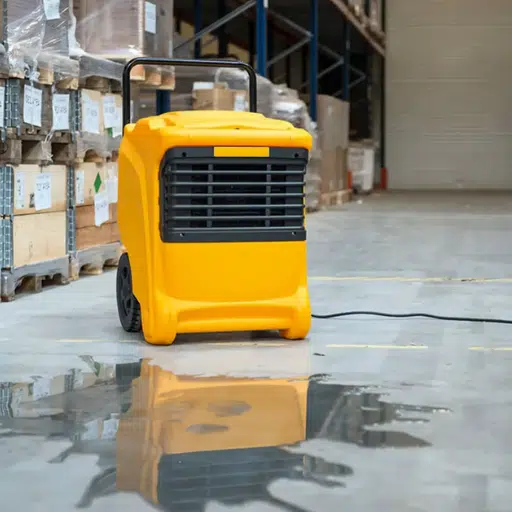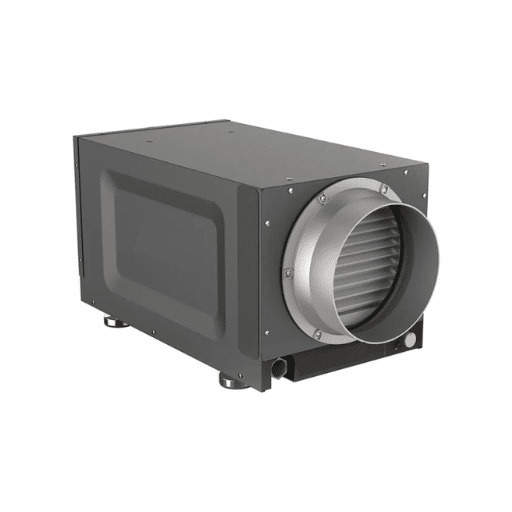
It can be annoying and troublesome to live in spaces with high humidity because it can encourage the growth of mildew and mold, creating an undesirable environment. Thank heavens for the wonder of technology in the form of dehumidifiers! It doesn’t matter whether it is to improve airflow, safeguard furniture, or provide extra comfort; it is perhaps pertinent to know how to use a dehumidifier effectively. In this post, we will show you the best practices for using a dehumidifier effectively. You will learn about the correct ways to set up a dehumidifier, including its optimal placement.
Understanding the Dehumidifier
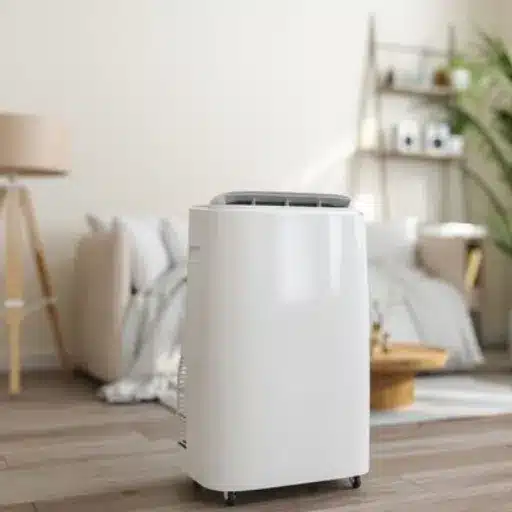
This is how a dehumidifier operates. It is a device designed to lower atmospheric moisture levels using a moisture-removal mechanism. The mechanisms that a dehumidifier uses revolve around sucking air that is heavy with humidity and cooling the air in order to turn the moisture content present into water droplets and then expelling the dry air out. People especially use dehumidifiers in places where moisture is likely to accumulate, like basements and bathrooms, or where humidity is high. In bikers’ homes, humidifiers have been known to control temperatures between 30-50% as excess moisture leads to mould formation, excessive allergens and discomfort in people. Assuming that energy is conserved, the dehumidifier relies on its placement in free zones with considerable ventilation and on regular dislodgement and cleaning of the dehumidifier filter and water tank.
What is a Dehumidifier?
A dehumidifier is an appliance that modifies the amount of water vapor in the air while keeping the air within the comfort zone. It works by drawing in the damp air, cooling it, allowing water droplets to form, removing them, and returning drier air to the space. A recent report has not mentioned that a humidifier works best when the levels of humidity in the rooms are higher than 50% such that the consequences of increased humidity, such as dampness, foul odors, fungus, and dust mites, become evident. More modern dehumidifiers offer additional features, such as humidity control, timers, eco-friendly modes, and auto-switch-off. Such devices enhance the air quality in the room while keeping sensitive materials, such as furniture, in good condition for a long time.
The Importance of Humidity Control
Humidity regulation is crucial for occupant health and the protection of the house. First of all, if the temperature is high and exceeds 50%, the condition for the growth of molds, mildew, or dust mites that cause allergies and breathing problems is absolutely perfect. On the other hand, low humidity can not only cause dryness and irritation of the respiratory mucosa but also dry furniture and musical instruments. Properly controlled indoor humidity levels usually range from 30 to 50 percent, helping prevent the development of problematic conditions and enhancing comfort.
Humidity levels can also be controlled with dehumidifiers or humidifiers, both of which help improve air quality, prevent structural damage, and create healthier environments. Apart from those mentioned above, a few others include, but are not limited to, ventilation measures, leak closure, and the use of hygrometers. The application of all these measures makes it possible to go on living normally without anyone suffering at home.
Types of Dehumidifiers and Their Uses
There are five main types of dehumidifiers: refrigerant, desiccant, whole-house, thermoelectric, and ionic membrane, each suited for specific uses and conditions.
| Type | Key Feature | Best Use | Pros | Cons |
|---|---|---|---|---|
| Refrigerant | Cooling coils | High-humidity areas | Effective | Noisy |
| Desiccant | Absorbs moisture | Low temperatures | Quiet | Energy-intensive |
| Whole-House | Integrated system | Large spaces | Whole-home use | Installation cost |
| Thermoelectric | Peltier module | Small areas | Compact | Limited capacity |
| Ionic Membrane | Advanced tech | Industrial use | Efficient | Expensive |
Why You Need a Dehumidifier
Common Signs That Indicate You Need a Dehumidifier
- Windows and other glass surfaces have visible condensation for extended periods.
- The atmosphere of certain sections inside the house is damp and stagnant.
- Walls, ceilings, and even furniture are infested with either mold or mildew.
- There is a noticeable surge in allergy concerns or respiratory problems affecting those residing in the house.
- Wood has warped and visible paint is peeling due to excessive moisture.
Benefits of Using a Dehumidifier in Your Home
- Reduces Growth of Mold and Mildew – The accumulation of unnecessary moisture is avoided by using a dehumidifier that controls the enlargement of mold and mildew that can otherwise damage the building and even human health.
- Improves Air Quality – The presence of a dehumidifier prevents the settling of particles such as dust mites and mold in the air, making breathing easier.
- Protects Household Items – Low humidity prevents mold, corrosion, and deterioration of household items such as furniture and electronics.
- Enhances Comfort – Proper humidity control creates a more comfortable living environment by reducing the sticky, oppressive feeling of humid air.
- Reduces Energy Consumption – Dehumidifiers will keep conditioning units from running more than they need to, therefore, cause less consumption of electricity.
Dehumidifiers in Commercial Settings
Dehumidifiers are widely used in commercial settings for obvious reasons: they help regulate humidity levels and, as a result, reduce the risk of equipment damage, material waste, and discomfort for workers and clients. Other industries that rely on dehumidifiers include manufacturing, health care, food storage, and many others, because moisture damage is one thing they will not tolerate – no corrosion, let alone mold and rot. It helps the users abide by some sort of industrial regulation which in its standards has controlled humidity levels for better quality of the products and profitability of businesses.
How to Use a Dehumidifier to Dry Your Space
Setting Up Your Dehumidifier
Finding the Correct Standpoint
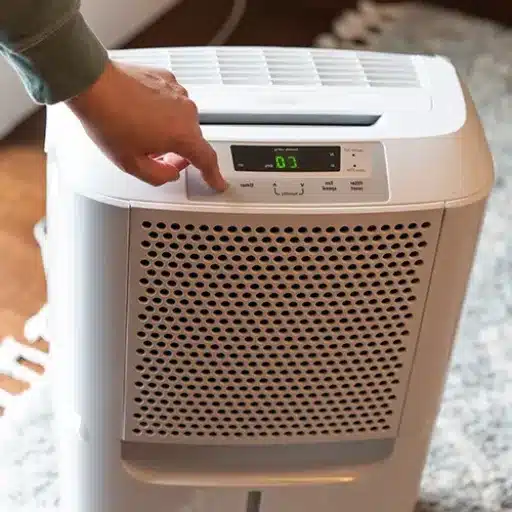
To find the exact spot to install, place the dehumidifier at the location with the highest humidity. Two of the best examples in this case are basements and kitchens. It should stand on a level and safe surface and be positioned 6-12 inches away from unnecessary items on all sides. Pause here so that good air can get in.
- Turning Proper Draining On – If a tank is contained within the dehumidifier for collecting water, it must be set accurately, emptied whenever it fills, and set up for continuous drainage according to the output.
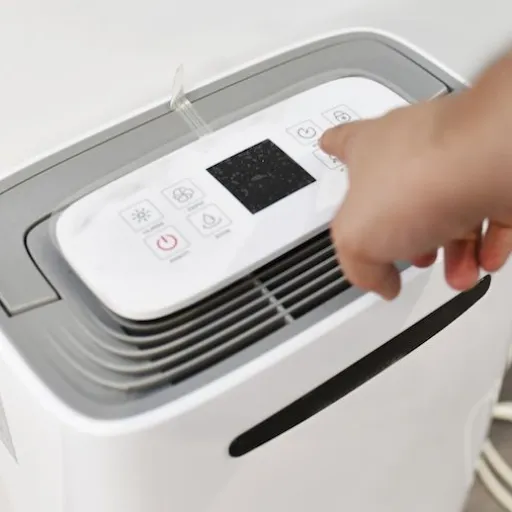
- Time for Adjusting the Humidity – Setting the desired humidity is easy with typical user interface options, mostly between 30% and 50%, so it’s comfortable for everyone to breathe without making the air too dry.
- Gear Up to Switch the Main Button to On Position – When the dehumidifier is plugged in, switch it on, check that it works properly, and avoid using extension cords, as they pose a safety threat.
- Care and Cleaning – Clean the air filter according to the user manual’s instructions, ensuring it is free of blockages and that the system does not collect dust for optimal performance.
Choosing the Best Dehumidifier for Your Needs
If you are installing a dehumidifier, first determine the humidity level in the space in which it will be used. Low-capacity devices are appropriate for baths or closets, while higher-capacity devices are suitable for basements and larger spaces/rooms. It is always good to have a dehumidifier with a humidistat that automatically maintains a preset humidity level in the room. Since dehumidifiers are electric appliances, ensure that it is an energy-efficient model to minimize electrical cost. If the dehumidifier will be installed in a common area, also consider the noise level and choose models with lower decibels. It may also be worth having systems like non-electric draining or air purifying in consideration as they tend to make care and maintenance much easier.
Important Consideration: Consider the dehumidifier’s price and how vital its features are to you. You can choose a good dehumidifier after reviewing feedback, functionality, capacity and comfort provided, the unit’s ability to operate quietly, and the appropriate weight of the construction in use.
How to Set the Right Humidity Level (30-50%)
When I am figuring out just how to maintain the accurate indoor comfort level of 30%-50%, a household hygrometer comes in handy – it will show the current state of humidity inside the room. After that, I set my dehumidifier to the desired setting. I take every necessary step to install exhaust fans in rooms like bathrooms and kitchens to keep them well-ventilated and minimize moisture buildup. Besides, these numbers are tweaked throughout the year, even lowering humidity in winter to prevent condensation on windows. To ensure the dehumidifier works as intended and the air in the house is not sticky or suffocating, the filters should be regularly checked and cleaned.
Maximizing Efficiency and Energy Savings
Advanced Tips for Efficient Dehumidifier Use
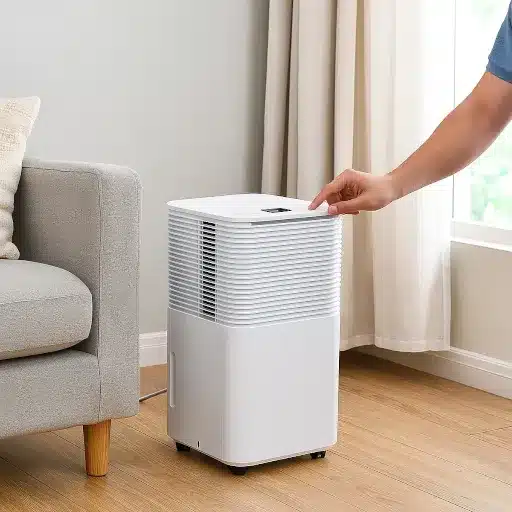
- Position Your Dehumidifier Effectively – Set it up in the very humid areas of your home, such as the basement or bathroom, where it can breathe.
- Shut Doors and Windows – Keep the doors and windows of the targeted area closed to prevent further moisture from entering while allowing the dehumidifier to work at its best.
- Use Timers or a Smart Function – Many dehumidifiers now come with timers and innovative functions, so use them to start the unit during peak humidity hours to save energy and improve comfort.
- Check and Maintain Drainage System – If your unit drains continuously, also check that the hose runs freely and connects properly to prevent a blockage from affecting the unit’s performance.
- Use a Hygrometer to Check Humidity Levels – Use a separate probe/directly attached hygrometer to monitor humidity levels in your space so you can adjust your dehumidifier accordingly — both eco-efficient practices that prevent excessive use and save you extra money, which running these units might cost.
Setting Optimal Operating Conditions
Your dehumidifier will function best when placed in a well-ventilated part of your house, so the middle of the room is best. Make sure all openings are closed when you set up your dehumidifier so that rain cannot enter. Keep the machine on a level surface; any sort of cleared, uninterrupted space of 12-18 inches around the unit will suffice for ventilation. Program the desired humidity level between 30-50%, which is the most comfortable range for humans and also helps prevent mold growth. Regularly maintaining the filter and emptying the water tank timeously will help keep the filter’s functional efficiency.
Using a Dehumidifier Alongside Other Devices
Using dehumidifiers in conjunction with other devices (such as air purifiers and HVAC systems) will require a good balance and compatibility to achieve maximum efficiency. A common question is: Can I use an air purifier and a dehumidifier at the same time? The answer would be yes. Air purifiers and dehumidifiers serve different roles, necessary for each other; whereas, the dehumidifier sucks out air moisture to halt mold and mildew, the air purifier filters tiny particles like dust, pollen, and allergens, allowing clean and healthy air to take their place.
To better balance the operation, it may be worth placing these devices at opposite corners of the room so they don’t compete for airflow. In cases where the dehumidifier will be used together with an air conditioner or a space heater, one must take into consideration that temperature changes can also affect the humidity level and so make the necessary set-up accordingly. By using plugs with smart timers and integrating with smart home systems, their operation can be streamlined. Using collaborative technology in this manner is presented as a total solution for establishing a comfortable environment deemed healthy for habitation.
Maintenance and Troubleshooting
Regular Cleaning and Maintenance Schedule
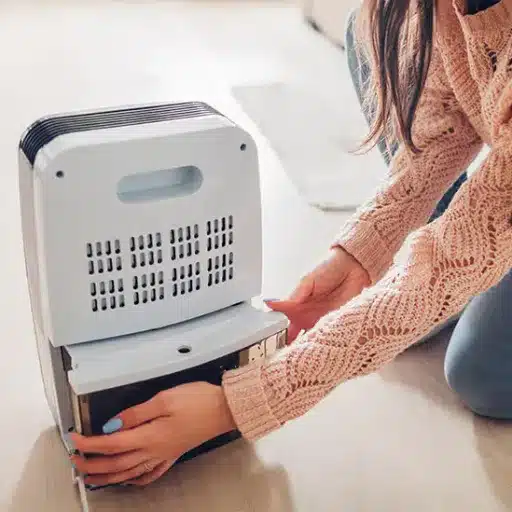
To ensure efficient operation and long life span of your dehumidifier, meticulously observe a regular cleaning and maintenance schedule:
Every Day Cleaning:
- Remove all water from the water tank to prevent mold growth and bacterial buildup. In some models, you can also opt for continuous drainage for easier handling.
- Use a damp cloth to clean the exterior of the unit to keep it dust-free.
Weekly Maintenance:
- Take a look at the air filter and clean it so that the airflow becomes unrestricted. Impeded airflow can lower efficiency and harm the motor. Rinse-out filters should be washed in water, then thoroughly dried and replaced.
Monthly Maintenance:
- Search the condensing coils for dust or grime that can have accumulated over time. Clean them with a soft brush following the manufacturer’s instructions- use a vacuum per your best judgment.
- Examine the hose connector, if used for continuous drainage, for leaks or blockages.
Seasonal Maintenance:
- Before storing the dehumidifier during low-humidity seasons, give the water tank and filter a thorough cleaning.
- Look at the electrical cord and other components for signs of wear or damage that indicate disrepair.
Troubleshooting Common Dehumidifier Issues
1. Dehumidifier not turning on
- Check the Power Source: Ensure the unit is plugged in correctly and receiving power, then check the socket for proper operation. It may be worth it to try another power point.
- Examine Power Cord: Check for any observable cord damage. Replace it if needed.
- Examine the Water Bucket: The safety feature in many units prevents operation when the water tank is full or misaligned. So, empty or readjust the water reservoir as needed.
2. Dehumidifier Not Collecting Water
- Create the optimal room conditions: Dehumidifiers perform best above 60°F. If the room gets colder, overall efficiency will be decreased.
- Clean the filter: A blocked filter can also restrict airflow; clean it, then reinstall it. A proper cleaning or, if required, replacement is recommended as per the user guide.
- Good placement is must: Always make sure that air dehumidifiers are situated in a well-ventilated place, away from walls or other objects that can hinder airflow.
3. Excessive Noise During Operation
- Assessment of loose parts: Check for any pieces or panels that could have come loose and tighten them.
- Clean components: Dust buildup may cause a fan to oscillate and produce chugging sounds.
4. Leakage of Water from the Unit
- Check the tank position: Water leakage can also occur when the tank assembly is not seated correctly or has broken.
- Inspect the drain hose (if applicable): Clogging, improper setup, ora damaged hose would result in drainage issues caused by the continuous drain hose.
Note: If the problem persists after following the troubleshooting instructions, refer to your user manual for help and call customer service for any additional issues.
Extending the Lifespan of Your Dehumidifier
To ensure the sustainability of my dehumidifier, I practice regular maintenance and proper care whenever it is used. Once a month, I make sure the filter is clean so it works properly and air can reach the dehumidifier. Furthermore, I clean the air intake and exhaust vents to prevent them from clogging with dust or other debris, and I clean the water tank at the end of the day to prevent mold from forming inside the unit. I ensure that, while using the continuous drainage hose, no clogs or leaks occur and proper drainage occurs. This way, I let the dehumidifier operate in suitable ambient conditions while avoiding excessive use to prevent components from wearing out. With all these steps, the dehumidifier will work as it should: with good efficiency and longer-lasting performance.
Frequently Asked Questions (FAQs)
Reference Sources
-
Improving the Energy Efficiency of Dehumidification Technology at a Large Facility in Florida – A thesis examining energy use and management of dehumidification systems.
-
How to Get Comfortable with Dehumidification – Discusses the use of whole-house dehumidification systems and desiccant-based units.
-
Vent Right and Then? Mechanical Ventilation, Dehumidification and Energy Use in Humid Climates – Explores mechanical ventilation, dehumidification, and energy use in humid climates.