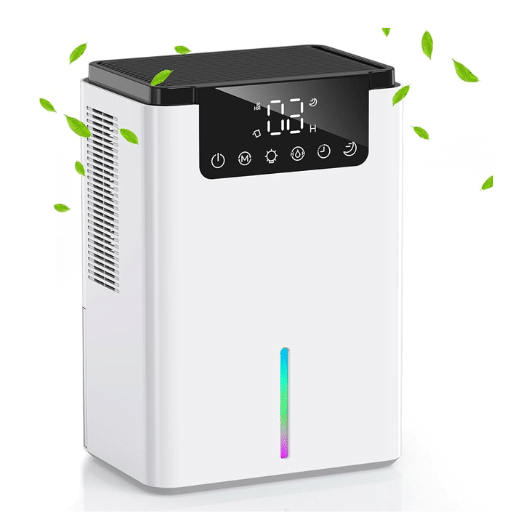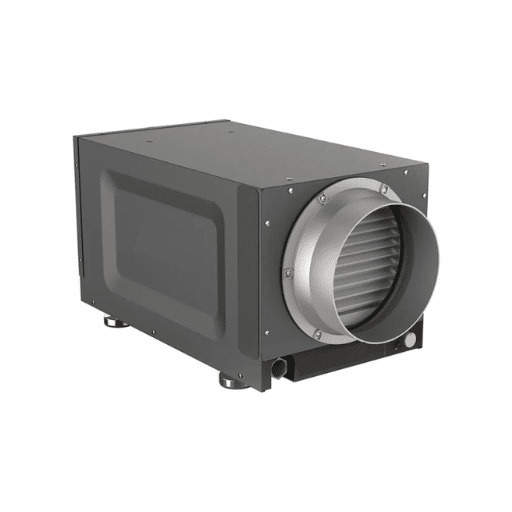
Overview: Energy consumption has become a significant concern for homeowners seeking comfort during hot and humid seasons. A key question arises: Does running an air conditioner in dehumidifier mode use less electricity than running it in cooling mode? This comprehensive guide analyzes the operation and energy use of both settings, exploring their benefits, drawbacks, and the best scenarios for optimal comfort and cost efficiency.
Introduction to Humidity Control and Energy Costs
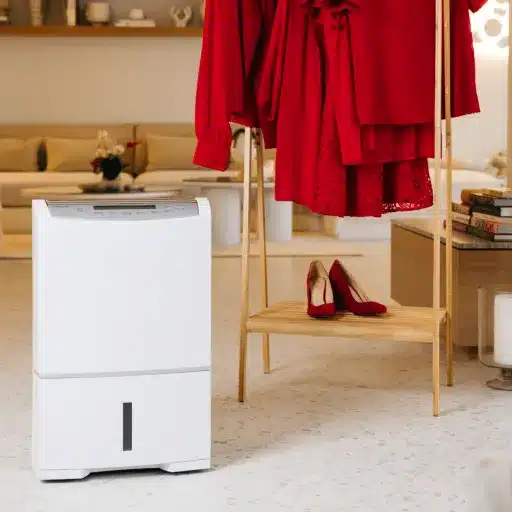
High indoor humidity makes homes feel hotter and less pleasant, leading to greater reliance on air conditioners. The dehumidifier function in air conditioning units typically consumes less power than full-cooling mode, as it focuses on moisture extraction rather than temperature reduction.
However, when atmospheres are already hot and humid, dehumidifier mode alone may be insufficient for comfort, potentially requiring simultaneous cooling and dehumidification. The trade-off between comfort and energy efficiency ultimately depends on your individual situation and local climate.
The Importance of Managing Indoor Humidity
Correct indoor humidity management is essential for preventing unhealthy, uncomfortable living environments. Ideal indoor humidity ranges from 30% to 50%. Excessively high moisture levels create numerous problems, including mold and mildew growth in poorly ventilated areas, increased allergens from dust mites, furniture, and other sources, and general discomfort from a sticky atmosphere.
Conversely, low humidity causes skin, respiratory, and structural problems, including wood cracks and paint deterioration. Maintain desired humidity levels in humid climates using dehumidifiers or air conditioners, coupled with efficient ventilation. Monitor humidity levels with a hygrometer to detect changes. Proper humidity management enhances air quality, lowers energy costs, maintains home durability, and improves occupant health.
How Humidity Affects Energy Bills
Humidity directly impacts home energy efficiency and energy bills. High indoor humidity makes rooms feel significantly warmer, increasing air conditioning use and electricity costs. During winter, humid spaces feel colder, increasing heating system usage.
Devices like humidifiers and dehumidifiers help achieve desired indoor moisture levels, allowing heating and cooling systems to operate more efficiently, resulting in lower energy costs. Research shows that maintaining a constant indoor moisture level between 30-50% significantly reduces electricity consumption by reducing the workload of the AC and heater. Beyond efficient appliances, sealing moisture-allowing cracks maximizes energy savings. Effective humidity management ultimately provides both comfort and lower energy costs.
Overview of Dehumidifiers and Air Conditioners
Dehumidifiers and air conditioners manage indoor humidity and comfort through different operational methods. Dehumidifiers absorb water vapor from the air, reducing mold, bacteria, and dust mite proliferation while enhancing indoor air quality. Air conditioners cool rooms while dehumidifying as a by-product of the cooling process.
Air conditioning units are ideal for hot, humid locations that require both cooling and humidity control. Consider your individual needs when deciding between these products. A dehumidifier offers more energy-efficient solutions when the primary concern is high humidity without significant temperature reduction. Air conditioners cool while controlling humidity. Using both machines together benefits areas with varied seasonal requirements.
Understanding Dehumidifiers and Air Conditioners
How Dehumidifiers Work
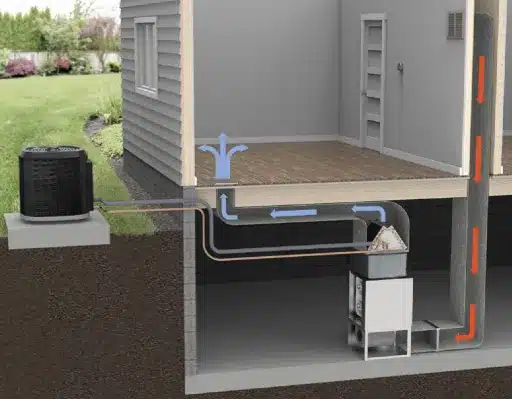
Dehumidifiers operate by drawing warm, humid air from a room and blowing it over chilled coils. When air contacts these coils, water vapor condenses into water droplets, which are either stored in a reservoir or drained through a pipe. Dry air returns to the room at a pleasant temperature, lowering air moisture content and creating a more enjoyable indoor climate while hindering the growth of fungi and bacteria.
Modern dehumidifiers feature innovative features, including humidity sensors, adjustable modes, and power-saving options, which facilitate efficient operation.
How Air Conditioners Function
Air conditioning systems cool indoor air by drawing in warm air, removing moisture and heat, then returning cooled air. Initially, room air with the highest heat enters the air conditioner and passes over the evaporator coils filled with cold refrigerant. The refrigerant removes heat from the air, cooling it, then cool air returns to the room while absorbed heat is released to the outside through the condenser coils. This cycle repeats until the target temperature is achieved, effectively maintaining a comfortable indoor climate.
Comparative Overview of Cooling and Dehumidifying Processes
| Parameter | Cooling | Dehumidifying |
|---|---|---|
| Primary Purpose | Lowers temperature | Reduces water vapor |
| Operating Mechanism | Uses refrigerant coils | Extracts vapor |
| Humidity Impact | May reduce humidity | Actively reduces humidity |
| Temperature Output | Cold air | Neutral temperature air |
| Primary Function | Comfort cooling | Moisture focus |
Energy Consumption Comparison
Wattage and Energy Use of Dehumidifiers
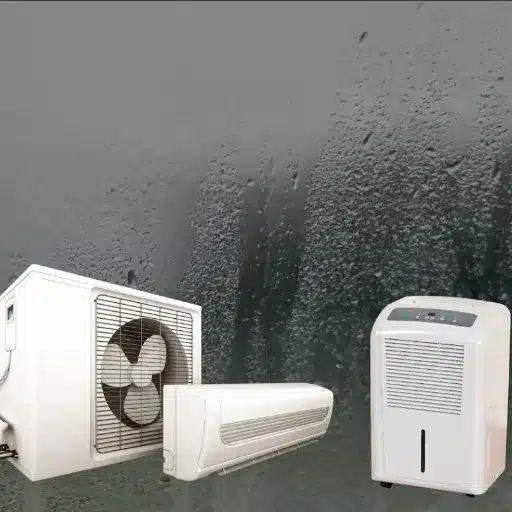
Dehumidifiers require less energy than many home appliances. Most modern dehumidifiers consume between 200 and 500 watts per hour, depending on unit capacity and efficiency. For example, a small 30-pint dehumidifier typically uses about 300 watts per hour; larger units may approach the upper limit of the range.
Energy consumption is influenced by room humidity, room size, and device operating frequency. With average daily running times of 4-6 hours, dehumidifiers add approximately $5-$15 to monthly electricity bills, depending on local rates and unit wattage. To reduce energy costs, homeowners should consider ENERGY STAR-certified models that maintain performance while lowering operational expenses.
Wattage and Energy Use of Air Conditioners
Air conditioners rank among the most energy-consuming household devices, with power consumption varying widely by unit type and size. Window units typically consume 500-1,500 watts, while larger central air conditioning systems range from 2,000-5,000 watts per hour. Portable AC units use approximately 1,000-2,000 watts, similar to window types.
Precise energy usage calculation multiplies the unit’s wattage by the daily operating hours. For instance, a 1,500-watt window unit operating 8 hours daily uses around 12 kWh, resulting in high monthly electric bills depending on local rates. Energy reduction approaches include improved insulation, efficient thermostats, and purchasing ENERGY STAR-labeled models, which offer long-term cost and environmental benefits.
Direct Comparison: Dehumidifiers vs. Air Conditioners
| Parameter | Dehumidifiers | Air Conditioners |
|---|---|---|
| Power Usage | ~300-700W | ~1,000-3,500W |
| Energy Efficiency | High | Moderate |
| Primary Purpose | Removes humidity | Cools & dehumidifies |
| Energy Needs | Lower | Higher |
| Operating Cost | Cheaper | Costlier |
Factors Influencing Electricity Usage
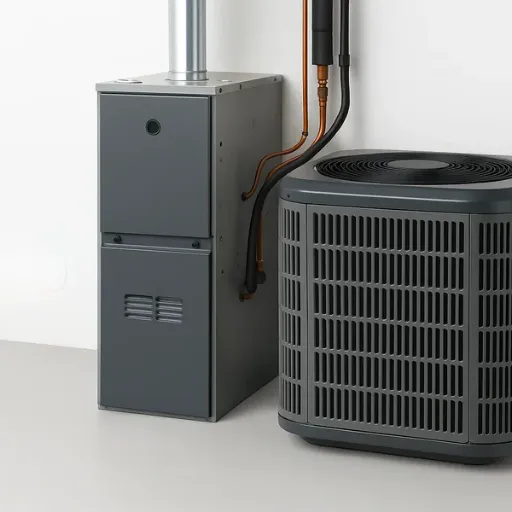
Key Factors Affecting Energy Consumption:
- Room Size: Larger rooms require more energy for proper humidity or temperature control, increasing electricity usage
- Insulation Quality: Inadequate insulation causes rapid heat loss or gain, increasing dehumidification or air conditioning workload and power consumption
- Humidity Levels: Higher surrounding humidity requires more energy for cooling and dehumidifying
- Device Efficiency: New energy-efficient appliances consume less electricity than older or less advanced models
- Usage Duration: Longer operation periods increase total electricity consumption proportionally
Local Climate and Humidity Levels
Local weather and air moisture content significantly impact appliance performance and energy consumption. In regions with consistently high humidity, machines work harder to maintain bearable indoor environments, increasing energy use. Conversely, in low-humidity areas, machines operate at a minimum or not at all, resulting in lower consumption.
Understanding your region’s typical humidity levels helps set appliances correctly and select efficient models suited to local climate conditions.
Room Size and Insulation Quality
Room dimensions and insulation quality heavily influence power consumption and home comfort. Large rooms require more energy for heating or cooling because they contain greater air volumes, which require complete control. Smaller rooms heat or cool faster but may experience uneven temperature distribution with insufficient ventilation.
Insulation quality is paramount—poor insulation allows winter heat to escape and summer heat to enter, forcing HVAC systems to use excessive energy. Consider room dimensions and properly insulate by weatherproofing windows, sealing gaps, and adding insulation to walls and ceilings. Addressing these factors escalates energy efficiency and lowers utility bills.
Appliance Efficiency Ratings: SEER and EER
SEER (Seasonal Energy Efficiency Ratio) and EER (Energy Efficiency Ratio) are critical metrics for determining appliance energy efficiency, especially air conditioners and heat pumps.
SEER represents the ratio between total cooling output over an entire cooling season and total energy consumed, serving as a long-term efficiency indicator. Higher SEER ratings indicate better energy performance and less typical seasonal electricity usage.
EER indicates unit efficiency at a specific outdoor temperature (95°F) during peak cooling periods, providing accurate performance metrics under maximum loads. Units with high EER ratings benefit areas with year-round hot climates.
When selecting appliances, compare both SEER and EER ratings to make informed choices aligned with local climate and usage patterns, saving energy and reducing environmental impact.
Practical Advice for Homeowners
When to Use a Dehumidifier Alone
Use dehumidifiers in isolation when the air is humid but the temperature is not high enough for air conditioning operation. This typically occurs during rainy seasons or early spring when moisture rises, but the weather remains cool.
Dehumidifiers are particularly valuable in moisture-prone areas like basements and bathrooms, where mold or mildew can develop without intervention. They purify air, reduce allergens, and create a comfortable indoor climate without the added cost of operating both a dehumidifier and an air conditioner simultaneously.
Maximizing Energy Savings with Dry Mode
Using the “Dry Mode” setting on air conditioners can dramatically impact energy efficiency. Many homeowners wonder: “Is Dry Mode truly more economical than standard cooling?” The answer is affirmative.
Dry Mode draws less power while primarily focusing on dehumidifying, providing some cooling without pronounced temperature drops. Consequently, the compressor operates less intensively, significantly reducing electricity consumption.
Interest in Dry Mode peaks during humid summer months as people seek economical ways to maintain home comfort. This mode is recommended when the weather remains moderate and humid, requiring infrequent complete cooling. Combined with proper window and door sealing, Dry Mode further reduces energy loss and maintains dry air without increasing power bills.
Improving Indoor Air Quality While Saving Energy
Improving indoor air quality and saving energy simultaneously is achievable through coordinating proper ventilation with energy-efficient practices. To eliminate allergens, dust, and other particulates, use energy-efficient HEPA-filtered air purifiers.
Regularly clean or replace HVAC filters to ensure optimal performance without excess energy consumption. Maximize natural ventilation by opening windows during cooler parts of the day, reducing reliance on the power system. Additionally, sealing door and window gaps prevents energy loss while maintaining cleaner indoor environments by blocking outside pollutants.
Implementing these recommended actions improves indoor air quality while establishing more energy-efficient homes.
Reference Sources
-
Dehumidifiers vs. Air Conditioners: What’s More Effective? – Discusses energy efficiency and effectiveness in reducing humidity.
-
Air Conditioning Vs. Dehumidifiers – Compares energy usage and efficiency between air conditioners and dehumidifiers.
-
Is an Air Conditioner More Effective at Dehumidifying Than a Dehumidifier? – Highlights the energy consumption differences and dehumidification capabilities.
-
Does running a dehumidifier with an AC unit save money? – Explores the combined use of dehumidifiers and air conditioners and their energy implications.
-
Is an Air Conditioner More Effective at Dehumidifying Than a Dehumidifier? – Examines the dual-purpose nature of air conditioners and their energy consumption compared to dehumidifiers.
Frequently Asked Questions
Is the energy consumption of a dehumidifier less than an air conditioner?
Yes, dehumidifiers generally consume less energy than air conditioning units. While air conditioners cool and dehumidify simultaneously, consuming more power, dehumidifiers focus solely on moisture extraction and operate at lower energy levels.
What is the operational difference between dehumidifiers and air conditioners?
Dehumidifiers draw in humid air, remove moisture, and return dry air to the room. Air conditioners cool air while simultaneously reducing humidity. Both enhance indoor air quality but dehumidifiers are more energy-saving for humidity control purposes.
Is running a dehumidifier with an air conditioner advisable?
Yes, operating dehumidifiers and air conditioning units together can be beneficial, creating a double-benefit effect that enhances humidity control and indoor air quality while keeping homes cooler. The dehumidifier maintains comfort without exhausting the AC system.
Is using a dehumidifier instead of air conditioning more economical in the long term?
Yes, using dehumidifiers rather than air conditioning for humidity control can be more economical. Dehumidifiers consume only a few watts during operation, while air conditioners in humid areas cost significantly more and result in higher energy bills than dehumidifiers.
What are the advantages of a dehumidifier for humidity control?
Dehumidifier benefits include improved indoor air quality, reduced depreciation of air conditioning components, increased comfort from drier air, reduced risk of mold formation, and preserved furniture condition.
How can I save energy while controlling humidity?
Save energy while managing humidity by using dehumidifiers as primary humidity-control sources during summer, reducing reliance on the air conditioning system. Dehumidifiers typically provide more power-efficient, comfortable indoor atmospheres without excessive power draw.
Conclusion
Dehumidifiers use significantly less electricity than air conditioners when operated under normal conditions. While air conditioners provide dual-function cooling and dehumidifying, their higher power consumption makes them less efficient for humidity control alone.
The choice between these appliances depends on your specific climate, humidity levels, temperature needs, and budget. For primarily humid but moderately warm environments, standalone dehumidifiers offer excellent energy savings. For hot, humid climates, air conditioners remain necessary. Consider using the air conditioner’s Dry Mode or combining both appliances for optimal comfort and energy efficiency.
Maximize energy savings by properly insulating, sealing gaps, selecting ENERGY STAR-certified models, and understanding local climate patterns. By implementing these strategies alongside appropriate appliance selection, homeowners can maintain comfortable, healthy indoor environments while significantly reducing electricity consumption and utility costs.
Key Takeaway: Dehumidifiers consume significantly less electricity (300-700W) than air conditioners (1,000- 3,500W). Choose dehumidifiers for humidity-focused needs in moderate climates, air conditioners for hot-humid regions, or combine both strategically. Maximize savings by using efficient appliances, proper insulation, and strategic Dry Mode settings to achieve both comfort and cost efficiency.