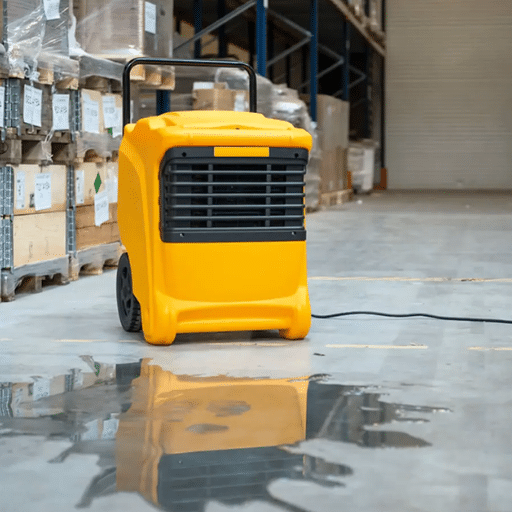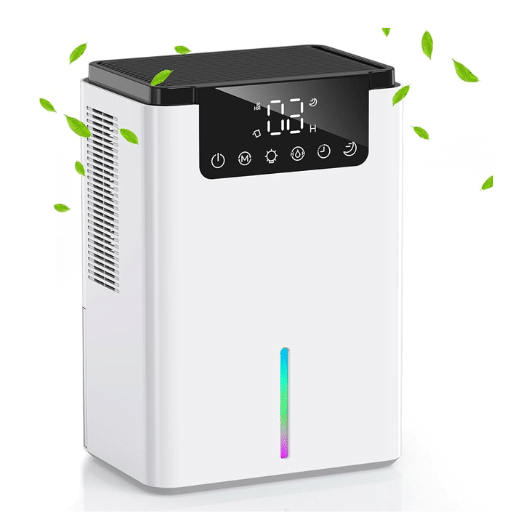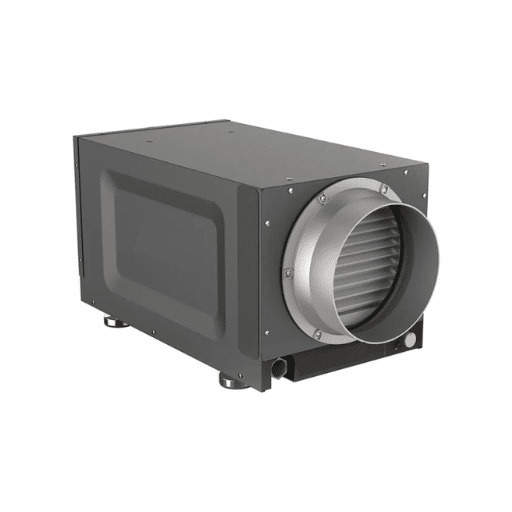
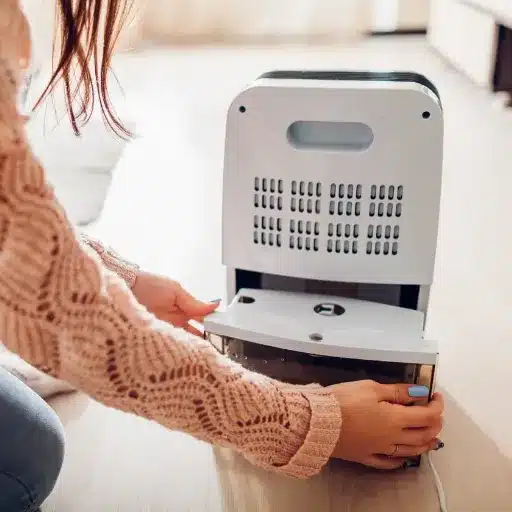
Is your dehumidifier not as water-heavy as usual? Something that is not working properly is annoyingly reminiscent, when you were totally reliant on it to keep the atmosphere inside your house comfy and moistureless. Before you start erring on the side of getting a new one, you can generally find some common problems with your dehumidifier, which you can do yourself using some guidance. This could be why your dehumidifier has ceased to amass water. Getting rid of the respective issues in a fail-safe manner will perfectly get you back your dehumidifier as well as to work on your behalf for a good while to come. Be it the filters have clogged, it’s a matter of the surrounding factors, or something mechanical has gone haywire, we’re putting everything down for restoring your dehumidifier’s efficiency, as you repay to gain some nice confidence toward keeping the air of your house fresh and dry.
Understanding the Dehumidifier Function
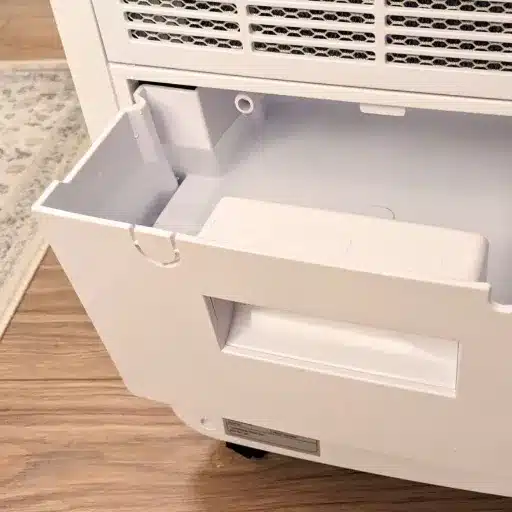
Collection of water by dehumidifiers
Dehumidifiers draw water by pulling moisture out from oversaturated air. Humid air is drawn into the machine, to be passed over coils, which cool it down and thus condense the vapor resulting in being collected as a liquid either in a collection reservoir or may be drained downward. The resulting lowered humidity from this manner creates a comfortable, healthy interior environment.
An essential component of the whole process is the refrigeration system within keeps the dehumidifiers. So, when surfed by the chilly coils, it causes the temperature to drop below the dew point; this, in effect, leads to condensation of the moisture in the air into small water droplets. This air is then a bit warmed up, and its moisture is released into rooms. This process goes on as long as the dehumidifier is working, maintaining the required humidity.
Maintenance is essential to collect water efficiently, and it’s essential to maintain your dehumidifier well. Emptying water tanks periodically and checking the running drain line are preventative measures against fullness and blockages. Clearing out the filter ensures that the airflow is good, which in turn ensures that the appliance performs evenly. By understanding the water collection of dehumidifiers and managing their repair or maintenance tasks with good hygiene, their useful serviceability is maximized while also offering a cleaner and more comfortable living environment inside.
The Role of Humidity Levels
The indoor humidity level has an essential bearing on the level of comfort and healthy living. Ideally, indoor humidity levels should be maintained in a narrower range of 30-50% to keep a good balance between a decrease in mold and dry air which can perfect the skin, eyes, and respiratory tract. Monitoring these levels results in a healthier and more comfortable indoor atmosphere.
High humidity levels encourage the growth of mold, mildew, and bacteria, together with causing and exacerbate allergies and respiratory issues. Furthermore, a high humidity level can bring damage to furniture, walls, and ceilings by promoting rot and decay. Ventilation and dehumidifiers can be of great help in addressing high humidity in homes or places of work.
Dry air on the flip side can create discomfort, i.e., dry skin, irritation in the throat and nose, and static electricity. In addition, it may cause wooden furniture to crack or warp. Humidifiers are used to raise humidity, with more natural methods such as placing bowls of water in rooms also assisting. Proper humidity balance is essential to produce a secure, comfortable, and pleasant living environment for increased health recovery.
When a Dehumidifier is Running but Not Collecting Water
The first step to take is ensuring that the room’s humidity levels are high enough for the dehumidifier to work properly. Dehumidifiers will stop pulling water when the relative humidity in the room is below the setting threshold. Have a hygrometer to check relative humidity levels and adjust the settings of the dehumidifier accordingly.
Secondly, check the location of the dehumidifier. For it to work effectively, there needs to be free airflow where the dehumidifier is placed-make sure it is not next to walls, furniture, or other obstructions that impede ventilation. An unsuitable environment will allow more moisture in, thus hindering the dehumidifier from keeping the room dry. Look for doors, windows, or leaks that might be interfering with its performance.
Mechanical problems or maintenance issues might result in a malfunction. A clogged air filter, a water tank reaching capacity, or a compressor that fails to engage an infiltration of excess moisture can bring extra problems to light. Regularly clean out and/or replace air filters, thoroughly drain off water from dehumidifiers-all these are basically little routines. Always consult the user manual in order to scrutinize anything that may remedy these problems; furthermore, if they do persist, servicing may be necessary irrespective of space either to accurately diagnose or to replace any parts where necessary for a complete fix.
Common Causes for a Dehumidifier Not Collecting Water
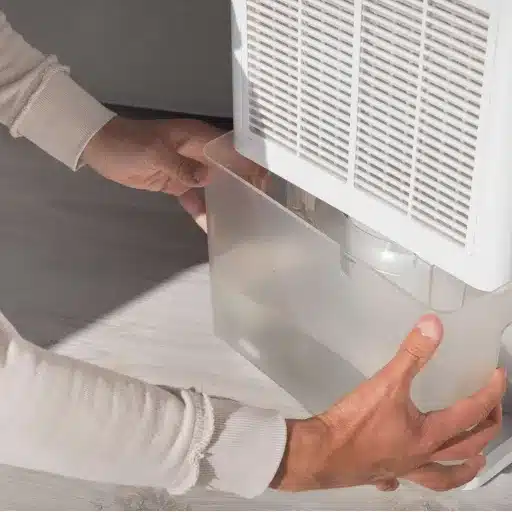
Mechanical Malfunctions
Mechanical abnormalities are probable causes for the failure of a dehumidifier to collect water. The most common mechanical issue is with the compressor, which is responsible for cooling coils so that moisture is drawn off the air. Should the compressor fall out, then the coil does not get cool enough for moisture extraction; therefore, the water is not made available for collection. This aspect must be checked first as well.
Another potential malfunction could be the fan. If the fan does not run properly, the dehumidifier will not be able to draw adequate air over the coils for moisture removal. This could be caused by its motor breakdown, blocked airflow, or blade damage, among other things. Thus, make sure the fan is working and that no obstruction lies in its path.
A restricted or frozen coil may be the issue as well. Dirt or ice on the coils can slow up the functioning of the unit, which would ultimately mean that the unit cannot remove moisture to be removed. Routine cleaning and ensuring the temperature of the surroundings is above 65°F can be effective against most of these freezing incidents. If none of these fixes work, professional attention should be sought in the troubleshooting of any deeper mechanical anomalies.
Incorrect Settings and Controls
Incorrect settings and controls can spell doom for the efficiency of your air conditioning unit. If the thermostat has been wrongly adjusted, then one runs into the necessary trouble cooling or overcooling a room. Make sure the thermostat is properly adjusted and then set to the desired temperature for comfort and energy efficiency.
Another issue often encountered is the configuration of the fan settings in the opposite manner. As a word of caution, if the fan is set to “on” and not “auto”, it will run continuously irrespective of the cooling cycle, thus causing an increase in energy bills and premature wear and tear on the system. Make sure the fan setting is in an “auto” mode so that it only runs when the air conditioning unit is cooling.
Sleep and energy-saving modes and advanced features can occasionally be turned off unintentionally by users. Energy-saving modes of this type are meant to offer better overall system performance and purportedly save energy consumption. In such a scenario, it would be helpful to, in most cases, refer to the user manual or take advice from an experienced factory-trained technician to ensure the setup adjustments are rightly performed in order to extract maximum efficiency and maintain the unit in good cooling. By observing each and all settings associated with a system, possible malfunctions can be averted: what comes in return is an improvement in service life.
Environmental Factors Affecting Performance
One of the leading causes of cooling system capacity is environmental factors. Very high temperature, for instance, straight on only increases the strain placed on the system itself to the ultimate deficit of its efficiency. Cutting down on some of these insults with good insulation and ventilation in the surroundings works to prevent excessive heating and promote convection currents. An increase in the humidity on the other hand from its slumped level undermines system performance even further. An elevated humidity level keeps the cooling systems in hot areas from working excessively before the temperature in the room is even considered and consequently causes excessive use of energy and thus high bills. One way to ensure that the system will continue to serve the purpose is by effective humidity control in that ambient environment.
Finally, excessive dust and debris can lead to the malfunctioning of the system. Dust makes the exchange of heat inefficient as well as blocking the airflow due to its clogging of air filters. By maintaining the system, you make sure the filters serve for the desired period and have a proper exchange of heat. Ideal operation standards. This situation may be greatly enhanced by mitigating the aforementioned environmental factors concerning any cooling system and crushing them.
Troubleshooting Steps for Your Dehumidifier
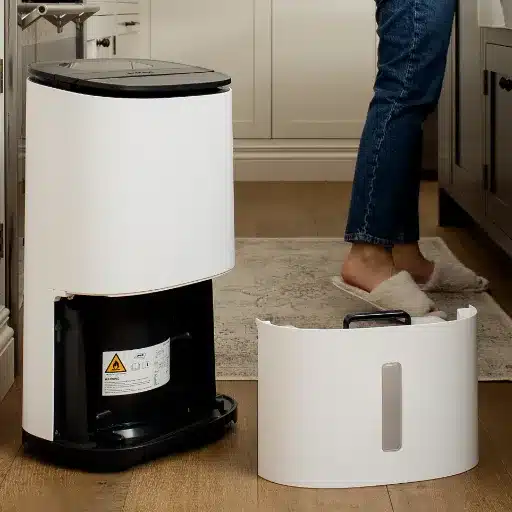
Checking Humidity Levels
The initial step in ensuring that the dehumidifier is functioning as desired is by taking measurements of the humidity that currently exists in the air in the space that you are examining or you are residing. An ideal indoor humidity level falls within a range of 30% to 50%. Levels higher than this range, however, could lead to discomfort and mold growth, while levels below may cause dryness. Accurate measuring of humidity in the area you are measuring through a hygrometer is best done. The hygrometer should be situated at a certain spot where temperature drafts and those indoor sources with variations are minimal, thus maximizing accuracy.
After you figure out your humidity level, set your dehumidifier probability chances in the humidifier. Most dehumidifiers provide a percentage choice for the probable level. Ensure that the dehumidifier is maintained within the manufacturer’s comfort and efficiency percentage. If the area is feeling too wet or too dry, with appropriate readings confirmed, make sure that all windows and doors remain shut to avoid external factors affecting the humidity levels. Also, go through the dehumidifier’s airflow or filters to see if there is anything that might be blocking the rule: “the normal flow of performance.”
Monitor and test the levels of these humidity problems from the bag, watching for an overall tendency. Seasonal changes or shifts in atmospheric conditions might necessitate changes in the dehumidifier’s settings periodically. Although it is nice to have professional help in putting your humidity in its right situation, any further relevant concerns you can raise with them would be appreciated.
Inspecting the Drainage System and Drain Hose
It is recommended to inspect the drain pipes and the hose pipe to ensure the machine will function smoothly. The first step is to check the drainage hose for clogs, kinks, or damage that blocks water flow. Blocked hose pipes might mean water backflow, so reducing the efficiency of the entire unit and causing water accumulation or water spills. Make sure the hose pipe is properly connected and routed downwards to provide the additional benefit of gravity to assist in the drainage.
Further considerations in the inspection are for leakage in that drainage system or any malfunction. Please ensure that no cracks or overgrowths in the reservoir have occurred, and cleaning can help prevent the growth of molds. For the continuous drainage feature, it should be checked that the hose is just enough to drain water properly into a drainage location.
Make it a habit to clean and maintain regularly to ensure good water flow and a long lifespan. Clean all clogs from the hose and drain line. When dealing with persistent problems beyond the healing care, it is time to reference the user manual or get outside advice for more intense troubleshooting and repair needs.
Assessing Appliance Placement and Airflow
If a dehumidifier is running, but no water is being harvested, the speech or lecture will first have to consider its location and ventilation system. Verify that the unit is correctly positioned in the room or space, with the room fairly and well ventilated. Do not press the dehumidifier against a wall or any piece of furniture because this blocking allows no air ventilation and consequently diminishes the operational efficiencies of the unit. The room, too, must have constituted a moderate temperature as specified by the appliance manufacturer in the user manual, for these units are not so much helpful in the colder environment, where the condensation is less, as frequently required for the purpose.
Next, check the filter and coils to make sure they are clean and that there are no obstructions. Obstructions of any sort could severely impede the flow of air through the coils and result in the non-removal of moisture from air, or worse, that it would accumulate on other inner parts. Verify this-then clean or substitute your air filter, as necessary, after seeing the evaporator coil for signs of ice. If indeed it is icy, turn off the appliance and make room for manual defrosting before rebooting in a more heated space.
Lastly, check whether the humidity levels in the house are high enough for the dehumidifier to work properly. If the environment is already dry, it might not collect any water because there is nothing to extract. If all troubleshooting steps have failed, please refer to the user manual or consult a technician.
Maintenance Tips for Optimal Performance
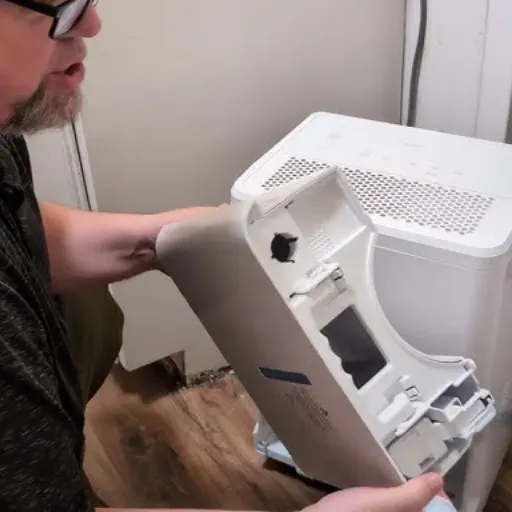
Cleaning Filters and Coils
Filter cleaning and coil cleaning take precedence in ensuring the dehumidifier operates efficiently for a long time. Before carrying out any maintenance, ensure your dehumidifier is well disconnected from the power supply. The first step of this operation is to remove filters that are addressed in terms of the user guide. Washing your filter is important; you should use warm water and mild detergent rather than clogging the filter with endless dirt and debris. You must wash the filter thoroughly and air-dry it before returning it to the humidifier.
Clean-up of the coil involves inspection of any debris particles or dust that might have sparsely accumulated. Remember, we are talking about the cleaning of coils; using a soft rag or coil brush to wipe them is but a first resort. Should this prove unsuccessful, then a few minutes on the soft-brush attachment from a vacuum cleaner may be called out. If any more overflowings of water are on to the coils, they can cause serious damage to the dehumidifying unit.
The cleaning routine is recommended for your dehumidifiers which when ignored could have negative impacts. Doing this cleaning every couple of weeks or as recommended in the user manual can enhance the dehumidifier’s performance and longevity. Clean filters allow for better air flow, and clean coils allow for efficient moisture condensation. Proper maintenance is required to ensure your appliance functions properly, keeping your space comfortable and free of excess humidity.
Regularly Checking for Blockages
When your dehumidifier is running but not gathering water to drain and is worrying that its effectiveness is lost, you can begin with several causes. One of the more common reasons is that humidity levels are inaccurate. Dehumidifiers collect water in high-humidity rooms. Make sure that your humidity level is accurate, meaning there is enough moisture in the place for the dehumidifier to pull.
Another common issue is the filter or object being unblocked. Take note of whether the air filter is clean and free of dirt: a clogged filter will reduce the efficiency of the dehumidifier. Look at the air intake and exhaust vents to ensure they are not obstructed or blowing the wrong way. Poor airflow in the unit lets air in to be pulled in to remove moisture effectively.
Thus, environmental factors may come into play. Dehumidifiers cannot work as well when it’s cold in the room, usually meaning below 65, and forms ice on the coils. Sometimes the unit has an internal frost or defrost indicator, so let it warm up a bit if it is necessary. Consequently, proper maintenance, correct settings, and the right environment can help you to eliminate this problem.
Ensuring Proper Functionality of the Drain Hose
What if the dehumidifier is running but it does not collect water? Possible configuration of the drain hose might interfere with the functioning of the unit, and the first thing to check on should be the hose connection. Check if it is correctly plugged in. Make certain that it is not twisted round so much that it would block water from flowing through it. Also, the hose is supposed to run somewhere down for gravity to take the discharge, if any.
Also, doing so will repress the idea that the environment is hindering the dehumidifier’s performance in any way. If the room is very cold-like below 65°F-coils in the unit may freeze and will not accumulate as much murky water. For the given model’s current temperature requirements, letting the unit operate in a well-ventilated room with a temperature working system for your dehumidifier would solve the problem. As an alternative suggestion, the use in a warmer location would also assist; very experienced users sometimes consider this for another name.
Occasionally, change and clean one’s filters, if the dirt accumulates, because it leads to restriction of airflow and the system will face tough performance. In the event that others do not work, it is better to refer to the structural details of the operator to deter further damage.
Improving Dehumidifier Efficiency
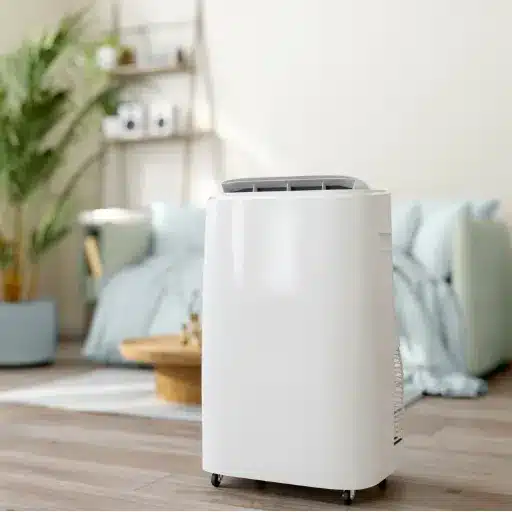
Optimal Relative Humidity Levels
To prevent an indoor space from environmental detriment and, above all, to guarantee comfort, it is imperative to maintain the correct levels of relative humidity. The best range for indoor relative humidity is between 30% and 50%. Once humidity reaches this level, it can help in checking dust allergies, mold or mildew growth, and respiratory damage. On the other hand, humidity levels exceeding 50% can cause problems like condensation on surfaces or musty odors or increase the likelihood for mold to proliferate, thereby creating health and property risks. Otherwise, where the humidity levels are below 30%, some discomfort due to dry air may occur, which may be evidenced by some indications such as cracked skin, irritated respiratory passage, and static electricity.
By altering settings of your dehumidifier within the desired range, ensuring that dirty grilles are regularly cleaned, and sitting the unit in places with good ventilation, you aim to let that machine work to its best capacity in your hands. Now, if a simple hygrometer frequently shows 50 percent humidity in your home, you could then invest a bit in releasing an environment that is perfect for your health and comfort.
Using Dehumidifiers in Different Environments
Dehumidifiers can be used in various environments, greatly improving the air quality compared to that caused by an excess of moisture. For example, in a basement or crawlspace, where high humidity usually causes mold, dehumidifiers can maintain a steady humidity level, minimizing structural destruction and fostering a healthier living atmosphere. Make sure that the area can be sealed up as much as possible to avoid outside sources of moisture sapping the dehumidifier’s effectiveness.
In bathrooms and kitchens, spikes of humidity frequently occur with regular use of water. Install a small dehumidifier to significantly reduce moist air that increases the dehumidifier’s ability to leave behind substrate walls and tiles while streaming onto kitchen wood furniture and cabinets. A preventive measure requires periodic emptying of the water tank or a continuous drainage option, which allows for continuous activity in these places.
For large open areas such as living rooms and offices, it would be best to get a dehumidifier that can handle a higher amount of humidity. Thus, such large open spaces can have highly varying moisture levels depending on weather conditions, especially in the humid seasons. In order to maximize efficiency, a well-placed dehumidifier will sit near the center of the room, away from walls and furniture, so that air can freely travel in and around the unit. By customizing the dehumidifiers to the specific condition of the local setting, an efficient system is put into place that creates an optimum and healthful environment.
When to Seek Professional Servicing
If your dehumidifier fails to work properly, there are obvious warning signs that may indicate the necessity of opting for professional servicing. A common issue is that even when placed under perfect conditions, the unit does not pull moisture out of the air. Therefore, there could still be dampness, mold could be regrowing or the indoor humidity remains high, even after using the dehumidifier regularly.
Another significant warning sign is the appearance of strange sounds or smells coming from the unit. Grinding sounds, rattly noises, or buzzing noises could all indicate some mechanical issues or internal malfunction. Also, if the unit emits a burnt odor or an excessively high amount of heat, it should immediately be turned off and seen by a technician for potential safety hazards.
In case of experiencing constant error messages, water sipping out of your dehumidifier, or malfunctioning controls, the dehumidifier will need professional servicing. Before things get this ugly, some basic maintenance checks can help safeguard against such eventualities; however, in case things go awry, engaging the service of a dehumidifier-repairing technician makes for a safer and more effective repair, in turn prolonging the life and improving the continual performance of the dehumidifier.
Frequently Asked Questions (FAQ)
Q: Why do Dehumidifiers run and not collect the water
A: Among other competences, if your dehumidifier does not collect any water, common causes that might include a low level of humidity outside or too cool outside, a flawed sensor; clogged intake or exhaust, frost on coils, or a fault in the refrigerant system. Try to check the temperature and RH, establish the free flow of air, as well as on the other hand, confirm that the water reservoir or hose is appropriately in place. Should the morsel be dedicated to different containers without wet floors, common points to check might be refrigerant leaks; for which there is a need for professional breakdown-prone or call for the annual warranty service.
Q: Can my dehumidifier still run even if the compressor is shot?
A: Yes, it can. The control fan and dehumidifier fan are separate which is why the fan and controls would run with the dehumidifier even when the compressor or refrigerant system is not running. Thus, you can hear the compressor starting power and noise when that happens, or it may not make any noise at all. If you are not running on a compressor, and there is no water in the bucket, then we can expect that the compressor problem is an issue and it is possible that the unit needs replacing unless it is still under warranty for repair.
Q: The Dehumidifier is not dehumidifying much. What should I do?
A: Troubleshooting includes: checking for room humidity (less than the dew point) and ambient temperature, cleaning filters and ensuring that there is no buildup around the coils, rechecking bucket seating and water for any clogs in the hose, looking at the sensors and settings, and finally ensuring that the dehumidifier is rightfully sized for the room. If your dehumidifier is still new but has developed zero moisture issues, you might need to have it professionally diagnosed for the refrigerant system and may need to get the sensor replaced, depending on what is damaged.
Q: Can a dehumidifier cool down my basement during summer
A: Frequent servicing is required if there are problems of any sort, if the refrigerant system fails outside the warranty, if energy efficiency is not too good, or else if the dehumidifier is of an older age and not really worth a reparation. If the servicing and troubleshooting to be done annually do not improve the level of dehumidification and indoor air quality is still found to be wanting, just give up on the old age model and…for a nice upgrade to energy efficiency or proper capacity designing into your residence, you’ll create a comfortable and healthy atmosphere.
Q: cranks the box on that? Could water collection be stopped because of sensors on the dehumidifier or its settings
A: Variance in humidity level: verify with a hygrometer the set humidity level and the current humidity level in the living space. Is it that the dehumidifier thinks the room is now at or below the chosen RH, so it no longer operates the dehumidification cycle? Sense some matter; sensors may be tested by a reset or from its function in another much humid room during the warranty period. It will function unreliably when there is a sensor malfunction, requiring the manufacturer to refurbish or replace the sensor for full life-assurance period.
Q: Does performing regular checks protect my dehumidifier from running without pulling any water at all
A: Definitely. Regular checks ensure the machine is running cohesively doing what it’s supposed to be doing. This can make the difference as full preventive maintenance, which consists of cleaning filters, maintaining the holes in the filter air flow, keeping the drain hose clear, seeking buildup on the coils, and scheduling an annual service. Complete maintenance of even minimal handling maintenance saves you a lot of money while effectively maintaining the refrigeration system and some other associated sensors and compressor for the dehumidifier to collect water as it should be and does much better in controlling air quality and dehumidification.
References
-
iFixit: Dehumidifier comes on, but no water in the container – Discusses common issues and troubleshooting steps for dehumidifiers not collecting water.
-
Reddit: Dehumidifier runs but no water is collected – A community discussion with practical tips like checking for clogs or air filter issues.
-
Town Appliance: Why Your Dehumidifier is Not Collecting Water – Explains potential causes such as faulty compressors or refrigerant issues.
-
GE Appliances: Dehumidifier – Not Collecting Water – Offers troubleshooting advice, including resetting the dehumidifier and checking settings.
-
All About Circuits Forum: Dehumidifier turns on but doesn’t collect water (Solved) – Provides technical insights into diagnosing and fixing dehumidifier issues.