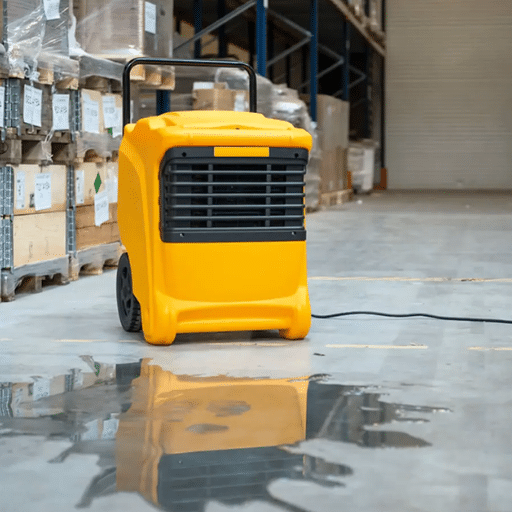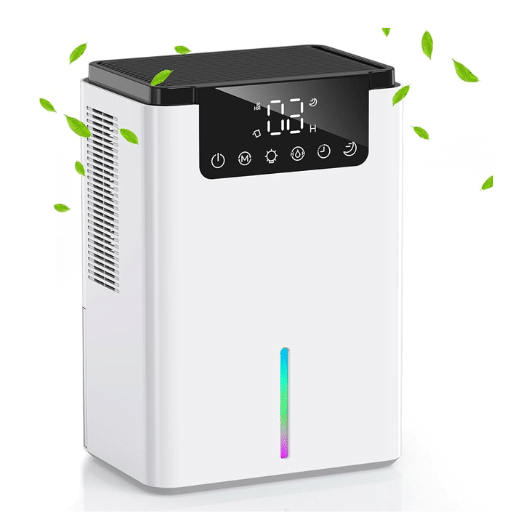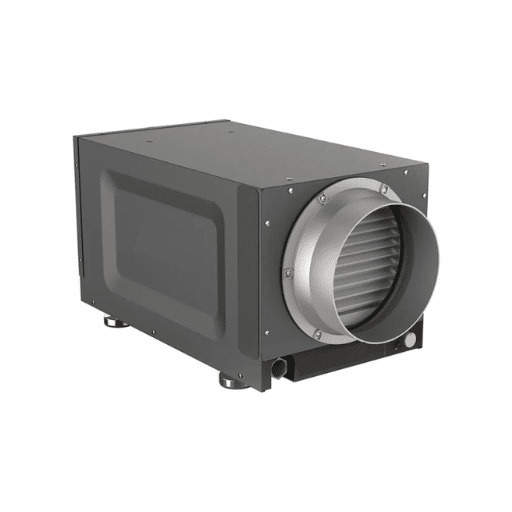
Maintaining appropriate moisture levels inside your home is important both for your comfort and health. Anything that is too moist may begin to harbor problems in the form of mold, dust mites, and bad air quality. However, air that is on the drier side can be a source of discomfort and will only make any respiratory problems a lot worse. This is where a dehumidifier comes in handy. But what is the best setting for a dehumidifier to treat your home properly and create a healthier and more pleasant environment? Let us take you down the road to optimum humidity levels in every corner of your house, the factors lying behind these levels, and effective pointers to maximize the productivity of your dehumidifier. By the end, you would be armed to ensure comfort and fresh air for your own family.
Understanding Dehumidifiers
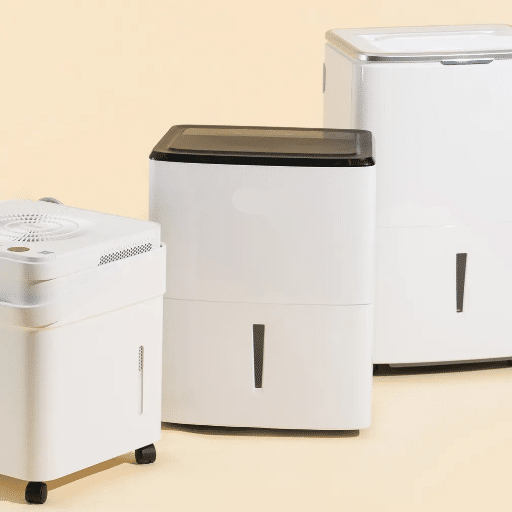
A dehumidifier is a device that ensures the maintenance of a proper level of humidity indoors. They do so by sucking out the excessive moisture from the surrounding atmosphere, thereby abating molds, which are common allergy agents. In turn, it helps suck in the exhaled grounds of allergy-causing dust mites. In normal dehumidifiers, the moisture from the air gets released as liquid water once it cools. This water has to be emptied every now and then. The operation of the dehumidifier carries on from this point by reheating and returning the moisture-free air into the room. They are, however, especially useful in environments prone to high humidity, like basements, bathrooms, and kitchens. Dehumidifiers help create healthier and more comfortable living spaces.
What is a Dehumidifier?
A dehumidifier is an electronic appliance designed to reduce and maintain humidity in the air to improve the quality of the atmosphere one breathes, and to prevent problems caused by too much humidity. Its working principle is that it draws in humid air, passes it over cooling coils where the excess moisture is condensed into water, and then releases the dry and cleaned air back into the space. In actually controlling humidity, dehumidifiers are highly effective against mold, mildew, and dust mites, which are all very high-humidity microorganisms. These kinds of appliances are usually installed in areas prone to damp (like basements, bathrooms, and kitchens) to ensure perfectly comfortable and healthy indoor conditions. And units in the market range from the most basic to the larger industrial varieties, offering features like humidity settings, auto-cycle timers, and various energy-saving functions.
How Does a Dehumidifier Work?
A dehumidifier creates cool air within the room and forces it to move since it contains moisture. Bears on; thus, air comes in contact with cold coils. The now-air cools the air from the evaporator coils’ heat-exchanging effect into an extra cold state. Upon the cooling effect of the evaporator coils, condensation starts to occur within the breath that can form crystalline water droplets. Given heaters or heat pumps inside the fan unit, air suction commences to allow the condensate to be drained to a container or the soil. Dry air passes over another warm coil inside the dehumidifier, steadily absorbing heat on its way. This cycle will stop any moist air from staying behind until the desired level of moisture is reached.
Benefits of Using a Dehumidifier
Dehumidifiers give incredible benefits to the owners, especially in keeping indoor air quality high, and for the safety of health and property. For one, a dehumidifier brings down the moisture content in the air, thereby not allowing any favorable atmosphere for mold and mildew, which can either deepen one’s respiratory problem or cause allergies. For another, many a wooden furniture, floor, or structural part of a building may suffer any major damage from warping, cracking, or decay due to excessive moisture. Further, with the freshness you can inhale, a dehumidifier provides comfort against the heavy, sticky feeling created by humidity. Likewise, the choice of modern home dehumidifiers indeed contributes to energy savings, particularly when these are run jointly with air conditioning; other than ridding excess humidity, you need cool air for further comfort. These points illustrate the crucial role dehumidifiers play in cost-effective and healthy management of indoor temperature.
Importance of Humidity Control
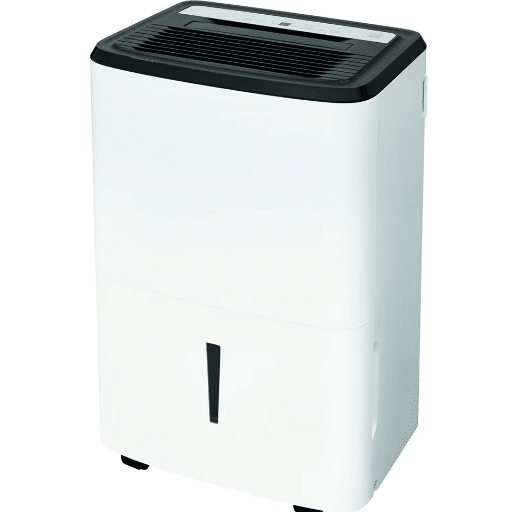
It’s absolutely mandatory to maintain perfect humidity levels if the air quality of a house is to be maintained. Personal comfort and the well-being of furnishings and finishes inside the house significantly depend on this factor. On the downside, humidity levels over 50% are likely to bring about an increase in common allergens like molds, house dust mites, and other allergens, all of which, in some way or other, directly affect human health. At very low humidity levels, skin may become dry, irritated, and wooden furnishings or floors may also be spoiled. It is advantageous for both health and preservation of the structure when normal indoor humidity levels are maintained within the 30-50% range. It is vital to take measures to control humidity, such as using humidifiers or dehumidifiers, to minimize potential dangers while enhancing an all-around quality of living conditions.
Effects of High Humidity
Because of influences in the workplace or indoor environments, high humidity levels can strongly raise issues in regard to health. An air with excessive moisture provides an ideal breeding scene for from Build, mildew, and dust allergy-inducing allergens that can be bad for sufferers of asthma and allergies. This can also result in heat-related ruin, such as heat exhaustion, by which the body tries to maintain its temperature through decreased sweat evaporation. Likewise, an environment with excessive humidity can affect the integrity of the structures of a building through swelling of the wood, oxidation of metal, and peeling of paint. Proper ventilation, air conditioning, and dehumidification are essential to controlling internal humidity for the prevention and preservation of the building’s integrity and health within it.
Optimal Humidity Levels for Health
Maintaining an optimum indoor humidity level is much needed for health and comfort. A good range for relative humidity is about 30-50%, according to health and environmental authorities. Humidity at levels lower than this may result in dry skin, sore eyes, respiratory discomfort, and more static electricity, whereas anything above 50% may allow mold, mildew, and dust mites to proliferate, potentially aggravating symptoms of allergies and asthma.
It is important for health purposes to have a certain indicator for such humidity levels to be used for controlled devices like hygrometers and the needed control systems, such as humidifiers and dehumidifiers. This particular rule could actually prevent certain diseases and protect building materials while enhancing the overall air quality indoors, leading to the creation of a much safer and sustainable living environment.
Humidity and Comfort
While keeping the selected indoor humidity, comfort, and environmental health are important. The width between 30% and 50% is a fairly good relative humidity range. This percentage can help prevent dryness at best, and it can discourage the accumulation of allergens, including mold and dust mites. Relative humidities below about 30% should be closely watched as they inevitably lead to dry skin, irritated respiratory passages, and static electricity, while any relative humidity above about 50% starts feeling uncomfortable due to sticky air and possible molding. Most health complaints associated with building envelopes demonstrate how indoor humidity can spiral into something worse. Maintaining indoor humidity is a process of uneven control between the use of a hygrometer and an accessory humidifier or dehumidifier should balance the humidity. The best humidity level for a house is really difficult to find, but the goal is to maintain the surroundings; hence, the area is able to preserve all materials and furnishings, maximize the efficiency of the HVAC system, and maintain healthy and comfortable spaces.
Best Humidity Settings for a Dehumidifier
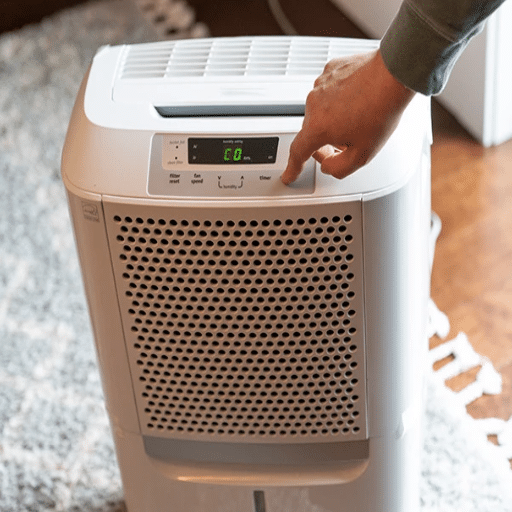
Recommended Humidity Range
A 30% – 50% indoor relative humidity level is ideal according to authoritative sources to maintain a comfortable and healthy indoor environment. Relative humidity levels below 30% result in dry skin, irritated respiratory passages, and lots of static electricity. Levels above 50% may foster mold, dust mites, and other allergens. Humidity levels are, in fact, insufficient during summer if they are in the 40% to 50% range, as this assists in combating the feeling of discomfort resulting from severe heat. In winter, the range should be a bit lower-30% to 40%. That solves the excess moisture issue, which could lead to condensation on windows and damage to the structure, while good ventilation, not overdoing it, could be practiced. Regularly using a good dehumidifier, particularly in areas with a lot of outdoor humidity or poorly ventilated areas, may help attain the correct levels. Calibration on the hygrometer ensures accurate monitoring for the ranges set by health and structural integrity.
Best Setting for a Dehumidifier in Different Rooms
The perfect humidity varies depending on the room and its use. Basements, where dampness is common, should sustain humidity levels between 30% and 50%. This should also prevent the growth of molds and structural issues. In usual residency, such as the living room or the relative humidity, on the other hand, should always remain between 30% to 50%. Generally, kitchens or bathrooms suffer humidity surges due to cooking or showering; the humidity should be close to 50% to arrest issues like condensation and mold in this environment. For activation, the settings may always be altered depending on the changes in the weather or for every season; be sure to use a hygrometer to track the humidity level, just to at least give the level of assurance required that the humidity levels are being controlled properly.
| Room Type | Recommended Humidity Range | Key Considerations |
|---|---|---|
| Basements | 30% – 50% | Prevent mold growth and structural issues |
| Living Rooms | 30% – 50% | Maintain comfort and protect furnishings |
| Kitchens | Close to 50% | Handle humidity surges from cooking |
| Bathrooms | Close to 50% | Prevent condensation and mold from showering |
Adjusting Settings Based on Season
The adjustment of indoor humidity to the right conditions is usually necessitated by the change of seasons, particularly in winter. The dry air caused by heating systems would make the humidity uncomfortable, with be below 30% of its normal level. In cases of discomfort, headaches, and static electricity should be lessened by using a humidifier to increase the humidity level. However, summer may open the door for severe humidity entering the house from the outside, and in that case, a dehumidifier should again be called into play to ensure a relative humidity of 40–50%, hence curtailing mold growth and fostering comfort. Spring and fall could be less troublesome, but consistent monitoring by a hygrometer is still advised anytime the humidity is a concern. Improving air quality through regular HVAC system maintenance and the use of ceiling or bathroom ventilation strategies is also of paramount importance while trying to dampen the harmful humid effects taking place seasonally.
| Season | Recommended Range | Action Required |
|---|---|---|
| Winter | 30% – 40% | Use a humidifier if below 30%; prevent window condensation |
| Summer | 40% – 50% | Use a dehumidifier to combat outdoor humidity |
| Spring/Fall | 30% – 50% | Monitor with a hygrometer; adjust as needed |
Setting Your Dehumidifier
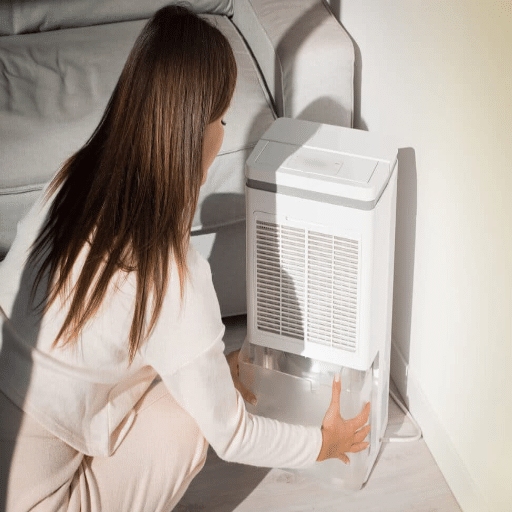
Start by placing your dehumidifier in the wettest place you want to dry; basements or bathrooms are the classic picks. Ensure the setup area is totally flat, as uneven surfaces could be disastrous for your equipment; also, make sure there is 12 inches of open space for efficient air circulation around it. The recommended humidity setting is between 40% and 50% because this range is most effective for stopping fungi, mold, bacteria, etc., and keeping things pleasant. Manage, follow, and maintain the setup of the dehumidifier. Keep an eye on the level; sometimes the water tank needs to be emptied, while other times it makes sense to hook your dehumidifier up to a drainage line. And finally, servicing—just like your personal car needs periodic servicing, your dehumidifier does, too. What? Surprise: cleanliness.
Step-by-Step Guide to Set Your Dehumidifier
1
Ensure it is placed where airtightness and degradation of airflow are largely prevented, surrounding the said dehumidifier at the center of the infested room with nothing less than a six to twelve inch surrounding space around itself, of clear-cut airflow away from obstructions; keep it well away from the walls, curtains, or furniture that cuts off any vent.
2
Make sure to reset the appliance humidistat to keep comfort humidity limits at 40-50% inside your house. That range is intended to lower amassing and minimize allergens as comfortably as possible.
3
It is good for the consumer if the water reservoir is emptied and not made to overflow, or if enabled, has the continual operability of the drainage hose to the outside. But make sure that this hose has been appropriately inclined and paths to a suitable drainage facility.
4
Remove and clean or replace the filter regularly, as stipulated by the manufacturer. Dust accumulation is lessened, the atmosphere is freshened up, and the useful life of the dehumidifier is consequently increased.
5
Regularly observe the functioning of the dehumidifier to be convinced it is functioning properly. Monitor the noise levels and airflows, and humidity readings. To allow for seasonal variations or in-patient moisture level changes, modify settings as required.
6
Reinstate the key parts such as the rejection pit, filters, and drainage systems. Create a schedule based on recommendations by the manufacturer to keep the device running smoothly for a longer time and thereby ensuring that it is less prone to damage.
The descriptions above form a less disturbed setup, implying that it keeps functioning properly and averts excess moisture problems almost completely, promoting minimal maintenance time for the dehumidifier.
Factors to Consider When Setting Humidity Levels
When deciding on what optimal humidity measures should be, several essential things must be considered, including both it being efficiency and comfort.
Seasons
During colder months, indoor humidity must be kept at a moderate level of 30% to 50%, since if not, the windows are likely to get fogged with condensation. The presence of mold should be primarily in these conditions. Conversely, in summer, the humidity levels are close to approx. 50%-60% should be allowed to warrant the escape from discomfort from high humidity levels, and yet not cause dryness.
Health and Comfort
A recommended, indicative range of between 30% to 50% holds extreme value for health, especially for the well-being of respiratory health and the control of allergens. Mold and dust mites grow well in high humidity, but if not get enough of it, they may simply dry. Inversely, the lowest levels often induce dry skin, irritation, and discomfort, so adequate control is very necessary for well-being.
Building Materials and Furnishings.
Too high a humidity can wreak structural havoc, such as wood warping and paint peeling, as too low humidity may crack wooden furniture and flooring. To this end, it all comes down to maintaining the balance within acceptable ranges best suited to the materials in your home hardware.
Energy Efficiency
Keeping the relative humidity levels too low or excessively high will translate to more energy being utilized. A dehumidifier will be placed in an extra-high gear under an extremely dry setup, while high humidity may increase the load on the HVAC systems.
Type and Use
Basements, crawl spaces, and storage rooms should be given greater consideration to control measures when their ventilation is poor, and they are highly prone. Newer considerations may be needed for such locations, or specific equipment may well be designed to address their problems.
Key Takeaway: By taking into account these variables, it is possible for the dehumidifier performance to be easily adjusted to any seasonal demands, as well as personal comfort and the structural integrity of the space.
Common Mistakes in Dehumidifier Settings
What Really Matters in the Placement of a Dehumidifier?
A very frequent foolishness is the wrong setting of the target humidity. The right range of acceptable indoor humidity lies between 30 and 50%. Anything lower than this level can mean an excess of dry air that causes discomfort and can damage wooden furniture; in contrast, if the level is kept above 50%, mold and dust mites can flourish. In order to obtain your desired living environment, you must adjust your settings in accordance with your living environment and specific seasons.
Clumsy Dehumidifier Placement Is a Major Enemy of Operational Efficiency
Incorrect placement is as bad as merely half doing something! Placement near walls or upholstery severely limits the unit’s airflow, decreasing its efficiency drastically. Low-grade de-moisturization is achieved by setting it in places with confined airflow or by using smaller models in large spaces. The clearest sign of your being alert is to ensure ample airspace allowing the unit to sit in or near the center of the region you have marked out for it.
Failure to Regular Servicing.
Neglecting to clean the filter, do maintenance, let the air not run over, and water to run over the evaporator, or check for clogged hoses results in a thicker layer to wastes its performance over time. Cloggy or dirty filters are actually counterproductive and could result in the circulation of allergens through the air. Regular cleanings and routine checks of the system components contribute to its maintenance and prolong its life.
Overlooking the Influence of Room Temperature
The traditional dehumidifier is not made to operate at low temperature settings—for example, if you keep them at home in the basement, they will freeze up in temperatures ranging below 65°F (18 oC). With regular dehumidifiers sitting in these places, ice crystals build up over coils and diminish the unit’s useful life. Purchase a unit designed for the cold.
Ignoring Energy Efficiency
An ever-powerful dehumidifier running constantly with full force, without pondering over the energy requirements, is going to lead to huge expenses at the end of the month. Many models come with energy-saving modes or timers, which can be efficiently put to use. One must harness these features to strike a balance between moisture control and energy consumption.
Important: Bad operation should be put to an end to make the users get another kind of appeal when it comes to performance, as such, stretching its age so far as the indoor air is kept more comfortable and healthy.
Basement Dehumidifier Settings
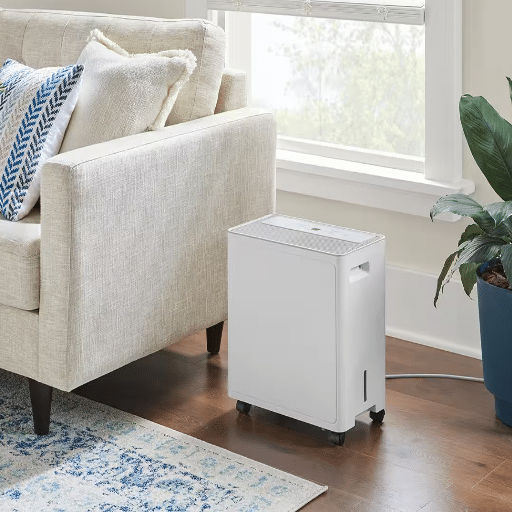
For an optimal dehumidifier performance, it must be set to keep between 30 and 50% relative humidity in basements. This range limits mold growth, reduces odors, and avoids excessive moisture, resulting in a cozy, comfortable environment. During the warmer months, 40-50% is best, with the lower end suitable for colder months when the temperature is slightly lower. Periodically confirm the humidity quotation through the humidity gauge in the appliance or through a separate hygrometer to uphold the reference value.
Why a Basement Requires Special Attention
Basements need special attention, given their specific environmental characteristics, making them great candidates for moisture and water problems. Directly in contact with the earth outside, moisture may enter through hydrostatic pressure or capillary action. Besides, basements normally lack enough substantiated ventilation and host lower temperatures, leading to concomitant conditions of condensation and heightened humidity levels. If uncontrolled, this would deteriorate into mold, damaged materials, and poor air circulation indoors. Proper control that takes moisture away from the basement through sealing, proper grading, swells, and dehumidification systems needs to be considered for ensuring the preservation of the integrity of the basement and its inhabitants’ health.
Best Basement Dehumidifier Setting
Normally, the setting for the best dehumidifier in a basement would depend on the specific humidity conditions in the basement. DO not be compelled to retain a humidity as per the level valid for every room around the house. I suggest setting the dehumidifier to cover a range of relative humidity between 30-50%. This range successfully inhibits mold, damp odors, and structural damage without drying the air. ila. Thus, I keep track of the humidity in my basement via an advanced hygrometer, enabling me to adjust the dehumidifiers accordingly.
Maintaining Humidity in the Basement
The proper control of humidity in the basement is crucial for avoiding concerns that include mold growth, damage to the structure, and poor air quality. The relative humidity range in a basement, meaning the dehumidifier is set between 30% and 50%, will eliminate mold germination while preventing over-atmospheric dryness. Use a digital hygrometer to control humidity regularly and to spot changes.
Action taken should also, essentially, address the source of any moisture problem. To this end, foundation cracks should be sealed, operational sump pumps should be installed, and the gutter system should be made to direct water away from the foundation. Use vapor barriers on building materials in case of moist basement walls and damp floors. Above and beyond these methods is the necessity to provide sufficient ventilation by checking and repairing HVAC ducts and fans so that airflow is continuous, thereby supporting the right kind of basement atmosphere.
Quick Reference Guide: Basement Humidity Control
- Set the dehumidifier between 30-50% relative humidity
- Use a digital hygrometer for regular monitoring
- Seal foundation cracks and address moisture sources
- Install operational sump pumps
- Direct gutters away from the foundation
- Use vapor barriers on walls and floors
- Ensure proper HVAC ventilation
Reference Sources
Frequently Asked Questions (FAQs)
How to configure a humidistat for relative humidity levels, comfort, and prevention of mold?
Deciding on the appropriate drenching is the most You may want to set a dehumidifier for a humidity range of 30%-50%. Since 45% humidity seems to be best as per advice from some experts specializing in air quality, it meets the demand for comfort and effectively fends off mold. The settings are approximate and are influenced by the relative humidity levels, the then-current humidity, and the season – lower humidity requirements in the summers, with only slightly higher in the winter so as to keep the air from becoming too dry. Some dehumidifiers have built-in humidity sensors, but many don’t, in which case it’s another good idea to get a hygrometer. Bear in mind that you may have to set your humidistats a bit higher if the room stays too damp or, less commonly, too dry.
Dehumidifynt recommends the following concerning basement dehumidifier placement:
The dehumidifier located below should often be set at a lower setting than upstairs because basements are usually wetter with more humid air inside. The ultimate humidity level in the basement should span between 30-50%, split depending on the ambient humidity-percentage reading: Primary settings to avert the onset of mold and structural problems. The top most considerations related to the dehumidifier’s location are in the shoebox at the basement’s corner, ensuring that the dehumidifier does not have any object blocking the influx of air, while making sure, on a dehumidifier that remains switched on all time in the basement for a long time, that the unit’s collection reservoir is emptied or has a hose leading outside for continuous drainage.
Should the basement relative setting instead depend on the current relative humidity reading and denoted settings-what are the optimum settings for the unit, according to the above?
Here are some dehumidifier settings to consider for each situation: for a small, portable unit in a single room, the unit may need a different setpoint than a whole-house or commercial dehumidifier. The best setting of a dehumidifier depends on the desired humidity level, the size of the area in need of dehumidification, and whether the unit has a built-in humidity reading or “dryness setting.” In the case of commercial dehumidification, or extreme extrinsic humidity levels, a lower humidity percentage should be set, and the dehumidifier should probably be used to operate nonstop until the required level is reached.
What should be done about changes in the seasonal humidity in the home-should the humidity setting be changed for winter or summer?
Weather—that is, humidity levels—may influence your humidity setting; therefore, adjust it accordingly whenever necessary. During summers characterized by high relative humidity, you will need to reduce your set point to 40–50% to remove flexibility and to avoid mold growth. On the other hand, if winter is around, it is better to increase humidity just a bit above comfort level or to around 30–35%, in order to avail yourself of a comfortable environment bereft of the likelihood of excessively dry air. Check with the humidity mists frequently to set the dehumidifier to the right level at which your house is comfortable and retains moisture; at the same time, it should have a balance that will prevent the problem of dry eyes or window condensation in your home.
What are the ways to ensure a dehumidifier is beneficial to you and does not cause damage to your health?
To improve the air quality indoors and prevent mold, mildew, and moisture-related damage to wood, paint, and insulation, use a dehumidifier. To ensure the dehumidifier is considered in your moisture control scheme, set it correctly regarding humidity levels, which must be checked regularly for the home. However, the unit should be well-maintained. In adjusting automatic humidity features, many dehumidifiers are found; program it, run it through its cycles as necessary, and set it where it can return the humid air to the room for the best possible results.