Understanding Basement Humidity

Basement humidity describes the amount of moisture that is surrounded by air in the basement. The optimal humidity level for a basement is from 30% to 50%. Keeping the humidity level in this range is necessary to avoid moth development, lessen the musty smell, and save both the stored objects and the building materials from being ruined by the moisture. The presence of factors such as lack of air circulation, groundwater intrusion, and the changing of seasons can lead to the rise of humidity levels. Dehumidifiers are one of the tools that can be utilized to decrease the humidity in the basement effectively. A hygrometer can be used to check the humidity levels frequently in order to keep the basement in the best humidity range.
What is Basement Humidity?
Basement humidity is the moisture level in the air of a basement space. This level is influenced by many things, including the invasion of groundwater, lack of air movement, leakage, and condensation, which is caused by the difference in temperature between the indoor and outdoor atmosphere. The below-ground position of the basement is one major factor that often leads to high humidity levels in basements; their location makes them more vulnerable to water infiltration, and they have poor air circulation. It is important to keep the humidity level at a comfortable range of 30-50% in order to avoid the problems of the structure being damaged, mold appearing, the air being of poor quality, and so on. Keeping track, providing sufficient ventilation, applying waterproofing, and using dehumidifiers are the main effective ways to manage humidity in basements.
Causes of High Humidity in Basements
Basements usually have high humidity levels, mostly due to a number of interlinked reasons. Water infiltration is the first major reason, as it occurs when the waterproofing system is not up to the mark, or there are cracks in the foundation, and this leads to the flow of groundwater into the space. In addition, the warm, humid air from outside during the summer months often comes into contact with the cooler surfaces, such as walls or pipes, which causes condensation in basements. Lastly, poor ventilation in most basements results in stagnant air, which is a major barrier to the dissipation of moisture. All these factors together produce an environment that is too humid, which in turn can lead to building and air quality problems if the issue is not tackled timely.
Effects of High Humidity on Your Home
The high humidity in your house can cause a lot of problems related to structure, health, and comfort. Moisture encourages mold and mildew to thrive, which can eventually lead to the contamination of the walls, ceilings, and floors, thus resulting in the premature aging of the materials used in the construction. Along with every wooden part, such as furniture or the framing of the house, the building will ultimately return dampness by warping, swelling, or decaying. To add to the problem, high humidity settles indoor air quality by facilitating the growth of allergens like dust mites and mold spores, which cause respiratory problems and trigger allergies. High moisture content also creates an uncomfortable situation since it makes the indoor environment feel hot and sticky, thereby making the HVAC system work harder to keep the desired temperature. Hence, controlling the humidity to an optimal level is no longer an option; it is a necessity to avoid more serious problems and to have a living space that is safe and healthy.
Choosing the Right Dehumidifier for Your Basement
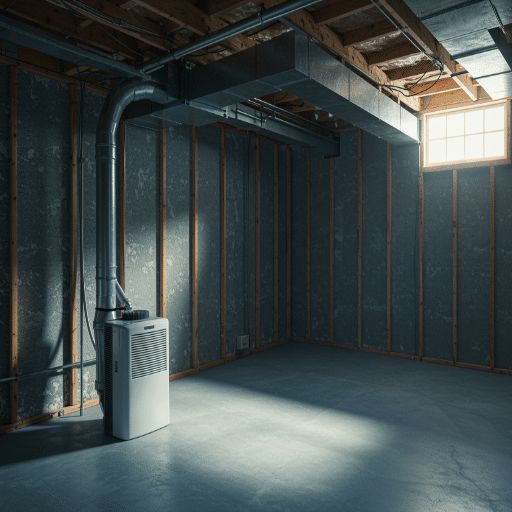
When it comes to picking a dehumidifier for your basement, keep in mind the following important factors:
- Basement Size: First, get the measurements of the square footage of the area, and then decide the big capacity needed. Dehumidifiers are classified according to how many pints they can take out of the air per day, meaning that larger basements will need higher-capacity models.
- Humidity Levels: If you have a basement that is damp or very humid, then you will need to pick up a unit that has a very high moisture removal rate, such as 50 pints per day or even more.
- Drainage Options: It is great if you choose a dehumidifier to have a continuous draining feature for the sake of convenience, especially if you plan on using it for a long time; otherwise, just make sure the water collection tank is big and easy to empty.
- Energy Efficiency: Go for the ones that are certified Energy Star to that effect that to cut down on electricity bills and still have very good performance.
- Special Features: Things like auto shut-off, hygrometer built-in, and adjustable humidistat are features that can help you operate the dehumidifier easily and with great precision.
Thus, the performance of a dehumidifier can be made favorable by synchronizing its selection with the factors mentioned above, which results in healthier and more comfortable basement air quality.
Factors to Consider When Selecting a Dehumidifier
When selecting a dehumidifier, it is of utmost importance to assess several major factors to guarantee the best performance and energy efficiency:
- Capacity: A dehumidifier should be selected according to the capacity that is needed for the size and humidity level of the room. Units are usually rated according to the maximum number of pints of moisture they can take away in one day, with 20-50 pints being perfect for the vast majority of home basements. Bigger rooms or places with very high moisture might need dehumidifiers with a higher capacity.
- Room Size and Coverage Area: Calculate the number of square feet the dehumidifier will be working on. Manufacturers often tell the maximum area that their device can cover. For bigger rooms, consider units with higher airflow rates (CFM).
- Humidity Control Features: Find a model that has a humidistat you can adjust to establish your preferred level of relative humidity, generally between 30-50% for most houses. An in-built hygrometer would make monitoring all the more effortless.
- Energy Efficiency: Energy-efficient Models, like those with an Energy Star certification, not only consume less electricity but also provide excellent performance. This practice reduces utility bills and is also environmentally friendly.
- Drainage System: A dehumidifier with continuous drainage or a pump is the best choice for large-capacity units with water removal issues. On the other hand, a unit with a large, easy-to-empty bucket would be sufficient for smaller needs.
- Noise Levels: Pay attention to the noise output in decibels (dB), particularly for the units that will be installed in common areas or bedrooms. The models equipped with quieter compressors or multi-speed fans are perfect for keeping a calm environment.
If you give importance to these factors, you can definitely find a dehumidifier that would fit right into your needs, and more importantly, it will be a device that controls moisture in a very efficient manner and also provides a healthier living space.
Best Dehumidifiers for Basement Use
The process of picking the most appropriate dehumidifiers for basement areas absolutely requires that one emphasizes the performance, capability, and the extra features attached to the products. A short synthesis of the high-ranked choices based on the recommendations of the leading sources is given below.
Frigidaire FFAD5033W1
It is a 50-pint capacity product, which is very famous, thus very suitable for wet and medium-to-large basements. Of course, it comes with an effective humidity controlling feature, an easy-to-clean filter that can be washed, and a simple digital display. On top of that, it is a very quiet device and does not produce more sound than approximately 50 dB, which means that it ensures both good humidity control and comfort.
HomeLabs 4,500 Sq. Ft. Dehumidifier
This dehumidifier is capable of holding 50 pints, and it is very efficient because it will easily gather all the moisture in large areas. There is an auto-defrost feature that helps to protect the appliance against frosting if the basement is colder. The power-saving aspect of the appliance is certified by the ENERGY STAR label, assuring the user that, in addition to the effective performance, the power consumption is also being kept in check. Managing the water is made easy by the built-in continuous drain option.
Waykar 2000 Sq. Ft. Dehumidifier
This 34-pint unit is perfect for small-to-medium basements. The sleek design and great performance of this model make it a favorite among users. It uses state-of-the-art noise-reduction technology to operate very quietly, and at the same time, it comes with smart humidity control functionality that includes an adjustable timer and settings. The automatic shut-off feature built in prevents overflow, thus making the operation hassle-free.
When it comes to basement dehumidifiers, these models have been approved as the best, covering different criteria of capacity, energy efficiency, and noise during operation.
How a Dehumidifier Can Improve Basement Conditions
Dehumidifiers are very useful in a basement as they improve the environment by controlling the humidity in the sigmoidal range, which is 30-50%, which is the range for the best conditions for mold and fungi to grow and spread. High humidity in basements can lead to gradual deterioration of the structure over the years, e.g., wood decay and rusting of metal parts. Removing extra moisture, a dehumidifier not only saves the life of the furniture, walls, and foundation materials but also preserves their appearance and functionality. Besides, eliminating the wetness leads to better air quality, removal of musty smells, and creation of a more healthful atmosphere, especially for those with respiratory problems. Top-rated models are also a factor in energy saving because they reduce the load on air conditioning systems, and therefore, less moisture means better cooling. All these features together make the living space a safer, more comfortable, and sustainable place.
Setting Up Your Dehumidifier in the Basement
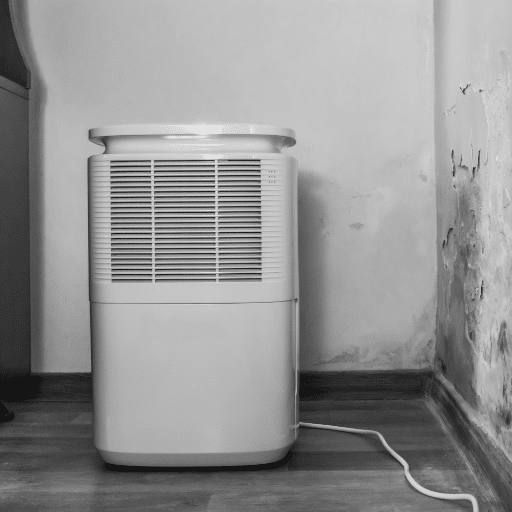
Selecting an Appropriate Site
It is best to set up the dehumidifier in the middle of the basement, in an open space where the airflow is unrestricted. Walls, furniture, or anything else should be kept at a distance from it to guarantee the best performance.
Make Sure It is Plugged Into a Safe Outlet
To avoid fires or electric shocks, always use a properly grounded electrical outlet. Also, make sure that the cord is neither pinched nor pulled to avoid future problems.
Maintain the Desired Humidity Level
Set the humidity levels to be kept between 30%-50% default range. The built-in controls or interface can be used to program your desired level.
Frequently Empty the Water Collection Tank
In case the dehumidifier operates using a collection tank, then it should be monitored and emptied regularly. Some models come with an alert system that indicates when the tank is full.
Attach a Drain Hose for Continuous Operation (Optional)
A drain hose can be attached for continuous operation. Direct the hose to the floor drain. Make sure the hose is tightly attached and laid out in a way that prevents any leaks.
Operation and Maintenance
The dehumidifier should be turned on and allowed to run as required. Clean the air filter as per the manufacturer’s instructions from time to time to help keep it running efficiently and also to have a longer life span.
Best Location to Place Your Dehumidifier
The dehumidifier should be positioned in the best place, where it can work efficiently, and in doing so, it will also target the areas with the highest moisture content. Most of the time, the dehumidifiers should be placed in the rooms that suffer from excessive humidity, like basements, laundry rooms, bathrooms, and any area that is poorly ventilated. The unit should be positioned in the center of the room, ideally a few inches away from the walls and furniture, to have airflow that is not restricted. Make sure the dehumidifier is on a flat and stable surface to minimize vibrations and to keep the performance at its best.
For large spaces or rooms that are connected, put the dehumidifier close to the main source of moisture, for example, near a sump pump in the basement or next to the drying laundry. Do not place it next to heat sources or in areas where the temperature is below the recommended levels, as this would affect the operation. Moreover, make sure that the water reservoir or drainage hose is easily accessible for regular maintenance and uninterrupted operation.
How to Run a Dehumidifier Effectively
To ensure that a dehumidifier works to its full potential, first, select the desired humidity level that is usually between 30% and 50% — an indication for most indoor places. Position the device in a central location with no obstructions that can hinder airflow, and also keep all doors and windows shut during the working of the device is working in order to get the maximum moisture extraction. Filter cleaning or replacement should be done regularly to ensure the operation and also the minimization of the allergy-prone particles floating in the air. If the dehumidifier has a continuous drainage feature, consider leading the water away from the tank by connecting a hose, since this will considerably reduce the frequency of manual water removal.
Humidity levels indicated on the device should be checked constantly so that you can be sure the dehumidifier is working well and also take care of the environmental conditions at once. To save energy, the dehumidifier should be run at the times when humidity is the highest, for instance, after taking a shower, while drying clothes indoors, or during the rainy season. Finally, as per the manufacturer’s manual, carry out routine maintenance such as cleaning the coils and troubleshooting to maintain the device’s life and performance.
Adjusting Your Dehumidifier Humidity Setting
It is very important to set the humidity level of your dehumidifier optimally in order to create an indoor environment that is comfortable and healthy. A humidity level between 30% and 50% is generally suggested for most residential areas in order to prevent mold development and stop the accumulation of moisture. In some cases, higher settings of 50% to 60% might be suitable for certain locations like basements, where the environment is naturally wet but at the same time, the moisture needs to be controlled.
Start with a hygrometer to check the humidity in the room and see what the current level is. For regular use, set the dehumidifier to 40%-50% and keep track of how it performs for 24-48 hours. If you still have problems like constant sweating or a damp smell after this time, then turn down the setting a bit and check it again until you get the result you want.
Moreover, help the unit function properly by placing it away from any blockages, such as curtains or furniture, so that it can get enough air and likewise remove the most moisture. Follow the recommendations put forward by your manufacturer concerning the different conditions in order to also achieve the best energy efficiency from the unit.
Ideal Humidity Levels for a Comfortable Basement
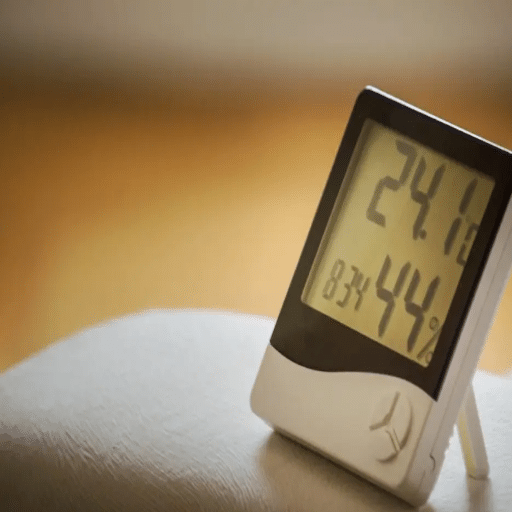
The optimum humidity level for a basement usually falls between 30% and 50%. Keeping the humidity in this range avoids problems of a variety such as microorganisms, dust, and even the building’s material getting damaged. Besides, it creates a pleasant atmosphere. For precise monitoring of humidity, a hygrometer is an excellent tool, and for moisture control, a dehumidifier or good airing can be utilized. Regular checks on humidity are very important, especially during the transitions of seasons, to make sure the basement is not only comfortable but also healthy.
Understanding Ideal Humidity Levels
The process of keeping the basement humidity levels in the ideal range usually consists of a series of actions, including monitoring, controlling, and adjusting to changes in the surroundings. To start with, installing a hygrometer is the best way of knowing that you are within the 30% to 50% range of humidity. If you find the percentage to be above the limit and on the upper side, then it’s time to get a high-efficiency dehumidifier to slowly suck the excess moisture and keep away the breeding area for molds and mildews. Proper air circulation is also vital; so make sure that the windows, vents, and HVAC systems in the basement are working well to allow enough air in and out and thereby preventing any condensation from building up.
You should also perform inspections from time to time to spot and fix moisture sources such as leaks and poor insulation that are typically the main reasons for high humidity levels. In the warm, damp months, you might also want to consider taking extra steps, such as putting up vapor barriers and sealing cracks, to cut down on moisture even more. Ultimately, at the time of drier weather, do not forget to watch out for overly low humidity levels since they can be very harmful to both wood and fixtures, and do not hesitate to use a humidifier when there is a need. Keeping the ideal range all the time will not only save the house from collapse but also bring about a healthier and pleasant living area.
Best Humidity Setting for Your Dehumidifier
The perfect humidity level for a dehumidifier is usually determined by the weather conditions and the characteristics of your area. For indoor living people and to avoid situations like mildew, dripping, or furniture getting damaged, it is advised by professionals to keep the indoor relative humidity level in the range of 30% to 50%. A little less of the range from 30% to 40% is recommended during the winter months to ensure that no water vapor forms on the windows, while in summer, the humidity is kept at around 50% to manage the moisture effectively and also to lower the number of allergens such as dust mites and mold spores.
To make proper settings for your dehumidifier, first, find out the current indoor humidity with a precise hygrometer. If the humidity level is always more than 60%, change the settings of the dehumidifier so that it gradually comes down to the recommended range. As for the areas of the house like basements and crawl spaces, which are usually more humid than others, try to set the humidity to be around 30% to 40% so that less water is there. It is essential to regularly check and modify your settings depending on the weather or problem areas. Making proper use of the dehumidifier not only improves the quality of air in the house but also makes the infrastructure and items last longer.
Maintaining Basement Humidity Levels
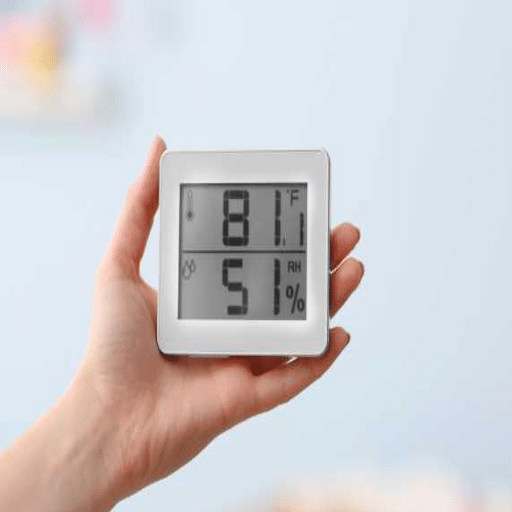
It is very important to start humidity control in the basement by identifying and taking care of the moisture sources, like leaks, poor drainage, or condensation, first. The walls and the floor should be inspected for cracks and seepage, and then the areas should be sealed with waterproofing products. Make sure that the gutters and downspouts are working properly and are directing the water well away from the building, as poor drainage is a major factor that causes wetness inside.
A dehumidifier with a high capacity should be utilized to control the basement’s relative humidity, thus keeping it in the range of 30% to 50% consistently to be able to stop mold and structural damage. The dehumidifier should be placed in the middle of the room or beside the areas where problems are, and air circulation should be assured by keeping the doors open or using fans if necessary. Clean the dehumidifier’s filter regularly and change it to keep the performance up.
Moreover, you might want to think about putting a vapor barrier on the basement walls and floors to stop moisture from coming in, particularly for the areas that are not finished. Pipe insulation and foundation wall insulation will also be beneficial to stop condensation. Using a hygrometer to measure the humidity continually is vital, particularly in the switching of seasons, to keep the environment dry and reliable. All these methods put together will give you a basement that is dry and healthy in the best way possible.
Monitoring and Managing Basement Humidity
A competent digital hygrometer should be utilized to take regular readings of moisture content in order to closely monitor and control humidity levels in the basement. It is advisable to keep the relative moisture content at 30% to 50%, which is the range that does not support mold growth and is safe for building structures. If the humidity level is above the desired range, the use of a basement dehumidifier is recommended, making sure that the dehumidifier is of the right size to handle the area. Water leaks need to be fixed immediately. This can be done by covering them up and making the drainage around the foundation better. Proper ventilation is also very important—installing exhaust fans or allowing proper airflow are some ways of reducing trapped moisture. Consistent application of these measures will assist in keeping the environment safe and dry.
Using Humidity Control Tools
The humidity control tools are the basic needs manual for a proper indoor atmosphere when moisture is too much moisture in places like basements. When picking up a dehumidifier, first make sure it has the right capacity for your room size, which is usually expressed in pints per day. A good example is the 30-pint dehumidifier that can easily fit in small areas, but larger basements might need 50-pint or even more powerful units. Also, take a look at the features like the built-in hygrometers that can provide you with real-time reading of the humidity in the room and the auto-drain functions that are meant for your convenience.
Positioning of the dehumidifier is equally important; if you want to maximize efficiency, place the unit in the center or in the most humid area. The regular maintenance, such as filter cleaning and water reservoir emptying, will help to maintain the performance level. In the long run, strategies for controlling moisture, tools like moisture meters to find out the places that hold the dampness, and the installation of vapor barriers on walls and floors can be proposed. The solutions working together will be able to not just control but also manage the humidity provided effectively.
Signs Your Basement Needs a Dehumidifier
In my opinion and based on my experience, the typical indicators that a dehumidifier should be installed in the basement of your house include a continual musty smell, the presence of mold or mildew, and condensation on the walls or windows. You may also observe the distortion of wood, paint flaking off, or the presence of more insects such as silverfish or cockroaches, all of which prefer wet conditions. If the air is humid or you often find things in the basement that are damaged by moisture, then it is a clear sign that the humidity level is very high. The use of a dehumidifier would be a preventive measure against these issues, and air quality would be improved.
Tips for Maintaining Optimal Humidity in Your Home
Use a Dehumidifier
Dehumidifiers turn out to be the best humidity controls for the interior of a home, especially in areas that are naturally damp, like the basement. Choose the right capacity unit and always make sure the water tank is emptied, or even better, connect it to the drain to have a constant operation.
Improve Ventilation
Make sure that necessary ventilation is supplied in areas where moisture tends to accumulate, such as kitchens, bathrooms, and laundry rooms. During cooking or showering, exhaust fans should be used, and windows should be opened to let fresh air in when the weather allows.
Seal Leaks and Cracks
Look for spots in your house where water might come in through the leaks or cracks. Use caulking or weather stripping to seal them off and watch out for windows, doors, and the foundation.
Monitor Humidity Levels
Buying a hygrometer would be a good investment if you want to be constantly aware of the humidity levels in your house. Try to keep the humidity between 30% and 50%. Higher humidity can lead to mold, and lower humidity can cause discomfort and dry air.
Maintain Your HVAC System
Your heating, ventilation, and air conditioning (HVAC) systems should be serviced regularly to guarantee that they work at their best. Change the filters or clean them as necessary, since dirty filters will restrict airflow and make humidity problems worse.
Address Water Issues Promptly
To prevent the build-up of moisture, promptly fixing leaks, clearing drains, and removing standing water are necessary actions. Also, proper drainage installed around the foundation of your home can help in controlling humidity issues.
Reference Sources
University of Minnesota Extension – Moisture in Basements: Causes and Solutions
Description: This resource discusses the causes of basement moisture and the role of dehumidifiers in managing humidity levels.
Cornell Cooperative Extension – Selecting a Dehumidifier
Description: Guides on selecting and using dehumidifiers, including considerations for basement settings.
Ohio State University – Dos and Don’ts of Home Air Quality
Description: Offers recommendations for maintaining indoor air quality, including using dehumidifiers to keep humidity between 30% and 50%.
Frequently Asked Questions (FAQs)
What setting should be used on a dehumidifier to obtain the desired basement humidity?
For a lot of homes, the ideal basement humidity that can stop musty odors, mold, and damage is to keep the basement humidity between 45% and 50% relative humidity with the dehumidifier set to a target that supports this range. A hygrometer should be used to determine the present humidity level, and then the humidity setting of the dehumidifier should be adjusted accordingly, taking into account the ambient humidity as well as the changes in outdoor humidity. In case of a cold basement, you may require a slightly higher setting so that the unit does not get overworked.
What should be the dehumidifier setting in the basement to lessen the chances of mold formation?
The humidity level of around 30% to 50% is mostly accepted by experts as a range where a dehumidifier is effective in preventing mold and mildew. There are those who recommend even 45% as the best compromise. Keeping humidity levels in an optimum range is one of the things that prevents because spores don’t have the right conditions to grow, plus it also controls the moisture in the air, the moisture in your basement, and that which can seep into the structure.
Why does the dehumidifier run all the time in the basement at times?
A dehumidifier that runs a lot is indicative of either a high humidity level or a lot of moisture in the air. If moisture from outside is getting into the basement or there is water seepage, the unit will work harder to bring down the humidity level. If the area is large and humid, then the unit should be sufficiently sized; if not, then a whole-house dehumidifier might be needed in case a single basement unit cannot effectively handle the humidity issue.
What steps do I take to set my dehumidifier to the current humidity and to the changes in the humidity?
Begin by checking the humidity with a hygrometer, then set up the humidity level on the device to keep a certain relative humidity level (normally 45%). Many models allow for direct setting of the dehumidifier; use the built-in humidistat of the dehumidifier or a separate monitor/hygrometer to track and adjust the humidity as per the trend of the changes in outdoor humidity and indoor activity.
Can a basement dehumidifier do anything about the dampness and condensation problems in the basement?
A basement dehumidifier does more than just improve trapped moisture and moisture in the air; it basically works by sucking the air moisture, which in turn minimizes moisture on the cold surfaces. But at the same time, the dehumidifier is also supporting the effort of sealing leaks and increasing ventilation by preventing excess humidity from creating structural challenges and maintaining the humidity of the basement at a safer level.
What factors should I look into before deciding on a dehumidifier for my basement?
Think about the capacity of the unit in comparison to the area size, whether you may need a dehumidifier with a built-in pump for easy water disposal, and its ability to keep the humidity at the level you want in the space. Furthermore, also consider features that help to maintain the right level of humidity automatically, and if you are facing humidity issues in the basement as well as other parts of the house, consider going for a whole-house dehumidifier.
How do I know the humidity level and ensure my dehumidifier works?
A hygrometer should be used in each of the spots in the cellar to measure the humidity levels, thus giving a clear view of the surrounding humidity. Humidity level should be adjusted for some days, and then the dehumidifier should be set to the corresponding value. When the humidity is high in a place where water cannot be introduced, and the floor is dry, it may be time to increase the capacity of the dehumidifier or the ventilation.
Should I operate the dehumidifier all the time or just during the humid time period?
Just run the dehumidifier to maintain the relative humidity level that you have chosen; most people keep it running until the humidity stabilizes in the selected range. If the dehumidifier is properly sized, the unit may cycle on and off if it helps in lowering excess humidity. For fluctuating outdoor humidity or very damp seasons, continuous operation can be necessary to keep the humidity in your basement controlled and protect stored items and finishes.