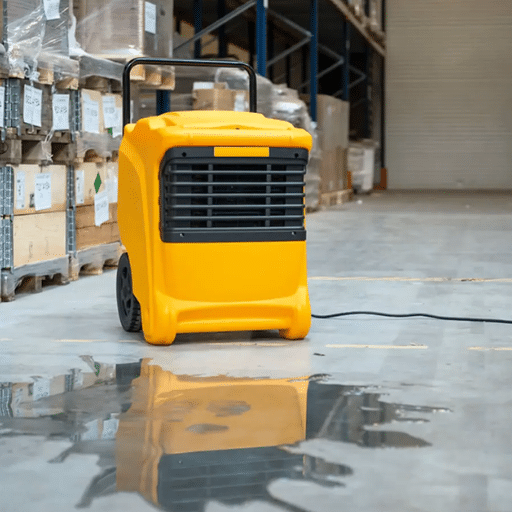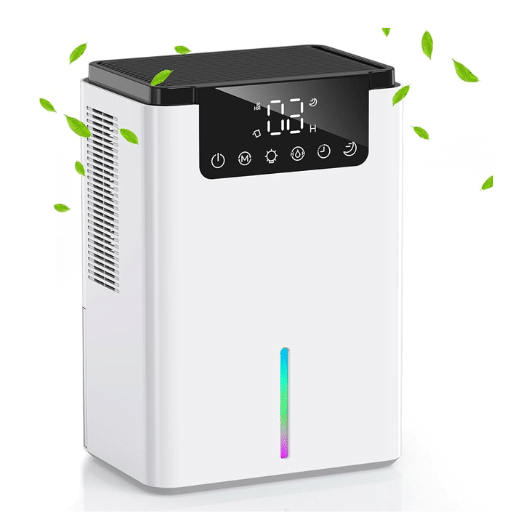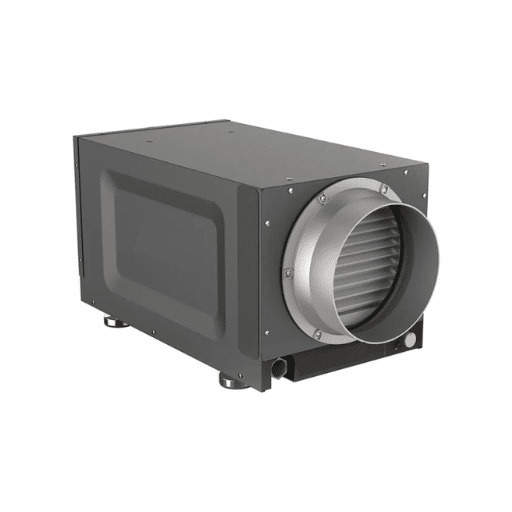
The regulation of humidity in your bedroom should always be at the right level, since it is necessary for both comfort and health. The presence of too much water in the air can cause problems such as the formation of bacteria and fungi, increased dust mites and other allergens, and the creation of an uncomfortable living environment, all of which interfere with your health. A good dehumidifier can serve as an effective ally against these issues, thereby cooling and purifying the air and making the room health-friendly. With this article, we have compiled a list of the best dehumidifiers that are specifically made for bedrooms, and we give you expert pointers and advice to pick the right device. We have taken into account all the critical aspects like energy efficiency and noise levels, to make sure that your decision is based on correct information and is not a stressful experience. Go on to find out what the best way is to achieve optimal humidity control and thus enjoy a greatly improved indoor climate.
Introduction to Dehumidifiers
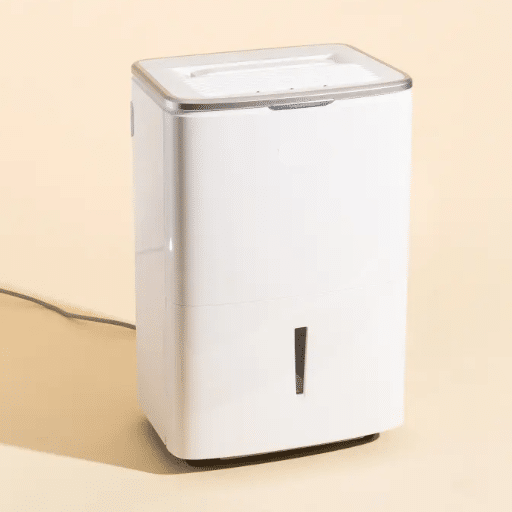
Dehumidifiers, as their name suggests, are machines that function mainly to cut down on the air’s humidity content and keep it at desired levels. By taking out the excess water vapor, they also stop the very important problems like the growth of mold and dust mites, for example, which might indirectly affect the quality of the air inside your home and even your health. The modern dehumidifiers for bedrooms come with features like adjustable humidity settings, energy-saving ability, and silent operation, which all contribute to being the perfect machines for maintaining a comfortable living space. Choosing a dehumidifier that is specifically designed for your room not only guarantees effective humidity control but also ensures a healthier environment.
What is a Dehumidifier?
A dehumidifier is an electric device purposely built to suck out the moisture present in the air and keep it at a controlled level, mainly for health and comfort reasons. By taking away the excess humidity from the air, dehumidifiers are able to stop the growth of mold, dust mites, and the decay of structures because of moisture, among others. Their operation is based on the principle of pulling the air into the device with a fan, cooling it to the point where the vapor gets condensed, and then pushing the dry air back into the room. Nowadays, the market is flooded with different types of dehumidifiers, like refrigerant, desiccant, or whole-house, which match different applications and humidity levels. These machines are vitally important to influence indoor air quality, secure possessions, and set up a more pleasant living or working atmosphere, particularly in regions that are usually very humid.
Importance of Maintaining Humidity Levels
It is essential to maintain appropriate humidity levels for health as well as the structure of the building. Optimal indoor humidity, which usually ranges from 30% to 50%, can limit the growth of allergens such as mold, dust mites, and bacteria that prefer moist areas. High humidity also brings about respiratory problems and may even cause structural damage to the building through wood decay, rust, and changes in the dimensions of the materials used. On the other hand, if the humidity level is extremely low, it will result in dry skin, respiratory irritation, and the gradual destruction of existing wooden furniture and wood floors through splitting and shrinking. Keeping household humidity at the desired level can be a way for the occupants of the house to guard their health, maintain the property, and enjoy comfort. State-of-the-art humidity management systems, whether as stand-alone units or as part of HVAC, provide an accurate and effective way of meeting these requirements.
How Dehumidifiers Work
Dehumidifiers work on the principle of taking moisture out of the air to keep the indoor humidity levels at a healthy range, which is normally between 30-50%. The refrigerator method is the most common one used in residential dehumidifiers. A fan first sucks in the air with high humidity, and then it is passed through the cold coils. The coils bring down the temperature of the air, which in turn causes the water vapor to turn into water droplets that get either stored in a tank or drained away through a pipe. The air that has lost its moisture is then reheated and blown back into the room. Plus, intelligent models come with features like built-in hygrometers that measure humidity very accurately and automatic shut-off systems that safeguard against overflowing tanks. Besides that, some models come with filters that clean the air while taking out the moisture. These machines are really helpful in areas where humidity is more like basements, bathrooms, and kitchens.
Best Dehumidifiers for Bedrooms in 2025
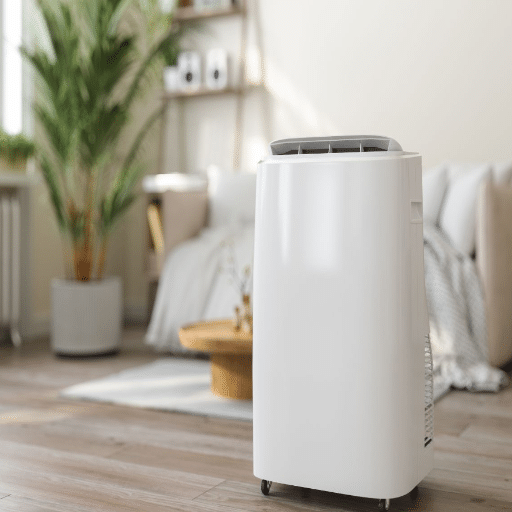
If you were to buy a dehumidifier for your bedroom in the year 2025, then your top priorities should be silent functioning, energy efficiency, and the ability to remove moisture that is adequate for the room’s size. The three best choices are listed below:
This dehumidifier, certified by Energy Star, is, in fact, a very quiet unit and also has Wi-Fi connectivity for easy remote control. It is really suitable for medium-sized bedrooms and even provides a built-in air filter, which ensures that the air quality is improved.
Compact and efficient, the Midea Cube has an innovative, stackable design that saves space. It features a reusable filter and advanced settings for customized moisture removal in smaller bedrooms.
This model is designed for quiet operation and is thus very suitable for bedrooms, where the humidity level should always be kept within a comfortable range. Automatic humidity control, a washable filter, and a sleek, modern design are among the features included in the package.
Note: All three of these alternatives perform superbly well while consuming minimal energy and making hardly any noise, which makes them perfect for bedroom use.
Top Pick: Features and Benefits
After a thorough evaluation, the Frigidaire FFAP5033W1 has been chosen as the best product. Its powerful performance, coupled with easy-to-use functions, makes it pleasant to use. Among its main advantages are the daily dehumidification capacity of 50 pints, thus, it raises the room to the desired humidity even in big bedrooms. The machine has a built-in pump that allows easy drainage; also, a washable filter that reduces maintenance costs is incorporated into it. Moreover, its Energy Star certification tests the company’s efficiency and reduces the price of electricity, while the effect is the same. The quiet operation mode, coupled with humidity settings to suit one’s needs, gives the user a personalized and undisturbed experience, thus being the most preferred of all bedroom dehumidifiers.
Midea Cube: Innovative Design
The Midea Cube is characterized by its very compact and stackable design, which is why it offers versatile placement options that save space and, at the same time, do not compromise performance. The Cube, unlike common dehumidifiers, features a water reservoir that can be extended, thus increasing its water storage capacity and cutting down the frequency of emptying significantly. Besides, its smart features are quite innovative, one of them being the Wi-Fi connectivity, which enables users to monitor and manage the humidity levels through the Midea Air app for a customized experience. Besides, it is designed to perform well in large areas, being able to remove as much as 50 pints of moisture a day, therefore fitting perfectly in basements, living rooms, or any other large space. The Midea Cube is not only smartly designed but also has superior capacity and efficiency, which contribute to it being a revolutionary product that has solved the modern humidity control dilemma.
Energy Star Rated Options
Dehumidifiers that have been given the Energy Star rating are made to use the least amount of energy, and at the same time, they are the most efficient. This all results in large cost savings in the long run. In the reviews of experts from reliable sources like ENERGY STAR, Consumer Reports, and appliance review sites, the performance of these dehumidifiers under different humidity conditions has been rated very highly, in addition to their meeting the very strict energy efficiency criteria. We can name as examples the top-rated models that have adjustable humidity controls, easy-to-clean filters, and advanced defrost settings supporting non-stop use throughout the year. The units are subject to a very strict testing procedure regarding energy consumption, which means that while they are wiping out the moisture in the air, they are also cutting down the electricity bill costs. What’s more, their green design is a plus in the sense that it leads to a smaller environmental footprint, thus making them a smart option for both home and commercial use.
Types of Dehumidifiers
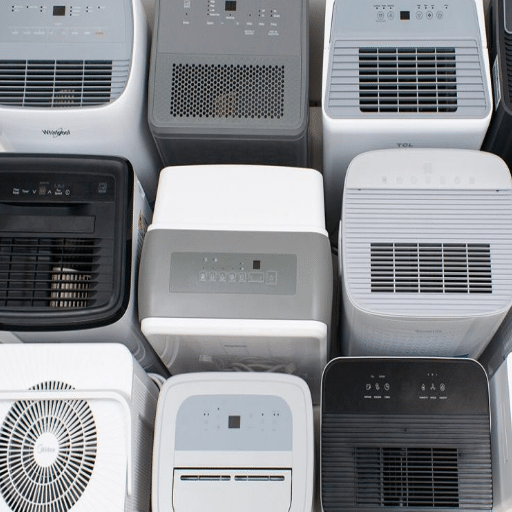
Refrigerant Dehumidifiers
The operation of these units is based on the principle of cooling coils over which humid air is drawn, and then the water vapor is condensed and collected. Their effectiveness is greatest in warm and humid environments, and they are widely used in living areas.
Desiccant Dehumidifiers
Desiccant models function by using a material that absorbs moisture to draw water from the air. Their efficiency is increased under lower temperature conditions, and they are the best choice for cold climates or areas like basements and garages.
Whole-House Dehumidifiers
These units, which are installed along with the heating, ventilation, and air conditioning (HVAC) system of the house, function to maintain a particular level of humidity throughout the building. They are very powerful and are the right choice for larger areas where a consistent quality of air is desired.
Portable Dehumidifiers
Portable dehumidifiers are made for single rooms or small areas and are also lightweight and easily movable. They are economical and at the same time provide the necessary dehumidification in a specific area as per the requirement.
Portable Dehumidifiers for Small Spaces
Portable dehumidifiers are made to specifically take care of the extra moisture in the air, so they would perfectly fit small spaces like bedrooms, bathrooms, or offices. They are mostly equipped with easy-to-use controls, different humidity settings, and small sizes, which make them very nice to operate and convenient in the space available. When picking a portable dehumidifier, the most important aspects to take into account are the extraction capacity of the unit, the electricity consumption, the noise level, and the size of the tank. Newest models are equipped with features such as automatic shut-off, continuous drainage capabilities, and digital displays that will give you an accurate reading of the humidity level in the room. They can be said to be very effective in stopping mold from growing, helping the reduction of allergies, and, in general, improving air quality in the areas where they are used.
50 Pint vs. 30 Pint Dehumidifiers
In the case of 50 pint and 30 pint dehumidifiers, the main difference is moisture removal capabilities. A 50 pint dehumidifier will pull out 50 pints of water from the air in the course of a day, while a 30 pint one will do so for only 30 pints and under the same conditions. This makes selecting a 50 pint dehumidifier for such spaces as large rooms and those with the highest humidity levels, like basements and regions having regular dampness, as it can be very effective there. On the contrary, a 30 pint unit would be appropriate for small rooms and places that are gently humid.
Besides capacity, energy efficiency, noise level, and maintenance ease are also among the positive traits of a dehumidifier when determining the right one. A dehumidifier of 50 pints will generally use more electricity but will be able to perform in a larger space, typically, up to 1,500 square feet or even more. On the other hand, a 30-pint unit consumes less power, is less noisy, and hence can be placed in bedrooms or smaller living areas. The two sizes are equipped with the most basic functions, such as auto-shutoff, humidity control, and manual drain options, but the 50-pint models might have some more sophisticated features that are designed for heavy-duty use.
At the end of the day, it will depend on what the space needs specifically when deciding between a 50 pint and a 30 pint dehumidifier. It will be good to take the 50 pint option if the area is highly humid or it is a large space, i.e., more than 1,000 square feet in size. For the smaller-sized room or the area with moderate humidity, the 30 pint unit would provide an efficient and economical way out.
| Feature | 50 Pint Dehumidifier | 30 Pint Dehumidifier |
|---|---|---|
| Moisture Removal | 50 pints per day | 30 pints per day |
| Coverage Area | Up to 1,500+ sq ft | Smaller rooms |
| Energy Consumption | Higher | Lower |
| Noise Level | Moderate to High | Lower |
| Best For | Large rooms, basements, high high-humidity areas | Bedrooms, small living areas, moderate humidity |
Desiccant Dehumidifiers Explained
Desiccant dehumidifiers consist of a hygroscopic substance, like silica gel, that absorbs the air’s moisture straight away. The dehumidifiers do not produce a condensate or use refrigeration processes, and thus they can work efficiently in cold places where the regular dehumidifiers might fail. The process of these machines consists of drawing air through the desiccant, which holds and confines the moisture. Then the moisture is eliminated when the desiccant is subjected to warm air, either rejuvenating the material for constant use or flushing out the water via a drainage pipe.
Desiccant dehumidifiers’ significant benefit is performance sustaining even down to freezing levels, which means that the units, by such a function, are perfect for attics, cellars, garages, or outdoor areas without heating. Also, they are generally quieter than compressor-driven machines and hence can be used in residential and office environments. Conversely, desiccant dehumidifiers are high consumers of electricity in relation to the water they remove and are inefficient in the case of very humid, high-temperature conditions.
Portability, on the other hand, and the protection of delicate devices, cold storage with reduced moisture, etc., are essential areas where the deployment of desiccant dehumidifiers can prove to be very beneficial. Users should take into account unit capacity, energy efficiency, as well as noise level concerning space and purpose when choosing a desiccant dehumidifier.
Choosing the Right Dehumidifier for Your Needs
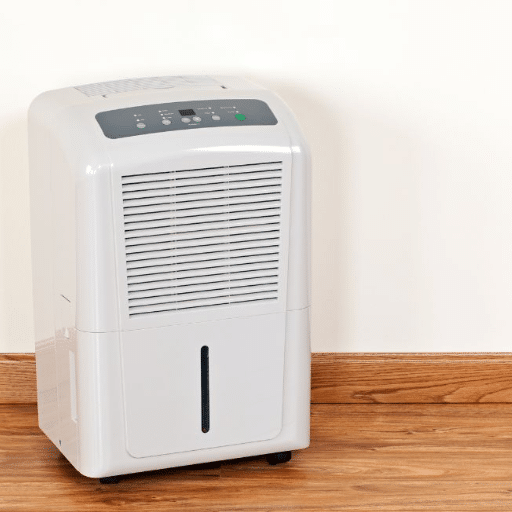
Choosing the right dehumidifier involves, firstly, identifying the size of the area that needs dehumidifying. In the case of smaller areas, e.g., bathrooms, or closets, a small, low-capacity unit might be enough, while for bigger areas like basements or living rooms, it is advisable to go for a higher-capacity model. The next thing to consider is the humidity level in the room—areas with a moderate level of moisture might only need a standard compressor-based unit, whereas very wet spots could attract a desiccant dehumidifier. The energy efficiency of the unit is another important factor, and models with energy certifications should be chosen to guarantee minimum running costs. Lastly, the unit’s features, which comprise adjustable humidistats, auto-shutoff functions, and ease of maintenance, should be evaluated in order to ensure that it addresses your particular needs.
Assessing Humidity Levels in Your Bedroom
The first thing you must do to measure the humidity of your bedroom precisely is to use a digital hygrometer, which is an instrument that gives very accurate readings. The typical indoor humidity is in the range of 30% to 50%—conditions outside this range can cause discomfort, health problems, or damage to your possessions. If the humidity level remains high for a long time, you would probably see condensation on the windows, smell musty odors, and notice the growth of mold and mildew. At the same time, extremely low humidity can cause dry skin, an irritated nose and throat, and the shrinking of wooden furniture or floors. It is very important to monitor and control humidity at the right levels, because this ensures a comfortable and healthy living space.
Space Considerations: Square Footage
When determining square footage needs, the particular use and occupancy of the area should be taken into account. In the case of houses, the square footage should be enough for the people living there, plus the necessary areas such as living rooms, kitchens, and places to store things. According to the U. S. Census Bureau, the average new home size in the U. S. is around 2,300 square feet, but individual preferences may differ. In the case of offices, the space required is based on the activities involved, e.g., retail, office, or manufacturing, along with local zoning laws and safety standards in the vicinity. Good management of space ensures that there will be no problems regarding movement, compliance with fire safety regulations, and that the utilities will be placed correctly for effective use of the area.
Comparing Mini Dehumidifiers to Standard Models
The selection process of mini dehumidifiers vs. standard models involves taking into account factors such as capacity, energy efficiency, noise levels, and application scenarios, among others. Mini dehumidifiers, which take taking less space, are usually meant for small areas like bathrooms, closets, or just a room with a capacity of removing around 0.25 to 0.6 liters of water per day. Such devices are energy-efficient, easy to reposition, and are often quieter due to their use of thermoelectric Peltier technology. In spite of this, their capacity is still a limiting factor as they cannot be used for larger areas where humidity is a significant problem.
Standard dehumidifiers are indeed the opposites of mini units; they are fatter and heavier, but they are very powerful and able to remove about 9 to 32 liters of moisture from the air every day, which helps them to be used in basements, large or even commercial areas. Such devices are typically equipped with advanced humidity controls, larger water reservoirs, and continuous drainage options, but they are also bulkier, have higher energy consumption, and produce more noise.
In the end, the decision relies upon the exact requirements of the surroundings. While the mini dehumidifiers are champions in portability and selective use of the device by being just in the smaller area, the standard models are the opposite, providing excellent humidity control in the bigger areas and even in cases of severe humidity problems.
Maintaining Your Dehumidifier
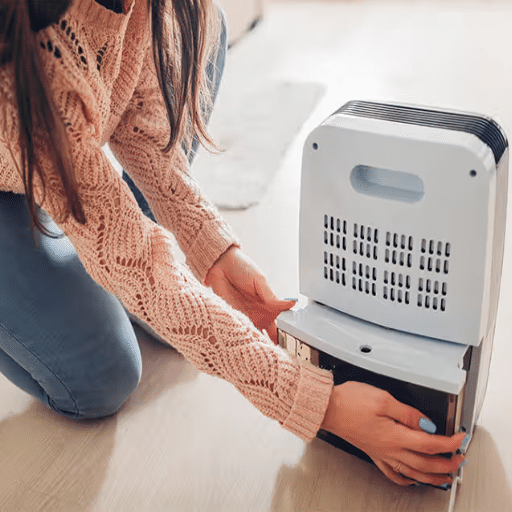
To make the most of your dehumidifier’s performance and lifespan, proper maintenance is a must. Here are the top steps to follow:
- Regular Cleaning: The air filter should be cleaned every two weeks or according to the manufacturer’s instructions in order to avoid clogs and maintain airflow efficiency.
- Empty the Water Tank: Regularly emptying and cleaning the water reservoir is necessary to stop mold growth and mitigate odors.
- Check for Blockages: If there are drainage hoses, check them for blockages and ensure they are connected correctly.
- Wipe the Exterior: A damp cloth should be used to dust the outside and remove any debris, thus helping the unit operate efficiently.
- Inspect Components: The power lead, fan, and controls should be inspected periodically for signs of wear and tear or damage.
Important: Implementing these simple measures will not only keep your dehumidifier in good condition but also prolong its life. For particular maintenance guidance, always consult your product guide.
Regular Maintenance Tips
Maintaining your dehumidifier properly will guarantee the best performance, and it will also save you energy and cost at the same time by not having to deal with possible malfunctions. The unit will be working to prevent mold, mildew, and even structural damage to your house caused by too much moisture, for instance, through regular maintenance. Not only that, but cleaning and checking for faults may add more years to the device, thus making it more cost-effective over time. If you strictly adhere to the prescribed maintenance and tackle the minor issues quickly, you will have a dehumidifier that operates safely, effectively, and gives you reliable results for years ahead. Always look into the most capable sources and your product manual for more help.
Common Issues and Troubleshooting
In the process of troubleshooting a dehumidifier, I always begin with the most common and obvious issues. For example, in case the device is not switching on, I check the connection and the power outlet first. If there is not enough moisture removal, I make sure the filter is clean, the humidity settings are right, and the airflow is not obstructed. In case the machine is producing strange sounds, I check for loose parts or cleaning dust from the fan. Water leakage is mostly taken care of by checking the drain hose connection and making sure it is not blocked. By systematically solving these issues, I can quickly and easily handle most problems.
When to Replace Your Dehumidifier
It is very important to know when to change your dehumidifier because it will help you maintain its efficiency and save energy. In general, a dehumidifier can be expected to last anywhere from 5 to 10 years if maintained properly. Still, there are important things that might indicate the need for a new one. When the unit is unable to reduce humidity levels in the room even after trying different troubleshooting measures, this means that the performance has decreased. The presence of such a condition in the dehumidifier can lead to mechanical failure, which is indicated by excessive noise or strange sounds coming from the motor or fan. There may be serious internal damage that is not easily repairable if water leakage is frequent or there are drainage problems. High energy bills are also a sign that the dehumidifier is no longer working efficiently. When the cost of repairing the existing unit is greater than buying a new one, the latter option is more cost-effective in the long run. Moreover, modern dehumidifiers are often more energy-efficient and packed with advanced features that make the upgrade worthwhile.
Reference Sources
“A randomized trial of dehumidification in the control of house dust mite”
Key Findings: This study evaluated the effectiveness of portable dehumidifiers in reducing house dust mite (HDM) counts and allergens. While dehumidifiers reduced relative humidity, they did not significantly lower HDM counts or allergen levels compared to behavioral interventions or no intervention. However, secondary analysis suggested a slight shift in homes with reduced HDM presence in the dehumidifier group.
“Solving mould and condensation problems: A dehumidifier trial in a suburban house in Britain.”
Key Findings: A 28-night trial demonstrated that using a dehumidifier effectively reduced condensation and mould in a suburban UK home. The dehumidifier extracted an average of 680ml of water per night, solving severe condensation issues and slightly increasing the ambient temperature.
Frequently Asked Questions (FAQs)
Basement humidity: What is the best dehumidifier for my basement sq ft size?
You should first find out the area of the room in sq ft and then check the temperature and humidity levels (RH) to select the right dehumidifier wattage: a big basement with high RH or large amounts of water vapor in the air will require a stronger unit, while a small room or short basement with stagnant air can be suited for a small dehumidifier or a 50-pint cube dehumidifier. Check out the leading dehumidifiers for basements that are not only energy efficient but also have good air intake and fan speed control, and are easy to move if you need to change their position.
Sq ft guideline: What room size requires a unit that removes 50 pints or a 50-pint moisture removal unit?
The recommended sq ft coverage is based on the temperature and humidity levels set by the manufacturers; generally, a 50-pint cube or 50-pint model is appropriate for damp basements or whole-house dehumidification in smaller homes and spaces up to about 1,500 sq ft under typical conditions. If you aim to take away 50 pints of moisture a day, make sure the unit’s rate of pints of moisture removal corresponds to the amount of water vapor in the air and that the intake and fan speed are right for drying to be efficient.
Humidifier vs dehumidifier: Would a humidifier be useful in lowering humidity in a small bathroom or bedroom?
There are certain situations where a humidifier is of no help at all; it adds moisture, and that is when humidity is too low; it’s not the case when RH is high. For a tiny bathroom or bedroom where you want to lower humidity and dry the air, a small dehumidifier or unit that can handle 50 pints may be the best choice. For bedrooms, you can use units that operate at low white noise and variable fan speed so that the unit isn’t a disturbance while it is reducing moisture and stale air at the same time.
Basement dehumidifier noise: Can the best dehumidifier for basements make a sound that is equivalent to white noise in a bedroom or small space?
The small fans of many energy-efficient models are quieter, and multiple fan speed settings are provided to minimize white noise, thereby making them suitable for bedrooms. If noise is a concern, look for units that are advertised for bedrooms or smaller spaces, read reviews regarding white noise levels, and consider the location of the unit to minimize sound while allowing for proper air intake for effective humidity control.
Sq and energy-efficient options: What are the three best dehumidifiers that are energy-efficient?
The three leading dehumidifiers for energy-efficient operation usually include one compact small dehumidifier for small areas, one model of 50-pint or more for humid basements, and one smart or inverter-driven model for continuous operation. If you want the same benefits as an air purifier, look for Energy Star ratings, good points-per-kWh numbers, and features such as adjustable fan speed, auto-humidistat for maintaining target RH, and efficient air filtration.
Humidifier compatibility: Can I use a dehumidifier with my window air conditioner to help with air drying?
You can operate a dehumidifier at the same time with a window AC unit, but do not let them work redundantly; ACs cool and remove some moisture at the same time, but if the target is to dehumidify without overcooling, then a dehumidifier is the best option. For full-house dehumidification, consult your HVAC system or think about a whole-house dehumidifier; for a single-dehumidifier location, ensure unobstructed air intake and adequate circulation to avoid stagnant air.
Basement mold prevention: How does the reduction of RH and the removal of points of moisture contribute to the prevention of mold in the basement and smaller areas?
The humidity levels that are kept to a maximum of 50% will not allow mold and mildew to grow because mold flourishes in the presence of water vapor in the air. The dehumidifier that has the capacity to remove enough moisture points daily for your basement or small bathroom will not only lower humidity but also reduce condensation on surfaces and thus lessen mold growth; combine this with proper ventilation, using a fan, or the occasional exchange of air through opening windows when possible.
Sq portability: Do small dehumidifiers or cube dehumidifier models exist that can be easily transported from one room to another?
Sure, many compact or cube dehumidifier models are easy to move; their small fan designs, carry handles, and low weights make them ideal for smaller spaces such as a small bathroom, bedroom, or closet. When making a selection, you should pay attention to the moisture removal capacity, the hose for continuous drainage, and whether the model’s air filter or automatic settings fit intermittent use across rooms.