
1Wisdom
Introduction
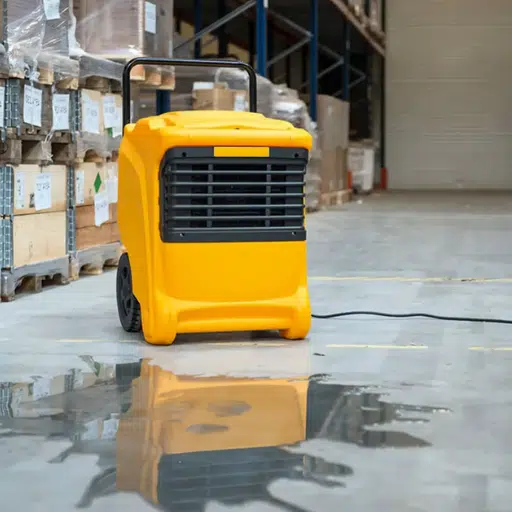
We, at Wisdom, are the leading manufacturer of innovative dehumidification equipment for homes, businesses, and industrial facilities. We have a strategic location close to the Silk Road, which opens up wide for us the markets both domestically and globally. We offer reliable and energy-efficient solutions for the market.
Main Products
Residential dehumidifiers, Industrial dehumidifiers, and Commercial dehumidifiers.
Advantages
High energy efficiency, custom settings, and sleek designs made to withstand brutal wear-and-tear for a long, long time.
Disadvantages
The cons of this space were for the quality-oriented trade and industrial space.
Website
2HomeLabs
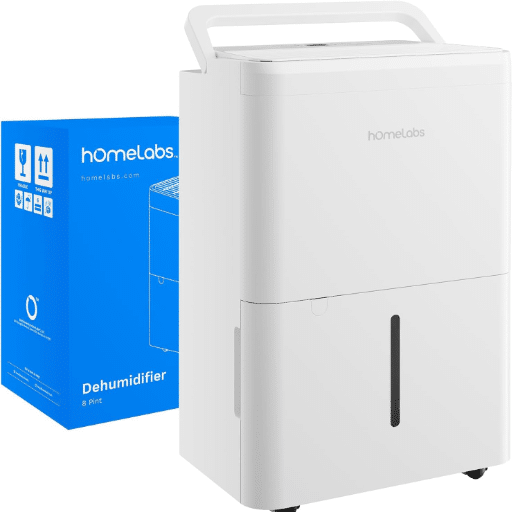
Introduction
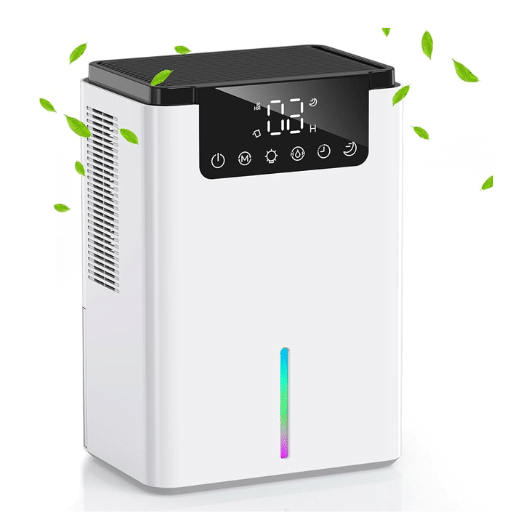
HomeLabs is a new entrant in the market, yet it has earned the credit of producing user-friendly and budget-friendly home appliances very soon. The brand speaks of reduced environmental impact and happy customers.
Main Products
Dehumidifiers with very high water capacity (up to 50 pints), automatic defrost, and nice-looking designs.
Advantages
Low prices, operation with little energy, and simple-to-use controls.
Disadvantages
Customer support may not always be very helpful, and products may not have the high-end smart features.
Website
3Honeywell

Introduction
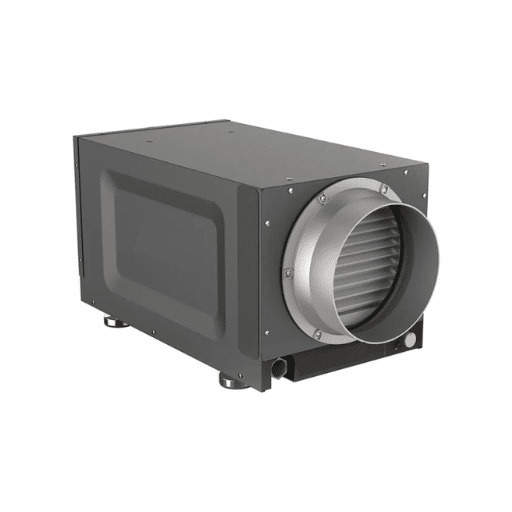
Honeywell, an established company in the electronics and appliance industry, produces high-quality dehumidifiers that are both durable and efficient.
Main Products
Intelligent dehumidifiers that feature digital humidity displays, continuous drainage options, and large water tank capacities.
Advantages
High build quality, extensive humidity settings, and noiseless operation.
Disadvantages
More expensive and larger models may occupy a significant amount of space.
Website
4Vremi
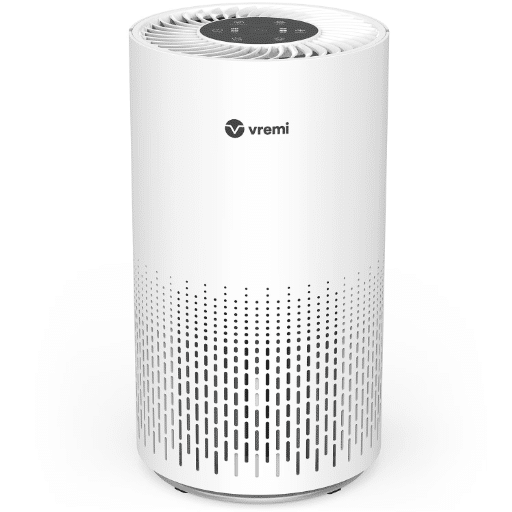
Introduction
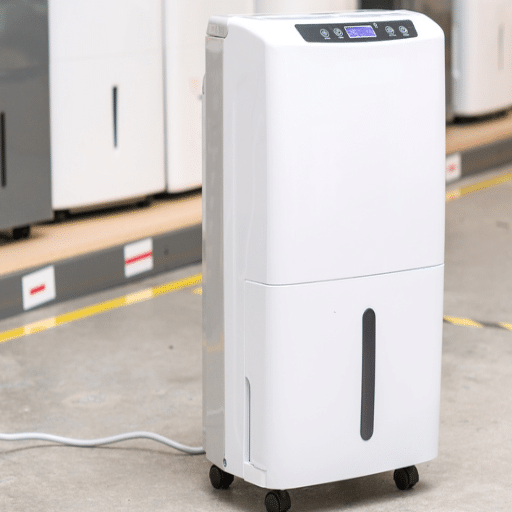
Vremi was introduced to the market as a provider of modern and economical household appliances, and among other things, it offered dehumidifiers. The brand is known for its cutting-edge but economical designs.
Main Products
Dehumidifiers that are small in size with tanks that are easy to remove, have a shutoff feature that operates automatically, and have settings that can be adjusted according to your preference.
Advantages
The product is low-priced, lightweight, and user-friendly, coupled with positive reviews from customers about its effectiveness.
Disadvantages
The product does not have many advanced features, and the water tank is only of limited size comparatively.
Website
5GE Appliances
Introduction
GE Appliances is providing a variety of appliances, such as very efficient and trustworthy dehumidifiers, and is very well-known in the industry.
Main Products
Smart dehumidifiers with Wi-Fi connectivity, continuous drainage feature, and built-in Alexa compatibility.
Advantages
Well-known brand with trust, excellent quality, and modern features.
Disadvantages
Priced higher than the competitor brands, and a few models might be noisier than others.
Website
6Midea
Introduction
Midea is a global leader in consumer appliances, recognized for incorporating technology and affordability into its offering of dehumidification solutions.
Main Products
Eco-friendly dehumidifiers with fast drying modes, washable filters, and elegant, contemporary looks.
Advantages
Pricing policies similar to competitors, state-of-the-art functions, and a great variety of models available.
Disadvantages
Support for customers might not be the same all the time, and certain models could be less durable than others.
Website
7Tosot
Introduction
Tosot belongs to the Gree family of brands, which are known for their stylish and creative home products, among which are the advanced dehumidifiers for modern households.
Main Products
Very quiet dehumidifiers equipped with programmable settings, energy-saving modes, and continuous drainage systems.
Advantages
The products offer silent operation and energy efficiency, along with a focus on contemporary designs.
Disadvantages
There are certain areas where the products are not easily available, and the premium models come with high price tags.
Website
8Black+Decker

Introduction
Black+Decker, a company well-known for its power tools and home appliances, also provides dehumidifiers that put the main emphasis on functionality, portability, and user-friendliness.
Main Products
The dehumidifiers are compact and ideal for small spaces, with digital controls and continuous drainage options.
Advantages
Very portable and compact dehumidifiers with strong customer support.
Disadvantages
Competition has more advanced smart features than the brand, which already has low tank capacities.
Website
9Ivation

Introduction
Ivation is a relatively unknown brand that concentrates on providing ingenious, small, and low-cost dehumidifiers intended for smaller indoor areas.
Main Products
Dehumidifiers that are light in weight and use thermo-electric cooling, have an integrated air-purifying system, and are Maintenance-free.
Advantages
Inexpensive, space-saving, and user-friendly.
Disadvantages
Little capacity and not suitable for big areas.
Website
10Waykar
Overview
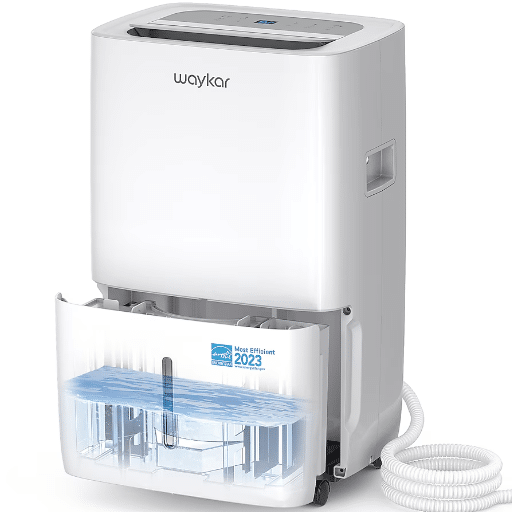
Initially a market novice, Waykar is selling its intelligent dehumidification solutions along with elegant and contemporary design.
Principal Goods
Dehumidifiers that perform multiple functions, complete with automatic shut-off, humidity sensors, and power-saving options.
Benefits
Stylish designs, low prices, and user-friendliness.
Limitations
A few users have reported that such a product does not last long under heavy usage.
Website
Comparison Table
| Brand | Founded | Key Strengths | Best For |
|---|---|---|---|
| Wisdom | 2015 | Energy efficiency, durability | Residential & Industrial |
| HomeLabs | 2014 | Budget-friendly, high capacity | Value seekers |
| Honeywell | 1906 | Build quality, quiet operation | Premium users |
| Vremi | 2015 | Compact, affordable | Small spaces |
| GE Appliances | 1905 | Smart features, Alexa compatible | Tech enthusiasts |
| Midea | 1968 | Eco-friendly, variety | Environmentally conscious |
| Tosot | 2003 | Silent operation, energy efficient | Noise-sensitive environments |
| Black+Decker | 1910 | Portability, customer support | Mobility needs |
| Ivation | 2013 | Space-saving, low cost | Small rooms |
| Waykar | 2016 | Stylish design, smart features | Modern homes |
Frequently Asked Questions (FAQs)
Which is the best dehumidifier for home use in 2025?
The best dehumidifier for home use in 2025 is the one that does the moisture extraction very well, uses less electricity, and makes less noise. The tried and tested units like the Midea Cube for small spaces, 50-pint compressor models for basements and large spaces, and others are often part of the top pick list as they come to be Energy Star dehumidifiers and tested dehumidifiers in steps like these. A lot of factors come into play while choosing a dehumidifier, like capacity in pint ratings, bucket capacity, built-in pump or drain hose options, and whether it’s a portable dehumidifier or a desiccant dehumidifier for cooler rooms.
How many pints of moisture do I have to remove — should I go with a 50-pint dehumidifier or one with less capacity?
The sizing of dehumidifiers greatly depends on the square footage and the humidity level. A dehumidifier of 50-pint capacity (50 pint or 50-pint) is a frequent selection for damp basements or large areas due to its capability of removing 50 pints of moisture from the air within 24 hours. For smaller rooms or bedrooms, a pint dehumidifier with lower pints of moisture removed might be sufficient. Utilize the guidelines provided for sizing dehumidifiers to ensure correct matching of the unit’s capacity with the room’s size and desired humidity level.
Is a Midea Cube or a portable dehumidifier a wise investment for a bedroom?
The Midea Cube is an impressively small dehumidifier, which is often recommended for bedrooms because it is compact, operates quietly, and consumes low energy. Commonly, portable dehumidifier designs like the cube have features such as timers, fan speed control, and small bucket capacity, which we have tested and are suitable for sleeping areas. In case you require the dehumidifier for the bedroom, look for the quietest dehumidifiers, low vibration, and reliable dehumidifier performance at lower humidity levels.
What can we say about Energy Star dehumidifiers as compared to other dehumidifiers in our assessment?
Energy Star dehumidifiers are rated as dehumidifiers that meet higher energy-efficiency standards, thus reducing the electricity used while the moisture is being removed from the air. When it comes to comparisons of tested dehumidifiers, Energy Star models are generally found to draw less power than non-certified units and, at the same time, provide moisture removal and features like drain hose compatibility or built-in pump options. Under such conditions, consider an Energy Star dehumidifier when you buy a dehumidifier for long-term cost savings.
Can a 60-pint dehumidifier or a 50-pint dehumidifier effectively cover a basement or other large areas?
Yes, 50-pint and 60-pint dehumidifiers are able to handle basements and large spaces, as they are capable of removing at least 50 pints of moisture per day or even more. For extremely damp basements or large areas, a 60-pint dehumidifier might be a better choice; whereas a 50-pint dehumidifier is usually enough for moderately damp basements. To come to a decision, check the dehumidifier size charts based on sq ft and humidity levels, and also keep in mind getting units with a drain hose or built-in pump for continuous operation.
How to maintain a new dehumidifier so that it will allow evaporation of moisture efficiently?
To keep a new dehumidifier working well, the following steps should be performed: regularly empty and clean the bucket, clean or replace filters, if using continuous drain, check the drain hose for clogs, and make sure there is good airflow around the unit. For compressor-based models, avoid freezing conditions, and for desiccant dehumidifiers, follow the manufacturer’s guidance. Regular maintenance preserves moisture removal capacity and efficiency over time.
What do I need to consider when I want to buy a dehumidifier — timer, fan speed, pump, or hose?
Important features include a timer for scheduling run times, fan speed settings for quiet or high-output modes, a drain hose or built-in pump for continuous drain, and a precise humidistat to maintain your desired humidity level. Other features that could be considered important are washable filters, portability (casters), and energy-saving modes. The capacity of the dehumidifier in pints and the bucket size should be considered in relation to your space and the frequency of maintenance.
In our testing, are there quiet and reliable dehumidifiers for bedrooms and living areas among the dehumidifiers that we’ve evaluated?
Yes. Among the dehumidifiers we have tested, some models have emphasized their quiet operation and reliable moisture removal, making them fit for use in bedrooms and living areas. Search for units that are promoted as the quietest dehumidifiers, having low decibel ratings, gentle fan speed options, and steady humidity control. Small