Understanding Dehumidifiers

To diminish the humidity levels in the ambient air, a dehumidifier uses a process of drawing in highly humid environmental air, removing the moisture from it, and then blowing out the dry air. The entire process is powered by a fan that sucks in the air and a cooling coil that cools down the air to a temperature low enough for the water vapor to change into liquid. The liquid water obtained can either be collected in a tank for later disposal or drained off continuously through a pipe, depending on the unit’s features. In addition to the reduction of humidity, dehumidifiers also play a vital role in preventing mold growth, securing the furniture, and enhancing the air quality in both residential and commercial settings.
What is a Dehumidifier?
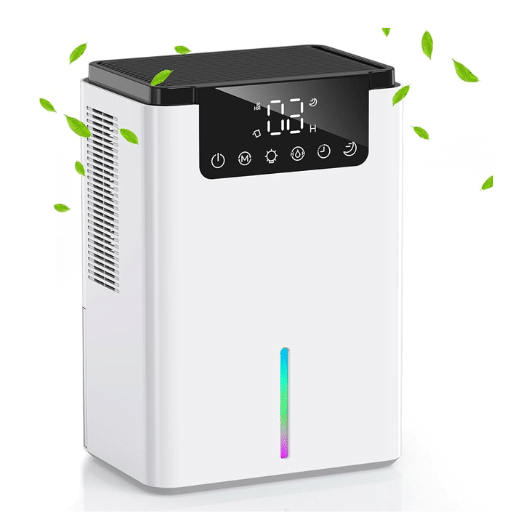
A dehumidifier is one of the various electric devices that are used to control the indoor air humidity, which functions by lowering the moisture level in the air. It can either employ a refrigeration cycle to chill the air or utilize a desiccant-based technology for soaking up the moisture, depending on the type of appliance. Then, the dehumidifier ventilates the room with dry air and thereby, air moisture is reduced. High humidity may lead to a number of issues, such as mold and mildew growth, wood parts rotting, and a decrease in indoor air quality. You can get rid of these issues with the help of a dehumidifier, which is just one of the many electronic appliances available that treat indoor air humidity by moisture extraction. There are a few models and types of dehumidifiers, among which the two most common ones are portable and whole-house systems. These dehumidifiers are highly productive in residential, commercial, and industrial environments as not only do they enhance comfort,t but also safeguard materials against moisture-related vulnerabilities and decay issues.
How Dehumidifiers Work
Dehumidifiers work by bringing in air with high humidity, cooling it down to separate the water vapor, and then heating it again before releasing it back into the room. Usually, in most dehumidifiers, a fan is included in the system that blows air through either the cold coils or the refrigerant system, resulting in the temperature drop that causes water to condense and thus, turning it into liquid water. The liquid water is either stored in a tank or removed through a tube. The air is then heated again and finally returned with less moisture. The most sophisticated units even feature hygrometers that measure the humidity levels constantly and adjust the levels automatically to be cost-efficient and to prevent the worst case scenario of over-drying. One of the alternatives to the conventional type of design is the desiccant dehumidifier, which uses a moisture-absorbing substance instead of cooling coils and is more suitable for cold environments. These types of systems are set to the specific humidity levels and hence, not only do they save power, but also they deal with humidity in various applications at the same time.
Types of Dehumidifiers
The division of dehumidifiers into three categories was carried out according to the type of mechanism and the locations where they can be set up:
Refrigerant Dehumidifiers (Compressor-Based)
They are the most common dehumidifiers, and their operation is based on the principle of drawing in humid air, reducing its temperature, and transforming the moisture in the air into water, which is collected either in a bucket or drained away through a hose. Refrigerant dehumidifiers can be very effective in hot and humid areas and usually function best in places with temperatures above 60°F (16°C). Their typical usage extends to residential areas, basements, and spacious places like living rooms.
Desiccant Dehumidifiers
These machines take advantage of a drying agent like silica gel to absorb the water from the air. Unlike the compressor type, the desiccant dehumidifiers totally lose their absorption power at high temperatures but can still function even in very cold conditions, mainly in industries or warehouses kept at low humidity levels. They are, however, quite portable, have silent operation as one of their pluses, but might consume more energy than the refrigerant ones.
Thermoelectric (Peltier) Dehumidifiers
The dehumidifiers, which work on the Peltier effect, are tiny and cool by a thermoelectric module, making a surface cold, which leads to the elimination of water vapor from the air. Peltier coolers and heaters are, though, quiet and small; thermoelectric dehumidifiers’ performance is like that of a small dehumidifier for a small space, such as a bedroom, office, or closet. The moisture absorption capacity is restricted, and hence they cannot be used in large rooms or high-humidity situations.
The opposite is true for each dehumidifier type because each has its own pros and cons, so the main factors to consider include room size, the condition of the environment, and specific application humidity control requirements for one to come up with the right decision.
Benefits of a Quiet Dehumidifier

Reduced Noise Levels
The silent dehumidifiers will not produce any sound beyond a whisper and thus will be the best choice for use in bedrooms, offices, and other areas where noise is a major issue. The quietness of the devices will not interfere with sleeping, concentrating, or taking a break at all.
Improved Comfort
The quietest dehumidifiers that are almost deafeningly silent, the moisture content in the air is removed in no time at all, hence the indoor environment is condoned very pleasantly and annoyingly less sound is produced; thus, they are absolutely right for living or working places.
Energy Efficiency
Several of the noiseless dehumidifiers come equipped with energy-saving capabilities; thus, these machines will efficiently remove excess moisture in the air while their electricity consumption remains low.
Discreet Operation
These devices’ very low noise levels make them perfect for being used unobtrusively during the day, and they will not interrupt your daily routine; hence, to some extent, they are perfect for both home and office use.
Noise Levels in Commercial Spaces
Noise is by far the main factor emitted from the commercial areas and negatively influences, though indirectly, the product quality, the health of the workers, and customer satisfaction. Experts highlight the fact that maintaining the right acoustic conditions in commercial places—like offices, restaurants, and retail stores—is the most important aspect determining the overall efficiency of the operation. Open plan offices are suggested to be maintained at a noise level of 40-50 decibels (dB). Private offices, on the other hand, may allow slightly higher limits, usually around 50-55 dB, depending on the layout and the purpose of the area.
Noise in the office can make communication difficult, cause stress, and decrease concentration. To address the problem, companies often employ measures like acoustic panels, carpeting, or soundproofing systems. Furthermore, HVAC units and machines’ noise levels are becoming an important determinant of their selection. The enhancement of these factors not only helps to meet OSHA noise exposure standards but also creates a more comfortable and productive workplace.
Impact of Low Noise on Comfort
The A20m, which is measured in residential and commercial areas alike, has been regarded as one of the main contributors to people’s comfort and well-being. The noise at the hearing threshold and above makes the body respond with stress, and it also causes sleep disturbances and lower cognitive ability; however, when the noise level is low, the opposite happens, and people become more focused, relaxed, and satisfied. Researchers discovered that the level of noise under 35 dB is ideal for undisturbed sleep and that the implementation of noise-reducing measures in offices leads to very high employee productivity and morale. There are many ways to control noise, and among them are: sound-absorbing materials, architectural features like double-glazed windows, and the most recent noise-cancellation technology. Thus, the necessity of keeping noise at a low level is continually emphasized by health studies and industry best practices.
Choosing a Silent Dehumidifier
The noise level will be the main factor and the first one to be considered when the purchase of a silent dehumidifier is in question. Usually, the noise levels of below 40 dB are marked as “silent” and are able to be set up in bedrooms, offices, and living rooms without any disturbance. Furthermore, through the use of lower fan speeds, noise can be noticeably diminished; thus, it is suggested to have fans with multiple speed settings. Room size is another factor that should be taken into consideration; small dehumidifiers are meant for small rooms, while large ones can be put in basements or large spaces. Energy efficiency is yet another important feature that one has to consider because the running costs of energy-efficient dehumidifiers with good Energy Star ratings will not only be economical, but also the performance will be uninterrupted. Moreover, the features like timer settings, auto humidity control, and washable, removable filters make the product very user-friendly and practical. Besides, one should not forget about the noise-reduction systems which are built in the course of the production, such as soundproofing of compressor units, that guarantee maximum comfort with no compromise in output.
Key Features of Commercial Silent Dehumidifiers

- Noise Reduction Technologies: The utilization of individual compressors along with an entire selection of sound-absorbing materials makes it possible to run the machine without any noise.
- Energy Efficiency: The machines are backed up by excellent Energy Star ratings that refer to their electricity consumption as low and, consequently, their operating cost as cheap.
- Humidity Control: Extremely accurate humidity sensors are continuously monitoring the moisture level and making adjustments according to the user’s preference.
- Durable Filters: In addition, the product is provided with very robust and washable filters. The result is that the filters require little maintenance and contribute to improved air quality.
- User Convenience: The appliances come equipped with sophisticated features such as programmable timers, automatic switches, and contemporary designs that allow them to be placed in various locations.
Capacity and Efficiency
When considering dehumidifiers, the first aspects to take into account are the efficiency and capacity of the unit, which are interrelated to the unit’s ability to handle moisture in the right way according to the area size mapped for it. The maximum capacity of moisture extraction is usually described in pints of moisture removed per day, and the available products in different fields of application range from 20 to over 70 pints and even more. The units with the highest capacity are apt for big or extremely humid spaces, like basements, while lower-capacity units can be good for small rooms. The unit’s energy factor (EF) and Energy Star ratings are the main indicators of its efficiency. A higher EF indication means that the appliance is less costly to run since it can remove more water with each kilowatt-hour of electricity consumed. The most expensive models sometimes come with advanced features, such as continuous drainage options and moisture-sensing with adjustments, and these features give both performance and energy savings. It is the interaction of the Room size, Humidity levels, and Power consumption that finally points out the proper choice of capacity and efficiency.
Humidity Control and Rate of Removal
The best choice for humidity control in the long term is a dehumidifier that is selected based on a space matching capacity in the units of pints per day (PPD). If the mould-contaminated area is a basement or a room where air doesn’t circulate, a dehumidifier with a greater moisture removal capacity will be the answer. The customer can abide by the AHAM-established standardized capacity rating system, where the room sizes, conditions, and the devices’ power will facilitate the selection of the right dehumidifier.
One of the factors that determines the removal rate is the dehumidifier’s capacity, as well as the temperature and moisture level in the environment. The models that work well in temperatures below 65°F are probably going to have features such as auto-defrost or low-temperature operation to be able to remain effective. The digital humidistats, variable fan speeds, and other similar technologies that have become common in dehumidifiers today help to get rid of the moisture and keep the relative humidity at the desired level, which is usually 30-50% for general comfort and prevention of mold.
When looking for the best dehumidifiers, don’t forget to consider the energy consumed by the machine compared to the moisture it removes (EF rating). The next-generation dehumidifiers equipped with adaptive technologies such as automatic power-off and intelligent scheduling can offer accurate humidity control while being energy-efficient. Regular supervision and upkeep, including cleaning the filter and draining the water tank, among others, are vital for getting the most satisfying results.
Design Considerations for Crawl Spaces and Basements
Crawl space and basement designs ﹘ The most important and primary step that should be undertaken is controlling moisture; otherwise, it might result in very serious structural damage, mold infestation, and poor air quality. First, proper drainage systems such as perimeter drains and sump pumps should be installed to remove water from the foundation. Along with that, a complete installation of vapor barriers made from polyethylene sheeting around the entire crawlspace, including the floors and walls, will be required to prevent moisture infiltration. Furthermore, depending on the climatic conditions, ventilation will be done through either mechanical or natural means, as overly humid or dry conditions can damage the materials.
Nevertheless, insulation is another extremely important factor, and it is the one that is most frequently overlooked; the best option is rigid foam insulation over fiberglass, as it does not trap water, and at the same time, it is resistant to mold. Furthermore, the grading of the property must be such that it slopes away from the foundation walls to aid in the control of the water coming from outside. The walls and floors of basements can also be made waterproof through the application of coatings that act as an extra protective layer. On the contrary, it is still the case that regular monitoring and preventive maintenance should be performed, which will include checking seals, pumps, dehumidifiers, etc., as this is the only way that the constant presence of the area and its good operation over time can be ensured.
Highly Rated Quiet Dehumidifiers
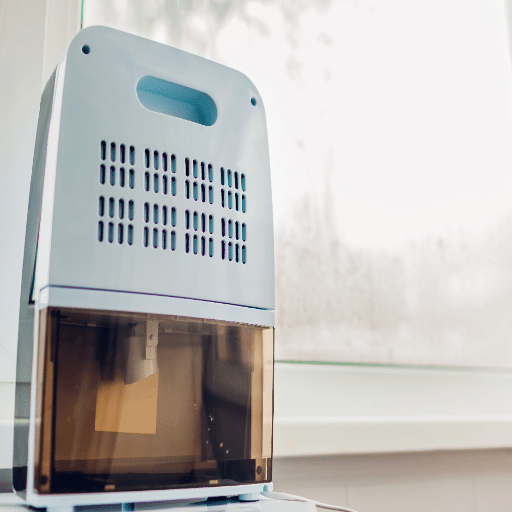
In selecting quiet dehumidifiers, one should resort to the specific models of noise-reducing ones incorporated with efficient performance. The list of the most preferred options consists of:
Tosot 50 Pint Dehumidifier
This model is known for its silent operation and energy saving. It is extracting moisture from medium and large rooms with almost no noise.
HomeLabs Energy Star Dehumidifier
Its powerful moisture removal and sound levels in the Winters’ living room make its noise level a nice partner for no-hassle maintenance and functional design.
Vornado EVDC300 Energy Smart Dehumidifier
Small and murmuring, this unit suits the smallest of spaces and eco-conscious users perfectly.
The dehumidifiers mentioned above are characterized by their noiseless operation and the professional and functional assistance that render them suitable for the types of weather that require utmost humidity control without disturbing noise and the comforts of the atmosphere.
Top Brands: Aprilaire and More
Undoubtedly, Aprilaire is one of those brands that should definitely be considered, as it is among the exceptional ones in the market of dehumidifiers with its superior design and humidity management systems. Primarily, the company is famous for its all-inclusive solutions; however, Aprilaire dehumidifiers are not only good at keeping the air clean but also very efficient; they also have a large capacity performance, which is ideal for homeowners who want to control the moisture level and improve the air quality for a long time.
Frigidaire, the second biggest seller, is the brand that often gets the highest compliments for its customer-friendly features and energy-saving models. Frigidaire is very accessible to both residential and commercial spheres due to its user-friendly controls, robust constructions, and units that can operate even in very low temperatures.
Finally, HomeLabs is the manufacturer that produces the most powerful dehumidifiers, yet they come with a very cheap tag. HomeLabs appliances are not only known for their sophisticated and contemporary looks but also for the combination of their mobility, high moisture removal, and flexibility in fitting various room sizes, which makes them very popular among those who are looking for good performance at a very low price.
These brands surely have a similar quality; they offer consumers different possibilities of the very old, reliable, and energy-efficient methods in their products for maximum humidity control.
Comparing Features and Performance
When it comes to humidification solutions, the first thing that usually comes to mind are the most important characteristics of these solutions, among others, moisture removal capacity, energy efficiency, noise levels, and user-friendliness. However, it is possible to look at the situation from a different perspective and consider many other aspects. Among these, HomeLabs, Vornado, and Levoit are the brands that come up the most as they are generally the ones that win from the limited competition area drawn from the leading online sources by a consensus that has been pointed out.
HomeLabs can be called the brand of heavy-duty dehumidification, hence they are the perfect partner for situations when fast and complete moisture control is a requirement. On the other hand, Vornado is a name that revolves around air circulation technology, and accordingly, it makes even and efficient air distribution in medium to large areas. Levoit is responsible for the ultrasonic models, and thus it offers silent operation and custom settings, whereby energy-efficient performance is the greatest benefit in bedrooms and small areas.
All three brands have the common concern of energy savings, and thus each of them has an Energy Star certified category that uses the least energy but gives the best possible performance throughout the operational life. In addition, easy maintenance is one of the characteristics that connect the three brands, being pointed out with things like the use of a washable filter and the effortless tank removal for convenience. These brands all together embody the high standards of innovation and reliability that are suitable for a wide range of humidification applications.
User Reviews and Recommendations
The users’ evaluations from the most reliable sites have been analyzed, and it will be no surprise that these humidifiers are branded as the quietest, having the greatest humidification, and lasting the longest. The maximum comfort offered by the devices is the feature that consumers have pointed out most often, with examples like easy-to-use controls and the convenience of cleaning and filling tanks being the most common. The energy-efficient feature, particularly for the units with an Energy Star rating, is usually considered the greatest benefit that leads to lower electricity bills. Conversely, some customers have doubts about the durability of certain models and regularly suggest maintenance practices to keep them working smoothly. Overall, the appliances are considered good by the consumers, as they can keep the humidity level comfortable in rooms of all sizes and hence being regarded as a perfect mix of innovation and practicality that no matter which consumer type, even the most difficult ones, it would delight them.
Installation and Maintenance

Optimal performance is guaranteed only by proper installation and maintenance, as per the following guidelines:
Installation
The humidifier needs to be placed in the exact center of a flat and strong surface in order to have a proper humidity distribution. The unit should be easy to plug into the outlet, and it should be in a spot that does not directly get sunlight or heat. Following the manufacturer’s recommendations, fill the water reservoir with clean and room-temperature water.
Weekly Maintenance
Every week, you have to replace the filters, and you can clean the water tank and base with a mild detergent or vinegar solution to keep mold and bacteria away. The user’s manual should be followed for changing the filters if you want the product to be efficient. Monitor the device for any signs of wear or malfunction and attend to those issues immediately.
If the humidifier is properly maintained, it will not only live longer but also perform consistently.
Best Practices for Installation in Commercial Spaces
The installation of a humidification system in a commercial building will not yield the desired results unless the following factors are considered: first, the site; next, the humidity control; and lastly, the system’s capacity and coverage, which will allow it to run without interruption for a long time.
| Installation Factor | Key Considerations |
|---|---|
| Right Location | Airflow should be the main factor in determining the unit’s placement; direct sunlight, heating vents, or other sources of heat that might impair performance should be considered. Furthermore, it is best to stay away from placing the humidifier close to access points such as doors or windows in order to lessen the impact changes in outside temperature might have on its functioning. |
| Humidity Regulation | A humidistat will be needed to be set up for controlling and supervise the humidity levels. The main indoor relative humidity for commercial areas is 40-60%, as it not only protects equipment, furniture, and sensitive materials from harm but also ensures a pleasant environment for the occupants. |
| Size and Area | The selection of the humidifier must be according to the size of the commercial space. To do this, first, get the volume of the area, then take into account the ceiling height and the rate of air change to ensure that a proper moisture supply is provided without putting too much strain on the unit. |
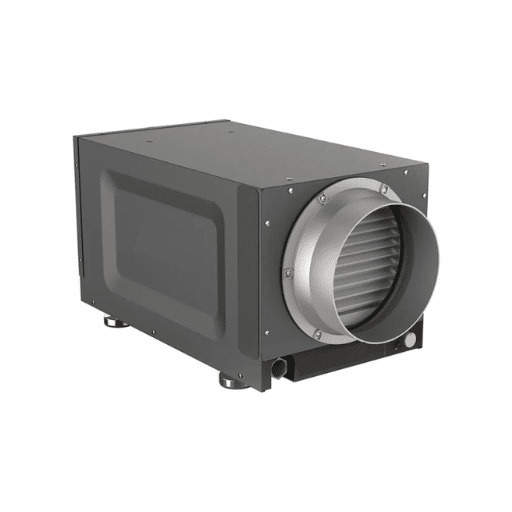
| Integration with HVAC Systems | In case you have a huge commercial space, you should consider connecting the humidifier to the HVAC system, so that the moisture is distributed all over the building. This configuration not only minimizes the number of independent ups but also increases the efficiency of the entire system. |
| Safety Considerations | The installation of the unit must be done according to the manufacturer’s specifications, which include that electrical and water connections must be set up in a way to prevent the occurrence of leaks, short circuits, and other hazards. In addition, the installation must adhere to the local building codes and safety regulations. |
If the recommended practices are followed, the humidification system will be highly efficient for the companies with less maintenance and lower operating costs. Proper planning and skilled installation are the two key factors for the best results in a commercial area.
Regular Maintenance Tips
In order to ensure that the humidification system lasts a long time and operates efficiently, I perform a number of main maintenance practices. I check and clean the filters and water supply tubes daily to prevent any potential blockages and mineral deposits from occurring. In the same way, I give the fans, nozzles, and sensors the same treatment as system parts and check them for any signs of wear or damage, and replace the ones that are worn out. Keeping an eye on the humidity level and resetting the system after some time are both practices that help the system to perform stably. Besides, I have regular maintenance done according to the manufacturer’s guidelines to detect and rectify any possible issues before they become serious. All these activities are like a shield that not only maintains the system’s high performance but also allows its operation almost all the time.
Encapsulation Solutions for Optimal Performance
Encapsulation technology is a protective method for primary materials, by enclosing the materials in a shell or layer that is usually protective. It thereby improves their stability, functionality, and efficiency for different applications. The technique is widely applied in the pharmaceutical, food processing, and electronic industries, where it is a means of keeping the sensitive components away from the damaging influences of moisture, oxygen, or extreme heat and cold.
In making the encapsulation selection, the three foremost aspects to consider are compatibility of materials, resistance to thermal effects, and the barrier properties. The microscale encapsulation techniques, such as spray drying or coacervation, are regularly used for the exact control of Drug release rates and the stability of the product. The development of materials such as epoxy resins, silicones, and biodegradable polymers not only extends the lifetime but also ensures that the negative effects on the product’s integrity are kept to a minimum.
It is of utmost importance to clearly define the requirements of the application in order to boost the performance of encapsulation. Abiding by the engineering standards, fully leveraging the advanced technologies, and strict quality control are all instrumental in guaranteeing the reliability and consistency of the results for the encapsulated products.
Reference Sources
Handbook of Dehumidification Technology
This book provides comprehensive insights into dehumidification technologies, including applications in commercial and industrial settings.
An Assessment of Desiccant Cooling and Dehumidification Technology
This report discusses advanced dehumidification systems integrated into commercial building HVAC systems.
Dehumidifier Use in the US Residential Sector: Results from an Amazon Mechanical Turk Survey
This academic paper explores dehumidifier usage trends, including the adoption of quiet and energy-efficient models.
Frequently Asked Questions (FAQs)
Aprilaire dehumidifier: Is an Aprilaire dehumidifier quieter than shop models?
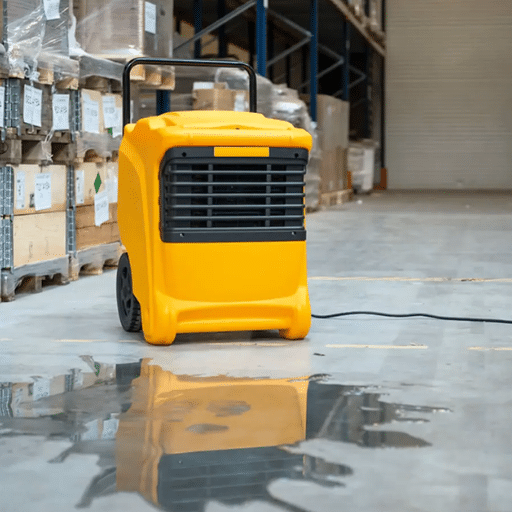
Usually, Aprilaire dehumidifier manufacturers for the entire house and basement applications promote the quietness of their products compared to the heavy-duty shop dehumidifiers. Non-domestic dehumidifiers are generally louder because they focus more on airflow and large-capacity extraction, thus their high decibel rating. Nevertheless, an Aprilaire unit would typically operate more quietly and, at the same time, it would be a more suitable option if you want a silent dehumidifier that would not affect living space comfort while humidity is being removed from the air.
excess moisture: How do I know if I have excess humidity and need a high-capacity unit?
Among the signs of excessive humidity in the house are condensation forming on the windows, musty odors, and paint peeling off the walls. A hygrometer can also be used to check the relative humidity (RH) level: RH frequently over 60% is a very clear signal that you should go for a high-capacity or whole-house dehumidifier. Areas like very damp basements or the shop may require a unit with high-capacity (like the E130 or commercial units) that can effectively spread out moisture and eliminate mold growth, which is harmful.
shop dehumidifier: Shop dehumidifiers. Are they that loud, like a normal conversation, and are they suitable for living rooms?
Yes, some shop dehumidifiers produce noise at the same level as a normal conversation, which is around 50 dB or even more, but there is a general tendency for most of the shop dehumidifiers to be quiet. ruggedness and high extraction capacity rather than being quiet. If you are using a shop model in a living room or kitchen, it is better to select a unit that is specifically marked as quieter or has a lower decibel rating; otherwise, it would be wise to pick a model made for indoor living areas to avoid the inconvenience of constant loud noise.
whole-house systems and warranty: What is the warranty duration for a whole-house dehumidifier?
Warranty of whole-house dehumidifiers offered by the manufacturers is usually 1 to 5 years, although the costliest models and brands might even give the compressor or parts a 5-year warranty. Always know the warranty conditions and what is included—labor, shipping, or service visits—and remember to register the unit after purchase to make sure you get the maximum protection.
Aprilaire dehumidifier inspection: How often should a whole-house unit be inspected and maintained?
An inspection every 3-6 months should be the minimum period for checking filters, drains, and coils for dust or blockage. Also, the display and controls of the unit are checked, and it is confirmed whether the unit is keeping the RH at the preset level. Once a year, a professional inspection guarantees that a whole-house or high-capacity dehumidifier is not only silent but also effective, and it is not killed too soon by harmful buildup or extinction.
shop and portable: Would it be wiser to go with a large-capacity portable like the e130 or a built-in whole-house model?
Your choice is a portable large-capacity model that can be easily placed just like the E130; the noise level of such units might be much lower than that of some heavy-duty shop units, and they will generally come with an intuitive digital display as well as remote control devices. A whole-house system is the best option for solutions that are always there and work in multiple rooms. Take into account the decibel rating, extraction capacity, and whether having a remote or digital display is important for silent and hassle-free operation.
Searching for a silent dehumidifier: What features can be a clue for a unit that operates quietly and yet blows away moisture?
Among such a unit’s conspicuous characteristics, the decibel ratings are the exact ones that the buyer should go after explicitly (the most silent models aim at 50 dB or below), soundproofing construction, and adjustable fan speeds that allow the unit to run silently at low settings. The dehumidifier is, in fact, user-friendly in terms of noiseless operation, thanks to such features as the digital display, RH settings programming, and remote control. Major companies such as Honeywell and Aprilaire often provide information on noise levels and also the model’s intended use, whether for living areas or industrial.
Location and negative impacts: Can a dehumidifier placed in the kitchen or living room be a disadvantage if not emptied or poorly maintained?
A dehumidifier that is either running with an empty water bucket or has a clogged drain is likely to shut off or cause damage to internal components; thus, neglecting a unit for an extended period could lead to an accumulation of mold inside the unit, which could be both harmful to health and detrimental to the unit’s performance. It would be best to install dehumidifiers in areas such as the kitchen or living room that are well-ventilated and then regularly check the filters and clean them if necessary, as well as follow warranty conditions, so that the unit can operate quietly and safely while removing moisture from the air.