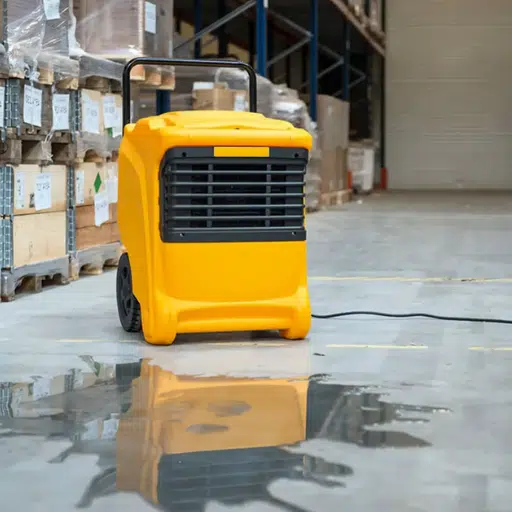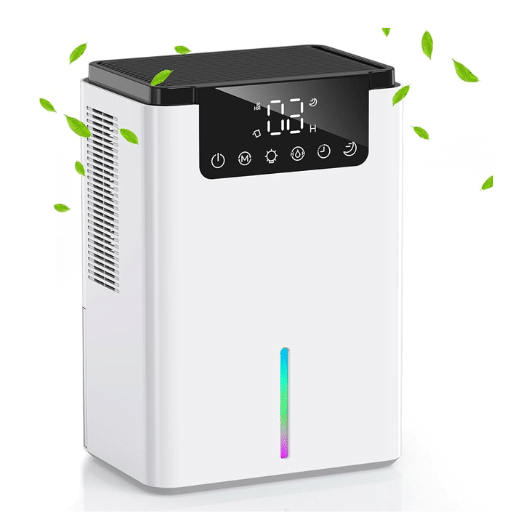
Understanding Dehumidifiers
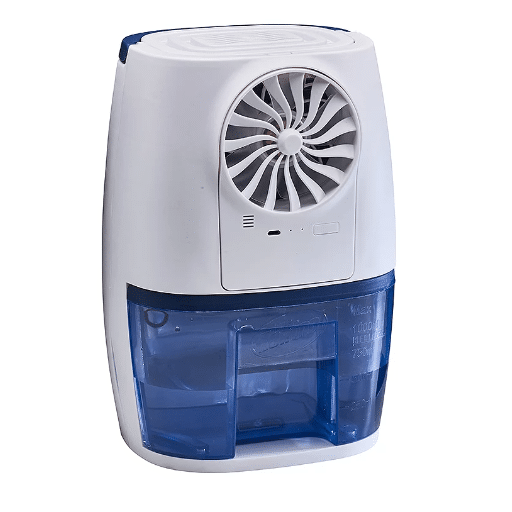
Dehumidifiers are mechanical appliances designed to remove surplus air moisture in the form of water vapor, thereby reducing atmospheric moisture levels. The humid air is processed, cooled, and the moisture is condensed before the resultant dry air is returned to the enclosed space.
What is a Dehumidifier?
A dehumidifier is an appliance used in residential or industrial settings to moderate humidity levels, ensuring comfort, well-being, and property protection. Moist, warm environments provide ideal conditions for mold, mildew, and dust mites—all potential triggers for allergies and breathing complications.
Modern dehumidifiers efficiently remove excess moisture using one of two primary methods:
- Refrigerant Systems: Use cooled coils to compact water vapor
- Desiccant Systems: Employ special materials to absorb and retain moisture
Today’s advanced models feature adjustable humidity controls, energy efficiency, and portability. A battery powered dehumidifier is especially valuable for promoting healthier environments in areas where traditional power sources are unavailable or impractical.
How Dehumidifiers Work
Dehumidifiers correct humidity levels through a systematic process:
- Air Intake: A fan draws humid air through a special vent
- Cooling Process: Air passes over a low-temperature surface or coils inside the unit
- Moisture Condensation: Water vapor transforms into liquid water droplets
- Water Collection: Condensed water collects in a bucket or drains through a hose
- Air Return: Dehumidified air is warmed back to room temperature and released
Types of Dehumidifiers
| Type | Best Environment | Key Features | Ideal Applications |
|---|---|---|---|
| Refrigerant (Compressor) | Warm environments | Lowers air temperature below dew point to extract moisture; modern versions use green refrigerants | General home use in temperate climates |
| Desiccant | Cold or rainy seasons | Uses absorbing materials; reliable at lower temperatures | Basements, commercial establishments requiring continuous dehumidification |
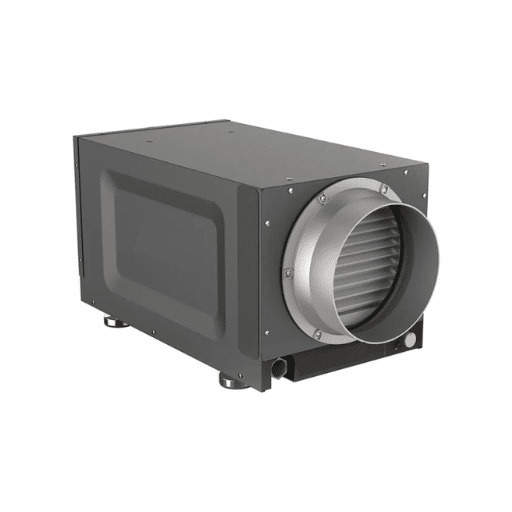
| Whole House | Entire home systems | Integrates with HVAC systems; centralized moisture control | Large homes where central air conditioning alone cannot manage humidity |
| Mini and Portable | Small, enclosed spaces | Compact, quiet, flexible placement | Bathrooms, closets, bedrooms, offices |
| Battery Operated | Off-grid or mobile locations | Cordless, lightweight, rechargeable | RVs, boats, outdoor camps, areas without power outlets |
Battery Operated Dehumidifiers
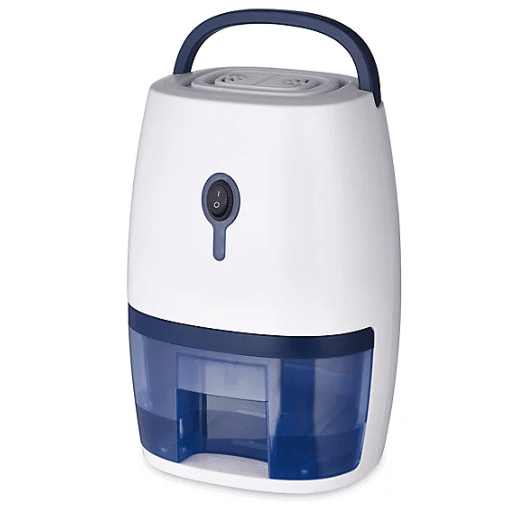
Battery powered dehumidifier devices have become increasingly popular due to their mobility and convenience. Recent trends indicate strong consumer interest in models that are:
- Lightweight and cost-efficient
- Effective in locations without power sources (RVs, boats, outdoor camps)
- Rechargeable with long battery life
- Equipped with air purification features
Advantages of Battery Powered Models
Portability
Battery powered dehumidifiers are highly portable, allowing users to easily move them between locations like RVs, boats, or outdoor camps. Their lightweight design ensures convenient operation without location constraints.
Energy Efficiency
By not connecting directly to electrical outlets, these devices become energy-efficient solutions. Rechargeable batteries store energy more efficiently, performing comparably to electricity-powered models while reducing power consumption.
Versatility
Battery-powered dehumidifiers cope with challenging conditions—from RVs and closets to small, wet spaces. Their adaptability makes them suitable for virtually any moisture control scenario.
Cost-Effectiveness
These units eliminate ongoing electricity costs and reduce installation expenses. Models with rechargeable batteries offer long-term value despite potentially higher upfront costs.
Eco-Friendly Operation
Many battery powered dehumidifiers incorporate green materials and low-energy operating modes, making them less polluting than standard plug-in models—ideal for remote, off-grid locations.
How to Choose a Battery Operated Dehumidifier
Selecting the right battery powered dehumidifier requires considering several important factors:
1. Capacity
- Measurement: Typically measured in ounces of water removed per day
- Small Spaces: Compact units suitable for closets or vehicles
- Larger Areas: Medium to heavy-duty models for garages or cellars
2. Battery Performance
- Select models with long-lasting rechargeable batteries
- Consider removable batteries compatible with your usage rate
- Evaluate battery life against environmental conditions
3. Portability and Dimensions
- Assess ease of carrying between rooms
- Verify size compatibility for intended spaces
- Consider weight for outdoor or mobile use
4. Additional Features
- Automatic Shut-off: Prevents overflow and conserves battery
- LED Indicators: Display operational status and alerts
- Easy-to-Use Controls: Simplify operation and adjustments
- Energy-Saving Modes: Extend battery life and reduce environmental impact
- Quiet Operation: Essential for bedrooms and offices
- Eco-Friendly Design: Sustainable materials and construction
5. Research and Reviews
Analyze consumer reviews and ratings to identify brands known for durability and reliable performance. Look for products that maintain effectiveness over frequent use and offer good value for your investment.
Popular Brands: Eva-Dry and Others
Leading Battery Powered Dehumidifier Brands
Eva-Dry: Renowned for durability and energy efficiency. The Eva-Dry series features high-specific moisture absorbent technology with effective humidity control in compact designs perfect for home use.
Other Recommended Brands:
- Comfy Homes – Quality construction and user satisfaction
- Pro Breeze – Reliable performance and features
- Afloia – Innovative designs and efficiency
- SEAVON – Value-oriented solutions
Applications of Cordless Dehumidifiers
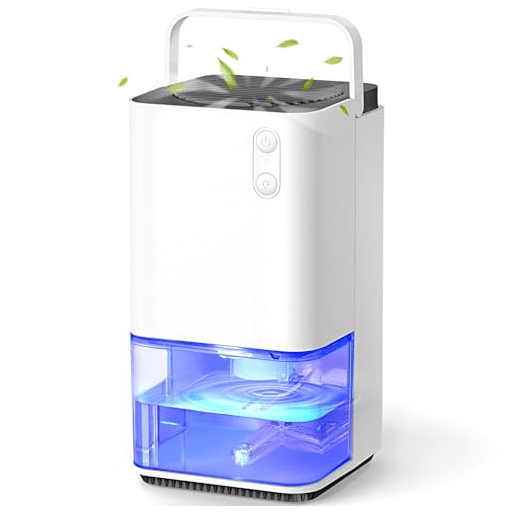
Small Rooms and Bathrooms
Battery powered dehumidifiers excel in bathrooms and compact rooms where multiple people create excess humidity over time. They effectively prevent mold growth and eliminate musty, damp odors.
Closets and Wardrobes
These dehumidifiers keep closets and wardrobes dry, preventing mildew damage to clothing, shoes, and other stored articles. Essential for protecting valuable garments and accessories.
RVs and Boats
The small, lightweight design makes cordless dehumidifiers perfect for recreational vehicles and boats. They efficiently prevent moisture damage to interiors, upholstery, and equipment during use and storage.
Basements and Storage Areas
Battery powered dehumidifiers maintain proper conditions in basements and storage rooms, protecting valuable items like documents, electronics, and furniture from moisture damage and dampness.
Travel and Mobile Use
Many travelers bring battery powered dehumidifiers to hotel rooms or short-term housing to improve air quality and health conditions during their stay.
Using Dehumidifiers in RVs
Recreational Vehicles (RVs) are particularly prone to moisture formation due to:
- Difficulty maintaining consistent ventilation
- Weather changes across different travel regions
- Compact living spaces with limited airflow
Common Question: “What kind of dehumidifier is best for an RV?”
The answer depends on RV size and power source availability. Electric dehumidifiers offer effectiveness and continuous operation when power is available. However, rechargeable or battery-powered mini dehumidifiers are ideal for off-grid areas, protecting RV interiors without compromising the vehicle structure.
Portable Dehumidifiers for Home Use
Portable home dehumidifiers represent a significant market segment due to their mobility and simplicity.
| Room Size | Humidity Level | Recommended Capacity |
|---|---|---|
| Up to 300 sq. ft. | Moderate humidity | 20-30 pints per day |
| 500-1,000 sq. ft. (living rooms, basements) | Moderate to high humidity | 50-70 pints per day |
| Small closets, bathrooms | Low to moderate humidity | Battery powered or mini units |
Additional considerations include power usage, operational hours, and ease of use for effective, convenient humidity control.
Humidity Control in Closets and Small Spaces
Controlling moisture in closets and small rooms prevents mold, mildew, and foul odors. Optimal indoor humidity should range between 30% to 50%.
Best Practices:
- Use small-scale dehumidifiers designed for compact spaces
- Supplement with silica gel sachets or moisture-absorbent materials
- Install humidity meters to monitor levels
- Ensure proper ventilation in enclosed areas
- Choose energy-efficient models that consume minimal power
Key Features to Consider

| Feature | Importance | What to Look For |
|---|---|---|
| Portability & Design | Essential for confined spaces | Thin profile, lightweight construction, easy to fit in tight areas like wardrobes |
| Energy Efficiency | Reduces operating costs | Battery powered models consume less power; look for energy-saving modes |
| Absorption Capacity | Determines effectiveness | Match capacity to space size and moisture level for optimal control |
| Humidity Monitoring | Maintains optimal levels | Built-in sensors and displays for real-time humidity tracking |
| Maintenance Ease | Long-term usability | Replaceable or washable absorbents, easy tank access |
Rechargeable Options and Battery Life
Rechargeability and battery performance are crucial factors for customer satisfaction and long-term product success.
Consumer Preferences: Search data reveals highest interest in products offering:
- Longer battery charge retention
- Faster recharging capabilities
- USB-C charging ports for convenience
- Environmentally friendly battery technology
- Energy-efficient operations
Innovations in sustainable battery production—including recyclable materials and improved energy efficiency—extend product lifespan while meeting contemporary sustainability demands.
Water Tank Capacity and Maintenance
Water tank size varies based on application and usage requirements:
| Usage Type | Typical Capacity | Best For |
|---|---|---|
| Personal/Small Spaces | 100-500 mL | Closets, small bathrooms, vehicles |
| Residential Use | 1-5 gallons | Bedrooms, offices, living areas |
| Commercial/Large Scale | 5+ gallons | Basements, warehouses, industrial settings |
Maintenance Best Practices:
- Regular Inspections: Check for cracks, leaks, or rust
- Bi-Annual Cleaning: Clean every six months to prevent contamination
- Filter Usage: Implement appropriate filters to prevent algae growth
- Sediment Monitoring: Observe and manage sediment levels
Quiet Operation: Ultra Quiet Models
Ultra-silent operation has become a major selling point, particularly for residential and office environments.
Most Common Questions:
- “Which is the best quiet dehumidifier?”
- “How to buy a quiet dehumidifier?”
Manufacturers have responded with models featuring:
- Additional insulation to reduce operational noise
- Noise-reducing components and dampeners
- Smart, environment-friendly features
- Ergonomic designs for minimal vibration
Buying Guide for Dehumidifiers
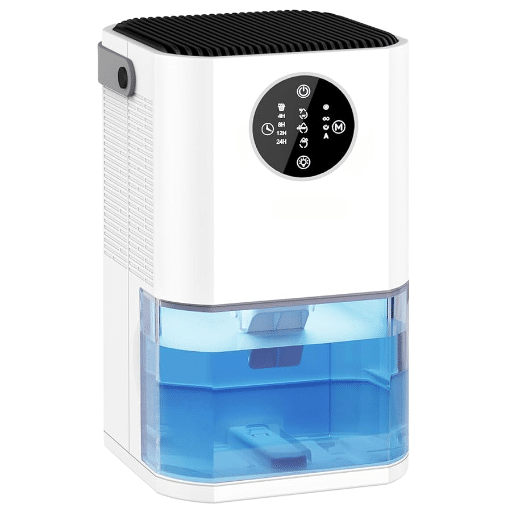
| Factor | Specifications | Recommendations |
|---|---|---|
| Capacity | Measured in pints per day | • Small areas: 20-30 pints • Large areas: 50+ pints • Match to room size |
| Energy Efficiency | ENERGY STAR certification | Look for certified models that provide optimal service while minimizing electricity costs |
| Noise Level | Measured in decibels (dB) | Products operating below 50 dB are considered quiet; essential for bedrooms and offices |
| Smart Features | Wi-Fi, humidity indicators, app control | Enhance user experience and allow remote humidity monitoring and control |
| Portability | Wheels, handles, lightweight design | Built-in wheels or easy-grip handles enable movement between rooms for flexible moisture control |
| Maintenance | Washable filters, easy tank access | Simple-to-wash filters and easy-to-empty tanks; look for auto-shutoff and continuous drainage options |
Factors to Consider: Size and Coverage (sq ft)
Size and coverage are primary considerations when selecting dehumidifiers. The unit size typically correlates with the square footage requiring dehumidification and moisture levels present.
| Space Type | Approximate Size | Recommended Unit |
|---|---|---|
| Bathrooms, small closets | Up to 150 sq. ft. (15×10 ft) | Compact battery powered units |
| Bedrooms, offices | 150-300 sq. ft. | Small to medium capacity models |
| Living rooms, basements | 500-625 sq. ft. (20×25 ft) | Large capacity units (50-70 pints/day) |
| Large basements, multi-room areas | 1,000+ sq. ft. | High-capacity or whole-house systems |
Comparing Pints Dehumidifier Capacity
Capacity selection depends on room size and humidity levels present. Recent search data shows users frequently ask: “How many pints do I need for my living room or basement?”
| Room Size | Humidity Level | Recommended Capacity | Usage Scenario |
|---|---|---|---|
| Small (up to 500 sq. ft.) | Moderate | 20-30 pints/day | Bedrooms, small bathrooms, closets |
| Medium (500 sq. ft.) | Moderate | 30 pints/day | Standard living spaces with normal moisture |
| Medium (500 sq. ft.) | Very humid | 50 pints/day | Damp basements, laundry rooms |
| Large (1,000+ sq. ft.) | High humidity | 50-70 pints/day | Large basements, wet crawl spaces |
Expert Recommendation: Match capacity to both room size and humidity level for effective performance. When in doubt, consult brand specifications to ensure the selected unit matches your specific requirements.
Safety Features in Dehumidifiers
Modern dehumidifiers incorporate numerous safety features to protect users and prevent damage:
Emergency Deactivator (Auto-Shutoff)
Automatically turns off the dehumidifier when the water tank reaches capacity, preventing overflow and water damage. Essential for unattended operation.
Thermostatic Cut-Out (Overheat Protection)
Cuts power to the device if internal temperature exceeds safe operating limits, effectively preventing fire hazards and component damage.
Parental Mode (Child Lock)
Prevents children from modifying appliance settings, ensuring safe operation in households with young family members.
Roll-Over Prevention (Tip-Over Protection)
Tilt-sensitive device cuts power when the appliance is knocked over, preventing injuries from improper placement or accidental tipping.
Indicator Warnings (Status Alerts)
LED lights display filter status, tank levels, and operational conditions, helping users maintain proper upkeep and prevent malfunction.
-
References
-
Water Harvester Powered by Solar Panels and Battery – UC Berkeley
Discusses a water harvester that operates 24/7 using solar panels and a battery, relevant to battery-powered dehumidification technology.
Visit the site -
Final Project Report: Atmospheric Water Generation – Trinity University
Explores a prototype powered by solar panels and a battery, collecting water through dehumidification.
Visit the site -
Water Condensation Collection for Disaster Relief – University of Akron
Examines battery-powered devices for water collection, including challenges and environmental considerations.
Visit the site
Frequently Asked Questions (FAQ)
What is the purpose behind the creation of a battery powered dehumidifier?
It is a handy appliance meant to reduce the humidity of the air; it’s most appropriate for nervous places like bathrooms, wardrobes or even recreational vehicles. It employs rechargeable batteries most of the time for extra convenience as well as energy saving indicators shown by places without direct power supply.
Can you describe the operation of a rechargeable dehumidifier?
A rechargeable dehumidifier retains its functions by enabling either a desiccant material or the refrigeration to remove moisture levels in the atmosphere at large. It has a container or a tank where the water droplets collected condense, and the tanks can either be drained manually, or they can appear with a hydrant. Some models can even be plugged in to recharge the batteries, therefore making the dehumidifiers effective in different settings.
Without a doubt, can one place a dehumidifier inside a basement RV?
Of course, a dehumidifier may be significant even inside the basement RV section to keep it free from any excess dampness. Installing mini size portable dehumidifiers proves to be very effective in such cases where they put your ‘house field’ into a living standard level avoiding moisture caused damage on your items.
Can I use the battery powered dehumidifier?
Undoubtedly, there are a lot of dehumidifiers existing in the market that are labeled as battery powered dehumidifier and are perceived to be safe, except when they are used in the way that the manufacturers don’t specify for any of them. Auto shutoff is one of the features they provide or seek, since they reduce the chance of overheating particularly when the device is used in confined spaces such as gun safes or rooms where delicate materials are stored.
Which are some of the advantages of employing a soundless dehumidifier?
Soundless dehumidifiers have quite and noiseless operations enabling them to be installed in locations whereby noise is a bother such as workplaces or sleeping rooms. Such a dehumidifier can be found with many features including sleep and timer options so that the user can take advantage of the machine without interrupting sleep or work.
Which is the recommended portable moisture absorber suitable for small spaces?
The most recommended portable moisture absorber for these small spaces are among others, there are the battery powered dehumidifier or even better mini dehumidifiers which are usually in the moisture range of about 15% after dehumidification. These devices are able to absorb moisture which is extra but effective in the use of the space within, for example in a closet or a small bathroom where it is impossible to have a full size one especially where there is high moisture control needs.
Is there anything that can be done by a dehumidifier to solve moisture problems of gun safe?
Yes, it is an accepted fact that dehumidifiers are effective in checking moisture for any gun safe accessories placed inside the safe. A gun safe specific dehumidifier comes in handy in maintenance of the humidity levels within the safe thereby keeping the weapons in the safe as well as their condition over a long period of time.
-