Understanding Dehumidifiers
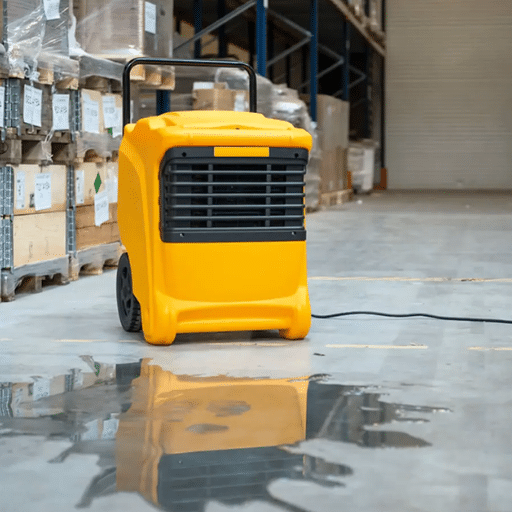
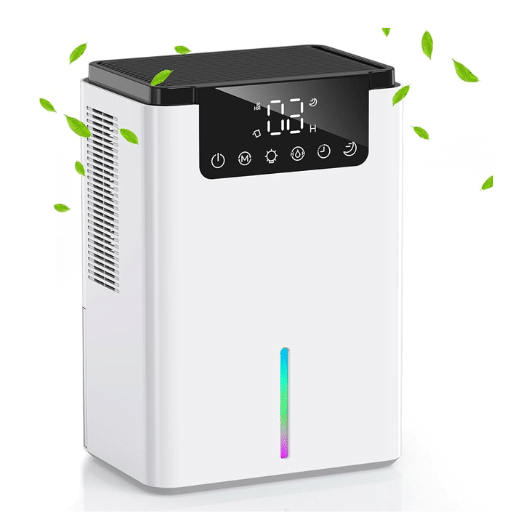
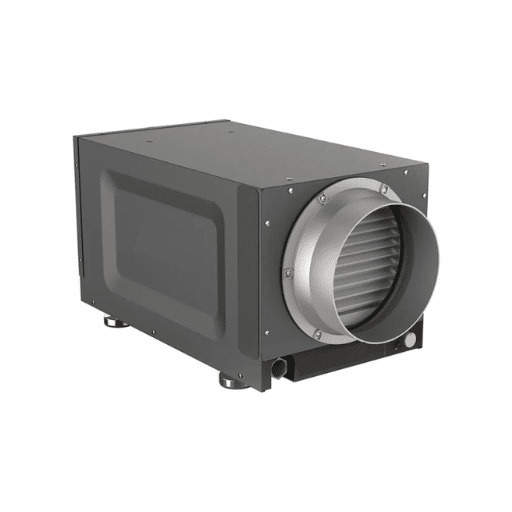
Dehumidifiers are machines that control humidity levels by extracting moisture from the air, thereby purifying indoor air. They help prevent problems such as mold formation, dust mite breeding, and other allergen-related issues.
What is a Dehumidifier?
Dehumidifiers are devices that lower moisture levels in the air, enhancing indoor air quality and preventing problems like mold, dampness, and dust mites. They work by:
- Taking in humid air from the room
- Removing moisture via a cooling system
- Blowing dry air back into the space
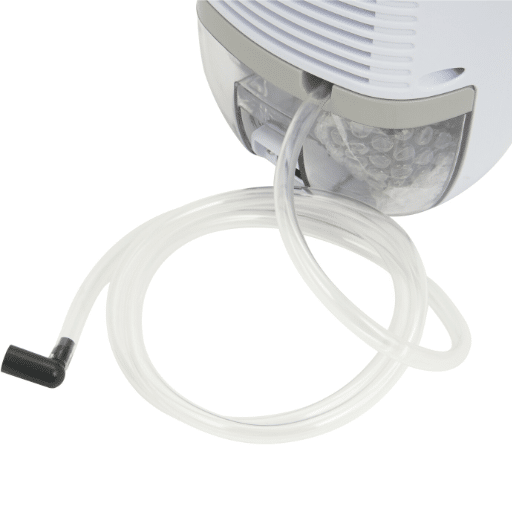
- Collecting water through continuous drainage (when equipped with a hose)
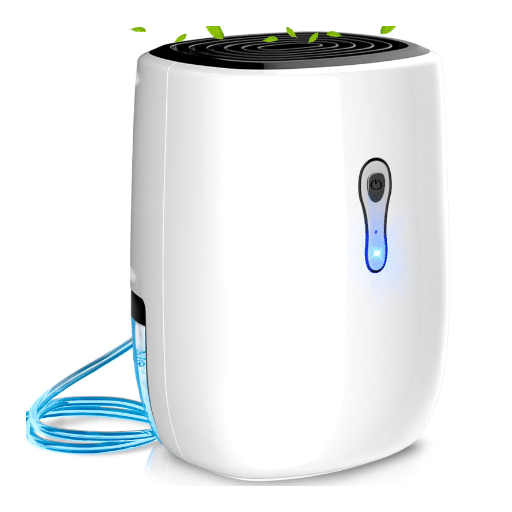
A dehumidifier with a drain hose provides the convenience of continuous drainage, eliminating the need to manually empty a water tank. These devices are perfect for very humid places or areas prone to dampness such as basements, bathrooms, or kitchens.
How Do Dehumidifiers Work?
Most dehumidifiers use a refrigeration system for their operation:
- Air Intake: A fan pulls humid air from the surrounding area
- Cooling Process: The air passes over cold coils and gets cooled down, transforming moisture into water droplets
- Water Collection: Condensed water is either stored in a container or drained continuously through a hose
- Air Release: The dehumidifier releases drier, warmer air back into the space
Some dehumidifiers use desiccants—materials that draw moisture from the air—making them very efficient in cooler places. Several modern dehumidifiers are fitted with advanced sensors that detect and adjust humidity automatically.
Types of Dehumidifiers: Mini vs. Standard
| Feature | Mini Dehumidifiers | Standard Dehumidifiers |
|---|---|---|
| Size | Compact and lightweight | Larger, more robust design |
| Best For | Small spaces (bathrooms, closets, RVs) | Large rooms or whole floors |
| Capacity | Lower moisture extraction capacity | High capacity (removes large amounts daily) |
| Energy Efficiency | Very energy-efficient | Efficient with more features |
| Portability | Easily movable | Less portable but more powerful |
| Features | Basic functionality | Programmable humidistats, air purification, continuous draining |
Benefits of Using a Small Dehumidifier with Drain Hose
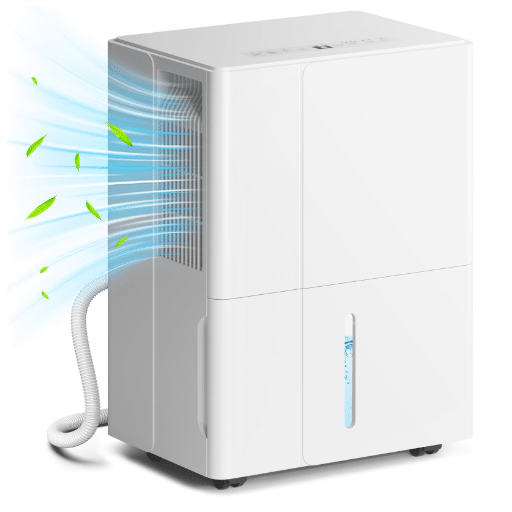
The use of a small dehumidifier with a drain hose offers many advantages that make it an excellent choice for maintaining a comfortable and healthy living space:
- Convenience: No need to continuously empty the water tank—ideal for long-term, hands-off use
- Space-Efficient: Perfect for small places like bathrooms, laundry rooms, and closets
- Mold Prevention: Maintains humidity levels to prevent mold growth and eliminate odors
- Energy-Efficient: Lower operating costs compared to larger units
- Portable: Easy to move around and adapt to your needs
- Improved Air Quality: Creates a healthier living environment
Continuous Drain vs. Manual Drain
| Drainage Type | Best For | Advantages | Considerations |
|---|---|---|---|
| Continuous Drain | High humidity areas, long-term use | Hassle-free operation, no manual emptying, maintains consistent humidity | Requires hose setup and drainage location |
| Manual Drain | Seasonal or moderate humidity areas | Economical, portable, uncomplicated operation | Requires regular tank emptying |
Improving Air Quality in Your Home
Enhancing indoor air quality requires a combination of practical solutions:
- Proper Ventilation: Ensure your home is well-ventilated
- Quality Dehumidifier: Use in humid areas to control moisture
- Air Purifiers: Effectively handle allergens, dust, and airborne pollutants
- HVAC Maintenance: Clean and replace filters regularly
- Smart Technology: Consider devices that connect with home automation systems
Moisture Removal and Its Importance
Excessive moisture in indoor settings can cause:
- Mold development
- Building deterioration
- Health issues like respiratory disorders
- Shortened lifespan of household items
- Unpleasant odors
Choosing the Right Small Dehumidifier with Drain Hose
Factors to Consider: Coverage Area and Capacity
| Dehumidifier Capacity | Coverage Area | Best For |
|---|---|---|
| 20-30 pints/day | Up to 1,500 sq. ft. | Small rooms, moderate humidity |
| 22 pints/day | Up to 1,500 sq. ft. | Moderate humidity control |
| 50 pints/day | Up to 4,500 sq. ft. | Large areas, high humidity |
Key Features to Look For
- Adequate Capacity: Match the unit’s daily removal capacity (pints per day) to your space size
- Hose Compatibility: Check for standard hose sizes or included hoses
- Energy Star Rating: Reduces energy bills and environmental impact
- Adjustable Humidistats: Allows precise humidity control
- Auto-Restart Functionality: Resumes operation after power outages
- Quiet Operation: Important for bedrooms and living spaces
- Built-in Pump: Enables drainage to higher locations
- Washable Air Filter: Captures dust and allergens, easy maintenance
Energy Efficiency: Energy Star Ratings
Energy Star certified dehumidifiers offer significant advantages:
- Operate at significantly lower power consumption than regular models
- Approximately 15% less annual electricity costs for a 50-pint unit
- More eco-friendly and economical solution
- Effective moisture control without sacrificing performance
Product Comparisons: Best Small Dehumidifiers with Drain Hose
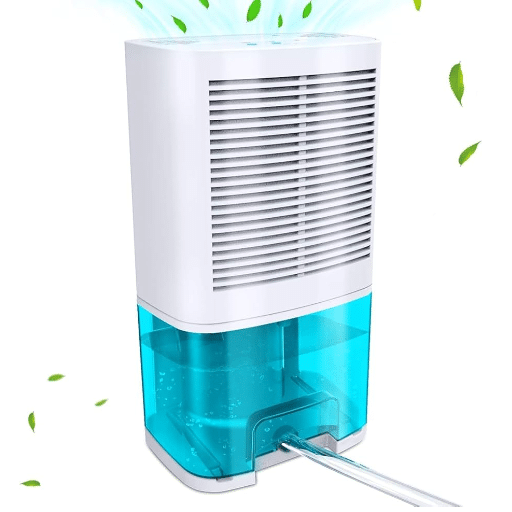
hOmeLabs 1,500 sq. ft Energy Star Dehumidifier with Drain Hose
- Coverage: Small to medium areas
- Features: Automatic drainage system when attached with hose, energy-efficient, noiseless operation
- Benefits: Washable filter for improved air quality, compact design, easy setup
- User Feedback: Highly appreciated for convenience and effectiveness
Frigidaire FFAD2233W1 Dehumidifier
- Known For: Long life and powerful moisture removal
- Features: Continuous drainage with hose, adjustable humidity levels, anti-bacterial filter
- Benefits: Ideal for asthmatic or allergenic individuals, minimal upkeep required
- User Feedback: Praised for effectiveness and reliability
Vremi 1,500 sq. ft. Dehumidifier with Continuous Drainage
- Design: Modern style with good performance
- Features: Continuous draining option, smart auto-shutoff feature
- Benefits: Requires little manual attention, ideal for bedrooms and offices
- User Feedback: Valued for safety and convenience features
Top Brands: Midea, Frigidaire, and Others
Leading dehumidifier brands consistently rank high in consumer preferences:
- Midea: Modern design with energy-saving features, eco-friendly focus
- Frigidaire: Consistent operation, user-friendly humidity controls, antifreeze systems, long-lasting durability
- Common Strengths: Continuous positive customer reviews, innovative designs, excellent after-sales customer care
Price Points and Value for Money
| Price Range | Capacity | Best For | Features |
|---|---|---|---|
| $50 – $100 | Low to moderate | Small rooms, basic humidity control | Basic functionality |
| $100 – $200 | Moderate to high | Medium to large areas | Energy-efficient settings, better performance |
| $200+ | High capacity | Large areas, high humidity regions | Built-in hygrometers, advanced controls, longer lifespan |
Maintenance Tips for Your Dehumidifier
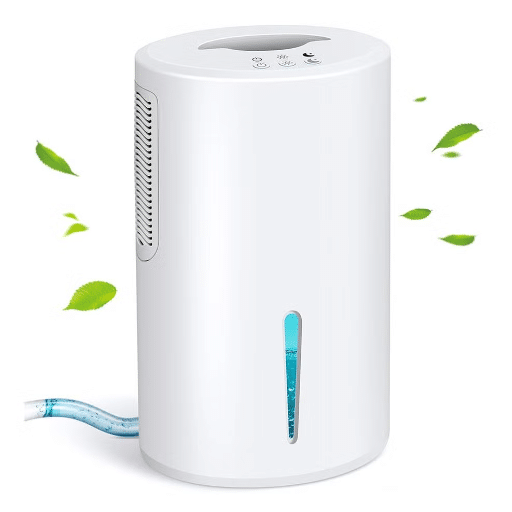
Clean the Filter Regularly
- Frequency: Clean at least once every two weeks
- Why: Prevents reduced airflow and unit stress
- Process: Remove and clean removable air filters that trap dirt, dust, and allergens
- Replacement: Replace damaged filters with compatible ones immediately
Empty and Clean the Water Tank
- Daily: Empty the tank to prevent overflow
- Weekly: Clean with warm soapy water to prevent mold and bacteria buildup
- Alternative: Use continuous drainage with drain hose for less maintenance
Inspect the Coils for Frost or Dirt
- When: In cooler atmospheres, check regularly
- How: Gently clean with a soft-bristled brush or vacuum
- Temperature: Ensure room temperature is above 65°F to avoid freezing
Check and Clean the Drain Hose
- Frequency: Monthly inspection for continuous drain models
- Look For: Clogs or blockages caused by dirt
- Solution: Rinse hose with warm water to clear and ensure smooth drainage
- Warning Signs: Water leakage or performance degradation
Perform Annual Professional Maintenance
- When: Schedule once a year
- Benefits: Detect potential problems early
- What’s Checked: Internal component condition, refrigerant levels, overall unit functionality
- Result: Ensures efficient and dependable operation
How to Properly Use the Drain Hose
- Locate the Drainage Port: Usually found at the back of the unit
- Attach the Hose: Connect a standard garden hose or manufacturer-recommended hose securely to the port
- Ensure Proper Length: Hose should reach the drainage location (floor drain, sink, or outside area)
- Position for Gravity Flow: Place the end of the hose lower than the unit for natural downward water flow
- Check for Kinks: Ensure hose is kink-free with no restrictions
- Built-in Pump Option: If available, follow manufacturer instructions for upward drainage
- Regular Monitoring: Check for obstructions, damage, or leaks periodically
Troubleshooting Common Issues
| Issue | Possible Cause | Solution |
|---|---|---|
| Not Powering On | Disconnected power cord or faulty outlet | Check power cord connection, test outlet with another device, check circuit breaker |
| Insufficient Water Extraction | Clogged air filters, low room temperature, full water tank | Clean/replace air filter, ensure room temp above 41°F (5°C), empty water tank regularly |
| No/Weak Airflow | Blocked air vents or malfunctioning internal fan | Check and clean vents, remove debris; contact technician if issue persists |
| Leaking Water | Incorrect hose connection, cracked tank, hose blockage | Ensure tight hose connection, inspect tank for cracks, remove drainage blockages |
| Unusual Noise | Loose components, uneven surface, failing compressor | Tighten loose parts, place on flat surface, get professional opinion for compressor issues |
References
-
Choosing the Right Commercial Grade Dehumidifier – University of Illinois Chicago
Discusses drainage options, including the use of drain hose connections for continuous water removal in dehumidifiers.
Visit the site -
Dehumidification Drying for Small Woodworking Firms and Hobbyists – Northern Arizona University
Explains the use of household dehumidifiers with drain hoses for controlling humidity in woodworking applications.
Visit the site -
Constructing a Walk-in Dehydrator for Drying Hops – University of Arkansas Extension
Details the setup of dehumidifiers with drainage hoses for continuous operation in agricultural applications.
Visit the site
Frequently Asked Questions (FAQ)
What is a small dehumidifier with drain hose?
A small dehumidifier with drain hose is a mini appliance whose main function is to eliminate excess moisture from the air in different areas like the bedroom and closets. Along with that, it has a drain pipe through which the collected water will be continuously drained, therefore, it is suitable for places with a lot of humidity.
How does a dehumidifier for a bedroom help improve the air quality?
A dehumidifier for the bedroom works by lowering the humidity levels which in return are responsible for mold and mildew growth, thus air quality gets improved. Furthermore, it leads to the reduction of allergens and establishing a better sleeping environment.
What are the benefits of using a dehumidifier with a pump?
The dehumidifier with a pump scores good points in places where draining by gravity is an impossibility. It can effectively push the water up to a higher spot thus becoming apt for the locations like crawl spaces or basements. This guarantees an uninterrupted moisture extraction with no need for the tubs to be emptied manually.
Can I find energy star certified dehumidifiers for home?
Yes, there are plenty of energy star certified dehumidifiers for home use from various manufacturers. These dehumidifiers are made with efficiency in mind, consuming less power while still performing the function of moisture removal effectively thus, being a cost-effective option for large rooms and basements.
What is the moisture removal capacity of a pint dehumidifier?
Generally, a pint dehumidifier has the capacity to extract moisture in the range of 20 to 30 pints daily depending on the specifications of the machine. Such a capacity can be a good choice for small-medium rooms and to control the humidity in damp areas like the bathroom or laundry.
How can I ensure my dehumidifier has a continuous drain option?
Make sure your dehumidifier comes with a continuous drain option by checking out the specific models that claim to have this feature. The units will generally provide a hose attachment for the purpose of draining water directly into a floor drain or outdoors, hence there is no need for collecting water manually.
What are the maximum coverage area specifications for small dehumidifiers?
Maximum coverage area for small dehumidifiers varies largely from 500 to 1000 sq.ft. Hence, they will be able to efficiently dehumidify the above range of space so they can be used in bedrooms, basements, and similar areas.
Are there quiet small dehumidifiers available for bedrooms?
Quiet small dehumidifiers intended for bedroom use are available. A variety of models operate at low noise levels, making it possible for one to peacefully sleep and at the same time moisture is being removed from the air.
What features should I look for in dehumidifiers for basement use?
In the case of dehumidifiers intended for basements, look for features such as a high moisture removal capability, continuous drainage pipes, automatic shut-off, and energy star ratings. With these features, performance can be guaranteed even in the most damp conditions thus, keeping your basement dry and safe.