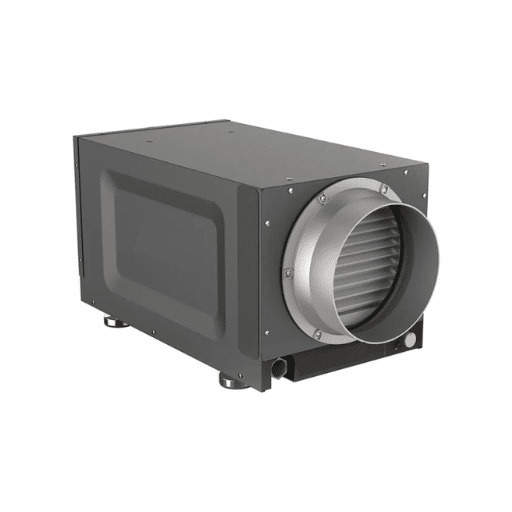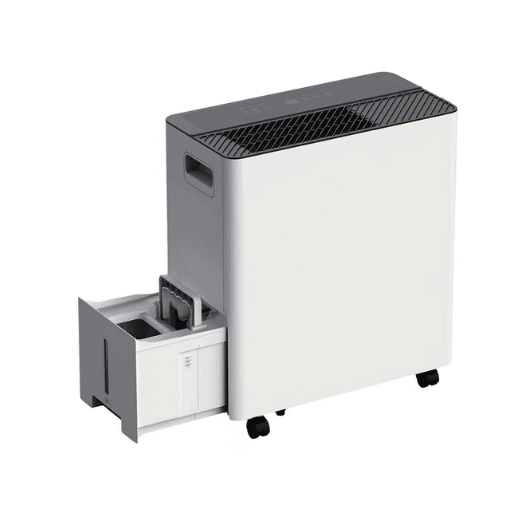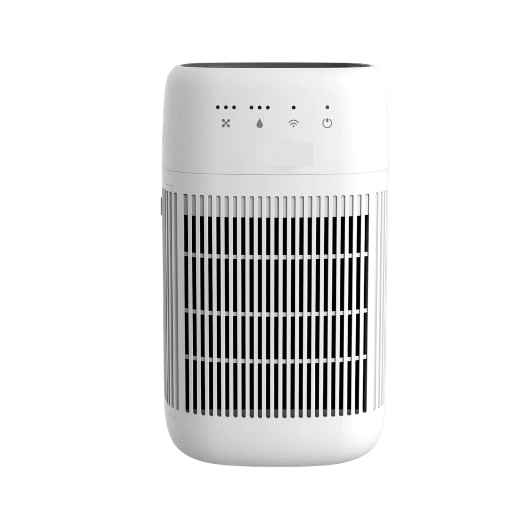
A bathroom is always the black spot in the house as far as mold is concerned. In fact, mold spores can develop in any building environment as long as suitable conditions are met. In a nutshell, moisture gets into the bathroom, giving off that very faint bathroom smell. Absorption Damp gives discomfort to the people; health risk, while damages walls, floors, and some of your fine home decors of great value, as it is going to develop with time.
The ultimate ally for any serious bathroom moisture problem would be a carefully chosen dehumidifier. A myriad set of dehumidifiers out in the market would surely make choosing an ideal one a daunting task. Hence, this guide will explain why the right dehumidifier size matters, what features to look for, and ways to keep your bathroom free of mold and comfortable. Let’s take the first steps in turning your bathroom into a clean, healthy oasis!
Introduction to Dehumidifiers
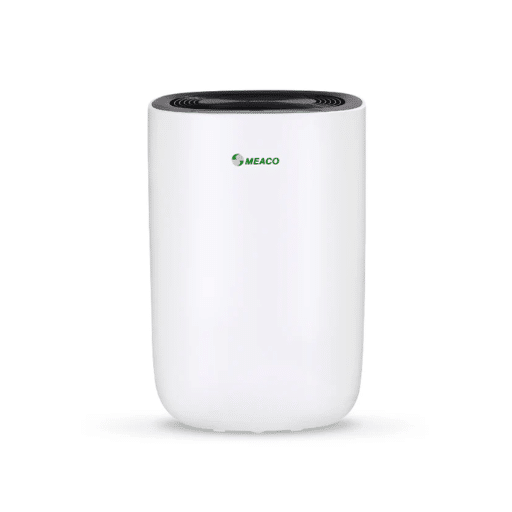
A dehumidifier is a device used for keeping excessive moisture in the air that would otherwise promote mold, odor, or surface damage. They draw in the humid air and release drier air back into the space once the moisture is removed. For bathrooms, a dehumidifier can get rid of the clingy wetness caused by hot showers and poor ventilation, resulting in a healthier and more comfortable environment. Choosing the correct dehumidifier for your bathroom in terms of size and type is important for optimum operation and efficiency.
Importance of a Dehumidifier for the Bathroom
By way of example, dehumidifiers can provide a lot of benefits in the bathroom, specifically in controlling the moisture level. Albeit high humidity generally enters the bathroom and poses many problems like mold attacks, structural damage, plus faint odors. A detailed list follows as to why a dehumidifier is vital for the bathroom:
1
Avoiding Mold and Mildew
Mildews and molds thrive in moist environments. The dehumidifier maintains the levels of humidity below 50% relative humidity, thus mitigating the risks generated by these fungi.
2
Improving Air Quality
Lowering humidity levels decreases allergens such as dust mites and mold spores. Hence, this helps higher the air quality, especially beneficial for people with allergies or respiratory problems.
3
Protecting Bathroom Surfaces and Fixtures
The more prolonged the exposure to moisture, the more damage it can cause to walls, ceilings and metallic fixtures. In contrast, a dehumidifier guards against such damage, ensuring the lasting quality of your bathroom infrastructure.
4
Odor Prevention
A stale smell is usually associated with long-lasting dampness. The dehumidifier dries up the bathroom, removing all odors created from mildew and stale air.
5
Energy Efficiency
Keeping the moisture level to low enables your HVAC system to work better in power saving. Keeping your bathroom free of moisture also sets less strain on the exhaust system.
These benefits make installing a dehumidifier in a bathroom a must in allowing the functioning of the room and comfort of the occupants, while preserving the house from future damages that high humidity can cause.
How Humidity Levels Affect Your Bathroom
Excessive bathroom humidity can result in various nuisances that hamper its smooth functioning, shortening its life span. As moisture accumulates, it favors the growth of mold and mildew. If left unchecked, molds and mildew disfigure surfaces like grout, paint, and tiles; moreover, they can contribute to poor air quality that compromises one’s health. Persistently high humidity can do wonders for wood: it warps wooden fixtures such as cabinets and doors while weakening them over time.
⚠️ Important: Watermen and humidity spell big bucks for upkeep in bathrooms. Stains, mold-peeling of paints, or, at worst, crusting underlines, all have to be thrown into pricey repairs. Other hazardous effects brought about by humidity, such as foggy mirrors and slippery surfaces, take away comfort and safety. Adequate ventilation should be provided for, with consistent cleaning alongside the occasional use of a dehumidifier as part of the maintenance routine, while these factors will curb a good much of the risk that humidity poses, giving a big plus to the quality of the bathroom environment.
Overview of Bathroom Mold Issues
Indeed, bathroom mold becomes one of the most common and stubborn problems one can face in any humid set-up. It stains and spoils surfaces and structures and adversely affects air quality, thus endangering health. Mold develops in areas with poor ventilation coupled with intermittent moisture exposure, thereby making bathrooms ideal breeding sites.
The following are the five major problems caused by bathroom mold:
🏥 Health Issues
Mold spores in the air are responsible for triggering respiratory issues-like asthma, allergy, and chronic sinusitis. The response to mold either from coughing, sneezing, or itching of the skin comes more in people who are mold-sensitive.
🏚️ Structural Damage
Growing mold in the long run unfavors the structural integrity of a bathroom. It seeps through walls, ceilings, and floor materials that rot and damage permanently and is very costly to rectify.
👃 Bad Smell
Moldy smell stays with the bathroom and is repugnant. It is very difficult to remove the bad smell unless the source of mold growth is removed.
✨ Loss of Aesthetic Appeal
Mold stains grout, tiles, and surfaces. It discolors walls and ceilings, imparting an unclean feeling to bathrooms with just the usual maintenance.
💰 Reduced Value for Sale
The persistent mold problem can affect the home’s resale price in a serious way. The potential buyers would view the mold issue as a major problem to be remedied at great expense.
The prevention of these problems through good ventilation, regular cleaning, and moisture control will stop mold buildup and keep a healthy bathroom atmosphere.
Types of Dehumidifiers
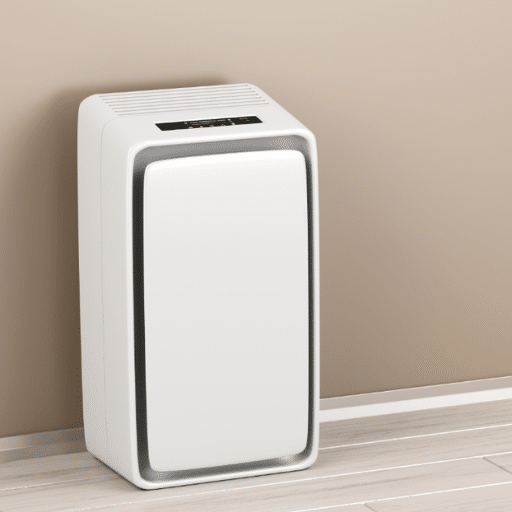
The term “dehumidifiers” means that there are different kinds of this machine for specific needs and environments. Here are the five common types of dehumidifiers:
- Refrigerant Dehumidifiers
These dehumidifiers are especially common in warmer climates. They collect moisture from the air by pulling moist air over cold coils, causing the water to condense onto those coils and drip into a reservoir below. They can lower humidity levels in residential spaces such as basements and bathrooms effectively. - Desiccant Dehumidifiers
Using a desiccant or moisture-absorbing material such as silica gel, these are particularly apt for use in colder areas. They are highly portable and do not make as much noise; they are also more energy efficient because they run without compressors. - Whole-House Dehumidifiers
They are the dehumidifiers installed along with the HVAC system to keep humidity in check throughout a complete home. These types of dehumidifiers are powerful and maintain humidity consistently, and so demand a high initial cost and professional installation. - Thermo-Electric (Peltier) Dehumidifiers
These types of dehumidifiers are almost tiny and compact and work on Peltier effect-based technology for moisture removal. Appropriate for small spaces like closets or single rooms, they hardly remove moisture from the larger ones, given their limited capacity. - Battery-Operated Dehumidifiers
Perfect for small and closed spaces such as vehicles, boats, or lockers, these dehumidifiers are designed for portability. Good for traveling, battery-operated dehumidifiers don’t need an uninterrupted power source. They often use rechargeable batteries.
Portable Dehumidifiers
The portable dehumidifiers are multipurpose machines intended for flexibility and ease of use, rendering them suitable for almost any environment. They are typically lightweight and can be easily moved around, allowing operation within small to medium-sized spaces. Following are the details and examples of five commonly found portable dehumidifiers:
These portable dehumidifiers come with targeted solutions that make an ideal choice in controlling-capacity variety-based humidity in different environments. Go for the desired model depending on area size and specific needs.
Peltier Dehumidifiers
Peltier dehumidifiers, or thermoelectric dehumidifiers, are very compact, efficient, and perfect for small spaces. From thermoelectric cooling, they condense any moisture present in the air, thus making these machines silent and energy-saving options for various setups. Here are 5 Peltier dehumidifiers listed along with their details:
Eva-Dry EDV-1100
- Capacity: 8 ounces per day
- Coverage Area: 150 sq. ft.
- Features: Ultra-quiet, lightweight, energy-saving
Pro Breeze Electric Mini Dehumidifier
- Capacity: 9 ounces per day
- Coverage Area: Up to 215 sq. ft.
- Features: Auto shut-off, LED indicator, travel-friendly
hOmeLabs Small Space Dehumidifier
- Capacity: 8 ounces per day
- Coverage Area: 150 sq. ft.
- Features: Quiet operation, compact design, easy cleaning
SEAVON Mini Dehumidifier
- Capacity: 10 ounces per day
- Coverage Area: Up to 220 sq. ft.
- Features: Auto shut-off, energy-efficient, lightweight
Afloia Mini Electric Dehumidifier
- Capacity: 11 ounces daily
- Coverage Area: Up to 240 sq. ft.
- Features: Silent Peltier technology, compact, one-touch operation
The Peltier dehumidifiers prove to be an excellent choice for small-scale rooms, closets, bathrooms, or even desktops to take care of moisture problems on a limited basis. Their quiet and efficient technology makes them a popular choice within family households and offices.
Smart Dehumidifiers
The smart dehumidifiers perform thorough moisture removal and add intelligent features for that extra touch of convenience and functionality. With Wi-Fi connectivity and sensors, the smart dehumidifiers allowed users to monitor and control the humidity remotely using a smartphone app or even a voice assistant. Go through a brief list of 5 high-rated smart dehumidifiers:
What these smart dehumidifiers do go beyond just controlling wetness—they create a smooth and customized home atmosphere using their technology for added comfort and air quality.
Choosing the Best Dehumidifier for Your Bathroom
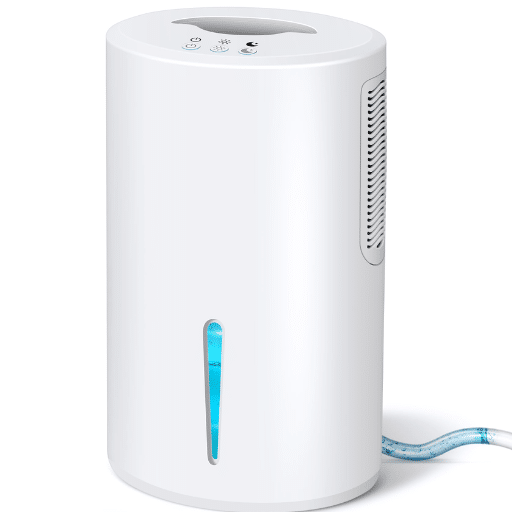
Several considerations should guide your buying decision for the best bathroom dehumidifier so that it works well and provides convenience. First, consider the size of the bathroom because small spaces require compact units with a lower pint-capacity level, whereas large bathrooms should have a higher-capacity model to take care of the moisture. Units with conveniences like an in-built shut-off, continuous drainage option, and humidity setting control should be favored for worry-free operation. Another concern is energy efficiency, just because that will keep your electric bill lower overtime. Since moisture is high in the bathroom, antimicrobial filters are an added benefit for a dehumidifier, as they will help prevent mold and bacteria formation.
🔍 Popular Trends: When we look at search trends, the common words people use while searching for dehumidifiers are quiet and pretty to go with their modern bathroom decor. Among the popular brands with these features are hOmeLabs, TOSOT, and Frigidaire. Choosing the best suited for your bathroom and his customer reviews on these best-rated ones will help keep the space healthier and more comfortable.
Key Features to Look For
💧 Capacity of Moisture Extraction
Dehumidifiers are available in different sizes, so choose one that matches your room size. For small bathrooms, look for a product that absorbs moisture from 20 to 30 pints per day; for larger bathrooms, try to get something that will work at 50-plus pints per day.
🔇 Noise Level
Higher levels of noise may be inconvenient for a user frequenting a bathroom. Selecting something with a maximum noise level of 50 dB will ensure it causes the least amount of disruption.
⚡ Energy Efficiency
An energy-efficient dehumidifier save some electricity and yet maintain its performance. An Energy Star-certified unit saves energy and diminishes utility bills, thus, being environmentally conscious.
⏰ Automatic Shut-Off and Timer Options
An automatic shut-off is great to have to prevent water overflow should the tank be full. In addition, a timer allows one to schedule specific working hours for the device, adding convenience and efficiency.
🎨 Compact and Aesthetic Design
For modern bathrooms, having a dehumidifier that is sleek and compact will add to the décor. Units in a neutral tone or with an option for customized panels can only uplift the aesthetics of the area.
Size and Capacity Considerations
In attempting to choose a dehumidifier for its bathroom, it is of paramount importance to consider the size and capacity in tandem with the very performance of the machine. Here are five factors that must be weighed:
📏 Room Size Compatibility
The dehumidifier should fit the square footage of your bathroom. If one has a tiny bathroom under 100 square feet, then a smaller-sized unit pumping a capacity of 20-30 pints per day would be enough. Larger bathrooms will require something in the capacity of 40-50 pints per day.
🪣 Water Tank Capacity
The larger the water tank, the lesser the empties required. Ideally, aim for at least a 1-2 liter tank for a small bathroom and at least 3 liters for larger ones.
💨 Moisture Removal Rate
Check the pint per day rating to know how much moisture the unit can pull from the air within 24 hours. High ratings are suitable for humid environments or areas that are constantly moist, such as heavy steam-filled bathrooms.
⚡ Energy Efficiency
Consider the usage of an Energy Star-rated dehumidifier to keep unnecessary wattage low while maintaining efficient moisture control. Such models are good for a big distant future, and their operation is green.
🚚 Portability and Space Requirements
For small bathrooms, go for something light and portable, so it can be carried around or put into the position it is needed in. Units with a slim vertical design can fit into narrow corners or small spaces.
Comparing the Best Small Dehumidifiers
Small dehumidifiers are compact, energy-efficient, and ideal for small spaces like bathrooms or closets.
Benefits of Using a Dehumidifier in the Bathroom
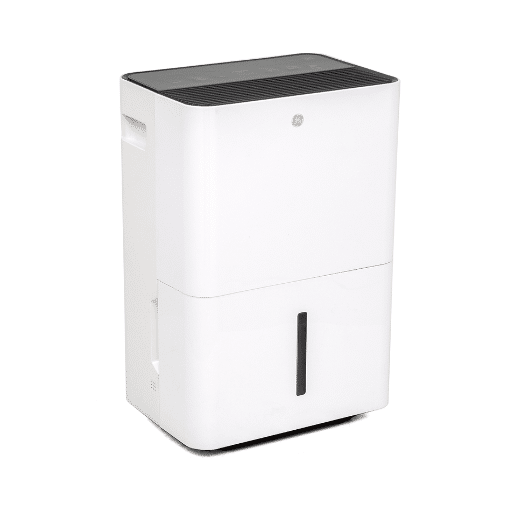
- Prevents Mold and Mildew Growth: Bathrooms are high in humidity, making them nature’s laboratories for building up mold and mildew. Using a dehumidifier aggressively lessens moisture levels and keeps surfaces clean and safe for use.
- Reduces Musty Odors: Excess humidity will almost always lead to musty, unpleasant smells permeating a bathroom. Balancing the moisture with a dehumidifier is one good way of getting rid of all smelly odors.
- Protects Bathroom Fixtures and Walls: High humidity for long spells may be damaging to walls, paint, and fixtures, whereby peeling paint and rusting metals appear. With dehumidifiers guarding against moist levels, they stand a good chance of avoiding such damage.
- Improves Air Quality: High humidity is a lure for dust mites and allergens that affect air quality. By low humidity, a dehumidifier promotes superior indoor air conditions.
- Quicker Drying Time: If towels are wet, bath mats soaked, and shower or bath water left drying, a dehumidifier efficiently aids in creating that dry atmosphere needed for drying. This kind of moisture is dreaded in a nice bathroom.
Preventing Mold Growth
Preventing mold growth is essential for providing a healthful and safe home environment. Whenever there is moisture buildup and humidity, mold finds a suitable environment for growing mold. Some of its health and structural repercussions include:
Five Essential Steps for Effective Mold Prevention
1. Control Humidity Levels
Maintain indoor humidity below 60%, preferably within the range of 30-50%. Dehumidifiers and air conditioners can be used to keep the humidity levels at an ideal range. Make sure to check indoor humidity regularly with a hygrometer.
2. Ventilate Properly
Keep kitchens, bathrooms, and laundry rooms properly ventilated by using exhaust fans or just opening windows. Good ventilation ensures that moisture does not accumulate excessively in those high-humidity spots.
3. Fix Leaks Immediately
Inspect for any leaks right away and fix them, whether in the roof, the walls, or the plumbing system. If water from leaks is not attended to immediately, it will be a perfect breeding ground for mold. Any surface exposed to water, whether by spills or floods or plumbing-related issue, shall be cleaned and dried within 24 to 48 hours to avoid mold growth.
4. Use Mold-Resistant Products
When carrying out remodeling or construction, try to employ mold-resistant drywall, paint, or insulation. These are made to stop the appearance of mold, especially in wet areas.
In taking these proactive measures, the occurrence of mold can be drastically reduced, allowing for a cleaner and healthier environment.
Improving Air Quality
Good air inside a house is a must for comfort and health. Poor indoor air quality causes respiratory disorders, allergies, and an overall feeling of discomfort. Some of the measures that may be taken to improve air quality include the following:
- Increasing Ventilation: If weather conditions permit, keep windows and doors open to circulate fresh air. Use exhaust fans in the kitchen and bathrooms to expel airborne pollutants and moisture. According to the EPA, in some cases, ventilating a building adequately can reduce indoor pollutants by up to 90%.
- Cleaning HVAC Systems: Maintaining, cleaning, or checking one’s heating, ventilation, and air conditioning system is a good thing to practice. Regularly replace filters, preferably every one to three months, to improve airflow and cut down on the dust and allergens in the air. HEPA air filters are best as they trap very fine particles.
- Use Air Purifiers: Air purifiers equipped with HEPA filters trap pollutants such as dust, pet dander, and pollen. Studies reveal that HEPA filters can filter out up to 99.97% of particles that measure 0.3 microns or larger in diameter, thereby significantly purifying the air.
- Humidity Control: Ensure that the humidity levels in your house range between 30 to 50%, using either a dehumidifier or an air conditioner. Excess humidity can be detrimental to mold growth, which further aggravates allergy and asthma problems. A hygrometer should be used to measure and adjust humidity levels accordingly.
- Get Rid of the Pollutant Sources: The sources of indoor pollutants can be reduced or eliminated by not using tobacco indoors, using non-toxic cleaning products, and storing chemicals like paints and solvents in well-ventilated areas. Research has shown that removal of pollutant sources can reduce exposure to harmful chemicals and therefore improve long-term air quality.
If you stand by all of these solutions, you will have a better and more physically comfortable indoor environment, thereby reducing the risks associated with poor air quality.
Enhancing Comfort Levels
To effectively create comfortable living or working conditions, various environmental factors need to be considered in a setting conducive to human life and comfort. Here is a list of five stepwise methods, recommendations, and guidelines to attain the desired level of comfort:
🌡️ Temperature Control
A temperature set between 68° and 74° F., depending on work performed, is considered best for comfort. Research shows that working in this temperature range encourages productivity and relaxation, while temperatures outside this range cause discomfort.
🔇 Noise Control
Soundproofing could be a very useful noise control technique. Carpeting reduces noise, especially against impact sounds. Studies have shown that reduction in noise levels results in better mental health and concentration.
💡 Lighting Adjustment
Use natural light or an adjustable lighting system with dimmers. Being exposed to good lighting, especially natural daylight, is found to uplift one’s mood and reduce eye strain.
💧 Humidity Regulation
Indoor humidity should be kept in the range of 30 to 50 percent to prevent dry air or excessive dampness. Adequate humidity levels end up supporting respiratory health and restricting the growth of mold and allergens.
🪑 Ergonomic Furniture
To allow for better posture and physical comfort, ergonomic furniture should be employed. For instance, proper ergonomic chairs and desks tend to diminish musculoskeletal strain on the body and promote a sense of workplace satisfaction.
Livable comfort will go a long way in ensuring a pleasant atmosphere both for living and working.
Maintenance Tips for Your Dehumidifier
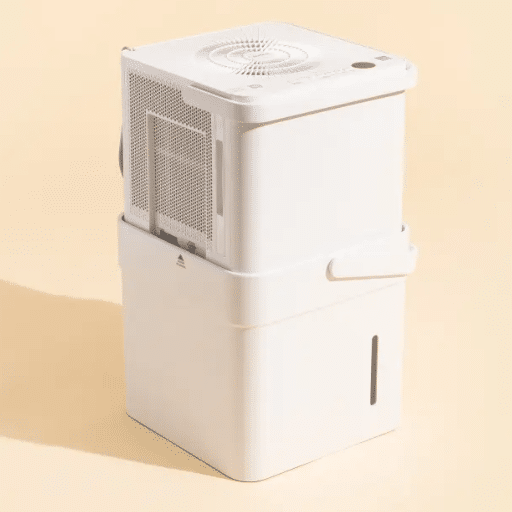
🔧 Cleaning the Filter
Make a habit of cleaning the air filter in your dehumidifier every two weeks or as suitable for your model. It prevents any loss of efficiency due to poor airflow or deposits of dirt and any other kind of debris.
🪣 Empty Tank Quite Frequently
The water tank has to be checked and emptied daily or, at least, when it’s full. If it is allowed to overflow, it will cause damage to the dehumidifier and shorten its lifespan. Many models will have indicators or will shut off automatically when the tank is full.
🧊 Coil Inspection and Cleaning
At least once a year, inspect and treat your dehumidifier coils so that they do not build up either frost or dust. Clean gently with a soft cloth and keep them free from obstruction so that they remain effective in moisture removal and energy efficiency.
📍 Correct Placement of the Dehumidifier
Do keep the dehumidifier in a place where there is good ventilation. Maintain free space of about 6–12 inches surrounding the appliance for the air to flow nicely. Avoid placing the dehumidifier near the walls, curtains, or furniture as any of these could block the air intake or exhaust.
💧 Check for Drainage System Issues
If you are using the continuous drainage option, it is best to regularly check the hose connection in case there are any leaks or blockages. Clean the drainage hose from time to time to prevent mold or slime buildup, which would hamper its smooth operation in the long run.
Well-maintained, your dehumidifier will promise a long life and will efficiently nurture that healthy indoor environment.
Regular Cleaning and Care
Cleaning procedures and general care should be applied when keeping your dehumidifier in its best operating condition and allowing its longevity. The following are five key steps to regularly follow through with cleaning and maintenance:
- Clean the Air Filter: Depending on dust levels, clean the air filter every two to four weeks. Use a vacuum cleaner or rinse it off with water and let it dry fully before putting it back.
- Wipe the Water Tank: Empty the water from the tank and clean it at least weekly to avoid mold or bacteria growth. The tank should be washed with mild soap or a diluted vinegar solution.
- Dust-Everyday Exterior: Dust and debris will settle on the exterior. Therefore, it is advisable to wipe it with a soft damp cloth to prevent buildup and keep it looking nice.
- Inspect the Coils: Dirt or frost will build up every few months on the evaporator and condenser coils. Clean them carefully when dirty so as not to lose performance and airflow.
- Clear the Ventilation Areas: Ensure that the vents and grills remain free from obstruction. Vacuum or brush off any dust or debris each month for proper air circulation.
By incorporating these cleaning items into your cleaning routine, you ensure the performance of your dehumidifier and a healthier indoor air environment.
Optimal Settings for Humidity Control
Ensuring that humidity levels are regulated in your home is required to maintain comfort and to prevent common issues related to mold growth or excessive dryness. Home dehumidifiers have many settings; here are five of them, along with considerations on humidity levels, to ensure effective control:
- Ideal Indoor Humidity Levels: Maintain indoor humidity levels of 30 to 50 percent for maximum comfort and health; any level below 30% causes dryness, while anything above 50% promotes mold and mildew growth.
- Seasonal Adjustment of Relative Humidity Levels: In the summer, the preference is to keep humidity around 50% since warm air holds moisture. While in the winter, the preference for relative humidity needs to be lowered to 30-40% to avoid condensation on windows or any surface.
- Use Hygrometers Can Help Measure and Monitor Humidity: Set a hygrometer in each room to measure the humidity level correctly and allow you to react and adjust your settings for either your dehumidifier or humidifier.
- Energy Saving Settings: Choose an energy-efficient mode of the dehumidifier to maintain a constant level of humidity without stressing the machine, thereby saving on energy cost.
- Bedroom-Specific Settings: Set bedroom humidity levels at 40% for a good night’s sleep. This level mitigates any kind of allergen or respiratory irritation, thus helping to have a good sleep.
Thu,s following these settings plus seasonal variations keeps humidity under control and ensures comfortable and healthy living.
When to Buy a Dehumidifier
💭 Personal Experience
When I realized that we had a persistent problem of excess humidity and moisture in the house, I decided to just buy a dehumidifier. Things like musty air, condensation on the windows, and that grainy feeling had made me decide that the matter needed action sooner rather than later. Another concern that entered my mind was the prevention of mold production and damage to my belongings due to moisture. If you find yourself in a similar situation, having an investment in a dehumidifier would prove worthwhile to purify the air and sustain a wholesome living environment.
References
- Residential Dehumidification Systems Research for Hot-Humid Climates
Published on ResearchGate, this study explores dehumidification systems in residential settings, including bathrooms.Read the study - Solving Mould and Condensation Problems: A Dehumidifier Trial in a Suburban House in Britain
Published in ScienceDirect, this article reports a controlled trial of dehumidifiers to address moisture issues in homes.Read the study - Mold Prevention, Inspection, Testing & Remediation
This document discusses the use of dehumidifiers and exhaust fans in bathrooms to prevent mold and condensation.Read the study
Frequently Asked Questions (FAQ)
What is the best dehumidifier for bathroom use?
The best dehumidifier for bathroom use effectively removes moisture from the air, reducing humidity levels to prevent mold and mildew growth. Popular choices include the Midea Cube and various mini dehumidifiers that offer portability and efficiency for small spaces.
How do I choose the right dehumidifier for a bathroom?
When choosing a dehumidifier for a bathroom, consider factors like the size of the bathroom, the humidity level, and the unit’s capacity. A 30 to 50 pint dehumidifier is typically sufficient for average-sized bathrooms, while a mini dehumidifier may be ideal for small bathrooms.
Can I use a small dehumidifier in a bathroom?
Yes, a small dehumidifier can be very effective in a bathroom. Models like the Midea Cube or other compact options are designed to fit in small spaces while efficiently removing moisture from the air.
What is the humidity level in my home and how does it affect my bathroom?
The ideal humidity level in your home should be between 30-50%. High humidity levels in the bathroom can lead to mold and mildew, making it crucial to use a dehumidifier to maintain a healthy environment.
Are there any smart dehumidifiers for bathrooms?
Yes, there are smart dehumidifiers available that allow for remote operation and monitoring. These models can adjust fan speed and humidity settings automatically, providing an efficient solution for maintaining optimal humidity levels in your bathroom.
What are the benefits of using a portable dehumidifier in the bathroom?
A portable dehumidifier offers flexibility and convenience, allowing you to easily move the unit to different areas of your home or bathroom as needed. This can be especially useful during high humidity seasons or after a hot shower.
How often should I run the dehumidifier in my bathroom?
It’s recommended to run the dehumidifier in your bathroom at least once a day, especially after showering or bathing, to effectively remove excess moisture and maintain a healthy humidity level.
What type of dehumidifier is best for a small bathroom?
For a small bathroom, a desiccant dehumidifier or a compact mini dehumidifier is often the best choice. These units are designed to efficiently remove moisture from small areas without taking up too much space.
How do I maintain my dehumidifier for bathroom use?
Regular maintenance for your bathroom dehumidifier includes emptying the water tank, cleaning the filters, and ensuring proper ventilation around the unit. This will help the dehumidifier operate efficiently and prolong its lifespan.