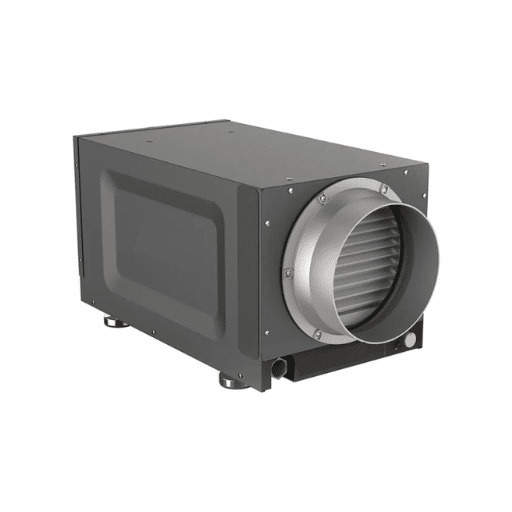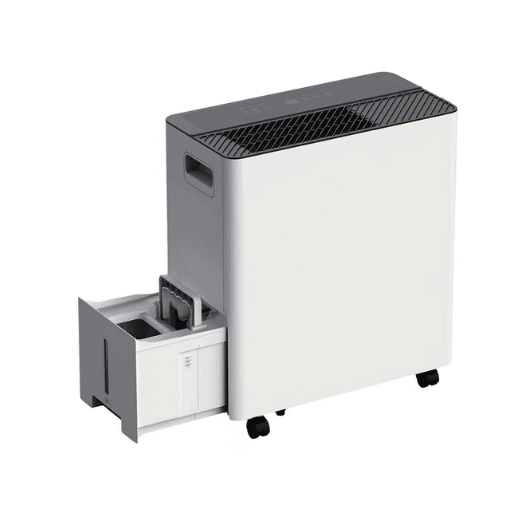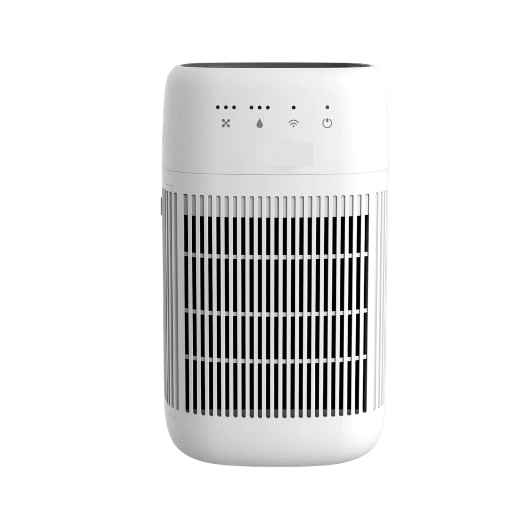
When there is too much moisture in commercial and industrial areas, a variety of problems can arise, among which are the weakening of buildings, the proliferation of mold, and the deterioration of indoor air quality—the difficulties that not only threaten the smooth running of the operations but also pose serious health risks. A commercial dehumidifier with a pump is the perfect solution as it offers powerful moisture removal plus the advantage of continuous water drainage. This paper discusses the reasons why these high-end systems are a must for the upkeep of regulated humidity in hard environments. We will lead you through the whole process of getting acquainted with their main traits and advantages, and the most important things to look for when buying a unit, so that you can make your own informed choice. If you are in charge of a warehouse, gym, office, or any big space, this all-inclusive guide will enable you to manage humidity for a safer and more productive place.
Understanding Dehumidifiers

Dehumidifiers are machines that lower and regulate the moisture content in the air, thereby making the environment more comfortable and healthy. The method followed by them is pulling the humid air in, cooling it to take away the excess water, and then blowing back the drier air into the room. Preventing mold growth, minimizing the presence of allergens like dust mites, and safeguarding the materials from being damaged by moisture are some of the reasons why dehumidifiers are frequently found in basements, warehouses, and offices. Making the right selection of a dehumidifier is based on the size of the room, the humidity level, and the particular needs of the environment.
What is a Dehumidifier?
A dehumidifier is a device that abstracts moisture from the air in order to bring and hold humidity to the desired level. It can use either a refrigeration cycle or an absorption process; in the first case, air is sucked in, cooled to the point of water vapor condensation, and then warmed up again before being let out into the surrounding space. Dehumidifiers play a very important role in preventing the problems that high humidity causes, like mold, water dripping on surfaces, and the spreading of dust mites. They are heavily used in homes, offices, and factories for better air quality, wooden structures, and human comfort in humid places. The process of picking the most suitable dehumidifier requires paying attention to different aspects, including the area of the room, the extent of moisture, and the performance features such as energy efficiency and capacity.
How Dehumidifiers Work
Dehumidifiers are appliances that function by removing moisture from the air, either via a refrigeration technique or a desiccant method. The former is the case of refrigerant dehumidifiers, which utilize a fan to suck in humid air and then cool it over cold coils, where the water vapor condenses into liquid. This liquid is either collected in a reservoir or drained away. Alternatively, desiccant dehumidifiers are able to absorb moisture from the air without the use of refrigeration by employing hygroscopic materials. Both kinds of dehumidifiers generally have a humidistat that lets the user select the humidity level to be maintained. Modern dehumidifiers might have energy-saving settings, continuous drainage, and air filters as standard features, which help to improve performance and the quality of indoor air even more. Correct positioning and occasional maintenance, like cleaning filters and draining reservoirs, are necessary for the unit to work at its best.
Benefits of Using a Dehumidifier
Dehumidifiers are essential devices that not only improve indoor air quality but also offer a healthy environment. They eliminate the extra moisture that causes mold, mildew, and dust mites to grow, which are prevalent allergy and asthma triggers. Moreover, keeping the humidity level at the optimum range of 30-50% usually helps prevent the damage caused by moisture to wooden furniture, flooring, and structures, such as swelling, warping, and even rotting. Furthermore, dehumidifiers are a great help in feeling comfortable since they effectively get rid of the sticky, clammy sensation that excessive moisture in the air brings. Today’s models consume less energy and usually come with features that are very modern, like auto-shutoff, programmable timers, and smart connectivity, thus providing not only convenience but also customized room conditions.
Commercial Dehumidifiers Explained

Commercial dehumidifiers are notably potent devices that are specially made to extract a lot of vapor from the air in the industrial or commercial sector. They are manufactured to cope with very hard conditions like big warehouses, manufacturing plants, and giant office spaces, where the correct levels of humidity must be maintained to protect the machines, goods, and buildings. These heavy-duty machines come with solid, heavy-duty parts, high moisture removal limits, and innovative controllers to make sure that they keep working at the same high level for a long time. By averting humidity-caused problems like the growth of molds, decay of materials, and health hazards, commercial dehumidifiers turn out to be very important for the creation of safer and more efficient conditions in the workplace.
What Makes a Commercial Dehumidifier Different?
The main differences between commercial dehumidifiers and residential ones are build quality, capacity, and durability, which determine their use. Larger areas can be treated with them, removing much more moisture than the Esters, so they are perfect for big companies in machinery, storage, or just general commercial functions. Also made of heavy-duty materials, these devices are really tough for very rough operating conditions and frequent use. Moreover, commercial units usually have several advanced accessories, including humidistats, continuous draining systems, and digital controls, which allow the user to monitor and control humidity very precisely. Their powerful fans and compressors guarantee good moisture removal even in the most difficult environments with the highest humidity. Such a blend of reliability, size, and breakthrough technology makes commercial dehumidifiers different, and thus, they are unreplaceable in both industrial and commercial areas.
Types of Commercial Dehumidifiers
Refrigerant Dehumidifiers
The functionality of refrigerant dehumidifiers is based on the condensation of water vapor from the air by a cooling coil. These dehumidifiers are very effective in places where the moisture is high, and the temperature is warm, such as in warehouses, server rooms, and construction sites. They are efficient in removing substantial amounts of water, but they may not work well at low temperatures or in low-humidity situations.
Desiccant Dehumidifiers
Desiccant dehumidifiers utilize hygroscopic materials, for example, silica gel, for moisture absorption directly from the atmosphere. In contrast to refrigerant models, these dehumidifiers act brilliantly in low-temperature conditions and gain popularity in the cold storage of perishables, manufacturing spaces, or other industries where dehumidification is a good practice even in cold weather. They can also be used in the lightest and most portable applications.
Low-Grain Refrigerant (LGR) Dehumidifiers
LGR dehumidifiers are a step up from the basic refrigerant units. The cooling system and the air-to-air heat exchanger are enhanced to pre-cool the incoming air, enabling these dehumidifiers to work at a lower humidity level. LGR units are particularly useful for water damage restoration and other areas needing extremely low humidity control, like document archives or laboratories.
Different models of commercial dehumidifiers carry different features, purposely crafted to meet the very needs of the operations they are applied to, thus securing the best performance in a wide range of industrial and commercial applications.
Applications of Commercial Dehumidifiers
Water Damage Restoration
In the process of restoration from water damage, dehumidifiers are indispensable, since the commercial ones can do a great job of removing moisture from the air and the surfaces quickly. The prevention of water damage to the structure, limiting mold growth, and hastening drying are some of the ways these water-extracted buildings or areas thrive.
Industrial and Manufacturing Facilities
Humidity control to perfection is a must for industrial plants as it ensures the stability of the processes and the quality of the products. The devices that remove humidity from the air are applied in pharmaceutical, food processing, and electronic industries for the protection of moisture-sensitive materials and the meeting of environmental standards set by the government.
Warehousing and Storage
The presence of dehumidifiers in storage areas is a must, considering the protection of goods against humidity-related issues such as moisture, molds, and mildews, which include perishable items, machines, and important documents. They are one of the most important factors in climate-controlled and cold chain facilities.
Indoor Agriculture
In indoor plant production and greenhouses, humidity control is necessary for proper plant growth, fungal disease prevention, and the provision of a steady crop yield. Dehumidifiers do the job of successfully balancing temperature and moisture, thus creating a favorable environment for growth.
Swimming Pools and Spas
Top-notch dehumidifiers are set in place to provide comfortable and safe environments in indoor swimming pools and spa centers. They not only help to control the humidity and thus prevent damage caused by the condensation, but also look after the quality of the air that the people near the pool and spa breathe.
Commercial Office Buildings
Dehumidifiers have a positive impact on working environments, as they reduce the moisture in the air, which in turn leads to better air quality, fewer allergens, and more comfort for the staff in buildings. In addition, they safeguard IT hardware and infrastructure from damage due to humidity.
Thus, these different cases present the wide-ranging commercial dehumidifier applications in various sectors, thereby guaranteeing the smooth running of operations and shielding them from moisture-related problems.
Commercial Dehumidifier with Pump: Features and Advantages

A dehumidifier for commercial use equipped with a pump provides efficient and uninterrupted removal of moisture, which makes it a perfect choice for large-scale applications. The pump that is built in drains the water automatically so that there will be no need for manual emptying, and the dehumidifier can be used in places where gravity drainage is not possible. The manufacturer guarantees, among other things, a very high capacity for moisture extraction, a strong construction for industrial-grade performance, and user-friendly controls for accurate humidity settings. Such machines serve crucial roles in good air quality maintenance, moisture-induced structural damage prevention, and sensitive equipment protection. Their tough construction means that in warehouses, manufacturing plants, and construction sites, which are usually hard on machines, the performance of these units will not be affected.
What is a Dehumidifier with a Pump?
A dehumidifier with a pump is a sophisticated and specialized tool that not only removes the humid air but also disposes of the collected water to a drain or outlet automatically. The dehumidifiers equipped with a pump do not require manual emptying of the water tank as the standard ones do. They incorporate a vertical or long-distance water pushing mechanism, which gives more options for the easy placement of the equipment. This particular feature proves to be especially useful in places where uninterrupted operation is mandatory or where access to a drain is not very good. The areas where these dehumidifiers are found the most are basements, crawl spaces, and even industries where controlling humidity is very important to prevent mold, mildew, and rotting of the structure. Their build guarantees steady performance with hardly any maintenance, thus they are considered a dependable option for keeping the moisture within limits even in tough environments.
Benefits of Using a Pump and Drain System
The pump and drain system found in dehumidifiers is a major convenience as it automatically pours the collected water into a drain or outlet outside, thus there is no need to empty the tank manually. This system guarantees that there will be no interruptions in the operation, especially in places with the highest humidity, where there is significant moisture removal needed. Moreover, the installation of a pump and drain system allows for more options as the water can be drained vertically or over long distances, thus accommodating the areas without close drains. This system is very effective in preventing overflow problems, maintaining a constant performance, and cutting the cleaning needed, which is very important in both home and factory environments. All in all, it is an effective and problem-free solution to moisture elimination in difficult environments.
Choosing the Right Drain Hose
When choosing a drain hose, it is important to keep in mind a few critical factors that will guarantee its efficiency and compatibility. The first thing to do is to examine the material of the hose. Long-lasting materials like reinforced rubber or high-density polyethylene (HDPE) are resistant to wear, chemical corrosion, and changes in temperature, thus making them suitable for diverse environments for an extended period of time. The second thing is to check the diameter and length of the hose to make sure they suit your system’s needs—an exact match will not only give you a tight connection but also prevent leaks and clogging. Next, look at the hose’s flexibility and the radius of its bends, which are very important if you want to install it inside a small or oddly shaped area. Furthermore, double-check that the hose can work with your equipment or appliance and that you have understood any manufacturer guidelines or recommendations to avoid performance issues. Considering all these factors will empower you to select a drain hose that not only meets the operational needs but also withstands the environmental demands.
Choosing the Best Commercial Dehumidifier with Pump
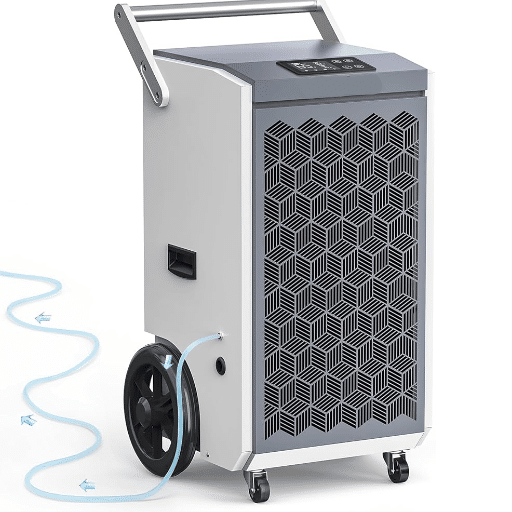
While picking a commercial dehumidifier with a pump, the most critical factors are capacity, power, and efficiency. Pick a unit with a suitable pint-per-day rating, commensurate with the area’s size and humidity level. A built-in pump should be chosen to make water removal easy and to allow for uninterrupted operation. Dehumidifiers with adjustable humidistats, automatic shut-off, and robust construction can be considered for long-term reliability. Energy efficiency ratings, maintenance ease, and manufacturer warranties should also be taken into account to guarantee the purchase of a valuable and performing unit.
Factors to Consider When Buying
The size of the space and the dehumidification capacity of the unit should be the main factors affecting your decision when buying a dehumidifier. Determine the square footage and the humidity level of the room (e.g., damp, very damp, or wet). Choose a dehumidifier that has an adequately rated pint-per-day output for the specific conditions to clear effectively. Besides, the energy efficiency of the unit is another vital aspect; it even pays to check for models with the ENERGY STAR mark, as they will save you on electricity bills in the long run. Things like built-in pumps for uninterrupted drainage, adjustable humidistats for precise control, and automatic restart after a power cut add to the convenience and performance of the unit. One of the things that should also be considered is noise levels, particularly for units in living areas, as less noisy models make comfort better. Moreover, check the warranty and customer feedback to make sure you are getting a good product and good service before buying.
Top Brands and Models of Commercial Grade Dehumidifiers
It is very important to pay attention to brands that are well-known for their dependability, performance, and modern features when choosing a commercial-grade dehumidifier. Based on the assessment of various online sources, the following are some of the best options currently on the market:
Aprilaire 1850 Pro Dehumidifier
This model is favored for its large capacity and energy-saving features, and it can extract up to 95 pints of moisture from the air each day, thus being suitable for an area of up to 5,200 square feet. Besides, the unit’s corrosion-resistant aluminum coil and automatic humidity control enhance its suitability for large commercial spaces or industrial applications.
Dri-Eaz Revolution LGR Dehumidifier
It is mainly known as a water damage restoration unit; this low-grain refrigerant (LGR) model is small in size but delivers high performance; it can take out 80 pints of water from the air daily. The digital controls, rugged design, and flexible drainage options of this machine make it a go-to choice for professional restoration services and difficult commercial environments.
BlueDri BD-76 Commercial Dehumidifier
With a maximum of 150 pints of water removal per day, this heavy-duty model is definitely recommended for use in large spaces. Moreover, the unit includes a built-in condensate pump that provides for continuous drainage and ensures an industrial-grade durability and long-term reliability. Its portability and user-friendly controls are especially appreciated in places such as construction sites, as well as in water damage restoration projects.
These three models stand out due to their excellent customer feedback, generous warranty schemes, and special features that cater to particular commercial or industrial needs. When you make your final choice, take into account aspects like the size of the area that will be covered, the capacity to remove moisture, and the level of maintenance, in order to pick the best one for your requirements.
Comparing 70 Pint and Pint Commercial Dehumidifiers
The comparison between the 70 pint and the 90 pint commercial dehumidifiers unveils differences that are primarily associated with their dehumidifying capabilities, area of coverage, and power usage. A suitable choice for moderate-sized areas, the 70 pint dehumidifier has a moisture removal capacity of up to 70 pints a day. In fact, these types are usually enough for places like small warehouses, office rooms, or home basements. Usually, they are also more lightweight, movable, and energy-efficient, so they are a money-saving option for the control of humidity that is not very high.
On the contrary, a dehumidifier with a capacity of 90 pints is more suitable for the very large commercial or industrial environments where moisture issues are severe. These machines are the best performers as they can even remove up to 90 pints of moisture daily, and in most cases, they will also be able to maintain very large areas of coverage. However, this type of device may demand more energy to run, and it is also normally heavier and non-portable.
| Feature | 70 Pint Dehumidifier | 90 Pint Dehumidifier |
|---|---|---|
| Moisture Removal Capacity | Up to 70 pints per day | Up to 90 pints per day |
| Ideal For | Moderate-sized areas, small warehouses, office rooms, basements | Large commercial or industrial environments |
| Portability | Lightweight and movable | Heavier and less portable |
| Energy Efficiency | More energy-efficient | Higher energy consumption |
| Cost | More cost-effective | Higher initial investment |
| Coverage Area | Smaller to moderate spaces | Very large areas |
The main factors to consider in the decision to buy one or the other are the dimensions and specifics of the place to be dehumidified, the current humidity level, and your power consumption requirements. Even though both models are built to last and handle heavy-duty operations, the choice of the right dehumidifier is based on a perfect match between its capacity and your particular environmental and operational needs.
Installation and Maintenance

The best and right way of installation, plus consistent maintenance, are the two main factors that give the dehumidifier its best performance and longest life span. For the installation, the unit should be placed in a central location that is free from obstructions and has a good airflow around it. The unit should also be placed on a surface that is flat and stable and should be close to a suitable power source. If the unit has a drainage option, the hose has to be connected securely to the outlet, and the drain point should be directed appropriately.
When it comes to maintenance, the activities include cleaning or replacing the air filter periodically, which is needed to avoid blockage and keep the whole system running effectively. The water tank and the drainage system should be checked frequently for any leaks or accumulation. Moreover, the coils should be cleaned from time to time to reduce the dust that can hinder the cooling process. The manufacturer’s manual should always be checked for the specific guidelines regarding installation and care that are meant for your model.
Setting Up Your Commercial Dehumidifier
Initially, I would choose the best spot for your commercial dehumidifier while taking into consideration the airflow and leveling of the unit. Next, I would properly attach and lead the drainage hose to a suitable drain point so that the dehumidifier could continuously remove the water. After that, I would switch the device on, set it according to the requirements of the area, and check the manufacturer’s manual to make sure the configuration is correct for the model in question. Moreover, I would have regular maintenance like filtering the air and checking the drainage system as part of my routine to keep the machine working efficiently.
Maintaining Your Dehumidifier
If you keep your dehumidifier in perfect condition, it will be efficient and last longer. Start off with cleaning the air filter from time to time—usually every couple of weeks or as indicated by the manufacturer is fine. A dirty filter limits airflow, and thus the performance goes down. Also, keep an eye on the water collection tank and empty it often to avoid overflow, or make sure the drainage hose is securely attached for constant draining. Additionally, check and clean the coils every now and then to get rid of dust that can cause the unit to be inefficient or even freeze up. Likewise, keep an eye on the humidity levels in your area and change the settings as needed; the recommended indoor humidity levels are between 30-50%. Also, refer to the user manual for instructions specific to your model and arrange for an annual inspection to check for any internal wear and tear. Not just these, but also other similar acts help to keep the machine working at its best and also prolong its life, making it last longer.
Key Takeaways
- Commercial dehumidifiers with pumps provide continuous, automatic water drainage for uninterrupted operation
- They are essential for maintaining proper humidity levels in warehouses, manufacturing facilities, and large commercial spaces
- Built-in pumps allow for vertical drainage and placement flexibility in areas without nearby drains
- Choose capacity based on space size and humidity level—70 pint for moderate areas, 90+ pint for large industrial spaces
- Regular maintenance, including filter cleaning and coil inspection,n ensures optimal performance and longevity
- Top models like Aprilaire 1850 Pro, Dri-Eaz Revolution LGR, and BlueDri BD-76 offer proven reliability and performance
Reference Sources
James Madison University – Improving the Energy Efficiency of Dehumidification Technology
This study explores energy efficiency improvements in dehumidification technology for commercial buildings.
University of Central Florida – Investigation of Whole-House Dehumidifier Duct Configurations
This research evaluates the energy and performance impacts of ducted dehumidifiers in commercial and residential settings.
Texas A&M University – Improving Gas-Fired Heat Pump Capacity with Dehumidification
This paper discusses the integration of desiccant dehumidification subsystems in heat pumps for enhanced performance.
Frequently Asked Questions (FAQs)
What does cfm mean in the case of a commercial dehumidifier with a pump and drain?
CFM (cubic feet per minute) is a unit that measures airflow — a commercial dehumidifier with a pump and drain and high airflow (let’s say 200 cfm, for example) will move a larger volume of air through the coils, thus getting rid of the excess moisture from the air faster. For large commercial or industrial dehumidifiers, boosting cfm means better moisture removal rates (ppd or pints per day) and the ability to cope with huge spaces like a basement, crawl space, or large warehouse more easily.
How does LGR (low grain removal) technology assist in a portable dehumidifier?
LGR, or low grain refrigerant technology, makes the portable dehumidifier able to extract more moisture at lower relative humidity (RH) levels than standard models. The LGR models are commonly associated with commercial and industrial units that have the capacity to remove humidity from large areas, giving a better ppd performance and even the possibility of continuous operation at lower temperatures. LGR units may also come with features such as auto defrost and an in-built water pump for easy installation.
Is a dehumidifier with a pump and drain hose capable of working in a basement or crawlspace?
Absolutely. A dehumidifier with a drain hose or with an integrated water pump is perfect for basements and crawl spaces because using a pump to drain means that you can lead the condensate to a drain or outside without having to empty it daily. When it comes to crawlspace and basement applications, the units should be chosen based on the area in square feet and the amount of moisture per day that you can cope with — check the specifications of the commercial dehumidifier in terms of ppd and whether it is intended for use in a crawlspace or has a built-in water pump and ft drainage hose.
What does PPD stand for, and how does it correlate with commercial models?
PPD indicates pints per day, a gauge of the water that a dehumidifier can take out under certain test conditions (often ppd at AHAM). Commercial and industrial dehumidifiers boast higher points per day (for example, 145 pints or more), and they are purposely built to remove water in gallons from job sites or huge commercial settings every day. Ensure to select a unit with sufficient ppd for your sq ft and expected moisture influx.
Do commercial dehumidifiers with a pump and drain also need manual defrost or have automatic defrost?
A lot of commercial and industrial dehumidifiers come with defrost or auto defrost systems, so they would be able to work in low-temperature areas without the coils freezing over. Automatic defrost is essential in basement or crawlspace installations where temperature and humidity are unstable. Check the temperature range and if the device can restart after a power outage to guarantee that the unit will be in operation continuously on construction sites or in semi-pneumatic environments.
What factors should I consider to determine the size of a commercial dehumidifier for relieving moisture from big areas?
Sizing hinges on the area, the height of the ceiling, the degree of excess moisture, and the desired relative humidity (RH) level. Refer to the ratings for ppd and cfm: higher pints per day and higher airflow mean more moisture removal per day and hour. Commercial dehumidifiers are designed for industrial use and usually indicate the number of liters of moisture they can extract daily; match that to the water expected. For tight crawlspaces and basements, opt for small or portable dehumidifiers with a built-in pump for convenience.
What are the pros and cons of a dehumidifier with a pump and drain compared to a dehumidifier with just a drain hose?
A dehumidifier with a pump and drain hose (or built-in water pump) can push out the condensate vertically to a distant drain, making installation flexible where gravity drainage isn’t an option. A dehumidifier with a drain hose needs a nearby floor drain or an exit that is sloped. Commercial and industrial dehumidifiers with a built-in water pump make pump drainage easy on-site and in large-scale commercial establishments, and reduce maintenance costs as compared to consumer dehumidifiers that need to be emptied frequently.
Is it necessary to take special precautions when choosing a commercial dehumidifier for crawlspace or basement use?
Pay attention to features such as superior airflow (cfm), ppd commercial dehumidifier rating, in-built pump or pump and drain hose capability, low grain (LGR) performance for low RH operation, self-defrosting, sturdy internal components for industrial use, energy efficiency, and a temperature range that is compatible with crawlspace or basement conditions. Models that are specifically made to treat excess moisture in the air and possess versatile installation options will have the greatest functionality in these areas.