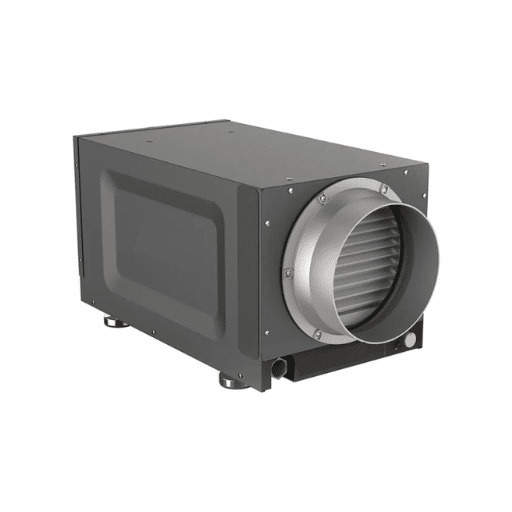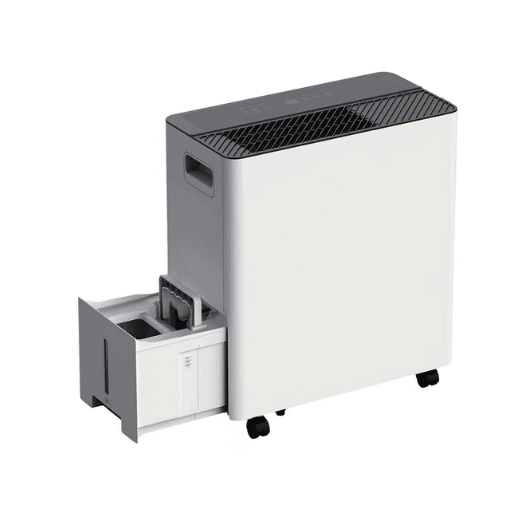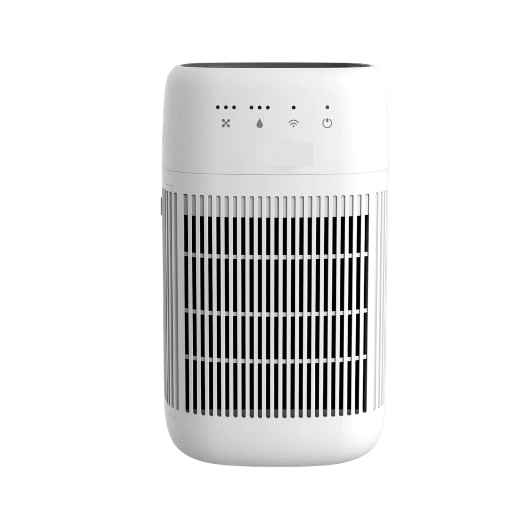
In the pharmaceutical industry, one of the most important factors is controlling the humidity levels accurately since the slightest change in the environment can ruin the quality, safety, and effectiveness of the product. Such tight humidity control is a must from the very beginning of the production of delicate medicines until the end, which is the storage of active pharmaceutical ingredients (APIs), to be able to meet the regulatory requirements and to keep conditions in the whole supply chain optimal. The dehumidifiers’ vital role in controlling environments, preventing moisture destruction of pharmaceutical products, and ensuring adherence to the industry rules is examined in this article. It does not matter if you run a manufacturing unit, a cleanroom, or a storage place; get to know how high-end dehumidification systems can protect your business and maintain product integrity.
Importance of Humidity Control in Pharmaceutical Industries

Maintaining the right amount of humidity in pharmaceutical environments is a must to secure product quality, efficacy, and safety. High moisture content can result in the reduction of potency and purity of APIs, unstable formulations, and increased risk of contamination. Properly controlled humidity helps to inhibit the growth of microorganisms, keeps the quality of packaging materials, and provides the necessary compliance with various regulations, including those imposed by the FDA and WHO. Thus, manufacturers, storage facilities, and distributors all rely heavily on efficient dehumidification systems for the entire lifecycle of their pharmaceutical products.
Impact of Humidity on Pharmaceutical Production
Challenges Posed by Humidity in Pharmaceutical Production
Humidity is a significant factor that can cause physical and chemical changes in pharmaceutical products, which could lead to the degradation of the active pharmaceutical ingredients (APIs) and their changing therapeutic efficacy. The excessive absorption of moisture by the hygroscopic substances can also result in caking, decreased compressibility, and instability of the formulation. Moreover, high humidity gives a boost to the growth of microorganisms, thus compromising the product’s sterility and the manufacturer’s compliance with strict regulatory standards. Certain operations, such as the coating of tablets or the filling of capsules, are extremely sensitive to the moisture level and, thus, need very careful and accurate environmental controls to be in place to not only ensure the efficiency but also the quality of the product.
Addressing Humidity-Related Challenges
Pharmaceutical industries use heavy-duty HVAC and dehumidification plants to reduce these risks by regulating the relative humidity (RH) in the plant such that it remains within the range that is generally accepted by regulators; that is, 40%-60%. This is also the range that is mostly chosen for the regulatory guidelines. Modern desiccant dehumidifiers, which are the best for the control of condensation and the elimination of microbial risk, are indispensable for the proper management of moisture in both the manufacturing and packaging areas, as well as during the storage of the products. Consistent humidity levels help manufacturers to keep the API intact, thereby making the formulation stable, and they will also be able to meet the requirements of Good Manufacturing Practices (GMP), which are nothing but important safety and quality assurance.
Effects of High Humidity on Product Quality
High humidity can be a big threat to the quality of products in many industries, among which the most affected ones are pharmaceuticals, food processing, and electronics manufacturing. In fact, one of the effects of high humidity is speeding up chemical reactions, which can cause and result in degradation of APIs, loss of potency, and shorter shelf life. On the other hand, hygroscopic materials like powders and granules can absorb moisture to a point where they can form clumps, become less flowable, and produce inconsistent formulations.
As for food items, high humidity is a perfect environment for bacteria and fungi to thrive, leading to spoilage, a change in texture, and a loss of flavor. The same goes for electronics, where humidity is one factor that can cause corrosion, short circuits, and even the destruction of sensitive components that cannot be repaired. Hence, effective humidity control is very important for not only maintaining the integrity of the product but also the compliance with quality standards, and avoiding expensive production and storage losses. Using precise environmental monitoring and humidity control technologies reduces these risks and, at the same time, keeps the products stable and safe.
Regulatory Standards for Humidity Levels
Different industries set different humidity standards; however, the key guidelines are frequently enforced to secure product quality, safety, and compliance. In the case of pharmaceuticals, government authorities like the FDA and EMA demand that the relative humidity in the production and storage areas be kept under control between 30% and 70%. These requirements are expressed in the Good Manufacturing Practices (GMP). The ISO 14644-1 standard that deals with the issue of cleanroom conditions, likewise, prescribes the moisture levels that may exist in order to achieve the control of both particulate and microbial contamination. The IPC J-STD-001 standard for the electronics industry lays down the maximum humidity levels that are safe regarding corrosion or electrostatic discharge. It is common practice to recommend a range of 30% to 60% RH. Compliance with such regulations not only guarantees adherence to rules but also significantly reduces the chance of product degradation, thus ensuring operational integrity.
Types of Dehumidifiers for Pharmaceutical Applications

Desiccant Dehumidifiers
Their usage is highly effective in pharmaceutical manufacturing and storage, where they can maintain the low humidity levels that are considered prevous to the industry. These dehumidifiers use desiccant materials for moisture absorption and are therefore most suitable for environments where precise and consistent humidity control is requested.
Refrigerant Dehumidifiers
Moderate humidity control is the main application area of refrigerant dehumidifiers, which function by means of cooling the air until the moisture condenses and is removed. Usually, these units are installed in the non-critical areas where humidity levels far from the extreme ones are not a concern.
Hybrid Dehumidifiers
Nevertheless, hybrid dehumidifiers are the ones that combine the positives of both systems; desiccant and refrigerant ones, as they provide not only increased but also better energy-efficient adaptability. Along with that, they are a real blessing for the plants that need both versatile and energy-conscious humidity control solutions.
Vacuum Dryers
Vacuum dryers, which are usually not very common in the pharmaceutical industry, are basically very specialized and designed for removing the moisture from materials that are still very sensitive; thus, the drying process will assure product integrity and stability.
Coming to their dehumidifiers, each type has specific applications and is chosen according to the exact humidity requirements of the process or storage environment.
Industrial Dehumidifiers Overview
Variable and humidifiers are an indispensable part of controlling environmental humidity in many applications. They are starting from the manufacturing industry and going through the entire lifespan of storage, and even the processes of keeping things in good shape. In a way of tech dehumidification, the use has been gone up a little to hundreds and even thousands of liters of moisture drawn out from air in products that are mainly and for being quality resistant ones. Besides this, using big industrial dehumidifiers, which are capable of handling air in and out speed of 10,000 cubic feet a minute or more, one can easily keep up even the 1% RH in the particular areas where it is required.
The performance evaluation of dehumidifiers generally relies on three main parameters, which are the capacity to remove moisture (further divided into pints or liters per day), energy efficiency (the amount of energy consumed per unit of moisture removed), and temperature and humidity operational range. For example, desiccant dehumidification systems are particularly well suited to low-temperature environments, where they can still achieve high moisture removal rates even when ambient temperatures fall below 32°F (0°C). On the other hand, refrigerant-based systems are designed to cope with mid to high humidity conditions and can lower the dew point to 40°F (4°C).
Additionally, the introduction of innovations such as the variable frequency drives (VFDs) grants a smooth process in controlling airflow to the exact quantities, that is, in doing so, power consumption gets optimized while achieving the humidity levels as required. Furthermore, the system of monitoring through IoT is also getting more and more important as it gives instant feedback about the situation around and also allows planning maintenance that can avoid downtime by operating when the machine is not in production. Industrial dehumidifiers actually do not only help with the comfort and safety but preventing corrosion, making the storage of sensitive materials not only durable but also of high quality, thus, they are the must have in modern industrial operations.
Portable Dehumidifiers for Pharmaceutical Use
Portable dehumidifiers are such important devices in controlling the environment of pharmaceutical settings, where humidity goes hand in hand with the product quality, that they could easily be classified as the most important players. Thanks to their mobility, these devices are used in the most varied places (laboratories, storage rooms, and manufacturing spaces) and areas where sensitive products are handled, so that the deployment can be optimized and the operation made more efficient.
Pharmaceutical environments require strict control of humidity levels, which are usually kept between 30% and 50% relative humidity, since even the slightest deviation can lead to the product losing its quality. For instance, high moisture content not only encourages the growth of fungi and bacteria but also reduces the active ingredients’ (APIs) potency and even ruins the packaging materials. On the other hand, low humidity can cause some formulations to dry out and increase the risk of electrostatic discharge during production.
Today’s portable dehumidifiers come with cutting-edge technologies, including dual-stage compressors and energy-efficient desiccant systems that can still work really well even in areas where there are constant changes in temperature and humidity. The top-performance models available in the market, depending on their capacity, can be a source of up to 70 pints (nearly 33 liters) of water vapor drawn out from the air per day, which will meet the exacting standards set for pharmaceutical facilities. In addition to this, the use of programmable controls, HEPA filters for air purification, and remote monitoring systems has greatly contributed to the performance and reliability of dehumidifiers.
The use of portable dehumidifiers not only stabilizes the efficacy of drugs and extends their shelf life but also assures adherence to Good Manufacturing Practice (GMP) of the pharmaceutical industry and regulatory standards like those of the FDA and WHO. The combination of their versatility and powerful performance makes them indispensable when it comes to guaranteeing quality and safety in the pharmaceutical sector.
Choosing the Best Dehumidifier for Specific Needs
Choosing the right dehumidifier for your use includes taking into consideration capacity, energy efficiency, and operational environment. Dehumidifiers come in different sizes and capacities, which are usually expressed in pints of moisture removed per day—the units with the highest capacity are appropriate for larger or more humid areas. Energy efficiency is also a very important factor; look for models that carry the Energy Star certification, as this guarantees high performance with low energy consumption.
In pharmaceutical or industrial applications, make sure the dehumidifier comes with sophisticated controls, such as hygrometers for accurate humidity monitoring, and features like continuous drain for non-stop operation. It is also necessary to check the operating conditions, like temperature ranges and air circulation rates, for the dehumidifier’s capabilities to be in accordance with the environmental requirements. By carefully considering these factors, you can ensure that you meet the standards of the industry, keep the product nice and stable, and control the moisture in your specific setting perfectly.
Dehumidification Systems in Pharmaceutical Facilities

One of the key functions that dehumidification systems perform in pharmaceutical facilities is the provision of precise environmental control. Their role is so essential that without them, manufacturers would have problems with the quality, potency, and effectiveness of their products. The removal of moisture to the right level not only protects products from falling under the razor of the aforementioned problems but also helps in controlling the environment, which in turn, lowers the chances of getting the products contaminated and supports compliance with regulations. One of the features that assist the pharmaceutical sector in maintaining a high level of quality is the use of modern dehumidification technologies, such as desiccant dehumidifiers, which have the capability of providing uniform performance under extreme conditions of either very low temperatures or very humid climates. A good system, when implemented, leads to the final product being of high quality, having a long shelf life, and being safe for use, and these are all in line with the standards set by the industry.
Components of an Effective Dehumidification System
The main parts of a good dehumidification system are several key components that are designed to keep the humidity precisely and also ensure environmental control at optimum. The components that make up the system are:
- Dehumidifier Unit: The system’s heart, the dehumidifier, air by removing excess water vapor from the air. Depending upon the temperature and humidity levels of the environment, the choice is made between desiccant-based and refrigerant-based types of dehumidifiers.
- Air Handling Unit (AHU): The HVAC system works together with the dehumidifier to mix and spread the air in the area being controlled. It can have components like filters, cooling coils, and heating elements to keep the air quality and temperature uniform.
- Humidity Sensors and Controllers: Real-time humidity levels are monitored by high-tech sensors, which send the data to controllers who adjust the system depending on the set conditions. The digital control systems often come with programmable settings for better accuracy.
- Dry Air Distribution System: Good ductwork and air vents help in the even and proper distribution of dehumidified air, thus preventing localized humidity spikes and maintaining the desired environmental conditions.
- Moisture Removal and Drainage System: The system drains off moisture removal very efficiently by a strong drainage system, hence cutting down the likelihood of water accumulation and with it, also the risk of contamination.
- Filtration Systems: The integration of high-efficiency particulate air (HEPA) filters or other filtration systems is most likely to result in the removal of air-borne contaminants, thereby ensuring that the air being circulated is not only dry but also clean and free from harmful substances.
Industries are able to control humidity strictly by using these components as a system that is seamless, thus improving the process, reducing the risks of product deterioration, and complying with the regulations. These kinds of systems, when designed and maintained properly, become a reliable basis for controlled environments in industries like pharmaceuticals, electronics, and others that are sensitive to changes.
Integration with Cleanroom Environments
Cleanrooms are environments that are closely supervised with temperature, humidity, and particulate controls to the extent that they are certified to comply with the industry standards like ISO 14644 and GMP requirements. The humidity control in cleanrooms is made possible by the use of advanced HVAC systems that are capable of controlling the air exchange rates, maintaining stable temperature gradients, and accurately regulating moisture. HEPA (High-efficiency particulate air) filters are utilized to a great extent in cleanrooms for ventilation to keep the air free from contaminants, while the commonly used desiccant-based dehumidifiers are employed to keep the moisture levels at an extremely low limit that is critical for the sensitive manufacturing processes.
The successful combination of these systems relies upon the deployment of strong monitoring and automation technologies. The real-time sensors give continuous data about the environmental conditions, hence instant adjustments for sustaining the ideal parameters are possible. This method not only reduces contamination risks but supports energy efficiency as well by making the system performance optimum. In the end, a humidity control system that is incorporated well is the one that makes it possible for the cleanroom environments to reach the high-quality and operational standards for the biotech, semiconductor, and pharmaceutical industries that are strict.
Monitoring and Maintenance of Dehumidification Systems
The upsides of dehumidification systems monitoring and maintenance practices are enormous. They not only ensure that such systems continue to perform as intended throughout their lifecycle, but also that the systems meet the specified standards. Regular calibration of the sensors is considered the mainstay when it comes to the readings’ accuracy for both humidity and temperature. On top of that, the installation of an automated monitoring system that will take the readings continuously is highly recommended, if not a must. The following factors of the system performance should be included in the continuous tracking, namely: airflow, removal of condensate, and energy consumption, plus control of wastages.
Cleaning and replacing filters according to the schedule, inspecting the coils for any signs of corrosion, and controlling the systems properly to avoid malfunctioning and unproductive areas are all part of normal maintenance routines. Besides, the periodic inspections of ducts and drains for leaks or blockages are essential in ensuring operational integrity. The documentation of all activities related to maintenance and responding to alarms not only provides traceability but also supports the enforcement of adherence measures to industry regulations. Further optimization of the system’s downtime, accompanied by the realization of potential failures beforehand, can be achieved by making use of predictive maintenance techniques such as vibration analysis or performance trend monitoring. Organizations that connect with accurate monitoring tools and a strong maintenance schedule can not only prolong the lifespan of their dehumidification systems but also secure the sensitive areas that need them the most.
Challenges and Solutions in Moisture Control
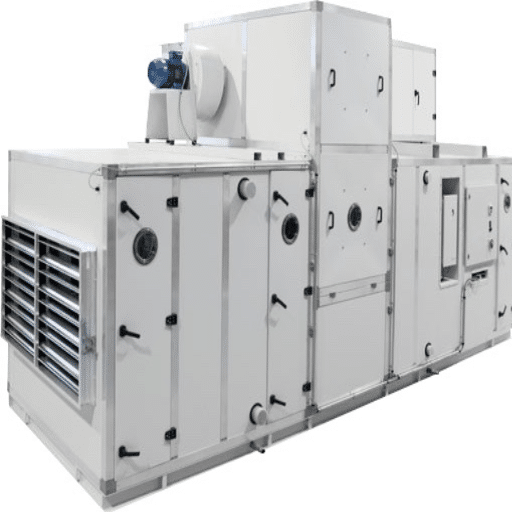
Moisture management is a complex task that consists of various challenging aspects like changing environmental conditions, system failures, and sensitive materials. High moisture can cause condensation, mold, and even damage to the building, whereas very low moisture may harm the wood or paper, which are examples of the most sensitive materials.
To solve the problem, a precise climate control system is necessary. The system may incorporate the latest dehumidifiers, which precisely control the amount of humidity through sensors, and proper ventilation that allows the air to circulate freely. Maintenance of the systems is done regularly, which not only assures the smooth functioning of the systems but also minimizes the occurrence of failures. In addition to that, coating the wood and using non-corrosive metals inside and outside the building can make the structure resistant to changing humidity levels and thus enhance the durability of the building even more.
Common Humidity Control Issues in Pharmaceutical Production
The management of humidity in the pharmaceutical industry has a number of difficulties that might adversely affect the quality of the product, compliance with regulations, and the efficiency of the operation. One of the main problems is the condensation of water vapor in the manufacturing areas that can make the whole process prone to dirt and even ruin the sterile environments. The other major problem is that the humidity levels can vary, which may lead to the breakdown of hygroscopic materials or the change of the properties of the active pharmaceutical ingredients (APIs). Besides, poorly calibrated or improperly maintained humidity control systems will make these problems worse, leading to delays in production or the whole batch being declared as failed. Moreover, a lack of proper zoning of the manufacturing environments may lead to humidity level inconsistencies among different areas, which is likely to complicate the quality control processes even further. The right system design, regular maintenance, and compliance with the rules, such as Good Manufacturing Practices (GMP), are very important for the efficient and effective mitigation of these issues.
Innovative Solutions for Effective Dehumidification
To achieve highly effective dehumidification in industrial places, a mixture of cutting-edge equipment and thoughtful execution is needed. One of the most powerful ways is to adopt desiccant dehumidifiers that use special materials to absorb moisture regardless of the temperature. These systems are most advantageous in settings where low humidity is very important, for instance, in pharmaceutical or food manufacturing plants. Another way is to connect humidity sensors with automated climate control systems. This means that the humidity levels can be monitored and adjusted in real-time, which leads to the consistency of the whole facility, and at the same time, it is done in an energy-efficient manner.
Moreover, the application of modular dehumidification systems is another advantage that makes it possible to adjust the size of the operations according to the production dependability. These systems can be routed to particular areas, thus dealing with humidity problems under control, and doing so without putting more pressure on the whole factory. Having a thorough airflow analysis as part of the system design process is also very important, as it makes sure that the dehumidified air is evenly spread throughout the area. With the help of these new technologies and practices, manufacturers are able to keep a good control over humidity levels, thus protecting the quality of their products, and at the same time being compliant with the strict regulatory standards such as GMP.
Case Studies: Successful Implementation of Dehumidifiers
Case Study 1: Pharmaceutical Production Facility
A leading pharmaceutical company struggled to keep the relative humidity at low levels, which were very important for the stability of the product, although the problems were persistent. With the installation of desiccant dehumidifiers designed particularly for the pharmaceutical applications, the pharmaceutical company achieved the moisture control well below 40% RH with the precise humidity control, even during the peak seasonal humidity. The installation of the entire system not only saved the sensitive materials but also helped the factory to be certified as meeting the GMP standards, where it has also cut down product rejections by 15% in the process.
Case Study 2: Food Processing Plant
The company processing food and deals mainly with powdered products, had frequent problems with clumping and quality degradation of the end products because of high humidity levels. The firm used industrial dehumidifiers in the areas where they carried out the production process and kept the humidity levels constant and low at 30% RH. This change not only resulted in the production of a more uniform product but also in longer storage life and reduced moisture-related downtime of the machines.
Case Study 3: Electronics Manufacturing Facility
One electronic manufacturer was concerned with the static electricity and corrosion caused by uncontrolled humidity levels, so it went ahead to use a dehumidifier system that provides the best quality. The manufacturer coupled the dehumidifier with advanced sensors and automation, thus getting 45% precision control over the RH levels. This change wound up contributing to operative reliability, fewer defects in highly sensitive electronic parts, and overall customer satisfaction increased by 20%.
The aforementioned cases are illustrative of the significant importance that dehumidifiers have in various industrial applications and of the economical ways of accomplishing the strict environmental control while keeping the same quality of the product over time.
Future Trends in Dehumidification for Pharmaceutical Industries

The dehumidification industry is making changes to cater to the pharmaceutical industry’s ever-increasing requirements, mainly through energy efficiency, precision, and sustainability. The focus of the developments is on the application of energy-saving desiccant systems that not only control humidity well but also lower the operating costs. The use of sophisticated sensors and automated monitoring systems that can adjust humidity according to the real-time situation is another trend that is taking off. This helps the companies to meet the strict regulatory requirements imposed on them. Also, the use of refrigerants with low global warming potential (GWP) is one of the eco-friendly measures that are being given priority to achieve the global sustainability targets. All these changes are pushing manufacturers to accept more dependable, economical, and eco-friendly dehumidification solutions on a large scale.
Advancements in Dehumidification Technologies
The recent and upcoming developments in dehumidification technology are mainly the result of the merging of energy-efficient designs, smart controls, and sustainable practices. The use of desiccant-based dehumidifiers, which absorbent materials with high skills are attenuating to the point of being very mild, has become a trend in setting the humidity levels for industrial and commercial sectors where energy consumption is greatly minimized. The ground between the two extremes is a hybrid system that combines the advantages of the mechanical and chemical dehumidification processes, making it a solution having flexibility and scalability for those conditions that require the utmost moisture control.
Modern technology application has revolutionized the dehumidification sector, resulting in real-time monitoring and adjustments through IoT-enabled systems. The above-mentioned innovations serve to increase the operational efficiency of the unit by keeping an eye on the humidity levels closely in accordance with the environmental conditions and consequently cutting back on the energy consumption that is not necessary. Furthermore, advancements in compressor technology, for instance, variable-speed compressors, have also contributed to the enhancement of energy efficiency as well as the reduction of noise levels.
Sustainable practices are indeed at the forefront of the new-generation dehumidification systems. The use of green materials, low-GWP refrigerants, and energy recovery systems not only helps in meeting the sustainability targets but also in maintaining the same level of performance. The process of modernization, with the help of these advancements, is taking over industries like manufacturing, pharmaceuticals, and data centers that require accurate and dependable humidity control to avoid the risk of sensitive equipment and products being damaged.
Environmental Considerations and Sustainability
As a person who is really into environmental sustainability, I think the usage of materials that are good for the environment, technologies that use less energy, and systems with low emissions is a must. It is not only the case that these measures will make a smaller footprint on the planet, but also that they will guarantee that the company will not be negatively affected by the gradually changing rules. If we make a point of using the most modern and eco-friendly practices, then we can make a huge leap in cutting down energy use and, at the same time, extending the life of ecosystems in the areas where such industries operate using proper techniques.
Long-term Benefits of Effective Humidity Control
Controlling humidity efficiently leads to a plethora of long-term benefits in different areas, such as industrial, residential, and commercial applications, among others. First of all, it improves life span and also the performance of materials and products to a great extent by stopping moisture-related deteriorations. For example, in industries like pharmaceuticals and electronics, precise humidity levels are maintained to ensure product integrity and operational efficiency.
Secondly, humidity regulation not only improves energy efficiency but also reduces operational costs. High-end systems, like desiccant dehumidifiers and smart climate control technologies, consume energy efficiently while keeping humidity levels at the desired point. Consequently, the strain on the HVAC system is lessened, which results in lower energy use and longer equipment life.
Lastly, efficient humidity control provides a healthier and more pleasant environment for the people living there. It reduces the occurrence of respiratory problems, regulates allergens such as dust mites, and helps in achieving thermal comfort. These benefits lead to increased productivity and a healthier population, thus making it an essential part of environmentally friendly management strategies.
Reference Sources
Precedence Research – Desiccant Dehumidifier Market
This report provides detailed insights into the pharmaceutical segment of the desiccant dehumidifier market, highlighting its importance in maintaining drug stability and quality.
Condair – Dehumidification in the Pharmaceutical Industry
A comprehensive document discussing the necessity of air dehumidification in pharmaceutical production, storage, and packaging to ensure product quality and compliance.
CtrlTech – Pharmaceutical Dehumidifiers
This source explains the role of dehumidifiers in preventing moisture-related issues in pharmaceutical environments, including cleanrooms, vaccine storage, and R&D labs.
Frequently Asked Questions (FAQs)
How does a dehumidifier for the pharmaceutical industry control environmental conditions in production and storage?
A dehumidifier for the pharmaceutical industry basically extracts moisture from the air, thereby guaranteeing the perfect humidity levels that the production and storage process depends on. These systems, utilizing industrial desiccant or chilled water dehumidification units, not only remove moisture but also help in controlling the temperature and managing the humidity and temperature for preserving the raw materials, avoiding excess humidity and quality of pharmaceutical formulations, and thus the quality of the end products is the same.
Why is maintaining optimal humidity important for the production and storage of drugs?
Optimally maintaining the humidity levels prevents the situation whereby mold growth, degradation of drug active ingredients, and so forth, risks of pharmaceutical product instability, and thus the compromised safety and efficacy come about. The right control of ambient humidity and temperature not only facilitates but also guarantees the efficacy of pharmaceutical products, product quality and safety, as well as the long-term stability of pharmaceutical formulations throughout manufacturing and storage.
What types of dehumidification units are used in the pharmaceutical industry in environmental conditions?
Industries of pharmaceuticals generally resort to industrial desiccant dehumidifiers for low humidity and refrigerated dehumidifiers for moderate control. The dehumidifying units can be hooked up to HVAC and temperature control systems, thereby taking care of the moisture in the air and keeping the relative humidity at the levels needed for specific pharmaceutical formulations and the storage of drugs.
How does humidity in the air affect raw materials and the quality of pharmaceutical end products?
Raw materials can absorb humidity in the air and become lumpy, undergo chemical changes, or even decay, which in turn lowers the quality and potency of final products. Controlling atmospheric humidity and dehumidifying manufacturing areas not only prolongs the safety and efficacy but also the compliance of pharmaceutical items with the Food and Drug Administration’s quality and safety standards.
When should a pharmaceutical facility choose the best industrial dehumidifiers supplier for their production and storage environments?
Choose a dehumidifier supplier when you want cutting-edge equipment that is appropriately sized for room volume, process requirements, and targeted relative humidity levels. The top industrial dehumidifier suppliers provide systems that are energy-efficient, easy to integrate with temperature control, and have a reliable after-sales service, which enables them to protect against corrosion, make sure that the moisture in the air does not affect pharmaceutical formulas, and keep regulatory compliance steady.
How does controlling ambient humidity protect against corrosion and maintain the stability of pharmaceutical products?
Excessive humidity in the air triggers the corrosion of equipment and packaging, and makes chemical degradation of formulations happen faster. Keeping the relative humidity at the desired level minimizes electrochemical corrosion, lowers the risk of living organisms, including fungi and microbes, and improves chemical stability; thus, it results in better quality pharmaceutical products and longer shelf life.
Can maintaining ideal humidity improve safety and efficacy during pharmaceutical operations and storage?
The answer is affirmative. It is the ideal humidity that keeps the chemical reactions, dissolution rates, and microbial risk at validated ranges, and, in turn, the safety and efficacy are directly affected. The right humidity and temperature control also prevent the active ingredients and excipients from being changed by the excess humidity, therefore, leading to consistent batch-to-batch quality and the overall efficacy of pharmaceutical products.
What monitoring and maintenance practices are needed for dehumidifiers in pharmaceutical production and storage?
The list of practices is as follows: constant monitoring of the relative humidity levels, regular calibration of the sensors, maintenance of the dehumidification units, cleaning or replacement of the filters, etc. Setting up alarms for any changes in the atmospheric humidity levels, performing documentation of the quality for regulatory audits (including Food and Drug Administration standards), and getting a dehumidifier supplier that has the knowledge will help you to safeguard the quality and safety of the product continuously.