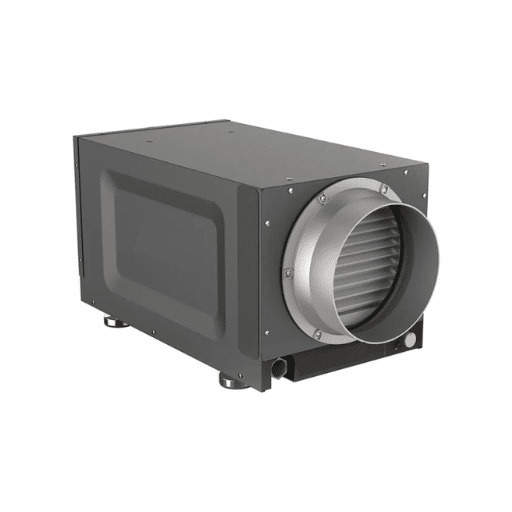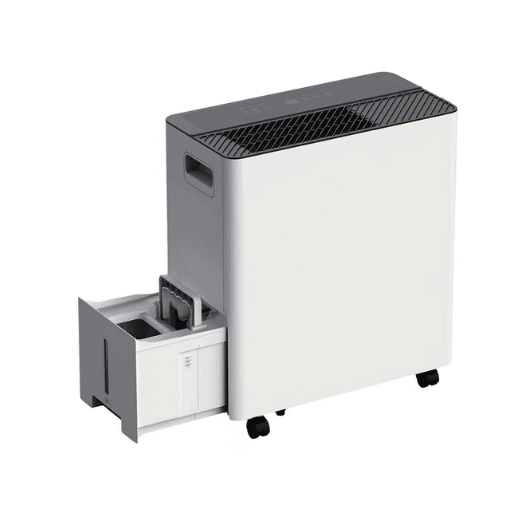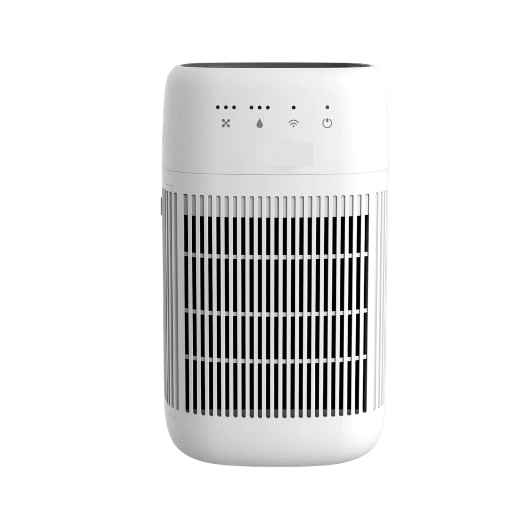
Maintaining product quality, transporting goods safely, complying with industry regulations, and preserving goods are several reasons why controlling the humidity in industrial establishments is important. In environments such as production facilities, scientific research, and storage areas, the presence of excessive humidity may cause the degradation of supplies, the malfunction of equipment, and the rise of operating expenses. That is where industrial dehumidifiers come in as a modern-day dry room solution designed to control and achieve humidity levels efficiently and effectively. This article discusses at length how these devices work to provide and maintain the proper dry air levels necessary, discusses the advantages they bring to different sectors, and provides the available ones that are suitable according to their purposes. Keep reading to learn how enhanced humidity management can revolutionize your workflows.
Understanding Dehumidifiers

A dry room solution consists of air dehumidification to manage the relative humidity in a given space. These devices work based on two main principles: the use of refrigerants and the use of desiccants. The first principle involves cooling the air to its dew point temperature, which forces the moisture in the air to condense into a liquid form that can be removed from the dehumidifier, while the second one is humidity absorption by materials that adsorb moisture from the air. Hence, both operational choices are inevitably beneficial for indoor environments, as they land tightly on the surface and avoid damaged hardware or loss of efficiency due to high levels of humidity.
What is a Dehumidifier?
An effective dry room solution comes in the form of a dehumidifier, which is an electrical gadget that controls humidity in the air for various purposes, amongst them health and comfort. The appliance collects the excess moisture in the air, easing problems such as mildew, damage to structures, and poor ventilation, amongst others. Humid locations predominantly promote the use of dehumidifiers for residential, industrial, or commercial purposes. Many types of dehumidifiers are available, and they include the refrigerant type, which uses cold air to condense and remove moisture, and the desiccant type, which makes use of materials with high affinity to moisture (orabies) for absorbing water. They are all significant in reducing the level of indoor air contaminants, preserving objects from decay, and making a place habitable.
Types of Industrial Dehumidifiers
A wide array of industrial dehumidifiers for any aridifying or dry room solution can be used as follows:
Refrigerant (Mechanical) Dehumidifiers
Rather than allowing the moisture-laden air to reach the saturation point, the dryers condense moist warm air to the condensation temperature through a cooling cycle. This facilitates the condensation of water on the coil surface and subsequent collection or drainage of condensed water. Looking into refrigerant dehumidifiers, they perform better in hot and humid conditions, such as storage and manufacturing units. They are economical and also best suited for non-specific applications, when moderate RH isn’t an issue at all.
Desiccant Dehumidifiers
Desiccant dehumidifiers are mainly used to reduce humidity by making use of hygroscopic substances like lithium chloride or even silica gel. They are, however, more effective in low temperatures and very arid conditions, such as in the case of cold rooms or high-precision industries. Desiccant systems are useful due to their versatility in allowing the attainment of inadequate relative humidities that are especially important sometimes in pharmaceutical companies, as well as the electronics industry.
Hybrid Dehumidifiers
Hybrid dehumidifiers are designed to incorporate both refrigerant and desiccant technologies. It’s easy to understand that this combination allows for better performance as far as the temperature and R. H ‘Relative Humidity) levels are concerned. Such appliances are frequently used in places that need high specific value and flexibility, such as food processing industries and logistics warehouses.
The type of industrial dehumidification equipment used depends on the environmental threats posed to products, workstations, and processing equipment for control of moisture.
How Dehumidifiers Work
By the principle of operation, dehumidifiers are meant for decreasing the moisture content in the air in order to maintain the desired level of moisture indoors. Two main approaches to drying the excess indoor moisture are the refrigerant-type and desiccant type of dehumidifiers.
AND COMMAS, or refrigerant-type dehumidifiers, these dehumidifiers work by employing a cold surface to cool the warm, humid air, causing moisture to condense on the surface. The condensed water gets collected in a water tank or pumped out as drainage water. They work best in warmer and wetter climates, which allow them to be used effectively in both households and offices.
The so called Desiccant dehumidifiers have a different mechanism in which the air comes in contact with a moisture-absorbing material, usually silica gel, which collects water vapor from the air. The water content from such desiccants is heated and driven off into the atmosphere, or, as it is called, the “regeneration” of the dehumidifier takes place. Such dry room solution units are ideal for use in cold conditions or industrial dehumidifiers where the temperature is low, which affects the efficiency of a common refrigerant unit.
Certain sophisticated dehumidifiers employ hybrid technologies that utilize both refrigerant and desiccant principles to enhance performance under varying conditions of temperature and humidity. Such models are used, particularly in drier air control systems for storage areas, pharmaceutical, manufacturing, and other humidity-sensitive activities.
Air conditioners, as well as dehumidifiers, are designed for different purposes and provide particular modes of operation, which include ensuring protection from moisture, contamination, and system
Importance of Humidity Control in Industrial Settings

The proper regulation of humidity levels inside the factories is one of the most important factors to maintain the quality of the product, the longevity of the equipment, and the safety of the workers. High humidity can cause or accelerate corrosion, mold, or degradation of materials, and these directly affect the operations and the integrity of the product as well. However, low humidity will create problems such as static electricity and dryness of delicate substances. Therefore, maintaining adequate levels of humidity in industries helps to cut down on unnecessary breaks, preserve the critical stock, and stabilize the environment, which is essential to keep different processes in manufacturing and storage.
Effects of High Humidity
Excessive wetness results in numerous and powerful reactions across the many sectors of society. Exponential corrosion of some metals over time is enhanced when the relative humidity in the environment is above the desired limit, which in turn reduces the service life of machinery and infrastructure as a whole. This is especially important to industries that heavily depend on large equipment and or sophisticated devices. Moreover, a high atmospheric moisture level enhances the propagation of fungi, moldering, and pathogenic organisms, which contribute to the spoilage of the final product and pollution to the storage facilities, as well as health hazards. In “solid substances” such as wood, pages, or linen can be easily distorted, expanded, or torn in high humidity. High atmospheric wetness will also be a challenge in processes that should be controlled for temperature as well as wetness, and this is apt to lead to weaknesses in manufacturing or cause a loss of productivity time. Comprehending how to control the issues of excessive humidity helps in achieving efficient operations, prevents damage to goods, and protects workers within the work settings.
Benefits of Maintaining Optimal Humidity
Controlling indoor relative air humidity in the recommended range, generally from 30% to 50%, comes with definite practical benefits. Within this range, the air of the indoor space is limited or does not support the effective growth of mold, mildew, or dust mites, which effectively ensures gas breathing safety with fewer allergic reactions or other respiratory problems experienced. In the industry, regulation of the relative air humidity is of utmost importance in the sense that it protects all vulnerable materials, such as wood, furniture, textiles, and electronics, from damage through wetness or dryness to maintain longevity of parts and components in the products. Moreover, the presence of enhanced control over humidity leads to reduced heating, ventilation, and air-conditioning usage as the systems operate at their optimal condition. In conclusion, achieving and maintaining the optimal humidity levels can sustain the health of individuals, protect the materials from damages and also aid in the efficiency of operation.
Applications Across Industries
Across various industries, humidity control systems are very critical in keeping the environmental conditions accurate to protect processes, materials, and products. This is more apparent in the factory work where the production of pharmaceutical, electronic, and even textile goods can only be possible in a controlled moisture ambiance. In the food industry, humidity control methods are used to preserve the food, keep it fresh, and help in meeting the standards of safety implemented. Moreover, humidity control is also required in hospitals and research institutions to maintain aseptic conditions, to safeguard delicate apparatuses, and to increase the comfort of patients and staff. Warehouses and storage facilities also rely on humidity control to prevent damage to goods in storage, including perishable goods and other products that are sensitive to changes in temperature and humidity conditions. From the various service areas explained above, there is an obvious need and benefit to controlling humidity levels as it aids in overcoming some operational issues while at the same time improving performance, ecological balance, and integrity of products in different areas.
Dehumidification Technologies
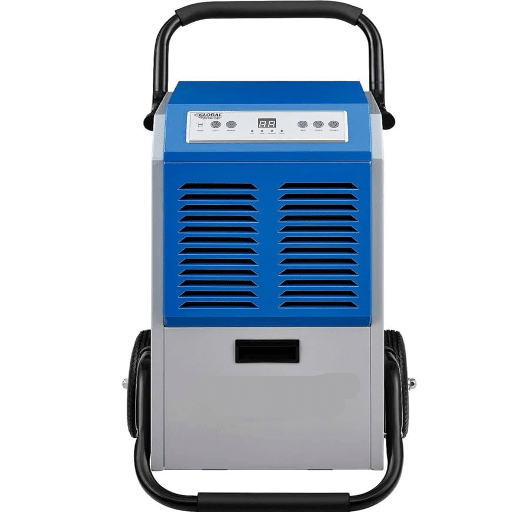
Dry room solution
Industrial dehumidifiers are of two main types based on their working mechanisms and efficiency.
Condensate Base Dehumidifiers
The first type of dehumidification system condenses the air by cooling it to below the dew point temperature, which helps in controlling the moisture content and the humidity of a place. These units are suitable for high-humidity conditions, and given the fact that they operate under moderate temperatures, the chillers are used quite often in houses and offices.
Desiccant Dehumidifiers
Desiccant-based systems do not cause temperature changes but aid in the removal of humidity from the air using desiccant materials. Low temperatures are ideal for implementing these types of dehumidifiers, and such are used in industrial operations where the humidity needs to be maintained before the resources and equipment are destroyed by the amount of humidity.
Each solution is ideal for different cases and specific goals. Proper execution allows one to achieve fresh air for breathing, as well as to increase the efficiency of working processes and to maintain the safety of vulnerable objects.
Refrigeration-Based Dehumidification
Refrigeration dehumidification encompasses the principle of cooling air below its dew point, which converts the water vapor into water, allowing for its elimination. It usually consists of cooling humid air by a cold coil since the temperature of the air loses moisture under these conditions. The cooled air, which has low moisture content, can be reheated to the required temperature, and the process circulation repeated.
Such a technique works very effectively in environments where high regional humidity is common for air pollution control in homes, business or industrial premises. Examples include heating, ventilation, and air conditioning, where such action is required, such as indoor pools, warehouses, and some manufacturing processes. Such systems are designed with energy recovery for increased performance, at least in cases of air conditioning. The harsh weather conditions in the region might decrease the effectiveness of this technology, forcing the region to opt for another alternative.
Desiccant Dehumidification Systems
The problem of energy saving and environmental cleanrooms requires dry or controlled humidity conditions to be maintained at all times. This paper discusses various techniques of cooling by air or liquid and controlling humidity inside such rooms. Factors such as, among others, numberand typesof equipment; heat produced; air recirculation patterns. The onesthat remove moisture – dry room solution industrial dehumidifiers do their work with the help of desiccants.
Industrial dehumidifiers have seen extensive use across manufacturing and business sectors, especially in dry room solution sectors, e.g., pharmaceutical manufacturing, food processing, warehouses, etc., where humidity needs to be accurately monitored. The one major benefit of using desiccant dehumidifiers is that they can keep the dew point low so as to avoid dehumidification failure due to water condensation. They are also suitable for use in icy regions as they perform well. In addition to this, heat energy generated from heat devices can be used very cost-effectively in conjunction with these systems to greatly improve their overall efficiency. However, this post-regenerative cost entails some challenges even in the case of desiccant units, hence, ‘go-no-go’ evaluation is extremely crucial also regarding the specific use of such systems.
Choosing the Right Technology for Your Needs
Selecting a suitable technology for a particular application involves understanding a number of key aspects, such as the environment where the technology will be applied, the requirements in terms of performance, and the costs that will be incurred in the usage of a particular technology. When considering humidification or dehumidification solutions, it is noteworthy to look at certain conditions and the extent of application, whether it is residential Commercial or industrial, the moisture in the climate zone, and the precision in control required. For very dry room solutions, industrial dehumidifiers, such as desiccant-based, cut out well for very moist control requirements due to their enhanced applicability in sectors such as the manufacture of medical products. In the other case, the dehumidification system does not necessarily have to be as complex as the case of residence or commercial premises, where a simple refrigerant running dehumidification will suffice.
While evaluating different technologies, remember to consider energy efficiency values (e.g., EER and SEER), system adaptability to the existing setup, and maintenance needs over the life of the system. It may also be helpful to look up design guidelines and assessment reports, such as those from ASHRAE, for more specific performance aspects. Making a decision customized to one’s needs requires considering initial expenditure and the operational savings over a period.
Implementing a Dry Room Solution

The dry room solution objective aims to provide an extremely low humidity level, favorable for the operation of processes, like the production of lithium batteries. To achieve this objective, one must first find out what humidity levels are allowed by the application. Prioritize dehumidification of the available space using dehumidifiers capable of reducing and maintaining the dew point required, mostly below -40 ° F. Equip the dehumidified space with any walls made of construction elements preventing transmission of moisture through and made in an airtight manner. Also, install accurate hygrometers for constant monitoring to ensure proper humidity levels at all times. Where possible, maintain and check seals on the equipment regularly in order to assess system performance over an extended period of time, as adapted from the best practice in the controlled environments industry.
Assessing Your Humidity Control Needs
Determining your humidity control needs accurately is the first step that involves recognizing your application’s particular environmental requirements. As an example, the first factor is the evaluation of the sensitivity of materials or equipment to different humidity levels; naturally, it is the case with operating or utility environments, laboratory facilities, or storage settings that sometimes may require even more control of humidity. It is also crucial to specify the range of the desired relative humidity (RH)—the range is usually between 30% and 50% RH, and some environments might not otherwise be certified for the industry, as in the case of pharmaceutical storage, which requires dew points at -40°F or even lower.
The following step is the estimation of the total moisture load by considering such items as the weather conditions, the heat production within the facility, the incoming ventilation air, and even the presence of moisture-generating processes or equipment. The latter also includes calculating the losses due to the air movement. By having an understanding of these factors, the sizing of the dehumidification system becomes easy for the user. With the help of the data received from the hygrometers and sensors, the system keeps its operation at a high level and follows the set performance.
Make sure you evaluate if the systems you want to buy are energy efficient, and if they are compatible with the existing structures. Go all out for the kind of product that has the latest technology, like the desiccant dehumidifiers and/or energy recovery ventilation (ERV) systems for hard-to-desire conditions. Besides, you must take into account the occasional system checkup and the calibrating of sensors right from the start, as the two go hand in hand with long maintenance-free operations. Only by determining the right balance between technical requirements and cost-effectiveness will your facility be provided with the humidity control that is appropriate for the circumstances.
Designing an Effective Dehumidification System
Before the realization of a pleasing dehumidification program, one will need to face a lot of important factors:
| Design Factor | Key Considerations |
|---|---|
| Environmental Conditions | Check temperature, relative humidity levels, and moisture sources to identify required dehumidification capacity (measured in pints or liters per day) |
| Dehumidifier Type Selection | Choose between portable, whole-house, or industrial dehumidifiers. For specific applications, consider desiccant or energy recovery ventilation systems for tough conditions |
| Energy Consumption | Prioritize energy-efficient technologies with Energy Star certification to minimize electricity consumption and maximize efficiency |
| System Size and Location | Sync system with air volume and moisture levels; proper sizing prevents energy waste and ensures optimal performance. Strategic location optimizes air circulation |
| Air Flow and Filtration | Incorporate air purification systems to eliminate moisture while increasing overall efficiency through optimized air flow mechanisms |
| Monitoring and Survey | Implement proper notification systems and regular surveys to ensure long-term durability and budget-friendly operation |
Adhering to the instructions will steer you in properly managing a dehumidifying system that is durable and beneficial to the budget at the same time. On top of that, providing such a system with a proper design will not only erase the costs of repairs but also further the protection of your materials, thus generating the health of the occupants and ensuring the indoor environment is at its best.
Customization Options for Specific Requirements
Dehumidification systems are one of the types of HVAC systems that may be customized for specific environmental or operational requirements. There are a variety of customization options for the systems, and one of the most important is picking out the right size and the category of the units, as in the case of desiccant units that are normally used for low-temperature surroundings or refrigerant types for areas with high ambient temperatures. Besides, custom air pathways can be provided so that the unique layout or airflow limitations at the spot are managed in an energy-efficient manner.
For industries that need very accurate humidity control, advanced humidity sensors and programmable controllers can be deployed to get the precise control of the system within a given range. In case difficulties occur, night can use the stainless steel housing or corrosion-resistant components as the best solution for the industries of food production and pharmacy. Moreover, noise control and modular designs will amplify the system’s performance and flexibility features, as well as provide solutions that are advantageous for the space and sound isolation purposes.
Ultimately, incorporating energy-saving activities together with heat recovery systems and variable-speed fans can bring about productivity and long-term cost savings. The customizing options guided by such a project can satisfy the most exacting demands, even as regards performance, reliability, and cost-effectiveness of a dehumidification system.
Maintaining Your Dehumidification System

- Routine housekeeping: Remember to monitor the air filters, coils, and ventilation ducts, and clean them regularly to remove the dust and dirt particles to avoid a situation where inefficiently working systems could be the root cause of more severe mechanical problems.
- Servicing and Maintaining the System: Look at the cooling, heating, and filtration components, and the refrigerant line of the system for possible interruptions and symptoms of the parts wearing out. Do not delay in fixing the problems, as this can result in more serious consequences.
- Observation of the Humidity Level: The use of a good-quality hygrometer is a must for the systems that have to maintain a certain level of humidity, so as not to go outside this specification. Readings different from the target may even show that the system is not calibrated or there is a malfunction.
- Planned Service Checks: Call a certified technician to inspect the system’s health through the regular checks, as he/she will be able to see not only the actual state of the system and forecast the potential malfunctions, but also make the necessary corrections.
- Using the Recommended Guidelines: Always stick to the manufacturer’s instructions about the maintenance and service of the whole system by following the steps given in the user manual, so that the musts and the faults that might develop over time are avoided, and the system will function as per its life expectancy.
If you follow these instructions, you will boost the efficiency, life-span, and dependability of your dehumidification system.
Routine Maintenance Practices
A dehumidifier is one of the major appliances in your home that needs to be maintained well to function at its best all the time and last longer. Below are some points that you should consider to keep your dehumidifier in good working condition:
- Filter Cleaning and Changing: Clean and change filters based on the manufacturer’s manual. If there is no air entering or the air seems like there is no ventilation and is becoming more and more dusty, then less clean and less breathable, one of the methods to help is to change or clean the filters in the air-conditioning unit as per the maker’s recommendation, typically after one to three months, depending on your usage and the place.
- Coil Cleansing and Inspection: It will be necessary to regularly deal with the thermal power exchange between the evaporator and condenser coils and the vulnerability and drain, plus it is advisable to check on them. An excellent deal of efficiency will still be shown by the coils if they have been gone through using either a soft brush or a vacuum cleaner before that happens.
- Drain Line and Reservoir Maintenance: The more severe the clogging is, the deeper the container to be used should be, and mild detergent or vinegar should be poured together with the clogs to be dissolved to keep the drain free of any obstacles. If your unit has a water reservoir, incorporate a regimen where the water level is frequently checked, it is emptied, and it is cleaned thoroughly—this way, mold and bacteria that can grow there will be kept dormant.
- Monitoring and Adjusting Humidity Levels: Check wetness setting – Modify humidity settings and occasionally use time dry mode. Maintain the indoor humidity level that has been recommended by the dealer at 30-50% for the region at various times according to specific conditions.
- Inspection of the Electrical Components: Examine the wires, sockets, and all other parts very carefully to observe any signs of wear and corrosion. In the cases when the damaged parts are discovered, they should be either immediately replaced or put aside for later maintenance to avoid any electrical hazards.
Keep a constant eye on the system’s flashing indicators or the error codes blinking, as this might mean a problem, e.g., the water container is full or a possible system breakage.
It is highly recommended that you go through the user’s manual frequently for the maintenance schedule, monitor the maintenance program, and in this manner, you will raise the dehumidifier’s effectiveness, lessen the power consumption, and there will be no breakdowns.
Common Issues and Troubleshooting Tips
According to what I have personally witnessed, a common problem with dehumidifiers is that they are quite ineffective in removing the moisture, they are noisy, or they simply do not start working. When it comes to the problem of poor moisture removal, the first thing that I myself do is still to check the filter to see if it is clogged or the room temperature is too low for the device to work properly. If noisy occurrences take place, the first thing that I do is to examine the fan and the internal parts to see if there is any dust or any part that has loosened. For situations where the humidifier does not turn on at all, the first thing I do is I will make sure the unit is correctly plugged, and then I will proceed to the circuit breaker and check if it is the reason for the problem. Simple steps like cleaning the filter periodically and corridors of air flow monitoring are among the steps that need to be taken most often to avoid getting these problems.
Upgrading Your Dehumidification TechnologyUpgrading your dehumidification technology requires considering several critical factors to ensure efficiency and performance. These factors include identifying the right size and capacity for your space. The latter is usually measured in pints of moisture removed per day. It has been common lately for the units to be provided with technological advancements such as smart humidity controls, energy-saving compressors, and air purification systems that are a part of the package. Think about buying ENERGY STAR-certified units. They will help you save up to 30% of the energy consumed by the non-energy-efficient models. Moreover, also try to go for inventions such as built-in control systems, which would automatically change the moisture level, and Wi-Fi-enabled remote control options. Before moving to the next line, it is good to repeat the previous sentence. Entrepreneurs must ensure that their water supply is from high-quality water treatment plants. High-quality filters and desiccant-based dehumidifiers work best in ultra-humid locations or where fast and powerful moisture extraction is necessary. Switching to the most recent and advanced technology regularly not only affects the overall performance of your unit but also increases the life span and decreases the amount of electricity consumption; thus, the long-term savings come from investing in the right and very specific techniques and methods that are the most effective in the long run is the decision. When considering what kind of system to install, priority is to be given to the one that most precisely suits the peculiarities of the situation, which also means that operation will not be treated as a separate issue from maintenance at all.
Key Upgrade Considerations:
- Identify the right size and capacity (measured in pints of moisture removed per day)
- Look for smart humidity controls and energy-saving compressors
- Choose ENERGY STAR-certified units for up to 30% energy savings
- Consider built-in control systems with automatic moisture level adjustment
- Explore Wi-Fi-enabled remote control options for convenience
- Invest in high-quality filters and desiccant-based dehumidifiers for demanding applications
- Balance technical requirements with cost-effectiveness and maintenance needs
| Common Issue | Troubleshooting Steps |
|---|---|
| Poor Moisture Removal | Check if the filter is clogged or if the room temperature is too low for the device to work properly |
| Noisy Operation | Examine the fan and internal parts for dust accumulation or loosened components |
| Unit Won’t Turn On | Ensure the unit is correctly plugged in and check the circuit breaker for issues |
Reference Sources
“Performance Evaluation of a Desiccant Dehumidifier with a Reduced Energy Consumption”
Key Findings: This research investigates the application of desiccant dehumidifiers as a way to reduce energy use in the drying process. The study indicates that lowering the relative humidity at the air inlet is also useful in enhancing the efficacy.
“Experimental Investigation of a Solar LiCl Dryer System”
Key Findings: This research work discusses a drying equipment which receives its power from the sun and is additionally equipped with a dehumidifier so that the humidity of the air is minimized in the drying unit. The drying and the regeneration of the air are being done by LiCl.
“Improving the Energy Efficiency of Dehumidification Technology”
Key Findings: This study targets a primary consideration – how to make the HVAC systems more economical in the first place by focusing on the plastic technology in a different aspect. It brings forward creative ways of consuming less energy and yet being at peak performance.
Frequently Asked Questions (FAQs)
Moisture control: How do industrial and commercial dehumidifiers prevent humidity in dry environments?
One of the ways of preventing the fluctuations of humidity in environments is by installing dehumidifiers that remove moisture from the air. These dry room solution industrial dehumidification products are usually the most efficient and effective way of dealing with the moisture problem, either in large spaces or critical areas. It is always the best decision to use industrial and commercial dehumidifiers, which are mainly classified into the portable type that can be hired and also the stationary type, which is set up permanently. Such devices work effectively irrespective of the location and can be used in a variety of applications, making them an ideal choice for industries where the presence of humidity could lead to the poor quality of the product, e.g., in electronics, pharmaceuticals, and also very often in food and beverage packaging or the storage of already-packed products.
Industrial and commercial: Which are the most reliable industrial dehumidification systems when used in industrial facilities?
The dehumidification kind you choose relies on the needs of dehumidification, drying times, and the user’s operation. Industrial dehumidification systems can be as simple as a powerful refrigerated unit or, at the other end of the scale, adsorption systems, which are perfect for requirements with low dew point values. The top-notch industrial and industrial settings dehumidifiers have a strong design that fits the industrial environment, precise setting of humidity levels, and inclusion in a drying system or air dryer set-up for faster drying and controlled humidity.
Industrial dehumidification: What are the differences in the technologies of adsorption and refrigeration in industrial installations?
The use of adsorption dehumidifiers, which adsorb moisture by means of desiccant materials, is a good option for places that require very low dew points and processes that are sensitive to the presence of moisture. The refrigeration systems used in commercial dehumidifiers, on the other hand, take out the moisture from the air by releasing it through condensation and are an effective and energy-efficient option when it comes to humidity reduction up to a certain degree in most drying processes that occur at the usual temperatures. The choice of the dehydration method depends on the thermodynamic characteristics of the moist air, the desired humidity in the air, the type of heating system used, and the necessity of fast drying or constant humidity level control in the application.
Humidity: Could I make an inquiry concerning the equipment that is to be made according to my specifications for air drying?
The process of custom-made drying equipment commences with the formulation of a system design that is tailored to the site, taking into account industrial or commercial dehumidification demands, production area dimensions, product sensitivity, and the required drying times. To achieve a higher standard of dehumidification and to avoid equipment breakdowns and the production of goods with compromised quality or even with the wrong specifications, the air flow rates, dew point goals, as well as the appropriateness of the adsorption or refrigeration technology, will be among the main items the engineers evaluate.
Supermarket dehumidifier: What are the key points to consider in a unit that is for an industrial or commercial purpose?
Search for potent dehumidifiers capable of precisely controlling humidity levels, being long-lasting for industrial setups, and having functionalities that enable the drying process, like having integrated air dehumidifiers, having air dryer compatibility, and being low-maintenance. Well-crafted industrial dehumidifiers have commonly known characteristics like digital controls, automatic regeneration (for adsorption units), corrosion-resistant materials, and the availability of options for customization, in that they can be tailored to meet demands for dehumidification in various industries.
Commercial and industrial: Can industrial space dehumidifiers prevent condensation and save the printed circuit boards?
Yes. Appropriately sized industrial dehumidifiers and industrial dehumidification systems are essential for avoiding condensation and reducing the moisture content in the air to the point that humidity cannot jeopardize the product quality or result in the corrosion of printed circuits. Dehumidifiers can maintain a stable dew point and simultaneously extract the moisture from the air. Hence, they can also be of great help in avoiding malfunctions, lowering the repair cost, and protecting the sensitive products both in manufacturing and storage.
Industrial dehumidifiers: Which is the perfect dehumidifier for my room, given the different dehumidification applications?
The selection of suitable trace moisture analyzers includes the understanding of the types of dehumidification and related applications, such as in a critical room for the production of high-quality products, at a manufacturing line that requires faster drying, or in a place intended for a long period of time for the storage of materials. Measurement of humidity levels, setting a target dew point, monitoring the ambient temperature, and setting the air exchange rates must be done. Industrial-grade dehumidifiers and commercial dehumidifier units of the highest quality are ready to meet the demands of the particular case and can also be part of the heating, ventilation, and cooling systems in a building. Thus, one gets a dependable solution for the expulsion of moisture due to either the manufacturing process or the environment, thanks to the dry air with which the industrial facilities are run.
Industrial dehumidification systems: How effective are the dehumidifiers in reducing the drying operation periods and increasing the overall production efficiency?
Dehumidifiers can shorten the drying time as they lessen the moisture content of the room, which will lead to faster evaporation and improved drying. In industrial areas, proper dry systems designed with highly effective industrial dehumidifiers can save a lot of time by reducing energy consumption as a result of air’s thermodynamic properties being optimized, and at the same time, they can achieve uniform product quality in different industries.