We need to dedicate ourselves more intensely to maintaining clean and healthy homes because air pollution serves as the primary determinant for household sanitation. People remain unaware of the hidden health risks that air pollutants present, which include allergens and dust particles and extend to unrecognized high moisture levels. The solution requires you to use an air purifier together with a dehumidifier which functions as a powerful combination. The combination of these two essential devices brings about a complete transformation of your indoor spaces which results in cleaner and more breathable air. The article shows how two devices work together to create clean air for your home through which you will discover the best device for your requirements. Prepare yourself to take a deep breath while you learn the methods which enable you to breathe comfortably.
Understanding Air Purifiers

Air purifiers serve as devices which eliminate indoor air pollutants and allergens together with harmful particles from your home environment. The system works by drawing air into the unit which then goes through several filtration stages before the cleaned air returns to the room. The filters effectively capture dust, pollen, pet dander, and smoke which represent common pollutants. The implementation of air purifiers improves indoor air quality, which results in a reduction of allergy symptoms and establishes a secure atmosphere for individuals who suffer from breathing difficulties or allergy-related medical conditions.
What is an Air Purifier?
Definition: An air purifier is a device designed to remove pollutants, allergens, and harmful particles from indoor air, creating a cleaner and healthier environment for breathing.
The Advantages Which Air Purifiers Provide
Reduces Allergies
Air purifiers excel at filtering out common allergens like pollen, dust mites, and pet dander. Studies show that high-efficiency particulate air (HEPA) filters can remove up to 99.97% of airborne particles as small as 0.3 microns, providing relief for allergy sufferers.
Eliminates Harmful Airborne Particles
Most air purifiers come with activated carbon filters which serve to capture volatile organic compounds (VOCs) and dangerous gases. The Environmental Protection Agency (EPA) states that certain VOCs expose people to health risks which air purifiers help reduce through their indoor presence elimination capabilities.
Improves Respiratory Health
Air purifiers function to eliminate smoke and mold spores together with other tiny pollutants which helps people with asthma and chronic obstructive pulmonary disease (COPD) avoid respiratory problems. Clean air provides easier breathing while it helps reduce the frequency at which people experience respiratory problems.
Neutralizes Unpleasant Odors
Advanced air purifiers can eliminate foul smells caused by cooking, pets, or tobacco. The house maintains a fresh and clean atmosphere because the activated carbon filter and the UV filters work together to capture particles which generate odors.
Enhances Sleep Quality
Clean air helps people achieve deeper sleep which lasts longer because it decreases the nighttime presence of allergens and irritants. Research demonstrates that people with sleep apnea and nasal congestion experience better sleep patterns because of improved air quality.
Types of Filters: HEPA vs. Other Filtration Systems
| Key Point | HEPA Filters | Other Filtration Systems |
|---|---|---|
| Particle Capture | 99.97% of particles ≥ 0.3 microns | Varies by type (e.g., ionic, carbon, UV) |
| Target Pollutants | Dust, pollen, bacteria, allergens | Gases, odors, VOCs, microorganisms |
| Maintenance | Replace filters regularly | Clean or replace depending on type |
| Byproducts | None | Some (e.g., ozone in ionic systems) |
| Energy Efficiency | Moderate | Varies (e.g., UV systems need high energy) |
| Cost | Higher upfront and maintenance | Varies widely |
| Applications | Homes, hospitals, cleanrooms | Specialized (e.g., odor removal, sterilization) |
Exploring Dehumidifiers

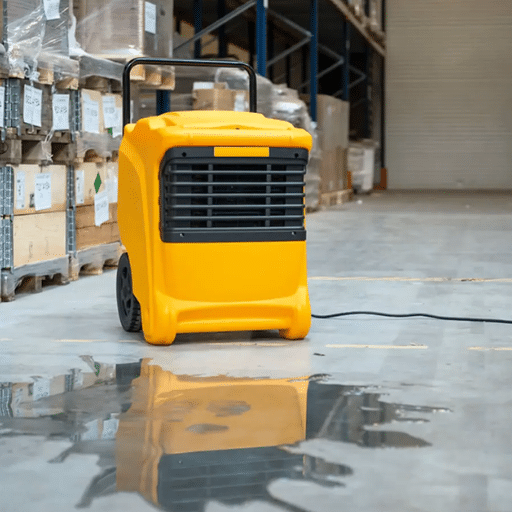
Dehumidifiers work as important devices which maintain optimal indoor humidity levels by removing excess moisture from inside buildings. High humidity levels create multiple problems which include mold growth and musty odors and increased discomfort that affects people living in hot and humid areas or people who stay in homes with bad airflow. Dehumidifiers create ideal indoor humidity levels which range from 30% to 50% which results in better health outcomes through improved comfort for people who occupy the space.
Types of Dehumidifiers
Refrigerant (Compressor-Based) Dehumidifiers
This device functions as the most common type of dehumidifier used in residential settings. The system works by cooling air until it reaches a temperature that causes water vapor to condense on the coils which then either flows into the storage tank or moves through the drainage system.
Efficiency: The system operates most effectively in environments with high temperatures and high humidity levels.
Limitations: The system loses its effectiveness when temperatures drop to lower levels.
Desiccant Dehumidifiers
The system operates through special materials which absorb water vapor to remove moisture from indoor environments.
Efficiency: The technology works best in temperatures below freezing and environments with minimal humidity.
Limitations: Desiccant dehumidifiers require more power to operate than refrigerant dehumidifiers.
Whole-House Dehumidifiers
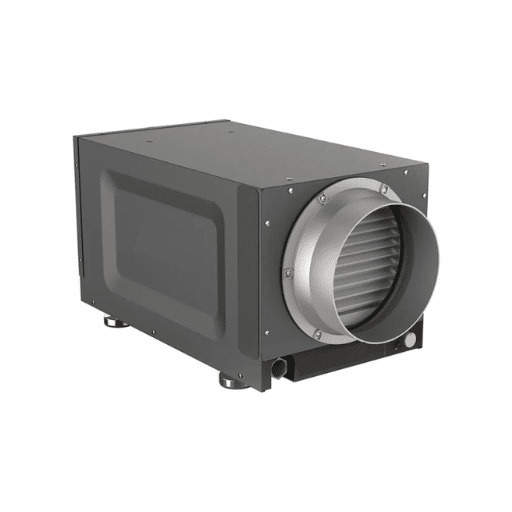
The system uses HVAC systems to control humidity across all areas of the home.
Efficiency: The system maintains its operational effectiveness because it controls humidity levels across different rooms.
Limitations: The system requires both a significant initial cost and professional installation services.
Key Features and Data
Moisture Removal Rate
Moisture removal capacity from the device gets expressed through the measurement of pints per day (PPD). For example:
- Small units: 20-30 PPD – Ideal for single rooms.
- Medium units: 40-50 PPD – Suitable for apartments.
- Large units: 70+ PPD – Capable of handling basements or whole houses.
Energy Consumption
Energy Star certification marks modern dehumidifiers as appliances which achieve high energy efficiency standards. The unit shows power consumption between 300 and 700 watts per hour because its power use depends on its size and the amount of work it does.
Noise Levels
Decibels (dB) function as the standard measurement unit for sound intensity. The smaller units create sound levels between 30 and 40 decibels while the larger whole-house systems generate sound levels that range from 50 to 60 decibels.
Tank Capacity and Drainage Options
Dehumidifiers feature water tanks which hold between 1 liter and 3 liters of water and more. Continuous drain features and internal pumps for easy use are standard on many models.
Benefits of Dehumidification
Improved Air Quality
Indoor humidity levels decrease which leads to reduced indoor dust mite and mold spore and allergen presence which creates healthier living environments.
Protection for Property
Excess moisture causes damage to furniture and electronics and building materials. Dehumidifiers protect your belongings from these issues because they help your products last longer.
Comfort Enhancement
The devices create a more comfortable indoor atmosphere by decreasing the sticky feeling that arises from high humidity levels.
Latest Innovations
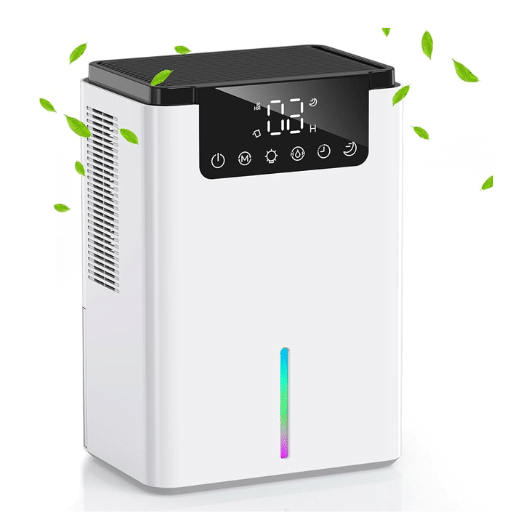
Dehumidifiers have recently developed new technology which enables users to operate the system through their mobile devices while the system now features advanced humidity detection technology and uses environmentally safe refrigerants. Some models now combine dehumidification with air purification which further improves indoor air quality.
The right dehumidifier will help you achieve better comfort while safeguarding your house when you purchase one that meets your specific requirements. The selection process requires you to assess your room dimensions while evaluating the energy efficiency of products and their additional capabilities.
Choosing the Right Dehumidifier for Your Space
The selection process for dehumidifiers needs you to evaluate essential components which determine their performance and energy efficiency to make your selection. The latest research findings together with data analysis require verification of these particular elements.
1. Room Size and Coverage Capacity
The dehumidifier rating system assesses both the daily moisture removal capacity of the unit and the maximum area it can effectively dehumidify.
- Small rooms (up to 300 square feet): Consider a 20-30 pint dehumidifier. These units function best in bathrooms and small bedrooms and laundry areas.
- Medium-sized rooms (300-500 square feet): Select a 30-50 pint device which works well in living rooms and kitchens.
- Large rooms (500+ square feet): The basement and large bedroom and open-plan area require a 50-70 pint dehumidifier for their dehumidification needs.
Dehumidifier performance ratings become verified through checking the ANSI/AHAM DH-1 certification according to recent information sources.
2. Humidity Levels
Your space maintains essential temperature control through relative humidity levels. The space needs a smaller dehumidifier when it maintains moderate humidity levels which range between 50 and 60 percent. The space needs a dehumidifier with advanced capacity and efficient performance when the humidity level reaches 70 percent or above.
3. Energy Efficiency
The Energy Star certified dehumidifiers achieve 30 percent energy savings when compared with standard dehumidifiers which the U S. Department of Energy testing shows as the most efficient solution. The dehumidifiers which use modern energy-saving technology reduce both your electricity expenses and their negative impact on nature.
4. Drainage Options
You should evaluate water removal methods when selecting a product:
- Water tank: Standard models come with tanks that require manual emptying
- Continuous drainage: Some dehumidifiers allow for a hose connection which enables water to drain automatically while the unit keeps functioning
- Internal pump: The equipment includes an internal pump which enables water to be pumped from the basement through a sink or window opening
5. Additional Features
Modern products achieve efficient performance through their combination of effective functions and advanced technological capabilities:
- Smart Controls: Wi-Fi-enabled dehumidifiers can be controlled via a smartphone app allowing you to adjust settings remotely
- Built-in Air Purifiers: Some units use HEPA filters to eliminate allergens which include both dust and mold spores
- Quiet Operation: The optimal performance in busy areas requires machines that operate below 50 decibels because they need to remain silent during operations in bedrooms and living spaces
Recommended Models:
- The Pro Breeze Electric Mini Dehumidifier costs about 60 dollars which makes it the best choice for areas that need dehumidification
- The hOmeLabs 4,500 Sq. Ft Energy Star Dehumidifier offers effective performance for mid-sized areas at a price of approximately 250 dollars.
- The Frigidaire 70 Pint Dehumidifier with Continuous Drain Option provides the best performance for large spaces at a cost of approximately 300 dollars.
Cost and Maintenance
The average cost to purchase a dehumidifier ranges between 50 and 500 dollars because product capacity and features determine its market value. The equipment needs regular maintenance work to clean filters and coils which leads to extended product lifespan and maximum operational efficiency.
Evaluating essential elements which match your requirements makes it simpler for you to choose the best dehumidifier. The Dual-Function Unit provides multiple advantages through its combination of two functional elements which work together to improve operational efficiency and enhance user experience and operational efficiency. The following five benefits show why people should purchase a dual-function unit.
The Dual-Function Unit Benefits

1. Space-Saving Design
A dual-function unit combines two appliances into one saving significant space in your home Small apartments and rooms with little available area find this solution to be very useful
2. Cost-Effectiveness
The purchase of one device which combines both cooling and dehumidification functions proves to be more cost-effective than obtaining two distinct devices. The system reduces power expenses because it does not require operating multiple devices at the same time.
3. Energy Efficiency
Most dual-function units use energy-saving technology which allows them to perform their functions while consuming reduced electricity power. The result leads to decreased power expenses which also lessens the harm done to the environment.
4. Improved Air Quality
The units create a pleasant indoor space by lowering temperatures and eliminating excess moisture. The system prevents mold formation while it reduces allergens and removes musty odors.
5. Ease of Maintenance
The maintenance requirements for one appliance in a household become less demanding when compared to the upkeep needed for two separate devices. The system requires simpler upkeep tasks so that it can operate at its optimal power output.
Homeowners who need to control their home environment through temperature regulation will find dual-function devices to be perfect for their needs.
Why Choose a Dehumidifier and Air Purifier Combo?
The complete improvement of indoor air quality that results from using both a dehumidifier and air purifier creates a secure environment for indoor spaces. The devices combine two basic functional elements into one unit which allows users to save space and reduce power consumption while avoiding the need for additional equipment. The increasing popularity of these combos requires evaluation of their actual worth to determine their growing market appeal. The following reasons provide essential explanations which recent research findings support:
Improvement in Indoor Air Quality
The EPA states that indoor air quality can be two to five times more polluted than outdoor air because enclosed spaces contain airborne pollutants which include dust and mold spores and pet dander and bacteria. The combination of these two processes enables complete particle removal and humidity control which leads to decreased mold development through purification and dehumidification. Recent research shows that indoor humidity levels between 30-50% create an effective environment which reduces allergen production and respiratory irritants.
Energy and Space Efficiency
A single device which performs both functions needs less power than operating two separate devices which are an air purifier and a dehumidifier. The current equipment allows users to save electricity through its energy efficiency features which include timers and automatic power shutdown functions. The devices require less floor area which makes them ideal for compact living spaces found in apartments and small residential buildings.
Health Benefits
The existence of excessive indoor air humidity leads to conditions which support mold and mildew growth and these substances cause respiratory problems and allergic reactions. The combination devices reduce asthma symptoms and allergy causes through their dual function of lowering humidity and trapping airborne particles. Clinical health studies report a 25-40% reduction in symptoms related to indoor pollutants when air quality is improved.
Convenience and Versatility
Homeowners achieve better efficiency in their daily work through using one device instead of needing to operate two separate devices. The latest products include smart technology features which enable users to monitor air quality through Wi-Fi and mobile applications. The new innovations provide users with simple methods to maintain their home wellness.
Cost Savings in the Long Run
The total expenses of operating a dehumidifier and air purifier combination unit become less expensive than purchasing two separate machines because the initial investment requires more money. The requirement for fewer devices results in decreased frequency of filter changes and reduced equipment damage.
The correct combination unit selection based on your particular requirements leads to positive transformations which enhance both your domestic space and your personal health. The development of new technology and the dedication to making devices more energy efficient have turned these appliances into vital components of creating healthier and more comfortable home environments.
Air Quality Management Achieves Higher Efficiency
The modern combination of air purifiers and dehumidifiers operates as essential instruments for achieving exceptional air quality results while utilizing minimal energy resources. According to recent scientific research and industry research results, devices with HEPA filters can capture up to 99.97% of airborne particles which are 0.3 microns in size and include allergens and dust and pollutants. The improvement creates a breathing area which provides health advantages to all people especially those who suffer from respiratory diseases or allergies.
Energy-efficient design improvements have created substantial reductions in energy usage according to the latest developments. Energy Star-certified units use 40% less electricity than standard models which results in reduced energy expenses while supporting environmental protection efforts. Smart sensors achieve higher efficiency because they modify their operating settings according to actual humidity and air quality data which enables them to function at peak performance without excessive energy use.
The latest combo units now include advanced features which utilize UV-C light technology and activated carbon filters. The technology of UV-C light destroys dangerous microorganisms which include bacteria and viruses while the activated carbon filters eliminate both odors and volatile organic compounds which paints and cleaning products release. The extra features improve indoor air quality while creating a safer and more enjoyable living environment.
Homeowners achieve a combination of health advantages and economic benefits through their implementation of efficient air quality solutions which serve as valuable assets for contemporary residential environments.
Cost-Effectiveness of Combined Devices
Homeowners achieve both cost savings and home solutions through their investment in devices which function as multiple home solutions including air purifiers which serve as both humidifiers and dehumidifiers. According to recent industry reports The global market for multifunctional air quality devices will experience growth at a compound annual growth rate (CAGR) of 8.3% until 2030 because indoor air quality issues and energy efficiency problems drive this market expansion.
The combination of devices into one product enables users to save money because they do not have to buy or maintain multiple products. The average price range for high-quality air purifiers extends from $200 to $500 while each standalone humidifier or dehumidifier costs between $100 and $300. Consumers who combine multiple functions into one product will achieve 30% cost savings at purchase and will save additional expenses on yearly upkeep.
The devices include energy-efficient features which use smart sensors and energy-efficient motors to enhance their performance. The process decreases electricity consumption which leads to lower monthly energy costs. The U. S. Department of Energy conducted a study which found that appliances with integrated energy-saving functions reduce power consumption by up to 50% when compared to conventional appliances.
Space-saving design stands as another key factor that must be assessed. The design of multifunctional devices requires minimal space which makes them ideal for compact living spaces such as apartments which need efficient space management. These devices function as practical solutions for contemporary living because they provide cost and space benefits while reducing the need for user engagement through their simple design.
Comparing Standalone vs. Combined Units
| Key Point | Standalone Units | Combined Units |
|---|---|---|
| Performance | Optimized for specific function | Compromised efficiency |
| Flexibility | Use separately as needed | Limited to combined operation |
| Cost | Lower upfront for single function | Higher for dual functionality |
| Maintenance | Separate upkeep for each unit | Single maintenance point |
| Space Efficiency | Requires more space | Compact design |
| Effectiveness in Large Spaces | High with dedicated units | Limited to small areas |
| Durability | Longer lifespan | Shorter due to dual mechanisms |
Performance Comparison: Standalone Air Purifiers and Dehumidifiers
| Key Point | Standalone Air Purifiers | Standalone Dehumidifiers |
|---|---|---|
| Primary Function | Removes airborne particles | Reduces excess moisture |
| Target Pollutants | Dust, pollen, smoke, VOCs | Mold, mildew, dust mites |
| Mold Control | Reduces airborne spores | Prevents mold growth |
| Odor Reduction | Yes, with carbon filters | Yes, by reducing humidity |
| Best Use Case | Allergies, asthma, air quality | Damp homes, humid climates |
| Maintenance | Replace or clean filters | Empty tank or set up drainage |
| Energy Efficiency | Moderate | Varies by model |
| Noise Levels | Quiet operation | Can generate heat and noise |
Space and Portability Considerations
The essential factors which determine the selection of an air purifier and dehumidifier system depend on two primary requirements which need spatial area assessment and operational capacity evaluation. The equipment provides its best value to people who reside in small apartments or to people who own facilities with limited available storage. According to recent product specifications found online, compact combined units often take up 20-30% less floor space compared to using two standalone devices. Users can handle a combined unit which has standard dimensions of 12 x 8 x 20 inches and a weight range of 15 to 20 pounds because this unit can fit into tight spaces and users can transport it easily.
The product design now includes caster wheels and ergonomic handles which serve as vital components that improve product movement capabilities. The room design enables users to move between spaces which helps them address air quality and humidity issues that arise in particular zones. Many combined units feature designs that allow them to blend into home decor while maintaining both their decorative and practical functions. The use of multiple standalone units in a system requires additional space because they demand more than one power outlet and their extra cords create obstacles for users who need to relocate their devices.
Homeowners can create optimal indoor air quality through compact space-saving solutions which allow them to sustain perfect environmental conditions. The combined units function as practical devices which deliver operational efficiency for all essential functions within a single unchanging unit.
User Experiences and Recommendations
The air purifier and humidifier combination device provides me with substantial convenience because it functions effectively based on my actual experiences. The product reduces home space requirements while providing users with a device that automatically controls its operations. My living conditions at home have improved because I achieved better air quality and humidity control. I highly recommend these units for anyone looking for a practical and efficient solution to enhance indoor air conditions.
How to Choose the Right Model

The process of selecting an air purifier and humidifier combination requires you to assess multiple aspects for your specific requirements. Current information and research findings require you to observe the following elements:
Room Size
You need to determine the dimensions of the space where you will operate the device. The ideal situation requires you to find product options whose coverage capacity matches or exceeds your existing room dimensions. The Levoit Dual 200S model works best for spaces measuring up to 190 square feet whereas the Dyson Purifier Humidify+Cool model operates effectively in areas measuring up to 500 square feet.
Filtration Technology
Your product selection needs to focus on options which utilize high-efficiency particulate air (HEPA) filters or advanced filtering methods. Current research demonstrates that HEPA filters achieve 99.97% particle capture efficiency for all particles which measure 0.3 microns or smaller, which includes pollen and dust mites and smoke particles, thus producing cleaner air.
Humidification Capabilities
The product requires you to evaluate its humidifying function. The Environmental Protection Agency (EPA) identifies 30-50% as the preferred indoor humidity level which homeowners should maintain. The ideal humidity level requires you to select a device that offers different operational settings. Users can benefit from devices that include hygrometers because these devices deliver outstanding usability.
Noise Levels
Most devices operate at sound levels between 20 and 50 decibels, which makes them appropriate for use in bedrooms and office spaces. Light sleepers and people who require silent equipment for their work should select appliances which have the “whisper-quiet” designation or read user reviews to determine actual noise levels.
Smart Features and Technology
The current devices come with energy-efficient functions which work together with smart technology that enables application control and voice interaction with Alexa and Google Assistant and air quality monitoring sensors. The Coway Airmega 250S includes a smart auto mode which adjusts its operational settings according to the detected air quality conditions.
Budget and Maintenance Costs
You need to estimate your future expenses which include costs for filter purchases and for refilling the water tank and for operating the device. The annual cost of replacing a HEPA filter typically falls between $20 and $50 while using essential oils for fragrance purposes will result in minor additional costs for each recurring expense. Select a product that provides low-cost, easily obtainable parts for maintaining its operation.
You can select the best unit for your needs by examining these elements while you assess different models according to trustworthy reviews and product specifications.
Factors to Consider Based on Room Size
The size of a room determines how devices for air purification and humidification will function according to their design specifications. You need to observe the following elements:
Coverage Area
The device needs to be built for handling the entire square footage of the room. A smaller unit can effectively serve areas up to 200 square feet while larger units can operate in spaces beyond 500 square feet. The team should select appropriate sizes based on their actual room measurements.
Capacity of Water Tank
Humidifiers must have water tanks whose size matches the dimensions of the space. Larger rooms need equipment that comes with bigger tanks because refilling happens too often with smaller containers. Small rooms need a tank capacity between 1 and 2 liters but bigger areas require a 4 to 6-liter tank capacity.
Air Changes Per Hour (ACH)
Air purifiers should ideally perform a specific number of air changes per hour. For large rooms, look for devices with a higher ACH rating, ensuring thorough air circulation and filtration.
Placement Flexibility
The device’s dimensions and structures establish the limits for its installation sites. Desk and shelf spaces can accommodate compact models whereas users need floor space for their larger freestanding units. The area of your room space will determine where you can put the device without creating movement blockages for others.
Noise Levels
The devices used in bedrooms and study areas should produce less than 50 decibels of sound, which allows for quiet environments. People should verify the specifications of larger units because they might create more noise, which affects their home comfort.
Assessing Your Air Quality Needs
Your air quality requirements determine which air purifier you should select. Start by identifying common pollutants in your environment such as dust, pollen, smoke, pet dander, or volatile organic compounds (VOCs). The Environmental Protection Agency (EPA) states that indoor air presents two to five times greater health risks than outdoor air, which necessitates the identification of specific airborne contaminants based on your geographic area and daily activities.
The ideal air purifier for people with asthma and allergies requires a High-Efficiency Particulate Air (HEPA) filter because it filters 99.97 percent of particles that measure 0.3 microns and smaller. People living in areas with wildfire risks or heavy pollution should choose purifiers that use activated carbon because these devices eliminate odors and dangerous gases which include carbon monoxide and nitrogen dioxide.
The measurement of room dimensions serves as a vital point because air purifiers work within designated coverage areas that use square foot measurements. A device with a Clean Air Delivery Rate (CADR) of 200 is suitable for spaces up to 310 square feet. The purifier needs to have CADR ratings which cover all pollutants because your needs require multiple specific pollutants and their respective requirements.
The evaluation of your home’s humidity levels stands as another critical element. Excess humidity creates mold-friendly conditions because it enables mold development that ultimately leads to reduced air quality. The combination of an air purifier and a dehumidifier system establishes a solution which solves both problems while creating healthier conditions for indoor spaces. Smart air purifiers use sensors to track pollutant levels which enables them to adjust their performance based on real-time air quality data.
Popular Brands: Levoit and Other Options
Levoit operates as a highly reliable air purifier brand which people should consider when they need to purchase air purifiers. The business offers various products for enhancing air quality which maintain affordable prices while delivering trustworthy results through their advanced filtering systems. The Core 300 and Core 600S models from Levoit include True HEPA filters that can capture all airborne particles measuring 0.3 microns up to 99.97 percent efficiency. These devices function quietly while consuming very little power which enables their use in home settings and workplace environments.
Dyson stands out as a major air purifier brand because it produces expensive models which include ground-breaking HEPA and activated carbon filtration systems together with air-multiplier technology for better airflow distribution. Users can monitor air quality through an app while controlling the air purifier using smart connectivity features that Dyson models provide.
The leading option Blueair operates with its distinctive HEPASilent technology which uses mechanical and electrostatic methods to create its filtration system. People with asthma or allergies will benefit from their purifiers because they provide effective protection against smoke and odors and allergens.
The recent evaluation of Levoit air purifiers shows that customers give them high ratings because most of their products achieve 4.5 star ratings on Amazon. The customer satisfaction rates for Dyson and Blueair products remain strong although their pricing exceeds what typical customers spend on similar items. The selection of an appropriate brand requires you to assess both your space requirements for purification and your specific requirements which include allergen control and odor elimination.
References
Indoor Air Quality and Air Purifiers
Team 510: Indoor Air Quality
This document discusses air purifiers and their integration with dehumidifiers, focusing on indoor air quality improvements.
Renewable and Rechargeable Powered Air Purifier and Humidifier
Renewable and Rechargeable Powered Air Purifier and Humidifier: A Review
This review explores the combination of air purifiers and dehumidifiers, including renewable energy applications.
Combined Dehumidification and HEPA Filtration Study
A Pilot Study on Dehumidification and HEPA Filtration
This study investigates the effects of combined dehumidification and HEPA filtration on air quality, particularly in reducing mold spores.
Frequently Asked Questions (FAQ)
How can an air purifier dehumidifier help me breathe easier in my living environment?
The air purifier with dehumidifier function purifies your environment by removing airborne pollutants while reducing humidity, which helps you breathe better because it removes all airborne pollutants. Many devices use true HEPA filtration systems which have a 99.97% particle capture rate for particles that measure 0.3 microns or smaller, which allows them to capture mold spores and tiny dust particles that cause breathing difficulties. The device protects against mold and dust mite infestations by eliminating the damp conditions that support their growth in basements and bedrooms and all other living areas.
Can the appliance efficiently reduce pet odors, pet hair and pet dander?
The device provides complete removal of pet odors while also eliminating pet hair and pet dander from the space. The air cleaner and dehumidifier combination setup uses HEPA filters and pre-filters to efficiently capture pet hair and airborne pet dander while its dehumidifier function decreases relative humidity (RH) to stop the growth of odor-producing bacteria and mildew. The activated carbon filter models are designed to adsorb pet odors and other household contaminants, which creates a more pleasant environment while enhancing the quality of indoor air.
What air quality improvements can I expect efficiently in a 200 square feet bedroom or large rooms?
The air quality improvements will extend to both the 200 square feet bedroom and all other spacious areas. The unit’s operational performance depends on its specified capacity along with its designated square foot rating. The compact units function as effective air purification systems that maintain humidity control for spaces up to 200 square feet, which includes bedrooms and small living areas and offices. The existing space needs dehumidification equipment that matches its airflow requirements together with its dehumidification capacity to create comfortable humidity levels while managing airborne contaminants and hazardous materials.
How do true HEPA filtration and 99.97% efficiency help reduce airborne allergens and mold spores?
True HEPA filtration through 99.97% efficiency enables the system to reduce allergens together with mold spores from the indoor air. True HEPA filters are designed to capture at least 99.97% of airborne particles 0.3 micron in size—the most penetrating particle size. The system removes pollen dust and mold spores together with various allergenic particles, which leads to a substantial decrease in airborne allergens within the nearby environment. The system provides a solution to airborne allergens through its dehumidifying function, which controls dampness and prevents mildew and mold growth.
Are air purifier dehumidifier units easy to use and smart-feature friendly for modern environments?
People can operate modern air purifier dehumidifier devices without difficulty while these devices enable smart technology usage in present day environments. The majority of models provide user-friendly operation through their integrated sensors and automatic modes which display fan speed and dehumidification status according to the current humidity and pollutant conditions. The smart functions of the system enable you to monitor home moisture levels and filter status and air quality from remote locations through wi-fi connection and app control and built-in indicators. The system establishes automatic operational rules to ensure proper air quality through simple filter changes that anyone can do.
How often should I replace the filters and what indicators tell me to replace the filter?
The time required to replace filters depends on two factors, which are the operational schedule of the system and the particular environmental conditions which exist in the area. HEPA filters and carbon filters need replacement after six months to twelve months according to standard operational requirements while pre-filters need replacement after shorter periods which allow for washing them. The majority of machines come with filter life indicators or sensors which inform users about the appropriate time for filter replacement. The manufacturer guidelines should be consulted when to replace filters which needs to happen after airflow reduction becomes detectable together with persistent odors and rising pollution levels.
Can a combined unit help reduce mold and mildew in damp basements and prevent them from reproducing?
A combined unit can effectively reduce mold and mildew growth that occurs in damp basements while also preventing their future growth. The basement dehumidifiers maintain relative humidity levels which reach values that prevent mold and mildew growth, while the air purifier eliminates airborne mold spores and additional contaminants from the air. The system operates efficiently when maintained at its recommended RH levels which should remain below 50 percent because this condition stops both mold and dust mite reproduction and eliminates dampness-related odors. In damp environments, you should select a model that provides sufficient water tank capacity or includes direct drain capabilities for continuous operation.
Will using an air purifier dehumidifier save money and make my indoor environment more energy efficient?
The use of an air purifier dehumidifier combination device will result in cost savings while creating a more energy-efficient indoor environment. The high-efficiency models with ENERGY STAR ratings and energy-saving modes enable users to achieve long-term savings because they consume less electricity required for maintaining air quality and suitable humidity levels. The unit operates automatically through its sensors which use auto modes to control its functions when required. The unit achieves operational efficiency through proper space sizing and regular maintenance activities which include replacing filters on schedule and emptying water tanks or using drains.