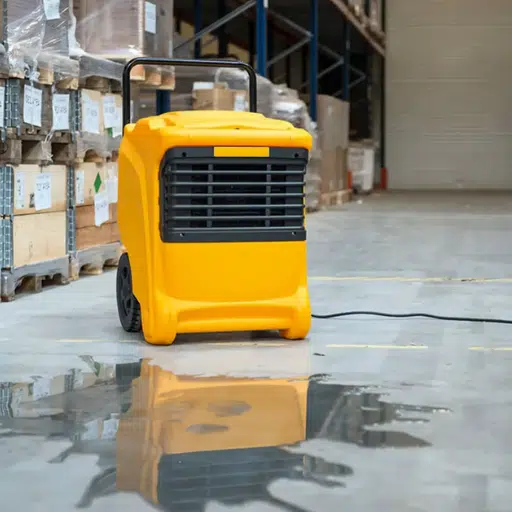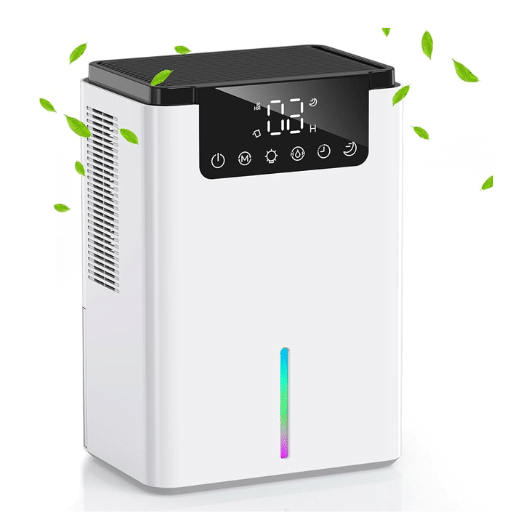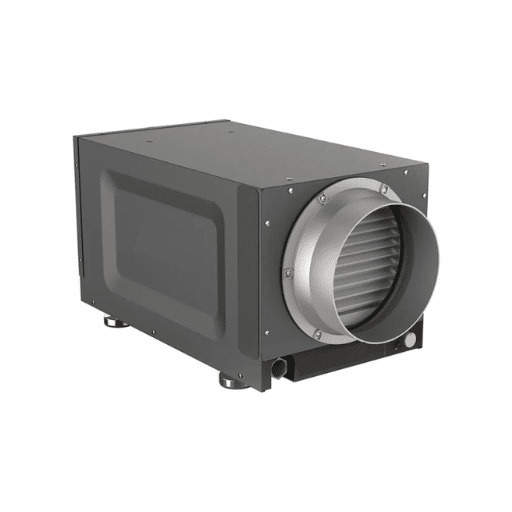
Your home needs you to keep the exact humidity level because this requirement creates a space which enables people to live comfortably and maintain their health. The problems which high humidity creates include the development of mold and allergens and the destruction of furniture whereas low humidity leads to skin problems and breathing difficulties and general discomfort. The whole house dehumidifier system provides the best solution for your home because it creates perfect humidity levels which result in pure air and protect your home. The article shows how whole house dehumidifiers help people through their installation process and demonstrate their value for residential properties. The transformation process will create a living space which delivers both comfort and health benefits to you.
Introduction to Whole House Dehumidifier Systems

A whole house dehumidifier system is designed to control and sustain uniform humidity conditions throughout every part of a residence. The system operates by removing excessive moisture from indoor air to stop mold development and mildew formation and the destruction of furniture and walls which occurs during periods of excessive humidity. The systems work together with your existing HVAC system to provide complete air control and home comfort without requiring any additional portable dehumidifier units. A whole house dehumidifier creates a more sanitary home environment which helps people breathe better while reducing allergens and stopping moisture damage to their property.
Understanding Humidity in Your Home
Optimal Indoor Humidity: 30% – 50%
Experts recommend maintaining indoor humidity levels within this range for the best health and comfort outcomes.
Humidity represents the moisture content present in the air through which proper humidity control creates fundamental conditions that establish an enjoyable and healthy indoor environment. The optimal humidity level maintains 30% to 50% because higher humidity enables mold and dust mite and bacteria growth while lower humidity causes skin and eye and respiratory tract dryness and damage to wooden furniture and flooring.
🌡️ High Humidity Problems
- Mold and mildew growth
- Dust mite and bacteria proliferation
- Sticky, uncomfortable environment
- Structural damage to home
- Damage to furniture and electronics
❄️ Low Humidity Problems
- Dry skin and eye irritation
- Respiratory tract dryness
- Damage to wooden furniture and flooring
- General discomfort
- Respiratory illnesses (NIOSH)
The combination of high temperatures and high humidity creates sticky and uncomfortable home environments which leads to excessive humidity during summer months and in regions that experience heavy rainfall. Data shows that homes in humid regions like the southeastern United States experience higher risks of mold and mildew proliferation which results in health concerns and structural damage.
Arid climates and winter indoor heating periods create dry air environments because they produce low humidity conditions. The National Institute for Occupational Safety and Health (NIOSH) established this pattern which shows low indoor humidity levels lead to respiratory illnesses and skin irritation in colder areas.
Homeowners can achieve successful humidity control through the installation of a whole house dehumidifier together with a humidifier for use during dry times. Modern dehumidifiers operate automatically through their moisture detection system which maintains air quality and minimizes energy usage. Homeowners should use cheap hygrometers to track humidity levels in their homes because this practice helps them maintain healthy indoor conditions through necessary humidity adjustments.
The Importance of Air Quality
Air quality functions as an essential component which helps maintain human health and complete wellness. Polluted air creates multiple health problems which impact both breathing capacity and cardiac health. People attain superior health results while protecting the environment when they understand air quality factors and use techniques to improve air quality. The following section presents five essential elements of air quality which scientists have examined to demonstrate their significant effects through their research findings.
🫁 Respiratory Health
People who experience poor air quality conditions can develop or suffer worsening symptoms of respiratory diseases which include asthma, bronchitis and chronic obstructive pulmonary disease (COPD). The World Health Organization (WHO) reports that breathing fine particulate matter (PM2.5) leads to respiratory infections and lung development problems in children who experience long-term exposure to this pollution.
❤️ Cardiovascular Risks
Research studies demonstrate that air pollution directly affects cardiovascular health. The American Heart Association indicates that people who breathe air pollutants especially fine particles face higher chances of experiencing heart attacks and strokes and developing high blood pressure.
🏠 Indoor Air Pollution
Indoor air becomes 2 to 5 times more polluted than outdoor air because of indoor pollution sources which include household cleaning products and bad ventilation systems and dust mites and pet dander allergens. The Environmental Protection Agency (EPA) states that better indoor air quality leads to a 50% decrease in headache and fatigue and allergy symptom occurrences.
💀 Mortality Rates
Air pollution stands as the primary environmental factor that causes premature deaths throughout the world. The WHO estimates that outdoor air pollution leads to approximately 4.2 million premature deaths annually while indoor air pollution from solid fuels accounts for an additional 3.8 million fatalities.
🧠 Cognitive Effects
New studies show that polluted air affects both the cognitive abilities and psychological wellness of people who are exposed to it. A recent study published in “Nature Aging” found that people who experience long-term exposure to fine particulate matter show a decline in their cognitive abilities over time.
By addressing these aspects and prioritizing air quality, individuals and communities can contribute to healthier, more sustainable living environments.
Overview of Whole House Dehumidifiers
Whole house dehumidifiers operate as advanced systems which develop humidity control mechanisms for complete home humidity management which results in better indoor comfort and superior indoor air quality. The systems function by extracting excessive humidity from indoor spaces, which stops mold development and dust mite infestations and musty odors from occurring in areas that experience high levels of humidity. The built-in design of whole house dehumidifiers enables their operation with home HVAC systems, which allows homeowners to control their indoor humidity levels according to their needs.
🔑 Key Benefits of Whole House Dehumidifiers
- 🌬️
Improved Air Quality: The dehumidifiers maintain optimal humidity levels which generally stay between 30-50% to decrease allergen levels from mold spores and dust mites, thus creating a healthier environment for people to live in.
- 🏡
Protective Measures for Your Home: Excessive moisture can damage wooden furniture, flooring, and even the structural integrity of a home over time. The whole house system maintains moisture control to protect against these threats.
- ⚡
Energy Efficiency: Energy Star certification applies to many of the latest models because they consume less energy than both previous systems and portable units which results in decreased utility expenses.
📊 Performance Data and Insights
✨ Additional Features in Modern Systems
Homeowners can control their indoor humidity through the latest whole house dehumidifiers which feature digital controls that users can program and automatic drainage systems and smart technology connections.
The increasing knowledge about indoor air quality effects on human health creates a need for whole house dehumidifiers which help create healthier home environments while saving energy.
Benefits of a Whole Home Dehumidifier

The indoor environment of a house becomes completely dry because whole home dehumidifiers which prevent mold growth and mold development and dust mite reproduction. The Environmental Protection Agency (EPA) recommends indoor spaces should maintain humidity between 30% and 50% to achieve better air quality and decreased allergen levels.
The building suffers structural damage because excessive humidity creates condensation which results in water accumulation that damages walls and ceilings and wooden components which include flooring and furniture. The dehumidifier system protects your home from structural deterioration caused by moisture problems.
People experience higher comfort levels during summer when indoor spaces maintain lower humidity because this condition makes their environment more comfortable. The process achieves optimal results during conditions when the atmosphere reaches extreme humid levels which produce uncomfortable sticky and damp weather patterns.
The HVAC system achieves energy savings because it requires less power to maintain indoor temperature control when humidity levels stay within specific limits.
High humidity levels create lasting damage to essential items which include electronics and books and artwork. The whole home dehumidifier system maintains a dry storage environment by eliminating all moisture from the space which contains these items.
🌿 Improved Air Quality and Comfort
Your home dehumidification system installation provides two benefits because it decreases indoor humidity and improves indoor air quality. High humidity conditions create optimal growth conditions for mold and dust mites and other allergens which result in worsened allergy and breathing problems. The Environmental Protection Agency (EPA) recommends that indoor spaces maintain humidity levels between 30% and 50% to reduce health hazards. The dehumidifier works most effectively to maintain optimal humidity levels which provide you and your family with cleaner and safer breathing air.
Spaces with controlled humidity levels provide better comfort to their inhabitants. People experience discomfort during hot months because excessive moisture in the air creates the sensation that temperatures are higher than their actual value. Your home maintains a comfortable temperature because humidity control prevents your air conditioning system from excessive operation. Proper humidity control systems enable homes to maintain clean indoor air because these systems stop musty odors and water condensation problems from occurring. The purchase of a whole home dehumidifier provides both immediate health advantages and enduring improvements to comfort levels.
🤧 Allergen Reduction and Health Benefits
Your home experiences multiple problems which become worse because of excessive humidity. All areas which have high humidity create an ideal environment which enables mold and mildew and dust mites to multiply. The Environmental Protection Agency (EPA) recommends that people should keep indoor relative humidity levels between 30% and 50% because this range helps to reduce allergen exposure. Mold spores begin to grow when humidity reaches 60% which results in health issues that include sneezing and nasal congestion and asthma attacks for people who are sensitive.
The installation of a whole home dehumidifier system functions as an efficient method which reduces allergen levels throughout your entire house. Dust mites represent one of the most common allergy and asthma triggers because they require high humidity conditions to survive and produce offspring. Research shows that maintaining a relative humidity below 50% can reduce dust mite populations which leads to two benefits of better indoor air quality and reduced allergy symptoms. Home humidity control systems provide people with COPD and asthma better breathing ability through their ability to maintain balanced indoor humidity levels.
Dehumidifier purchasing will create living conditions which become more comfortable and result in health benefits. Research studies show that reduced allergen levels in indoor air result in decreased doctor visits for allergies and better sleep quality. Your health benefits from maintaining humidity at the right level which also protects your belongings and home structure from damage caused by mold and moisture.
⚡ Energy Efficiency Compared to Air Conditioning
Dehumidifiers operate with greater energy efficiency than air conditioning systems because they manage indoor humidity levels instead of creating chilled air. The system efficiency demonstration requires these five key components together with their respective measurement data.
- Dehumidifiers use 30–50% less power than air conditioners because both devices work to decrease humidity levels in enclosed areas.
- Dehumidifiers operate at lower power consumption for moisture extraction compared to air conditioning systems because they provide direct humidity control while air conditioners produce cooling to achieve humidity reduction.
- Dehumidifiers enhance HVAC system efficiency because their operation with an HVAC system enables the air conditioner to function at higher efficiency, which results in decreased power consumption.
- Homeowners who use a dehumidifier for humidity control can expect to reduce their energy expenses by 20 to 40 percent when compared to air conditioning systems which only use air conditioning for this purpose.
- Dehumidifiers provide an eco-friendly solution for temperature and humidity control because they require fewer operational resources which results in reduced carbon emissions.
Installation Considerations for Whole House Dehumidifiers

The complete operational performance and energy efficiency of a whole house dehumidifier needs correct installation throughout its installation process. Here are five key considerations to keep in mind:
Sizing the Dehumidifier Properly
The dehumidifier capacity should be selected based on your home size and the regular humidity levels observed in your region. Equipment that is either too large or too small results in both operational inefficiency and insufficient humidity management.
Placement of the Dehumidifier
The unit should be installed in a location where it can access maximum airflow, such as near the HVAC system or in a central utility space. Proper placement of the equipment reduces both noise and vibration to the areas where people live.
Integration with HVAC Systems
The dehumidifier needs to be compatible with your current HVAC system for it to operate without interruptions. The two systems work together to handle temperature control and humidity management through this system connection.
Drainage Solutions
The system requires you to create an effective method for your dehumidifier water drainage system. The majority of units require either a gravity-based drain system first option or a pump attachment second option to remove condensation efficiently.
Professional Installation and Maintenance
The installation process needs to be performed by a licensed HVAC technician who will establish proper connections and ventilation systems and system settings. The dehumidifier will function longer when its filters are replaced and the unit undergoes regular maintenance inspections.
Homeowners achieve successful and smooth operation of their whole house dehumidifier through assessment of these essential factors.
Choosing the Right System for Your Home
The selection process for a suitable whole house dehumidifier requires detailed assessment which must take into account both your home needs and the environmental conditions which exist in your area. Homeowners should assess three key elements to reach an appropriate decision regarding their purchase.
📐 Consider the Size of Your Home
The dimensions of your residence together with the existing humidity conditions determine the dehumidifier capacity requirements which need to be implemented. Dehumidifiers operate by utilizing their moisture extraction capacity which manufacturers indicate through daily pints of water removal capacity. A 2,000-square-foot residence needs a dehumidifier with a minimum 30-pint capacity while spaces larger than 4,500 square feet require models with 70-pint capacity or greater. You must measure your home square footage and humidity levels using a hygrometer before you can establish the system requirements.
⚡ Energy Efficiency is Key
According to the U.S. Department of Energy certified dehumidifiers which hold ENERGY STAR status can reduce energy expenditures by 15% more than regular dehumidifiers because they maintain energy-efficient operation. The systems create cost savings for utility expenses while they also decrease the environmental damage they produce. The most effective units incorporate energy-saving options which include programmable timers and humidity sensors that enable you to achieve both optimal performance and eco-friendly operation.
🔧 Advanced Features to Look For
The majority of contemporary dehumidifiers provide smart connectivity features which enable users to control and track their devices through mobile applications. Other systems provide built-in air purification which functions to eliminate allergens and harmful substances while they remove excess moisture. The additional features provide two primary advantages because they enhance indoor air quality.
🌍 Climate Considerations
The southern and coastal regions require advanced dehumidification systems because these areas experience extreme humidity conditions. The drier regions require homes to operate with smaller systems that build specific targeted areas which include basements and crawl spaces.
💰 Cost and Longevity
A whole house dehumidifier system costs between $1,000 and $3,000 for its complete installation including its base units. The initial investment of this project appears expensive, yet it creates long-term savings because it stops expensive humidity-related damages, including mold remediation and structural damage, from happening. The system provides enduring worth because it contains robust components and superior warranty coverage.
💡 You need to analyze these factors together with your specific household requirements to select the best dehumidifier system that operates with high efficiency and effectiveness in your home. An HVAC specialist can help you understand everything better and provide you with professional advice that will help you make better decisions.
Dehumidifier Installation Process
The installation of a dehumidifier should take place before all other home humidity control measures which require operation at their highest levels. The following guide delivers complete installation instructions which show you how to install the equipment:
Determine the Location
Select a suitable location for the dehumidifier. The most effective installation site should be located in your home’s most humid part which includes the basement and laundry room and crawl space. The unit needs at least 6-12 inches of empty space because this distance allows for proper airflow. The current industry data shows that basements maintain relative humidity levels which exceed 60% making these areas ideal for dehumidifier installation.
Check Electrical Requirements
Most residential dehumidifiers require a standard 110-120V outlet but some larger models may need dedicated circuits. You need to check your home electrical system to determine its voltage and current capacity before you connect the unit. High-capacity dehumidifiers designed for large spaces can consume between 7 and 8 amps of electrical power.
Set Up the Drainage System
The system requires appropriate drainage mechanisms which stop people from needing to remove water manually. The unit connects to a drainage hose when it supports continuous drain operation. The hose needs to be positioned in a way that it delivers water to a nearby sink or floor drain or outside of the building. Some models include built-in pumps which enable vertical water movement for better operational versatility. For gravity-fed drainage, ensure the hose is positioned downhill.
Calibrate Humidity Settings
The dehumidifier needs to operate during installation because it needs to reach its desired humidity level after installation. The experts recommend maintaining indoor humidity levels between 30 and 50 percent because this range provides comfort while stopping mold growth. The majority of contemporary dehumidifiers include digital hygrometers and programmable humidity controls which enable users to make precise settings.
Test and Monitor System Performance
The installation process requires unit activation followed by 24-hour monitoring to confirm expected operational performance. The latest reports show that ENERGY STAR-certified dehumidifiers achieve annual energy savings which exceed standard models by 15 percent.
Schedule Maintenance
Regular maintenance is vital for longevity and efficiency. The manufacturer recommends cleaning the filter every 2-4 weeks while the drainage system should be checked for blockages. Research shows that systems with clogged filters experience a 10-15% reduction in efficiency over time.
The steps you need to follow will help your dehumidifier to run at its best while creating a healthier and more comfortable indoor space that lasts throughout the entire year. The process becomes easier when you reach out to a professional HVAC technician who can assist you with any problems you face or specific advice you need.
Whole House Dehumidifier Cost Analysis
People who want to purchase whole house dehumidifiers must understand both the factors and the cost components which lead to their ultimate purchase price. A project’s total cost consists of five major parts which establish its final expense.
| Cost Component | Details |
|---|---|
| 💲 Unit Price | The dehumidifier unit price depends on the brand and capacity and additional features which include smart controls and energy efficiency ratings. |
| 🔧 Installation Costs | The overall installation expense usually increases by $500 to $2,000 because the total costs depend on your HVAC system complexity and ductwork modifications and your local labor rates. |
| ⚡ Energy Efficiency | High-efficiency models may have a higher initial cost but save money in the long run because they use less energy. Energy Star-certified units provide the best performance and cost savings so you should choose them for your needs. |
| 🛠️ Maintenance Expenses | The annual cost of routine maintenance which includes filter replacement and system inspections ranges from $100 to $300. The system will maintain its efficiency and longevity when proper maintenance procedures are followed. |
| ✨ Additional Features & Upgrades | Some advanced dehumidifiers include features such as auto shut-off and digital controls and built-in air purification. The extra features will increase the overall expense between $200 and $500 while giving users better operational capabilities. |
Homeowners can select an appropriate system for their requirements and financial limits by evaluating these various cost factors.
Maintaining Your Whole Home Dehumidifier

The complete home dehumidifier needs proper upkeep to guarantee its optimal performance and extended lifespan and to avert expensive maintenance needs. The subsequent information delivers particular maintenance instructions which demonstrate the most efficient approach to system upkeep.
🔄 Regular Filter Cleaning and Replacement
The air filter in your dehumidifier traps dust particles and pollen particles and other particles that exist in the air. The system experiences clogging after some time which leads to decreased airflow and operational power. The filter needs cleaning once every month while the manufacturer recommends replacing it between three to six months. The regular filter cleaning process becomes essential because a clogged filter will cause energy usage to increase by 15 percent.
🧹 Inspect and Clean the Coils
Dirty coils prevent the dehumidifier from functioning properly. You need to vacuum or use a soft brush for cleaning the condenser and evaporator coils which should be done every six to twelve months. The best results come from using a non-abrasive coil cleaner. The operation of clean coils enhances heat transfer which results in a 20 percent decrease in equipment failures.
🚿 Drainage System Check
The system requires complete assessment to determine if all parts function as designed because any malfunction will result in water backflow which causes damage. The drainage hose requires monthly inspection to find any kinks or blockages or leaks that may exist in your system. The pump needs to undergo periodic testing to verify that it operates according to its intended functions in systems which utilize a pump system.
📊 Calibrate the Humidistat
The Humidistat needs calibration because it measures and controls home humidity levels. The device needs recalibration after it reaches its first operational period. The device needs annual calibration checks which most manufacturers recommend to verify its ability to maintain humidity levels between 30% and 50% throughout the year.
👨🔧 Professional Servicing
The system needs its yearly maintenance check to be done by a certified HVAC technician. The technicians will test electrical components and examine your system for potential problems while verifying the refrigerant levels in your dehumidifier. The unit’s regular maintenance schedule enables technicians to extend its operational life expectancy by up to 10 years.
📈 Monitor Energy Consumption
You must measure your system’s energy consumption. The sudden rise in energy costs indicates potential system issues which include a dirty filter and blocked airflow and hidden mechanical failures. Timely solution of these problems will prevent extra damage while maintaining energy efficiency.
Your whole home dehumidifier performance will improve through maintenance practices which will enable efficient operation during multiple years. The system will operate at lower energy costs which will result in higher savings when it receives proper maintenance.
📋 Regular Maintenance Tips
- ✔
Clean or Replace Air Filters: You must examine your dehumidifier air filters every one to two months for cleaning purposes and you must perform filter replacements when necessary. The system functions at its highest efficiency when the filter remains unpolluted because this condition enables uninterrupted airflow while preventing dust buildup that would otherwise harm system performance.
- ✔
Inspect and Clean Coils: During its entire operational period the dehumidifier coils accumulate both dust and debris. To maintain their heat exchange efficiency the coils need annual cleaning which prevents problems that lead to freezing and reduced operational capacity.
- ✔
Check the Drainage System: You need to verify that both the drainage hose and reservoir function correctly while remaining free from any blockages. When the drainage system becomes blocked the system loses its ability to drain water resulting in leaks and reduced operational capacity.
- ✔
Monitor Humidity Levels: A hygrometer should be utilized to track indoor humidity levels because this method helps maintain humidity between 30-50%. You need to adjust the dehumidifier settings in order to achieve consistent operational results.
- ✔
Schedule Professional Maintenance: You should get your dehumidifier inspected by an expert once every year. This process enables identification of mechanical problems which should be fixed to extend the machine’s operational period while enhancing its performance capabilities.
Troubleshooting Common Issues
🔧 When to Call a Professional
Your dehumidifier needs expert assistance after you have completed all standard troubleshooting steps but the unit still does not function correctly. The situation becomes urgent when there exist electrical defects and continuous water leaks and the equipment fails to function under perfect operation conditions. The certified technician will handle both equipment testing and repair work to resolve advanced technical difficulties.
Comparison: Whole House vs. Portable Dehumidifiers

| Key Point | 🏠 Whole House Dehumidifier | 🔌 Portable Dehumidifier |
|---|---|---|
| Coverage Area | Entire home | Single room or small area |
| Installation | Requires professional installation | Plug-and-play, no installation needed |
| Cost | Higher initial cost | Lower upfront cost |
| Energy Efficiency | More energy-efficient for large spaces | Less efficient for large spaces |
| Maintenance | Minimal maintenance required | Frequent cleaning and emptying |
| Moisture Control | Consistent and even | Limited to specific areas |
| Noise Level | Quieter operation | Can be noisy |
| Integration | Works with HVAC system | Standalone unit |
| Lifespan | Longer lifespan | Shorter lifespan |
| Portability | Fixed in place | Easy to move |
⚖️ Pros and Cons of Portable Dehumidifiers
| Aspect | ✅ Pros | ❌ Cons |
|---|---|---|
| Affordability | Lower upfront cost | May not last as long |
| Portability | Easy to move between rooms | Limited to small spaces |
| Installation | No installation required | Not integrated with HVAC |
| Maintenance | Simple to set up and use | Requires frequent cleaning/emptying |
| Energy Use | Suitable for small areas | Less efficient for large spaces |
| Coverage | Ideal for single rooms | Cannot dehumidify entire home |
| Noise | Generally lightweight and compact | Can be noisy during operation |
💲 Cost Comparison and Effectiveness
When you compare whole-house dehumidifiers and portable dehumidifiers, you need to evaluate their initial expenses and their efficiency over time. The following five points explain the different aspects between the two items.
| Factor | 🏠 Whole-House | 🔌 Portable |
|---|---|---|
| Initial Cost | $1,000–$2,500 (plus $500–$1,000 installation) | $50–$500 depending on size and features |
| Operating Costs | Reduced energy consumption in big areas but elevated power expenses because it runs nonstop | Minimal power but multiple devices needed for bigger spaces |
| Coverage Area | Up to 5,000 sq ft | 300–1,500 sq ft per unit |
| Maintenance Costs | $100–$300/year (filter + inspections) | Low cost – basic filter cleaning and water tank disposal |
| Effectiveness | Dependable humidity control during varying weather | Good for small areas; struggles in high-humidity large spaces |
🎯 Best Use Cases for Each Type
🏠 Whole-House Dehumidifiers
- Large buildings with multiple rooms and open spaces requiring complete humidity control
- Regions with persistent high humidity such as tropical and coastal areas
- Households needing to reduce indoor allergens including dust mites and mold spores
- Energy-efficient operation through connections with HVAC systems
- Continuous, automatic moisture control throughout the day without user intervention
🔌 Portable Dehumidifiers
- Bedrooms, bathrooms, and basements requiring targeted moisture control
- Specific dehumidification periods during rainy weather or following small water leaks
- Budget-friendly solution for addressing specific issues without a full home system
- Convenient for moving between different locations as needed
- Immediate operational use with no professional installation required
Frequently Asked Questions (FAQ)
📚 References
- Whole House Dehumidifiers – Field Controls: Discusses the design and functionality of dehumidifiers for basements, crawl spaces, and HVAC integration.
- Dehumidification Solutions – Goodman Manufacturing: Provides insights into whole-home dehumidifiers and their role in humidity control.
- Honeywell Home Whole-Home Dehumidification Systems: Explains the energy efficiency and benefits of whole-home dehumidification systems.