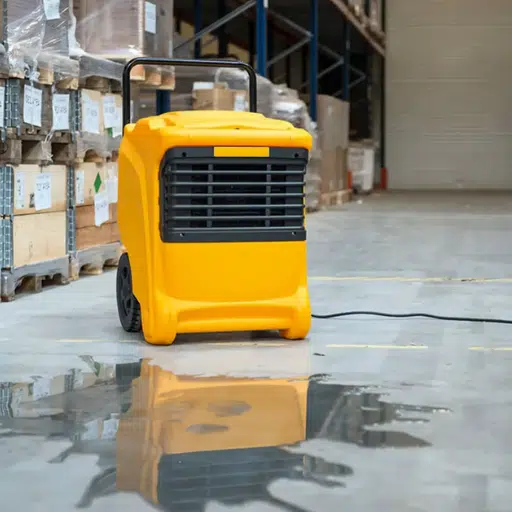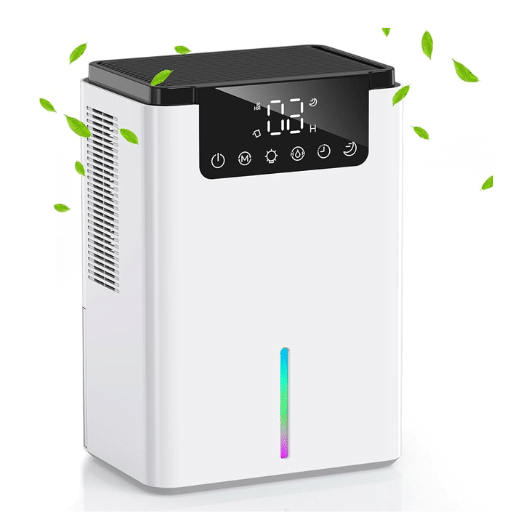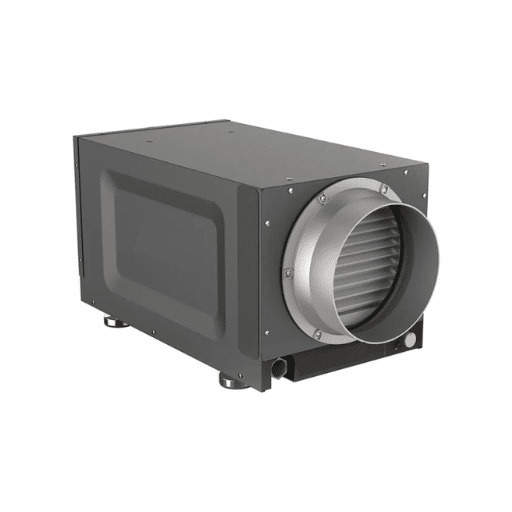
Mold proliferation is an action-taking and irritating problem that is quite common in households and which may negatively influence the building’s structure and the family’s health. Luckily, there are some devices specifically made to fix this problem, but the selection of the most suitable one can still be hard. Would it be best to go for an air purifier that will eliminate the mold spores from the air or a dehumidifier that will create unfavorable conditions for the mold by pulling the water away? This paper will walk you step-by-step through the major disparities of functions between the two gadgets, thus allowing you to figure out which one is the best for the purpose of controlling the mold in your place. Even if your only concern is air quality improvement or mold growth prevention, we are going to examine the advantages and disadvantages of air purifiers and dehumidifiers so that you can arrive at a well-informed decision.
Introduction
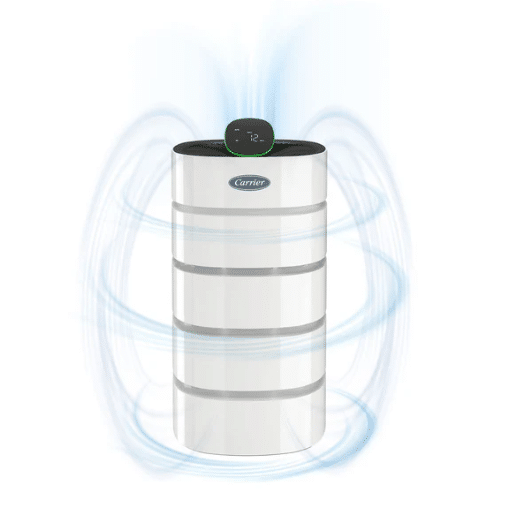
Air purifiers and dehumidifiers are two different machines in the fight against mold. If you want to get rid of mold spores from the air and get the air quality to be the best, then an air purifier fitted with a HEPA filter is a better choice. On the other hand, if you want to stop mold growth by taking away the water that mold needs to grow and survive, then a dehumidifier will work better. For overall mold management, the combination of both devices can yield the most effective outcome.
Overview of Mold Issues in Indoor Environments
Mold is a widespread problem that can be found in indoor places, where there is a lot of moisture and not enough air circulation. It can develop in various places, such as walls, ceilings, carpets, and other areas, and it will often cause damage and produce bad smells. In addition to that, air quality will decline and health problems like allergies, cough and itchiness of eyes, nose, and throat can occur. The main reasons for mold development are wet conditions and water leaks, therefore controlling indoor moisture is essential in preventing mold. Routine cleaning, good air circulation, and keeping the humidity level below 50% are all very important ways to keep your house safe from mold.
Importance of Air Quality in Mold Prevention
It is of paramount importance to maintain good air quality in order to prevent mold growth and to have a healthy living environment. Air quality that is not up to standard can provide the conditions that are perfect for mold to grow, while clean and ventilated air helps to stop its growth. The relationship between air quality and mold prevention is pointed out by five main factors mentioned below:
💧 Humidity Control
Keeping indoor humidity under 50% not only helps in mold growth prevention but also reduces the risk by as much as 90% since high humidity is the number one trigger for mold spore activity. So run the dehumidifiers and the air conditioners, particularly in the moist parts of the house.
🌬️ Proper Ventilation
Good ventilation facilitates air movement and avoids the situation where the air is not circulating, allowing moisture to be trapped and a potent atmosphere for mold to thrive. Take care to use exhaust fans in bathrooms and kitchens so that moisture does not build up as a result of the activities taking place there.
🔬 Air Filtration
The Filters with High-Efficiency Particulate Air (HEPA) in the heating, ventilation, and air-conditioning (HVAC) systems or in the independent air purifiers are, in fact, the ones responsible for getting rid of mold spores and other particles present in the air which results in better air quality indoors and the reduction of the movement of spores.
🔧 Regular Cleaning of Air Ducts
The duct system in a house is a large dust collector. Dust and debris in air ducts can be a good place for mold to grow and then it spreads all over. Regular inspection and cleaning of the HVAC systems can stop this from happening.
🔍 Detection of Water Damage
Mold is usually found in places that have been affected by water leaks or flooding. Keeping a close eye on the indoor air quality and moisture levels with the help of sensors and immediately fixing any leaks can go a long way in offering conditions that are not conducive to mold growth.
Purpose of the Comparison
The comparison’s primary goal is to scrutinize the different methods and practices applied to prevent and manage mold in indoor environments. The assessment of these methods will enable the adoption of the most suitable and effective strategies corresponding to the particular needs of the homeowners and property managers. These are the five main points being gone through comparisons:
- Cost Efficiency: Comparing the financial consequences of mold prevention and remedial measures, revealing the long-term financial benefits of regular maintenance.
- Effectiveness in Mold Prevention: Each method’s ability to reduce mold growth is evaluated based on scientific studies and case studies.
- Ease of Implementation: The accessibility and practicality of these approaches for different individuals and groups characterized by diverse resources and skills are analyzed.
- Impact on Air Quality: Each method’s impact on indoor air health and allergens’ elimination is assessed.
- Longevity of Results: The effectiveness and sustainability of the solutions to prevent mold from returning are identified.
The in-depth comparison is meant to provide the decision-makers with practical data and insights.
Understanding Air Purifiers
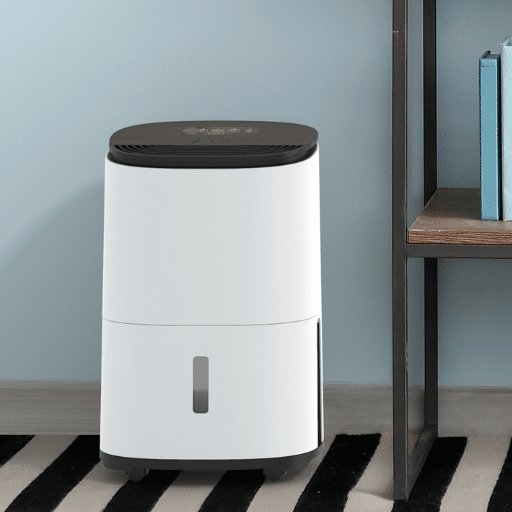
Air purifiers are devices that help in the purification of indoor air by reducing the amount of contaminants. They are mainly very helpful for people having health issues like asthma, allergies, or any kind of respiratory problems. Air purifiers can target and eliminate a huge number of pollutants by different technologies that include filtration. The list below mentions the five types of air purifiers that are usually available:
🔬 HEPA Filter Purifiers
High-Efficiency Particulate Air (HEPA) purifiers are the ones that use ultra-fine filters and are thereby capable of catching even the tiniest particles of 0.3 microns. They are also very good at dust and pollen removal, along with pet dander, thus being the top choice by most of the allergic patients’ households.
⚫ Activated Carbon Purifiers
These machines use activated carbon filters that are very effective in absorbing odors, chemicals, and volatile organic compounds (VOCs). They are the best at removing the smells of cooking, smoke, and harmful gases thus providing clean and odor-free air.
⚡ Ionic Air Purifiers
Ionic purifiers are those that emit negative ions which are responsible for the capture and attachment of the airborne particles. This, in turn, makes them heavier and leads them to fall down thus being out of the atmosphere. The devices are good at reducing particles; however, the generation of ozone as a byproduct might be a cause of concern.
💡 UV-C Light Purifiers
Ultraviolet (UV-C) light purifiers are devices that employ shortwave ultraviolet light that helps in the death or inactivation of bacteria and viruses along with the mold spores. They are great to be used in places where sterilization is crucial such as hospitals and clinics.
🌐 Ozone Generators
Ozone purifiers are the ones that generate ozone molecules, which are responsible for neutralization of the odors and also killing some airborne pollutants. Nevertheless, their use is still a matter of concern since they expose people to health risks that are linked to high ozone levels.
Every type of air purifier has its own merits and is fit for different customer requirements so they can be considered as the varied choices for adding the quality of indoor air.
How Air Purifiers Work
Air purifiers cleaner the air of indoor places by applying different methods and technologies specifically designed for the purification of air. Cleaner, healthier and more pleasant indoor environments can thus be created. Here are five air purification mechanisms frequently found in air purifiers and a description of their operation:
1. HEPA Filtration
Particulate Air High-Efficiency (HEPA) filters prevent the passage of 99.97% of the airborne particles that are sized 0.3 microns or larger. HEPA filters capture particles that include dust, pollen, mold spores, and even some bacteria. During this process, clean air gets to the room again through the mesh of the HEPA filter where the the impurities are trapped.
2. Activated Carbon Filters
The filters consist of activated carbon that does the work of absorbing and neutralizing odors, gases, and volatile organic compounds (VOCs). The work of HEPA filters and activated carbon are opposite; where the former removes particulate matter, the latter concentrates on chemical pollutants in the air making them highly effective in removing smoke and other unpleasant odors.
3. UV-C Light Technology
The method for air cleaning with UV-C light purifiers is through the destruction of bacteria, viruses, and mold spores by the radiation of ultraviolet light, which, in turn, disrupts the DNA of the microorganisms. This method often works along with HEPA filters so that the whole air cleaning is done, especially in places with a lot of germs like hospitals.
4. Ionic Purifiers
The release of negatively charged ions into the atmosphere occurs through the ionizers, which then bond with the positively charged airborne particles such as dust and allergens. Consequently, this process causes the particles to form large lumps that fall out of the air. Some models include collection plates that capture the clumped particles.
5. Ozone Generators
These air purifiers operate by generating ozone, which in turn neutralizes the odors and degrades some of the airborne pollutants. They are one of the most effective odor-eliminating devices but also the most controversial as the potential health risks from high ozone levels – respiratory conditions aggravated by inhalation of ozone being the most common – are unavoidable.
Users can greatly enhance indoor air quality and simultaneously attack a wide range of pollutants either by mixing and matching different technologies or by selecting the right purifier taking into account their specific needs.
Effectiveness of Air Purifiers Against Mold Spores
Air purifiers have the potential of being very effective in purging indoor air of mold spores and thus in making the living area healthier. The inhalation of mold spores can lead to allergies, asthma symptoms, and other respiratory problems. Therefore, their removal is especially important for the vulnerable ones. Below are five main aspects and figures that are indicative of the role of air purifiers in dealing with mold spores.
✅ HEPA Filters
High-Efficiency Particulate Air (HEPA) filters can trap at least 99.97% of airborne particles that are as small as 0.3 microns, mold spores, effectively. The absorption of the spores is done by their very fine mesh and they are not allowed to come up again in the room through circulation.
✅ UV-C Light Technology
The air purifiers equipped with UV-C light can kill molds by destroying their DNA and so, they cannot reproduce. The combination of this technology with other filtration systems is particularly advantageous.
✅ Activated Carbon Filters
The main application of activated carbon filters is in odor and chemical pollutant removal, yet, they can assist other technologies by lessening the odors caused by the mold, thus making the indoor air fresher.
✅ Air Exchange Rate (CADR)
The Clean Air Delivery Rate (CADR) of an air purifier correlates to its capability and swiftness to filter air in a particular space. The devices with the highest CADR ratings are the best ones for fighting mold spores in extensive areas.
✅ Dehumidifying Features in Air Purifiers
There are some air purifiers that also have the function of dehumidification, thus, they are able to cut down humidity indoors to the level that is not conducive for mold growth. These gadgets prevent future mold by keeping the moisture below 50%.
The occupancy of air quality rightful features and high-quality medians in an air purifier can drastically lessen mold spores and evolution of air quality for a super and healthy home environment.
Benefits of Using an Air Purifier for Mold Control
- Reduces Mold Spores in the Air: HEPA filter air purifiers are capable of catching as much as 99.97% of the particles in the air that are 0.3 microns or smaller, and this includes mold spores. Therefore, the indoor presence of mold is considerably reduced.
- Improves Overall Air Quality: The air purifiers do to the trapping of mold spores, dust and other harmful things in the air that they will be the source of cleaner air, which people suffering from allergies, asthma or some other respiratory conditions can benefit from.
- Prevents Mold-Related Health Issues: Mold spores are one of the main triggers for allergic reactions, skin rashes and respiratory diseases. An air purifier, according to its function, will totally shut off our exposure to these harmful particles and thus improve our health.
- Neutralizes Musty Odors: A musty odor is usually associated with mold and can be a reason for the uncomfortableness of some indoor environments. Using activated carbon filter air purifiers will not only prevent but also eliminate these odors, thereby keeping your home fresh and pleasant smelling.
- Minimizes Mold Growth Conditions: Modern air purifiers that come with a dehumidifying feature can substantially cut down on the indoor humid levels which, in turn, will cause not only a halt in the development of mold, especially in the damp areas such as basements, but also in its spread.
Understanding Dehumidifiers

Dehumidifiers are indispensable apparatuses that are made to remove the superfluous water vapor from the atmosphere and vice versa, maintaining a pleasant and healthy indoors. They are of great assistance in places where the humidity is extremely high, which in turn feeds the growth of mold, dust mites, and even the decay of infrastructures. Following is a list of five types of dehumidifiers, their salient features, and figures:
| Type | Operation | Ideal Condition | Moisture Capacity | Energy Efficiency |
|---|---|---|---|---|
| Refrigerant | Refrigeration cycle cools air, condensing moisture on coil | Warm, humid climates | 30-70 pints/day | Moderate |
| Desiccant | Desiccant material absorbs moisture | Cold climates, basements | Smaller, precise | Higher energy use |
| Whole-House | Connected with HVAC systems | Big areas, whole houses | 90+ pints/day | Very effective |
| Thermo-electric | Peltier effect cools air | Tiny areas (closets, bathrooms) | Less than 20 pints/day | Minimal energy |
| Ionic Membrane | Removes moisture at molecular level | Industrial, lab applications | Smaller scale | Very effective |
Recognizing the various dehumidifiers and their different characteristics, will help you choose the device that best serves your needs, hence guaranteeing the highest possible comfort and air quality.
How Dehumidifiers Work
Dehumidifiers work by removing water vapor from the air, thus controlling humidity levels to the comfort and quality of the air. Here are the steps and processes involved in the operation of a dehumidifier:
Intake of Air
A dehumidifier will attract moist air through a vent at the intake with the use of a fan or blower system. A constant flow of air into the unit is thus assured.
Cooling Coils or Desiccant
Then the air goes through either cool metal coils (refrigerant dehumidifiers) or moisture-absorbing materials such as silica gel (desiccant dehumidifiers). Each method is specific to the kind of dehumidifier:
Refrigerant Dehumidifiers: The air is cooled to the point where water vapor condenses.
Desiccant Dehumidifiers: The moisture is absorbed by the drying agent.
Condensation
For the refrigerant models, the vapor in the air forms a liquid when it touches the cold surface of the coils which results in the separating of the vapor from the air flow.
Collection of Water
The water droplets are either collected in a bucket or tube for drainage in the latter case, which prevents them from re-evaporating back into the air.
Reheating and Exhausting Air
The dry air is now heated again to a comfortable temperature and sent back into the room through an exhaust vent, thus keeping the room both dry and warm.
All these processes in core enable dehumidifiers to effectively get rid of excess moisture and prevent the growth and proliferation of molds, mildews, and other problems associated with high humidity, thus making the indoor atmosphere healthier.
Role of Dehumidifiers in Mold Growth Prevention
Dehumidifiers are key players in the battle against mold as they are able to regulate the indoor humidity levels in a proper range. Mold is a living organism that requires damp and humid air to flourish, and the removal of moist air by dehumidifiers creates an atmosphere that is least suitable for mold to grow. Here are five ways with full elaboration, how dehumidifiers help to prevent mold growth:
🎯 Maintaining Ideal Humidity Levels
Dehumidifiers are able to keep the indoor humidity levels in a range of 30% to 50%, which is the range recommended by the Environmental Protection Agency (EPA) for avoid mold to grow.
🏠 Reducing Moisture in Problem Areas
Places like basements, bathrooms, and kitchens are often the areas of high humidity. Dehumidifiers act on these areas, thus, successfully reducing the moisture content and as a result cutting down the chances of mold development.
💧 Preventing Condensation
One of the effects that high humidity has is the condensation on items and surfaces like walls, windows, and pipes. Dehumidifiers take away the moisture, leaving less condensation around, and hence less of the humid and moldy atmosphere.
🌬️ Improving Air Circulation
Dehumidifiers that facilitate airflow while simultaneously drying the air up will ensure that the air that is still and humid will be replaced by dry and comfortable air and that this will happen faster giving less chance for mold spores to settle and grow.
🛡️ Protecting Vulnerable Materials
Mold enjoys living on materials like wood, wallpaper, and upholstery that are in a humid climate. Dehumidifiers take care of such materials by providing dry air around them, thus, the spores of the mold cannot germinate.
Mold and other moisture-related issues will no longer be a problem in the future as long as the dehumidifiers deal with these primary issues.
Benefits of Using a Dehumidifier for Mold Control
- Reduces Indoor Humidity Levels: A dehumidifier is a device that helps to decrease indoor humidity levels, and this method keeps the humidity level within the range of 30-50% which is optimum for human health. Cutting down on moisture not only limits the growth of mold but also makes the place uncomfortable for the allergens to thrive.
- Prevents Structural Damage: The situation where the house is perpetually damp can lead to the weakening of structural materials like plasterboard, wood, and insulation. Water is the cause of weakened structural integrity in buildings, and thus, the appliance that takes out the moisture from the air is your home safeguarding partner against structural damage.
- Improves Air Quality: The dehumidifiers do release fewer spores of mold and fungi into the house air when the moisture content is lowered and the air quality becomes cleaner and healthier since there will be no allergenic particles and poisons’ dropping from the sky hopefully to the occupants’ lungs.
- Protects Personal Belongings: The negative effects of humidity are not only on the skin and respiratory system but also on possessions such as books, documents, and fabrics which can get ruined due to mold growth or acid formation in them. To fight against moisture dehumidifiers keep the air dry and stop the creation of an ideal environment for humidity accumulation, thus saving the items.
- Saves Energy by Supporting HVAC Systems: The major heating and cooling systems are now not overworked because a humidifier has been doing the apartment’s humidity control thus the result could be lower energy use and reduced utility bills.
Air Purifier vs Dehumidifier: Pros and Cons

Air purifiers excel at removing airborne particles and allergens, while dehumidifiers prevent mold growth by controlling humidity levels.
| Parameter | Air Purifier | Dehumidifier |
|---|---|---|
| Purpose | Removes particles | Controls humidity |
| Best For | Allergens, odors | Mold prevention |
| Key Function | Air filtration | Moisture removal |
| Energy Use | Low to moderate | Moderate to high |
| Maintenance | Replace filters | Empty water tank |
| Noise Level | Low to moderate | Moderate |
| Ideal Placement | Living spaces | Damp areas |
| Cost | Moderate | Moderate to high |
Advantages of Air Purifiers for Mold Control
✅ Efficient Mold Spore Removal
Air purifiers that have HEPA filters are capable of capturing up to 99.97% of airborne particles with a size of up to 0.3 microns, among which are mold spores, which prevents them from falling and spreading.
✅ Improved Indoor Air Quality
Filtering mold spores, allergens, and other pollutants out, air purifiers improve the air quality in general, thus making the environment more healthy for the people living there, especially the ones with breathing problems.
✅ Odor Elimination
Many air purifiers come with activated carbon filters that help eliminate mold odors that are often associated with mold, thus making the indoor environment smelling fresh and clean.
✅ Preventive Measure Against Mold
Constantly using an air purifier decreases the amount of mold spores in the air and therefore the chances of new mold forming, especially in moist areas.
✅ Convenience and Little Maintenance
Air purifiers are hassle-free devices, and the maintenance generally consists of filter replacement at the suggested intervals, making them an easy-to-use product for mold control in residential and commercial establishments.
Disadvantages of Air Purifiers for Mold Control
❌ Limited Effectiveness on Large Mold Colonies
Air purifiers are specifically designed for the purpose of trapping and reducing the count of airborne mold spores but they do not really help in the easily removal of molds on surfaces and thus cleaning and remediation are already required if mold is there.
❌ Dependence on Proper Placement
Air purifier’s performance is greatly influenced by its location in the room. If it is not placed correctly, in places with poor airflow or too far from the mold source, its effectiveness may be significantly reduced thus the purchasing of air purifiers might be a waste of time and money.
❌ High Initial and Operational Costs
High-quality air purifiers equipped with effective HEPA filters can cost a lot to buy. However, filter replacements and energy consumption are the other areas where the cost might increase and eventually become a financial burden over time.
❌ Ineffectiveness Against All Particles
All air purifiers are not equally effective when it comes to the capture of the tiniest mold spores and other microscopic particles. Some of the units may not possess the filtering technology that is up to the standard such as true HEPA filters and as a result can not be very efficient.
❌ Limited Impact in Highly Humid Environments
The use of air purifiers will not affect the humidity level in a home or office, which is one of the main aspects that enable mold growth to occur. Therefore, if the moisture is not handled through dehumidifiers or ventilation, the mold control efforts may only create a temporary relief rather than a permanent solution.
Advantages of Dehumidifiers for Mold Control
The ability to remove excess moisture from the air is one of dehumidifier’s main advantages. The mold growth issue gets tackled directly since the eliminating of moisture is one of the causes of mold development. Not only does a dehumidifier keep the humidity level to be below 50% indoors thus making it difficult for mold species to live and develop there, but it also creates a humdity level that is unfavorable for fungus and their spore formation.
High moisture content in the air is a breeding ground for not only mold but also decay. Such situations may lead to extensive and costly repairs of walls and ceilings as well as wooden structures. The property gets preserved through controlling dehumidifiers as they keep the moisture levels optimal and through eliminating the risks of moisture-related damage.
Dehumidifiers do more than just clean up the air; they also help other appliances such as HVAC units and air purifiers to work better and last longer. For instance, the regulative role of dehumidifiers on indoor humidity complements these appliance functions, thereby preventing them from being overworked and contributing to a healthier and more comfortable atmosphere being created.
Disadvantages of Dehumidifiers for Mold Control
❌ Initial Cost
To invest in a decent dehumidifier can definitely put a strain on one’s wallet. Different sizes and the integration of different features bring about the prices, which can be anywhere between $100 and $300+, hence the big cost for some household to bear.
❌ Energy Consumption
The electricity bill will not be trimmed off completely but at least reduced when a dehumidifier is used since it is energy-efficient when compared to other appliances. A dehumidifier of medium size can use around 300-500 watts of power at its running stage, which in turn, might lead to an increase in the overall cost of energy consumption.
❌ Maintenance Requirements
It is a must that the dehumidifiers be regularly cleaned and serviced to ensure they work properly. The maintenance involves cleaning or replacing the air filters, frequently emptying the water collection tank, and sometimes servicing the unit, which can be quite a tedious task.
❌ Noise Levels
Using a dehumidifier can, in some cases, be less unnoticeable as many of them emit their noise quite loud during operation. Living areas and bedrooms, in particular, would feel less disturbed if they had some dehumidifiers installed given the noise levels produced which can vary but are often around 50 to 70 decibels, the same as that produced by a running air conditioner.
❌ Limited Effectiveness for Severe Mold Issues
It is true that dehumidifiers do play a major role in creating unfavorable conditions for mold to grow and in stopping this process, however, these appliances may not be quite sufficient in severe cases where the mold has spread extensively. More drastic measures, such as hiring a professional to carry out the eradication of mold, will possibly be needed to eliminate the issues related to molds that already exist.
Comparative Analysis: Air Purifier vs Dehumidifier

Air purifiers improve air quality by removing particles, while dehumidifiers prevent mold by reducing humidity.
| Parameter | Air Purifier | Dehumidifier |
|---|---|---|
| Purpose | Filters air | Reduces moisture |
| Best For | Allergens, odors | Mold prevention |
| Key Function | Air filtration | Humidity control |
| Energy Use | Low to moderate | Moderate to high |
| Maintenance | Replace filters | Empty water tank |
| Noise Level | Low to moderate | Moderate |
| Ideal Placement | Living spaces | Damp areas |
| Cost | Moderate | Moderate to high |
Effectiveness in Different Scenarios
The extent to which air purifiers and dehumidifiers can help will largely depend on the specific circumstances of the area in which they are used. The establishment of the two devices in tandem can promote a healthier and more comfortable atmosphere inside by controlling humidity and quality of air at the same time. Below is a more detailed description of their performance:
🤧 Allergy Control
Air purifiers claim to be the primary source of airborne allergens elimination pollens, dust mites, and pet dander, thus turning them into the best solution for allergy sufferers. Research confirms that HEPA filters, which are mostly used in air purifiers, can filter out 99.97% of the particles that are 0.3 microns in size or smaller. Yet, too much humidity may worsen allergy reactions by facilitating the growth of dust mites and mold. The combination of a dehumidifier and an air purifier is great to keep relative humidity below 50%, which is a very unfavorable condition for the survival of mold and dust mites.
🦠 Mold and Mildew Deterrent
Dehumidifiers work like magic in places with high moisture levels such as basements or bathrooms that are most prone to mold growth. Based on the model and the size of the room, a good dehumidifier can remove 20-50 pints of water daily. Though an air purifier can filter out the mold spores from the air, it still cannot get rid of the high humidity which is the problem. When both are used together, they provide an all-around mold prevention action as they both lower the number of spores in the air and remove the extra moisture.
😴 Improving Sleep Quality
The presence of both devices will result in a better environment for sleeping. The air purifier will among other things eliminate allergens and enhance the freshness of the air which in return will lead to respiratory comfort during sleeping hours. A dehumidifier, on the other hand, will help keep relative humidity at the desired level (30-50%), which will then keep the discomfort caused by sticky or too dry air away. Most recent studies indicate that proper moisture levels have a direct effect on the improvement of sleep quality as they make the room climate more comfortable.
👃 Odor and VOC Control
The odors and volatile organic compounds that arise from household goods, cleaning products, and smoke cannot escape the notice of air purifiers fitted with activated carbon filters; therefore, the purifiers are classified as highly efficient in deodorizing and VOC controlling. However, the mold or dampness-related odors are better managed when a dehumidifier is used along with an air purifier. The reduction of the moisture content not only helps in eliminating such odors but also in preventing their occurrence.
⚡ Energy Efficiency Considerations
There is a huge disparity when it comes to the power that these machines consume; it differs a lot from one device to another. Generally speaking, high-efficient purifiers consume anywhere from 30 to 100 watts while dehumidifiers can easily go up to 300-700 watts, depending on the power and the settings. If both devices are placed at the same time, it is better to pick energy-certified models which will help in keeping the electricity usage at the lowest possible levels.
The using of an air purifier together with a dehumidifier will allow for the tackling of numerous indoor air quality issues, thus turning the house into a cleaner, healthier, and cozier place. When you know the way they compliment each other, you can accurately customize the answers to the particular troubles that exist in your house or office.
Cost Considerations
In analyzing the cost, I consider the initial purchase price as well as the devices’ continuous energy consumption. Initially, energy-efficient types may be more expensive, but their cost-saving potential in the form of lower electricity bills can be realized over time. I also think it is necessary to factor in the maintenance costs, such as buying new filters for the air purifier or the continued cleaning of the dehumidifier. The interplay of these elements allows me to come up with a decision that is both informed and within my budget.
Maintenance and Operational Differences
💰 Filter Replacement Costs
Air purifiers usually need a new filter on a regular basis in order to work efficiently, and the costs depend on the kind of filter used (HEPA, carbon, etc.). A standard HEPA filter might, for instance, cost $20 to $50 and be replaced every six to twelve months.
⚡ Energy Consumption
Different devices operating can consume varying amounts of energy. An air purifier generally consumes 50–150 watts, and a dehumidifier, depending on its capacity, could consume anything from 300 to 700 watts. Nevertheless, energy-efficient models can always help to lower the electricity bill.
🧹 Cleaning Requirements
Dehumidifiers, on the other hand, must have their tanks and coils cleaned periodically to keep the mold from growing, while air purifiers would just have their pre-filters cleaned every couple of months, together with the primary filters being replaced.
🔊 Noise Levels
The noise level is an important factor to consider; most air purifiers are around 30 to 60 decibels, depending on the fan speed, and bigger dehumidifiers could cause a more noticeable noise if they are running at a high speed.
⏳ Lifespan of Devices
The life of these devices is affected by regular maintenance. For example, a good air purifier might last 5–10 years, while a dehumidifier is usually good for 8–10 years. Best practice is to schedule regular maintenance to ensure efficiency and lifespan.
📚 References
- A pilot study to investigate the effects of combined dehumidification and HEPA filtration on dew point and airborne mold spore counts in day care centers – Academia.edu: This study explores the combined impact of dehumidification and HEPA filtration on mold spore levels.
- Mold occurring on the air cleaner high-efficiency particulate air filters used in the houses of child patients with atopic dermatitis – Taylor & Francis Online: Examines the role of HEPA filters in air cleaners and their interaction with mold in residential settings.
- Boosting mold aerosol reduction and dehumidification performance in liquid desiccant systems using airborne ultrasound: An experimental study – ScienceDirect: Investigates advanced methods for reducing mold aerosols and improving dehumidification.
Frequently Asked Questions (FAQ)
❓ Air Purifier vs Dehumidifier: Which is Better for Mold Prevention?
Both air purifiers and dehumidifiers play important roles in mold prevention. Air purifiers, particularly those with HEPA filters, can effectively remove airborne mold spores, while dehumidifiers help control humidity levels, reducing the moisture in the air that mold needs to thrive. Choosing between them depends on your specific mold problem.
❓ Understanding Air Purifiers for Mold Control
Air purifiers are designed to clean the air by trapping particles like dust, pollen, and mold spores. They improve indoor air quality by circulating clean air back into the room. A good air purifier can significantly reduce the risk of mold exposure by removing airborne pollutants associated with mold growth.
❓ How Do Dehumidifiers Work to Prevent Mold Growth?
Dehumidifiers work by drawing in moist air and removing excess moisture. By maintaining a lower humidity level, they create an environment that is less conducive to mold and mildew growth. This makes them an effective tool for mold control, especially in damp areas of the home.
❓ Can I Use an Air Purifier and Dehumidifier Together?
Yes, using both an air purifier and a dehumidifier can be beneficial for controlling mold. The dehumidifier reduces moisture levels in the air, while the air purifier cleans the air of mold spores and other pollutants. Together, they can improve your home’s air quality and provide a comprehensive solution to mold problems.
❓ Do Air Purifiers Help with Existing Mold Issues?
While air purifiers can remove airborne mold spores, they cannot eliminate existing mold growth. For a mold problem, physical removal and remediation are necessary. However, using an air purifier can help reduce the spread of mold spores in the air, which is crucial for maintaining cleaner air during and after cleanup.
❓ Choosing Between an Air Purifier and a Dehumidifier for Mold Control
When deciding whether to choose an air purifier or a dehumidifier for mold control, consider the source of the problem. If humidity is a major issue, a dehumidifier may be more effective. If airborne mold spores are a concern, an air purifier is the better choice. Often, the best solution is to use both devices in conjunction.
❓ How Do Air Purifiers Improve Indoor Air Quality?
Air purifiers improve indoor air quality by filtering out pollutants, allergens, and harmful particles from the air. With features like high-efficiency particulate air (HEPA) filters, they can effectively capture and neutralize airborne mold spores, leading to cleaner air and a healthier living environment.
❓ What is the Clean Air Delivery Rate of Air Purifiers?
The Clean Air Delivery Rate (CADR) is a measure of how quickly an air purifier can remove specific pollutants from the air. A higher CADR indicates better performance in cleaning the air of particles like dust, smoke, and mold spores, which is essential for those concerned about mold growth and indoor air quality.
❓ Do Dehumidifiers and Air Purifiers Work Together for Mold Prevention?
Yes, dehumidifiers and air purifiers can work together effectively for mold prevention. While the dehumidifier reduces humidity levels, the air purifier continuously filters the air, removing mold spores and other allergens. This combination creates a healthy indoor environment that minimizes the risk of mold growth.