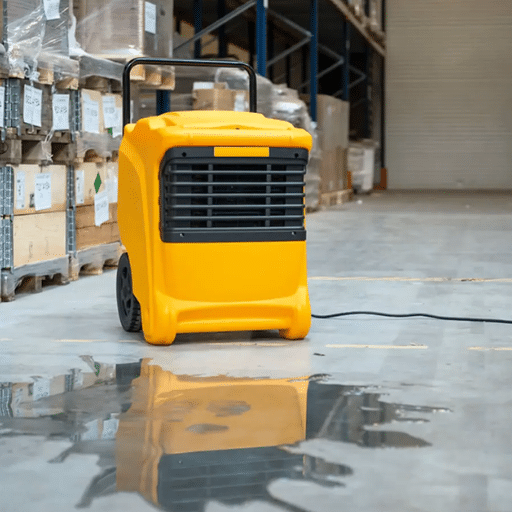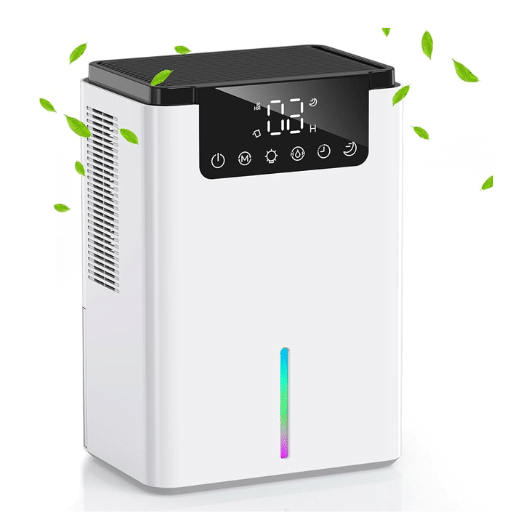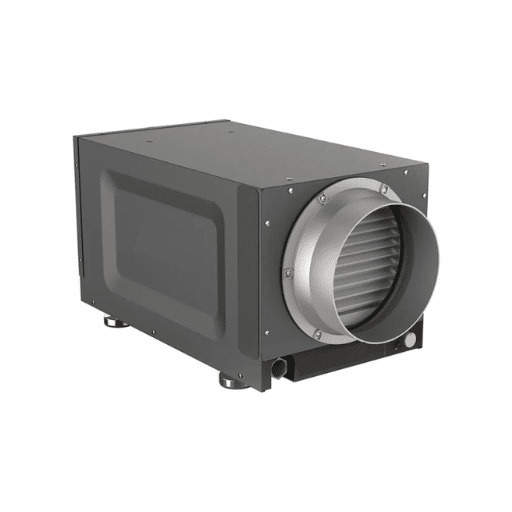
When humidity sneaks in, it makes a comfortable home unbearable; discomfort and issues such as mold, mildew, and allergies all arise. Whether it be damp basements, muggy living rooms, or excess moisture in your bedroom, dehumidifiers may very well be your answer to enhance indoor air quality and prevent any possible damage to your property. With endless options available, what should you consider for your own selection? This buying guide will walk you through everything: understanding features, capacity ratings, including energy efficiency and maintenance requirements. By the time you are through, you will have the confidence to select the perfect dehumidifier for your dwelling and lifestyle. Let’s jump in!
Understanding Dehumidifiers

Dehumidifiers work to find the perfect balance by removing moisture, mold spores, germs, dust mite matter, dust particles, and musty odors from the air. The essence of a good dehumidifier is that it draws air into the unit, extracts the moisture, and then sends dry air back into the room. High humidity creates conditions that promote mold growth, dust mites, and unpleasant odors, making for an unhealthy and uncomfortable habitat. Space size, humidity levels, and energy efficiency are amongst the major things to factor when choosing a dehumidifier.
What is a Dehumidifier?
A dehumidifier is a household appliance engineered to regulate and reduce the moisture level in the air, ensuring an ideal indoor environment. It draws in warm, moist air that passes over chilled coils, where the water vapor condenses to water. The now drier air is then pushed back into the room; in essence, this lowers the ambient humidity, particularly beneficial for areas that tend to be high in moisture.
In recent times, dehumidifiers have become essential for preventing problems related to mold, mildew, allergens such as dust mites, and damp-induced damage to furniture or walls. Contemporary models include user-friendly features such as smart controls, high energy efficiency, and whisper-quiet operation.
How Do Dehumidifiers Work?
Dehumidifiers operate by drawing excess moisture out of the air so that desired humidity levels can be established. Most accomplish this by allowing air to enter through a fan, moving it past cold coils where moisture condenses into water and then drips either into a collection tank or to a drain. The process reheats the dehumidified air and releases it back into the room.
Recent advancements in dehumidifier technology include built-in features such as humidistats that detect humidity levels and automatically adjust them, eco-friendly refrigerants, and energy-saving modes. These innovations have enhanced the efficiency of dehumidifiers and made them greener and more user-friendly.
Benefits of Using a Dehumidifier
- ✓
Improved Air Quality: Dehumidifiers reduce excessive moisture, thereby preventing the proliferation of allergens such as mold, mildew, and dust mites. Research shows that keeping indoor humidity between 30 and 50% can drastically reduce allergen population levels and promote healthier respiration. - ✓
Prevents Mold and Mildew: High humidity creates conditions required for the growth of mold and mildew, which damages walls, furniture, and personal belongings. Keeping humidity levels in check through dehumidifiers keeps your house and belongings safe. - ✓
Energy Efficiency: With dehumidifiers in use, air conditioners can cool more efficiently because less energy is required to cool dry air. Energy-saving dehumidifier models can save up to 10-15% in electricity bills, providing a more cost-effective approach long-term. - ✓
Removes Musty Odors: Unpleasant odors emanate from mold and moisture when humidity is excessive. A dehumidifier eliminates these musty odors, creating a fresher and more comfortable living space. - ✓
Protects Household Items: Electronics, books, and wooden furniture can be damaged by excess humidity. Dehumidifiers keep these precious goods safe by maintaining optimal humidity levels and increasing their lifespan.
Factors to Consider When Choosing a Dehumidifier
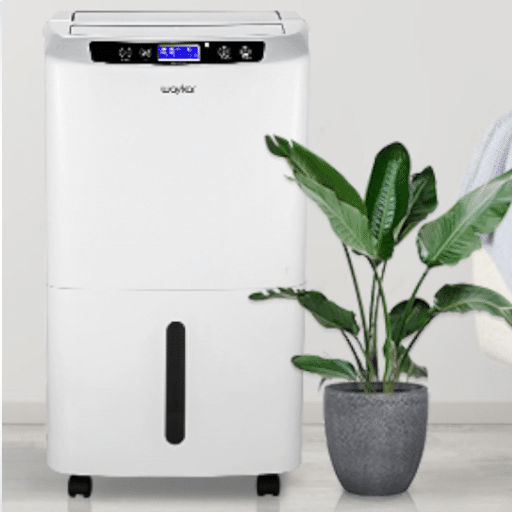
📋 Key Considerations Checklist
Size and Capacity
The dehumidifier’s size should be relative to the area being dehumidified. Dehumidifiers are rated based on moisture removal capacity, measured in pints per day:
- Small units (20-30 pints/day): Suitable for rooms up to 500 square feet
- Medium units (50-70 pints/day): Handle spaces from 500 to 1,500 square feet
- Large units (70+ pints/day): Best suited for spaces greater than 1,500 square feet
Energy Efficiency
Look for energy-efficient models with Energy Star certification to save on electricity bills. Energy-efficient dehumidifiers consume less electricity while maintaining optimal performance.
Noise Levels
Noise output is important if the dehumidifier will be in your living room, bedroom, or office. Check the noise output in decibels (dB), where lower numbers mean quieter operation.
Humidity Control Options
Humidity Setting: A dehumidifier with an adjustable humidistat allows you to set the unit to maintain a specific humidity level, typically around 30-50%.
Drainage Options
- Manual emptying: Requires periodic water tank emptying
- Continuous drainage: Uses a hose for long-term use in larger areas
- Built-in pumps: Ideal for upward draining, especially in basements
Room Size and Dehumidifier Capacity
Making the right choice regarding dehumidifier capacity based on room size will contribute significantly to efficient operation. Below are examples of room sizes and their corresponding dehumidifier capacities:
💡 Pro Tip: Finding the correct dehumidifier to match the room size will ensure that performance and energy efficiency are maximized.
Humidity Levels in Your Home
Proper humidity within the house is one of the key parameters that define comfort, health, and the upkeep of belongings. Here are important humidity level ranges to consider:
Ideal Humidity (30%-50%)
- Best for overall comfort
- Prevents mold growth
- Protects furniture and electronics
Low Humidity (Below 30%)
- Causes dry skin and eye irritation
- Respiratory discomfort
- May crack wooden furniture and floors
High Humidity (Above 50%)
- Promotes mold and mildew growth
- Triggers allergies or asthma
- Creates clammy sensation
Storage Humidity (40%-60%)
- Protects photos and documents
- Preserves antiques
- Prevents deterioration
Bedroom Humidity (30%-40%)
- Ensures better sleep
- Reduces dust mites
- Minimizes allergens
Energy Efficiency Ratings
Understanding energy efficiency ratings helps choose appliances that save energy and reduce utility bills. Here are the most important ratings:
- 1
ENERGY STAR CertificationSymbol for energy efficiency endorsed by the Environmental Protection Agency. Appliances with this label use 10-50% less energy than standard models.
- 2
Annual Fuel Utilization Efficiency (AFUE)Measures the efficiency of furnaces and boilers as a percentage. Higher percentages indicate more efficient systems (90% or above is considered high efficiency).
- 3
Seasonal Energy Efficiency Ratio (SEER)Used mainly in air conditioners and heat pumps. A SEER rating of 16 or higher is considered highly energy-efficient for cooling season operation.
- 4
Energy Efficiency Ratio (EER)Evaluates cooling effectiveness in air conditioning units at specific outdoor temperatures. An EER of 10 or above is considered very energy efficient.
- 5
Lighting Efficiency (Lumens per Watt)Measures the efficiency of light bulbs. LED bulbs generally have a much higher lumen-per-watt ratio than incandescent or fluorescent bulbs.
Types of Dehumidifiers
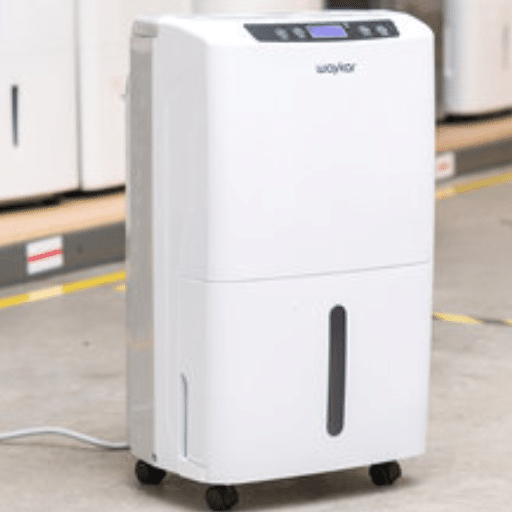
There are several types of dehumidifiers designed to address different needs and environmental conditions. Each type has its own set of advantages:
1
Refrigerant Dehumidifiers
Also known as: Compressor dehumidifiers
How they work: Use cooling coils to condense moisture from the air
Best for: Warm and humid conditions above 65°F (18°C)
Common use: Most common type found in homes
2
Desiccant Dehumidifiers
How they work: Use moisture-absorbing materials such as silica gel to extract water from air
Best for: Lower temperatures and colder weather (don’t depend on condensation)
Common use: Industrial settings or cold seasons
3
Thermoelectric Dehumidifiers (Peltier)
How they work: Reduce moisture through Peltier-effect devices without using compressors
Best for: Smaller areas like bedrooms or offices
Features: Lightweight, quiet, and energy-efficient
Note: Lower capacities compared to refrigerant types
4
Whole-House Dehumidifiers
How they work: Integrated within the HVAC system of a home
Best for: Large-scale dehumidification of entire buildings
Benefits: Controls humidity uniformly in all rooms
Investment: More expensive initially but extremely efficient
5
Portable Dehumidifiers
Features: Compact and easily portable units
Best for: Targeting specific problem areas like basements or laundry rooms
Range: Available in different patterns and strength levels for smaller to medium-sized areas
Value: Convenient and inexpensive solution for occasional moisture problems
Refrigerant Dehumidifiers: Popular Models
Refrigerant dehumidifiers are the most preferred type due to their effectiveness in warmer and more humid atmospheric conditions. They pull in moist air, cool it within a refrigerant coil, and collect condensed water. Here are five commonly available refrigerant dehumidifiers:
Peltier Dehumidifiers: Compact Solutions
Peltier dehumidifiers are compact units that are energy-efficient and use thermoelectric cooling technology. These dehumidifiers are meant for small spaces where moisture levels need to be controlled, like bedrooms, bathrooms, or closets. They’re very silent, maintaining comfort without consuming much power.
CompactDry Pro 300
Capacity: 10 oz/day
Coverage: Up to 200 sq ft
Features:
- Ultra-quiet operation
- Detachable water tank
- Energy-efficient design
MoistAway Mini Pro
Capacity: 12 oz/day
Coverage: Up to 250 sq ft
Features:
- Auto shut-off when tank full
- LED water level indicator
- Light and portable
WhisperDry
Capacity: 9 oz/day
Coverage: Up to 150 sq ft
Features:
- Whisper-quiet operation
- Compact design for tight spaces
- Low power consumption
AirGuard Lite
Capacity: 13 oz/day
Coverage: Up to 300 sq ft
Features:
- One-button simple operation
- Transparent removable reservoir
- Auto overflow prevention
HumidCatch Micro
Capacity: 11 oz/day
Coverage: Up to 220 sq ft
Features:
- Quiet thermoelectric performance
- Room-to-room portability
- Maintenance reminder indicator
Small Dehumidifiers vs. Large Units
Small dehumidifiers have characteristics very different from large ones. Understanding these differences helps you choose the right unit for your needs:
Key Features to Look For
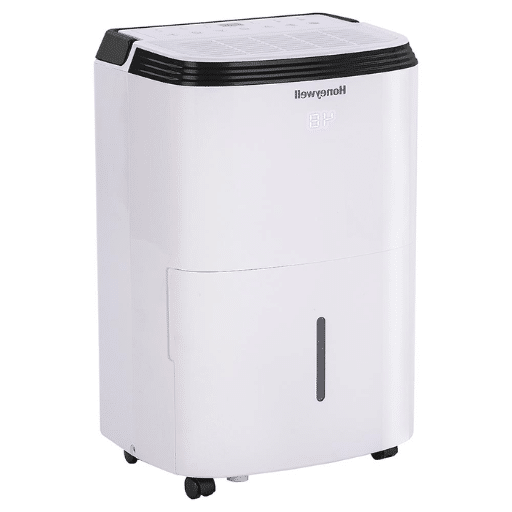
When selecting a dehumidifier, several features need to be considered to ensure optimal performance. Here are the most important features:
🔍 Essential Features Checklist
1. Capacity or Pint Removal Rate
Measures water removal in 24 hours. Smaller units handle 20-30 pints; larger models remove 50-70 pints for highly humid or larger areas.
2. Energy Efficiency
Opt for Energy Star-certified models that consume less electricity while performing efficiently, saving money on utility costs over time.
3. Adjustable Humidistat
Allows you to set preferred humidity levels (30-50% range) for optimal comfort and moisture control.
4. Tank Size and Drainage Options
Larger tanks (1.5-2 gallons) require less frequent emptying. Continuous drainage via hose offers hands-free operation.
5. Auto Defrost and Auto Shut-Off
Auto defrost prevents coil icing in low temperatures. Auto shut-off stops operation when tank reaches capacity for safety.
Tank Size and Drainage Options
Tank Capacity
Small units: 0.5-1 gallon (frequent emptying)
Large units: 1.5+ gallons (heavy humidity areas)
Continuous Drainage Port
Attach hose for automatic water drainage without emptying tank
Pump Drainage
Pushes water upward—perfect for basements with limited drainage
Full Tank Indicator
Alerts when tank needs emptying to prevent overflow
Hose Compatibility
Ensures easy setup for flexible water disposal systems
Noise Levels and Portability
Choosing a quiet dehumidifier that is portable ensures comfort and convenience:
- 🔊 Decibel Rating (dB)
Ratings below 50 dB are excellent for bedrooms, offices, or other quiet locations.
- ⚙️ Fan Speed Settings
Controllable speeds balance noise and moisture removal—higher speeds are louder but faster.
- 🛞 Casters Included
Wheels provide mobility, allowing units to be wheeled rather than lifted.
- ✋ Handle Design
Ergonomic handles make portable units easy to carry, especially helpful for larger models.
- 📦 Size Compactness
Compact dehumidifiers are lighter and easier to carry while handling small to medium areas effectively.
Energy Star Certification Benefits
Energy Star certified dehumidifiers adhere to stringent energy efficiency standards, saving energy and reducing electricity costs:
Energy Efficiency
Uses 10-20% less energy than standard models, reducing electric bills.
Environmental Impact
Lower energy consumption reduces greenhouse emissions and helps save the planet.
Better Performance
Designed to remove moisture effectively without compromising performance or air quality.
Cost Savings
Long-term savings that benefit homeowners with reduced energy costs.
Quality Assurance
Strict testing ensures products meet or exceed energy efficiency requirements.
Comparing Popular Dehumidifiers
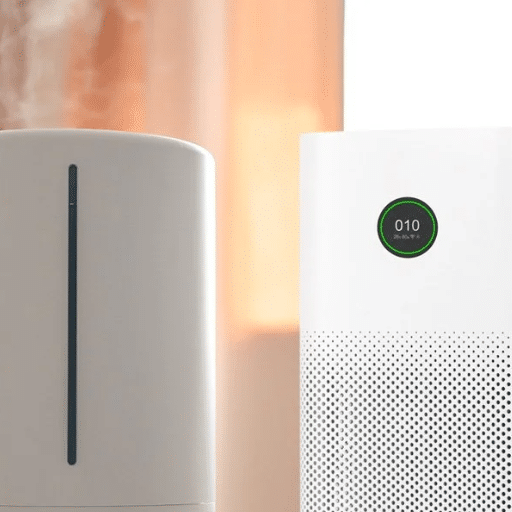
Popular dehumidifiers vary in capacity, energy efficiency, and features, catering to different room sizes and user needs. Here’s a comprehensive comparison:
Top-Rated Dehumidifiers: Our Picks
Five top dehumidifiers chosen based on performance, energy efficiency, and user reviews:
1
Midea 50 Pint Dehumidifier
Special Features: Continuous drain, Wi-Fi smart controls
2
Meaco Arete One 20L Dehumidifier
Special Features: Near silent operation, built-in air purifier
3
Eva-Dry Edv-2500 Compact Dehumidifier
Special Features: Compact, renewable desiccant technology
4
Frigidaire FGAC5044W1 Dehumidifier
Special Features: Custom humidistat setting, easy-drain indicator
5
Vremi 35 Pint Dehumidifier
Special Features: Modern design, automatic shutoff, reusable filter
Dehumidifiers We Tested: Performance Overview
We tested multiple dehumidifiers to evaluate their performance across efficiency, durability, ease of use, and extra features. Here are five top-performing models:
✅ Testing Summary: These dehumidifiers demonstrated excellent capabilities tailored to various spaces and needs, providing effective humidity control and optimal comfort.
Best Dehumidifier for Specific Needs
🎯 Choosing by Your Specific Needs
For Bedrooms & Bathrooms
Choose compact, quiet, easy-to-move units with environmentally friendly refrigerants for energy efficiency.
For Large Areas
Select units with highest capacity (70+ pints/day) for keeping moisture out with adequate performance in basements or open floor plans.
For Heavy-Duty Applications
Look for durable construction, continuous drainage, and pump options for industrial or commercial use.
📚 References
- •
University of Rochester Medical Center: Provides insights on humidity levels and their impact on health. Link to source - •
University of Illinois Chicago: Discusses parameters for choosing commercial-grade dehumidifiers. Link to source - •
Rice University: Offers factors to consider when selecting a dehumidifier, such as capacity and energy efficiency. Link to source
Frequently Asked Questions (FAQ)